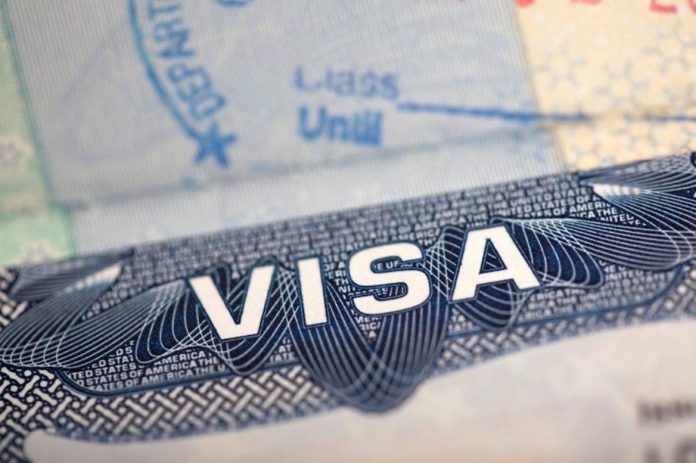
Applicants who have B1/B2 appointments scheduled for 2025 (or later) and have already paid their fee may receive an email inviting them to reschedule their appointment for a closer date at no cost.(@USEmbassyMEX/X)
Mexicans who want to travel to the United States for business, tourism or medical treatments might now be able to obtain their visitor visas quicker, U.S. officials announced Wednesday.
“Excellent news! The consular team at the Embassy and Consulates in Mexico will open more slots for additional visitor visa appointments (B1/B2) in 2024,” the U.S. Embassy in Mexico posted in Spanish via its X social media account.
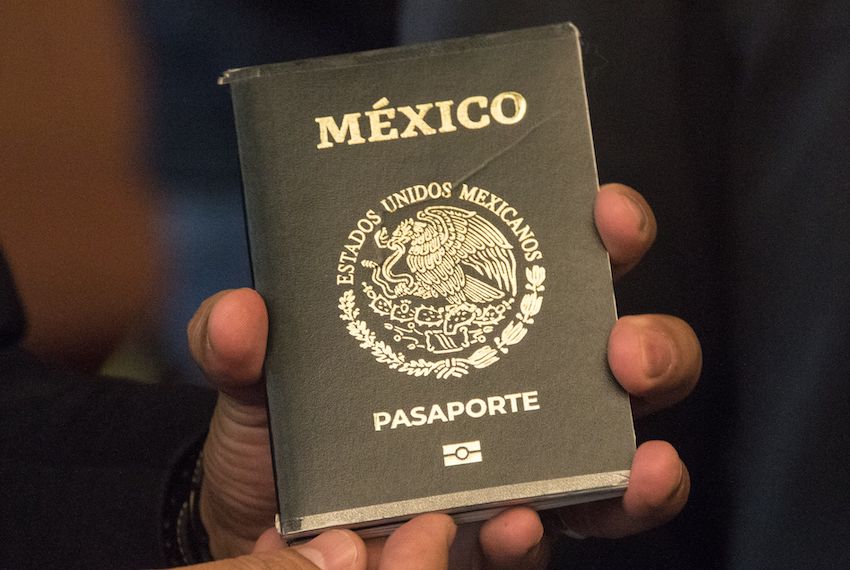
The program will be available to those applying for a B1/B2 visa for the first time. (Cuartoscuro)
The B1/B2 visa is a mandatory document for nonimmigrants seeking entry into the United States, with a maximum stay of up to six months. It prohibits its holders from getting a job or enrolling in school while in the U.S.
The Embassy said applicants who have B1/B2 visitor visa appointments scheduled for 2025 (or later) and have already paid their fee may receive an email inviting them to reschedule their appointment for a closer date at no cost.
The emails, which will be sent randomly, do not necessarily guarantee a more immediate appointment, although additional openings will be added throughout the year.
“Keep checking back as we will continue to add new appointment spaces,” the Embassy’s post on X added.
Moreover, an in-person appointment, which is mandatory, does not guarantee that a visa will be authorized.
The program will be available to those seeking a B1/B2 visa for the first time, according to the newspaper El País, which also noted that since the process is free, people should “avoid falling into fraud and scams by third parties who promise to get an advance appointment in exchange for payment.”
According to U.S. figures, the Embassy and nine consulates in Mexico granted a record 2.3 million visas in 2023. Not only was that an increase of 35% over 2022, but it amounted to 22% of all U.S. visas issued worldwide.
The cost of a B1/B2 visa for Mexicans is US $185, or about 3,100 pesos. Payment is made after completing a DS-160 application form and registering in the U.S. State Department’s online system. Having a valid Mexican passport is required.
“Our goal is for more than 90% of our overseas posts to have visitor visa interview wait times under 90 days in 2024,” the State Department said in a press release in January. “We are proud of the progress we’ve made, inspired by the variety of innovations and initiatives we’ve undertaken, and we are excited about the future.”
Meanwhile, Mexicans hoping to travel to Canada recently received news that they would no longer be able to do so without a visa. Since 2016, Mexicans could enter Canada by obtaining an electronic travel authorization, or eTA.
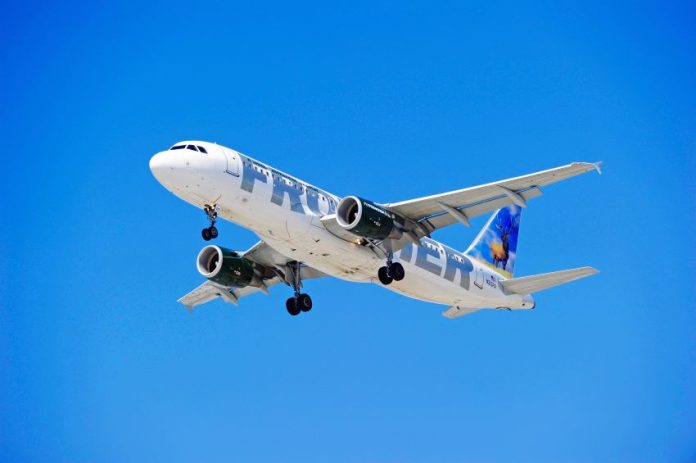
Frontier will fly twice weekly to Los Cabos beginning in May. (Philip Pilosian/Shutterstock)
This week, budget air carrier Frontier Airlines announced it is returning to the resort destination of Los Cabos in the Mexican state of Baja California Sur, just three weeks after the airline discontinued service to Los Cabos from its Denver hub.
The new route takes off on May 16 with two weekly frequencies (Thursdays and Saturdays), departing from Phoenix’s Sky Harbor Airport, the first international flight Frontier will operate from Arizona’s capital city.
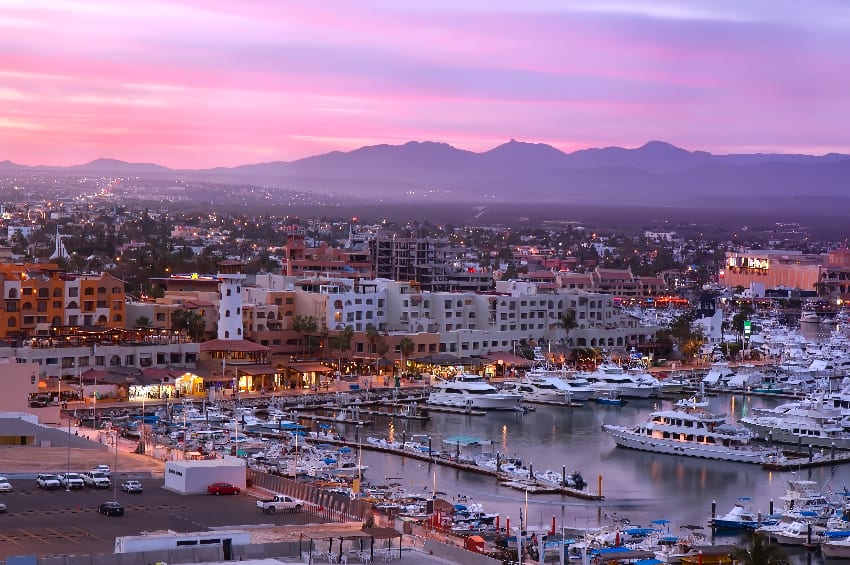
Sunset over Cabo San Lucas, Baja California Sur. (Shutterstock)
The municipality of Los Cabos is located on the southern tip of the Baja California Peninsula, and includes San José del Cabo and Cabo San Lucas, a popular resort city known for its beaches, water-based activities and nightlife. The Los Cabos airport is located in San José del Cabo.
“We’re excited to add the extremely popular destination of Los Cabos, Mexico, to our route map from Phoenix,” the airline’s Vice President for Network Operations and Design Josh Flyr said, as reported by Arizona radio station KTAR News.
According to a Frontier news release, flights for the first two months will be available with an introductory fare of US $89 each way. There are a number of holiday-related blackout dates affecting the special ticket prices, which will be on sale through this weekend. The company disclosed its flights are still awaiting approval from the U.S. government.
Frontier faces stiff competition in the Phoenix-to-Los Cabos route from American Airlines and Southwest Airlines. According to data compiled by Sky Harbor Airport, nearly 440,000 passengers traveled to the Baja resort area from the Arizona capital last year, making it the airport’s most popular international flight.
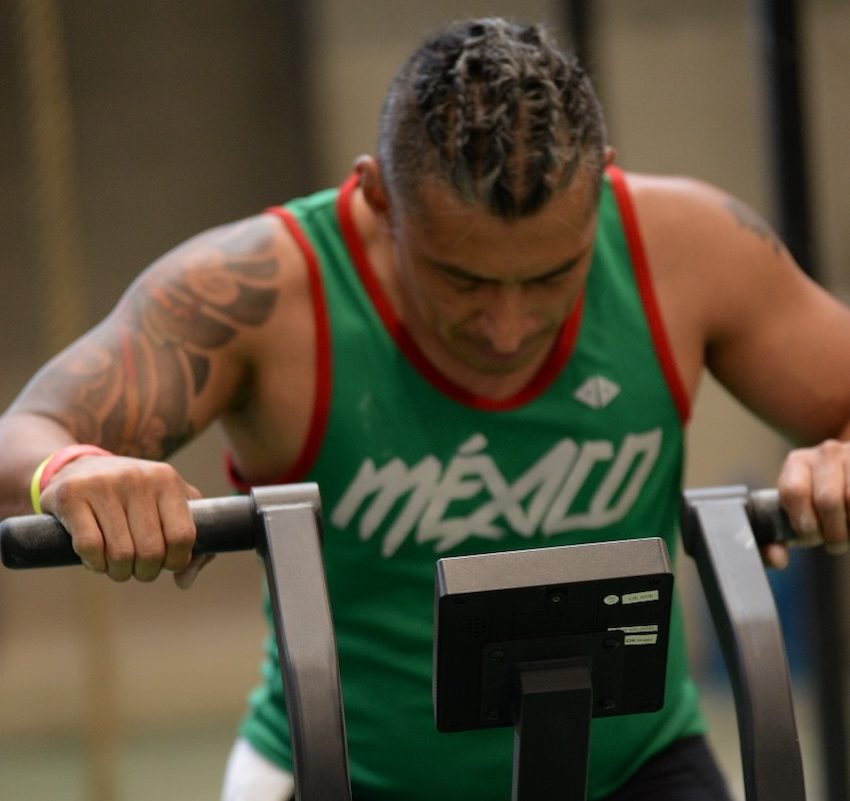
CrossFit is a growing sport in Mexico, and is offering a fun and supportive way to get in the shape of your life. (Francisco Zárate)
Despite its reputation as a wellness destination, Mexico is a fat country — in fact, it has some of the highest obesity statistics in the world. A staggering 32% of men and 42% of women are considered obese. With a further 41% of men and 36% of women considered overweight, you could be forgiven for thinking that the fitness scene in Mexico is nonexistent.
But this couldn’t be farther from the truth. From high-intensity programs like CrossFit to grueling Spartan races, Mexico has fitness options for people who want to take their workout to the next level. There are CrossFit gyms in every major city and beachside destination — from Puerto Vallarta, to Mexico City, to Monterrey or Tulum, and a number of high-profile fitness events for enthusiastic (or masochistic) amateurs to compete in.
CrossFit is a highly social workout, promoting friendship and support as part of the program. (Fibonacci Gym)
What is CrossFit?
CrossFit is a very intense workout program that uses functional movement and weight training in high-cardio sessions. It is, in many ways, the ultimate HIIT session, with set numbers of repetitions, time limits and distances set for participants. Generally, the activities in a session are similar to those you might find in Olympic disciplines, and can include gymnastic and flexibility challenges, traditional weight training and also sprinting and resistance challenges.
Usually, sessions are led by a qualified coach, and have structured warm-ups and cooldowns, as well as more strength and flexibility-oriented stages. Notably, however, these workouts are best for people with a more competitive streak, as they are designed to track progress, and face gym goers off against each other.
As a result, CrossFit can also be a great way to meet new people if you’ve just arrived in Mexico. The social element of the workout is so strong, in fact, that many gyms — such as Cancun’s Fibonacci — advertise the great community element of their CrossFit programs.
Mexican CrossFit competitor Paco Zárate believes the sport is accessible to anyone who wants to try their hand at extreme fitness. (Francisco Zárate)
How do I get started with CrossFit in Mexico?
Paco Zarate is a competitive CrossFitter, taking part in competitions in Mexico and the United States. At 49 years old, and having recently become a grandfather, you might think that his best gym years are behind him — but Paco is one of the top-ranked competitors in his CrossFit age group —which boasts 8,000 competitors — a testament to how fast the sport is growing within Mexico.
“There’s a great [CrossFit] culture in Mexico,” Paco says. “ It is not for everybody because it’s a hard discipline, but it’s accessible.“
“You register, pay your membership to CrossFit and start,” he explains. “It’s for me and for every age. There are people who are 80 years old in CrossFit.”
When asked how people can get into CrossFit, Zarate explains that it is important to find the right starting point, instead of diving in at the deep end. It’s important to ensure that if you’re going to embark on a fitness journey, you always do so with a properly accredited trainer to help reduce the risk of injury.
CrossFit allows contestants of any age to test themselves. While Paco is 49, some athletes are as old as 80. (Francisco Zárate)
“The first thing you need to do is find the right trainer. You need to start from Basics to Advanced,” he says. This is important, because given the intensity of the training, it is possible to find yourself pushing harder than your body is ready for. “You could walk into an advanced class, and if you don’t know how to do it, you might try to lift [too heavily] or do handstand walks, and you’re going to get hurt,” Paco warns.
Although CrossFit has a bit of a reputation for causing injury, many of these injuries are caused by people pushing too hard and too fast — so, taking your time and working with a professional who understands your training needs is paramount.
Put your skills to the test with a Spartan race
If you want to put your CrossFit skills into action, then a Spartan Race might be the best way to do it. Mexico has a host of options for anyone who wants to test themselves on the ultimate obstacle course: climbing, running, crawling and sweating on routes ranging from 3 kilometers (1.8 miles) to a brutal 160 (yes, one hundred and sixty kilometers — 99.4 miles).
The most popular races, the Spartan Sprints, are between three and five miles in length, and feature between 25 and 30 obstacles on the course. Other disciplines, such as the Spartan Super, a 10-km version, and the Spartan Beast (21 km) are also popular choices for athletes here in Mexico.
If you are already familiar with Spartan races in the United States, the Mexican versions are slightly easier for beginners. “I went to the United States to run and the parameters were different. The people were bigger, the weights were heavier and the obstacles were taller,” Paco says. “I suffered with my wall climbing because [the walls] were taller than I was used to. It’s complicated sometimes when you go to another country to run a Spartan race, but it’s very fun and it’s very challenging.”
If you are feeling insecure about your personal fitness before beginning an intense sports workout — challenge that mindset!. “Pregnant women do CrossFit,” Paco says. “There are people with physical disabilities who train. There are even specific categories in CrossFit games for these people. Everyone can participate… your age, gender or size don’t matter.”
“We are often afraid of not finishing, or looking ridiculous in front of other people… but the thing is, you just have to start.”
If you’re thinking of signing up for a Spartan race (you should!), then more information is available on their website.
Of course, if you’re looking for something more holistic and a bit less hectic, why not check out our guide to Tulum’s best bikini bootcamps?
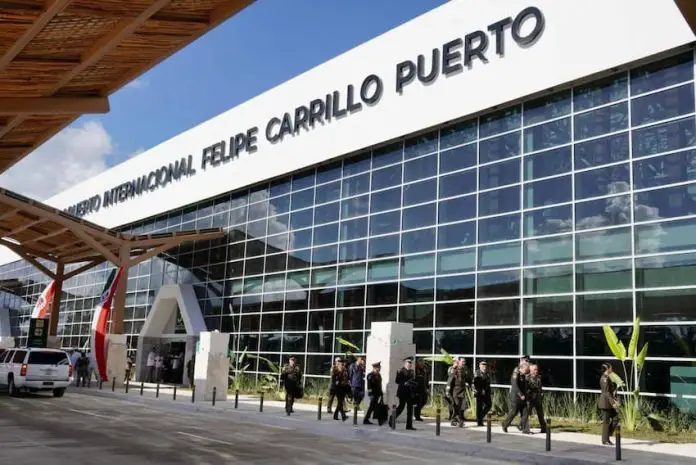
Next week, Tulum will officially be an international airport. (Elizabeth Ruiz/Cuartoscuro)
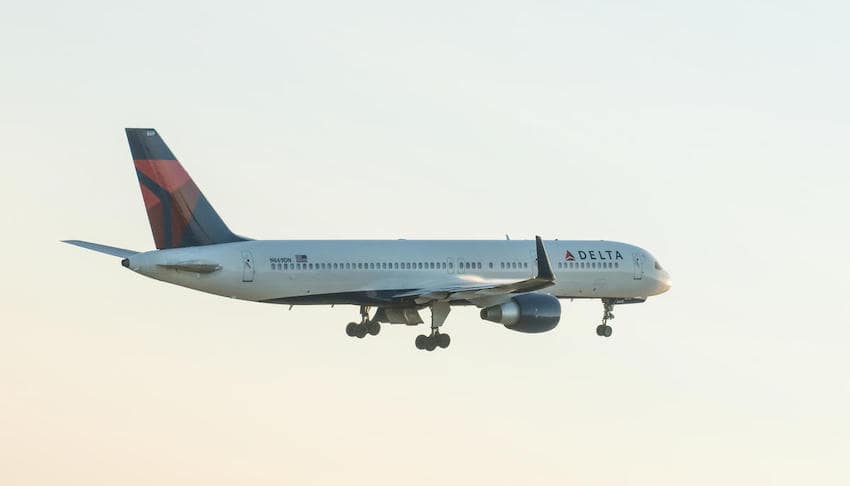
The new Felipe Carrillo Puerto International Airport in the Caribbean resort city of Tulum will officially welcome its first flights from abroad before the end of the month, with Delta Air Lines and American Airlines scheduled to inaugurate flights from the United States on March 28.
Delta is the first U.S. airline to offer flights to the new Tulum Airport in Quintana Roo on March 28. (Delta Airlines)
Spirit Airlines was to begin operating direct flights from Ft. Lauderdale, Florida, that same day but has been forced to postpone its inaugural flight due to difficulties related to the repair and availability of plane engine parts.
United Airlines is scheduled to begin non-stop flights to Tulum from Newark (New Jersey), Los Angeles, Chicago and Houston on March 31. The airline also announced plans to add flights to several other Mexican resort destinations including Cancún, Puerto Vallarta and San José del Cabo in Baja California Sur.
The news site Debate reported that JetBlue will wait until June to launch its first flight to Tulum, departing from New York’s JFK International Airport.
The long-awaited Tulum International Airport was inaugurated on Dec. 1, beginning operations with five daily domestic flights operated by Viva Aerobus, Mexicana de Aviación and Aeroméxico.
Tulum — known for its turquoise waters and cliffside Maya ruins — is 65 kilometers south of the resort city of Playa del Carmen, while Cancún is another 45 kilometers further north.
Public transport to the airport is available via the ADO bus line with direct service from Cancún, Playa del Carmen and other cities across the Yucatán Peninsula. The airport sits on Federal Highway 307, facilitating access to the local station of the Maya Train.
Is something true? Shocking? Amazing? There's a Mexican slang word for that. (Daniele La Rosa/Unsplash)
Neta no vas a leer este artículo? La neta te conviene. Are you really not going to read this article? Honestly, you better!
Neta no. Neta sí. Es neta. Dime la neta.
React to the latest gossip with appropriate surprise by using “neta.” (Ben White/Unsplash)
Neta is one of the most common slang words in Mexico. Its origin traces back to the Spanish word “neto,” meaning “net” or “clear.” Over time, “neto” evolved into “neta,” and it was adopted as a fundamental part of Mexican Spanish. Today, the word has different meanings, including truth, honesty, authenticity, coolness and sincerity. It serves as a linguistic tool for expressing agreement, affirmation, or emphasis, depending on the context.
Example 1:
–”¿Es cierto que van a cerrar la tienda?” (Is it true that the store is closing?)
–”Sí, es neta. La dueña ya lo confirmó.” (Yes, it’s true. The owner already confirmed it.)
Example 2:
–”¿Confías en él?” (Do you trust him?)
–”¡Sí, ese wey es súper neta.” (Yeah, that dude is super legit.)
In these examples, “neta” is used to affirm the truthfulness of a statement or to emphasize the authenticity, honesty of a person. It adds a layer of sincerity and certainty to the conversation, making it a powerful tool for effective communication in Mexican Spanish.
Example 4:
–Supiste que Karla ya no va a ir al viaje? (Did you know that Karla is ditching the trip?)
¿Es neta?, ¿por? (Are you serious? why?)
–La neta ni idea (I really I don’t know)
Whether used to express agreement, confirm information, or convey sincerity, when you hear the word “neta,” know that the truth is being spoken in the most authentic way possible.
Paulina Gerez is a translator-interpreter, content creator, and founder of Crack The Code, a series of online courses focused on languages. Through her social media, she helps people see learning a language from another perspective through her fun experiences. Instagram: paulinagerezm / Tiktok: paugerez3 / YT: paulina gerez
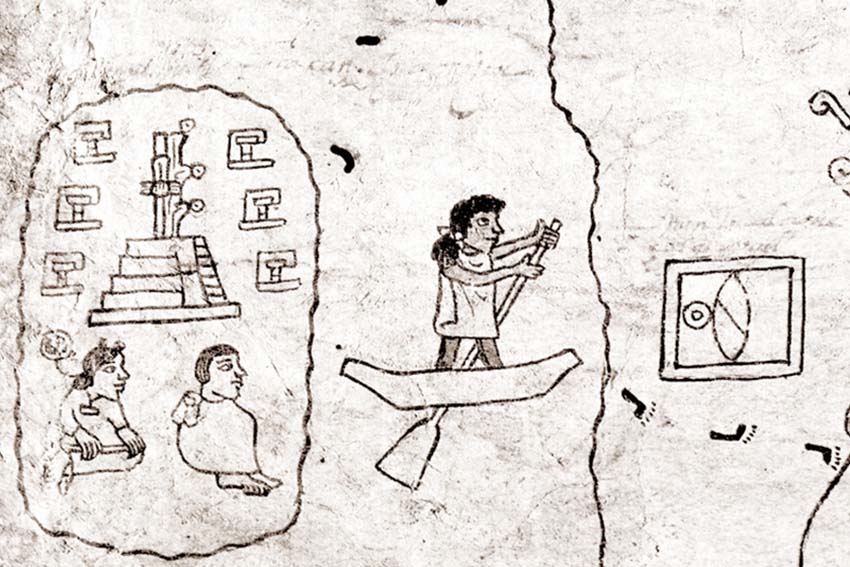
Detail of one of the recovered Codices of San Andrés Tetepilco. The document, made of amate bark paper, shows the inventory of a church in the colonial town of San Andrés Tetepilco, located in modern-day Mexico City. (INAH)
The National Institute of Anthropology and History (INAH) has announced the recovery of three codices created by Indigenous scribes between 400 and 450 years ago and containing valuable details about the history of Mexico.
With colorful pictographs and other information, the codices shed light on the story of Tenochtitlán, the capital of the Mexica empire upon which modern Mexico City was built.
The codices can be considered a continuation or supplement to the Boturini Codex, which describes the migration of Nahua peoples to central Mexico in the precolonial period. That codex is located in Mexico’s National Museum of Anthropology. (Wikimedia Commons)
Because they had remained in the possession of a family for generations, these codices had gone virtually unseen by anyone for ages.
“It is as if a Rembrandt or a Velázquez appeared today,” said María Castañeda de la Paz, a researcher at the Anthropological Research Institute of the National Autonomous University of Mexico. “It’s extraordinary.”
He said it was “a wonder that, after several centuries, new, very interesting and very beautiful materials continue to appear that enrich the national cultural heritage.”
The documents are known as the Codices of San Andrés Tetepilco and can be considered a continuation of the Boturini Codex, which depicts the migration of the Nahua peoples, including those who would become the Mexica (Aztecs) from Aztlán, said to be where the Mexica originated.
The codices were created in the late 1500s and early 1600s by tlacuilos (chronicler scribes) in the town of San Andrés Tetepilco, located in what is now the borough of Iztapalapa in southeastern Mexico City.
“It is as if a Rembrandt or a Velázquez appeared today,” said María Castañeda de la Paz, a researcher at the Anthropological Research Institute of the National Autonomous University of Mexico. “It’s extraordinary.”
The largest one, the Tira de Tetepilco, tells the history of Tenochtitlán from its founding in the 1300s, providing details about its rulers in pre-Columbian times, the arrival of the Spanish conquistadors in 1519 and the colonial period through the arrival of viceroy Juan de Mendoza y Luna in 1603.
Another codex is an inventory of the church of San Andrés Tetilco. It is made of two sheets of amate paper glued together, on which a white layer of lime was applied.
A final codex contains historical and geographic information related to San Andrés Tetepilco itself.
The codices contain paintings from Indigenous traditions as well as texts in Nahuatl and Spanish, written in the Latin alphabet, making it part of the tradition of “mixed” codices.
María Castañeda recalled being invited to a private home in Mexico City some 15 years ago for a first look at the artifacts, which left her breathless.
The family, which wishes to remain anonymous, eventually turned them over to the government, but only after various entities committed to the conservation and preservation of Mexican cultural heritage helped raise 9.5 million pesos (US $566,500) as payment, according to an INAH press release.
INAH described the acquisition as a milestone comparable to the authentication of the Mayan Codex of Mexico six years ago.
These three “new” documents are among some 200 Mesoamerican codices out of approximately 550 that are recognized in the world. Henceforth, the artifacts will remain in the public domain, protected in a vault in the National Library of Anthropology and History in Mexico City.
Over 220,000 Venezuelans entered Mexico irregularly last year. Many have remained in Mexico after frustrated attempts to get into the United States. (Cuartoscuro)
Mexico has reached an agreement with Venezuela to repatriate nationals of the South American nation, Foreign Affairs Minister Alicia Bárcena said Thursday.
There are currently between 4,000 and 5,000 Venezuelan migrants “stranded in Mexico, mostly in the city of Tijuana,” according to a Reuters report, while over 220,000 nationals of the beleaguered country entered Mexico irregularly in 2023, government data shows.
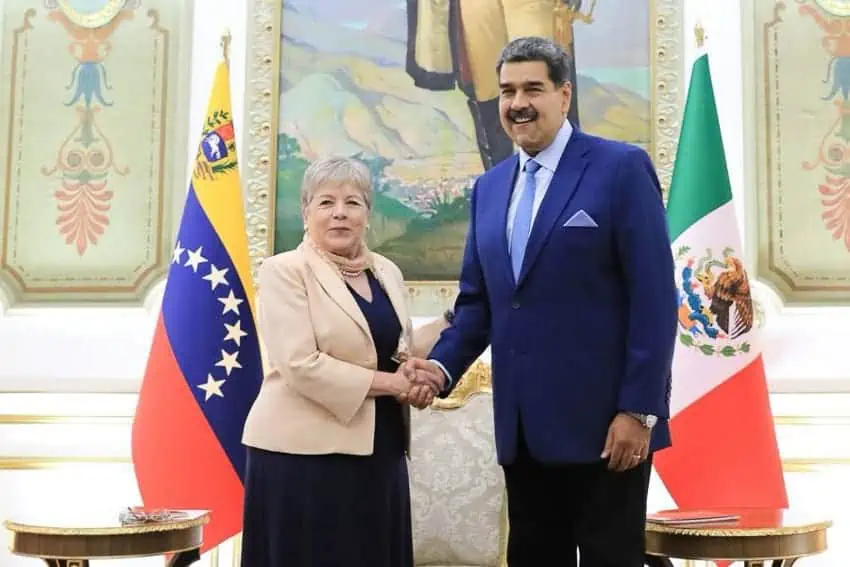
Foreign Affairs Minister Alicia Bárcena at a meeting with Venezuela’s president Nicolás Maduro in October.(SRE/Cuartoscuro)
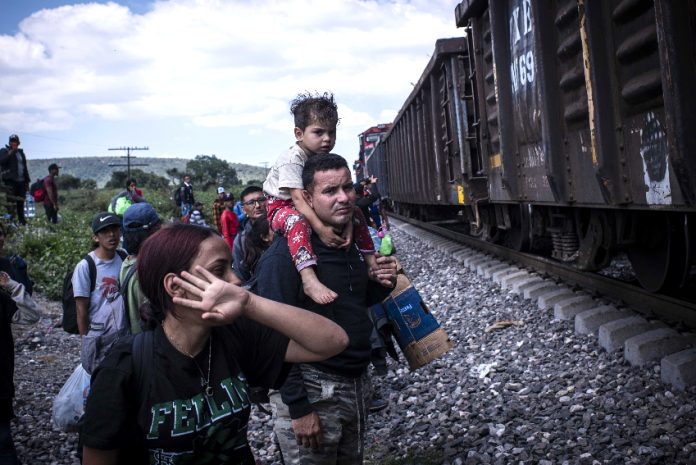
They are among nationals of various countries who recently fled poverty and violence in their homelands and traveled to Mexico with the hope of entering the United States — via or between official ports of entry.
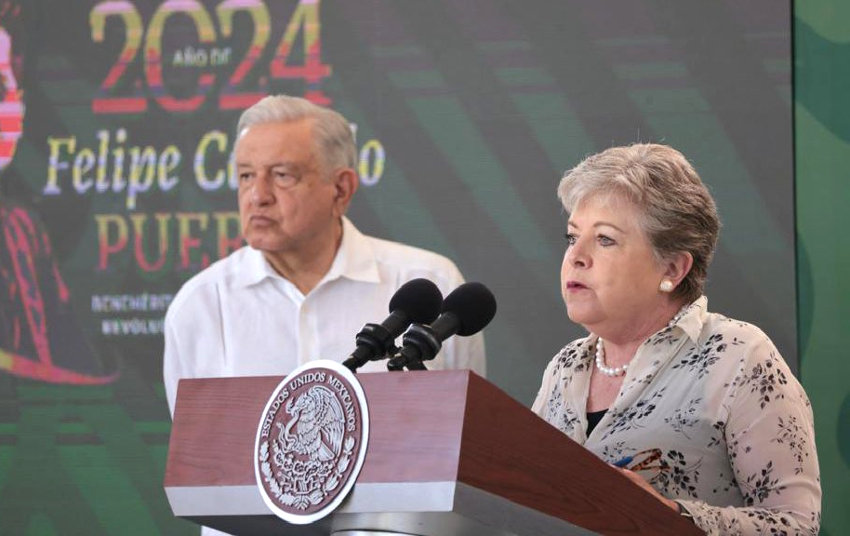
Speaking at President Andrés Manuel López Obrador’s morning press conference, Bárcena said that Mexico has reached a so-called “Vuelta a la Patria” (Return to the Homeland) agreement with Venezuela to deport an unspecified number of Venezuelans.
She said that the federal government is also “making deals” with Venezuelan and Mexican companies to provide employment opportunities for the deported migrants. Bárcena said that the government has already reached agreements with Venezuelan beverages company Polar and two Mexican firms with operations in Venezuela, baker Bimbo and Coca-Cola bottler Femsa.
The foreign minister said that the Mexican government will also provide the deportees with a monthly stipend of around US $110 for six months.
Foreign Affairs Minister Alicia Bárcena speaks at the president’s morning press conference in Oaxaca on Thursday. (SRE/X)
“We have just signed an agreement with Venezuela, with the President Nicolás Maduro, it’s called Vuelta a la Patria. We’re sending Venezuelans back to their country,” Bárcena said, explaining that Mexico doesn’t have the capacity to accommodate the large number of Venezuelan migrants in the country.
“… There is an incentive for them to return,” she added.
Bárcena said that the government is in the process of making similar agreements with other countries including Colombia and Ecuador.
“This is a project to support the returnees … [so that] they don’t migrate again, so they stay [in their countries of origin],” she said.
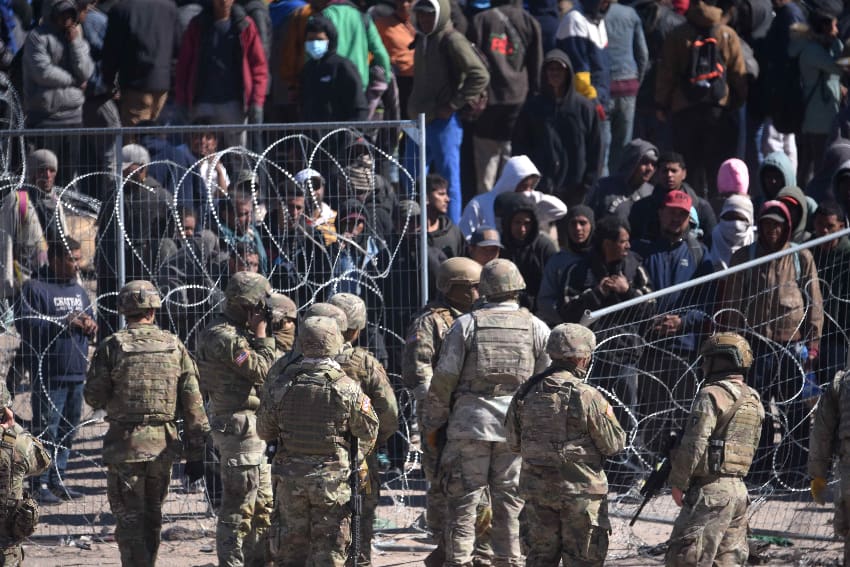
Migrants face off with soldiers at the border near Ciudad Juárez. (Cuartoscuro)
Bárcena also said the government has a “pact with 50 Mexican companies” to provide 10,000 jobs to migrants in Mexico. That was apparently a reference to a program launched last month under which companies such as Amazon, Chedraui, Bimbo and Walmart are set to employ migrants.
On Thursday morning, Bárcena also spoke about Senate Bill 4 (SB 4), a controversial immigration law in Texas that briefly went into force on Tuesday before a federal U.S appeals court issued an order that prevented its enforcement.
“It’s a profoundly unconstitutional law,” she said of SB 4, which allows state authorities in Texas to detain undocumented migrants and people suspected of crossing the border illegally.
“The migration issue is a federal one. We’re not going to permit [this] action from Texas,” Bárcena said.
After the law took effect on Tuesday, the Mexican government said it would not accept repatriations of migrants by the state of Texas “under any circumstances” and asserted its “legitimate right to protect the rights of its nationals in the United States.”
On Thursday, Bárcena said that the government, via its consulates in Texas, is prepared to assist Mexicans who experience any problems as a result of the application of SB 4, whose future enforcement currently hinges on the decision of a federal court in Louisiana.
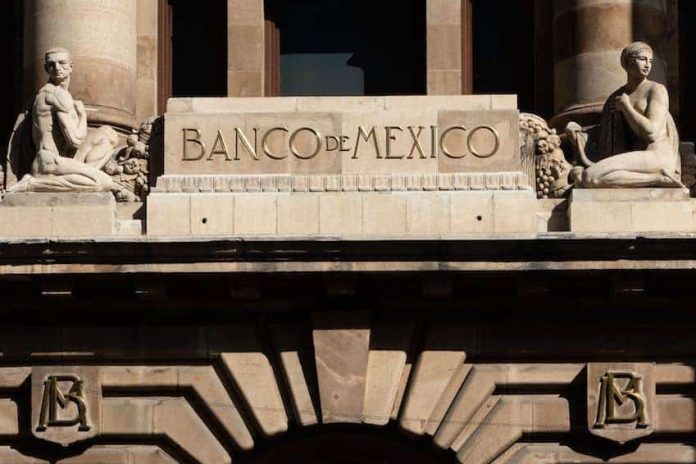
Mexico's central bank dropped the nation's benchmark interest rate to 11% in response to reductions in inflation. (Cuartoscuro)
The Bank of Mexico (Banxico) voted to cut Mexico’s benchmark interest rate by 25 basis points to 11% on Thursday, making its first reduction to borrowing costs in over three years.
Four members of Mexico’s central bank’s governing board, including Banxico Governor Victoria Rodríguez, voted in favor of the 25-basis-point cut while one member voted to keep the key rate at a record-high 11.25%.
Inflation has overall eased for Mexicans, with a consistent decline between February and October of last year and another recent drop from 4.88% to 4.40% last month. The central bank wants to lower inflation to 3%. (Graciela López/Cuartoscuro)
The reduction came a year after the board raised the benchmark rate to 11.25%, concluding a 21-month tightening cycle during which a total of 15 hikes — totaling 725 basis points — were made.
In a statement announcing the reduction, Banxico said that its board acknowledged that a “disinflationary process” had commenced in Mexico since the last time the rate was adjusted but also “considered the challenges and risks that prevail.”
Upside risks, the central bank said, include “persistence of core inflation; foreign exchange depreciation;… [and] the intensification of geopolitical conflicts.”
With the cut, Banxico’s “monetary policy stance remains restrictive and will continue being conducive to the convergence of inflation to the 3% target in the forecast horizon,” the central bank said, adding that its board will “thoroughly monitor inflationary pressures, as well as all factors that have an incidence on the foreseen path for inflation and its expectations.”
“In the next monetary policy meetings, [the board] will make its decisions depending on available information,” Banxico added.
Inflation declined for nine consecutive months between February and October last year after hitting almost 8% in January 2023. However, the headline rate rose during three consecutive months between November and January before falling again last month.
The central bank’s decision to cut its benchmark rate on Thursday came after the United States Federal Reserve kept its rate steady at a range of 5.25%-5.5% on Wednesday. The gap between the two rates has therefore narrowed, but there was no major immediate impact on the MXN:USD exchange rate.
The peso — which has benefited from the significant difference between Banxico’s key interest rate and that of the Fed — was trading at 16.74 to the US dollar shortly after 4 p.m. Mexico City time after closing on Wednesday at 16.68.
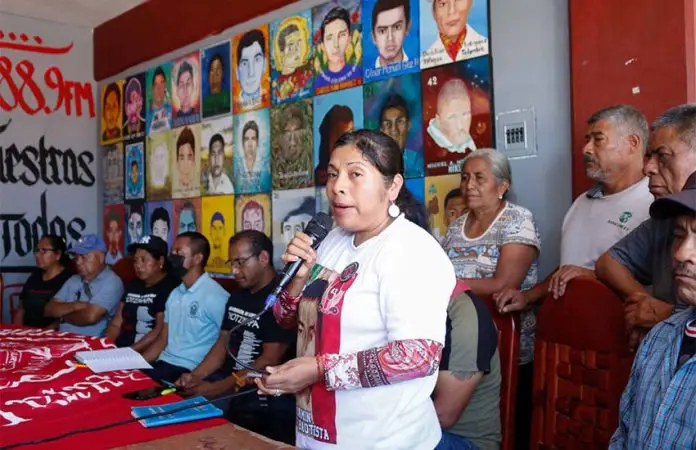
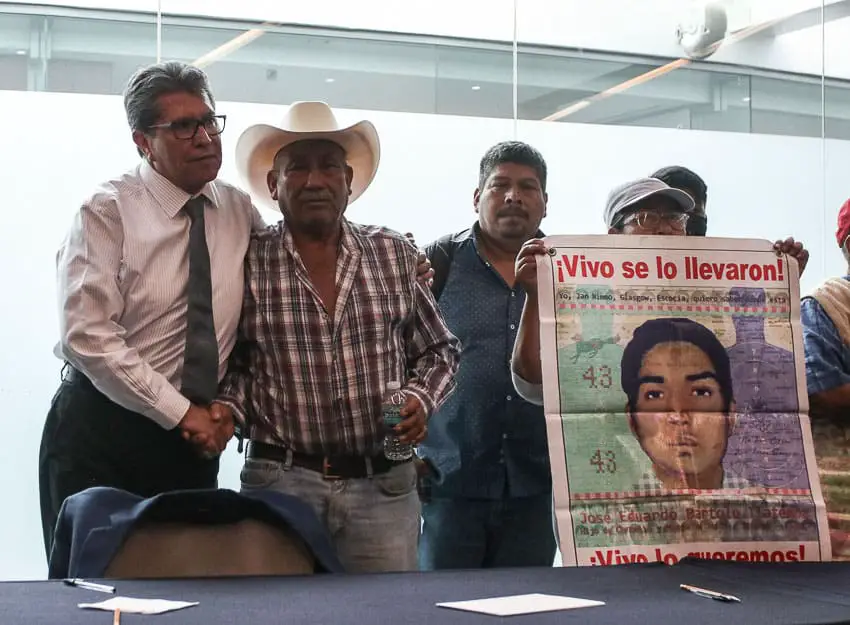
Parents of the 43 Mexican college students, who have been missing since 2014, at a press conference they gave on March 7. (Cuartoscuro)
President Andrés Manuel López Obrador said Thursday that he would meet with the parents of the 43 Mexican students who were abducted and presumably killed in the state of Guerrero in 2014, but expressed a preference for dialogue without the presence of lawyers and representatives of human rights organizations.
The parents of the 43 Ayotzinapa Rural Teachers’ College students have been calling for a meeting with the president in recent weeks. Lopez Obrador has met with the missing students’ parents on previous occasions, as recently as last fall.
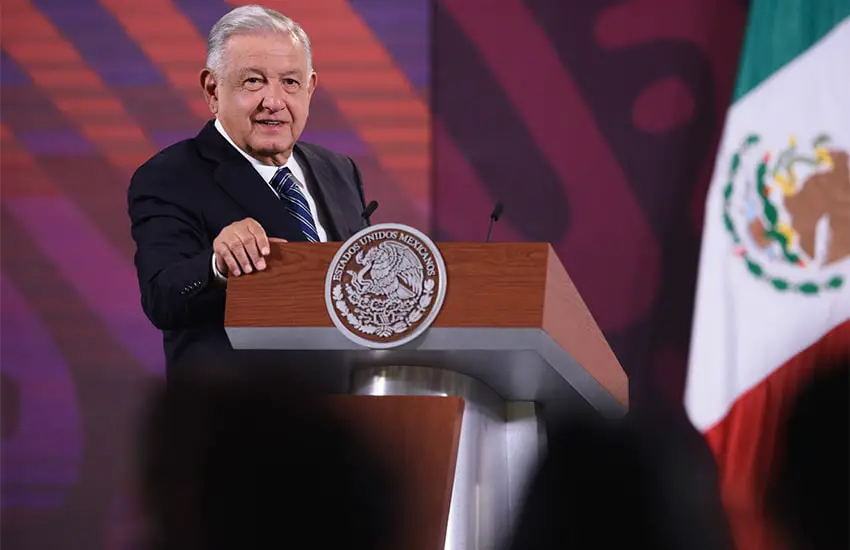
President López Obrador has accused lawyers and human rights activists of “manipulating” the parents of the Ayotzinapa 43.(Presidente.gob)
“I want to talk to [the parents],” López Obrador said at his Thursday morning press conference in Oaxaca.
Almost 10 years after their sons disappeared, there is still no certainty about what happened to the young men, despite two successive governments’ promises to get to the bottom of the case.
Speaking at his morning press conference, López Obrador said he was waiting for the parents to respond to his offer to speak to them “without the lawyers and without their advisors from the organizations that supposedly defend human rights.”
He said he would still meet with them if they insist on being accompanied by lawyers and human rights representatives, but he made clear that it wasn’t his preference.
The parents of the Ayotzinapa 43 have recently put pressure on the president to meet with them, holding demonstrations in Mexico City this month. Last week, the group met with Senate Majority Leader Ricardo Monreal. (Andrea Murcia/Cuartoscuro)
“They are older, sensible people and I want to give them information that I’m certain their lawyers and advisors haven’t given them,” the president said. “I want them to know what’s been happening with the investigation. They don’t have to end up believing me; the only thing I want is for them to know my point of view.”
There have been countless protests across Mexico since the 43 students disappeared on Sept. 26, 2014, during the presidency of Enrique Peña Nieto.
Almost a decade after the tragedy, there is a growing sense that the case won’t be resolved during López Obrador’s six-year term, even though he pledged from the first days of his presidency to conduct a new investigation that would arrive at the “truth” about what happened.
The previous government’s version of events — the so-called “historical truth” — has been widely discredited by both national and international sources. Certain aspects of that version, however, such as the alleged involvement in the crime by the Guerreros Unidos gang and municipal police, do align with the López Obrador administration’s findings.
López Obrador said Thursday that authorities are searching for the missing students “like never” before, and — without offering details — asserted that progress has been made.
Despite what he described as the government’s efforts, the president said there is “a lot of hostility from the lawyers and the human rights organizations,” citing the Inter-American Commission on Human Rights and the Organization of American States.
“There are political interests. … They’re using this regrettable case to gain an advantage, but they’re not going to gain anything at all,” said López Obrador, who took office four years after the Ayotzinapa students disappeared.
“… There are people who don’t really want justice to be served,” he said. “There are people who live off managing conflicts, who profit from human pain,” he said.
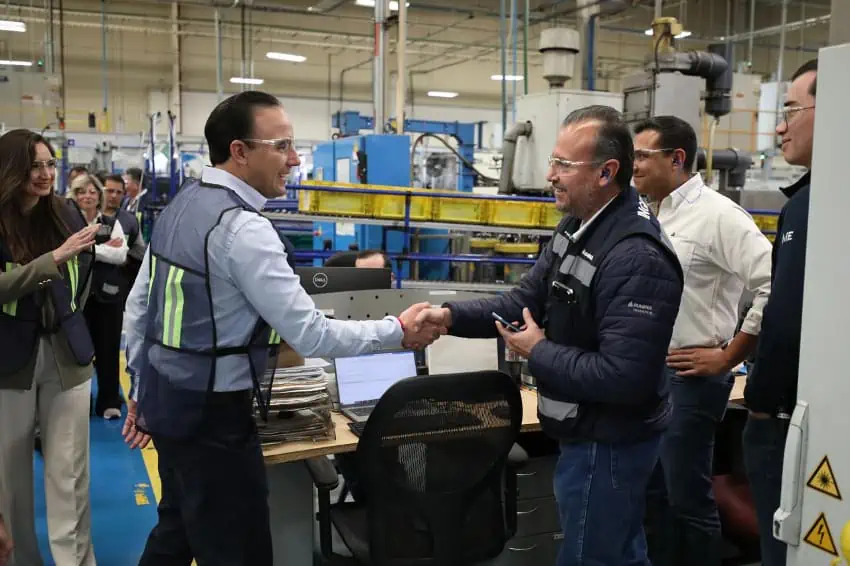
Coahuila Governor Manolo Jiménez Salinas with Magna International executives at the investment announcement on March 13. (Manolo Jimenez Salinas/X)
Magna International, a Canadian auto parts manufacturer and one of the largest in North America, will invest US $166 million to build its 11th factory in the northern Mexican state of Coahuila. The plant will manufacture electrical and structural parts, such as chassis and platforms, and will create 700 jobs.
Magna International executives said the expansion plans confirm their faith in Coahuila as a sound location for investment, praising the state’s security situation, its skilled labor force, and its proximity to the U.S. market.
The state’s governor, Manolo Jiménez Salinas (left), at a Magna factory in Coahuila. (Manolo Jiménez Salinas/X)
Governor Manolo Jiménez said Magna’s venture demonstrates that Coahuila is open to any company that wishes to invest, and added that his administration takes seriously its duty to create the conditions for job creation.
“We all work to ensure that any business that sets up in Coahuila prospers, and security is a fundamental priority in achieving this,” he said, in a Milenio newspaper report on March 13. “We also prioritize dual education … which produces skilled labor while also promoting dialogue between management and labor unions.”
Dual education is a system that combines apprenticeship and vocational education in a single course of study.
Once in operation, the new Magna plant — to be located in the city of Ramos Arizpe, just 14 kilometers north of the state capital Saltillo — will boost the company’s position as one of the state’s top employers as more than 15,000 people work at its other 10 facilities in Coahuila.
Coahuila, Mexico’s third-largest state, sits across the Rio Bravo from the U.S. state of Texas. In a recent Industrial Development Index produced by Finsa, a Mexican industrial park developer, Coahuila ranked as the third-leading destination for industrial investment in Mexico. The Finsa study highlighted the productive participation in the industrial real estate market these three states have established, their export-oriented manufacturing sectors and their capacity to attract foreign investment.
A self-proclaimed leader in mobility technology, Magna has 32 manufacturing plants and employs more than 30,000 people across Mexico. Fernando Moreno, Magna’s vice president of legal services in Mexico, underscored the leading role Magna plays in the global automotive industry as a major auto parts supplier.