Home Blog Page 437

Know your Mexico City neighborhood: Nápoles

1
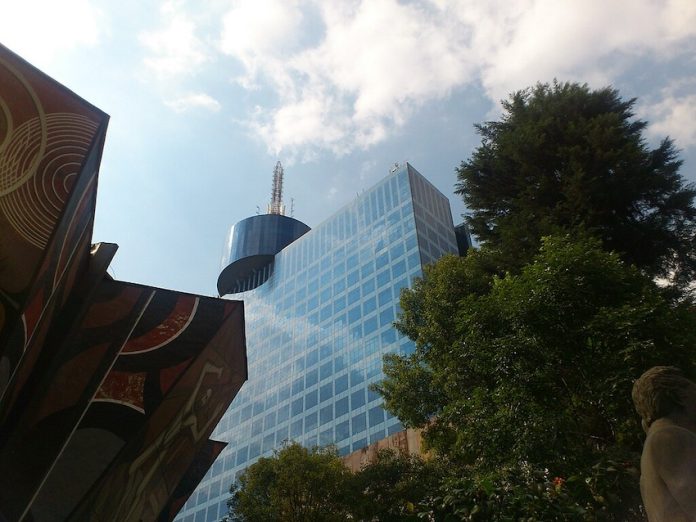
View of Mexico City's World Trade Center
Colonia Nápoles, in the heart of Benito Juárez borough, is home to younger urbanites looking for fun-yet-affordable living areas. (JavierDo/Wikimedia Commons - Creative Commons Attribution-Share Alike 3.0)

Borough: Benito Juárez
Established: 1908
Location: 6 km south of the Ángel de la Independencia 

Who lives in Nápoles

Colonia Nápoles, in Mexico City’s Benito Juárez borough, is reeling from its recent years of revitalization and a growing interest from younger urbanites looking for fun-yet-affordable living areas. With an average resident age of 38, Nápoles attracts a diverse mix of professionals, creatives and entrepreneurs. 
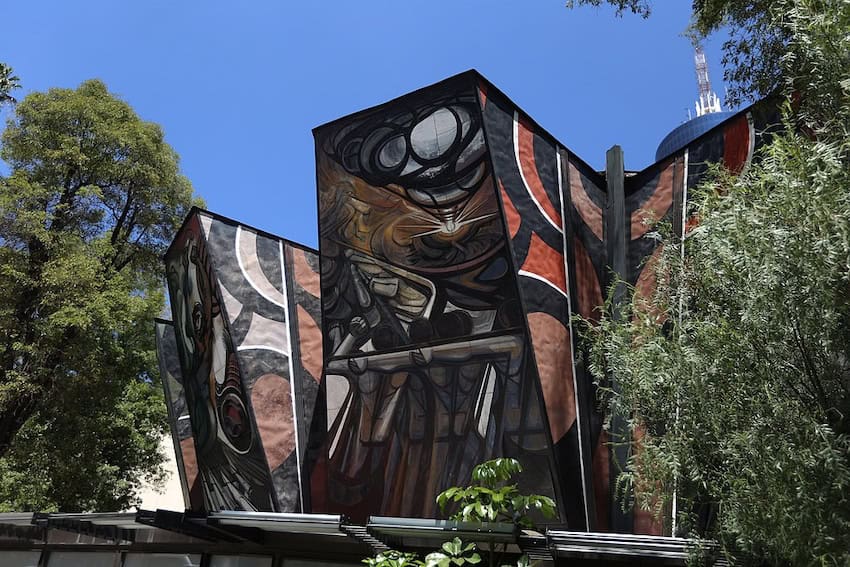
Signing of the Irrevocable Trust Agreement for the Administration of the Restoration, Maintenance, Protection, Operation, Conservation, Support and Cultural Promotion of the Polyforum Siqueiros
Mexico City’s Colonia Nápoles has blossomed with cultural venues and local businesses, that keep life at an affordable price range. (Gobierno de la Ciudad de México)

Speaking of creatives, renowned Colombian artist Fernando Botero briefly resided on Calle Kansas in 1956. During his stay, Botero — whose works can be found at the Museo Tamayo and Museo Soumaya — immersed himself in Mexico’s thriving art scene, using this time as a period of intense intellectual exploration and artistic development.

A brief history of Nápoles

With its establishment in 1908, Colonia Nápoles quickly defined itself as a key player in the ever-expanding metropolis that was Mexico City. The neighborhood emerged from Rancho de Amores and Rancho de Nápoles, former agricultural estates primed for urban development. English women Francisca Julia Willie and her business partner Enrique Marcial Beale worked together to bring to life their envisioned “model town” with large lots and accessible routes to Mexico City. 

Pretty soon, California Colonial-style mansions started popping up and Nápoles was divided into two sections: the original and Ampliación Nápoles. Over time, Nápoles evolved from a residential area to a commercial hub, particularly along Avenida de los Insurgentes, with modern buildings replacing many of its original houses.

Colonial California house and World Trade Center in colonia Nápoles, Mexico City
A typical Colonial California-style house in Colonia Nápoles, Mexico City. (Keizers/CC BY-SA 3.0)

A guide to Nápoles today

Perhaps thanks to the World Trade Center complex, Nápoles offers a unique blend of international flair and local charm. This is evident most notably through its culinary scene, especially along Calle Nueva York, where you can sample bites ranging from Polish to French, Spanish to Indian, all within a few blocks. 

The neighborhood strikes an agreeable balance between the trendiness of areas like Roma or Condesa and a more authentic local experience. Nápoles is characterized by a cosmopolitan vibe that showcases street vendors and upscale dining options on its streets named after U.S. states. The location is strategic and well-connected, making it an ideal base for exploring or living. 

Nápoles is great if you love: A down-to-earth, non-curated neighborhood with a vibrance that could only exist in Mexico City.

What to do in Nápoles

Signing of the Irrevocable Trust Agreement for the Administration of the Restoration, Maintenance, Protection, Operation, Conservation, Support and Cultural Promotion of the Polyforum Cultural Siqueiros
Polyforum Siqueiros showcases humanity’s evolution through art.()

Polyforum Siqueiros: A cultural landmark housing a giant mural, “La Marcha de la Humanidad,” this multifunctional space showcases humanity’s evolution through art. Check out a lineup of  diverse cultural events including theater and exhibitions, in its unique circular auditorium.

Pepsi Center WTC: A versatile, state-of-the-art venue is capable of hosting a range of events, from lectures to concerts by the likes of Bob Dylan and Alejandro Sanchez. It boasts modern amenities, exceptional acoustics and a prime location within the World Trade Center complex.

WTC México: One of the city’s premier event spaces is known for large-scale gatherings that run the gamut of spirituality expos to pharmaceutical conventions. Ideal for networking or accidentally bumping into potential clients. Check out the CETRO Mirador on the 46th floor in Torre 1 for sweeping views of the city.

Street view of Mexico City's World Trade Center (WTC) in Colonia Nápoles
Mexico City’s World Trade Center (WTC) hosts large-scale gatherings that run the gamut of spirituality expos to pharmaceutical conventions. (Alejandro Juárez/CC BY-SA 2.0)

Plaza México: Despite ongoing legal battles, the world’s largest bullring has resumed activity in the center of Nápoles. Plaza México is an architectural marvel that hosts bullfights and various cultural events, including concerts, serving as a symbol of Mexican heritage and a unique attraction for visitors.

Alameda Nápoles (Parque Alfonso Esparza Oteo): Nápoles’ main park features a distinctive clock tower that has become a symbol of the neighborhood. Enjoy green spaces, a small open-air forum for live performances and recreational facilities.

Parque Hundido: Located in neighboring Extremadura Insurgentes, this expansive urban park is a favorite for families and teenage Mexican couples looking for a place to make out. There are plenty of unique attractions here that you won’t find in other city parks, including the hard-to-miss sculpture of an Olmec head and a recognizable clock made of flowers. 

Things to eat in Nápoles

El Corazón del Mar: This popular seafood restaurant is known for a diverse menu and creative cocktails. The ambiance is relaxed and casual, with outdoor seating perfect for an outing with friends. Make sure to order the octopus or tacos al pastor.

Hijos del Maíz: Mexico is all about celebrating corn, and that’s the premise of this modern Mexican eatery. The menu is abundant in tamales, tlayudas and breakfast dishes like chilaquiles. Don’t miss the interesting mix of cocktails available, including virgin options. Try their flautas ahogadas for an authentic taste of Mexican cuisine.

Vainila Bar: Head here when you’re in the mood for breakfast with an artistic flair. Vainila’s “Brunching and Painting” series is an all-inclusive event, where you can choose a ceramic piece to decorate while enjoying a filling breakfast and unlimited coffee, tea or soft drinks. 

Mazurka: I loved knocking back chilled vodka in this surprisingly authentic Polish restaurant located inside a house with Polish-style furnishing. I can almost guarantee you’ll feel like a true aristocrat ordering from an endless menu boasting dozens of traditional dishes. The restaurant, a staple in Nápoles for over 40 years, is famous for its duck dishes and the “Pope’s menu” once served to Pope John Paul II. 
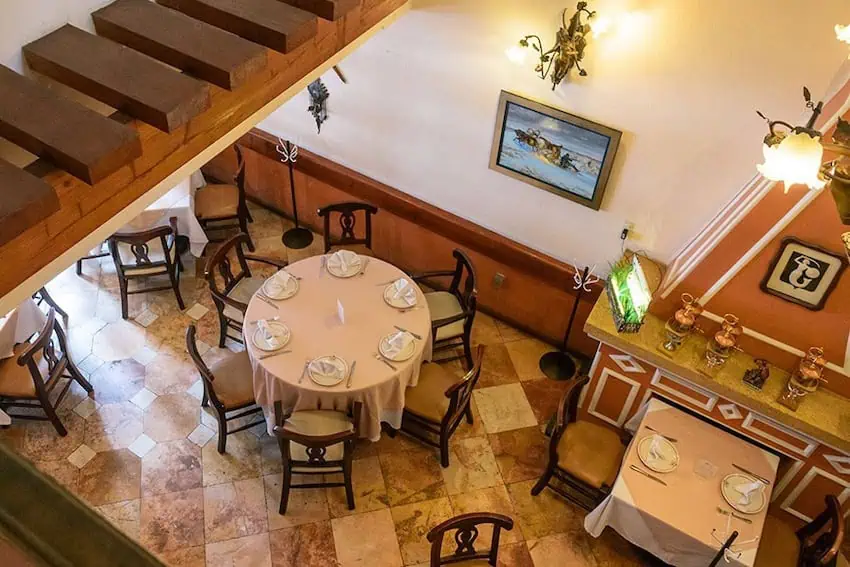
The glowing reputation of this long-standing Polish restaurant shone even brighter after people got word that the establishment had served Pope John Paul II on several of his visits to Mexico City.
Mazurka is a traditional Polish place in Mexico City’s Colonia Nápoles, that Pope John Paul II couldn’t miss in one of his visits to the capital. (Mazurka)

Goy’s Plant-Based Burgers: It ain’t easy being vegan in a meat-loving country, which might be why this lively and friendly plant-based burger joint is always busy. Goy’s attracts both vegans and meat-eaters to its menu of house-made burger patties that rival traditional burgers. Try their “chicken” burger, which customers claim is indistinguishable from the real thing.

Dulce Madero: This quaint pet-friendly restaurant, cafe and deli focuses on a health-conscious yet very hearty menu. There’s a little bit of everything, so whether you’re in the mood for a superfood smoothie and eggs or a crisp white wine and charcuterie, you’ll find what you’re looking for here. Patrons love the rustic feel and cozy outdoor patio.

Debarbas Nueva York – Tapas Bar: Want the beach but can’t quite swing a getaway to the coast? Come to Nápoles’s gourmet bebedero (drinkery), which features a fusion of Mexican and Italian cuisines, with dishes like tuna tostadas in ginger vinaigrette and bean-stuffed plantain croquettes. 

La Musa Coffee House: Vibey and hip with lots of character, La Musa draws locals in for more than just its good coffee. It’s the perfect spot for those seeking a trendy, local coffee experience with a side of creativity. Snack on lavender pound cake or an empanada with your coffee, or enjoy an afternoon mojito as a live musician strums his guitar.

One hidden gem

Far from hidden, any visitor to Nápoles should plan a visit to the Sunday tianguis. Considered one of the city’s best, spend the afternoon shopping a great variety of products that you can’t find at every tianguis: kitchen and home items, flea-market finds, fresh produce, prepared foods and everything in between. 

Bethany Platanella is a travel planner and lifestyle writer based in Mexico City. She lives for the dopamine hit that comes directly after booking a plane ticket, exploring local markets, practicing yoga and munching on fresh tortillas. Sign up to receive her Sunday Love Letters to your inbox, peruse her blog or follow her on Instagram.
Sheinbaum disputes NYT fentanyl report: Thursday’s mañanera recapped

10
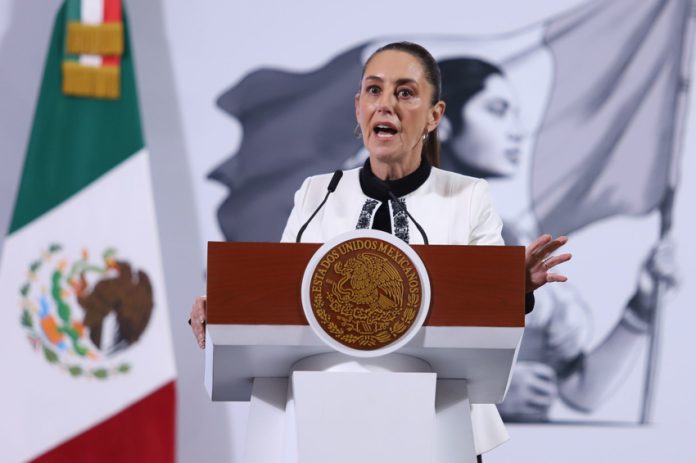
Mexico's President Claudia Sheinbaum standing at the presidential podium during her press conference. Her mouth is open in speech and her eyes are wide and round and she's gripping the podium.
Mexico's president also had things to say about Mexico's volatile peso, the strength of Mexico's economy and Mexico's plan for its citizens who are deported by Donald Trump's government in the U.S. (Daniel Augusto/Cuartoscuro)

The US dollar-Mexican peso exchange rate. The size of the Mexican economy. The federal government’s plan to receive deportees from the United States. A recent New York Times’ dispatch from “inside a Sinaloa Cartel fentanyl lab.”

They were among the topics President Claudia Sheinbaum spoke about at her first morning press conference of 2025, held at the National Palace this Thursday Jan. 2.

Photo of Donald Trump in a suit and tie standing in front of a projection screen of a rippling U.S. flag. His lips are pursed and he appears to be listening to someone speaking.
U.S. President-elect Donald Trump. (Anna Moneymaker/Shutterstock)

Sheinbaum predicts exchange rate will stabilize after Trump takes office 

Sheinbaum noted that the peso has depreciated against the US dollar since she was sworn in as president on Oct. 1.

“Among other things, it’s due to uncertainty in the United States and the changes in the [interest] rate of the Fed,” she said.

“We expect that once President Trump takes office, we’ll enter a period of stabilization,” Sheinbaum said.

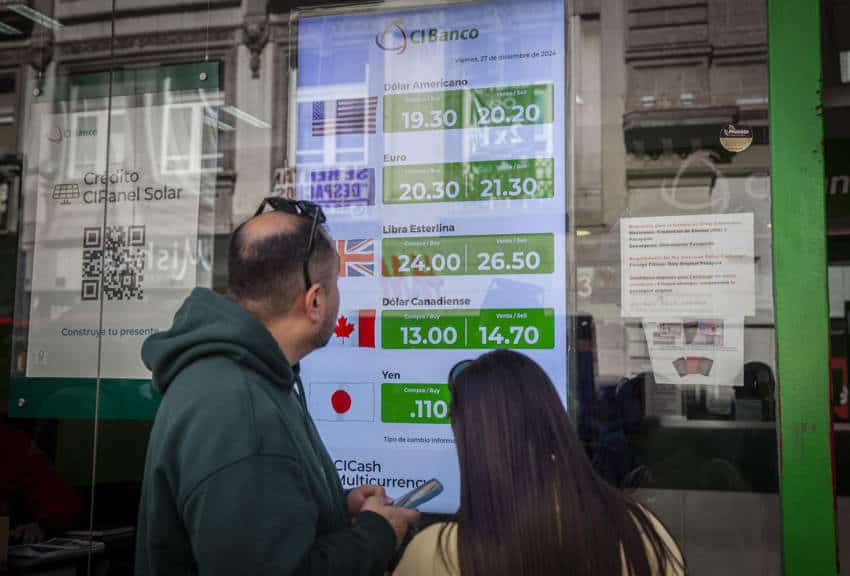
The president presented data that showed that the peso depreciated less against the US dollar in the final three months of 2024 than several other currencies including the Japanese yen, the euro, the British pound and the Canadian dollar.

The data showed that the peso depreciated 5.8% against the greenback in the period, while the yen fell 9.5%, the euro declined 7.5%, the pound dropped 6.8% and the Canadian dollar dipped 6.3%.

A man and a woman looking at a sign in a bank window listing the rate of the Mexican peso against the US dollar, the euro, the British pound sterling, the Canadian dollar and the Japanese yen.
Pedestrians eyeing Mexico’s currency exchange rate on Dec. 27 in Mexico City. President Sheinbaum insisted that Mexico is doing better against the U.S. dollar than several other world currencies. (Andrea Murcia Monsivais/Cuartoscuro)

“Look at the depreciation of other currencies so that you don’t say it’s a Mexico issue. It’s an international issue,” Sheinbaum said.

The peso is “among the currencies that had the lowest depreciation,” she added.

The Bank of Mexico’s closing USD:MXN rate on Thursday was just under 20.62.

Mexico ‘still the 12th largest economy in the world’

Sheinbaum also presented 2023 World Bank data that showed that Mexico was the 12th largest economy in the world, behind the United States, China, Germany, Japan, India, the United Kingdom, France, Italy, Brazil, Canada and Russia.

“We’re still the 12th largest economy in the world, … above Spain, South Korea, Australia, Indonesia, Netherlands, Turkey, Saudi Arabia and Switzerland,” she said, mentioning the countries ranked 13th to 20th based on the size of their economy.

The data Sheinbaum presented showed that Mexico had a GDP of US $1.789 trillion in 2023, equivalent to 1.7% of global GDP.

Plan to receive deportees during second Trump administration is ‘ready,’ says Sheinbaum 

Asked about the progress that has been made in terms of preparing for the possible mass deportation of Mexicans from the United States during Donald Trump’s second term as U.S. president, Sheinbaum said that the government already has a “very elaborate plan.”

“… We already have it ready,” she stressed, adding that the government is waiting to see what happens vis-à-vis deportations before presenting the plan.

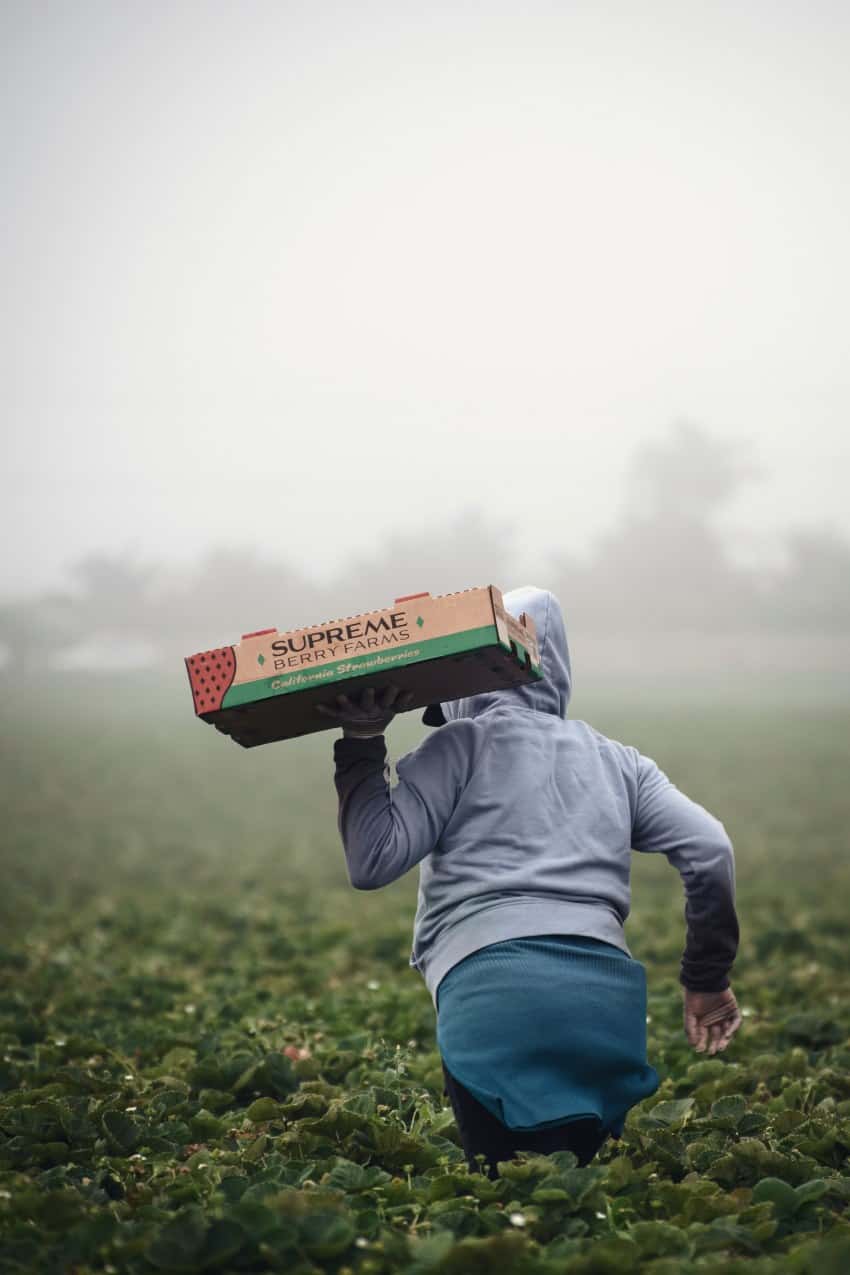
A migrant worker holding a wholesale box of strawberries as they walk through a field of the plants
Migrant worker in California picking strawberries. (Tim Mossholder/Unsplash)

“But everything is prepared,” Sheinbaum said, adding that states all over the country will have a role in the plan’s execution.

The government is not just working with the border states but with entities all over the republic, she said.

“If a compatriot arrives to Mexico at the border, it’s very probable that he or she will want to go to their place of origin,” she said.

Government seeks to debunk NYT fentanyl report 

Three days after Sheinbaum declared that a New York Times report about fentanyl production in Sinaloa “is not very credible,” no fewer than three other government officials sought to explain why the report is not grounded in truth.

A central focus of the officials — the director of health agency IMSS-Bienestar, the director of health regulator Cofepris and a precursor chemicals specialist with the Mexican Navy — was the Times’ suggestion that fentanyl cooks could develop a tolerance to the synthetic opioid.

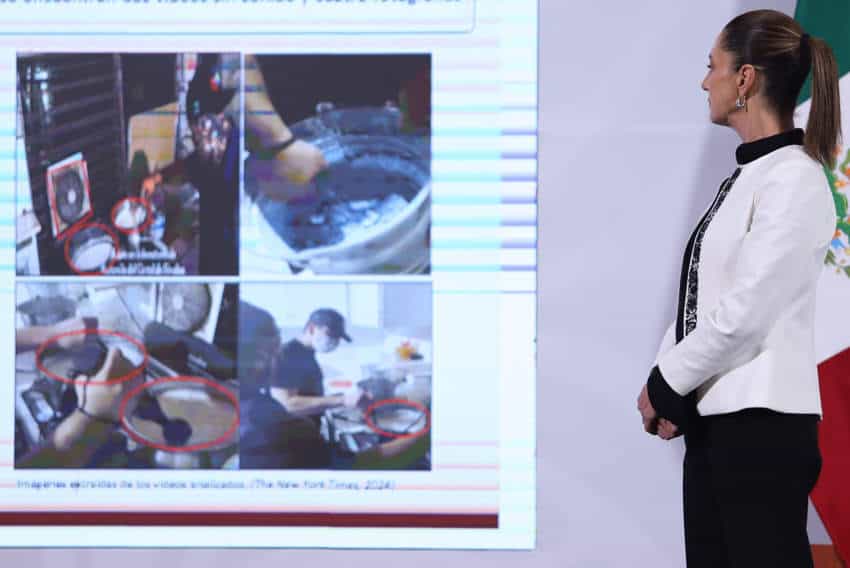
Mexico's President Claudia Sheinbaum at a press conference looking at a projection of photos from a recent New York Times article on a Sinaloa fentanyl lab.
Sheinbaum put up photos from a recent New York Times article about a Sinaloa fentanyl lab during her press conference Thursday and focused in on why the article’s claim that fentanyl cooks were developing immunity to the drug’s deadly vapors was false. (Daniel Augusto/Cuartoscuro)

Referring to a conversation with two alleged fentanyl cooks at a Sinaloa Cartel lab in Culiacán, reporters for the Times, who said they wore “gas masks and hazmat suits” to the lab, wrote:

“While one sniff of the toxic chemicals could kill us, they explained, they had built up a tolerance to the lethal drug.”

Cofepris director Armida Zúñiga Estrada told reporters on Thursday that “there is no evidence of tolerance of this substance.”

Similarly, navy chemicals analyst Juana Peñaloza Ibarra said “there is no scientific evidence that supports the idea” that a person can build up a “tolerance to the lethal drug.”

For his part, IMSS-Bienestar director Alejandro Svarch Pérez said that if cooks shown in the Times’ report had really been producing fentanyl, they would have fallen down unconscious in 30 seconds due to “the vapors” emitted from “the synthesis of fentanyl.”

The cooks were wearing face masks but were not using any professional protective equipment.

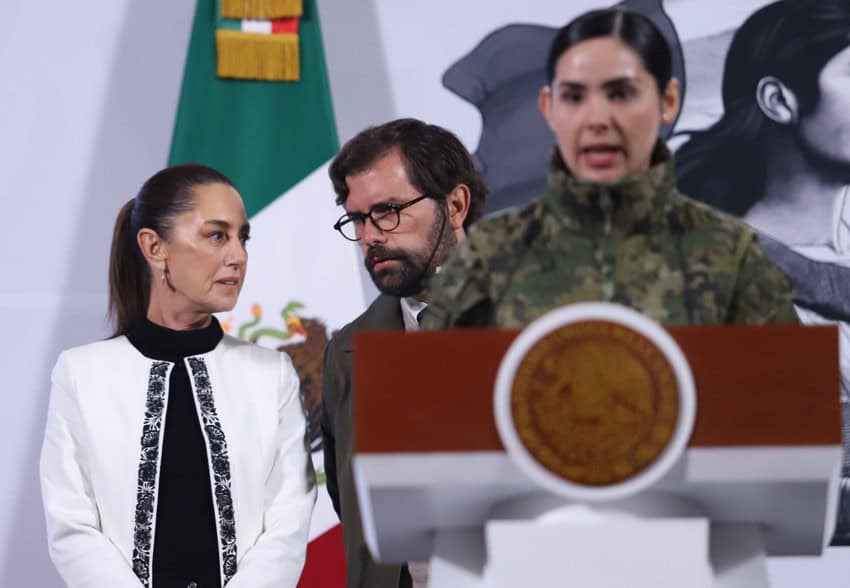
A woman in military fatigues speaks at Mexico's presidential podium during a presidential press conference while President Claudia Sheinbaum confers in the background onstage with Mexican Social Security director Alejandro Svarch.
President Sheinbaum, background right, confers with Mexican Social Security director Alejandro Svarch as Juana Peñaloza, an expert in chemical precursors, speaks to reporters. (Daniel Augusto/Cuartoscuro)

To produce fentanyl, “a laboratory where the conditions of exposure can be controlled is required,” Svarch said, adding that “specialized equipment” and “professional ventilation systems” are also needed.

Fentanyl can’t be made in “a domestic kitchen, as the report shows,” he said.

“It is not possible to make fentanyl in the way referred to in the article,” Svarch added.

Sheinbaum said on Monday that fentanyl is not produced in the way the Times’ photographs demonstrate, and suggested that the cooks were actually making methamphetamine.

On Thursday she said that “if there was [such a thing as] tolerance to the lethal drug, there wouldn’t be the deaths due to fentanyl that there [currently] are in the United States.”

In pointing out alleged falsehoods in The New York Times report, Sheinbaum said that the government was “defending the right to information, to veracity” and committed her administration to “denouncing” inaccurate reporting in the future.

After the president questioned the credibility of the Times’ article earlier this week, the newspaper said it was “completely confident” in its reporting on fentanyl production in Mexico.

Sheinbaum’s rejection of the newspaper’s reporting continues a practice of her predecessor, Andrés Manuel López Obrador, who was an outspoken critic of the Mexican and international press during his presidency.

Whether the Times’ Dec. 29 report really shows fentanyl cooks in a fentanyl lab or not, the fact remains that large quantities of the synthetic opioid are made in Mexico (using precursor chemicals from China) and illegally shipped to the United States.

The Mexican government’s willingness and capacity (or lack thereof) to reduce the flow of fentanyl — and migrants — to the United States looks set to be a defining factor in the health of the Sheinbaum administration’s relationship with the U.S. government led by Trump. In November, the president-elect pledged to impose a 25% tariff on all Mexican and Canadian exports on the first day of his second term due to what he called the “long simmering problem” of drugs and migrants illegally entering the U.S. from the country’s southern and northern neighbors.

By Mexico News Daily chief staff writer Peter Davies (peter.davies@mexiconewsdaily.com)

The best of Taste of Mexico: Ingredients that make Mexican food great

0
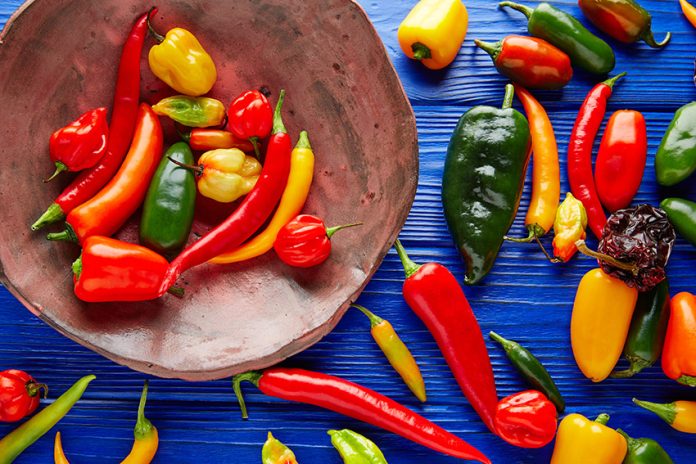
A colorful selection of Mexican chile varieties used for food in Mexico
Chiles are just one example of an ingredient that has become essential not just in Mexico but around the world as well. (Shutterstock)

It feels almost cliché to say that Mexico is a nation defined by its food. After all, aren’t many countries, from France, to Italy to Thailand and Japan? There’s something different about Mexico’s relationship with food though. Here, it’s not just about culinary arts or national pride — it’s a primal relationship, intertwined with the land and with life itself.

You probably already know most of these ingredients — you see them every day, and have likely eaten them hundreds, if not thousands, of times. But what is it about them that makes them so essential to Mexico?

Mexico City food blogger María Meléndez has been profiling the foods that make Mexico, well, Mexico, throughout the second half of 2024. Why not find out for yourself exactly what the true taste of Mexico is like — and learn some great recipes along the way?

Corn

Taste of Mexico: Elote

Where else would we start?

It probably isn’t hyperbole to suggest that without corn, there wouldn’t be a Mexico to enjoy in the first place. It is the most basic building block of civilization in the country and the domestication and cultivation of corn helped ancient civilizations grow and prosper.

It is so important, even today, that the government regulates its price to ensure that Mexicans everywhere can afford to eat. The things that Mexican cuisine has learned to do with it, from tortillas to soups speak volumes to the extent of which corn remains the most basic element of Mexican food.

Avocado

Taste of Mexico: Aguacate

It wouldn’t be unfair to call the humble avocado Mexico’s most popular export (with one notable exception). One of Mexico’s top exports to the United States, the green gold has become a staple of health regimens worldwide.

Like so many good things though, it all began in Mexico. Even today, there are a thousand different ways to enjoy an avocado, and only one of them is guacamole.

Cacao

Taste of Mexico: Cacao

Remember that one exception to the avocado rule? It’s this one.

Of all the ingredients on this list, cacao is the only one that needs no previous introduction, anywhere in the world. It’s arguably the most popular flavor globally and it’s truly universal. It’s also an essential part of Mexican history, dating back centuries.

The way cacao has been traditionally enjoyed is a far cry from Hershey’s or Cadbury’s though and like corn, it has enjoyed many different uses throughout the history of Mexican cuisine.

Taste of Mexico: Micheladas

Mexico is serious about beer. It’s also serious about the things it does to its beer — the crime against humanity that is the gomichela notwithstanding.

Many an expat has been caught out the first time they tried a michelada, but to a man, they’ve all learned to love the bitter, tangy, salty addition to their refreshing drink. These days, the art form has elevated beyond adding clamato, salt and lemon, and lager connoisseurs the world over can experiment with anything their heart (or tastebuds) desire.

Chile Piquín

Taste of Mexico: Piquín

What’s the first thing you think of when you think about Mexican food? It’s spice, of course. In the pantheon of Mexican spiciness, there is one hot little pepper that rises above almost all the rest — the chile piquín.

It’s a staple of every Mexican dinner table and even a popular children’s candy. For the aspiring chef or gourmet in search of the true taste of Mexico, it might be even more than that.

For more Tastes of Mexico, why not check out our archive?

Mexico News Daily

Expect higher prices on gas, alcohol, snacks and more, thanks to the IEPS

2
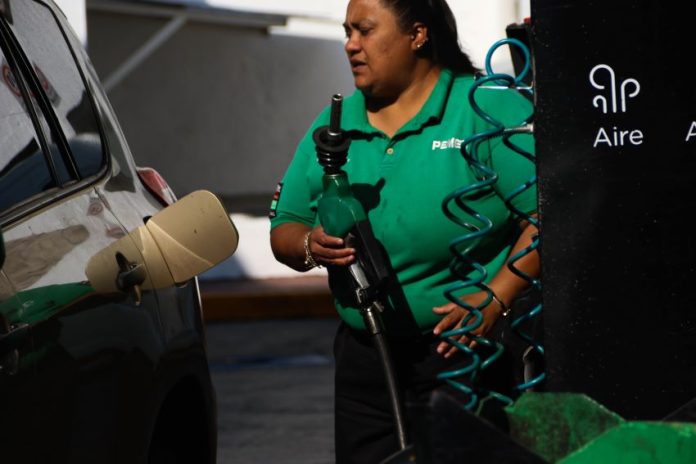
Mexican woman wearing Pemex uniform holding a gas station pump as she prepares to put it into a car's gas tank.
Gasoline will be at least 28 centavos more expensive at the pump in 2025, thanks to an increase on Mexico's excise tax on gas and diesel. However, if you fill up by January 10, you'll benefit from a federal subsidy keeping prices a bit lower. (Victoria Valtierra/Cuartoscuro)

Consumers in Mexico should expect to pay higher prices for gasoline, alcoholic beverages cigarettes and soft drinks in 2025 due to a 4.5% increase in the IEPS excise tax.

In accordance with Mexican law, the increase in the Special Tax on Products and Services (IEPS) — which is levied at different rates depending on the good or service — is in line with Mexico’s headline inflation rate at the end of 2024.

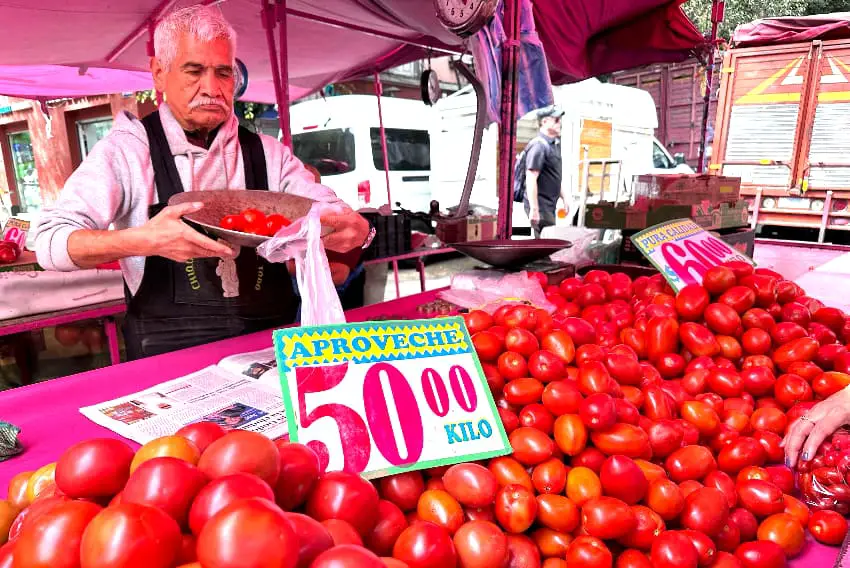
Tomatoes for sale at a market
The IEPS rate is set at the beginning each year and must, by law, be in line with Mexico’s headline inflation rate at the end of the previous year. (Cuartoscuro)

The IEPS brought in revenue of more than 570 billion pesos (US $27.6 billion) in the first 11 months of last year, making it the third largest generator of tax income for the federal government after income tax and Mexico’s value-added tax.

Here is a summary of how the 4.5% increase to the IEPS rate will lift prices for certain products this year.

Gasoline and diesel 

  • The IEPS on magna, or regular, gasoline is now 28 centavos higher at 6.45 pesos per liter.
  • The IEPS on premium gasoline is now 24 centavos higher at 5.45 pesos per liter.
  • The IEPS on diesel is now 30 centavos higher at 7.09 pesos per liter.

* NOTE: The federal government sometimes offers fuel subsidies that reduce the price motorists pay when filling up.

During the first 10 days of January, the IEPS on regular gasoline will be 23 centavos lower at 6.22 pesos per liter thanks to a 3.57% government subsidy.

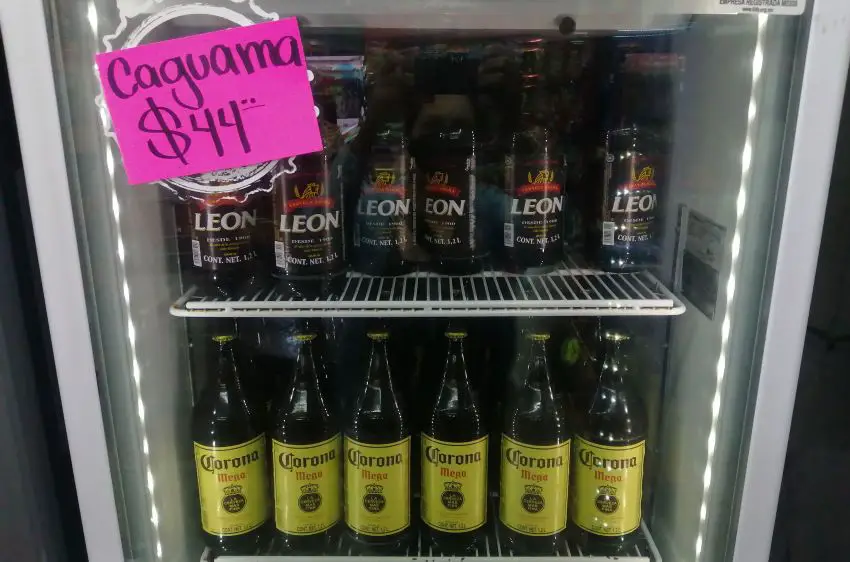
Convenience store refrigerator in Mexico filled with bottles of Corona and Leon brand beers.
The 4.5% increase in the IEPS in 2025 also means alcoholic beverages will cost slightly more. (Graciela López/Cuartoscuro)

During the same period, the IEPS on diesel will be 3 centavos lower at 7.06 pesos per liter thanks to a 0.37% government subsidy. There will be no subsidy for premium fuel during the first 10 days of 2025.

So, how much will you pay when filling up your vehicle in early 2025?

According to fuel market data cited by the El País newspaper, the average price in Mexico for one liter of fuel on Jan. 1 was as follows:

  • Regular gasoline: 24.04 pesos per liter (US $1.16 at the current exchange rate).
  • Premium gasoline: 25.38 pesos per liter (US $1.23).
  • Diesel: 25.73 pesos per liter (US $1.25).

Alcoholic beverages 

The IEPS rate for alcoholic beverages varies depending on the alcohol content, or alcohol by volume (ABV).

The rate for beverages with an ABV up to 14% (beer and many wines) is lower than those for stronger beverages such as spirits.

Consumers should expect to pay slightly higher prices for alcohol as a result of the 4.5% increase to the IEPS.

Soda and other ‘flavored beverages’ 

The new IEPS for refrescos (soda/soft drinks) and other bebidas saborizadas (flavored beverages) is 1.64 pesos per liter, an increase of 7 centavos compared to 2024.

Man wearing a suit and tie, a straw fedora hat and sunglasses and smoking a cigar on the streets of Mexico City
This Mexico City man’s smoking habit will cost him a bit more in 2025, but not much: a pack of 20 cigarettes will cost only about 1 peso more this year. (Edgar Negrete Lira/Cuartoscuro)

Cigarettes 

In 2025, smokers will pay an IEPS of 64 centavos per cigarette, an increase of almost 3 centavos compared to 2024. The IEPS on a pack of 20 cigarettes is therefore almost 13 pesos, nearly 1 peso higher than in 2024.

Processed food 

The IEPS also applies to processed foods such as potato chips, chocolate, peanut butter and candy. Such products will consequently be slightly more expensive in 2025.

Even before the higher IEPS rate took effect, Mexico’s largest baker, Grupo Bimbo, increased the price of some of its products by 1 peso. Those increases took effect Dec. 23, according to the newspaper La Jornada.

Services 

The IEPS is also levied on certain services including mediation, brokerage and the distribution of alcohol, cigarettes and junk food.

Therefore the price of such services will likely increase in 2025.

The post-holiday financial blues  

While many Mexicans receive an aguinaldo payment (an annual entitlement for formal sector workers) in December, financial stress is common in the first month of the year

Higher-than-usual spending over the holiday period as well as price hikes that take effect in January leave many Mexicans struggling to make ends meet in January. The phenomenon is known as “La cuesta de enero,” which could be translated to English as the uphill struggle of January.

In addition to the increase in the IEPS on Jan. 1 2025, “tax cuts on food and energy will disappear” and “there will be new taxes on electronic cigarettes,” La Jornada reported.

In addition “large telecommunications companies will increase their rates,” the newspaper said, while products purchased on foreign e-commerce sites could become more expensive as companies such as Amazon and Temu will now have to pay Mexico’s 16% value-added tax on products they export to and sell in Mexico.

Thankfully, many workers will get a pay rise this year as Mexico’s minimum wage increased 12% on Jan. 1.

The cost of living in Mexico has risen significantly in recent years due to inflation, which peaked at 8.7% in August and September 2022.

With reports from El País, El Economista and La Jornada

Cozumel island to welcome nearly 120,000 cruise passengers in the first week of 2025

6
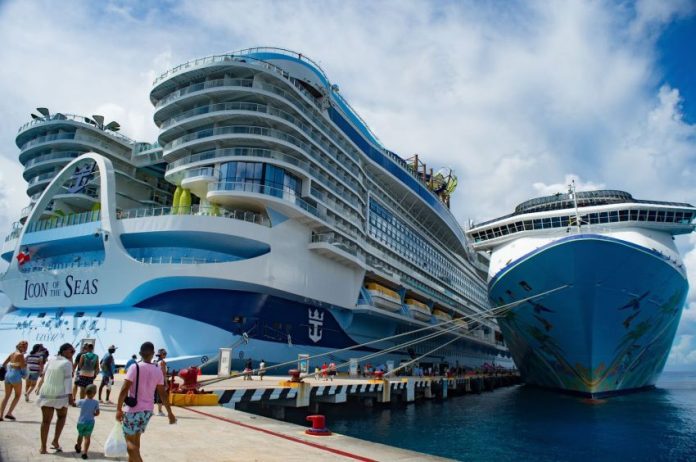
A massive cruise ship towers over a dock in Cozumel, Mexico while passengers cue to board
The island of Cozumel is one of the busiest cruise destinations in the world welcoming over 4 million cruise ship passengers a year. (Mara Lezama/X)

Cozumel, the largest island in the Mexican Caribbean, will have a historic start to the year in terms of tourist arrivals with close to 120,000 cruise ship passengers arriving in the first week of 2025, according to estimates by Quintana Roo Governor Mara Lezama.

Lezama said that 34 cruise ships are expected to arrive on the island between Dec. 30 to Jan. 5, totaling 119,938 tourists.

These record figures follow an announcement by Mexico’s lawmakers made early in December, postponing the application of a new US $42 fee for every cruise ship passenger docking at Mexico’s ports. The fee, originally scheduled to go into effect this month, will now be implemented in July.

While no final figures have been released, Cozumel’s Puerta Maya port expected over 28,000 tourists from six cruise ships on Jan. 1. Furthermore, Thursday will see 20,705 visitors, followed by 24,986 tourists on Friday. On Saturday, the number of arrivals is expected to drop to 9,470 people.

Meanwhile, Sunday will see 4,980 passengers aboard a single cruise ship docking at Punta Langosta pier, the only reception point that day.

“This achievement is the result of a joint effort between the Government of Quintana Roo, the municipality, and local service providers, reaffirming our Swallow Island as a leading destination in the Caribbean,” Lezama wrote on her official X account.

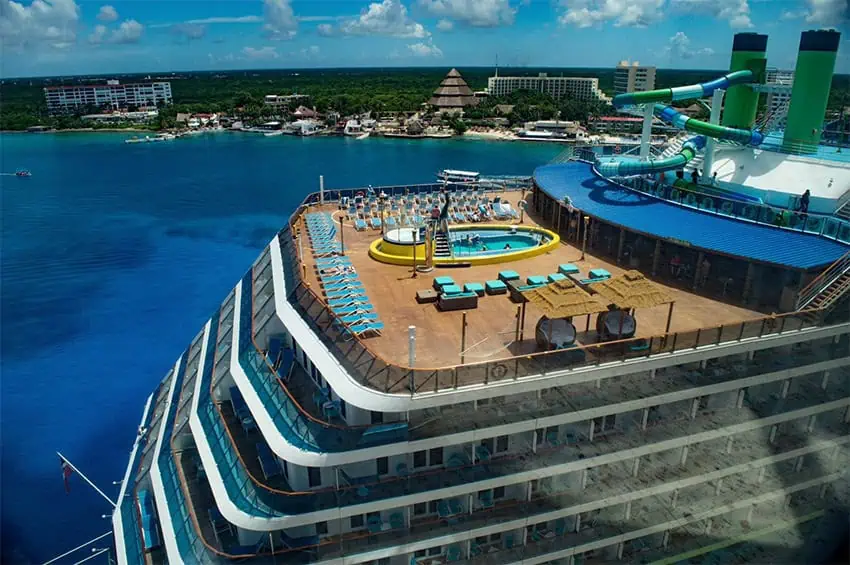
An aerial photo shows the deck of a large cruise ship with the island of Cozumel visible in the background
Authorities expect 34 cruise ships to arrive in Cozumel between Dec. 30 and Jan. 5. (Mara Lezama/X)

In the Maya language, Cozumel (Kuzamil) means “island of the swallows.”

In terms of distribution by pier, the Puerta Maya terminal in the southern part of the island and operated by Carnival Cruise Line, will see the highest number of tourists totaling 47,389. This figure represents 39.51% of the overall total. Next is Punta Langosta pier, which is expected to receive 34,744 visitors, while SSA México pier will accommodate 37,805 passengers.

Record number of flights in Quintana Roo

In addition to the number of cruise ship tourists arriving in the island, Dec. 28 saw record numbers of air operations at the state’s four international airports, with 765 air operations in total, Lezama said.

Quintana Roo is the only state in Mexico with four international airports: Cancún, Tulum, Chetumal and Cozumel.

Recording 665 operations on Dec. 28, Cancún International Airport came in first, marking its third-busiest day of the year. Next was Tulum International Airport with 56 flights, setting a record for the number of operations in a single day since its inauguration in December 2023.

With reports from La Jornada

Mexico’s 2025 GDP growth likely to lag behind other LatAm nations

0
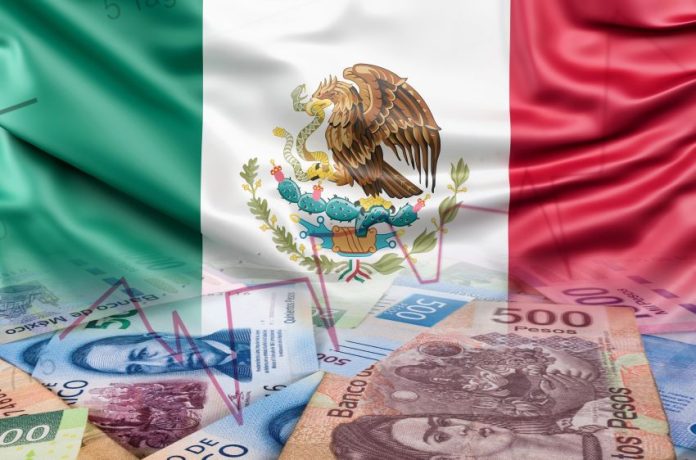
Illustrative image of a Mexican flag in the background, with Mexican peso bills in the foreground.
Like the OECD and IMF before it, the World Bank's latest GDP predictions for Mexico show a recent slightly upward trend in the context of relatively slow growth. (Shutterstock)

While Latin America is poised to experience moderate economic gains in 2025, both the World Bank and the United Nations project that Mexico’s growth will lag behind that of its regional neighbors.

The World Bank is projecting 2.6% growth for the Latin America and the Caribbean region (the lowest growth rate among all global regions, it says), while the U.N. commission known as Cepal predicts a growth rate of 2.4% for the region.

Two Mexican workers lifting a large, heavy pottery project in the shape of a bowl or a bell on an outdoor site in Tlaxcala
According to an October World Bank Report, multinational companies only make up 0.2% of Mexico’s GDP, reinforcing predictions that Mexico’s economic growth will be low. (Galo Cañas Rodriguez/Cuartoscuro)

However, the World Bank sees Mexico growing by 1.5% in 2025, and Cepal — the Economic Commission for Latin America and the Caribbean — pegs Mexico’s growth rate at a mere 1.2%. In both instances, Mexico’s projected growth rate is the third-lowest among all regional nations, surpassing only Haiti and Cuba.

Additionally, a survey released last month by Mexico’s own central bank (Banxico) revealed that local analysts are more in line with Cepal’s prediction, lowering the country’s growth forecast for 2025 from 1.20% to 1.12%. 

In an October report in which it lowered its 2024–2026 economic growth forecasts for Mexico, the World Bank cited uncertainty for investors among the reasons for its more pessimistic outlook.

One reason for its pessimism, a Bank official said, is that Mexico is not fully taking advantage of the nearshoring trend.

Mark Thomas, World Bank country director for Mexico, Colombia and Venezuela, said that multinational companies that have relocated to Mexico amid the nearshoring trend only generate around 0.2% of Mexico’s gross domestic product

Thomas cited water availability, energy supply and the cost of land as concerns, adding that insecurity, government policies and constitutional reforms — especially a controversial judicial reform — are also major issues.

Closeup screenshot of Mark. R. Thomas, World Bank country director for Mexico, Colombia and Venezuela, speaking to an interviewer. A bookshelf filled with journals and books can be seen behind him.
Country director for the World Bank in Mexico, Colombia and Venezuela Mark. R. Thomas said that Mexico’s issues with water and energy availability, insecurity, and recent constitutional reforms are making the nation less attractive to investors. (World Bank/Facebook)

The Banxico survey suggests analysts aren’t confident these issues will be addressed in a timely manner: 77% of those surveyed expect Mexico’s business climate to “get worse,” and 59% of respondents said it was a “bad time” to invest in Mexico.

As for Cepal, its year-end report to the United Nations says Latin America and the Caribbean face a complex panorama in the coming years.

“[T]he region’s economies will stay mired in a trap of low capacity for growth, with growth rates that will remain low and a growth dynamic that depends more on private consumption, and less on investment.”

José Manuel Salazar-Xirinachs, Cepal’s executive secretary, said that Mexico is particularly vulnerable because of Donald Trump’s threats to impose tariffs on Mexican imports to the U.S. once he is sworn in as U.S. president on Jan. 20.

Mexico sends 84% of its exports to the United States, and there is a high level of supply chain integration between the two neighbors. 

“If Trump were to implement just a 10% tariff … exports and investments would be impacted, and we’d see Mexico’s GDP reduced by 0.8% to 1%,” he said.

With reports from El Economista and the World Bank

Staff picks: The best tacos we tried in 2024, for your 2025 bucket list

3
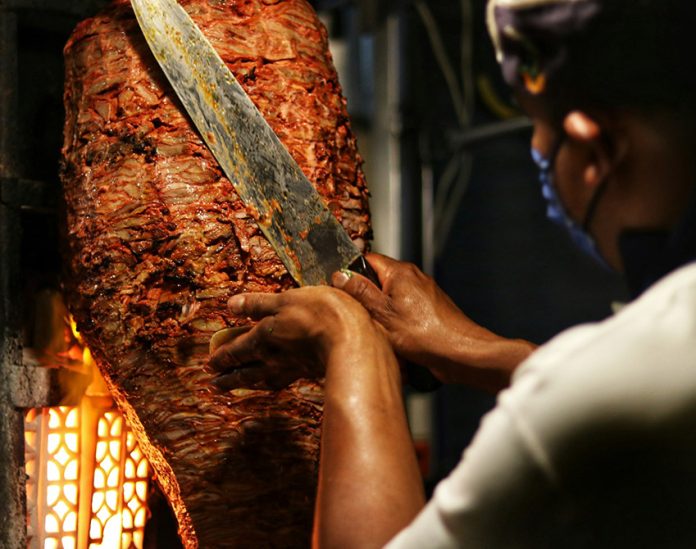
A taquero cuts meat of a trombo of al pastor taco meat.
Looking for a good place to get tacos al pastor? We can help. (Francisco de Legaretta/Unsplash)

After a long work day, few pleasures compare to sitting down at your favorite taquería and letting your troubles float away on the cloud of steam that rises off the sizzling meat, cheese and onions. So as we step into 2025, here are a few of the best tacos and taquería meals we at Mexico News Daily had the privilege to experience this past year. May they inspire a year full of delicious culinary adventures. ¡Provecho!

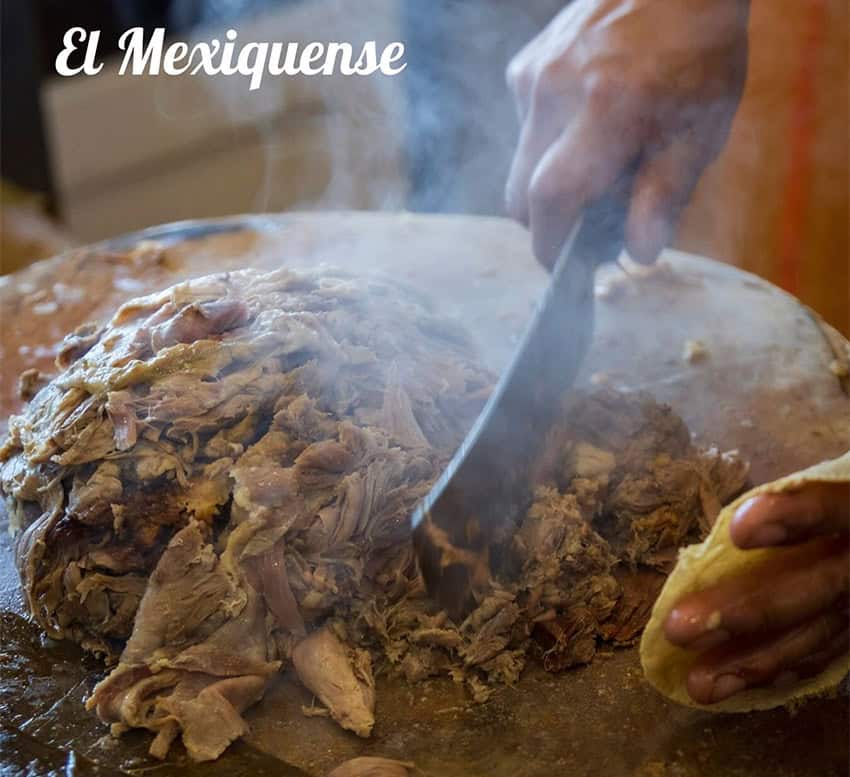
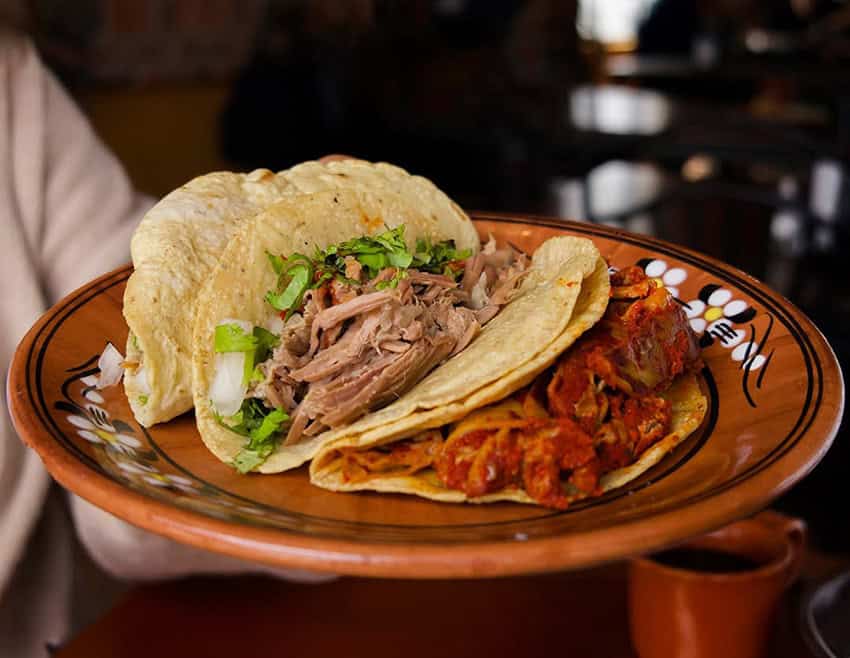
Tacos de barbacoa at El Mexiquense in Mexico City

Barbacoa meat prepared by El Mexiquense restaurant in Mexico City, one of the best tacos MND staff had in 2024
El Mexiquense specializes in juicy, slow-roasted barbacoa. (El Mexiquense/Facebook)

I’m a sucker for tacos de barbacoa and this place in CDMX (in Narvarte, Roma and other locations) has great ones. Try the tacos dorados as well! —Peter Davies, chief staff writer

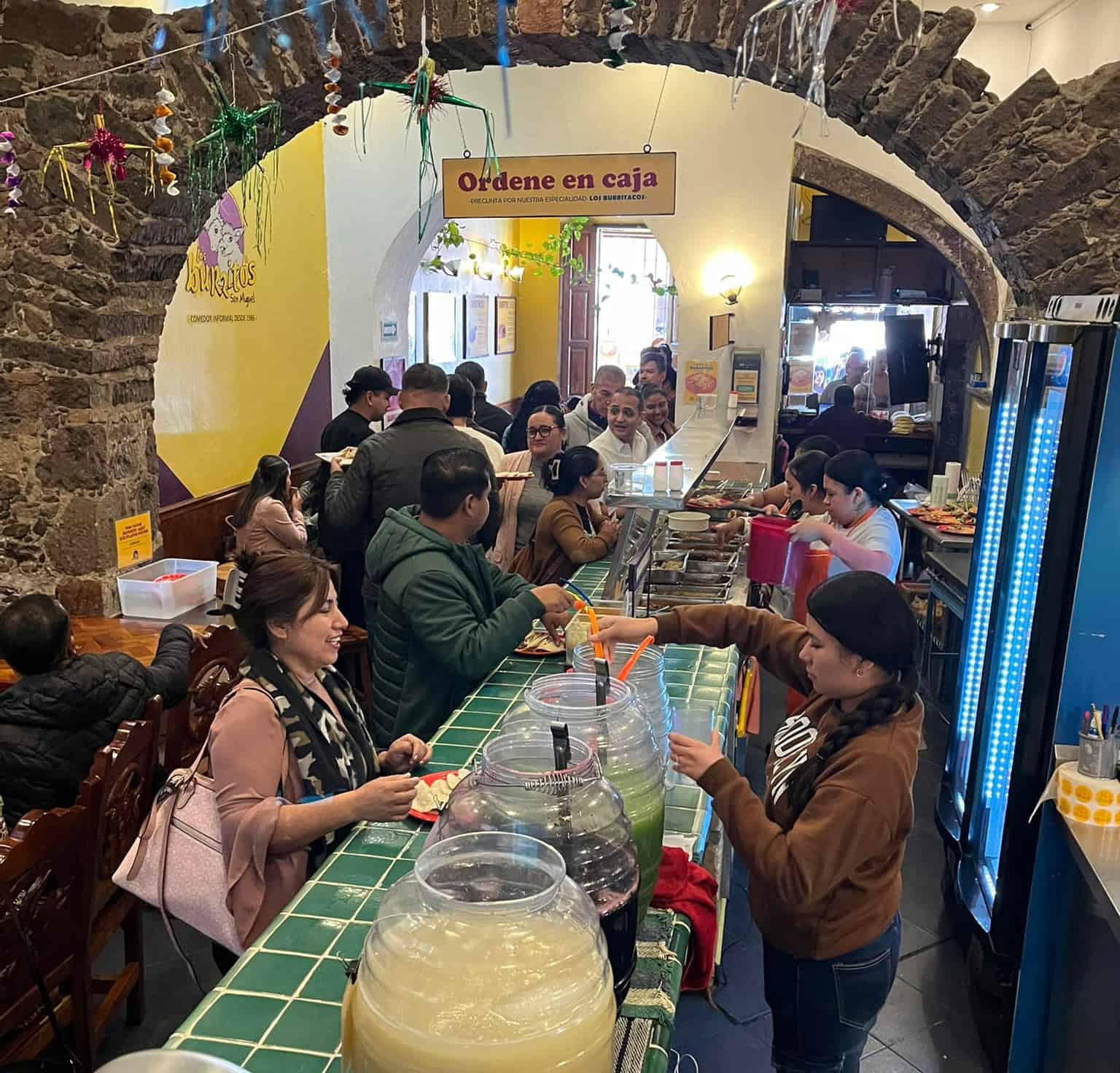
Tacos de guisado at Los Burritos in San Miguel de Allende, Guanajuato

Cooks serve drinks and food to customers in a Mexican restaurant
At Los Burritos hungry customers can choose from a wide variety of guisados, or stewed dishes. (Los Burritos San Miguel/Facebook)

Nopales, meat, eggs in red sauce, mole, chicharrón, beans… are some of the dishes you can enjoy in your ‘burritaco’ prepared on the spot in delicious flour tortillas. They are located on Hidalgo Street, in downtown San Miguel de Allende. —María Ruiz, assistant editor

Pellizcada de asada at the Mercado Garmendia in Culiacán, Sinaloa

Thicker than a tortilla but thinner than a sope, Culiacán’s pellizcadas offer just the right dose of chewy tamal goodness. The cooked masa is spread with savory pan drippings, melted cheese and a thick layer of carne asada then served with a wide variety of salsas. —Rose Egelhoff, senior news editor

Tacos de asada at Lila Taquería in Dubai

A gourmet taco de asada served on a wood cutting board with lime and cilantro
This Dubai taquería offers authentic Mexican flavors on the other side of the world. (Lila Taquería/Instagram)

I had tacos de carne asada and agua de Jamaica on Day of the Dead. The tacos tasted just like any taco in Mexico. Later we learned all ingredients in this restaurant are shipped from Mexico. —Gaby Solís, news writer

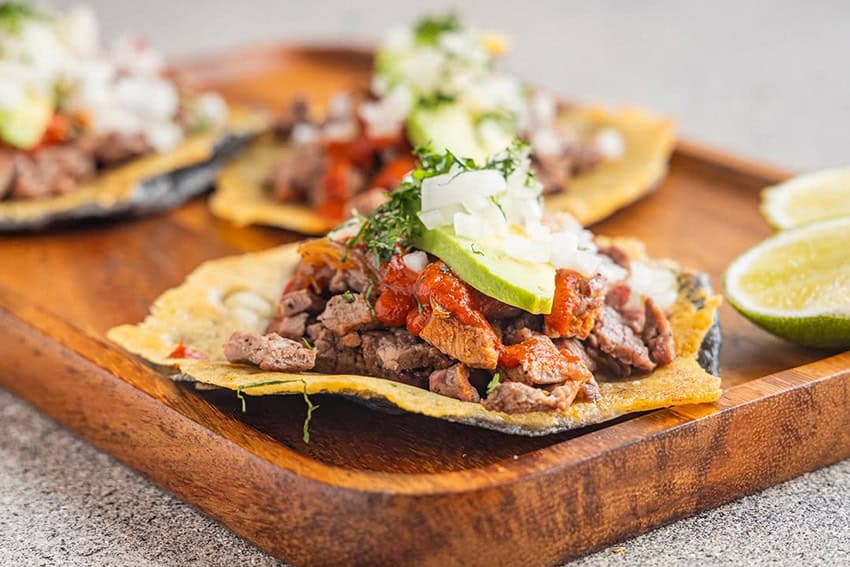
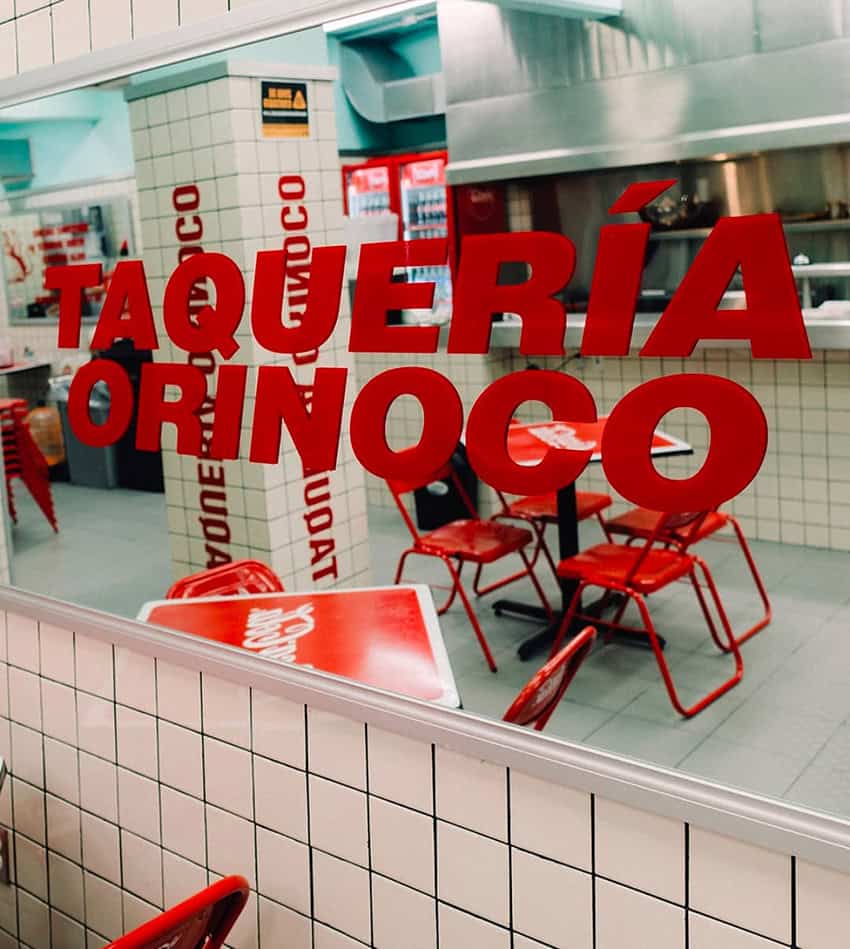
Tacos al pastor at Orinoco in Mexico City

A mirror reads "Taquería Orinoco" in a red and white taco restaurant
Orinoco has over half a dozen locations around Mexico City and in Nuevo León. (Taquería Orinoco/Instagram)

The crispy tortilla topping that Orinoco adds really takes this taco al pastor to the next level. —Caitlin Cooper, senior news editor

Tacos de carne asada con queso in Ciudad Valles, San Luis Potosí

A view of a lush river in San Luis Potosí
Though Ciudad Valle is known as a gateway to beautiful natural areas, its tacos are not to be missed. (Lucy Nieto/Flickr)

Lots of pico de gallo, fresh tortillas, grilled green onions, amazing salsas — served on plastic tables and chairs on the street. —Travis Bembenek, Mexico News Daily CEO

Tacos al pastor in Phnom Penh, Cambodia

A monument in Phnom Penh, Cambodia
(Sven Ruediger CC BY 3.0)

The chances of stumbling upon a taco al pastor in the dusty street of the Cambodian capital were low. The chances of it being lovingly prepared by a Oaxacan chef were even lower. It was a tiny slice of heaven. —Chris Havler-Barrett, features editor

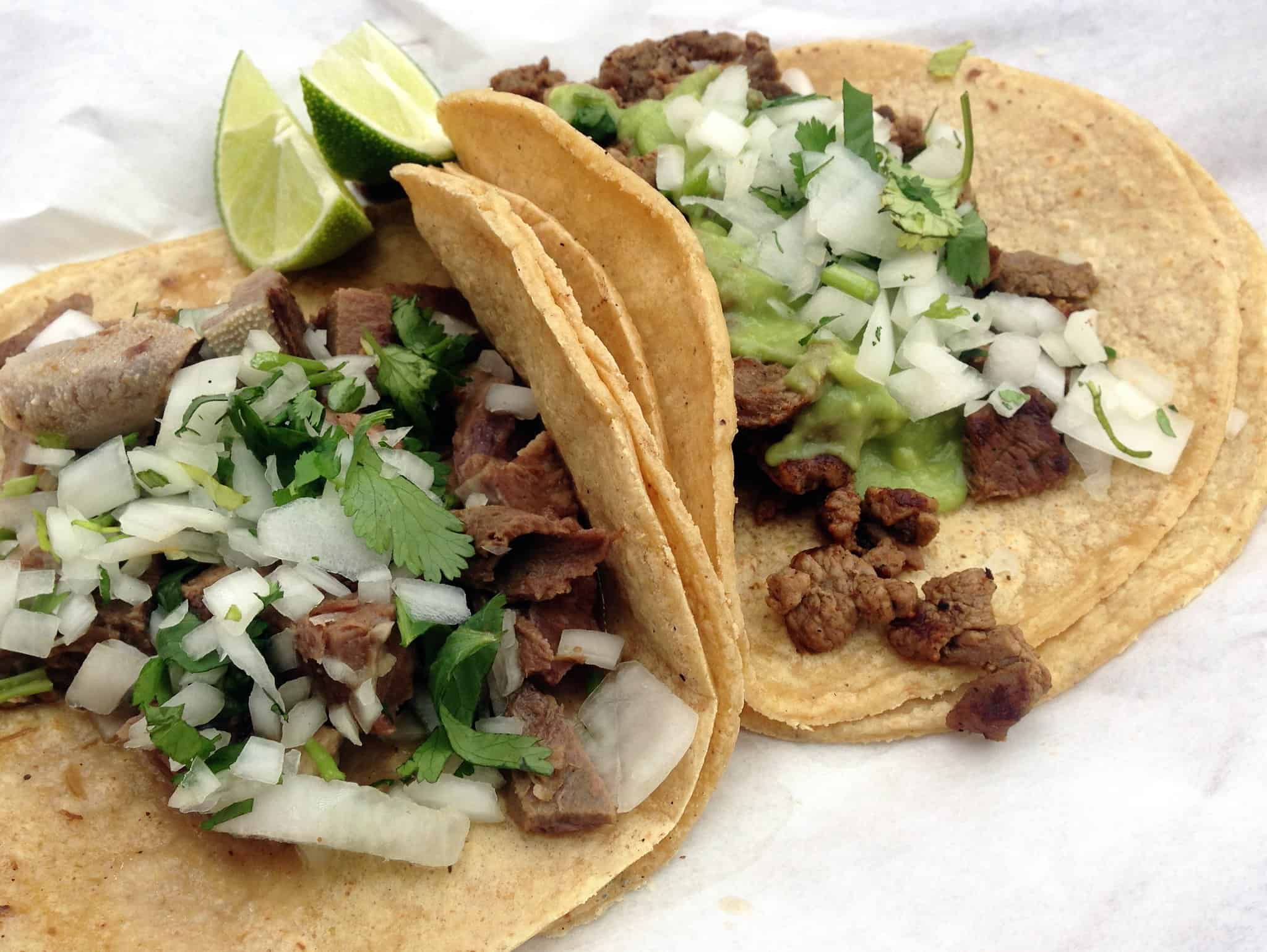
Tacos de carne asada in San Miguel de Allende, Guanajuato

A plat of tacos de asada served with chopped onion, cilantro and lime on corn tortillas
(Kirk K/Flickr)

The salsas are amazing! —Tamanna Bembenek, Mexico News Daily co-owner and product manager

Tacos de barbacoa at Mayahuel in Querétaro city

A plate of barbacoa tacos
(Mayahuel Barbacoa/Instagram)

This local family-run chain of barbacoa restaurants scattered in and around the city of Querétaro consistently makes the best traditional barbacoa de borrego tacos I’ve ever tasted. Their dining setup may look unassuming — some locations are a bunch of wooden tables set up outdoors under a massive tent — but Mayahuel takes the art of barbacoa seriously, with the meat wrapped in maguey leaves and braised for hours in a traditional mesquite-fired barbecue pit. They also provide plenty of the traditional simmering consomé or mole de olla and all the classic fixings. No wonder queretanos pack this place on weekends. —Michelle Aguilar, news editor

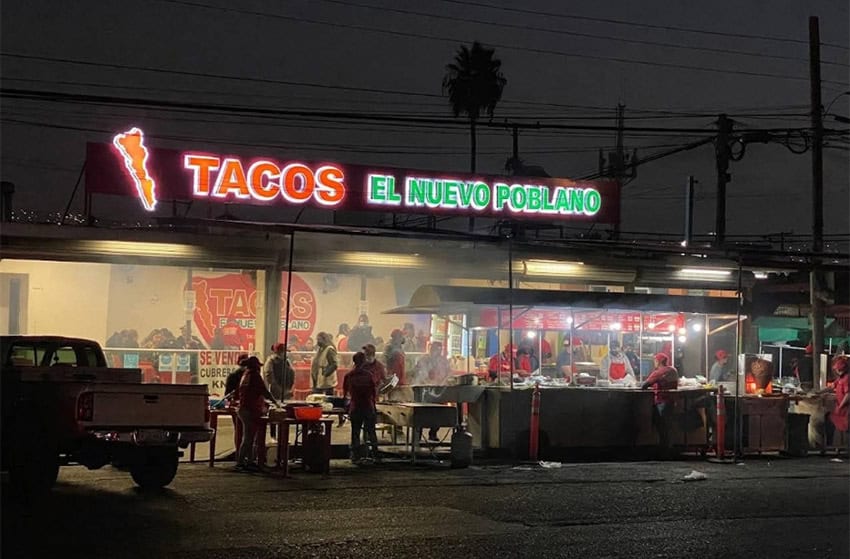
Tacos de carne asada and pastor at El Nuevo Poblano in Tijuana

A taquería filled with light and steam at night with the sillouettes of palm trees in the background behind the building
(Tacos El Nuevo Poblano/Facebook)

Giant tacos with so much guacamole — very indulgent and very northern. —Felicity Bradstock, news writer

For more recommendations, don’t forget to check out our staff picks for best books, movies and music of 2024.

Mexico News Daily

Two Mexicans among the injured in New Orleans New Year’s attack

0
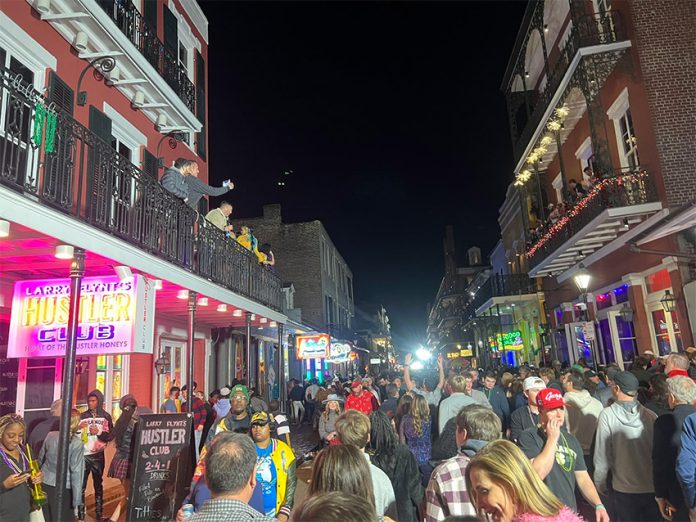
A busy New Orleans street in the French Quarter, shortly before a terrorist attack that killed 15 and injured 30, including two Mexicans
New Years revelers crowd Bourbon Street in the New Orleans French Quarter, shortly before the attack. (Chef Rocky/Twitter)

The Mexican government said Wednesday that two Mexicans were injured in the New Year’s Day truck attack in New Orleans that claimed the lives of 15 people.

In a post to social media on Wednesday night, the Ministry of Foreign Affairs (SRE) said that United States authorities had confirmed that “two Mexican people were affected by the terrible attack in the early hours of today in New Orleans.”

The ministry said that both Mexican victims were reported in “stable” condition. It didn’t identify the victims or say what injuries they sustained.

President Claudia Sheinbaum said Thursday that the two Mexicans were visiting New Orleans.

The SRE said that the Mexican Consulate in New Orleans is in contact with the families of the Mexican victims and is providing them with the assistance they require.

The two Mexicans are among more than 30 people who were injured when a man drove a pickup truck into a crowd on New Orleans’ famous Bourbon Street in the city’s French Quarter.

Among those killed were “an 18-year-old girl dreaming of becoming a nurse, a single mother, a father of two and a former Princeton football star,” according to the Associated Press.

The suspect, identified as 42-year-old U.S. citizen Shamsud-Din Bahar Jabbar of Texas, was killed in a shootout with police.

U.S. President Joe Biden said Wednesday that the FBI had informed him that “mere hours before the attack,” the suspect “posted videos on social media indicating that he was inspired by ISIS,” the Islamic State terrorist organization.

The FBI said in a statement that “an ISIS flag was located in the vehicle” — a Ford pickup truck.

“The FBI is working to determine the subject’s potential associations and affiliations with terrorist organizations. Weapons and a potential IED [improvised explosive device] were located in the subject’s vehicle,” the statement said.

Sheinbaum condemned the attack in a social media post on Wednesday and at her morning press conference on Thursday.

“Our solidarity with the families of the victims and with the people of the United States,” she said Wednesday.

With reports from El Universal and Reforma  

A gringo guide to Mexican heartthrobs — the must-listen pop stars

15
A young girl named Susy poses with her favorite vinyls of Mexican pop stars.
Passionate, disheartening and melancholy-infused: that's the Mexican pop star modus operandi. Oh, and stunningly good-looking. That too.

Michael Jackson, Leif Garrat, Justin Timberlake, Justin Bieber, Harry Styles. The list has as many names as the number of posters that have decorated the walls of teenage fans. Sure, some were more talented than others, but here’s the question: how many expats can name one Mexican pop star who was once a teen idol and is now a legend?

It would be easier to name the artists who had hits before they were thirty years old and who faded rather quickly. But how does one go from teenybopper to superstar?

If, freshly moved to Mexico, you want to impress their new native friends, you’ll need to know these three idols who did. Drop these names — along with some song titles — into a cocktail chat and poof: you’re the coolest gringo at the party.

José José

José José - Él (Video Oficial)

If Frank Sinatra invites you to sing a duet, you’re the real deal. While the duet never took place due to contractual obligations, José José, undoubtedly flattered, burst into the pop stratosphere. Later, he repaid the compliment by recording a Spanish version of “New York, New York.”

Perhaps the best way to understand José José is to enjoy the covers that helped make him famous. Remember the “Pina Colada” song? The writer, Rubert Holmes, also wrote another wonderfully cheesy song entitled “Him” in 1980 about a jealous lover. José José, clearly seeing the heartthrobiness, created a Spanish version of equal yearning. Both songs are terrifically swoony and set the stage for a career seemingly aimed at teary adolescent girls.

Person holding a copy of My Life (1982) in its LP version, photographed in 2019.
José José mania. It’s like the Beatles but distinctly Mexican. (Secretaría de Cultura de México/MX MM KARAOKE JOSÉ JOSÉ/Wikimedia Commons)

In a way, José José is the quintessential heartthrob. That is, if the goal is to have audience members sway back and forth and get pissed off that their boyfriends can’t be more like him. Just mention his name at a gathering and women of a certain age and you will get wanting looks in their eyes while men will roll theirs. Classic idol.

  • Nickname: El príncipe de la canción, Mr. Sold Out
  • Comparable Idol: Engelbert Humperdinck 

Luis Miguel

Luis Miguel - "Ahora te puedes marchar" (Video Oficial)

Selling out an 80,000-seat stadium is just another day in the office for Luis Miguel. Ex-girlfriend Mariah Carey stood in awe of his ability to do so. He sold 2.2 million concert tickets… this year. That’s Taylor Swift territory. 

Despite being born in Puerto Rico in 1970, Luis Miguel is now a Mexican citizen. But, if you were to ask for the most romantic boleros ever sung, Luis Miguel’s name would come up. This Puerto Rican is about as Mexican as one can get. 

  • Nickname: El Sol de México
  • Comparable Idol: George Michael

Juan Gabriel

Juan Gabriel - El Noa Noa (En Vivo Desde Bellas Artes, México/ 2013)

To put Juan Gabriel in the category of heartthrob is almost disrespectful. To be sure, he was outrageously handsome in his early years and could easily qualify as a teen idol. Yet, it would be like calling Paul McCartney a former Mop Top or labeling Stevie Wonder “that cute kid from Motown.” Juan Gabriel is, quite simply, a national treasure.  

The main characteristic that differentiates Mr. Gabriel from the other two artists is the fact that he wrote most of his own songs. This hardly disqualifies singers from being idols or heartthrobs. After all, Sinatra didn’t write his own songs.

But for the sake of comparison, José José claimed he was an interpreter of songs and was fortunate to work with talented writers. Luis Miguel wrote just a handful; four or five. Juan Gabriel reportedly wrote 1800 songs, and this puts him in a category that very few can claim company. Paul McCartney, by comparison, has written 1,059 to date.

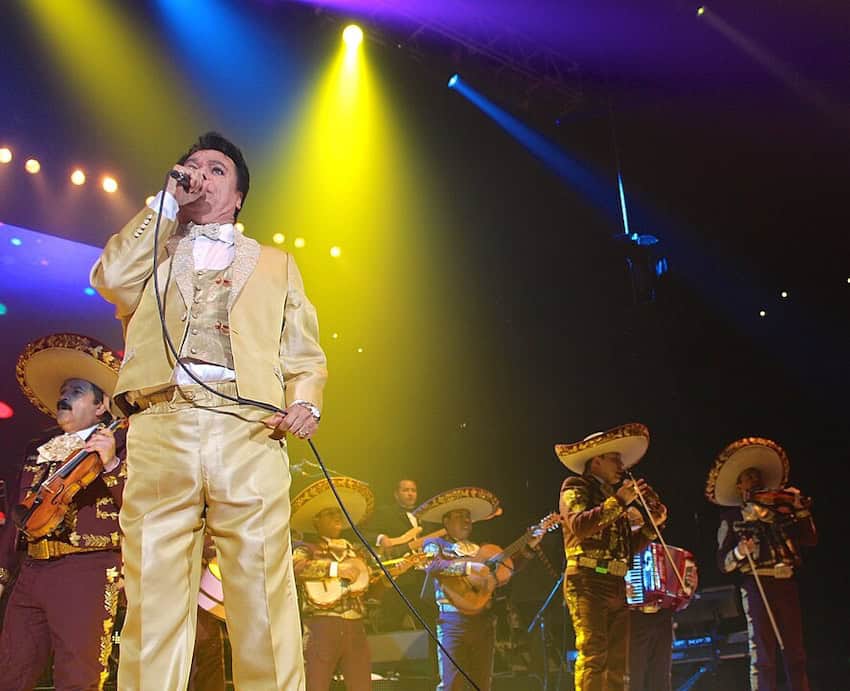
Juan Gabriel in a 2014 concert at the Pepsi Center in Mexico City
Juan Gabriel reportedly wrote 1800 songs, making him one of the most prolific songwriters in history. (Julio Enriquez/Wikimedia Commons)

His songs, like the others, range from all that Mexican music has to offer with its myriad styles and traditions. But the proof of his command of melody cannot be ignored when hearing his hit “Querida.” Or, for pop sensibilities with a hint of country, his hit about a favorite disco, “Noa Noa” is impossible not sing along. Think “Copacabana” in Spanish and without a story about a guy getting shot.

If there is any doubt about how deeply Mexicans hail this outrageously talented composer, one only needs to watch his overwhelming 2013 performance at Bellas Artes. Afterwards, you won’t want to be a specialist on Mexican music. You will want to be Mexican.

  • Nickname: El Divo de Juárez
  • Comparable Idol: There is only one Juan Gabriel.

Certainly, there are more names that could be added to the list: Alejandro Fernández, Lorenzo Antonio, Jorge Negrete and more. But ask any local over the age of 40 to name the Three Kings of Mexican Pop and more than likely, these are on top of nearly everyone’s list.

How did we do? Leave your suggestions in the comments section and expand all our playlists.

Jimmy Monack is a teacher, photographer and award-winning writer. He profiles interesting people all around the world as well as writing about and photographing rock concerts. He lives in Mexico City. www.jimmymonack.com

The coolest bars in Guadalajara’s Colonia Americana

5
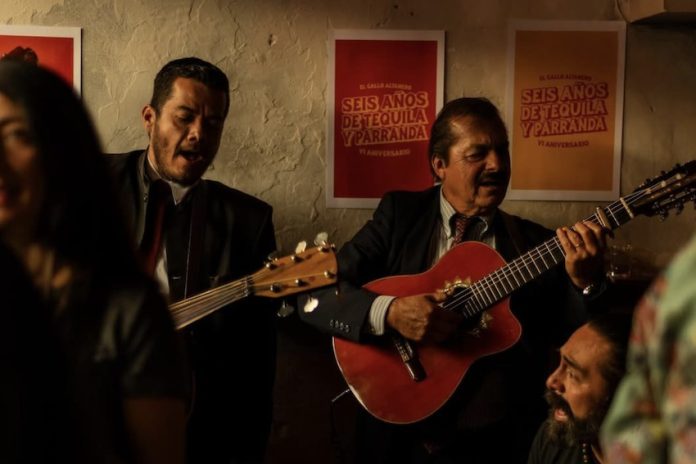
El Gallo Altanero, Guadalajara
Guadalajara's ultra-cool Colonia Americana is a hotbed for amazing nightlife. Our local guide has selected the best places to go. (El Gallo Altanero/Instagram)

The Colonia Americana in Guadalajara is having a moment. 

In 2023, Time Out magazine named Colonia Americana the best neighborhood in the world, and just recently, the Ministry of Tourism recognized Colonia Americana as the city’s first Barrio Mágico (Magical Neighborhood). 

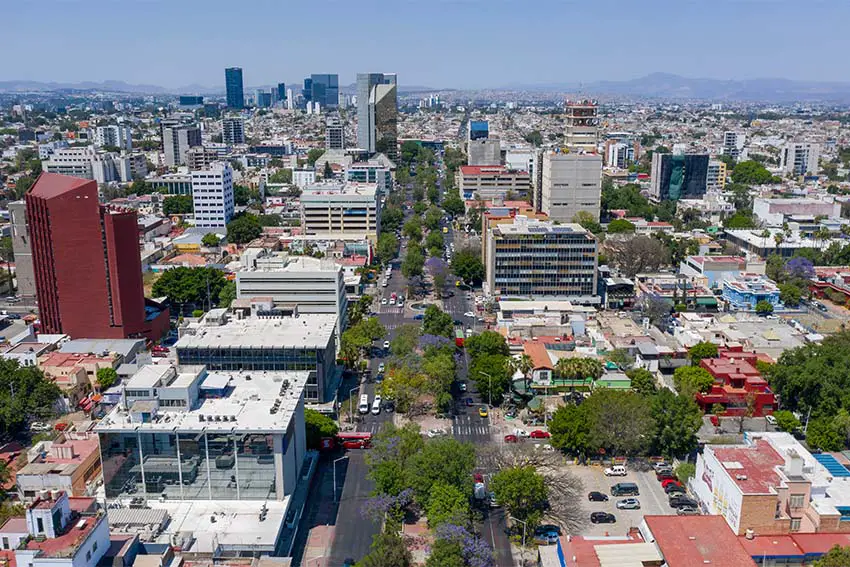
Aerial view of Colonia Americana neighborhood of Guadalajara. Skyline with multiple skyscrapers and a long avenue in the center, with a mountain range far in the background of the photo.
Guadalajara’s Colonia Americana neighborhood is the best neighborhood in the world. Officially.  (Ricardo Pacheco/Shutterstock)

I’m very fond of this neighborhood as my mom grew up there in the 1970s when it was exclusively a residential area. Today, many of the 19th century facades house some of the city’s — and even the world’s — best bars, restaurants and a diverse range of nightlife entertainment. 

So as a Tapatía native, here is my guide to the Best Bars in Colonia Americana. 

Bar Américas


Ver esta publicación en Instagram


Una publicación compartida por Bar americas (@baramericas)

Bar Américas is a classic spot in Guadalajara for electro-music lovers. My friends and I used to go there in our university years when we wanted an alternative to the trendy nightclubs in the city. Unlike many other nightclubs which have disappeared, Bar Américas continues to thrive as a popular spot. 

Known for exclusively playing electronic music, Bar Américas is one of the few bars in the area that remains open until 5 am. National and international DJs frequently perform there, and it’s widely recognized as the best club in Guadalajara — probably even in Mexico. 

Where? Av. Chapultepec Sur 507.

El Gallo Altanero


Coming in at No. 48 in the World’s 50 Best Bars 2024 list, El Gallo Altanero is a tribute to the agave culture of Jalisco. The bar’s cocktail menu boasts agave spirits exclusively, combining commercial brands and a large selection of independent producers. 

Adapting to seasonal fruits and focusing on regional pairings, the menu changes every two months. Some of its current seasonal drinks include the Negroni No. 14, Mango Viejo and Chabacano Jaibol. 

Each month, the bar’s owners invite guest bartenders from Europe, the United States or Latin America to go to Guadalajara and take over the bar.

Where? Calle Marsella 126

Matilde Mi Amor

Despite only having four years under its belt, Matilde Mi Amor has become a favorite spot amongst Tapatíos. Its casual dining menu features Mexican spirits, fine cocktails, tapas and pizzas. 

The bar’s interiors are designed with lively green tones, evoking a tropical ambience. Additionally, its terrace offers panoramic views and is pet friendly. 

Old favorites include the “Amiga Date Cuenta” cocktail and the signature “Matilde Mi Amor.”

Where? Calle Colonias 221. 

Farmacia Rita Pérez

Another entry in the World’s 50 Best Bars Discovery list, Farmacia Rita Pérez is a metaphor for overcoming a sickness after buying medicine at a pharmacy. As a nod to the bar’s name, its cocktail menu highlights the region’s agave spirits using various traditional herbs and spices that have been historically used medicinally. 

The 50 Best described it as “the perfect place to drink as a local.” In the afternoon, the bar’s pace is easy and relaxed. At nightfall, the pace quickens at the beat of everything from cumbia to norteño to Queen.    

The food menu includes aguachile in the afternoon and tacos at night.  

Where? Calle Colonias, 79. 

Pare de Sufrir

A bar that promises to stop suffering — what more of an invitation do you need to stop by? Its full name is “Pare de Sufrir… Tome Mezcal,” or “Stop Suffering… Drink Mezcal,” which probably needs no further explanation.

Pare de Sufrir has won itself a place in the heart of Guadalajarans due to its wide selection of agave spirits and other traditional Mexican drinks. More than a bar, it describes itself as a “cultural center for music, mezcal and drinks.” 

The bar’s interiors are bright with murals, string lights, and a live DJ catering to every taste. 

Where? Calle Argentina 66 

De La O Cantina


View this post on Instagram


A post shared by Delao Genovevo (@delao_gdl)

This is yet another entry on the World’s 50 Best Bars Discovery list. The fact that this keeps happening should probably be an indicator of the quality of nightlife in Colonia Americana.

With a white brick wall decorated with framed images of the Mexican revolution, De la O Cantina draws inspiration from Mexico’s traditional cantinas, serving cocktails made up from traditional drinks like tepache, a fermented pineapple drink, and pulque, fermented sap from the agave plant which was a popular pre-Hispanic alcoholic beverage. 

The bar’s namesake is Mexican revolutionary Genovevo de la O, to whom a section of the cocktail menu is devoted. 

Besides drinks, the place offers a small selection of food too. 

Where? Calle Argentina 70.

El Habanero Negro


View this post on Instagram


A post shared by El Habanero Negro (@elhabaneronegro)

Offering a tropical vibe year-round inspired by Yucatán Península, El Habanero Negro is more than just a bar. With a food menu that includes small plates — of tacos of cochinita pibil, plátano, pepita hummus and pork belly — this place satisfies those craving a light meal paired with good drinks. 

Its drink menu includes original drinks like the chejuino, which combines tejuino – a traditional drink in Jalisco made of fermented corn – and beer (also dubbed chela), gin tonics and carajillos. But the house’s staple is the fruity Bagaloo cocktail. 

Where? Calle Manuel López Cotilla 1228A.

Gabriela Solis is a Mexican lawyer turned full-time writer. She was born and raised in Guadalajara and covers business, culture, lifestyle and travel for Mexico News Daily. You can follow her lifestyle blog Dunas y Palmeras.