The targeted criminal network is believed to have moved 1.5 million liters per week into the nation's fuel supply. (Cuartoscuro)
A criminal network that was smuggling up to 1.5 million liters of fuel per week has been dismantled after a lengthy investigation by Mexico’s Security Cabinet that led to more than 20 raids in several Mexican states.
Ulises Lara, a special prosecutor in the Federal Attorney General’s Office in charge of the case, and Security Minister Omar García Harfuch said authorities seized more than 100,000 liters of LP gas, dozens of tanker trucks, tractor-trailers, weapons, drugs, cash and high-tech equipment. They also shut down an illegal tap.
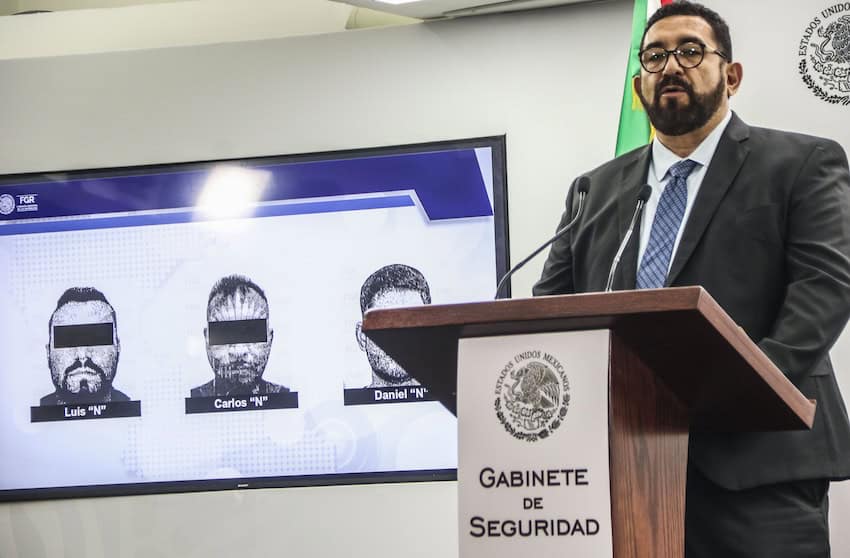
Ulises Lara, a special prosecutor in the Federal Attorney General’s Office, led the operation that broke up a huge fuel-theft ring. (Victoria Valtierra/Cuartoscuro.com)
Harfuch told reporters that 10 raids were carried out in México state and 10 others in the state of Hidalgo, resulting in the arrest of seven suspects, including the alleged ring leader, Mauricio Gamboa, aka “El Burras.” Gamboa is said to have links to the Jalisco New Generation Cartel.
Additional raids in Chihuahua and central Mexico, including Mexico City, resulted in seven other arrests as well as the seizure of materials valued at 126 million pesos (US $7.2 million).
In a related action, authorities busted an organization operating 40 front companies involved in creating forged petro-invoicing.
The joint investigation — carried out by the Specialized Prosecutor’s Office for Organized Crime and the Criminal Investigation Agency and the Security Ministry — dates back to a twin bust in March 2025 that netted more than 17 million liters of stolen diesel and hydrocarbons.
In September 2025, the government announced the arrest of 14 people, including high-ranking members of the Navy.
A few months earlier, the authorities had disrupted a part of the network in Querétaro — arresting 31 people — but Harfuch said a new cell emerged to replace it.
Since then, “various lines of inquiry were developed making it possible to identify and dismantle one of the most important fuel smuggling networks operating in Mexico,” Lara said.
The year-long probe led to the identification of additional companies engaged in fuel smuggling by simulating legitimate commercial operations.
Lara explained that these companies used forged documents and false declarations, while also utilizing “front companies” to take advantage of “areas of opportunity in control systems.” The shipments were typically labeled as additives, lubricants or oils by means of apocryphal invoices.
“This allowed them to build a smuggling network, as well as evade tax and regulatory obligations,” he said
The criminal network reportedly began operating in June 2023 and managed the illegal entry into Mexican ports of at least 564 million liters of fuel on 69 oil tankers at four different customs offices. Lara said the value of the smuggled fuel exceeded 23 billion pesos (US $1.3 billion).
The network operated through a highly coordinated multimodal logistics scheme that combined maritime, rail and land transport for the introduction, transfer, storage and illegal marketing of hydrocarbons.
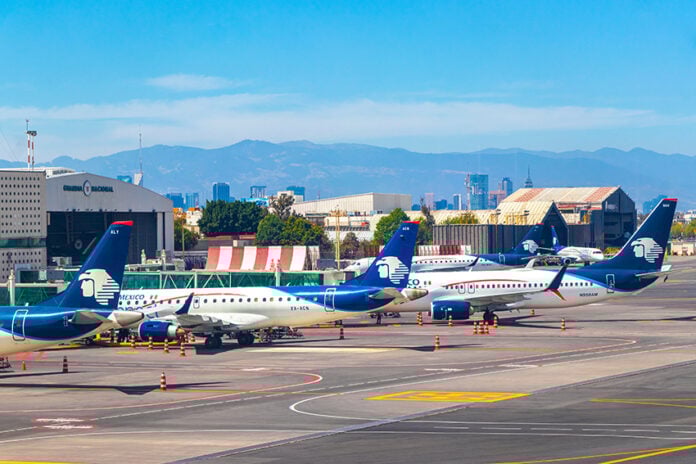
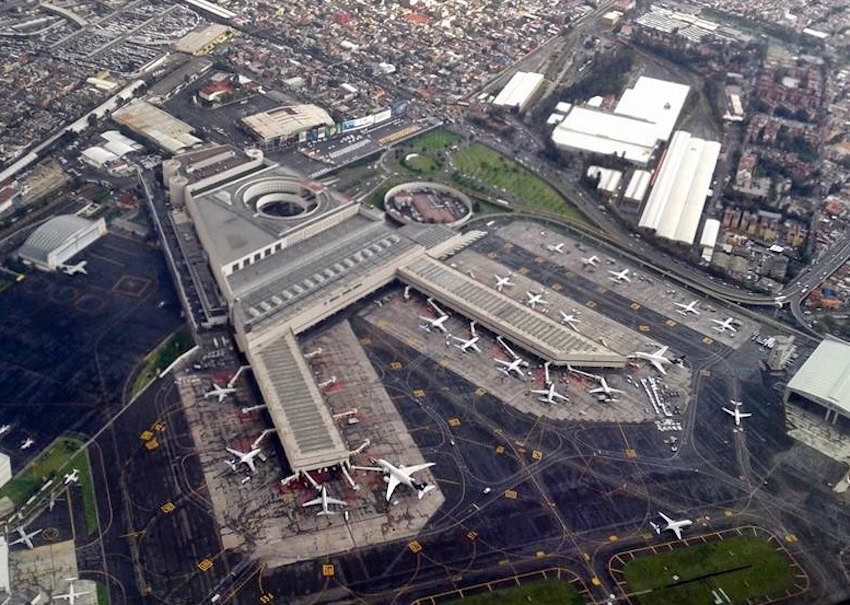
Mexico City International Airport (AICM) was the busiest airport in the country in 2025, followed by Cancún International Airport in Quintana Roo. (Shutterstock)
Today we’re focusing on data related to Mexico’s airports. The numbers have landed, so let’s taxi through them.
How many passengers used Mexico’s airports in 2025?
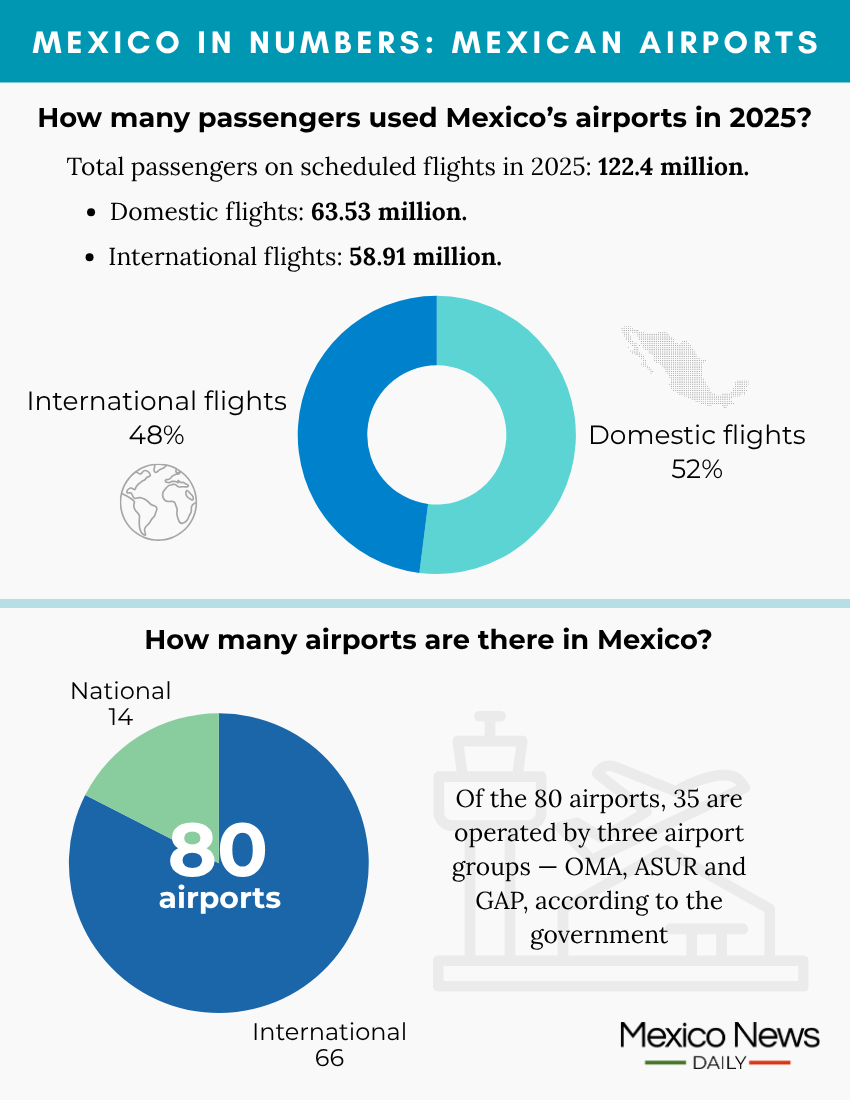
Tourism Minister Josefina Rodríguez reported in January that 122.4 million passengers flew into, and out of, Mexican airports on regular flights in 2025, an increase of 2.4% compared to 2024.
Of the 122.4 million passengers, 63.53 million flew between airports in Mexico and 58.91 million flew internationally to or from a Mexican airport.
Therefore, around 52% of total passengers were domestic travelers, and 48% were international travelers.
The number of passengers on regular domestic flights increased 3.3% annually in 2025 while international passenger numbers rose 1.5%.
How many airports are there in Mexico?
There are 80 airports in Mexico, according to the federal government. Sixty-six of those airports are classified as international airports, while 14 are national airports.
Of the 80 airports, 35 are operated by three airport groups — OMA, ASUR and GAP, according to the government.
Those 35 airports and the Mexico City International Airport handle 89.99% of all passengers and 79.15% of air freight, according to 2025 data from the Federal Civil Aviation Agency (AFAC).
What are Mexico’s busiest airports?
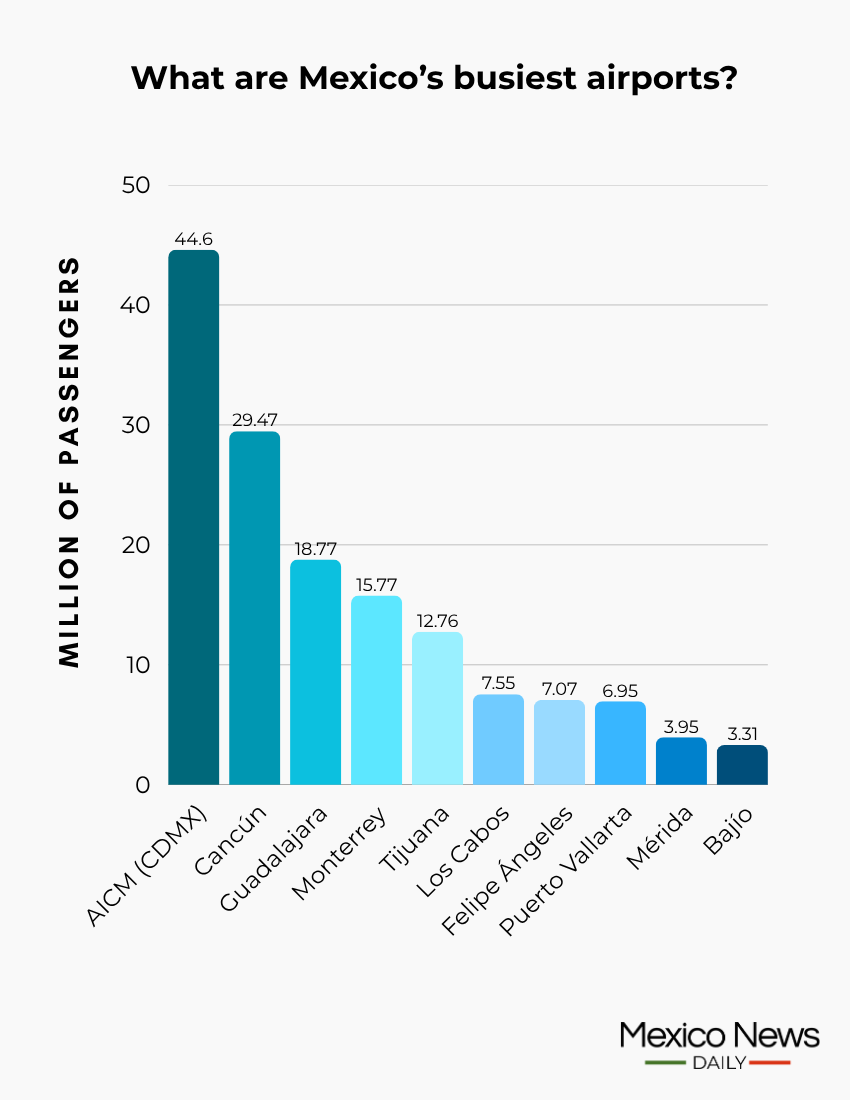
According to AFAC data, the Mexico City International Airport (AICM) was Mexico’s busiest airport in 2025 with a total of 44.6 million people passing through the two terminals, a reduction of 1.7% compared to 2024.
It should be noted that AFAC uses a different methodology than the Ministry of Tourism to count passenger numbers, and includes ALL arriving and departing travelers, including those on private and charter services. The agency’s 2025 passenger total was 191.24 million, a 2.6% increase compared to 2024.
After AICM, Mexico’s busiest airports in 2025 were:
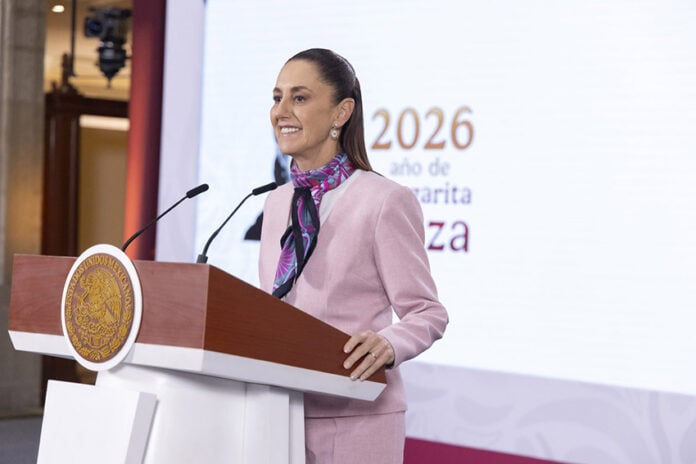
President Sheinbaum shared her choice for Mexican ambassador to the United States and addressed a corruption investigation against Economy Minister Marcelo Ebrard at Thursday's morning presser. (Carlos Ramos Mamahua / Presidencia)
Sheinbaum’s mañanera in 60 seconds
⚖️ Alcalde tapped as top legal adviser: Morena party president Luisa María Alcalde will join Sheinbaum’s cabinet as head of the presidential legal department on May 1, replacing Esthela Damián, who is stepping down to pursue the Morena gubernatorial candidacy in Guerrero in 2027.
🇺🇸 New ambassador to U.S. proposed: Sheinbaum confirmed her government is putting forward Roberto Lazzeri, current director of two development banks, as Mexico’s next ambassador to Washington. The appointment still requires U.S. acceptance and Senate ratification. Lazzeri is seen as well-positioned to engage on USMCA trade issues.
🇬🇧 Ebrard’s son’s London stay to face investigation: The Ministry of Anti-Corruption and Good Governance will investigate complaints over Economy Minister Marcelo Ebrard’s adult son living at the Mexican ambassador’s London residence for six months in 2021–22. Ebrard was foreign minister at the time.
Why today’s mañanera matters
At today’s mañanera, President Sheinbaum confirmed that she is proposing Roberto Lazzeri, the director of two development banks, as ambassador to the United States.
Also of note at today’s mañanera was Sheinbaum’s revelation that an investigation into the stay of Economy Minister Marcelo Ebrard’s son at the residence of the Mexican ambassador to the United Kingdom will take place.
This is particularly significant as it shows — or at least gives the appearance of showing — that the government is intent on combatting corruption, and will investigate alleged wrongdoings even if the case involves a very senior official.
Alcalde to become presidential legal adviser
Sheinbaum said that Luisa María Alcalde, a former labor minister and interior minister who is currently the president of the Morena party, will become the head of the legal department of the president’s office on May 1.
“Obviously there has to be the transition in the legal department as well as the process the Morena party has to follow [to appoint a new president],” she said.
Con profundo orgullo y agradecimiento, acepto la honrosa encomienda de la Presidenta @Claudiashein como Consejera Jurídica del @GobiernoMX.
Contenta de lo logrado hasta hoy al frente de Morena y feliz de seguir luchando del lado del pueblo y de la primera Presidenta de México.… pic.twitter.com/3kxTo7eYqg
Alcalde announced on Wednesday afternoon that she accepted the president’s job offer.
“I have shared with the president that it would be an honor for me to continue contributing to the transformation from this trench,” she said in a video message.
Government proposes new ambassador to US
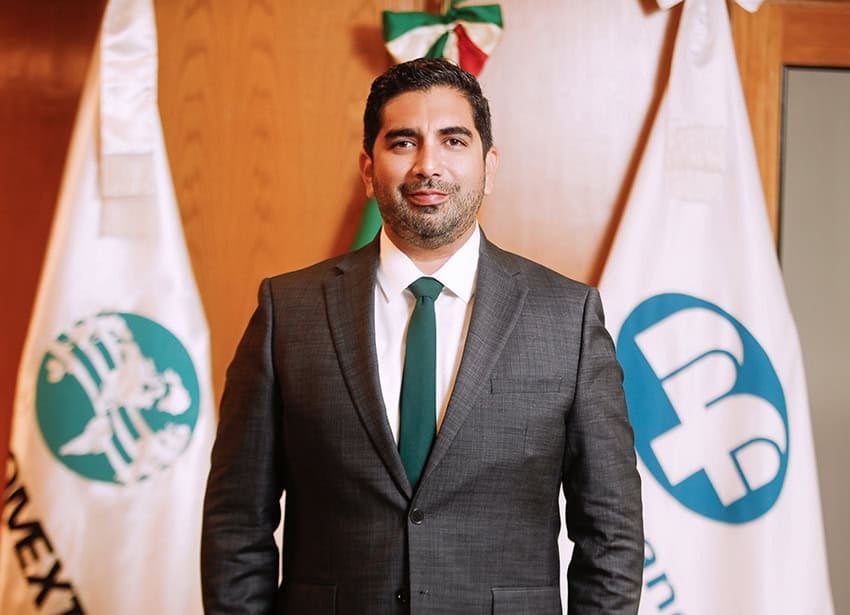
Sheinbaum confirmed media reports that her government is proposing Roberto Lazzeri, director of the Mexican development banks Bancomext and Nacional Financiera, as Mexico’s next ambassador to the United States.
“It emerged that we’re proposing Roberto Lazzeri as ambassador in the United States. A whole process has to be followed. That’s why we hadn’t made it public,” she said.
Sheinbaum noted that Lazzeri previously worked in the Ministry of Finance with former Finance Minister Rogelio Ramírez de la O.
President Sheinbaum has tapped National Financiera and Bancomext Director Roberto Lazzeri to be Mexico’s next ambassador to the United States, pending Senate and U.S. approval. (Bancomext)
“He has a very good relationship with the entire Mexican government and with the counterparts in the United States,” she said.
“I appointed him to Nacional Financiera and in a very short time he transformed Nacional Financiera,” Sheinbaum said.
She suggested that Lazzeri is well-qualified to engage with the United States on trade issues as this year’s review of the USMCA free trade pact takes place.
“First, the United States has to accept [his appointment],” Sheinbaum said. “It’s a whole process.”
The Mexican Senate would also need to ratify Lazzeri’s appointment before he can assume the ambassadorial role in Washington, D.C.
Mexico’s current ambassador to the United States is Esteban Moctezuma, a former education minister. He became ambassador in early 2021 during the presidency of Andrés Manuel López Obrador.
Government to investigate Ebrard’s son’s stay at Mexican ambassador’s residence in London
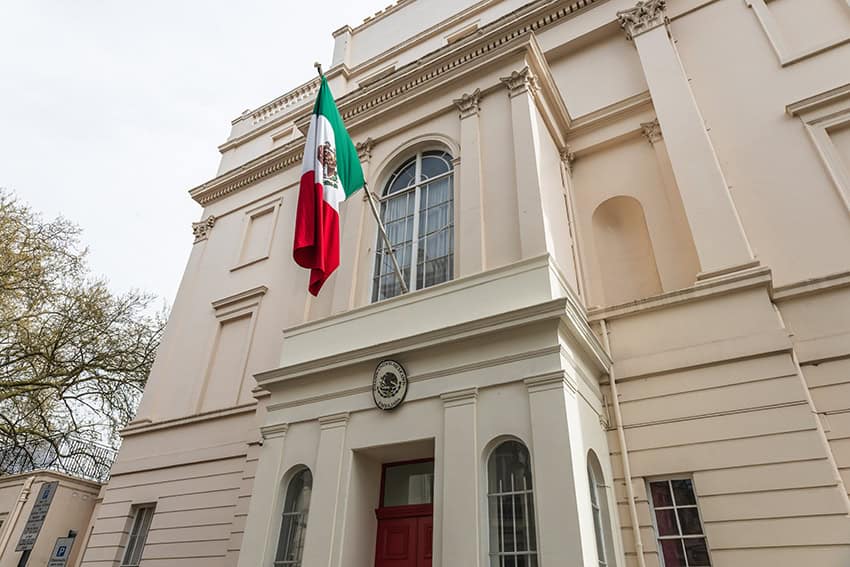
Foreign Minister Marcelo Ebard’s son lived in the ambassador’s residence in London, located within the Mexican Embassy, for six months between 2021 and 2022. (Shutterstock)
Sheinbaum said that complaints had been filed with the Ministry of Anti-Corruption and Good Governance regarding the six-month stay of Economy Minister Marcelo Ebrard’s son in the London residence of the Mexican ambassador to the United Kingdom.
“Automatically, an investigation has to be opened,” she said.
“… That’s what the law says,” Sheinbaum explained.
She said that the Ministry of Anti-Corruption and Good Governance has to determine if “any rule was violated” by the stay of Ebrard’s adult son at the ambassador’s residence.
Marcelo Patrick Ebrard lived at the ambassador’s residence in London between June 2021 and January 2022. His father was foreign affairs minister at the time and therefore had authority over Mexico’s diplomatic missions abroad. Mexico’s ambassador to the U.K. at the time was Josefa González-Blanco Ortiz-Mena, who briefly served as environment minister in the government of López Obrador.
By Mexico News Daily chief staff writer Peter Davies (peter.davies@mexiconewsdaily.com)
Lufthansa seeks to add more weekly flights to its Mexico City-Munich route later this year, company officials said. (Shutterstock)
German carrier Lufthansa announced plans to increase weekly flight frequencies between Mexico City International Airport (AICM) and Munich from three to five starting this winter. Though the crowded AICM has yet to approve the new flights, routes to Felipe Ángeles International Airport (AIFA) are not under consideration due to lack of infrastructure and domestic connections, the carrier said.
In a press conference, global Sales VP Frank Naeve said the flights are still subject to the government’s approval, adding that their interest in increasing its seating capacity between Munich and Mexico City has not been officially communicated to the AICM administration.
Lufthansa Sales VP Frank Naeve expressed his hope that authorities will someday expand Mexico City International Airport (AICM), where flights are currently capped at 44 per hour. (Edgor Tovar/Vmzp85/Wikimedia Commons)
“This decision to supplement flights is very recent. The truth is, we haven’t had time to approach the authorities,” Alejandro Arias, CEO of Lufthansa Group for Mexico and Latin America, told El Financiero.
If demand is sufficient, Naeve said, it is the company’s intention to maintain these five weekly flights permanently, not just seasonally.
Lufthansa Group offers direct routes between Germany and Mexico, with around 579,000 passengers annually according to figures from the Mexican aeronautical authority corresponding to the end of last year.
The carrier uses the Airbus A350-900 for service from Munich, while the daily route to Frankfurt use the Boeing 747-8 — all from AICM.
Naeve said the company has no plans for passenger operations at AIFA due to it being difficult to reach for potential passengers and its lack of domestic connections.
AIFA is located some 45 kilometers from downtown Mexico City, and about 35 to 45 kilometers from AICM. From downtown, a typical car ride can take around 1 to 1.5 hours without traffic. In contrast, it takes less than 30 minutes to reach AICM from downtown under similar conditions.
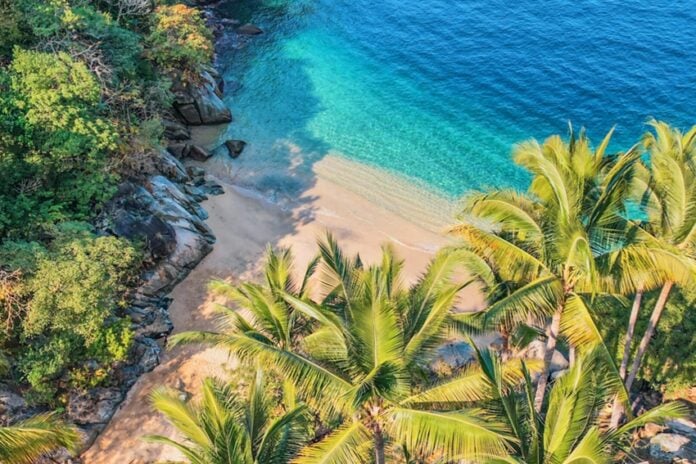
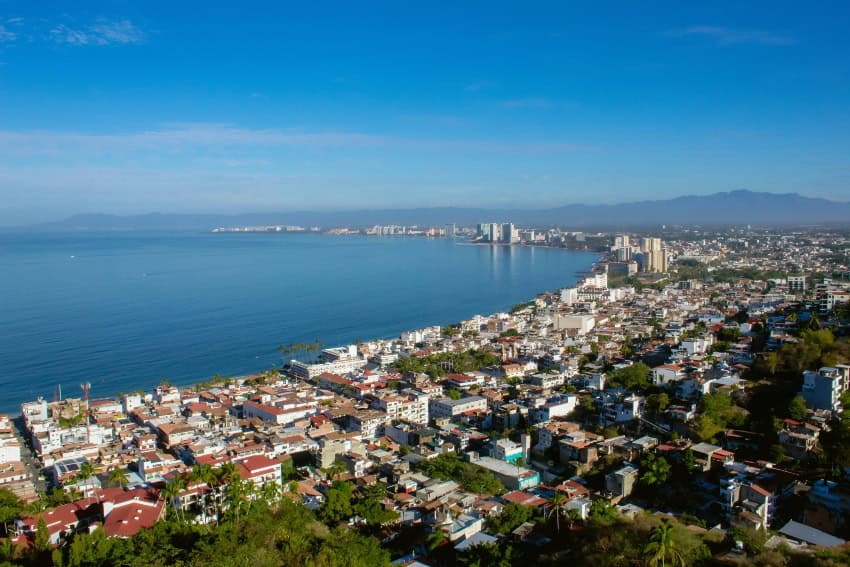
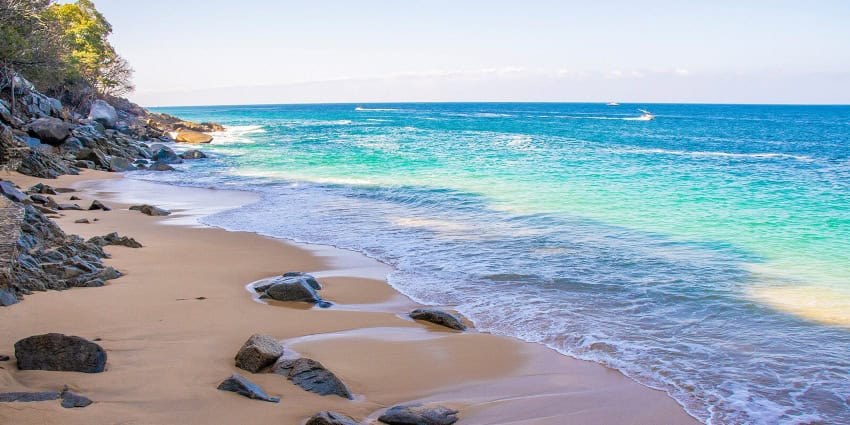
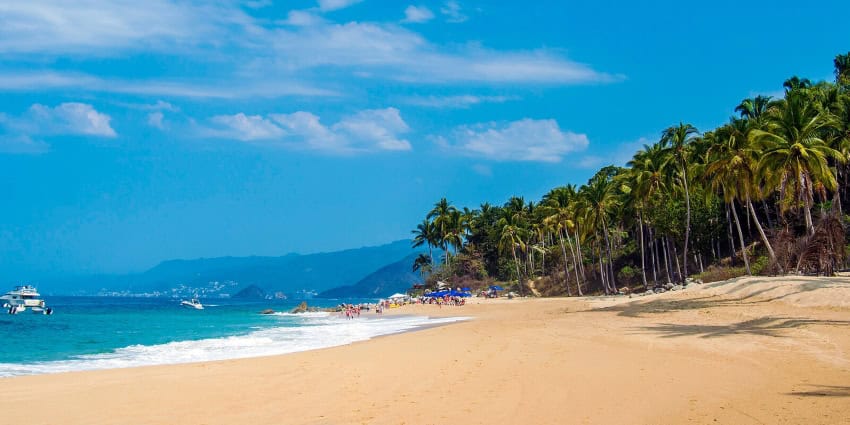
Puerto Vallarta is amazing, but beaches to the south will also reward a visit. (Puerto Vallarta)
It’s high season in Puerto Vallarta, which means comfortable weather and busy beaches, yet my social media feeds are absolutely drowning in, “Is such and such worth it?”
I see it about beaches, boat tours, day trips, tacos and entire towns. Everyone wants to know if the thing they’re about to spend time and money on is going to live up to the hype. And honestly? That’s completely fair. Time is limited, vacations are precious and nobody wants to spend a day thinking, “Well, this could’ve been a nap.”
Puerto Vallarta’s southern coast lives up to the hype
Looking for a Puerto Vallarta getaway that’s a little smaller and slower-paced than life in the city? Head south. (Roman Lopez/Unsplash)
So instead of chiming in on each comment section like a know-it-all, I decided to lump them all together and give you what I’ll now be calling my “beaches, boat tours, day trips, tacos and entire towns must-see and do list that’s practically begging for your attention!” It’s a mouthful, but so is trying to answer the same question 50 different ways.
People often call it island hopping here, but that’s not quite right. What you’re really doing is exploring the boat-access-only beaches and villages south of Puerto Vallarta.
No big islands, no castaway fantasy, just stretches of coastline where the jungle meets the sea and the road quietly gives up. It feels wild without being intimidating, which is an incredibly appealing middle ground.
This entire journey can also be done on foot. From Boca de Tomatlán all the way to Quimixto, there’s a coastal trail that connects these beaches one by one.
Boat, hike or a mix of both. That flexibility is part of what makes this area so special, and also why people argue about the “best” way to do it. The correct answer to that debate is “personal choice.”
Boca de Tomatlán
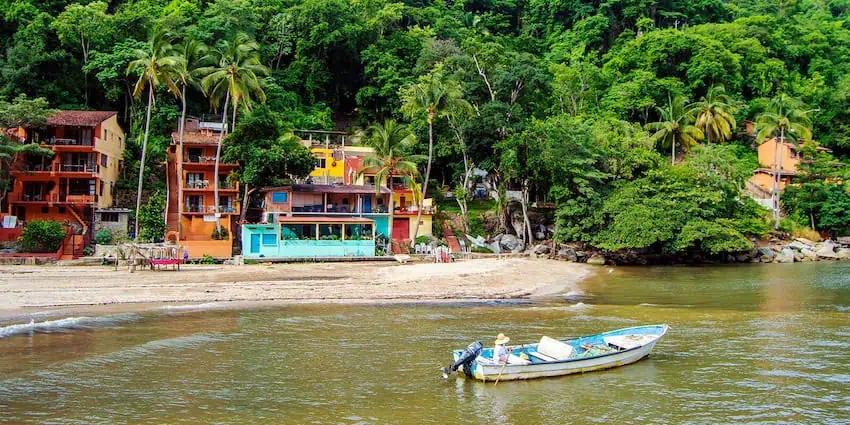
Nestled in a small bay about 20 minutes by road south of Puerto Vallarta, Boca de Tomotlán is the departure point for pangas and water taxis to other paradisiacal beaches such as Las Ánimas, Playa Caballo, Quimixto and Yelapa. (Visit Puerto Vallarta)
This is where it all begins, whether you’re hiking or hopping on a panga. It’s a small fishing village, and it feels like a natural gateway to everything south of it.
Boats bob in the river, hikers compare notes over coffee and there’s a quiet sense that you’re about to go somewhere different.
Boca itself is delightful, but it’s really the starting point rather than the main attraction. Worth stopping, worth eating and absolutely worth appreciating as the threshold between accessible and adventure.
Colomitos
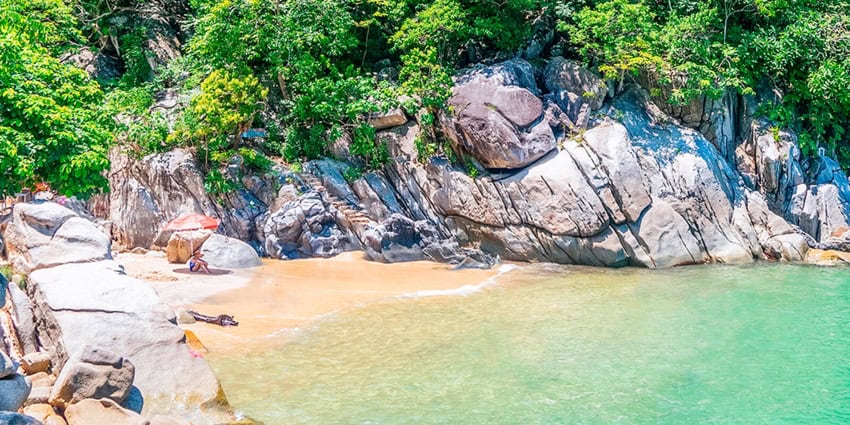
Colomitos is beautiful, but also very small, so it doesn’t take many people to make it look full. (Puerto Vallarta)
Just beyond Boca is Colomitos, often hyped as one of the smallest beaches in Mexico. It’s tiny, yes, but it’s also genuinely charming.
A short hike or a quick boat ride gets you to this little cove with emerald water and a jungle backdrop that feels almost too perfect, like it was designed specifically for postcards and engagement photos. But because it’s so close to Boca, it fills up quickly, especially during the high season.
But if you go early or pass through as part of a longer day, you can think of it as a beautiful introduction rather than a place to settle in for hours.
Madagascar Beach
You don’t have to travel off the coast of Africa to find Madagascar. There’s a beautiful beach with the same name south of Puerto Vallarta. (Puerto Vallarta)
It’s one of those stops that surprises people, mostly because they weren’t expecting to hear the word Madagascar in Mexico. Visitors can look forward to a small, rocky beach with clear water and a quieter feel than its neighbors.
If you’re hiking, it’s a natural pause point. If you’re boating, it’s often a swim stop rather than a long stay.
Madagascar doesn’t scream for attention, and that’s kind of its charm. It’s perfect for those who like places that feel a little under the radar and don’t need a sign explaining why they’re special.
Playa Caballo
Playa Caballo is not only wide and dramatic, but it feels like a destination rather than a brief episode. (Puerto Vallarta)
Playa Caballo is where the journey starts to feel more rewarding. It’s wide, sandy and dramatic, with a sense of space that some of the smaller coves lack.
If you’re hiking, it’s a satisfying place to stop, drop your pack and actually relax for a while without feeling like you’re in someone else’s beach day. If you arrive by boat, it feels like a proper destination rather than a brief interruption.
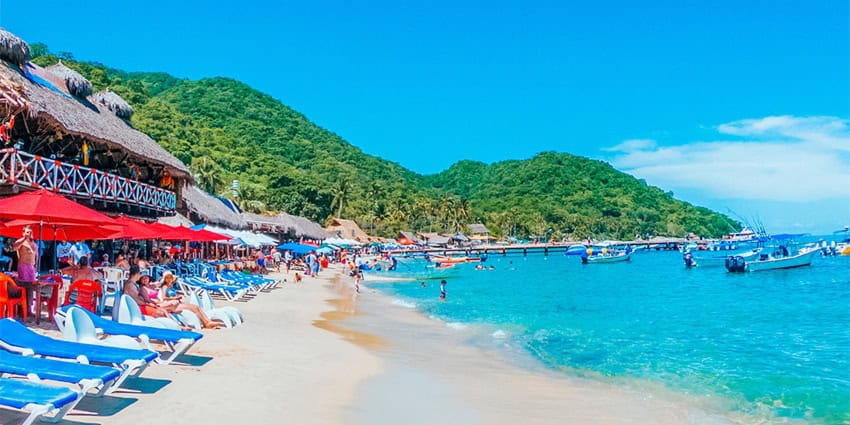
Las Ánimas
Las Ánimas is a lively place to socialize and enjoy the views. (Puerto Vallarta)
The next stop on our tour feels like a sudden return to civilization. After the quieter beaches, Las Ánimas is lively and social. Restaurants line the shore, music drifts over the water and lunch isn’t something you have to plan or overthink.
This isn’t a hidden escape, but it is easy and fun. It’s perfect if you’re hungry, thirsty and very happy to sit in the sand for longer than you intended.
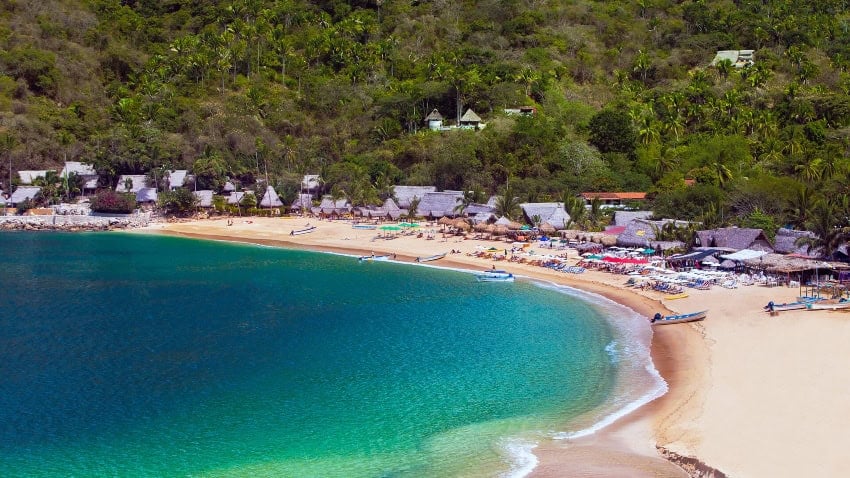
Yelapa
Yelapa isn’t just a beach, but a village, which means more things to see. (Puerto Vallarta)
Get ready for the energy to shift again. Whether you arrive by boat or on foot, Yelapa immediately feels slower and more layered. It’s a village, not just a beach and that makes a difference.
The walk to the waterfall is part of the experience, as is wandering through town and watching daily life unfold between cafés, homes and beach bars. The water at the main beach isn’t the clearest you’ll swim in, but Yelapa has personality in spades. It’s the place that quietly convinces people to stay longer than planned and then reorganize their entire itinerary around that decision.
Quimixto
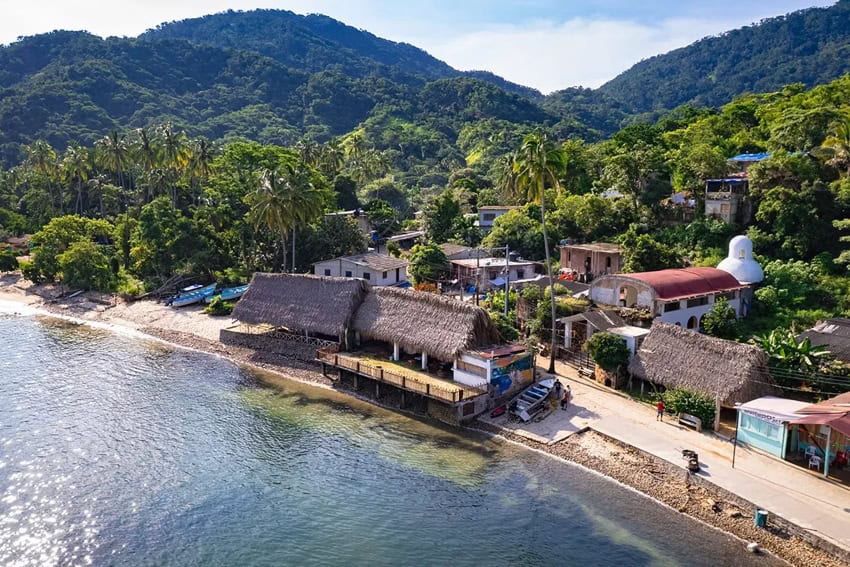
Quimixto is rustic, but that’s part of the charm. It’s a great place to finish up your tour of southern beaches. (Vallarta Adventures)
This is the final stop, and it feels like a pretty perfect ending. The village is a little rougher around the edges and a little less polished than Yelapa. But that’s part of the appeal. The waterfall hike here is steeper and requires a lot more effort, which makes the payoff feel earned.
Whether you arrive sweaty from the trail or sun-kissed from the boat, Quimixto has a genuine sense of accomplishment to it, like you’ve actually gone somewhere rather than just passed through.
Also worth visiting: Los Arcos and Majahuitas
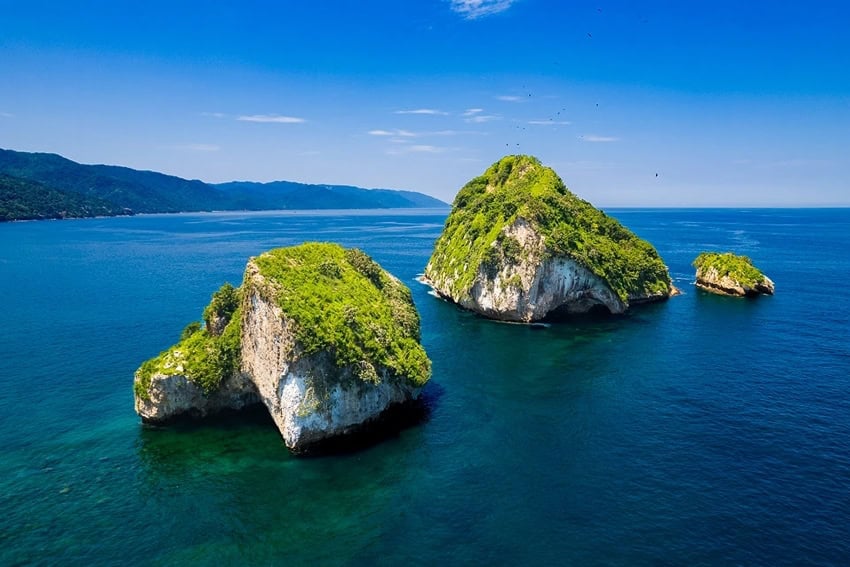
Los Arcos often gets lumped into these conversations, even though it’s closer to town and not part of the hike. It’s still worth mentioning because it’s undeniably beautiful.
The rock formations are dramatic, the water is clear and snorkeling here is genuinely fun. It’s busy, especially in high season, but it’s one of those places where the hype exists for a reason, not just because someone needed content.
Majahuitas sits slightly outside the Boca-to-Quimixto hiking route, but it deserves its reputation. It’s a sheltered cove with calm, clear water and a peaceful, tucked-away feeling. If you’re choosing between hike-only beaches and boat-only stops, Majahuitas makes a very strong case for getting on a boat at least once.
Hiking, boating or both?
The important thing to understand is that you don’t have to choose between hiking and boating. Some people hike one direction and take a panga back. Some hop between beaches by boat and hike a section that looks particularly beautiful. This coastline lets you build the day you want instead of forcing you into a single experience, which is surprisingly rare and deeply underrated.
Los Arcos is also worth a visit for snorkeling or scuba diving, if you have time for it on your itinerary. (Vallarta Adventures)
So, is exploring Puerto Vallarta’s southern beaches worth it? Yes. Absolutely, 100%. But only if you pick the stops that match your energy, respect the distance involved and remember that not every beach has to change your life to be enjoyable.
Some will wow you. Some will simply be lovely. And sometimes lovely, sweaty, sun-soaked and ending the day with tired legs and salt in your hair is exactly the point.
In high season, especially, worth it doesn’t have to mean empty, untouched or perfect. Sometimes it just means you had a really great day.
Charlotte Smith is a writer and journalist based in Mexico. Her work focuses on travel, politics, and community. You can follow along with her travel stories at www.salsaandserendipity.com.
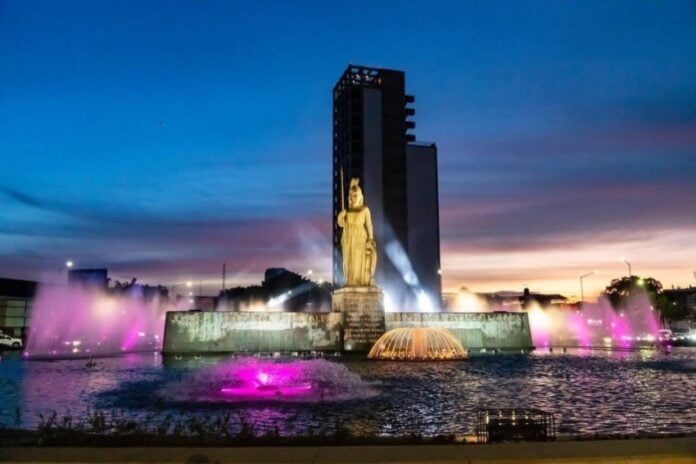
La Minerva has been given a facelift ahead of the 2026 FIFA World Cup, but some Guadalajara residents aren't happy with the cost. (Instagram)
La Minerva, Guadalajara’s iconic roundabout, has undergone a massive renovation project ahead of the 2026 FIFA World Cup. However, the cost to the public treasury — 70 million pesos, or about US $4 million — has sparked controversy amongst tapatíos.
Situated at the edge of the city nearly 100 years ago, the Minerva roundabout has grown to become part of the city’s identity. It is also the traditional epicenter of celebrations for Club Deportivo Guadalajara (Chivas), where thousands of fans gather to celebrate titles, championships and important victories of the team.
When Chivas wins a championship in Liga MX, La Minerva is where fans celebrate. (Instagram)
A symbol at the center of the city
Mayor of Guadalajara Verónica Delgadillo said that, although La Minerva has already undergone renovations in the recent past, the current one places it at the center of the city, turning a representative symbol into something approachable for pedestrians.
“This public space that we are handing over to our city and its people today is a space that will allow us to come together, not only when we want to celebrate something, as we have done for 70 years, but also invites us to come together on a permanent basis,” she said.
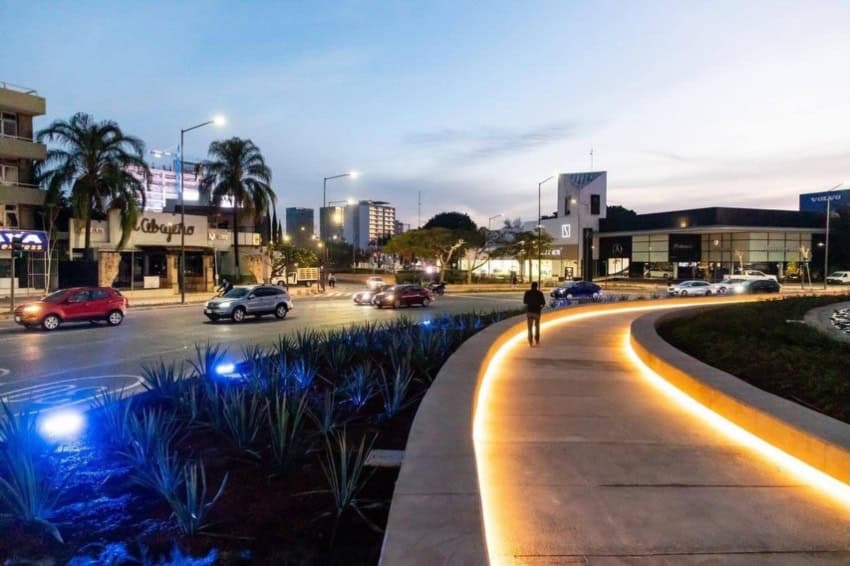
Following five months of work causing traffic jams in the surrounding areas, the project’s renovation has encompassed over 24,000 square meters, transforming the roundabout into an accessible pedestrian plaza, with new hydraulic infrastructure, walkways, planters and improved lighting.
The work that has been done
Key aspects of the work included the reorganization of the five existing lanes, the rehabilitation and waterproofing of the fountain, new hydraulic systems with synchronized jets and new lighting. A perimeter walkway and interior walkways were also incorporated, allowing visitors to explore and enjoy the monument.
The project also rehabilitated sidewalks, built new safe pedestrian crossings with illuminated signage, improved the traffic light system, replaced horizontal and vertical signage and enhanced the urban landscape with new street furniture, planters and seating areas.
The renovated work now allows pedestrian access to the parks surrounding the Arches of Guadalajara, and integrated free WiFi connectivity through the Jalisco Network, in addition to a new MiBici (MyBike) station.
Why budgetary costs are a cause for controversy
¿Valió la pena? Así quedó la NUEVA Minerva tras gastar 70 millones - LONGVLOG
“La Minerva has restored the possibility for people to coexist with the roundabout itself, with this symbol, and for people to be able to walk around it, to approach and enjoy it, to take a picture and to coexist with La Minerva,” Jalisco’s Governor Pablo Lemus said.
However, the cost overrun has been one of the main reasons for citizen criticism.
Tapatíos have complained that the Minerva’s visual upgrade does not justify the investment, which was originally budgeted at 40 million pesos (US $2.2 million). Videos circulating on social media show users expressing disappointment and accusing politicians of misusing public funds.
“It looks horrible,” one user says. “Totally not worth it,” adding that these funds could’ve been directed to resolving other public needs in the transport sector.
2026 FIFA World Cup upgrade strategy
La Minerva’s upgrade is part of a broader renovation strategy to beautify the city of Guadalajara ahead of the 2026 FIFA World Cup. Improvements include works on roads, public transport, upgrades at the Historic Center and the opening of new hotels.
Overall, the anticipated budget for all renovation works across the city is around 700 million pesos (US $40 million).
The costs for renovating La Minerva, including new lighting, are among 700 million pesos being spent around host city Guadalajara for the 2026 FIFA World Cup. (Instagram)
Gabriela Solis is a Mexican lawyer turned full-time writer. She was born and raised in Guadalajara and covers business, culture, lifestyle and travel for Mexico News Daily. You can follow her lifestyle blog Dunas y Palmeras.
Visitors to the archaeological site of Chichén Itzá will not be able to bring in backpacks for now. (Martín Zetina/Cuartoscuro)
Monday’s shooting at the Teotihuacán archaeological site, 30 miles northeast of Mexico City, in which a Canadian tourist was killed, has prompted the government to implement enhanced security at some of the country’s main tourist sites.
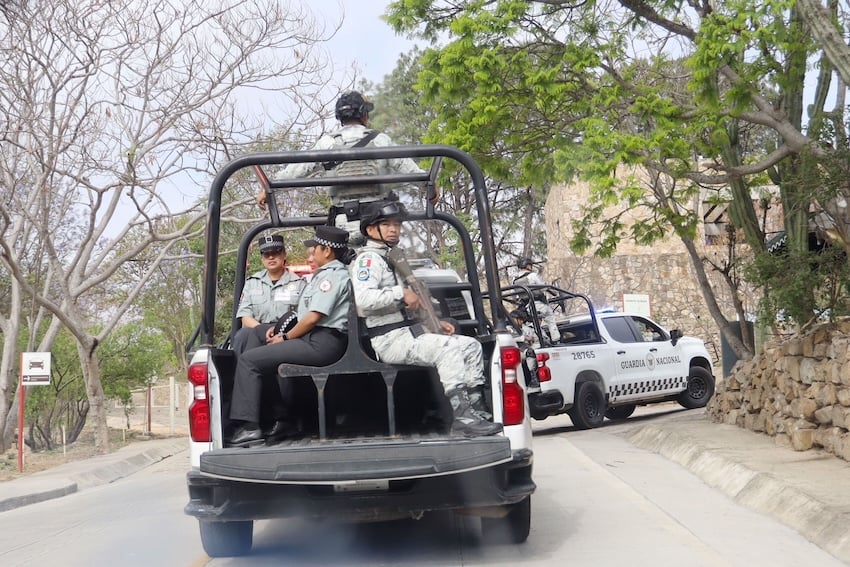
The National Guard is now on duty at Monte Albán and visitors’ bags will be checked upon entry. But for the time being, National Guard personnel will not be able to enter the site with weapons. (Carolina Jiménez Mariscal/Cuartoscuro)
“It takes time to install X-ray scanners to check for entry,” Sheinbaum said. “It doesn’t happen overnight, but this serves as a reminder that we need greater security to prevent someone from entering an archaeological site or tourist site with a firearm.”
Several new security measures have already been announced at Mexico’s main archaeological sites, with more expected to follow through the week:
The Teotihuacán archaeological site officially reopened on Wednesday with a reinforced security protocol, but the Pyramid of the Moon remains closed to the public. Increased surveillance will be carried out by the National Guard and law enforcement agencies from all three levels of government.
At Mexico’s most-visited archaeological site, Chichen Itzá, in the state of Yucatan, backpacks have been temporarily banned. The site’s director, María Guadalupe Espinosa, said the ban will be in place for the next few days.
National Guard officials have been deployed at the state of Oaxaca’s main archaeological sites of Mitla, Monte Alban and Yagul, as well as in the town of Atzompa. Visitors’ bags are being inspected upon entry. For now, National Guard personnel will still not be able to bring weapons into the site itself.
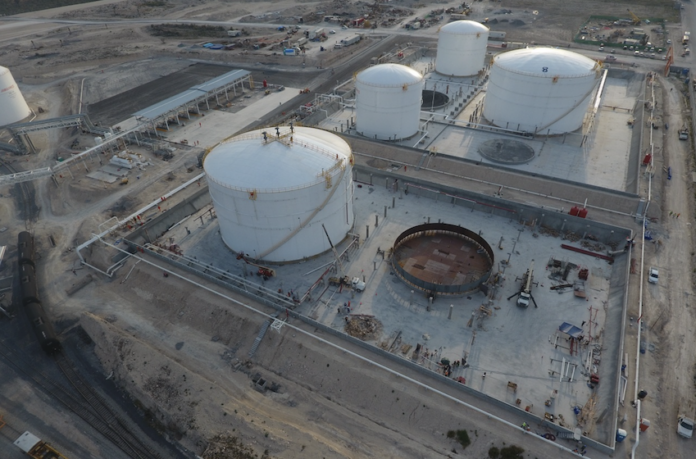
Bulkmatic is looking to address Mexico's woefully inadequate fuel storage capacity, the second lowest among OECD countries. (Bulkmatic)
Bulkmatic, a logistics company for Mexico’s main railway terminal, has announced plans to invest US $600 million to develop multimodal stations in various states over the next 10 years.
The company’s commercial director, Francisco Melo, said that the investment will be placed across different zones and equipment, with the goal of expanding fuel storage capacity and strengthening intermodal terminals.
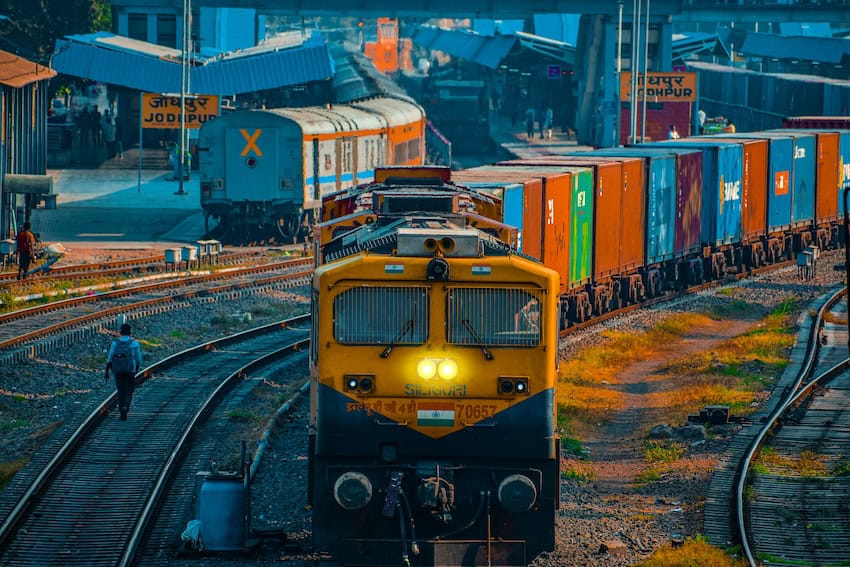
Bulkmatic’s fuel expansion plans could add 3,000 cars to the total that Mexican rails can handle per month. (Unsplash)
“In terms of track capacity, we are talking about being able to receive an additional 3,000 cars per month on top of what we currently handle, which is between 3,000 and 3,500 cars,” Melo said at the Energy and Infrastructure Forum on the National Agenda.
In 2026 alone, Bulkmatic plans to allocate some US $100 million to the first and second phases of a 100-hectare terminal with a capacity to handle 500,000 fuel barrels.
Mexico has the second-lowest fuel storage capacity among OECD countries, with reserves equivalent to about 3.5 days, while the international standard is 90 days. Experts and business leaders have warned of a “latent risk” due to a lack of infrastructure and regulatory uncertainty, which has slowed new investments in terminals.
The private sector has only 12 operating storage terminals, and growth has stalled under the current administration’s energy policy, even though Pemex owns more than 70 terminals.
In an interview with El Cronista, Melo said that the relationship with current regulatory authorities is much better compared to what it was during President Andrés Manuel López Obrador’s term (2018-2024).
“I see a lot of openness, especially from the Ministry of Energy,” Melo said. “Still, procedures are tougher and with more requirements.”
The cities where Bulkmatic plans to develop the multimodal terminals include Pesquería, Nuevo León; Ciudad Juárez, Chihuahua; Hermosillo, Sonora; Torreón, Coahuila and Guadalajara, Jalisco. Coatzacoalcos, Veracruz and Salina Cruz, Oaxaca, would be connected with the Interoceanic Train, while Progreso, Yucatán to the Maya Train.
Meanwhile, the facilities that will see fuel handling include Pesquería, Nuevo León (with a capacity of 690,000 barrels), Hermosillo, Sonora (400,000 barrels) and Tula, Hidalgo. (720,000).
As of now, the company is not planning to mobilize hydrocarbons in Mexico’s southeast. Melo said they are considering more plastic resin and food-grade material.
A Guggenheim Fellowship grant to travel to Mexico in 1932 greatly influenced Graham's approach to her work. (inba.gob.mx)
After a 45-year absence from Mexican stages, the Martha Graham Dance Company will return to the Palacio de Bellas Artes with a one-night centennial program set for Oct. 20.
The performance will bring back a body of work shaped in part by Martha Graham’s own encounters with Mexico and its ritual traditions.
Martha Graham’s choreography told stories in new ways and her collaborations with costume and stage designers changed the aesthetic of the art. Now, her dance company marks its first century. https://t.co/7gSbfo7Tg1
— Smithsonian Magazine (@SmithsonianMag) March 2, 2026
Though the company was founded in 1926 in New York City, a Guggenheim Fellowship to travel to Mexico in 1932 fundamentally shifted the then-38-year-old Graham’s artistic direction toward what she called “dances of necessity” and human need.
Presented by Mexico’s Ministry of Culture and the National Institute of Fine Arts and Literature (INBAL), the event is billed as “Martha Graham 100 Years: The Dance That Transformed the 20th Century.”
The company — often described as the longest-running modern dance troupe in the U.S. — will include “Dark Meadow Suite” (2016), “Lamentation” (1930), “We the People” (2024) and “Chronicle” (1936) in its repertoire.
Graham, who lived from 1894 to 1991, is widely regarded as the mother of modern dance and the creator of a technique often compared to ballet in scope and influence. She established her school and company in a tiny studio in midtown Manhattan, working with a small group of women.
During Graham’s travels to Mexico, her study of Indigenous ritual dances — after years of interest in ceremonies of the American Southwest — changed the choreographer’s conception of art, said Janet Eilber, the company’s artistic director since 2005.
What she observed, Eilber said, were “expressions born from human need, fertility, climate, food, and religion” — which “totally revolutionized her conception of dance” and led her away from decorative, spectacle work.
“For the rest of her career, Martha Graham sought to create works that reflected that kind of basic human need,” Eilber said.
The Mexico connection runs through “Dark Meadow Suite,” adapted from Graham’s 1946 “Dark Meadow” and set to music by Mexican composer Carlos Chávez.
The program will also underscore Graham’s humanist and political force, said Eilber, who has called “Chronicle” “an anti-war statement, a protest dance against war and oppression.” The piece was created the year Graham rejected an invitation to dance at the 1936 Berlin Olympics under Nazi rule.
“Lamentation” is a radical, four-minute solo in which a dancer, enveloped in purple fabric, sways on a bench in “a universal portrait of loss.” It’s included as the emblem of Graham’s modernist break, when she “announced to the world [in 1930] that modernism had arrived in American dance.”
The company, which has been led exclusively by women, last appeared in Mexico in 1981, after an earlier visit in 1968.
The company is in the middle of its 2024-26 international centennial tour, which will include the Oct. 20 performance at 8 p.m. No other stops in Latin America have been announced.
Tickets for the Mexico City show are available at the Palacio de Bellas Artes box office and through Ticketmaster. Prices range from 420 pesos (about US $24) to 1,350 pesos (US $78).
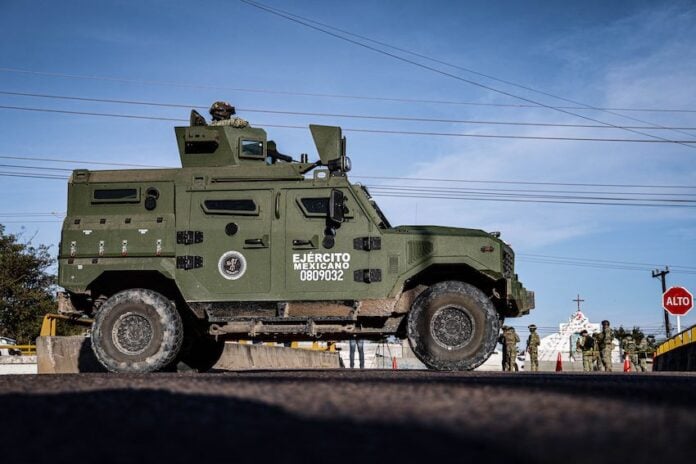
The newspaper Reforma reported that the Mexican Army, the National Guard and other federal agencies were involved in an operation near Badiraguato, Sinaloa, on Wednesday. (José Betanzos Zarate/Cuartoscuro)
The federal government launched an army-led operation in Sinaloa on Wednesday that appeared to be aimed at detaining Aureliano Guzmán Loera, a brother of imprisoned drug lord Joaquín “El Chapo” Guzmán Loera.
At a press conference on Wednesday, federal Security Minister Omar García Harfuch responded to an inquiry about claims that Guzmán Loera, aka “El Guano,” had been detained.
Operativo Federal con Helicópteros Artillados en El Triángulo Dorado, reportan enfrentamientos y la detención de Aureliano Guzmán Loera, “El Guano”, por radio frecuencia los Sicarios están confirmando su detención y la de Churras Calabazas (Informacion en el enlace)… pic.twitter.com/SklruU1q5k
— Blog del Narco México (@blogdelnarcomex) April 22, 2026
“Operational actions have been taking place in Sinaloa since this morning,” García Harfuch said, adding that the focus was on the municipality of Badiraguato — a Sinaloa Cartel stronghold where “El Chapo” was born — and surrounding areas.
“There are Security Cabinet actions, mainly led by the Ministry of National Defense. There are already people detained, the arrest of this individual [“El Guano”] is not yet confirmed, but the operations are continuing at this time,” he said.
Some 340 security personnel were reportedly participating in an air and ground operation aimed at detaining Guzmán Loera. The newspaper Reforma reported that the Mexican Army, the National Guard and other federal agencies were involved in the operation.
Badiraguato is in northeastern Sinaloa on the border with the states of Durango and Chihuahua. It is located within the mountainous Golden Triangle region of northern Mexico, which is notorious for drug production.
He allegedly leads a drug trafficking group called “Los Guanos,” or “Gente de Guano” (Guano’s People), a faction of the Sinaloa Cartel. The Department of State is offering a reward of up to US $5 million for information leading to his arrest.
In its 2021 wanted notice, the State Department said that “under the umbrella of the Sinaloa Cartel, Aureliano Guzmán’s drug trafficking organization (DTO) controls drug smuggling routes from Sinaloa, Mexico, through Sonora, Mexico, and into the United States.”
“The Aureliano Guzman-Loera DTO can be classified as a poly-drug organization responsible for growing, cultivating, producing, manufacturing, and transporting poppy, marijuana, heroin, fentanyl, methamphetamine, and cocaine on behalf of the Sinaloa Cartel,” it said.
“The Aureliano Guzmán-Loera DTO’s main source of income is derived from the significant cultivation of marijuana and poppy fields in the Sierra Madre Mountain Range of Sinaloa, Mexico,” the State Department said.
“While the Aureliano Guzmán-Loera DTO is based out of La Tuna, Badiraguato, Sinaloa, Mexico, the organization operates drug grow operations and drug production facilities throughout various locations within what is referred to as Mexico’s ‘Golden Triangle’ which is known for Sinaloa Cartelsanctioned, large-scale commercial drug cultivation operations.”
The State Department noted that in 2019 and 2020, two separate federal grand juries in Arizona returned superseding indictments charging Guzmán with drug trafficking offenses.