Mexico is seeing an astounding rate of investment in industrial parks due to nearshoring and reshoring. (Shutterstock)
Investment in industrial parks in Mexico is expected to reach US $6 billion in 2025, after the sector attracted over $5 billion in 2024, according to the president of the Mexican Association of Private Industrial Parks (AMPIP), Jorge Ávalos.
The investment is being driven by the expansion of national and international companies taking advantage of Mexico’s logistics capabilities, Ávalos said in a Banorte Norte Económico podcast.
The Mexican industrial park developer Meor, founded in 2006, announced plans in September to invest $1.5 billion in parks over the next seven years. (Meor)
“While Chinese companies have played a very important role in this phenomenon, companies from the United States are also returning their manufacturing operations from China to North American territory, which they call reshoring,” explained Ávalos.
According to Ávalos, in 2024, nearshoring accounted for approximately 59.2 million square feet of gross rentable area, which is 35% of rentable industrial space in Mexico.
New 900-million-dollar Natura Industrial Park breaks ground in Tijuana
Governor Marina del Pilar Ávila Olmeda attended a groundbreaking event for the 18.4-billion-peso (US $911 million) Natura Industrial Park in Tijuana, Baja California, across the border from San Diego, on Nov. 19.
The new project covers over 444 acres and will have 24 industrial warehouses, responding to the growing demand of the manufacturing sector. It is expected to generate 27,000 direct jobs.
En nuestro gobierno lo tenemos claro: el desarrollo económico no puede estar separado del bienestar social y ambiental como ocurría en el pasado.
Hoy buscamos prosperidad compartida, con desarrollos como el Parque Industrial Natura que generará más de 27 mil empleos en una… pic.twitter.com/mTcITjaqqW
“We are building not only an industrial park but a development engine that will position Baja California as a leader in industrial infrastructure and social welfare,” industry news site Cluster Industrial reported Marina del Pilar saying.
The governor also emphasized the economic leadership of the state, which has attracted $5.3 billion in foreign direct investment (FDI), according to Cluster Industrial.
Collaboration between the state and municipal governments has enhanced the business environment for companies by improving regulatory processes and digitalizing procedures, Cluster Industrial reported the mayor of Tijuana Ismael Burgueño Ruiz saying.
Meor to invest $1.5B in Mexico over 7 years
The Mexican industrial park developer Meor, founded in 2006, announced plans in September to invest $1.5 billion in parks over the next seven years. The company develops projects under the HubsPark brand.
“We seek to generate value not only for our investors but also for the communities where we operate, driving economic development and job creation,” Meor’s Finance Director Alberto Bessoudo told the news site Mexico Industry. “We seek to generate value not only for our investors but also for the communities where we operate, driving economic development and job creation.”
The company reported occupancy rates of above 96% and aims to close 2024 with a portfolio of around 2.6 million square feet of new constructions and 1 million square feet of leases.
The investment will be concentrated in three northern locations — Tijuana, Baja California, Ciudad Juárez, Chihuahua, and Monterrey, Nuevo León. However, the company sees potential for growth in other regions in the north of the country, as well as Mexico City.
Volaris is the largest air travel operator in Jalisco state, holding a market share of 42%. (Volaris/X)
Mexican low-cost airline Volaris has inaugurated a new direct flight from Guadalajara, Jalisco, to Tulum, Quintana Roo, available every day of the week.
Executive Vice President of Volaris Holger Blankenstein celebrated the news, saying this route further expands the airline’s strategic portfolio in Quintana Roo.
A partir de hoy, la tierra del mariachi y el tequila — #Guadalajara — tiene un portal directo con el corazón vibrante de la selva maya en #Tulum.
Descubre el nuevo vuelo de @viajavolaris y ven a disfrutar de un invierno de rituales atemporales, cocina etérea y playas radiantes. pic.twitter.com/a8mJO1D3rD
“With this new route,” Blankenstein said, “we are expanding our strategic portfolio towards a very important and promising destination such as Tulum, one of the biggest attractions for national and international visitors in Quintana Roo.”
Offering 2,604 seats per week, the new route departs Guadalajara daily at 10:43 a.m. and arrives in Tulum at 2:10 p.m. It will depart Tulum at 2:50 p.m. and arrive in Guadalajara at 4:25 p.m. The flight has a duration of approximately three hours and 27 minutes.
“By adding a new direct flight that operates daily,” the airline said in a statement, “Volaris is enhancing its commitment to improving connectivity to more cities in the country, thus facilitating access to key destinations that foster economic development and promote tourism, through one of the most modern fleets in North America.”
Quintana Roo Governor Mara Lezama announced the Guadalajara-Tulum route in April, sharing that it would launch starting Dec. 8.
Aeroméxico, Mexicana de Aviación, Viva Aerobus and Volaris all offer domestic flights to Tulum’s Felipe Carrillo Puerto International Airport, which recently celebrated its first year of operations. (Elizabeth Ruiz/Cuartoscuro)
Aeroméxico, Mexicana de Aviación, Viva Aerobus and Volaris all offer domestic flights to Tulum’s Felipe Carrillo Puerto International Airport, which recently celebrated its first year of operations. These airlines operate flights to the sunny destination from both airports in Mexico City, as well as Guadalajara, Jalisco, and Monterrey, Nuevo León.
Volaris is the largest air travel operator in Jalisco state, holding a market share of 42%. Departing from the Guadalajara and Puerto Vallarta airports, it operates 55 flights to national and international destinations.
Christopher Landau served as the U.S. ambassador to Mexico from 2019-2021. (Christpher Landau/X)
Christopher Landau, the former United States ambassador to Mexico, has been selected by President-elect Donald Trump to be the U.S. deputy secretary of state. Landau must be confirmed by the U.S. Senate before being sworn in.
The nomination was well-received in Mexico, where Landau was stationed from 2019 to 2021, during Trump’s first term.
Landau at a Trump rally in Madison Square Garden in late October. (Christpher Landau/X)
“It’s a good thing [for us] because Ambassador Landau did a very good job [here],” President Sheinbaum said during her daily press conference on Monday. “I met him while serving as mayor [of Mexico City] and he knows our country quite well.”
Trump made the announcement on Sunday in a post on his social media website Truth Social, saying Landau would work with Sen Marco Rubio “to promote our Nation’s security and prosperity through an America First Foreign Policy.” Trump selected Rubio, who was born in Florida to Cuban immigrants, to be his secretary of state.
Trump also praised Landau for “[working] tirelessly with our team to reduce illegal migration to the lowest levels in History” while he served as ambassador to Mexico.
In a post on the social platform X, Landau, a lawyer and the son of a veteran U.S. diplomat who served as ambassador to three Latin American nations, expressed gratitude for the nomination.
A mis amigos 🇲🇽: muchos de Ustedes me han instado a volver a México. Su apoyo y amistad realmente me han conmovido. Si el Senado 🇺🇸me ratifica en este nuevo cargo, obviamente la relación entre nuestros países seguirá siendo una de mis máximas prioridades. Aunque no tenga el…
Landau thanked his Mexican friends for their support and friendship in a separate Spanish-language post. “If the Senate ratifies me … the relationship between our countries … would continue to be one of my maximum priorities,” he wrote.
If confirmed by the U.S. Senate, Landau would likely focus on several issues of particular importance to Mexico, including illegal immigration to the United States and tariffs purportedly aimed at jump-starting U.S. manufacturing.
The New York Times reported that, since leaving his post in Mexico City, Landau has been working in the Washington office of the Ellis George law firm, a self-described “leader in business litigation.”
Still, Landau continued to keep abreast of Mexican issues.
In June 2021, he published an opinion piece in the Arizona Republic criticizing the U.S. strategy of addressing skyrocketing drug overdoses by “asking Mexico to pursue and extradite kingpins” rather than focusing on domestic drug education and addiction prevention.
Data compiled by the national statistics agency INEGI indicates auto companies in Mexico produced 351,535 light vehicles in November, a 6.7% increase over November 2023. Total production in 2024 is now 3,764,490 units, well within range of the record set in 2017.
México se enfila a romper récord en ensamble de autos ligeros este 2024
“These results confirm a new stage of expansion for the auto industry,” the Mexican Auto Industry Association (AMIA) said in a press release. “As a point of reference … we are just 168,000 units away from [the production record of 3,933,154].”
The top five cars produced in Mexico are the Chevrolet Equinox, the Toyota Tacoma, the Nissan Sentra, the Honda HRV and the Nissan Versa.
Mexican auto production in numbers
AMIA reported that seven of the 13 auto companies with factories in Mexico enjoyed production increases in November, particularly:
Toyota (a nearly 300% increase over November 2023)
General Motors (up 24.5%)
KIA (up 10.7%)
Luxury companies in the sector, however, saw red numbers:
Mercedes Benz (down 36.7%)
Audi (-21.7%)
BMW (-16.7%)
Toyota saw a nearly 300% increase in production over November 2023. (Toyota)
Toyota is also seeing record sales this year, as reported by industry news site Cluster Industrial. The Japanese automaker sold 11,935 cars in Mexico in November, to reach 111,362 vehicles sold in 2024, surpassing last year’s total sales of 104,113.
Toyota’s total sales in 2024 represent an 8.3% market share among industry sales and reflect a growing acceptance of hybrid vehicles, as hybrids represent 30% of Toyota’s sales this year.
Additionally, domestic sales of light vehicles by Mexican auto companies rose by 14.3% compared to November 2023, according to Cluster Industrial. Total domestic sales in 2024 reached 1,350,362 light vehicles as November came to a close.
Exports also grew by 2.8% year-on-year in November, as Mexico exported 289,309 cars with Japanese companies Toyota, Nissan and Honda leading the way.
This follows on the heels of the most successful October in history when Mexican auto producers exported 332,356 light vehicles.
The domestic industry has exported 3,213,132 light vehicles through the first 11 months of the year, easily within reach of the 3,300,876 light vehicles exported in 2023.
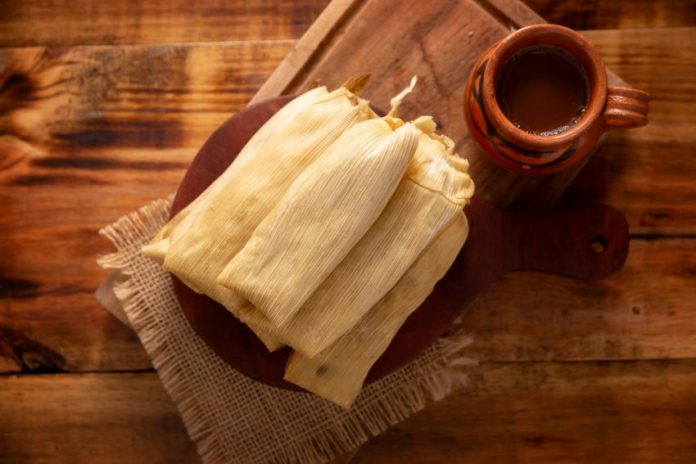
Nothing is more Mexican than a tamale, and nothing is better at Christmas than a sweet treat. Combine the two for maximum success. (Shutterstock)
When I think tamales teamed with a sweetened rice pudding and drizzled in goat’s milk caramel, I can’t think of a more apropos holiday dessert for those of us living in Mexico — so this week, let’s try making some arroz con leche tamales.
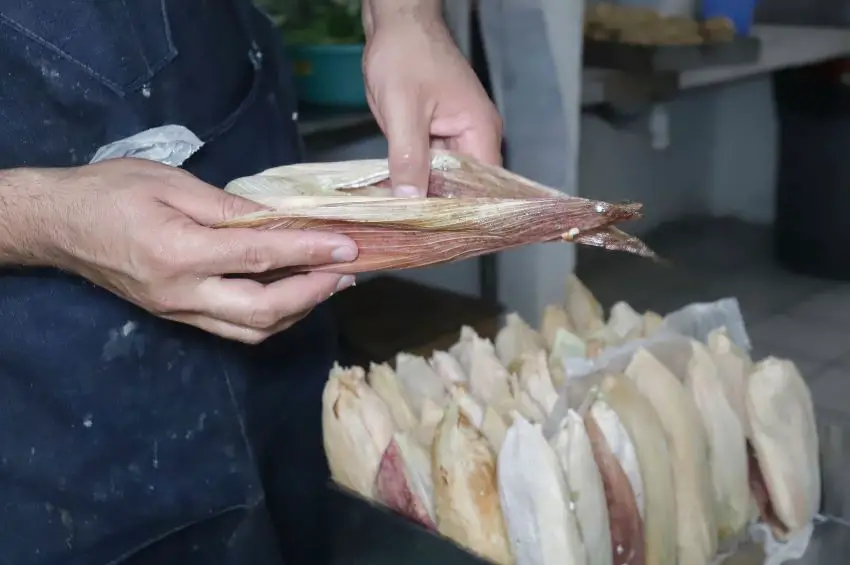
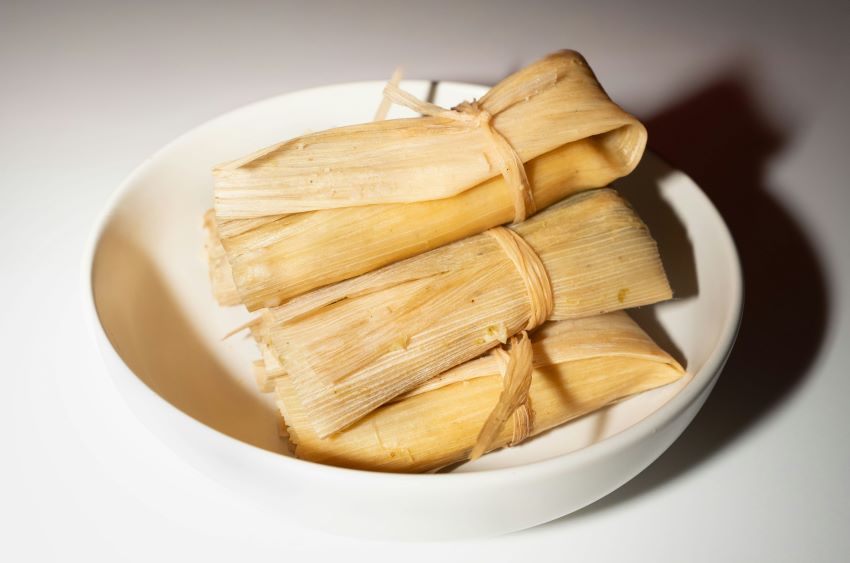
But what is a tamal? It’s a traditional Mesoamerican dish, made from masa harina (corn flour treated with lime). It is then spread onto a corn husk or banana leaf, stuffed with different fillings and steamed until cooked. The fillings may be meats, cheeses, beans and vegetables — all seasoned with incredible Mexican spices. Or, they may be sweet, as in our recipe.
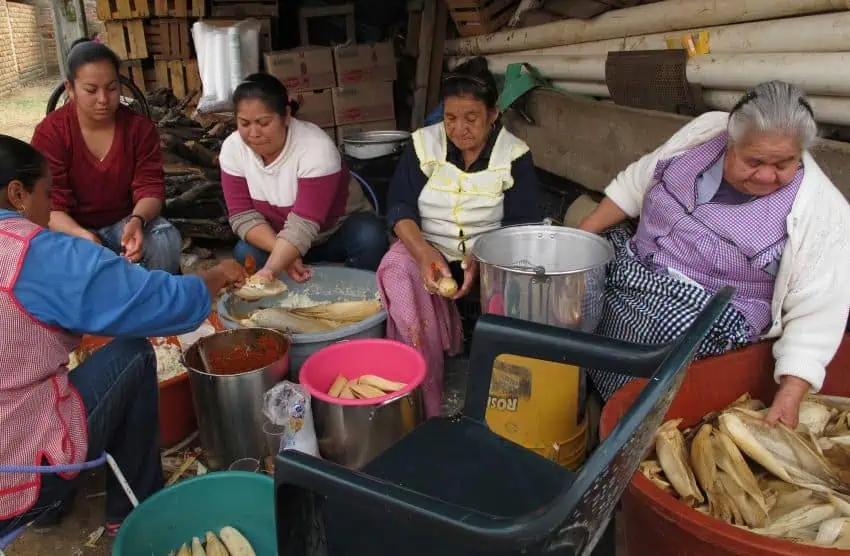
Tamales are a real slice of Mexican culture, wrapped in a piece of history. (Gerardo M García/Cuartoscuro)
The history of the tamal is fascinating! Dating to about 5,000 BC, they existed as a staple throughout early Mexican history. They also played an integral role in the diets of the Aztecs and Mayans. Tamales were not only food to these people but had cultural and religious significance, and were prepared with different fillings depending upon the specific religious festival for which they were made. It is even said in Aztec mythology that Tzitzimitl, a celestial demon, sacrificed her grandson to make tamales from his flesh.
Tamales transformed, however, following the Spanish conquest when European ingredients were introduced to Mexico in the form of pigs and cows rather than local meats like turkey and deer. The Spanish tried desperately to replace the corn-based tamale with wheat flour products, but without success. The tamale might have evolved, but it kept its corn-core identity.
In the late 19th century, due to the Mexican Revolution, tamales once again metamorphosed. Mexican people wanted their own, unadulterated cuisine and were looking to return to traditional Mexican fare. The tamale, once considered peasant food, was now elevated to a loftier status, a symbol of national identity and cultural heritage.
Today, tamales are also symbols of joy and a staple of Mexican cuisine, becoming an integral part of holidays, especially Christmas — and that leads us to our recipe: Disfruta y Feliz Navidad!
Coconut Arroz con Leche Tamales
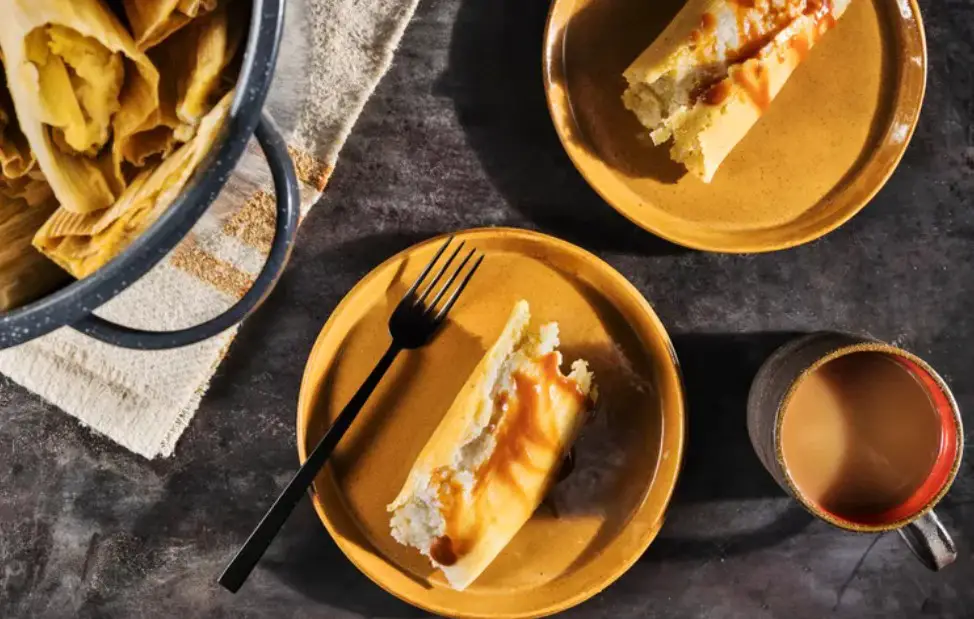
Recipe adapted from Food and Wine. (Dylan + Jeni/Food and Wine)
Ingredients:
2 3/4 Cups (625 g) water, divided (agua)
3/4 Cup (150 g) uncooked jasmine rice *or any long-grain rice (arroz jazmín)
2 (2-inch) cinnamon sticks (palitos de canela)
1 (13.5-ounce or 370 g) can unsweetened full-fat coconut milk (leche de coco entera sin azúcar)
1 Cup (227 g) unsalted butter (8 ounces), softened (mantequilla sin sal)
Best Mexican brands: Lala; Gloria; Alpura; Aguascalientes; Flor de Alfalfa.
1/2 Cup (95 g) vegetable shortening (manteca vegetal)
Use Inca Manteca brand, found in Mexico.
2 lbs. masa harina prepared according to package directions
24 dried corn husks (about 9 inches long and 7 inches wide at widest point), plus more for lining steamer, soaked at least 1 hour or up to overnight. (hojas de maíz)
Cajeta (goat’s milk caramel) or dulce de leche, for serving
Directions
In a large saucepan over medium heat, bring 1 3/4 Cups water, rice, and cinnamon sticks to a boil.
Boil, uncovered, stirring occasionally, until water is mostly absorbed, 6 to 10 minutes.
Stir in coconut milk, 3/4 Cup whole milk, 1/4 Cup sugar, vanilla bean seeds, almond extract, and 3/4 tsp. salt.
Bring to a boil over medium heat. Reduce heat to medium-low, and cook, uncovered, stirring often, until mixture has thickened to a pudding-like consistency, 15 to 20 minutes.
Remove from heat, and transfer to a large bowl. Discard cinnamon sticks.
Let cool to room temperature, about 1 hour.
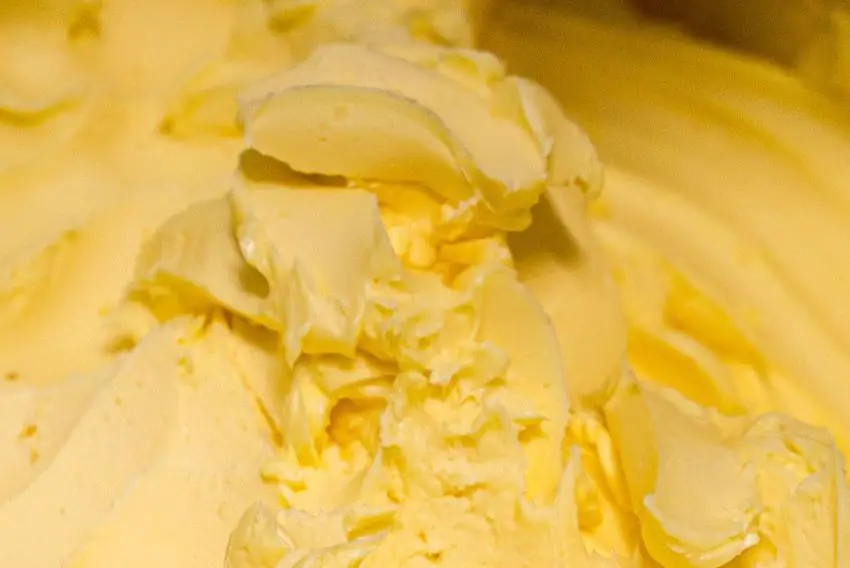
Artisanal butter is central for the traditional tamal texture. (Flor de Alfalfa)
Next:
In the bowl of a stand mixer fitted with paddle attachment, combine butter, shortening, 1 Cup sugar, and remaining 1 Tbs. salt. Beat on medium-high speed until light and fluffy, 2 to 3 minutes.
With mixer on medium-low speed, gradually add masa. Increase speed to medium-high and beat until mixture is smooth and fluffy, about 2 minutes. Reduce speed to medium-low, and gradually stream in remaining 1 Cup water and remaining 1/2 Cup whole milk.
Beat on medium-low speed until mixture is well combined and smooth, 3 to 5 minutes, stopping occasionally to scrape sides of bowl.
NOTE: The prepared masa should be the texture of cake batter.
Cover bowl with a damp paper towel; set aside.
Next:
Place 1 corn husk on a clean work surface with narrow end pointing away from you; pat dry.
Using the back of a spoon, spread about 1/3 Cup prepared masa lengthwise in center of corn husk, spread evenly in a 5- x 4-inch rectangle.
Spoon about 2 Tbs. arroz con leche pudding down the center of masa rectangle, leaving a 1/2-inch border of masa above and below pudding.
Sprinkle 1/2 tsp. sugar over arroz con leche pudding.
Fold one side of husk across so that masa encases the filling.
Fold top end of corn husk down toward the center, and roll to wrap remaining husk around the tamal, leaving bottom end open.
Repeat with remaining husks, masa mixture, arroz con leche pudding, and sugar.
Tamales transformed, however, following the Spanish conquest when European ingredients were introduced to Mexico. (Mireya Novo/Cuartoscuro)
Next:
Fill a large stockpot with 1 inch of water. Place a steamer insert (at least 7 inches deep) in stockpot, ensuring water does not touch bottom of steamer.
NOTE: Tamales should be tightly packed together. If the steamer is too big, use aluminum foil to build a ring inside pot to hold tamales upright.
Line bottom and sides of steamer with corn husks.
Stand tamales vertically in steamer, with open ends up, in a single layer.
Heat pot over medium-high until steam is visible, 5 to 8 minutes.
Place a layer of corn husks on top of tamales.
Cover tamales with a clean kitchen towel, and place lid on top.
Reduce heat to low. Cook 45 minutes. To test doneness, carefully uncover pot, and remove 1 tamal. Let tamal rest 10 minutes before unfolding. If masa sticks to corn husk, rewrap tamal, and return to steamer basket. In the meantime, allow remaining tamales to keep cooking.
Continue cooking tamales 5 minutes before checking again for doneness.
If corn husk pulls away cleanly from masa, turn off heat, and let tamales rest in pot, lid removed, towel and husks in place, for 15 minutes.
Serve tamales warm with a drizzle of cajeta or dulce de leche.
Tamales are also symbols of joy and a staple of Mexican cuisine, becoming an integral part of holidays, especially Christmas. (Marisela León/Unsplash)
Cajeta
*Recipe: Mexicanmademeatless.com
Equipment:
1 large heavy pot
1 wooden spoon
8 oz. clean glass jar
Ingredients:
2 Cups or 16 oz. or (500 ml) goat milk* (leche de cabra)
⅓ Cup (65 g) or up to ½ Cup (100 g) white sugar (azúcar estándar)
½ tsp. (2.17 g) vanilla extract* (extracto de vainilla) or ¼ tsp. (1.42 g) bourbon vanilla powder (vainilla bourbon en polvo)
Mexican brands of vanilla extract, noted for intense flavor: Villa Vainilla; Vainilla Totonac’s; Molina Vainilla
Into a large, heavy pot pour the goat’s milk, sugar, salt, vanilla, and cinnamon (if using).
Bring to a light boil over medium heat.
Stir to make sure all the sugar has dissolved.
Remove from heat.
Tamales can be sweet or savory, depending on the region from where the recipe is from. (Gobierno de México)
Next:
In a separate bowl, mix the cow’s milk and baking soda until the baking soda has dissolved.
Pour the baking soda mixture into the goat’s milk, stirring fast. Be careful because the liquid will quickly froth and overflow.
Stir until the bubbles have subsided then return the pot to the heat and turn the heat to medium.
Continue to cook the goat’s milk mixture, stirring frequently because the mixture may bubble and overflow the pot.
After 20-30 minutes the mixture should begin to a darken and become thick.
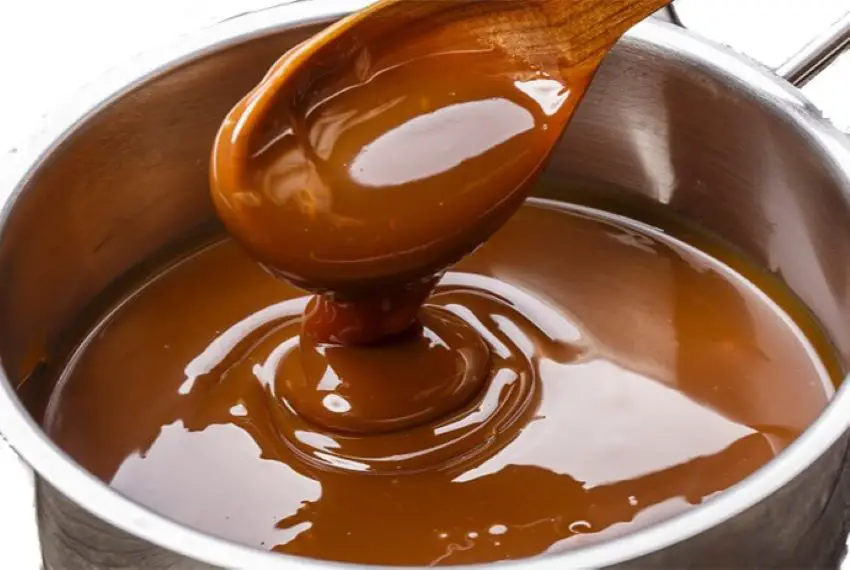
Continue simmering and stirring frequently until the mixture turns a dark caramel color and coats a wood spoon. This may take another 20-40 minutes. The cajeta should the same consistency as maple syrup.
Pour into a jar and allow to cool completely.
Store in the refrigerator until ready to use.
NOTE: The cajeta will keep fresh in the refrigerator for a couple of weeks. It tastes best if warmed a bit before using.
¡Disfruta!
Deborah McCoy is the one-time author of mainstream, bridal-reference books who has turned her attention to food, particularly sweets, desserts and fruits. She is the founder of CakeChatter™ on FaceBook and X (Twitter), and the author of four baking books for “Dough Punchers” (available @amazon.com). She is also the president of The American Academy of Wedding Professionals™ (aa-wp.com).
If you’re looking to close 2024 on an exciting note, here are three new popular – and relatively new – cultural experiences that you probably haven’t heard of. (Haakon S. Krohn/Wikimedia Commons - Creative Commons Attribution-Share Alike 3.0)
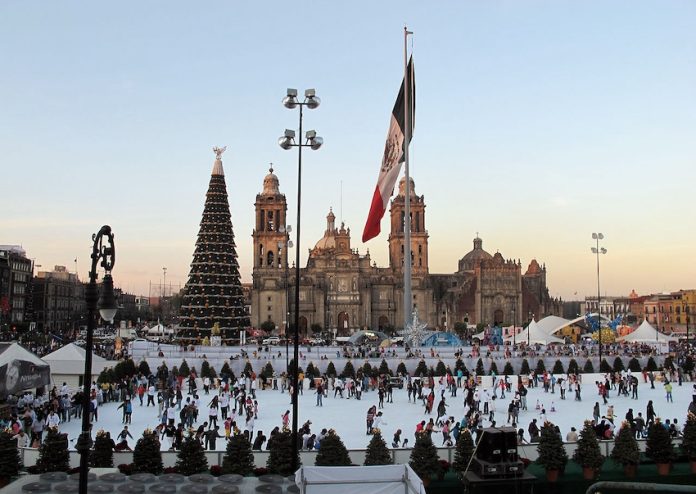
If there’s one thing we can all agree on about Mexico City, it’s that boredom is hard to come by in this sprawling capital. Here, there is always something to do. Whether it’s gallery openings, new restaurants, shows, concerts, or parades, the options are endless. This December, there’s no excuse not to explore the culture the city has on offer in full.
Still, with so many choices available, it’s easy to fall into a routine and do the same things repeatedly. But fear not! If you’re looking to close 2024 on an exciting note, here are three popular — and relatively new — cultural experiences that you probably haven’t heard of.
Gastronomy, film screenings and theater will be among the cultural events in Mexico City this December. (Claudia Beatriz Aguilar/Wikimedia Commons – Creative Commons Attribution-Share Alike 3.0)
The best cultural plans to enjoy this December in Mexico City
Cenas Literarias
From the creative minds of Karla Gabriela Chichil (better known as Karla Museos) and Chef Rómulo Mendoza of the Mexican restaurant Roldán 37 comes an immersive theatrical and culinary experience dubbed Cenas Literarias, or Literary Dinners, that take guests on a historical journey through time.
Held monthly, these literary dinners invite diners to enjoy a theatrical representation of a classic Mexican book or a significant historical moment while savoring Mexican dishes inspired by these events.
“The event combines gastronomy, theater, and literature,” Karla told me in an interview. “We aim to reinterpret a book or a passage in history to exalt Mexican culture.”
One of the most popular literary dinners is based on the best-selling Mexican book Arráncame La Vida (Tear This Heart Out) by Ángeles Mastretta. The story follows a young woman who marries an older, controlling man during the post-revolutionary years in Mexico. In a creative twist, the theatrical representation tells a story passage from the perspective of the protagonist’s friends.
“The experience seeks to give voice to female figures, to rescue them,” Karla said.
The dinners have also featured stories inspired by Mexico’s Independence in September, Day of the Dead in November, and anecdotes from the lives of Diego Rivera and Frida Kahlo throughout the year. The menus, drawing inspiration from these events, include chiles en nogada, mole, and Mexican sweet delicacies, among other traditional dishes.
Karla says the most successful literary dinner – and the story that inspired the idea to host literary dinners over a year ago – is the one based on the international best-selling novel Como Agua Para Chocolate (Like Water for Chocolate) by Mexican author Laura Esquivel.
Set against the backdrop of the Mexican Revolution and told through Mexican recipes, the book follows Tita, a young woman forbidden by her mother to marry Pedro, the love of her life. The experience recreates recipes from the book while diners enjoy a live representation of a book passage.
The December literary dinner is inspired by Como Agua Para Chocolate. The show will feature the recipe “Quails in Rose Petals,” while Esperanza, Tita’s niece (and the book’s narrator), tells stories about her beloved aunt.
When? Dec. 12, 14, 20, and 21.
Where? Roldán 37, Mexico City Historic Center.
Reservations: WhatsApp 55 1173 0680.
All literary dinners feature live music and acting.
Cinema Concert Orchestra – Ghibli Concert, Amélie and Cinema Paradiso
If you love movies and movie soundtracks, this experience is for you.
Combining film and music, the Cinema Concert Orchestra enhances movie screenings by performing the film’s soundtrack in real-time. Founded in 2022 by the production company Cinema Concert Club under the direction of Laura Reyes, the Mexican music ensemble specializes in performing live soundtracks, adding an emotional layer to iconic films.
In December, the orchestra will perform the soundtrack of the French movie Amélie, music from several Japanese films by Studio Ghibli, and the iconic soundtrack of Cinema Paradiso.
The orchestra, composed of over 40 musicians, strives to stay true to the movie’s soundtrack while contributing its own creativity.
Combining film and music, the Cinema Concert Orchestra enhances movie screenings while performing the film’s soundtrack in real-time. Founded in 2022 by the production company Cinema Concert Club under the direction of Laura Reyes, the Mexican music ensemble specializes in performing live soundtracks, adding an emotional layer to iconic films.
In December, the orchestra will perform the soundtrack of the French movie Amélie, music from several Japanese films by Studio Ghibli, and the iconic soundtrack of Cinema Paradiso.
The orchestra, composed of over 40 musicians, tries to stay true to the movie’s soundtrack while contributing their own creativity.
“We try to make sure that the music is very similar to what is heard in the movies, but that it does not lose our own contribution as artists,” Reyes told Milenio in an interview.
With over 150 museums, Mexico City is one of the cities with the most museums in the world. To promote interest in the city’s museums, the Ministry of Culture launched the program Museum’s Nights in 2009, inviting residents and visitors to explore the city’s museums after dark through special activities and events.
Mexico City is not known as ‘Museum City’ for nothing. (Gobierno CDMX/Wikimedia Commons – Creative Commons Zero, Public Domain Dedication)
Museum Nights takes place on the last Wednesday of every month and features a wide range of cultural activities from musical performances to movie screenings, special exhibitions, and more.
In November, Museum’s Nights celebrated its 15th anniversary. This included a bike ride from the Museum of the Mexican Revolution to the Living Museum of Muralism, the El Chopo Cultural Market and the Mexico City Museum, in addition to concerts and other special events.
Museum Nights takes place on the last Wednesday of every month and features a wide range of cultural activities from musical performances to movie screenings. (Evan Wise/Unsplash)
Typically, Noche de Museos adjusts its events to commemorate special celebrations held during that month. For December, expect Christmas concerts (known as Villancicos in Mexico) and Christmas-themed activities.
The first Noche de Museos was held in Berlin, Germany, in 1977, when museums stayed open at night and featured special activities to promote culture. Since then, some 130 cities around the world have joined the cultural initiative.
Are there any December culture events in Mexico City that we’ve missed? Let us know in the comments!
Gaby Solís is a Mexican lawyer turned full-time writer. She was born and raised in Guadalajara and covers business, culture, lifestyle and travel for Mexico News Daily. You can follow her lifestyle blog Dunas y Palmeras.
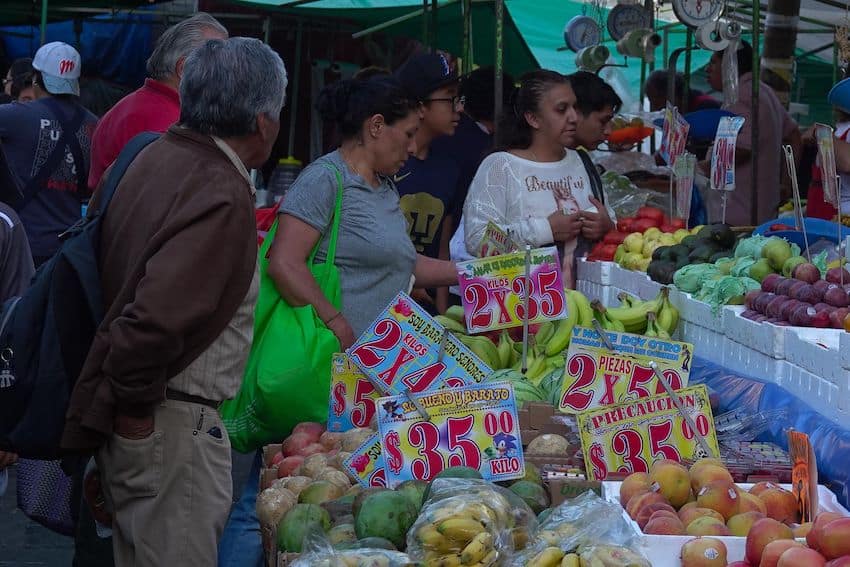
Overall, inflation has slowly declined throughout 2024. Fruit and vegetables, however, were 16.81% more expensive in November than in the same month of 2023. (Galo Cañas/Cuartoscuro)
Mexico’s annual headline inflation rate was slightly lower than expected in November, falling to 4.55% from 4.76% in October.
Adverse climatic conditions have driven up fruit and vegetable prices in Mexico since 2023. (Rogelio Morales/Cuartoscuro)
Not since March, when Mexico’s headline rate was 4.42%, has inflation been so low. Month-over-month inflation was 0.44% in November.
INEGI also reported that the closely watched annual core inflation rate, which excludes volatile food and energy prices, fell to 3.58% in November from 3.80% in October.
It was the 22nd consecutive month that the annual core rate declined. It too was just below the median estimate of economists surveyed by Bloomberg.
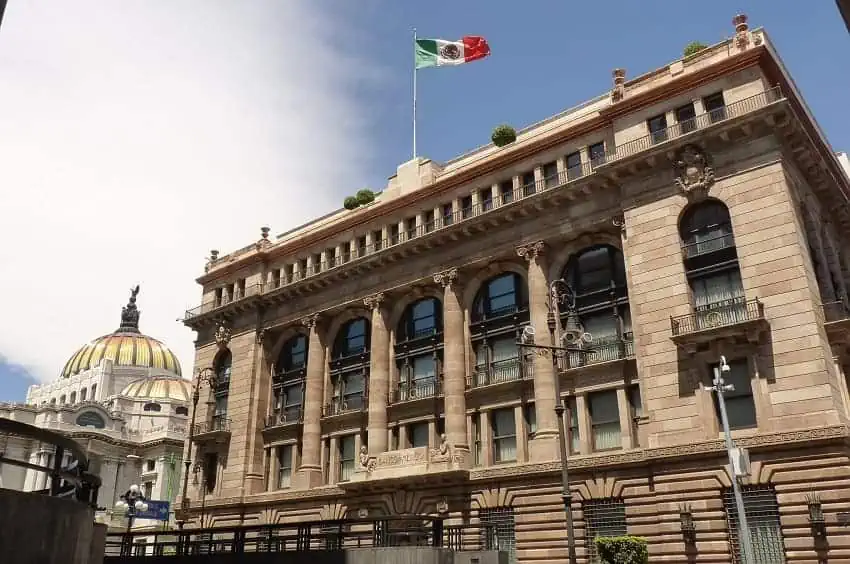
The decline in both the annual headline rate and the annual core rate increases the probability that the Bank of Mexico (Banxico) will make an additional cut to its key interest rate next week. The board of the central bank, which targets 3% inflation with a tolerance of one percentage point in either direction, will meet on Dec. 19.
Banxico has cut its benchmark rate by 25 basis points on four occasions this year, including after its board’s last three monetary policy meetings. The rate currently stands at 10.25%.
In a Nov. 14 statement announcing its most recent interest rate cut, Banxico said that its board expected that the inflationary environment would allow further reference rate adjustments in the near future.
High inflation for fruit and vegetables persists
INEGI reported that fruit and vegetables were 16.81% more expensive in November than in the same month a year earlier. Inflation for those products rose from 15.90% in October.
Adverse climatic conditions have driven up fruit and vegetable prices for an extended period.
The decline in both the annual headline rate and the annual core rate increases the probability that the Bank of Mexico (Banxico) will make an additional cut to its key interest rate next week. (Wikimedia Commons)
Annual inflation for meat in November was 5.14%, while the year-over-year increase in prices for the broader agricultural products category (fruit and vegetables, and meat) was 10.74%.
Services were 4.90% more expensive in November than a year earlier, while annual inflation for processed food, beverages and tobacco was 3.56%. Non-food goods were 1.19% dearer compared to November 2023, while energy prices, including those for electricity and gasoline, rose 4.55%.
The inflation outlook
Andrés Abadía, chief Latin America economist at Pantheon Macroeconomics, is predicting that Mexico’s headline inflation rate will fall again in December to end the year at 4.4%.
He said that “weaker domestic demand is pulling down core measures.”
Abadía also expects inflation will continue to slow in early 2025 due to lower oil prices, still tight financial conditions and slowing economic growth. He anticipates a headline rate of 4.2% in March and 3.8% next June.
📉 En noviembre, la inflación de México disminuyó a 4.55 por ciento, destacó la presidenta @Claudiashein.
Es una de las más bajas respecto a otros países de la OCDE. El aumento de 12 por ciento al salario mínimo para 2025 no afecta esta tendencia. pic.twitter.com/0nUdM3H5kv
The Bank of Mexico is forecasting 1.8% annual growth in 2024 and 1.2% in 2025.
The central bank predicted in November that the annual headline inflation rate will trend down throughout 2025 to reach 3.1% in the third quarter and 3% in Q4 of next year.
Moving to Mexico sparks a sense of childlike awe at how great life can be. Tamanna Bembenek shares her perspectives on what making the move did for her. (Mi Pham/Unsplash)
Mexico News Daily co-owner Tamanna Bembenek shares how a podcast invitation inspired her to reflect on her journey from a professional career to rediscovering childhood creativity in Mexico. The latest edition of our subscriber-exclusive podcast looks at how a move south of the border led to bigger changes than she could ever have expected.
MND Perspectives: Rediscovering childlike wonder in Mexico
Embracing vibrant colors, nature and simple joys like painting and storytelling have all helped, as has limiting media consumption and focusing on curiosity, imagination, and resilience. Her journey highlights the transformative power of reconnecting with one’s inner child to dream and create anew.
What are her ten rules for life and what does Tamanna think about how you can recapture that same sense of optimism? The MND Perspectives podcast has the answers to all this and much more, as we take a look at how she rediscovered her sense of childlike wonder thanks to living in Mexico.
This podcast was produced using AI tools. All information collected and discussed in this episode was investigated, written and edited by human journalists. Compiled from Mexico News Daily articles by Tamanna Bembenek. Edited by Kate Bohné. Podcast produced by Chris Havler-Barrett.
This podcast was produced using AI tools. All information collected and discussed in this episode was investigated, written and edited by human journalists. Compiled from Mexico News Daily articles by Travis Bembenek, Thomas Buckley, Andy Altman-Ohr and Peter Davies. Edited by Rose Eglhoff, Caitlin Cooper and Kate Bohné. Podcast produced by Chris Havler-Barrett.
There's nothing like a crunchy, crispy, delicious fried buñuelo to give a real taste of Mexico. (Shutterstock)
My grandmother wasn’t the type of woman who spent her days in the kitchen. She worked during an era when it was uncommon for women to do so. As a result, we didn’t grow up with the typical Mexican grandmother who lived to cook for her family. She only cooked on special occasions, such as birthdays or during vacations, and when she did, she made it an event. She would have us rolling tortillas, making tamales, baking cakes, or crafting buñuelos de rodilla. Whenever our attempts were disastrous, she would laugh heartily at our clumsiness.
Today, I want to talk about buñuelos because they are a staple this time of year, and they remind me of my grandmother’s laughter whenever mine turned out less than perfect compared to hers.
Think of a buñuelo as Mexico’s answer to the donut. (iStock)
What are buñuelos?
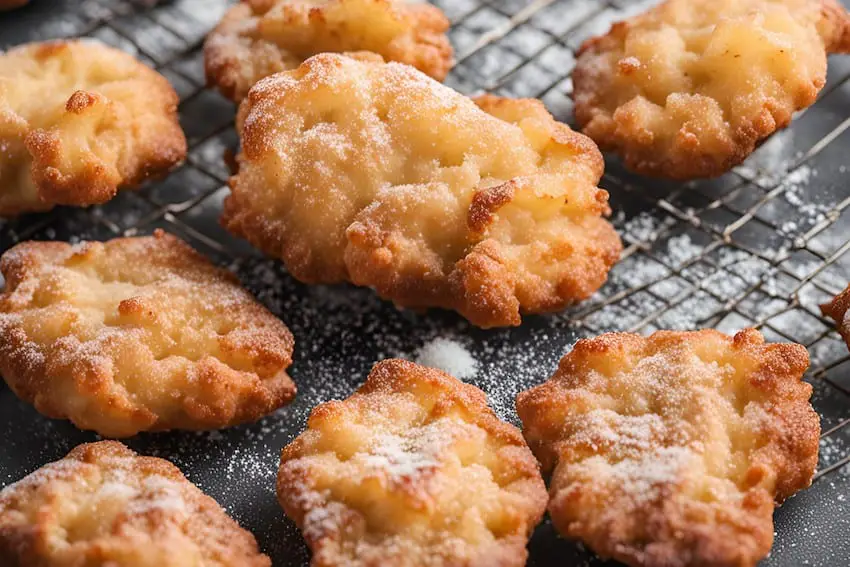
Buñuelos are a type of dough made from flour and eggs, which is fried in oil or lard. They are typically topped with piloncillo syrup or sprinkled with sugar. While I would love to claim that this recipe originated with my grandmother, the truth is that it dates back thousands of years, and its exact origins remain unclear.
Possible Origin No. 1: Lunculus. In the Roman Empire, people made a dough with flour and honey, which they then fried in oil, making it quite popular.
Possible Origin No. 2: Andalucía. Olé! During the Moorish occupation of southern Spain from 700 to 1492, gastronomy played a vital role in daily life — not only as a means of sustenance but also as a source of joy and devotion to their God. Desserts were so highly esteemed that poems were written about them, and buñuelos were no exception. In fact, there are records of penalties being imposed for poorly made buñuelos. Thank goodness my grandmother wasn’t aware of this custom; otherwise, she’d have surely penalized me!
Let’s not forget that this part of Spain was previously under Roman rule. (Did you picture Maximus Decimus Meridius, The Spaniard, like I did?) I wouldn’t doubt for a second that lunculus was the precursor to the Andalusian buñuelo.
Buñuelos became popular throughout the Spanish Empire, and when the Spanish arrived in Mexico, they brought this delightful tradition with them.
It is believed that our renowned colonial poet, Sor Juana Inés de la Cruz — who famously wrote, “You foolish men who accuse women unjustly without realizing that you are the cause of what you blame” — authored the convent’s recipe book. This book includes a recipe for buñuelos that is still preserved to this day.
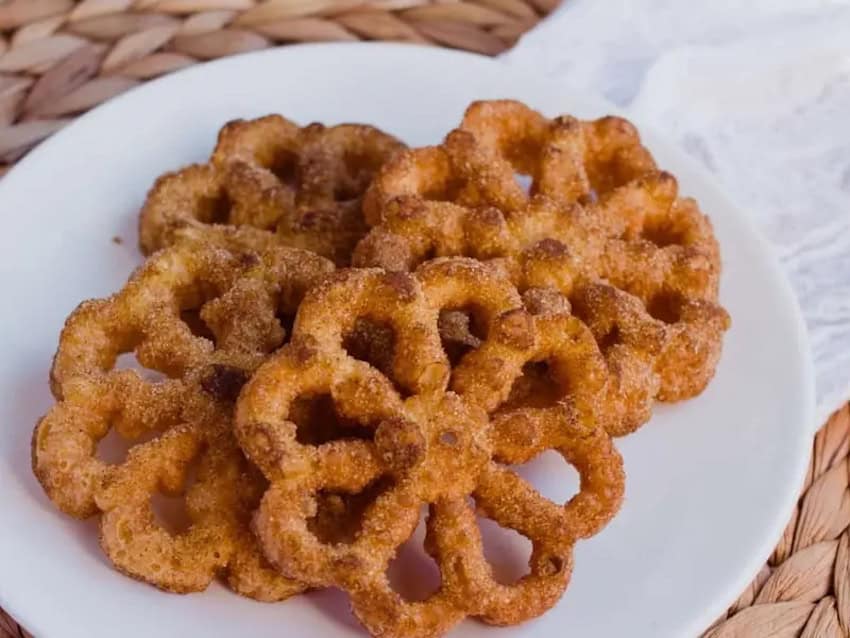
The two main types of buñuelos are essentially the same recipe with slight variations. In my opinion, buñuelos de rodilla are far superior to buñuelos de viento. Buñuelos de viento are shaped like snowflakes and coated in a mixture of cinnamon and sugar.
Meanwhile, buñuelos de rodilla are large, round sheets of flour dough that are shaped on the knee. Don’t worry; the dough doesn’t come into contact with your pants or skin. A damp cloth is placed over the knee to make the stretching of the dough easier, although shaping it’s tricky, and that’s the part where my grandmother would laugh until she cried, watching our dough disks end up looking more like squashed donuts. The dough is then fried and coated in a piloncillo syrup that is sweet but not overly cloying, making the buñuelos utterly addictive.
Make your own buñuelos
Try making your own buñuelos with María’s family recipe. (Canva)
For the Dough
¾ cup of water (180 ml)
1 tablespoon of anise liqueur (15 ml)
2 cups of flour (280 g)
1 teaspoon of baking powder (2 g)
1 egg (50 g)
1 tablespoon of sugar (15 g)
1½ tablespoons of butter (22.5 g)
Corn oil for frying
For the Piloncillo Syrup
1 cone of piloncillo (10 cm, 200 g)
1 stick of cinnamon (10 cm, 5 g)
1 tablespoon of anise seeds (5 g)
1 guava (60 g)
2 cups of water (480 ml)
Instructions
Heat the water with the anise liqueur, then allow it to cool slightly.
In a bowl, mix the flour and baking powder. In the center of the dry ingredients, add the egg, sugar, and butter. Gradually mix in the warm anise water as needed.
Knead the dough for 10 minutes, or until it is smooth.
Cover the dough and let it rest for 40 minutes.
Divide the dough into small balls.
Roll each ball out to about 15 cm in diameter.
Place a bowl upside down and cover it with a cloth, or cover your knee with a cloth. Stretch the rolled-out dough over the bowl (or your knee), gently pulling the edges with your fingertips until it is very thin.
Heat corn oil in a pan and fry the buñuelos until they are golden brown. Drain them on paper towels.
To make the Piloncillo Syrup
In a saucepan, combine all the ingredients and bring to a boil. Cook until the syrup reaches a thick consistency.
Once the buñuelos are fried, drizzle them with the syrup.
Amigos, cooking is a way to connect with living history. As you gather with your loved ones, help keep our traditions alive by making buñuelos de rodilla. And if they turn out misshapen or not quite as expected, do as my grandmother used to do: laugh — lots!
María Meléndez is a Mexico City food blogger and influencer.