Home Blog Page 412

Mexico’s unexpected new movie making sensation and her surprise smash hit

0
Eva Aridjis
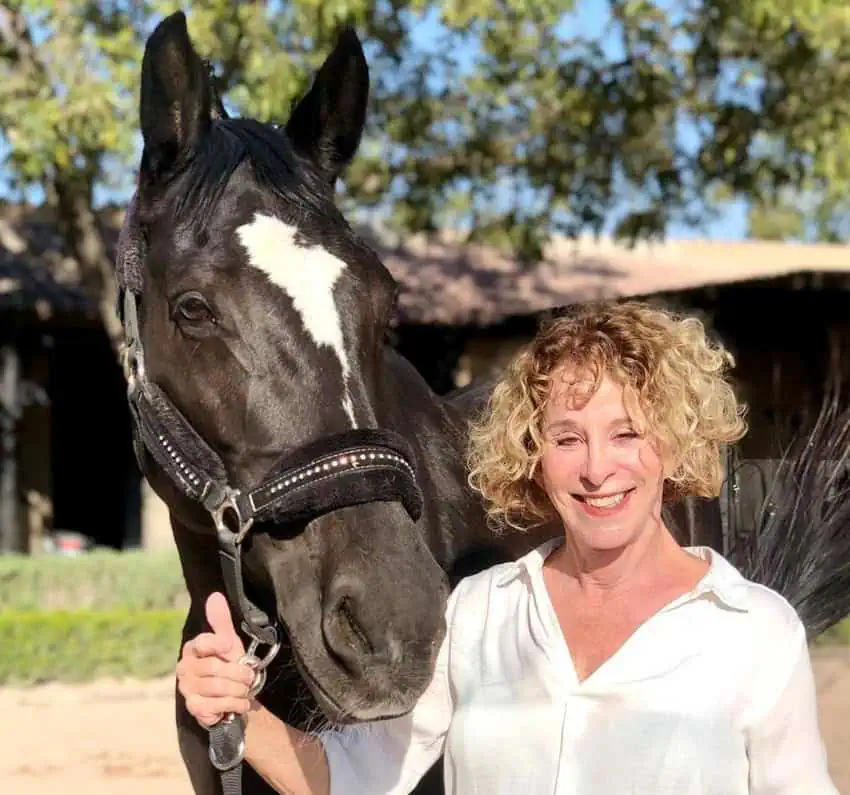
Eva Aridjis has won plaudits at the Morelia Film Festival for her new movie “Goodbye Horses: The Many Lives of Q Lazzarus.” The filmmaker speaks exclusively to Mexico News Daily about the unlikely turn of events that led her to success. (Eva Aridjis/Instagram)

Over four days at this year’s Morelia Film Festival, one film became the word-of-mouth hit. On a humid Saturday evening on the opening weekend, some of us felt breathless yet unable to stop talking about “Goodbye Horses: The Many Lives of Q Lazzarus,” the film that was later awarded the Audience Award for Mexican Documentary Feature Film.

The film is the latest documentary by Mexican-American filmmaker Eva Aridjis Fuentes, whose lens often tilts towards misfits, underdogs and those who life has dealt a unique hand. Brought up across various cultures, Eva’s sensitivity to the outsider seems to spin coincidences. None moreso than in creating this documentary, which handles ideas of fate and the uncanny paths of life almost as much as the subject of the film itself.

“Goodbye Horses: The Many Lives of Q Lazzarus” was an unexpected winner at the Morelia Film Festival. (Eva Aridjis/Instagram)

“Goodbye Horses: The Many Lives of Q Lazzarus” is about a singer whose song you probably know, but whose name you most likely don’t. Released in 1998, “Goodbye Horses,” the track that gives the film its name, is a melancholic floor-filler that has pervaded dancefloors and soundtracks for decades.

Sometime in the 1980s, Hollywood director Jonathan Demme was picked up by a New York taxi driver experimenting with some tracks in her car. Enraptured, Demme used the driver’s song “Goodbye Horses” in his 1988 film “Married to the Mob.” In 1991, he used the song again in his blockbuster “Silence of the Lambs,” drilling the track into the public consciousness. It appeared again in 1993’s “Philadelphia,” where the person behind the unmistakable, earthy voice finally makes a brief appearance.

Diane Luckey — a.k.a. the musician Q Lazzarus — had a lifetime of twists of fate that brought her both as close to the precipice of global fame and as far away from it as possible. In 2019, the “Searching for Q Lazzarus” was published in Dazed and Confused in which a journalist went on the hunt for the elusive singer. The journalist never found Q, who became an urban myth and catnip for internet sleuths.

Four months after the article came out, and 30 years after Jonathan Demme’s taxi encounter, Eva Aridjis got into a New York cab driven by a woman with a colourful turban, a strange star quality and a deep knowledge of music. Eva soon suspected she had just accidentally stepped straight into the legendary singer’s real life. She was right.


Goodbye Horses - Q Lazzarus

Mexico News Daily: I haven’t had a communal cinema experience like that for a long time, where the whole room was in tears by the end of the film. Were you surprised by that kind of reaction?

Eva Aridjis: Well, you know, I’ve been working on this project for five years, which is the longest I’ve ever worked on a film, and it was the hardest film I’ve ever made. For one thing, it was supposed to be completed much sooner and have this happy ending: Q’s comeback tour. I was going to play with the Lazarus part of her name and the structure was going to be the rise and the fall, the resurrection — but that obviously didn’t happen.

There was also the pandemic, which affected funding [Eva raised money to finish the film through a Crowdfunder campaign] but it also meant Q and I had this intense, intimate time together. And, as I think comes across in the documentary, we became incredibly close. It was a big deal for her to trust me and go back to difficult parts in her life that she’d never spoken to anybody about. Even her son, James, didn’t know most of these stories about her — he heard them for the first time in Morelia with everyone else.

But the fact that the legacy of this woman, who is talking from such a place of experience and wisdom, wound up in my hands is very moving for me. And I think it’s impossible not to fall in love with her. She’s this amazing person, you know, expressive and not jaded, wearing all these different wigs in the film, always positive despite her experiences.

So yes, I was happy to see that it was moving other people too because that’s really the whole point of the film. It’s not so much now to get her career restarted but to have this appreciation and attention that she deserves.

Q Lazzarus, the subject of Aridjis’ new movie. (Eva Aridjis/Instagram)

MND: There’s a lot about chance and coincidence in the film. The way you met for starters. What were your thoughts and feelings around destiny and the fated paths of life as you made it?

EA: Q and I both very much felt that our meeting was fated. I was aware of her Jonathan Demme story and this idea of two directors meeting her in her taxi and making films with her thirty years apart. I mean, apart from anything, if it wasn’t for Jonathan hearing this tape Q was playing around with, that song would probably be in the garbage somewhere.

On the day I got into Q’s car it was one of those days where everything is just a bit off: I usually take the subway, but I was running late so I got a cab; she didn’t usually work nights but was taking one last shift; her GPS wasn’t working so she asked me for directions: that’s when she said she didn’t know the area because she was from Staten Island.

I had read the Dazed and Confused article [four months earlier, in April 2019] and had been talking about it with a friend — we even spoke about how great it would be to make a film about her — so it was in my mind that she was living in Staten Island. I found it strange she was listening to Neil Young’s “Harvest” — like the whole album start to finish, not just a song on the radio. When I asked her whether she’d ever come across an artist called Q Lazzarus, and she told me her “concert days were over,” that’s when I suspected who she was.

I showed her photos of a t-shirt line I had made when my daughter was born: this one with “Goodbye Horses” and a rocking horse on it. She later told me that when she saw I was also a mother, that’s when she trusted me. I left her my number and some days later she called me to say she’d had a dream about me. I was like “Was this a good dream or a bad dream?” She was like: “Girl, if it was a bad dream, I wouldn’t be calling you.”

She said that in the dream she was performing and that it felt powerful and strange because she hadn’t performed in fifteen years, and that in the dream-performance I was there with her. That’s when she said: let’s meet.

Around that time there were lots of internet sleuths looking for Q Lazzarus. She’d become a cult figure and a kind of myth. How did she feel about that when you met her?

She was upset by them. I mean, she didn’t have a computer, she didn’t have social media, she wasn’t really on the internet. [Q’s son] James told her there were people looking for her so she responded just to say she was alive and didn’t want to be found. But then this other person started pretending to be her, publishing tweets and stuff in her voice and that really upset her.

She had no plans to return to music or to the public eye, really, until I got into her car and we started the documentary. There was this idea around Q that she had bad timing. That she was “ahead” of her time, a rock and roll artist the world wasn’t ready for. And when the world was ready and handed her a chance, something would suddenly happen that changed her life’s course.
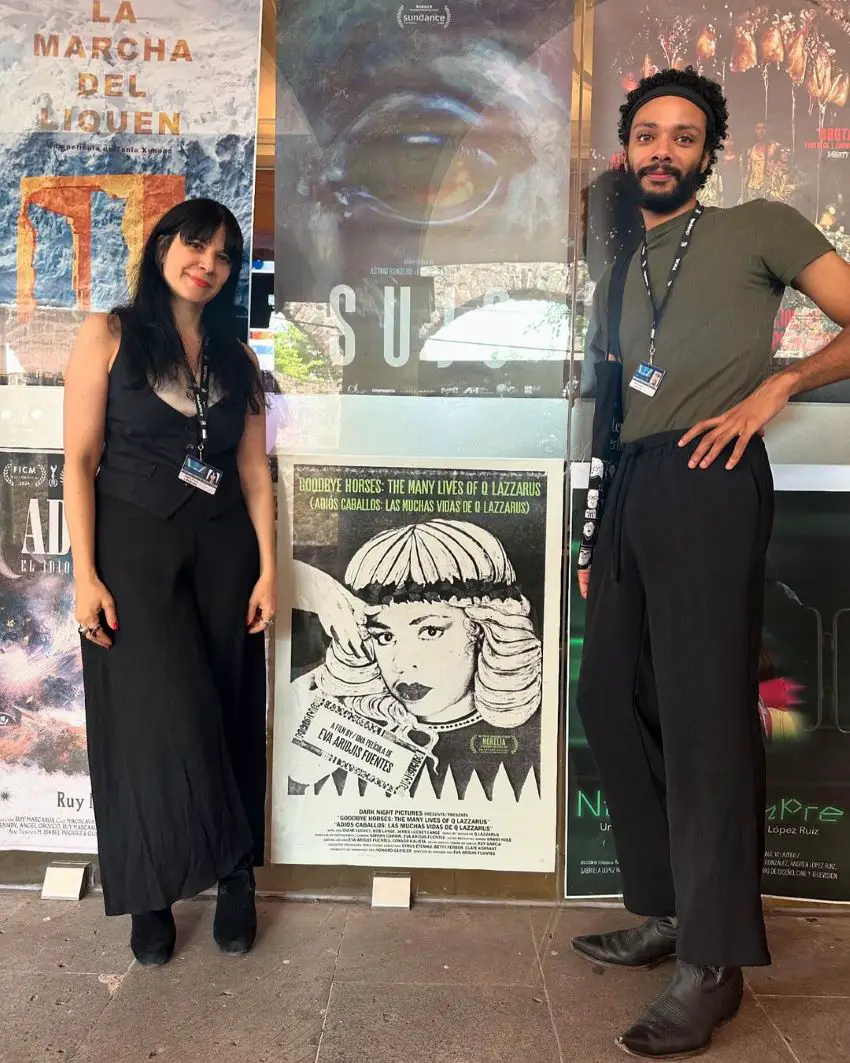
Aridjis and James Luckey at the Morelia’s Film Festival. (Eva Aridjis/Instagram)

One of her old acquaintances had said there was an irony in her surname being Luckey. But I don’t know if I fully agree with that. She had an extraordinary life — enough experience for many lifetimes, which is why I chose the title. More to come, even. There was a time when I was thinking of getting a composer to do a score and then I was like: no, I only want to use her music. And if there’s a moment with just silence so be it. That’s what it was like in her lifetime. There was no music. She wasn’t making music, she wasn’t listening to music. Maybe it’s okay sometimes to not have music, you know?

This idea of overlooked talent, of Q finally getting deserved recognition after so much hardship, really got into people’s hearts at the festival. How do you hope audiences in Mexico will react to the film in particular?

Well, this is a music documentary in the sense that it’s about a singer and the music she made. There are parallels with “Searching for Sugarman,” for example. But I think it’s also about so many other themes: whether it’s a story of a mother and a son, of social justice, of heartbreak. I’ve had lots of young people responding to it and that’s exciting — that kids are hyped about a documentary instead of a big Hollywood feature with all the bells and whistles.

In the United States, it’s a bit different. It’s very much also the story of an African American woman who was affected by her race, from the music industry to the judicial system to the medical system. But in the end it’s just the story of an extraordinary woman and a talent that most people don’t know exists.That’s what I hope will land with anyone watching the film.

Bettine is from the Highlands of Scotland and now lives in Mexico City, working in film development at The Lift, Mexico’s leading independent audiovisual production company.
Armed attack on Querétaro bar leaves 10 dead, 13 injured

3
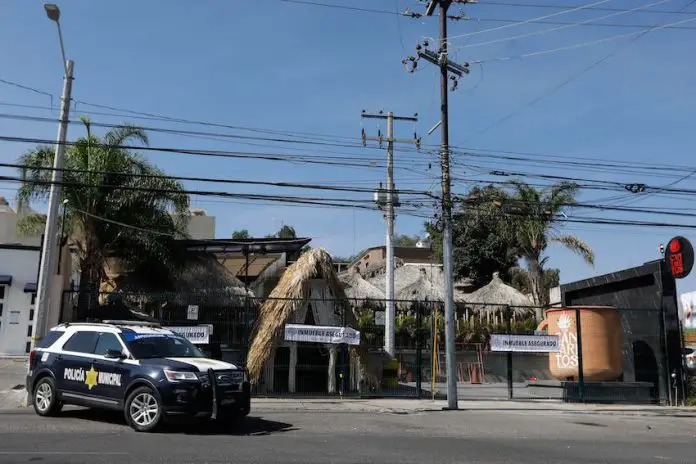
The scene of a massacre at the Los Cantaritos bar in Querétaro on Saturday
The newspaper Reforma reported that the attack could be related to a dispute between criminals linked to the Guanajuato-based Santa Rosa de Lima Cartel. (César Gómez/Cuartoscuro)

Gunmen killed 10 people in a bar in Querétaro city on Saturday, while another five people were murdered in a shooting at a México state bar on Sunday.

Seven men and three women were killed and 13 other people were injured in the attack perpetrated at the Los Cantaritos bar near the historic center of Querétaro City at around 9 p.m. Saturday. Two of the injured were in very serious condition in hospital, Querétaro Governor Mauricio Kuri said Sunday.

Seven men and three women were killed and 13 other people were injured in the attack perpetrated at the Los Cantaritos bar in Querétaro on Saturday night.
Seven men and three women were killed and 13 other people were injured in the attack perpetrated at the Los Cantaritos bar in Querétaro on Saturday night. (César Gómez/Cuartoscuro)

Video footage shows that a vehicle stopped in front of Los Cantaritos before gunmen got out and entered the bar. One of four alleged aggressors was arrested after police pursued the getaway car, which the aggressors set on fire in the neighboring municipality of El Marqués.

The Querétaro Attorney General’s Office has opened an investigation aimed at detaining the other suspects.

Querétaro Mayor Felipe Fernando Macías said in a video message on Sunday that the attack was “directed” at other criminals and “derived” from the violence Mexico is experiencing on a “national level.”

The newspaper Reforma reported that the attack could be related to a dispute between criminals linked to the Guanajuato-based Santa Rosa de Lima Cartel. That criminal organization is engaged in a long-running turf war with the Jalisco New Generation Cartel (CJNG) in Guanajuato.

Macías described the attack as “unusual” and said it put authorities “on maximum alert.”

Querétaro has been largely spared the high levels of violence that plague some parts of Mexico, but there have been a number of armed attacks in the state since Oct. 1. Among more than 20 homicide victims since the beginning of last month were three people shot dead at a nightclub in Querétaro city last Thursday.

Querétaro residents held a vigil on Sunday for the lives lost in the massacre.
Querétaro residents held a vigil on Sunday for the lives lost in the massacre. (César Gómez/Cuartoscuro)

The Guanajuato-based newspaper Periódico Correo reported last week that recent murders in Querétaro appeared to be linked to the “escape” of people from Guanajuato to the neighboring state. Guanajuato is Mexico’s most violent state in terms of total homicides, with more than 4,300 murders last year.

Governor Kuri described the attack on Saturday night as “unprecedented for our beautiful state of Querétaro.”

“… What I want to tell you is that we cannot allow this, in Querétaro we’re going to continue defending our quality of life,” he said in a video message.

“… In Querétaro, we’re not going to allow ourselves to be contaminated by what is happening in other parts of the republic. Things might happen here but we’re always going to respond,” Kuri said.

After the Saturday night massacre, Querétaro city authorities shut down at least five bars for not having licenses.

In his video message, Macías said that the Querétaro municipal police force is “ready to act with all its force.”

“Rest assured that we’re acting with the governor, with state police, … with the state Attorney General’s Office, with the National Guard and with the Mexican Army,” the mayor said.

“… We’re going to defend our city to continue living in peace,” he said.

5 killed in second bar attack in México state 

Around 24 hours after the attack in Querétaro, five people were reportedly killed and seven others wounded when gunmen opened fire in the Bling Bling bar in the México state municipality of Cuautitlán Izcalli, part of the metropolitan area of Mexico City.

Three men and two women were killed, according to reports. Those injured were taken to hospital for treatment.

The aggressors fled the scene and no arrests were reported. As of 10:30 a.m. Monday, authorities hadn’t publicly commented on the crime.

México state was Mexico’s second most violent state in 2023, with more than 2,800 homicides. The state is made up of 125 municipalities, dozens of which are part of greater Mexico City.

Almost 3,000 murders since Sheinbaum took office 

Citing an analysis of government data conducted by polling company TResearch, Reuters reported Sunday that there had been 2,788 homicides in Mexico since President Claudia Sheinbaum took office on Oct. 1.

During Sheinbaum’s first 40 days in office, there were at least eight attacks in which four or more people were killed, the newspaper El Financiero reported Monday. A total of 51 people were killed in those attacks, not including those murdered in Cuautitlán Izcalli on Sunday night.

Sheinbaum faces a wide range of security challenges, including an ongoing conflict in Sinaloa between rival factions of the Sinaloa Cartel, the turf war between the Santa Rosa de Lima Cartel and the CJNG in Guanajuato, frequent clashes between the Sinaloa Cartel and the CJNG in the southern border region of Chiapas and the nationwide fight against the manufacture and trafficking of fentanyl and other illicit drugs.

Since she was sworn in as Mexico’s first female president, the Mexican army has been involved in various confrontations, including one in which 19 suspected members of the Sinaloa Cartel were killed and another that left 17 alleged criminals dead in Guerrero.

On Sheinbaum’s first day as president, soldiers killed six migrants when they opened fire on vehicles that attempted to evade a military checkpoint in Chiapas.

With reports from ReformaEl Financiero, El Economista, Radio Fórmula and N+

My American Dream is in Mexico: David

7
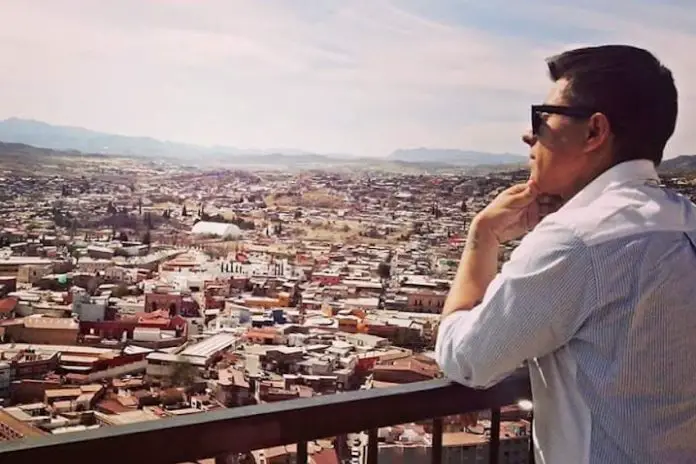
David in Chihuahua
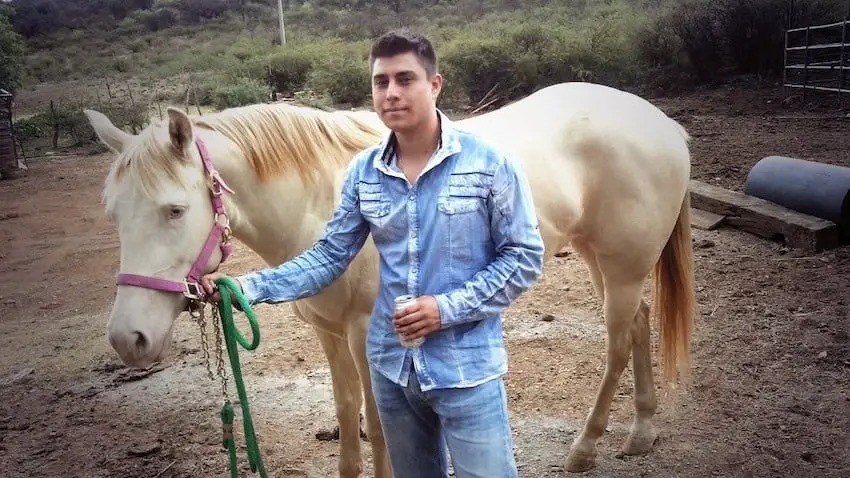
After being deported from the United States for a DUI, David found new success and a sense of in Mexico that he never believed possible. (All photos by David Sandoval)

In the U.S., “Dreamers” often refers to undocumented young people taken to the States as children, who’ve grown up, studied, and worked, building lives they call their own. Today, an estimated 3.6 million Dreamers live in the United States, with about 80% of them hailing from Mexico.

In 2012, the Obama administration introduced Deferred Action for Childhood Arrivals (DACA), offering temporary protection from deportation and work permits. But during the same administration, deportations reached a historic 3 million by 2016. Between 2009 and 2012, many Dreamers — some who would later qualify for DACA — were deported before they could benefit from its protections.

Taken to the U.S. as a child, David grew up in a totally different environment from the one he left in Chihuahua.

In this edition of our “My American Dream is in Mexico series, we share the story of David Sandoval, a Dreamer deported in 2011, just before DACA took effect. His journey is one of struggle, sacrifice, and perseverance, and his story is both improbable and inspiring.

Returning “home” to Mexico 

David was born in Chihuahua, Mexico, and brought to the U.S. by his mother at the age of four. Growing up, he made his life in North Carolina, where, at just 20, he found himself facing a life-altering situation. Pulled over for drinking and driving, he was charged with a DUI. Though he had no prior criminal record, David was informed during his court appearance that, as an undocumented resident, he would be subject to deportation. Within 24 hours, he was handed over to Immigration and Customs Enforcement (ICE).

While held in ICE custody in Atlanta, David wrestled with the idea of reaching out to his estranged father, a U.S. citizen, in a last-ditch effort to stop the deportation process. But ultimately, he chose not to contact him and instead accepted his fate. Just weeks later, he was back in Mexico, a place that was supposed to be his homeland, albeit an unfamiliar one, as he had spent nearly his entire life in the U.S.

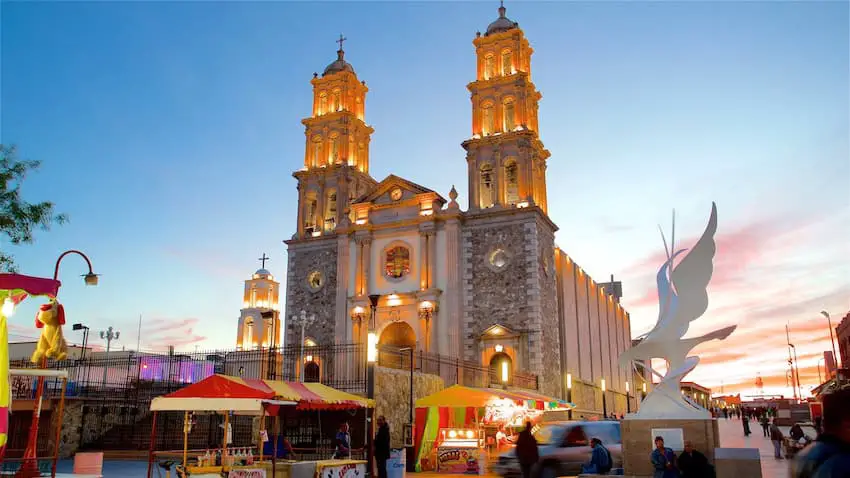
Chihuahua
The northern city of Chihuahua, where David was born. (Expedia)

David first stayed with family in Monterrey before moving to Chihuahua to reconnect with his roots. “I wanted to see where I came from,” he says. “It was a huge shock. Suddenly, I was in Mexico — a place I’d never really known. It was so different from the U.S., and I needed time to figure out what the hell I was going to do with my life.”

What comes next? 

David struggled with what path to take. He considered illegally crossing the border into the U.S. but ultimately decided against it. “I couldn’t get a license, a house, or even go back to school,” he says. “All those doors were shut for me.” Instead, he enrolled in school in Chihuahua. His first step was a Spanish course, as his language skills were lacking. He later completed his high school equivalent in a nontraditional setting, which was a culture shock. “It wasn’t a normal school. It was the troubled class — the kids who hadn’t finished high school and were trying to graduate later in life.”

Although David’s dream was to become an astronomer, he opted for a more practical field of study: economics. For his last semester of university, David did an exchange program at Mexico City’s UNAM and fell in love with both the sprawling metropolis and a German traveler. He saved up money working as a waiter after graduating from university so they could backpack together through the Riviera Maya. After weeks of traveling and romancing, David found himself in Holbox with just 600 pesos left to his name, pondering what to do next. 

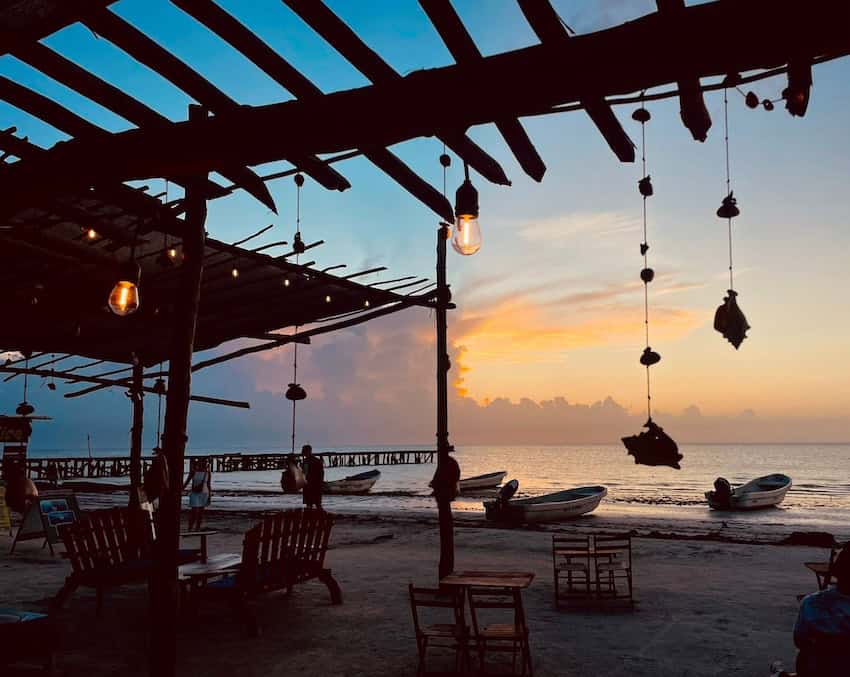
Isla Holbox
David got as far as sleepy Holbox before realizing he needed a new plan. (Rosie Buller)

Luckily for David, a former landlady from his time studying at UNAM offered to house him for free in exchange for driving her around and helping around her house while he looked for a job. David jumped on the opportunity and returned to CDMX in his Hawaiian shirt and Bermuda shorts. 

“My first job was a marketing consultant, and I remember I didn’t even have socks. I was so poor I wore dress shoes to work without socks! I was getting paid $400 dollars a month and I had to survive with 70 pesos a day to cover the metro and food.” His mom, worried about the dangers of Mexico City, constantly urged him to return to Chihuahua. But David had a vision to fulfil — since his first visit to Mexico City, he had seen a future for himself in this cosmopolitan city and he decided he’d persevere. 

After a year and a half in the capital, David returned to Chihuahua for a job opportunity with Rappi, leading to a new chapter in his life.

Life After Deportation for Dreamers

After years of hard work, David finally got the chance to make his Mexico City dreams a reality.

For many deported Dreamers, returning to Mexico after years in the U.S. is a jarring experience. Although Mexico is technically “home,” it often feels foreign, and economic struggles only add to the hardship. Many deportees face difficulties finding stable work, especially those with limited Spanish or education geared toward the U.S. job market.

David’s first job in Mexico was at a call center, a common option for deportees with bilingual skills. “Most people I worked with didn’t finish high school or college,” he says. “They just came back to try to live, but then they realize they can’t really ask for more. They’re stuck in a loop, feeling bad about not being in the U.S. anymore.”

David, however, embraced his new reality. “When I came back, I told myself, ‘I’m not going back for a while.’” He refused to live illegally in the U.S. again. “I decided to make it work in Mexico.”

David’s journey may soon come full circle. He has hired a lawyer to start the pardon process, hoping to one day return to the U.S. legally as a tourist.

Living out the Mexican Dream 

After several years working in sales in Chihuahua, David’s hopes for a life in Mexico City finally came to fruition. He received an offer from a San Francisco-based tech company expanding into Mexico and moved back to the capital.

“I cried on the plane. I chatted to the guy next to me who turned out to be a successful avocado trader. He said he wanted to talk to me because I was looking out the window strangely. He assured me this move was going to be good for me and that he felt that this was the turning point for me. I cried tears of joy on that plane because I knew the cycle of hardship and sacrifice was finally over.”

Today, David works as a sales executive in Polanco and describes his life as the “Mexican Dream.” “The American Dream is about keeping up with the Joneses,” he says. “But my version of the Mexican Dream is about working hard, resting, enjoying life, and appreciating everything I’ve built.”

David’s story highlights the resilience and adaptability of Dreamers, showing that even when life’s circumstances seem impossible, there is always hope for new beginnings.

Are you a U.S.-born or raised child of Mexican immigrants currently living in Mexico? Perhaps your Mexican parents immigrated to another country, and you’ve chosen to return to Mexico? If so, I’d love to hear your story for this series! Please leave your email in the comments, and I’ll reach out.

Rocio is based in Mexico City and is the creator of CDMX iykyk, a newsletter designed to keep expats, digital nomads and the Mexican diaspora in the loop. The biweekly dispatches feature top news, cultural highlights, upcoming CDMX events & local recommendations. For your dose of must-know news about Mexico, subscribe here

MND Perspectives: What does a higher minimum wage mean for Mexico?

8
MND podcast
What does a new minimum wage mean for Mexico? Our new podcast has the details. (Andrea Murcia/Cuartoscuro)

What is the current situation regarding wages in Mexico and what are the ramifications of the recent doubling of the minimum wage?  Our new podcast on Mexico’s minimum wage has the details.

Mexico News Daily brings you to the stories on the economic challenges facing Mexico’s low-paid workers and examines the future of Mexico as a source of cheap labor.  We’ll delve into the complexities of this issue, examining the political, social, and economic factors at play, and discuss what the future might hold for workers in Mexico. Will these incremental changes lead to lasting economic shifts, or is the country stuck in a cycle of low-wage labor? 

MND Perspectives: Minimum wage in Mexico

This podcast was produced using AI tools. All information collected and discussed in this episode was investigated, written and edited by human journalists. Compiled from Mexico News Daily articles by Travis Bembenek and Peter Davies. Edited by Rose Eglhoff and Chris Havler-Barrett. Podcast produced by Chris Havler-Barrett. 

MND Deep Dive: The impact of Chinese investment in Mexico

2
BYD nearshoring
GDP growth could remain sluggish in 2025, as Mexico struggles to make the most of the nearshoring opportunity. (BYD)

What does the potential new nearshoring investment from China mean for the future of the Mexican economy, and what will it bring to the country?

As Chinese companies continue to make announcements on investment in Mexico, we dive deeper into the topic. What is motivating these large investment announcements?  Will they actually come to fruition? Are the good for Mexico? What do they mean for the USMCA, U.S. tariffs, and the auto industry in the country?

More importantly: Is there any substance to repeated claims that the largest electric car company in the world, Chinese giant BYD, is going to build a plant in Mexico?

MND Deep Dive: Chinese investment in Mexico

This podcast was produced using AI tools. All information collected and discussed in this episode was investigated, written and edited by human journalists. Compiled from Mexico News Daily articles by Travis Bembenek, Thomas Buckley, Felicity Bradstock and Peter Davies. Edited by Kate Bohné, Michelle Aguilar, Caitlin Cooper, Rose Eglhoff and Chris Havler-Barrett. Podcast produced by Chris Havler-Barrett.

The essential Zona Romantica Guide: Inside Puerto Vallarta’s most famous neighborhood

2
Puerto Vallarta Zona Romantica
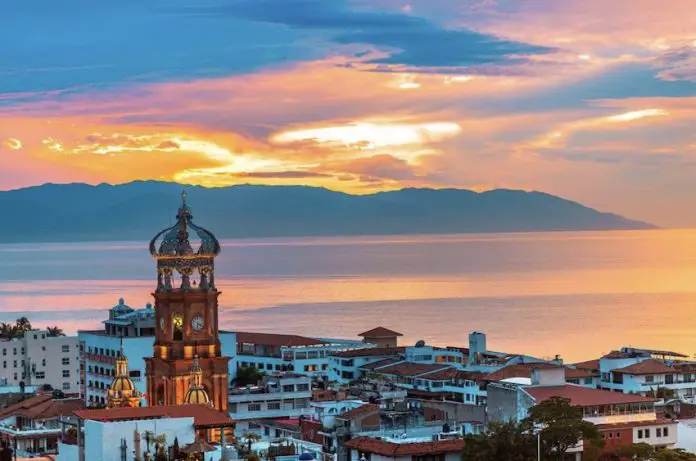
In what is one of Mexico's best beach breaks, our local guide has everything you need for an unforgettable trip. (Hotel Amaca/Instagram)

No matter how many times you have visited the Jalisco coast, whether you’re a first-timer or a decades-long veteran, experiencing the Zona Romantica is a must. The deliciously eclectic, historic neighborhood is a sun-kissed playground where bohemian cool, vibrant nightlife and seaside charm intersect on every cobblestone corner. The problem is that Puerto Vallarta’s Zona Romantica has so much to offer, it’s daunting to think about beginning to explore without a guide.

This neighborhood brims with places to eat, drink, and play that’ll have you fully immersed in the energy, and falling in love with this city on the sea. Let’s take a spin through the best spots to stay, dine, and soak up the magic of Zona Romantica.

Where to stay: A room with personality

Hotel Amaca, Puerto Vallarta Zona Romantica
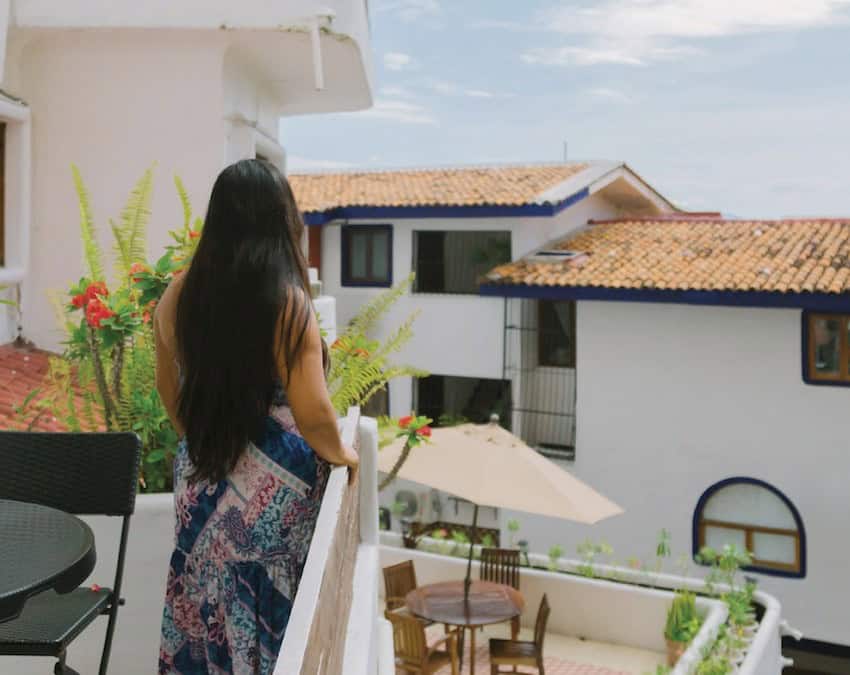
Fancy a boutique hotel stay in the heart of the city? Look no further than Hotel Amaca. (Hotel Amaca/Instagram)

If boutique charm is calling your name, Villa Mercedes Petit Hotel is an artsy little sanctuary just steps from the action. It’s adults-only, with lush courtyards and tucked-away nooks where you can recharge. If you’re looking to mix luxury with a bit of “seen-and-be-seen,” Pinnacle Resorts offers the best of both worlds — think rooftop infinity pools, chic rooms with kitchens, and unbeatable Bay of Banderas views.

Another classic pick is Playa Los Arcos Hotel Beach Resort & Spa, with prime beachfront access that means you’re never far from the sound of the waves. This is the place for traditional Mexican charm, with colorful tiles, archways, and a location that puts you right on the sand.

Almar Resort is a great choice if you’re looking for an upscale, LGBTQ+-friendly spot with a ton of personality. Their rooftop events draw crowds for good reason, and the views from the rooms and suites are hard to beat. For something a little more boho-chic and cozy, Hotel Amaca is the perfect mix of charm and affordability, making it an ideal base for all your Zona Romantica explorations.

Foodie heaven: Where to eat in Zona Romantica


View this post on Instagram


A post shared by Tre Piatti (@tre_piatti)

In Zona Romantica, the food scene is a glorious blend of down-to-earth taco joints, inventive culinary hotspots, and everything in between. Start at Tuna Azul, a seafood gem with ceviche that’ll knock your flip-flops off. The vibe is relaxed, and the seafood is as fresh as it gets.

Tre Piatti has built a loyal following thanks to its fresh pasta and intimate, tucked-away courtyard. Italian food lovers will adore this spot for a romantic night out. Looking for something totally unique? Tintoque mixes traditional Mexican flavors with modern flair, creating dishes that are as bold as they are unforgettable. Their location overlooking the Rio Cuale sets the scene for an intimate, quiet dinner with innovative cocktails and a constantly evolving menu.

When it comes to tacos, everyone here has their favorites, but Panchos Takos is legendary. There’s usually a line, but the al pastor quesadillas are worth the wait, trust me — they are even better than the tacos. If seafood tacos are your thing, don’t miss Mariscos Cisneros — the shrimp tacos are a local favorite, and one bite will show you why. For a casual bite that packs a punch, Burning Burrito is your go-to for hearty burritos, while Tacos El Moreno serves up no-frills goodness with tacos that satisfy every craving.

If you’re in the mood for some beachfront elegance, La Palapa is the kind of place where you can dig your toes in the sand while savoring fresh seafood dishes. Finally, 116 Pulpito is a fun spot for tapas and creative cocktails in an upbeat setting, ideal for kicking off a night out.

Nightlife hotspots: Where to drink and dance

Top Sky Bar, Puerto Vallarta Zona Romantica
The Top Sky Bar offers photo-worthy food and photo-worthy views – what more could you ask for? (Top Sky Bar)

As the sun sets, Zona Romantica transforms into a vibrant nightlife hub. For a relaxed start, head to El Soñador, a rooftop bar where you can sip a casual beer and shoot some pool. If you’re in the mood for a bit more buzz, Mr. Flamingo is your lively open-air go-to with a come-as-you-are vibe and a crowd that’s always ready to party.

For a touch of sophistication, Twisted Palms Rooftop Lounge delivers martinis with a side of movie nights and live music, while Top Sky Bar serves up sweeping views and Instagrammable cocktails in a trendy rooftop setting. Over at La Noche, three floors of fun await, with rooftop seating and lively drag shows that make it a favorite for LGBTQ+ travelers and allies alike.

Craft beer fans will feel right at home at Los Muertos Brewing and Monzon Brewing Co., both pouring excellent brews and serving up a friendly atmosphere. And for those who prefer a bit of glam with their nightcap, Garbo Piano Bar serves live jazz and martinis in a chic, low-key setting that’s perfect for a sophisticated end to the evening. For a more laid-back vibe with great live music, Awaysis offers a casual setup and a constantly rotating roster of live bands.

Things to do: Daytime adventures you’ll love

When it comes to daytime fun, Zona Romantica has no shortage of activities to keep you entertained. For a slice of local flavor, make your way to the Olas Altas Farmers Market on Saturday. Here you’ll find handmade crafts, tasty eats, and everything from fresh produce to artisanal goods — it’s the perfect spot to pick up unique souvenirs.

Art lovers will appreciate the Art Walk, a self-guided tour through local galleries showcasing works by Vallarta’s vibrant art scene. And if a beach day is calling your name, Playa de los Muertos is where it’s at. Rent a beach chair, order a margarita, and watch the world go by. If you’re feeling adventurous, head to the Los Muertos Pier and hop on a boat for a day trip to nearby hidden beaches or snorkeling spots.

Of course, a simple stroll along the Malecón is a must. This oceanfront promenade is dotted with sculptures, street performers, and endless people-watching opportunities. Take your time exploring the local vendors and art installations, or grab a snack and enjoy the seaside breeze.

Zona Romantica’s cobblestone streets are a pleasure to wander on foot. You’ll discover hidden courtyards, flower-draped balconies, and vibrant murals around every corner. Simply take the time to wander from street to street and soak in the funky, friendly, eclectic energy that makes this Puerto Vallarta neighborhood truly legendary.

Meagan Drillinger is a New York native who has spent the past 15 years traveling around and writing about Mexico. While she’s on the road for assignments most of the time, Puerto Vallarta is her home base. Follow her travels on Instagram at @drillinjourneys or through her blog at drillinjourneys.com.

The refreshing history of Mexico’s aguas frescas

5
Row of jugs of different-colored aguas frescas
Mexican aguas frescas come in as many colors and flavors as you can imagine, with myriad regional variations as well. (Manuel Gomez Ruano/CC-BY SA 3.0)

Refreshing and flavorful, aguas frescas are a treasured part of Mexico’s gastronomic heritage. Sold widely by vendors, shops and restaurants, the non-alcoholic drinks are instantly recognizable. Both by the barrel-shaped yet transparent glass or plastic vitroleros that often contain them and by the inevitable kaleidoscopic array of colors whenever more than a few are placed side-by-side. Indeed, the colors of aguas frescas are like a map of Mexico done in miniature, tracing the abundance of fruit, flowers and seeds that flourish in various locales.

The history of aguas frescas in Mexico

People have been flavoring water with fruit and flowers in Mexico since ancient times. Sugar, the most common sweetener for modern aguas frescas, was introduced later, after the Spanish invasion of the early 16th century.

You can find aguas frescas in markets and street stands across Mexico. (Margarito Pérez Retana/Cuartoscuro)

Many of the popular aguas frescas found in Mexico today — notably, jamaica and horchata — were made possible by the trade network the Spanish established during the colonial era. However, aguas frescas developed regionally with locally available ingredients, from grains and legumes like barley and alfalfa to nuts and seeds like almonds and chia and flowers and spices like hibiscus and cinnamon. Fruits were even more frequently used, of course, thanks to a natural bounty that included introduced plants like grapefruit, mango, melon, orange, papaya, passionfruit, peach and local ones including sapote, soursop, guava, tejocote and xoconostle. 

Regional variations still abound for these drinks, with recipes richly evocative of their place of origin. For example, agua de betabel (beet), associated with Tlaxcala, mixes water with fresh beet and orange juice. Agua de matalí, a favorite in Chiapas and Tabasco, features the edible leaves of spiderwort plants. There’s also agua de nance, a fruit-based specialty native to Nayarit; and agua de horchata con tuna in Oaxaca, which pairs the rice-based, cinnamon-flavored horchata with fruit from the prickly pear cactus. Agua de xonocostle hails from Guanajuato, with its cactus-fruit pulp sweetened with sugar, as virtually all of these drinks are. The list goes on and on. 

Clay pots were the original containers that kept aguas frescas slightly chilled a few degrees cooler than room temperature so that little or no ice was needed. Hence the word fresca, or fresh, as a descriptor. Some traditional producers, like Casilda Aguas Regionales in Oaxaca, still use clay pots. However, the distinctive vitroleros and bottled versions are now more common. As for the best time to drink aguas frescas, there are no bad options, but summer is the ideal season, and lunch is considered the perfect meal; largely, one presumes because so many restaurants offer aguas frescas as part of lunchtime menu deals.

Agua de jamaica

Despite the myriad regional variations, a few aguas frescas are widely popular and readily available throughout the country. Agua de jamaica (hibiscus) is one of them. This crimson-colored sipper owes its existence to the Manila-to-Acapulco galleon trade that began in 1565 and connected the Spanish colonies of the Philippines and Mexico. One of the first global trade routes, the yearly Nao de China ships brought Asian specialties to Acapulco and, after a trip overland to Veracruz, on to Spain for 250 years.

Dried hibiscus flowers ready to be made into agua de jamaica. (Gobierno de México)

Even though hibiscus is native to Asia and Africa, it was only via this peripatetic journey that it finally arrived in Mexico. Perhaps not surprisingly, the state of Guerrero, where Acapulco is located, continues to lead the way in its production, followed by neighboring Michoacán. In 2019, per the Agriculture and Rural Development Ministry (Sader), over 11 million pounds of hibiscus was grown in Guerrero to sate the national appetite for this beloved agua fresca flavor. Most recipes contain only four ingredients: water, hibiscus flowers, sugar and ice.

Agua de horchata

The origins of horchata are in Northern Africa, where the drink is thousands of years old. However, the Spanish recipe for horchata de chufa, made in Valencia with tiger nuts, was the likely genesis for the later Mexican version, which was introduced to Mexico following the Spanish conquest in the 16th century. This domestic agua fresca eschewed tiger nuts in favor of rice, leading to a much creamier, milk-like beverage. It’s also a tastier one, thanks to the addition of flavor-rich ingredients like cinnamon and vanilla. 

Although consumed nationally, regional horchata variations remain common. In Comitán, Chiapas, melon seeds are included in the traditional mix, as are almonds and sometimes orange peel. Almonds, it should be noted, are also a favorite in Colima. In Campeche, meanwhile, coconut is the go-to extra. In Veracruz, it’s coyol, a fruit sourced from a species of palm tree. In Oaxaca, as previously noted, tunas, or the fruits of the prickly pear cactus, are a popular flavor enhancer. But so, too, is jiotilla, another cactus fruit. Milk can likewise be added for sweetness. In Mexico City, condensed milk is preferred.

Two glasses of horchata dusted with cinammon and with cinammon sticks sticking out of them.
Horchata is beloved around Mexico and across the world. (Weeknd Whisk)

Agua de limón y chía

Chia seeds are considered a superfood and like a lot of other wonderful things — chocolate and vanilla, to name a couple of biggies — they’re originally from Mexico. Sourced from the flowering plant Salvia hispanica, these seeds and the attendant fruit pulp have been consumed in Mexico for thousands of years, with the Olmec culture noted as the first to domesticate them for everyday use.

In the United States, chia seeds are commonly packed into baked goods for added nutritional value. In Mexico, they’re a key ingredient in one of the country’s most popular aguas frescas: agua de limón y chía. This beverage has only four ingredients — lime, chia, sugar and water — and its green hue means it can be lined up next to vitrolero jugs of horchata and jamaica on patriotic occasions to mimic the colors of the Mexican flag. 

Agua de tamarindo

Tamarind, like hibiscus, came to Mexico via Africa and Asia during the colonial period. Due to its balanced blend of sweet and sour, it has has long been prized as a culinary ingredient to flavor candies, cocktails, sauces and — yes — aguas frescas. The recipe for agua de tamarindo is as elegantly simple as the name would suggest, requiring only tamarind pods, water, sugar and ice. It’s another widespread favorite.

What’s the most consumed agua fresca in Mexico? There are no definitive figures, but tamarindo, jamaica, horchata and limón y chía are the most typical examples and thus the best introduction to these delicious drinks.

Chris Sands is the Cabo San Lucas local expert for the USA Today travel website 10 Best, writer of Fodor’s Los Cabos travel guidebook, and a contributor to numerous websites and publications, including Tasting Table, Marriott Bonvoy Traveler, Forbes Travel Guide, Porthole Cruise, Cabo Living and Mexico News Daily. His specialty is travel-related content and lifestyle features focused on food, wine and golf.

Taste of Mexico: Chirimoya

5
Cherimoya
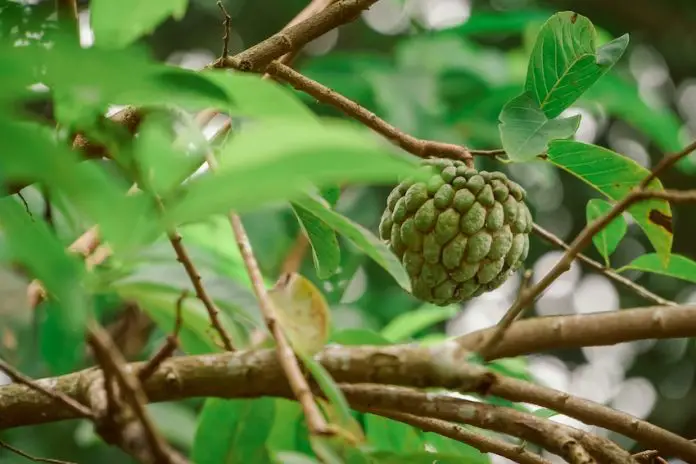
Chirimoya. (Muhammad Farihin/Unsplash)

These articles have sparked conversations with my friends and family, who often come to me with fruits, dishes, and drinks that they think I should try. A good friend of mine, who is passionate about food and books, told me, “You have to write about Mark Twain’s favorite fruit.” I replied, “Sounds like it won’t be Mexican.” He looked at me as if I didn’t know anything about life and said, “C’mon, chirimoya is the most Mexican fruit I know.” I began to doubt my own knowledge about the origins of fruits. “No,” I finally answered, “chirimoya is from Perú, isn’t it?” I could see that he was starting to question himself as well. “What am I, ChatGPT? Look it up!”

And so I did. He’s partially right. Mark Twain did try cherimoya during his travels in Hawaii and described it as “the most delicious fruit known to man” in his travel journals (not in “The Adventures of Tom Sawyer,” as my friend originally believed).

Mark Twain
If it’s good enough for Mark Twain, it’s good enough for you. (Wikimedia)

Is chirimoya mexican?

Until a few years ago, it was believed that chirimoya (Annona cherimola) was endemic to the high valleys of Peru and Ecuador. However, recent discoveries have shown that the Annona family extends from southern Mexico to northern Chile, and includes over 170 species. Therefore, we can confidently say that it originates from the Americas. The name “chirimoya” comes from the Quechua word meaning “cold seed,” which refers to its ability to grow in cooler environments and high altitudes.

Unlike the Andean civilizations and Mark Twain, who appreciated its unique, tropical, and luxurious taste, our indigenous ancestors did not share the same enthusiasm for chirimoya. Unfortunately, it appears that the younger generation continues to overlook this delicacy;  my cashier recently asked me about the name of this weird-looking fruit.

What Does Cherimoya Actually Taste Like?


View this post on Instagram


A post shared by Mexico News Daily (@mexiconewsdaily)

Amigo, Mark Twain was right, cherimoya is one of the most delicious fruits known to man. Its flavor is both sweet and tangy, with a custard-like consistency that makes you want to grab a spoon and dive right in. You can taste hints of pineapple, banana, and even bubblegum.

The flesh is incredibly tender, creamy, and smooth, making it truly delightful. However, be cautious of the seeds, as they are toxic. Enjoying this fruit serves as a reminder of the importance of moderation in pleasure.

Why You Should Be Eating More Cherimoya?

Cherimoya is not only a delightful fruit but also packs a surprising nutritional punch. Here’s why it deserves a place in your diet:

Cherimoya
It turns out that cherimoya is also really, really good for your body. (Directo al Paladar)
  1. Antioxidants: Cherimoya is loaded with antioxidants, such as flavonoids, which help fight oxidative stress and inflammation, supporting your body’s defenses against chronic diseases, and promoting long-term health.
  2. Vitamins and Minerals: A single serving of cherimoya provides a healthy dose of Vitamin C, which boosts your immune system and keeps your skin glowing. Additionally, it is a good source of potassium and magnesium, both of which are essential for heart health and regulating blood pressure.
  3. Supports Digestion: Being high in fiber, cherimoya is great for your digestive system. Furthermore, it can help you feel full, making it an ideal snack for weight management.
  4. Mood Booster: Surprisingly, cherimoya may also enhance your mood! It contains B-vitamins, particularly B6, which assist your body in producing neurotransmitters like serotonin and dopamine. These brain chemicals are vital for regulating mood and may reduce symptoms of depression and anxiety. So, probably Mr. Twain was just in a serotonin rush while talking about the cherimoya.
  5. Eye Health: With its high content of Vitamin C and carotenoids, cherimoya supports eye health and may reduce the risk of conditions such as macular degeneration and cataracts. It’s a delicious way to keep your vision sharp!

How to eat cherimoya like a pro

All you need is a ripe cherimoya, a spoon, and maybe a bit of restraint, because once you start, it’s hard to stop.

  1. Fresh and Raw: The most common way to enjoy cherimoya is by cutting it in half and scooping out the creamy flesh with a spoon. It’s dessert in its purest form.
  2. In Smoothies and Bowls: Cherimoya blends beautifully into smoothies and yogurt bowls. Its naturally sweet flavor means you won’t need much else for a rich, tropical taste.
  3. Frozen Treat: For a refreshing twist, pop cherimoya chunks in the freezer for a few hours, and you’ll have a quick, sorbet-like snack that’s perfect on a hot day.
  4. Cherimoya Smoothie Recipe: A simple treat to start your day

Here’s a quick and easy recipe that highlights cherimoya’s creamy texture and sweet flavor – a smoothie that tastes like a tropical vacation in a glass.

Ingredients:

1 ripe cherimoya, peeled and deseeded
1 banana
½ cup milk (any milk of your choice)
1 tbsp honey or agave (optional, depending on your sweetness preference)
Ice (optional, for a frosty version)

Instructions:

1. Scoop out the cherimoya flesh, discarding the seeds, and place it in a blender.
2. Add the banana, coconut milk, and sweetener.
3. Blend until smooth. For a chilled version, add a handful of ice and blend again.
4. Pour, sip, and feel the tropical vibes wash over you.

Amigos, In a world of apples and oranges, be a cherimoya. Or at least, try it.

María Meléndez is a Mexico City food blogger and influencer.

Introducing MND Deep Dive and MND Perspectives – two exciting new AI audio products from our team

12
Mexico News Daily podcast
As part of MND's mission to inform and entertain, CEO Travis Bembenek unveils two new subscriber-exclusive AI podcasts. (Will Francis/Unsplash)

Mexico News Daily’s team of over 50 writers and editors is honored to be your front row seat to Mexico, each and every day.  Our mission is to educate, inform, and entertain you about the country — while doing so in an apolitical and unbiased way.

As many of you have noticed, we recently covered both the Mexican and U.S. elections in a fact-based manner. We reported day in and day out, providing expert analysis of what top politicians, business leaders and political analysts had to say. We took great care to present voices and perspectives from both sides of the political aisle. We presented you with the facts and information to form your own opinions without telling you how we think you should think. We are proud of being your impartial guide through two very polarizing elections — something not many news outlets can say in 2024.

Our team is constantly thinking about how we can better serve our readers. That is why we have recently launched our MND Local sections with expanded local content and the opportunity to read the stories in your area that matter the most to you. That is also why we recently launched a YouTube channel with digital video shorts of a portion of our content. Have you checked out our YouTube page yet?  It’s pretty cool.

It is also why we continue to launch a variety of new content series like: “Water in Mexico,” “My American Dream is in Mexico,” and “Taste of Mexico” — just to name a few.

Leveraging new technologies to improve our offering

Headphones
Our new podcasts will help you understand the nuances of Mexico’s economy, people and politics in the same great MND style. (CDX PDX/Unsplash)

I am excited to announce today that we are now going to begin offering our paid subscribers two new cutting-edge products that we are certain will help further deliver on our mission to educate, inform, and entertain you.

The first one will be called MND Deep Dive. Starting today and on a regular basis going forward, our team will be bringing you an audio podcast “Deep Dive” by using AI tools to analyze MND articles and create a podcast discussion on some of the most important topics facing the country.

Our first Deep Dive will focus on the arrival of Chinese car companies, specifically BYD, who are evaluating the possibility of nearshoring in Mexico in order to access the North American market more effectively. In upcoming weeks, expect to hear other trending stories like the movement of the Mexican Peso, the case for the Maya Trainand the potential of Mexico’s railroad alternative to the Panama Canal.   

The podcast will arm you with additional information, present different opinions and perspectives, and shed new light on complex topics in an accessible manner. MND will analyze and summarize a number of our articles to bring you an overview podcast that helps make sense of it all.

MND Deep Dive: Chinese investment in Mexico

The second product is called MND Perspectives. Here, we will analyze my CEO perspectives articles and present you with interesting and different ways to think about the topics we cover each week. Today, we will dive into Mexico’s minimum wage and the pros and cons of President Sheinbaum’s plan to increase salaries to US $500 per month by the time she leaves office in 2030.

The MND team has used AI tools to create these discussions and give you new perspectives on important topics in an effort to help you better understand them.

MND Perspectives: Minimum wage in Mexico

It’s important to note that both of these podcasts, despite being AI voices, had a heavy human touch. The articles were written and edited by humans. The podcast preparation and editing were done by humans.  We expect both of these products will improve and evolve quickly over the next weeks and months as the technology and our use of it improves.

The Team at MND is committed to continuing to get better and we are reinvesting every penny of our subscriber revenue to be your best source of news and information on Mexico. We are confident that the Mexico News Daily podcast series will be another platform to further educate, inform, and entertain youThank you for supporting us and for reading, watching, (and now listening to!) MND. The best is yet to come!

Travis Bembenek is the CEO of Mexico News Daily and has been living, working or playing in Mexico for over 27 years.

The healing power of horses: Equine therapy in Mexico

2
Equine therapy in Mexico
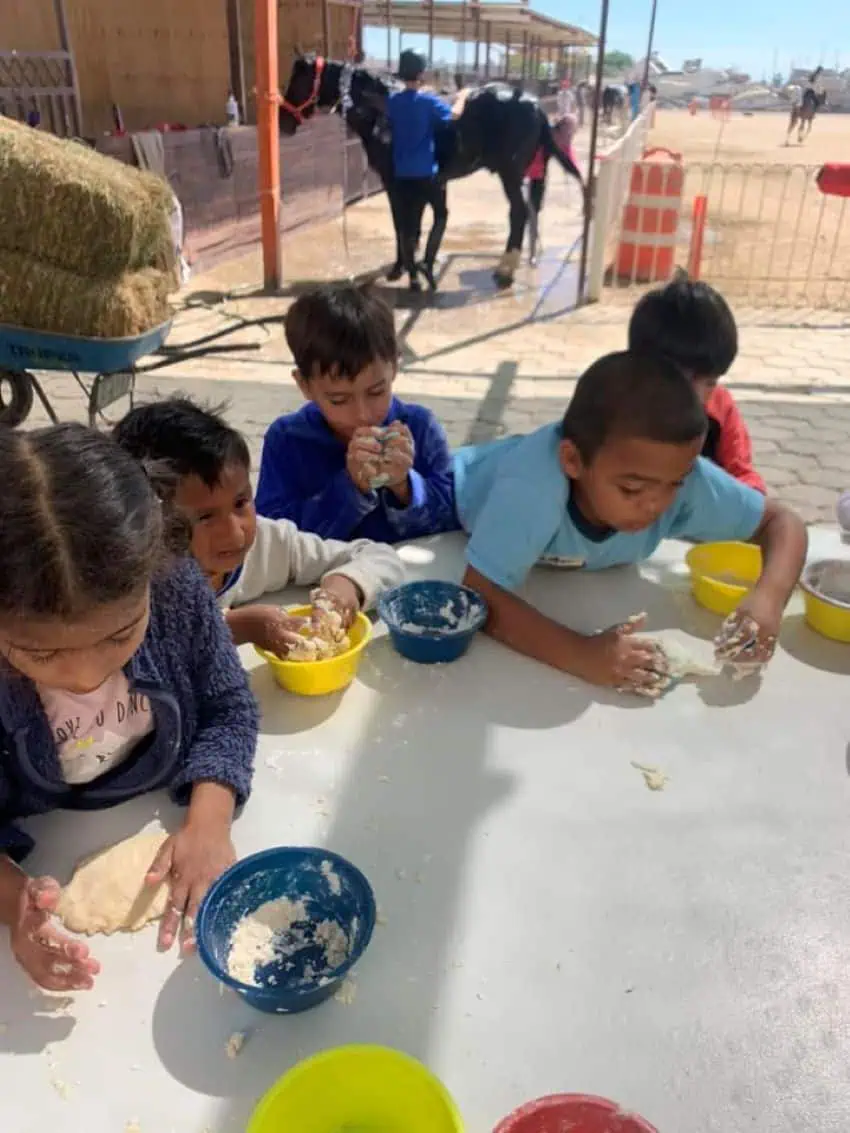
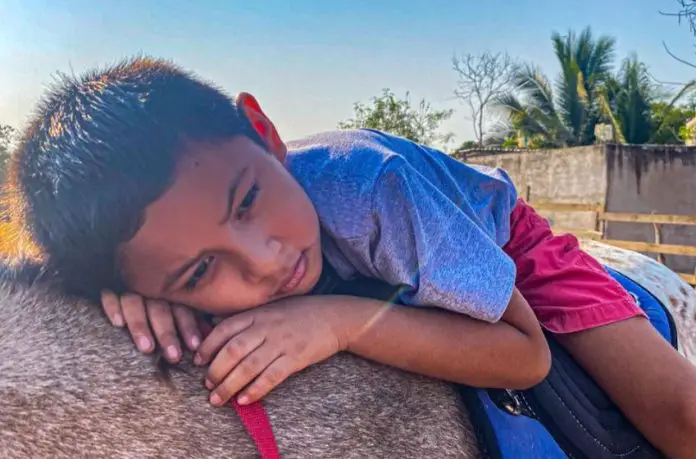
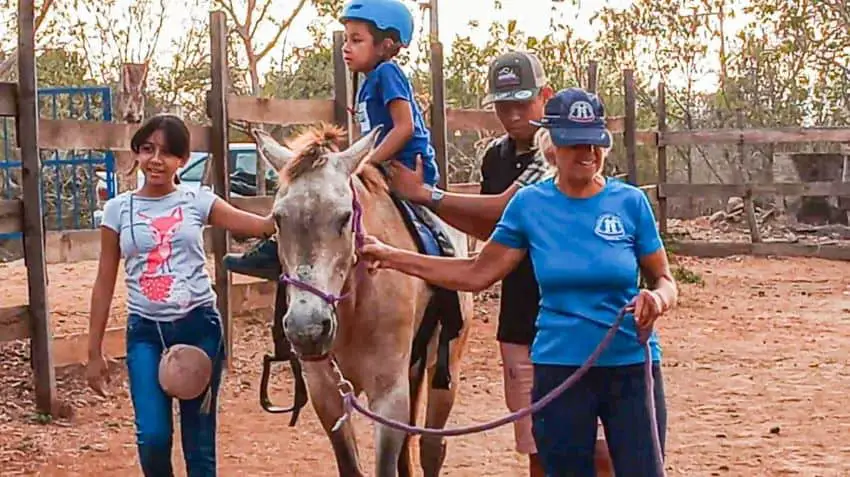
Pioneering therapy techniques that see horses help disabled children have been quietly operating across Mexico for years. Meet some of the organizations making a difference. (All photos by Elisabeth Ashe)

Horses have been a part of my personal and professional life for over 35 years. Living part time on Eden Valley Farms, in Ontario, Canada, I first learned about equine therapy from owner Mandy Carson and her partner Toni Cromwell’s program, the HARP-Art of Whitespace. HARP stands for Human-Animal Relationship Program, and in addition, as a treatment for children and adults with disabilities, it offers nature walks and forest bathing. Carson encouraged me to open a center in Ixtapa-Zihuatanejo, Guerrero, where I have lived since 1995. I knew there was no other equine facility in my area; the only previous one had closed years ago, and the closest one was a five-hour drive away in neighboring Michoacán. In fact, equine therapy in Mexico is still something of a rarity nationwide.

It took a bit of research, but I found an online course on hippotherapy. In simple terms, equine or hippotherapy is a form of therapy in which a therapist uses a horse’s characteristic range of movements to address a human patient’s physical or mental disorders.

Client at The Seahorse sanctuary & Equine Therapy Centre 2

Armed with some knowledge and a burning desire to build a dream, I was fortunate to be lent land to use for the program’s first two years by the Aguilars, a local family. I gathered a group of people to build from scratch and opened The Seahorse Sanctuary and Equine Therapy Centre in Coacoyul, a small town 15 minutes outside of Zihuatanejo.

Training and courses in equine therapy available are as numerous and varied as patients’ motivation and results therapists seek to achieve, but they include names like EAL Training Centers, the Professional Association of Therapeutic Horsemanship (PATH) International, the Equine Assisted Growth and Learning Association (Eagala) and the Mexican Association of Therapeutic Riding (AMET). Many centers specialize in working with children with disabilities or special needs, primarily with issues ranging from autism to cerebral palsy, as well as emotional issues such as anxiety and trauma. Others treat professionals who suffer from PTSD due to work in high-stress situations. 

Some organizations, including mine, work with seniors. Horses can serve as emotional support animals or help older people who have mobility issues due to age or medical procedures such as hip replacement surgery. With all patients, young or old, the gentle movement of the horse causes stimulation through the spinal column, which goes to the brain and affects the nerve branches. From there, this movement releases certain chemicals at the brain level, which generates stimulation in the body. The gentle movement of the horse also helps to massage the afflicted areas

There are several highly qualified centers for equine therapy in Mexico spread out across the country. Follow along to learn about four of them.

Leaning to jump at Crece S.A

Amigos de Riendas

Amigos de Riendas para la Vida, a civil association based in Guadalajara, was founded 15 years ago by Mercedes Arámbula. Arámbula started her journey with years of horseback riding experience, a love of horses and a desire to combine that love with helping others. She was impacted personally by the birth of a nephew with a severe disability, and she began to investigate how horses could help people like him. Her research showed very little training in Mexico, so she decided to obtain her certification at the High Hopes Therapeutic Riding center in Old Lyme, Connecticut, through PATH International.

In 2010, Amigos de Riendas was established with the new team certified by the Equine Assisted Growth and Learning Association (Eagala). Today, the center boasts nine horses, 35 to 40 clients at any given time and volunteers and staff. The organization is almost completely funded by the government of Jalisco through agencies such as the Directorate for the Inclusion of Disabled Persons (DIPD) and the Social Aid System (SAS), as well as local and corporate companies and private benefactors, so that 75 percent of clients do not have to pay the 650-peso fee per class.

What made Arámbula sure this was the path for her?, “Being with horses, seeing kids grow, learn and improve is wonderful,” she says. “Seeing children walk who could not walk before, or who are now talking, is why I do what I do. And working with the children and their families for years is very special and rewarding.”

Crece

Further research took me to Michoacán, where I spoke to founder Carolina Escobedo of Crece, a non-profit in Morelia, Michoacán. Escobedo, a special education teacher who graduated from the University of Puebla, has extensive horse experience and a love of competition, which makes her approach slightly different from most centers, although equally effective: Escobedo believes in incorporating sporting events as part of therapy.

Competition sports at Crece S.A 1

“These kids can learn to ride and there is no reason why they can’t learn to jump too,” she told me. “Especially the kids with autism. And future plans and a possible source of revenue would be hosting competitions for kids with autism. We want them to feel as if they can achieve something. That there is something they can be good at and excel in. And so we do more than just physiotherapy: we do sports.”

Therapy and courses can start for children at three years of age and continue to classes for adolescents aged 12 to 17 and beyond. In operation for eight years, Crece’s 80 students mainly come from Morelia and the many surrounding towns. Courses range in cost and are dependent on income. Some students pay full price, while others pay only 50 per cent or nothing.

“The government does not help much, although the family services agency (DIF)at the state level does give them some money,” Escobsays. “But applying for it is a lot of work. To keep afloat we have other businesses such as buying and selling horses.”

Equinoterapia SMA

Jean Gerber has had a love affair with horses for much of her adult life, and San Miguel de Allende is where she can feed her passion. A friend told her about a relative who had severe neurological issues and how the only thing that helped him was the equine therapy classes he was taking. “It planted a seed,” Gerber said, leading her to investigate everything she could about equine therapy.

Gerber teamed up with fellow horse enthusiast and therapist Lisa Attridge de Gordillo, who also owns Rancho Corazón de Nopal, and started a 6-week pilot program. Today, they have three therapy horses and 14 students at Equinoterapia SMA.

Recently, the organization achieved non-profit status, but further certifications are needed to attain donation status, which will allow them to receive donations. “Only then will the government do much to help financially,” says Gerber, “however, local investors such as Daniel Ortiz of Coldwell Banker Smart in SMA and Vinedos San Lucas and a regional organization, Ninos con Autismo SMA help fill in the funds needed. In addition, the expat community and locals give generously.” 

Equinoterapia SMA founder Jean Gerber. (Equinoterapia SMA)

Fundraising is ongoing and headed by volunteers. “It’s wonderful how our volunteers and therapists become so invested in the project, asking to come two to three times a week to help their kids. They embrace this as if it were their own business.” says Gerber. “It is so rewarding to see the results from the therapy — to see children who were afraid of horses now become accustomed to them. The parents are telling us about the results the children are experiencing in their homes. It fills the heart. Everyone is smiling and happy.”

Equinoterapias Hossana

Founded in 2012 by Evelyn Trejo, Equinaterapias Hossana is a non-profit organization supported by the San José del Cabo-based Los Cabos Children’s Foundation. Trejo fell in love with horses at 15 years old, but as an adult, she became an accountant who worked in a government agency. While there, she learned there were many disabled children and adults in the area and no therapy available for them. She approached friends with horses, obtained some land and started her therapy center.

Their organization developed a very different method, incorporating psychologists and therapy to assess a child’s needs and develop activities to help them reach their goals.

“Some of our programs are free to children of low-income families, while others are very low cost, depending on the socioeconomic situation,” Trejo told me. “Our therapists are certified by the Mexican Association of Therapeutic Riding, and we have a psychologist, a physiotherapist and a wonderful group of teachers on our team. Equinaterapia Hossana’s goals have always been to improve children’s muscular tone and coordination and to help with their psychological attention, understanding, self-esteem and memory ability.”

Incorporating play with horse therapy at Equinterapia Hossana.

Over the years, Equinaterapias Hossana has served more than 500 children from the municipality of Los Cabos. They feel strongly they have achieved wonderful results with children and young people. But, says Trejo, “Horses are expensive and so are the professionals we work with, so we look for other ways to make money. We also have a farm, and every Saturday, we offer farm tours and allow families to tour our facilities and interact with the animals. We also offer horseback riding lessons that teach children the sport that it is.” 

When asked what drew her to this line of work, she says the same thing that all three of the other women — and myself — say about equine therapy: “It’s my passion.”

The writer divides her time between Canada and Zihuatanejo.