Home Blog Page 465

20 cravings you didn’t know you had — and where to satisfy them in Mexico City

5
Saint Bakery
Bagels, pizzas, kebabs or pancakes - Monica Belot has all of your food cravings covered. (Saint Panadería)

I’ve always been the beneficiary — or victim — of strong cravings, and with them the uncanny (and dangerous) ability to somehow pinpoint exactly what will satisfy them in the moment. As a recent transplant to the gastronomic wonderland known as Mexico City, the cravings have evolved and doubled in their frequency and need for scrumptiousness. Fortunately, in a city where even the most critical gourmand can find their perfect culinary match, satisfying these whims is a delightful treasure hunt. 

As  a wise fellow foodie once whispered to me over mezcal, “In Mexico City, friend, it’s not actually about the restaurants — it’s about knowing what to order.” In that spirit, consider this your cheat sheet to this author’s favorite coveted treats in the neighborhood; a curated list of 20 cravings you didn’t know you had — and a few you definitely do. From sweet treats to comfort food and beyond, this is your local map to tasty craving satisfaction in CDMX.

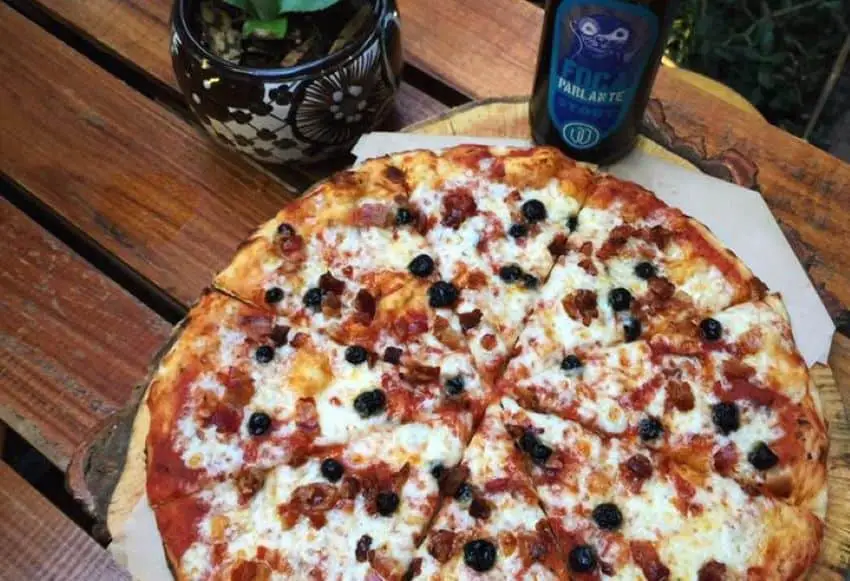
Blueberry Bresaola Pizza at Pizzas Nosferatu
(Pizzas Nosferatu)

It sounds weird, but trust me on this one: this sweet-savory-tangy creation from Pizzas Nosferatu is the kind of uncommon deliciousness your palate didn’t know it needed.
(Eje 2 Sur 24, Condesa)

Pesto at Saint Panaderia 

Saint is widely known for their pastries and breads, but it’s less known for its condiment goodies like their gorgeously green and garlicky pesto. I like to throw it on home-cooked pasta with sauteed zucchini or even use it as a marinade for baked salmon.
(General Benjamín Hill 146, Hipódromo)

Shrimp Cocktail at Ciena 

Though it seems simple, a perfect shrimp cocktail is hard to come by. Ciena’s shrimp cocktail isn’t just fresh and succulent — it’s a spectator sport. The ambiance and people-watching at Ciena add an extra layer of enjoyment.
(Alfonso Reyes 101, Condesa)

Shrimp Burrito at Balandra

Balandra is the seafood genius introvert of CDMX: understated, often overlooked, but each dish is an adventure into high-quality, oceanic flavor. Their shrimp burrito is a shining example of this tiny spot’s culinary prowess.
(Tonalá 155, Roma Norte)

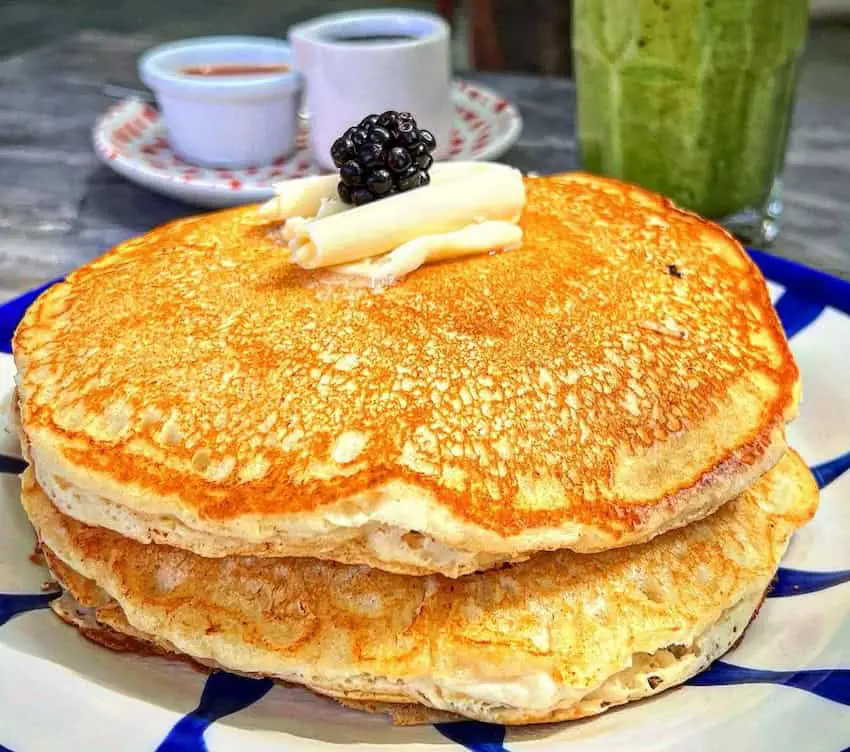
Pancakes at Quesería de Mí
Pancakes
(Chef Black Mamba)

These giant, fluffy, buttery stacks at Quesería de Mi are arguably some of the best in CDMX. Satisfy your heart — and clog your arteries, we won’t judge — at this under-the-radar-for-gringos breakfast spot.
(Alfonso Reyes 164, Hipódromo)

Flourless Chocolate Cake at Cancino

Cancino’s flourless, not-overly-sweet chocolate cake is a godsend for the gluten-averse and a mind-blowing revelation for everyone else. I like to get it to go, and pair it with fresh strawberries at home while watching “Love is Blind Mexico.”
(Multiple Locations)

Pozole at Santo Pozole

If you haven’t tried pozole before, you must try Santo Pozole’s. If you have tried pozole before, you definitely need to try Santo Pozole’s. Their hearty bowl is incredibly flavorful and generously loaded with tender meat and veggies. Perfect for a chilly evening.
(Río Pánuco 214, Cuauhtémoc)

Banana Bread at Bó Pastisseria

Panqué de platano is a common sighting on the CDMX food scene, but not everyone gets it right. Bó Pastisseria’s panqué de platano is the approachable queen of banana breads. Moist, buttery and available in two varieties: chocolate chip for the hedonists, walnut for the sophisticates.
(Multiple Locations)

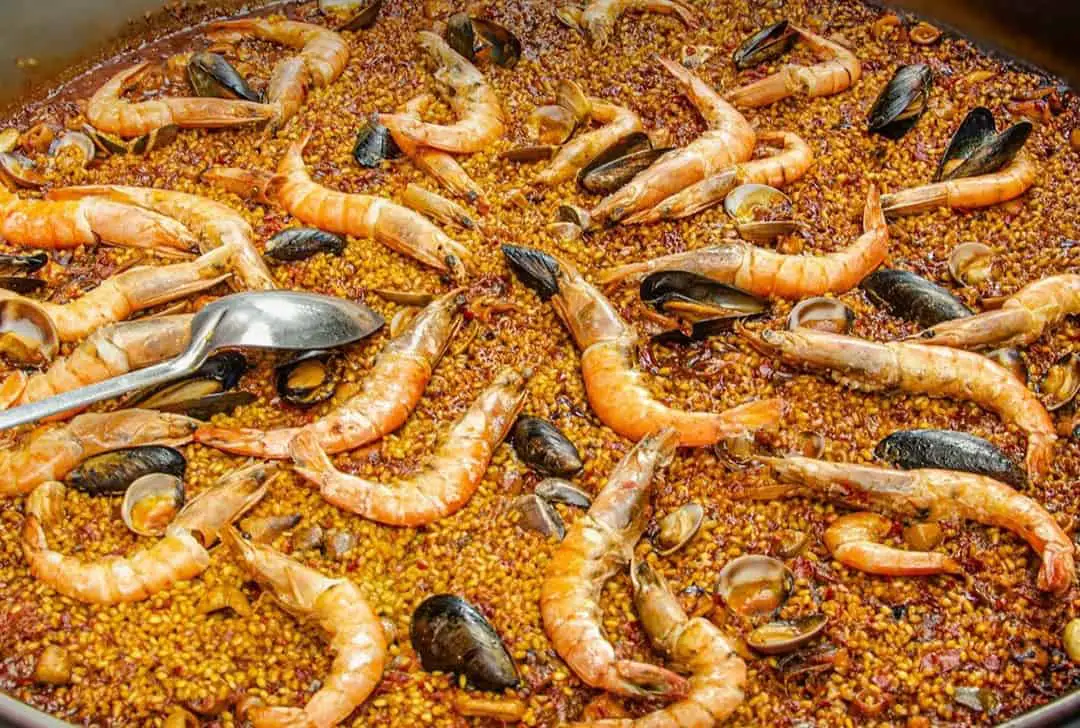
Paella at Bulla
(Bulla)

If you’re craving a taste of España, the perfect paella can be found at Bulla. With various locations across the city, Bulla’s menu is a love letter to Spain. The paella I dream about is the version with beef steak, flavored with fragrant saffron and rosemary.
(Multiple Locations)

Chopped Liver at Mendl 

For my fellow Ashkenazi Jews — or anyone with good taste — Mendl’s chopped liver on lightly toasted, warm challah is like a hug from your bubbe: comforting, slightly mushy and impossible to resist.
(Citlaltépetl 9, Hipódromo)

Indonesian Chicken Skewers at EnAK 

EnAK’s tender chicken skewers take you on a scrumptious mouth-voyage to Indonesia, no visa required. The crunchy peanut sauce alone is worth the trip across town to this tiny eatery.
(Río Atoyac 69, Cuauhtémoc)

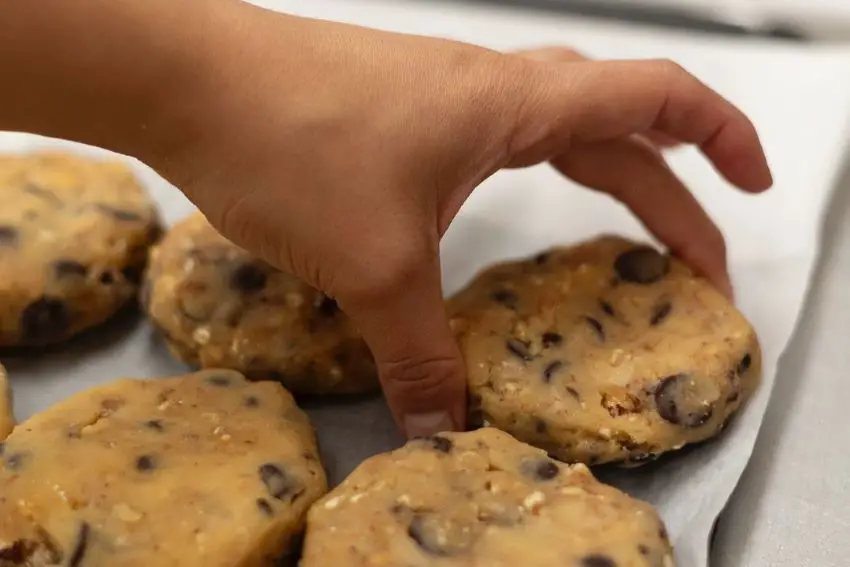
Chocolate Chip Walnut Cookie at Vulevú Bakery

If you’ve ever had the hyped-up Levain Bakery chocolate chip cookies, you’ll know what I’m talking about here. Vulevú Bakery’s chocolate chip walnut cookie is similar: chewy, nutty and generously packed with gooey chocolate chunks. It’s like edible therapy.
(Córdoba 234, Roma Norte)
(Vulevú Bakery)

Bagels at Lepu

Nothing beats an NYC bagel for this former New Yorker — calm down, Montrealers. Bagels Lepu is the best you can get in Mexico City. Whether you’re after a plain, everything or sesame seed bagel, Lepu and its innovative schmears will hit the spot.
(Havre 52, Juárez)

Hot Chocolate at Tout Chocolat

For those chilly moments when you need warming of the tummy and the soul, Tout Chocolat is your go-to. Their high-quality cacao comes in a variety of different percentages, up to 72% cacao content for those who like a more bitter concoction. Don’t forget to add a lightly toasted marshmellow for the ultimate treat.
(Multiple Locations)

Rosetta’s Raisin-Chocolate-Walnut Bread

I know, I know. Rosetta is already on everyone’s radar. But this raisin-chocolate-walnut amalgamation is a lesser-known, must-try of the bakery. It’s breakfast, dessert and snack all rolled into one glorious mini-baguette — the Swiss Army knife of baked goods.
(Multiple Locations)

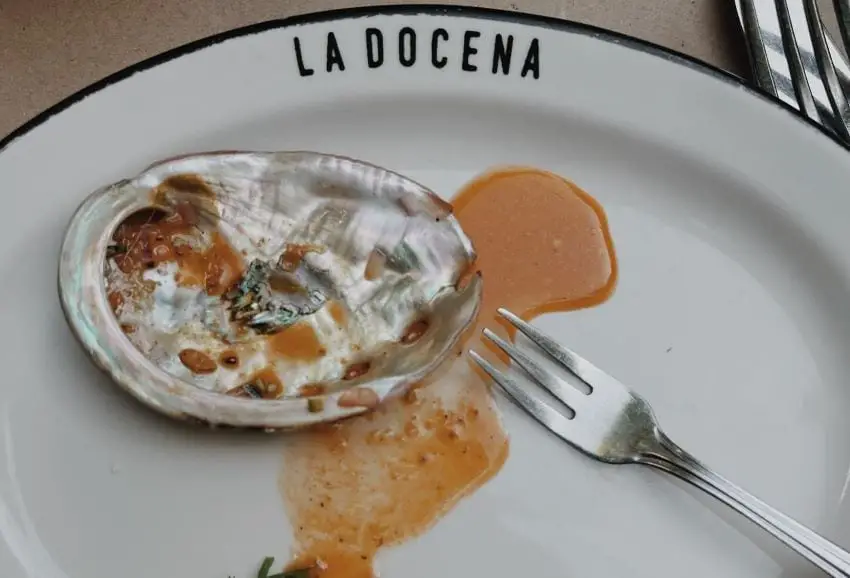
Oysters at La Docena

La Docena’s oysters are so fresh, you’ll swear you can smell the sea. Perfect for enjoying in a seat at the bar when you’re feeling bougie on a Tuesday afternoon. Order a glass of prosecco if you’re feeling extra bubbly.
(Multiple Locations)
(La Docena)

Fried Chicken at Muy Gallito

When you need it, you need it. Muy Gallito’s crispy, juicy fried chicken answers the call. It’s a pleasure that satisfies those deep, crunchy, primal cravings. Whether you go for the classic or something with a spicy kick, you won’t be disappointed.
(Multiple Locations)

Shabu Shabu at Kura

On a rainy or chilly day, nothing hits the spot like a steaming pot of shabu shabu at Kura. This Japanese hot pot dish is not just a meal but an experience– cook your own meat and veggies in two different broth flavors over a fiery portable stove with friends, for this DIY activity.
(Colima 378, Roma Norte)

Shawarma Bowl at La Hummusiya

La Hummusiya’s shawarma is a magic carpet ride for your taste buds. It’s fast, flavorful and so satisfying. Juicy, perfectly seasoned meat is paired with your choice of hummus, salad or roasted veggies. Best for when you’re famished, but also have high standards.
(Av. Tamaulipas 141, Hipódromo)

Yogurt Honey Gelato at Quiero Gelato

Quiero Gelato offers housemade Italian-style gelato in a variety of scrumptious flavors, but the Yogur con Miel flavor is an absolute winner. Tangy marries lightly sweet in a bed of perfectly creamy texture. Enjoy it nestled in a waffle cone while walking along lush Avenida Amsterdam. (Ámsterdam 137, Hipódromo)

Now, the next time your palate demands satisfaction, you know where to turn. At the very least,  this is your little black book of flavor, filled with new delights to try. Have you uncovered a divine craving-satisfying treat? Sharing is caring — unless, of course, it’s the last bite. Let us know what your favorites are in the comments below!

Monica Belot is a writer, researcher, strategist and adjunct professor at Parsons School of Design in New York City, where she teaches in the Strategic Design & Management Program. Splitting her time between NYC and Mexico City, where she resides with her naughty silver labrador puppy Atlas, Monica writes about topics spanning everything from the human experience to travel and design research. Follow her varied scribbles on Medium at https://medium.com/@monicabelot.
A celebration of food: From Indian roots to Mexican flavors

6
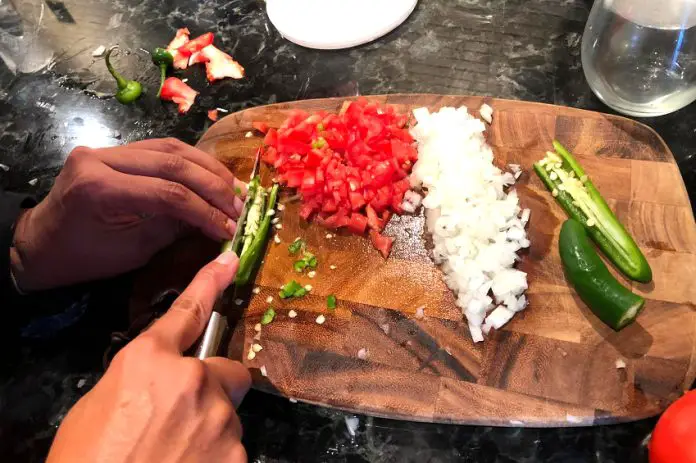
Hands chopping tomato, onion and jalapeño
Tamanna Bembenek has been exploring Mexican flavors in her kitchen, finding some similarities with the Indian food she grew up eating. (Courtesy)

Unlike Travis, my husband and co-owner of Mexico News Daily, I have a deep passion for food.

As a little girl growing up in India, I loved cooking in my toy kitchen. It was my first real experience with experimentation and exploration. I was fascinated with the colors, textures and fragrances of all the spices — especially, I loved the messiness of it all.

Similar to Mexico, food is an integral part of the social fabric in India. Everything revolves around meals. You cannot enter someone’s home, even for a moment, without being offered — or rather, forced — to eat something.

Fruits and vegetables are only grown in certain seasons, following the yearly monsoon season, which guarantees the freshness of ingredients. I didn’t see anything frozen or canned growing up. There are “cooking rules” based on Ayurvedic principles that provide guidance on mixing ingredients for better health and digestion. Such “cooking rules” are commonplace in traditional cooking, and increasingly, science is showing that our gut microbiome is heavily linked to our mental and physical well-being.

However, you’d also find Indians flocking to street vendors who make the greasiest, most delicious street foods every night, because food is also about family and fun.

Most Indian kitchens are simple and utilitarian. You would rarely, if ever, see a fancy marble countertop in an Indian household or a “chef’s kitchen” type arrangement. Generally, you’d find a set of three or four not particularly fancy, sharp knives, used for almost everything.

The entire cooking process in India is extremely laborious. Preparation work — including washing, chopping, peeling, grating, grinding, boiling, and roasting — takes hours for each and every meal. The preparation of each dish follows a strict time sequence from start to finish. An interesting observation when watching Indians cook is that they don’t use measurement tools. Instead, they rely on generational knowledge passed down through the women in the household. This intuitive and experimental approach has helped them become expert chefs.

It wasn’t until my twenties that I really started cooking Indian food, following actual cookbook recipes. That is when I also realized how food in that culture has always been a metaphor for coming together, sharing, connecting and making new memories. They say that in India, one never eats alone. You always have company: family, friends, work colleagues, random guests, or anyone you can think of. If eating is a social activity in India, then snacking is an all-day sport.

Living in Mexico brings back many of these memories, both in the kitchen and on the streets with food stands on every corner. Good food is not merely a necessity (and hence, an inconvenience) or a luxury (and hence, a status symbol); rather, it is a critical part of the culture, a daily social and communal activity.

I am certain that there is so much to share, so much to learn from the culture of food in Mexico and from Mexican flavors.

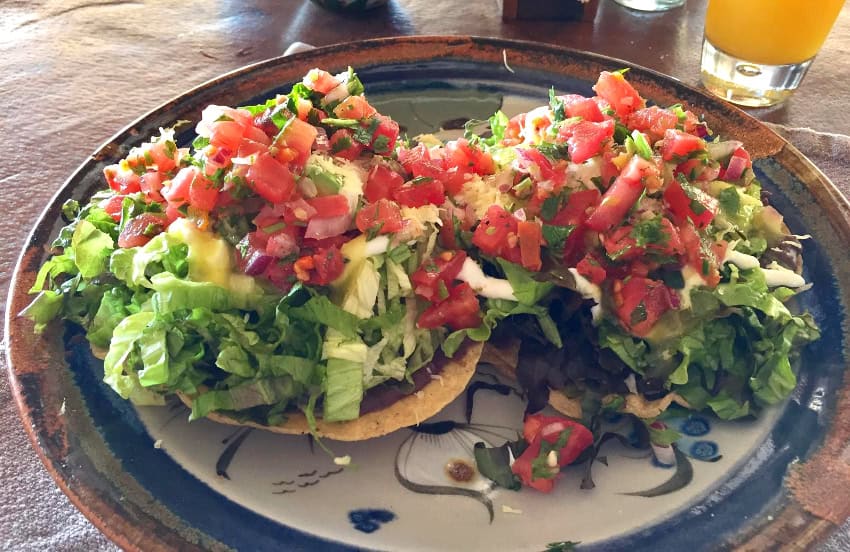
Tostadas with pico de gallo
Mexican food is full of complex, fresh flavors, even when prepared with simple ingredients. (Courtesy)

Here are some of my observations on Mexico and its cuisine, and part of the inspiration behind our expanded Food and Drink section on MND:

Life is never too busy to enjoy good food

Whether it’s the street vendors making tacos or tamales, small-town markets with baskets full of fresh, beautifully colored veggies and fruits, farmers selling fresh produce on the weekends, or Mexican women going door-to-door selling freshly made blue corn tortillas or ready-made fruit medley, food is at the center of all activities.

A double-oven kitchen is not very useful in Mexico

A lot of the food in Mexico seems to be cooked on the stovetop or on a grill. Personally, this is something very easy for me to relate to, given my own upbringing. Whether you have hired help or not, you don’t need to load up your fridge with pre-packaged foods because it is fairly easy to find neighborhood markets and bakeries for fresh veggies, meats or bread.

The look of your kitchen is less important than its function

HGTV’s kitchen remodeling hosts would be horrified by the lack of a one-piece sealed marble island in a typical Mexican kitchen. Fancy appliances and gadgets seem to matter a lot less than traditional manual tools like a stone mortar and pestle. One sharp knife, maybe two, is all you need in your daily life if you like to cook. Because indoor-outdoor living is so common in most parts of Mexico, kitchens are also not used for dining except for high-rise living.

Simple ingredients but complex flavors, rooted in tradition and history

There are more than 60 types of chilies and 59 types of native corn in Mexico, showing how simple things can produce complex dishes.

Corn in Mexico is as common as wheat in Europe or rice in Asia. The Mexica (or Aztecs) used corn with other basics such as beans, squash and grains to make simple, yet well-rounded dishes, full of vitamins and minerals.

In fact, to prove my point here, check out María’s article today in our Taste of Mexico series about corn!

Mexican markets are a must-visit

There’s nothing quite like it — an explosion of smell, color, noise, smoke, and local delicacies, not to mention the commotion and activity you will witness during your visit.

With MND’s expanded Food and Drinks category, we hope to introduce you to Mexican markets and flavors, with fruits and veggies that you may not have tried yet, along with a bit of history and traditions.

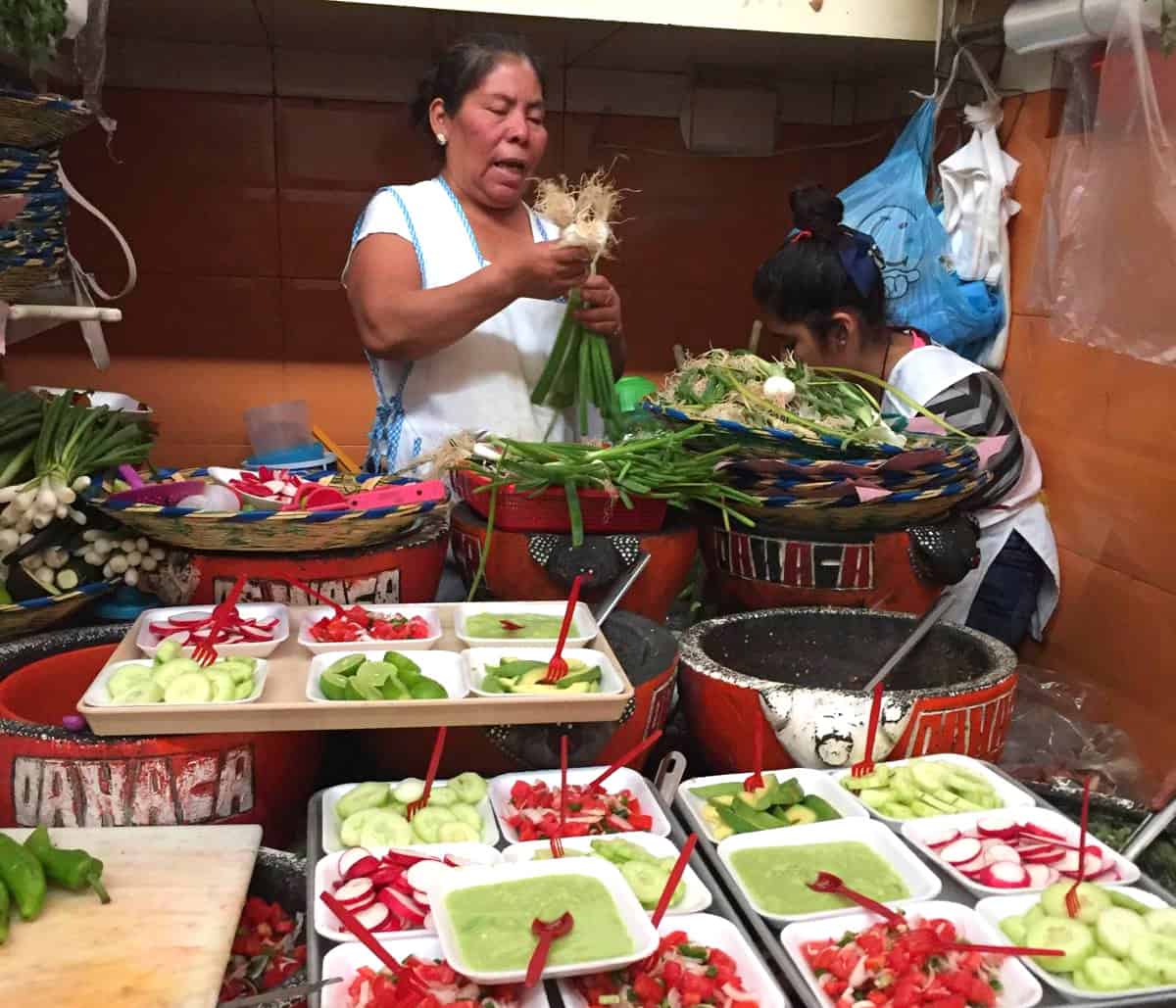
Mexican woman in a market preparing food
Mexican markets are rich sensory experiences, filled with intense flavors, smells and colors. (Courtesy)

Pride in regional flavors

While tortillas are universal, Mexican dishes vary sharply by region. There are notable Middle Eastern, Caribbean and Mediterranean influences in some dishes.

Mexico City is an international foodie paradise

The food scene in Mexico City is unparalleled in terms of ethnic diversity, fusion, variety, quality, density of restaurants, price elasticity, friendliness, and character. MND is looking forward to introducing you to this culturally diverse food scene by visiting a few of our favorites that we believe may beat NYC or Hong Kong in world-class quality.

Desserts have more flavor, but less butter and sugar

Even a strawberry shortcake tastes fresher here than back home, with a focus on the actual strawberries rather than the sugar, cream and butter.

For all these reasons and more, the team at Mexico News Daily is excited to double down on our food and drink content.

There’s no shortage of recipes and cooking shows on TV or social media platforms. But sometimes, you just want to learn how to make a world-class tamarind margarita with your basic, yet delicious blue corn tacos, maybe with a little entertainment about the history of ancient pre-Columbian peoples of Mexico.

Our hope is to bring you all of this in a non-intimidating and entertaining way — as Anthony Bourdain once said, “your body is not a temple, it’s an amusement park. Enjoy the ride.”

More from Tamanna on MND:

Becoming a kid again: How Mexico has unleashed my inner childhood superhero

Mexico and mental health: Exploring the power of traditions and faith

Behind the scenes at Mexico News Daily: Our interview on ‘Mexico Matters’ podcast

3 things I learned from moving to Mexico and buying a business

Tamanna Bembenek was born in India, studied and worked in the U.S. and lives in Mexico with her husband, Travis. They are the co-owners of Mexico News Daily.

Taste of Mexico: Elote

3
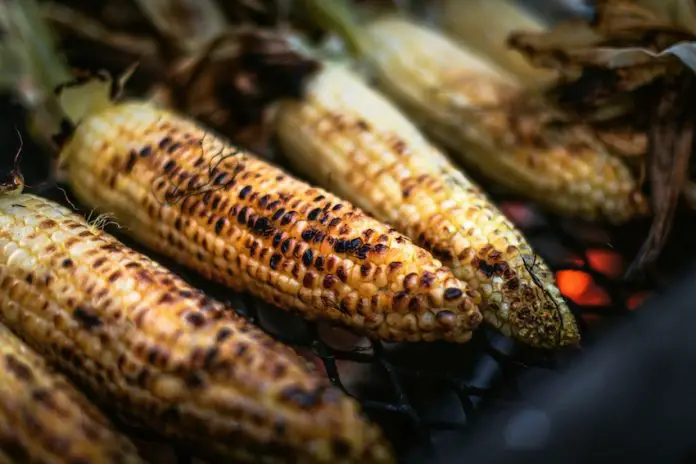
Corn elote
Corn. Corn. Corn. Corn. Corn. Corn. Corn. This is the real taste of Mexico. (Tim Mossholder/Unsplash)

In the past, when swearing was highly disapproved of, people used to be quite creative in expressing their feelings without offending anyone. That’s how one of my favorite expressions came to be: “Hijo de tu maíz” or “Hijos del maíz” (Son(s) of a corn), which substitutes the word “madre” with “maíz.” This isn’t just a clever euphemism; it’s packed with history and meaning. This reverence for corn has placed the humble elote at the forefront of Mexican culture.  

The traditional diet of pre-Hispanic cultures mainly consisted of corn, squash, beans, and chili, with corn holding a special place in our culture as it was the sole ingredient present in all the founding myths and legends of Mesoamerican cultures. For instance, in the Popol Vuh, the sacred book of the Maya, it is narrated that the first man was made from corn. So in a way, we are truly “hijos del maíz”. 

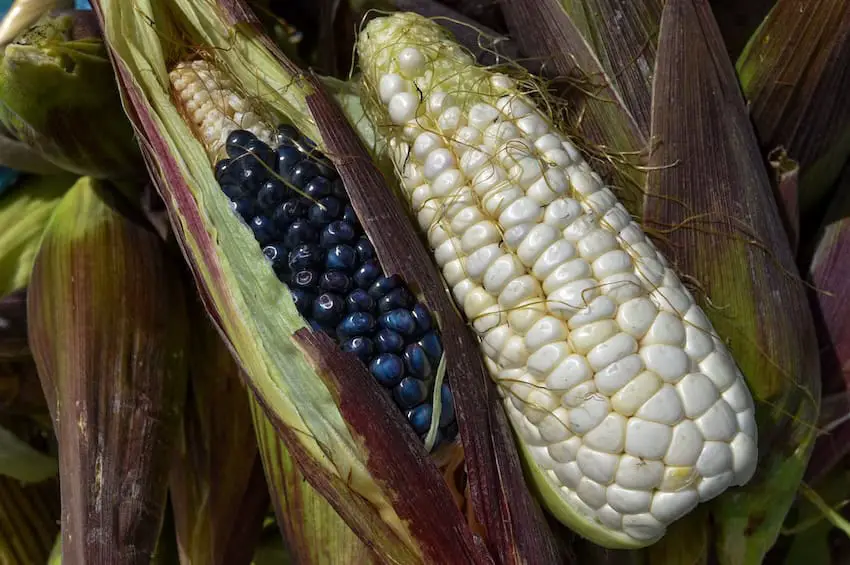
white and blue elote corn in Mexico
Blue (yes it is blue) and white elote might grow from similar plants, but their flavor is totally distinct from one another. (Crisanta Espinosa Aguilar/Cuartoscuro)

In everyday life, corn was used as currency, offered in rituals and ceremonies, given to neighboring communities to maintain peace and served as a staple food. In certain local communities, there are still festivals and rituals related to corn. For example, on September 14th in the Sierra of Guerrero, southern Mexico, the Xilocruz festival takes place, featuring crowds, fireworks, dancing, and ceremonies in the milpa (traditional Mexican fields) to bless the harvest.

How much corn is consumed in Mexico today?

In Mexico, yellow corn is mainly used for livestock and other industrial purposes. On the other hand, white corn, which comes in more than 50 varieties including purple, blue, and red, represents 20% of our annual food expenditure. Agronomists use the term “white corn” as a simplified classification for these varieties. 

  • Mexico consumes an average of 23 million tons of white corn per year.
  • Each Mexican consumes between 140 and 200 kilograms (300 and 440 pounds) of white corn annually.
  • The average Mexican consumes between 56 and 80 kilograms of tortillas(123 and 180 pounds) per year, about 6 tortillas a day and 2,206 tortillas a year.

What about the rest of the white corn kilograms, you may wonder? Well, the rest is consumed in the form of: elotes (corn on the cob), esquites (corn in a cup), tamales, gorditas, tlacoyos, corundas, uchepos, zacahuil, tostadas, tlayudas (deep breath), totopos, sopes, huaraches, pozole, quesadillas, flautas, salbutes, bocoles, atepipil, panuchos, chalupas. These are definitely all worth future articles of their own.

Back to the basics: el elote

I propose that we rediscover the pure taste of corn, which can change how we perceive corn-based flavors. I promise you that after this exercise, you’ll be much more discerning when trying tortillas, tamales, or chilaquiles.


View this post on Instagram


A post shared by Mexico News Daily (@mexiconewsdaily)

The “Do it yourself” way

  1. Purchase white corn from the supermarket or market. 
  2. If the corn still has leaves, remove them until only those attached to the kernels remain. Some people prefer to remove all the leaves and wash the corn well, but leaving the last leaves on can help retain more flavor. 
  3. In a large pot, boil enough water to cover the corn. Add salt to taste and a couple of epazote leaves. 
  4. Once the water is boiling, add the corn. Let it cook for 20 minutes or until tender. 
  5. Remove the corn, let it cool, and enjoy a bite as is, without adding anything.

The “Easiest” way

  1. Find your favorite corn stand and order an elote or esquites (corn in a cup). 
  2. When they ask, “With everything?” or “¿Con todo?” (lemon, salt, mayonnaise, cheese, and hot chili) respond, “Let me try it plain first.” 
  3. Take a bite of the corn and enjoy the pure flavor. 
  4. If you wish, return the corn and say, “¡Póngale todo!” or “Go ahead, add everything. I’m not afraid”. I usually just ask for lemon, salt, and a little mild chili.

The flavor of elote

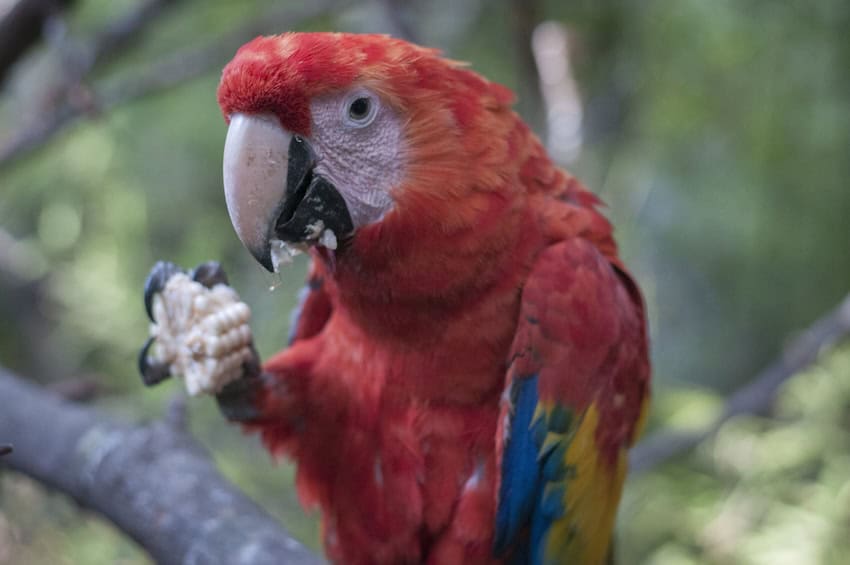
A macaw eating elote corn
Even the animals here are obsessed with eating elote. (Diego Simón Sánchez/Cuartoscuro)

Lalo Plascencia, a chef and researcher, describes the taste of the elote as “elegant.” He’s absolutely right. White corn has a very mild, herbaceous, slightly sweet flavor. In this week’s video, you’ll also see me preparing blue corn. Its flavor is more complex, earthy, smoky, strong and sometimes even bitter, but it still tastes like corn.

I also bought cacahuazintle. When roasted, it tastes spectacular. You can distinguish it because it has larger kernels, ideal for making pozole. Its flavor is similar to white corn but more starchy. Some people say it tastes like nuts; I don’t quite see it, but who are we to judge? 

Bonus tip: If you follow a vegan or vegetarian diet, use corn broth as a substitute for chicken or beef broth. It will create a completely different and outstanding flavor.

After our little experiment, we can chant you the tune we use to officially adopt fellow citizens: “¡*Insert your name*, hermano, ya eres mexicano!”

María Meléndez is a Mexico City food blogger and influencer.

A brief history of golf in Los Cabos

1
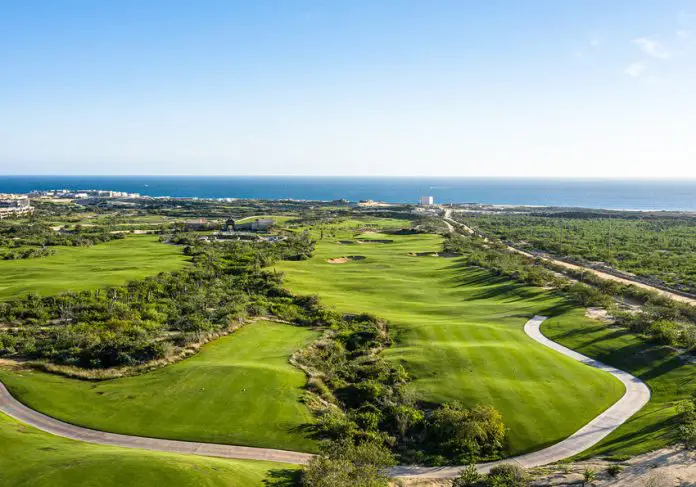
Tiger Woods' El Cardonal golf course in Cabo San Lucas
From Jack Nicklaus to Tiger Woods, Los Cabos' courses are the jewel in the crown of Mexican golf. But how did this unlikely piece of desert become a golfing Mecca? (Diamante Cabo San Lucas)

Any time golfers get ready to drive off the first tee in Los Cabos, they should first say a brief thank you to the late Don Koll. Nothing major, and certainly nothing to interrupt waggles or swing thoughts. Just a quick nod before addressing the ball to acknowledge that Los Cabos would likely never have become the incredible golf destination it currently is without Koll’s vision and foresight.

A major figure in Southern California real estate, Koll made three significant moves in Los Cabos during the mid-1980s and early 1990s. First, he bought land for the Cabo del Sol development in partnership with Robert Day in 1985. Second, he purchased the iconic Hotel Palmilla — now One&Only Palmilla — in 1986. Third, he paid golf legend Jack Nicklaus US $2.5 million to design golf courses for each.

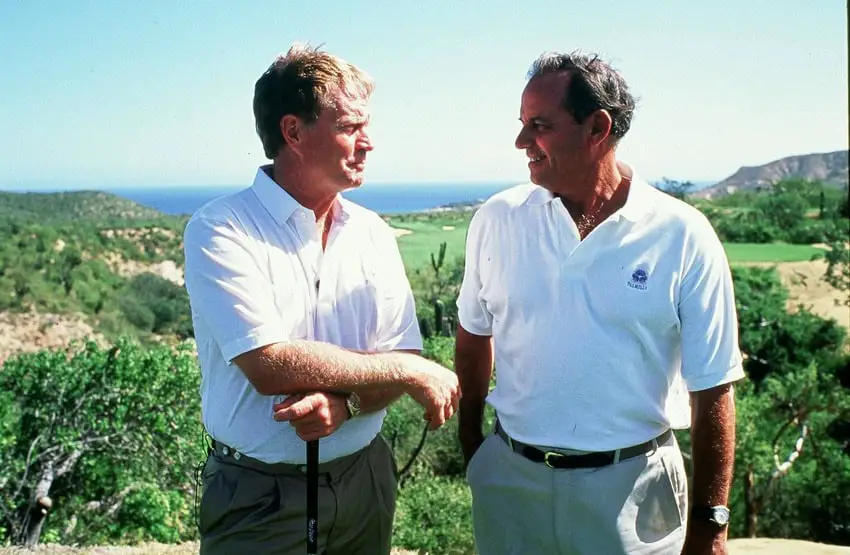
Don Koll and Jack Nicklaus at the Palmilla golf course in Los Cabos.
Don Koll and Jack Nicklaus at the Palmilla golf course, which Nicklaus designed. (The Koll Company)

How Jack Nicklaus put Los Cabos on the golfing map

Nicklaus, the all-time leader in major championships and then a burgeoning design superstar, knew the area well. He had been flying down for vacations in his Aero Commander since the 1960s. He was committed to taking advantage of the area’s diversity of ocean, desert and mountain terrains and felt he could create world-class layouts: in his words, a “Palm Springs by the sea” at Palmilla and a “Pebble Beach of Baja” at Cabo del Sol.

When the first 18 holes of golf opened at Palmilla in 1993, it was only the second local course. A Mexico City architect, Mario Schjetnan, had designed a modest 9-hole Fonatur course — now Vidanta Los Cabos — in San José del Cabo in 1987. But Nicklaus’ Tourist Corridor efforts were world-class. When his Ocean Course at Cabo del Sol premiered in 1994, Golf Digest wasted little time declaring it one of the world’s best.

Koll set the standard for golf in Los Cabos: big-name designers crafting spectacular courses in picturesque natural settings. Others soon followed in his footsteps. Eduardo Sánchez Navarro, another important Los Cabos developer, originally announced that Texan Joe Finger — a bilingual designer noted for many fine courses in Mexico — would create 27 holes at his Cabo Real resort and residential development. Palmilla, it bears noting, was also conceived as having 27 holes, and that goal was achieved when Nicklaus returned to lay out its 9-hole Ocean Course in 1999. 

But when Cabo Real was completed as an 18-hole layout in 1993, it was credited instead to course architect Robert Trent Jones, Jr., brought in for his greater name value to golfers from the U.S. Like Nicklaus’ designs, it was an instant success. Cabo Real hosted two Senior Slam tournaments in 1996 and 1999. These events pitted the four major winners of the previous year’s Senior PGA Tour. Raymond Floyd won the first by three strokes over Nicklaus, but the real winner was Los Cabos when network television cameras caught whales breaching in the background. 

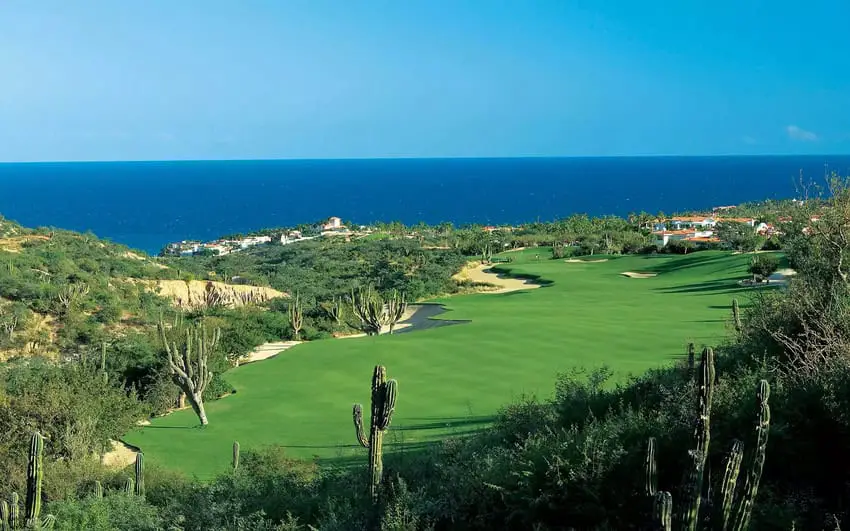
Palmilla golf course in Los Cabos
The One&Only Palmilla Golf Club in Los Cabos. (One & Only Hotels)

More pioneering courses in Los Cabos, including extensive private layouts

Plenty of golfers have played the Cabo San Lucas Country Club course since it opened in 1994. Developer Ed Reisdorf hired Roy Dye to design what the course, originally called Campo de Carlos. Dye’s son Matt helped, and after Tropical Storm Lidia in 2017, Mexican golf course architect Agustín Piza was brought in to remodel flood-damaged areas. It remains an enjoyable 18-hole course and is affordable by Los Cabos standards.

Meanwhile, no one but members and guests have played the Jack Nicklaus-designed El Dorado, which opened in 1999, and the Tom Fazio-designed Querencia, which premiered in 2000. That’s because these gorgeous layouts are very exclusive and very private. They’re also world-class. Particularly Querencia, which by 2016 had been named one of the “World’s 100 Greatest” by Golf Digest.

Nicklaus returns and Diamante earns rankings glory

Cabo Real was soon joined in Sánchez Navarro’s Questro Golf group by two courses in San José del Cabo: the Jack Nicklaus-designed Club Campestre, and what was originally a composite course at Puerto Los Cabos; meaning it featured 9 hole layouts from two different designers. One, of course, was Jack Nicklaus, marking his fifth Los Cabos design in 15 years. The other was Greg Norman. The idea was that each would later return to expand their 9 holes into 18. Nicklaus later did, so as at Palmilla, there are 27 holes available for play. The “Golden Bear” was joined by another major champion at Cabo del Sol when Tom Weiskop designed a Desert Course in 2001 to accompany Nicklaus’ masterful Ocean Course, now called the Cove Club. 

However, the most exciting new addition during the first decade of the 21st century was undoubtedly Davis Love III’s Dunes Course at Diamante. The links-style layout opened in 2009 and was immediately hailed as a masterpiece, climbing to 36th best in the world by 2017, per Golf Magazine. Diamante developer Ken Jowdy would follow up on this success by bringing in Tiger Woods for his design debut and inspiring a flurry of superb new courses on the Pacific Coast north of Cabo San Lucas. 

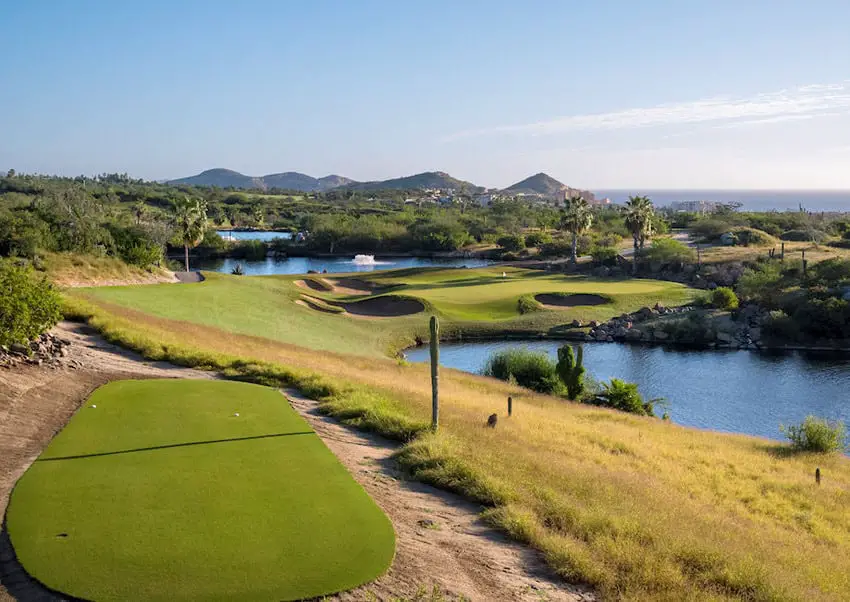
The Cabo del Sol golf course in Los Cabos
The Cabo del Sol course was Jack Nicklaus’ second in Mexico. (Cabo del Sol)

Tiger Woods builds a legacy in Los Cabos

By the time Tiger Woods opened his first restaurant in Los Cabos, he had already designed two golf courses and had a third on the way. He had also, by then, brought the PGA-sponsored World Wide Technology Championship to Cabo San Lucas, with the first local event hosted at his El Cardonal course in 2023. El Cardonal, Woods’ first completed course, opened at Diamante in late 2014. It was followed by the 12-hole par-3 Oasis Short Course in 2017. The exclusive, invitation-only Legacy Club development is expected to open its eponymous Tiger Woods course soon.

The courses at Diamante were the first of several on the Pacific Coast of Cabo San Lucas, as new layouts from Nicklaus and Norman debuted at Quivira and Solmar Golf Links, respectively. More are coming, including the Ernie Els-designed Oleada course in 2026.

Golf comes to Los Cabos’ East Cape region

So far, five major champions have designed courses in Los Cabos: Nicklaus, Norman, Weiskopf, Woods and Couples, with Els slated to be the sixth to join the club. 1992 Masters Champion Fred Couples, it should be noted, collaborated with Todd Eckenrode on the stylish Twin Dolphin course which premiered in the Tourist Corridor that connects cape cities Cabo San Lucas and San José del Cabo in 2018. Tom Fazio, the architect of the acclaimed Querencia course, opened his newest Los Cabos design, Chileno Bay, in 2016.

Robert Trent Jones Jr. has also returned. After scoring with his early Cabo Real layout, he designed Costa Palmas, the first course on Los Cabos’ picturesque East Cape, in 2020. The second is scheduled to be David McLay Kidd’s Baja Bay Club, although a completion date has yet to be announced for this project. 

For those counting, that’s 18 courses currently open, including one that hosts a PGA Tour event. Remarkably, all opened after 1987.

Chris Sands is the Cabo San Lucas local expert for the USA Today travel website 10 Best, writer of Fodor’s Los Cabos travel guidebook, and a contributor to numerous websites and publications, including Tasting Table, Marriott Bonvoy Traveler, Forbes Travel Guide, Porthole Cruise, Cabo Living and Mexico News Daily. His specialty is travel-related content and lifestyle features focused on food, wine and golf.

All the paperwork you’ll need for the dreaded trámites (and how to be prepared)

14
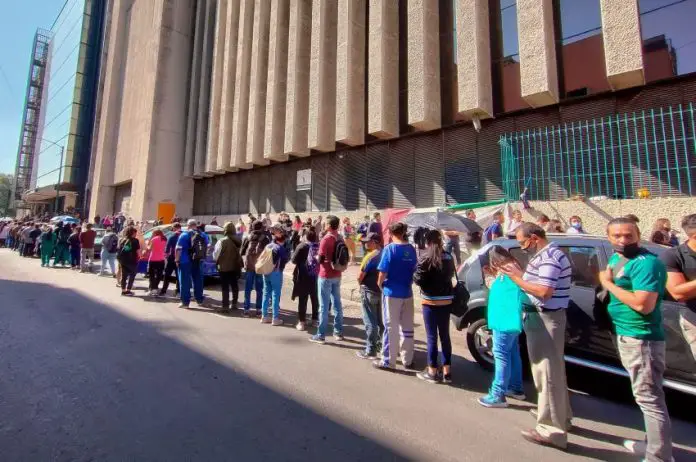
People waiting on line outside a SAT building, an example of Mexican bureaucracy
Signed? Sealed? Delivered? Don't tell Stevie Wonder but it turns out there's a whole lot more steps than those if you want anything done in Mexico. (Denisse Hernández/Cuartoscuro)

The time had come: I finally had all my paperwork to finalize the divorce I’d been trying to get for 3 years. Mexican bureaucracy, among other things, had meant it had taken so much longer than I ever thought it would, and COVID-19 hadn’t helped.

But as I stood in the divorce office of the Registro Civil, I sobbed, practically soaking the desk. To anyone walking by, it must have looked like that final step had devastated me.

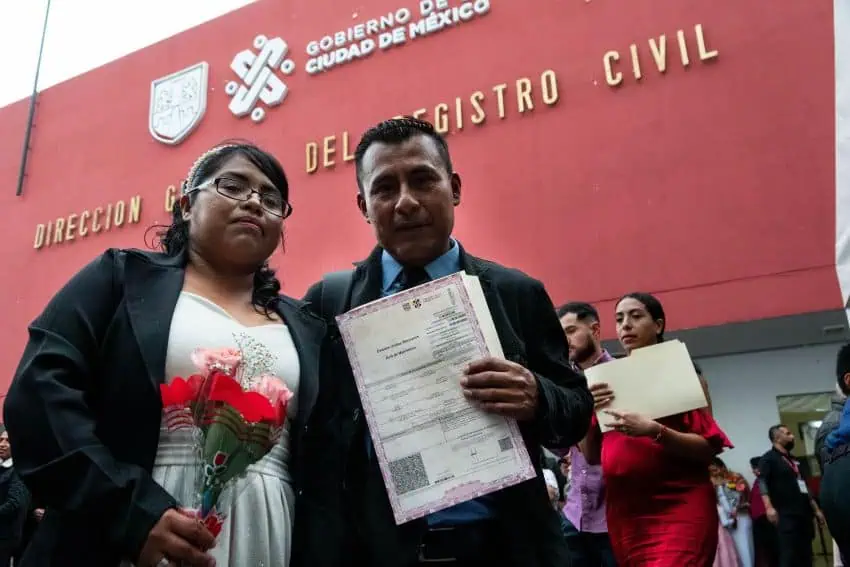
They’re happy now, but just wait until they find their marriage is invalid because his dog wasn’t correctly apostiled when he went to the registry office. (Galo Cañas Rodríguez/Cuartoscuro)

I wish that had been the reason for my tears. Alas, the cause was far more predictable: I didn’t have all the paperwork I needed.

I’d done everything I could to prepare. I’d checked online. I talked to the second-to-last-person in the office downstairs to ensure I had everything. I had the official sign-off from the judge, and copies of the official sign-off from the judge. I had a good lawyer friend look over everything. I was so sure that I was set!

But when the lady at the Divorce desk let out a sigh and a drawn-out “híjole.” — an adultier version of “uh-oh,” but with more regret and weariness — I knew my journey was far from over.

And I was right.

You only think you’re close

When I had my civil ceremony at that same civil registrar’s office, the rules hadn’t been that stringent. “You can just translate your own birth certificate, it’s fine,” they’d told me. By comparison, getting married was a little too easy.

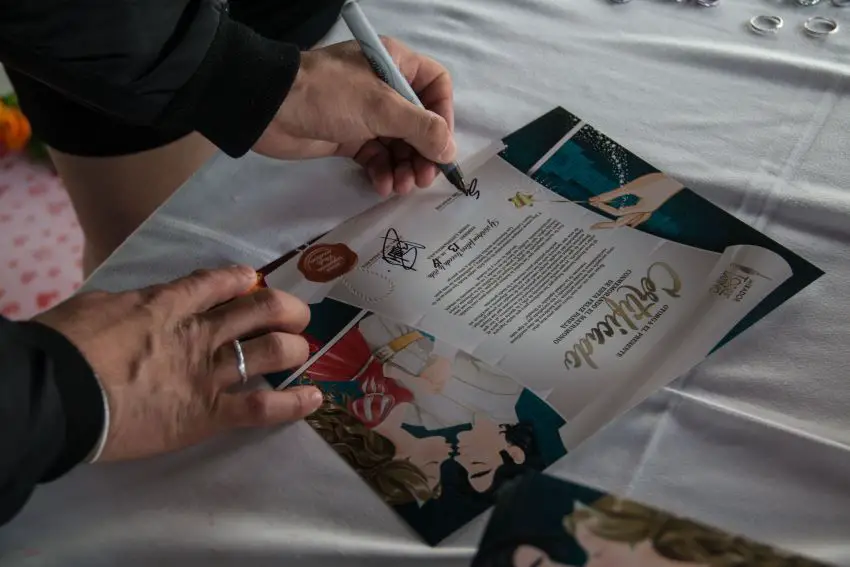
Getting married is about as easy as signing this horrendously tacky marriage certificate. It’s the getting out of it that’s the hard part. (Andrea Murcia/Cuartoscuro)

So what was I missing? Have you been on the edge of your seat? It turns out that, as a foreigner, I needed to have my birth certificate. And not just a copy of my birth certificate, lest you think “Oh, that’s all?”

No, I needed my birth certificate both apostilled and translated by a perito traductor: a Mexican certified translator.

An apostille? As in it needs to be notarized?

Oh, no, my friends. Not like a notarized document. A notarized document is child’s play. Notarizations, at least in the US, are simply to confirm that signatures on documents are valid. Notably, notaries in Mexico do much more than that. They also draw up legal contracts and documents. They are also notably more expensive. But that’s a topic for another article!

An apostille is a certification that validates public documents — such as birth and death certificates, marriage licenses and the like — for use in countries that are party to the 1961 Hague Convention. The document, of course, must be an officially certified document and not simply a copy.

In the United States, the certificate is created by your state’s Secretary or Department of State. In Canada, either Provincial authorities or Global Affairs Canada can help you.

What you must remember is this: they can only be obtained in your own country.

Apostille everything you can, and notarize the rest

A Mexican lawyer is great of course, but most of your paperwork needs to be signed at source – even if that means getting it from the other side of the world. (Freepik)

As you might have guessed by now, the easiest route is to get all this done well before you come to Mexico. If you’re planning on doing it by mail — even if you’re ordering online — leave several months for everything to get back to you just in case. But if you’re not too far away, I’d advise just showing up at the appropriate office to get it done that day.

What should all this include?

Birth certificates

Mexican authorities seem to ask for one’s birth certificate for everything. There’s nothing to gain in asking why — I often have to suppress my snarky “Proof of birth? I’m sitting here, aren’t I?” comment. Just know that they’ll need it.

If your name is different from your birth certificate — perhaps you changed it when you got married — you’ll need that to be as legally clear as can be, as well. In Mexico it’s not common for people to change their names, so you’ll need to be prepared to explain and show how that legally happened.

Death and divorce certificates

If you think there’s even a one-in-a-million chance that you might get married again, get these. You might want them anyway for questions of property and such as well, though that’s an area that I admittedly don’t have experience in.

Anything having to do with your kids

Custody papers, court orders, whatever: you’ll need them, especially if you’re a single parent with custody of your children. A friend of mine recently went through a nightmare when she tried leaving a vacation in Colombia with her son. Even though she had primary custody and a restraining order against her Colombian ex, the authorities would not let him leave until she procured the appropriate documents from the U.S. It took her two solo international flights and thousands of dollars to sort it out. Mexico is not Colombia, of course, but it’s certainly not something I’d risk!

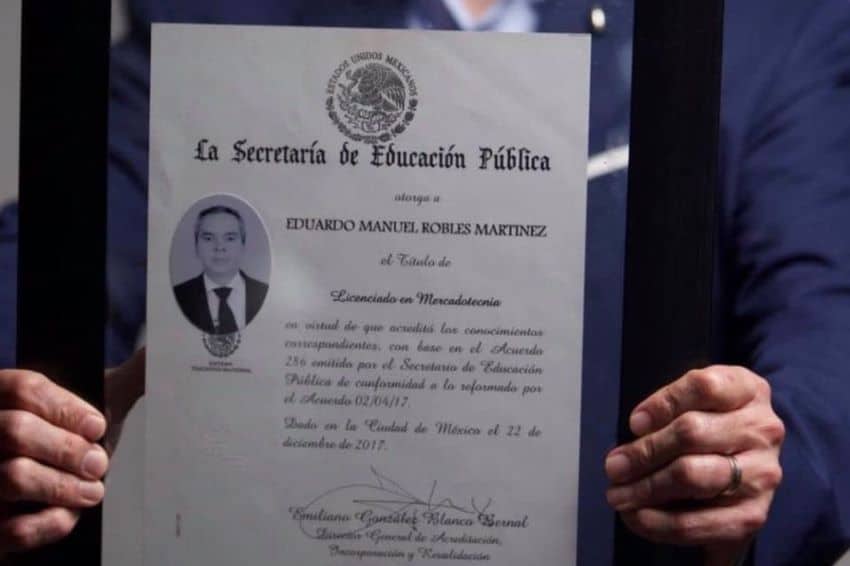
Diplomas, transcripts, school records

This man is proudly showing his qualifications. He’s now allowed to learn the truth about the eldritch horror responsible for Mexican bureaucracy. (Facebook)

If you want to go back to school at any point in Mexico, you’re going to need proof of your schooling in your country. Applying for a local job might warrant some official documentation for these things, as well. Likewise if you want to send your children to school!

Deeds and titles to property

Though it may be hard to imagine for what you might need these in Mexico, it’s simply a good idea to keep them around. You never know!

If you can’t apostille something, get it notarized

Not everything is apostille-able. While I can’t give you a complete list myself, I would encourage you to check with your local authorities and go ahead and get everything apostilled you’re able to.

For things that don’t qualify, go to a notary in your country, which is essentially the next best thing. When it comes to immigration, for example, you’ll likely need to show proof of income through banking statements. I personally was never asked for notarized versions of these, but it’s been a while. I wasn’t asked for an apostilled and translated birth certificate when I got married, either. Things change.

Better safe than sorry! For translations, just wait until you get here; the appropriate authorities will tell you if you need them or not, and if they must be done by a perito traductor.

So what happened with my birth certificate? Luck and generous family members, that’s what. Luck: my dad still lives in the city where I was born, and so does my sister. First, my dad went to the public records office, got a certified copy of my birth certificate, and mailed it to my sister. From there, my sister drove two and a half hours to the Secretary of State’s office in the state capital. She got it apostilled that day and FedExed it to me. I went to have it translated, and headed to the civil registrar’s office the next day.

That time, the only tears I was crying were tears of relief.

Sarah DeVries is a writer and translator based in Xalapa, Veracruz. She can be reached through her website, sarahedevries.substack.com.

31-year-old mayor of Nanacamilpa, Tlaxcala, found dead in his home

3
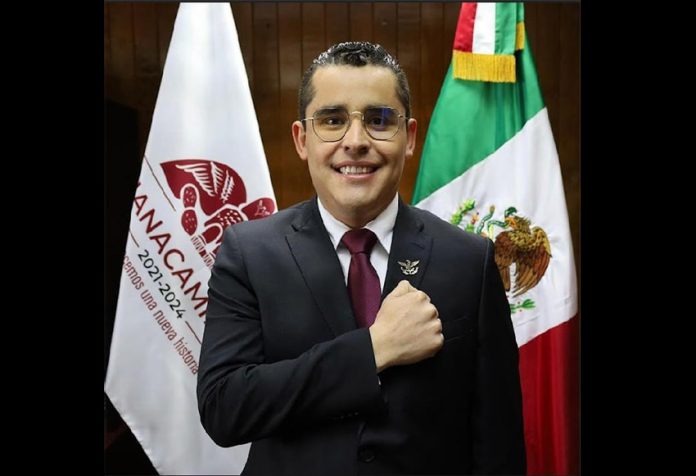
Oswaldo Romano, deceased mayor of Nanacamilpa, Tlaxcala.
Oswaldo Romano was 28 when he was elected mayor of Nanacamilpa in 2021, making him one of the youngest mayors in Mexico at the time.(Oswaldo Romano/Facebook)

The 31-year-old mayor of a municipality in Tlaxcala known for its firefly sanctuary was found dead inside his home late Thursday night, possibly having taken his own life with less than three days remaining in his term.

Oswaldo Romano Valdés was one of the youngest mayors in Mexico when the people of Nanacamilpa elected him at age 28 in 2021. His three-year term was set to expire on Saturday, with the new mayor to be sworn in the next day.

Affiliated in recent years with the National Regeneration Movement (Morena), Romano was a political prodigy who joined a party at age 15 and began his political career in 2014 as a 21-year-old member of the Nanacamilpa city council.

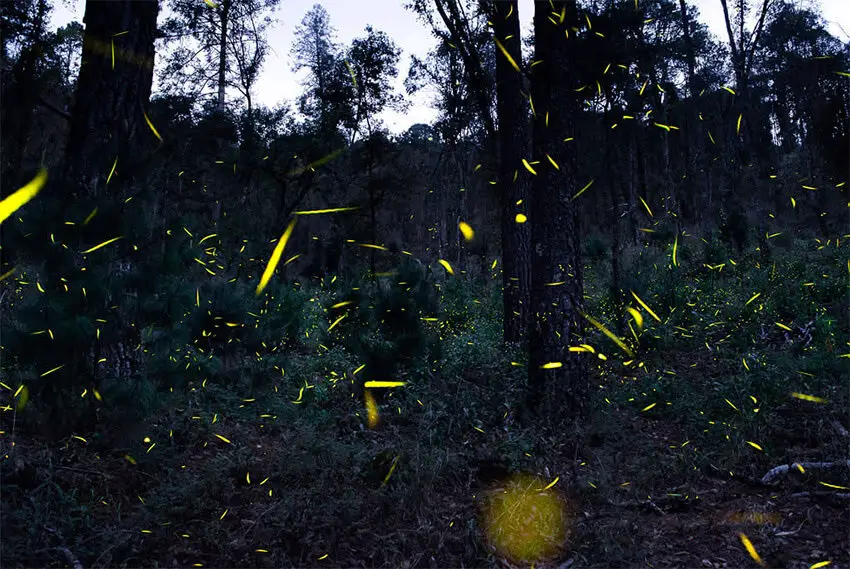
The municipality he governed includes the popular Santuario de las Luciérnagas, a firefly sanctuary two hours northeast of Mexico City that “is one of Mexico’s most stunning natural treasures,” according to Mexico News Daily.

Nanacamilpa (population 18,700) is in the western part of Tlaxcala, Mexico’s smallest state by area and its fifth smallest by population. It borders México state and Hidalgo but is almost entirely surrounded by the state of Puebla.

Police reported Romano’s death early Friday morning after receiving a 911 call from his family. According to police reports, his body was found by relatives after 11 p.m. Thursday with a gunshot wound to his head and a gun at his feet.

A Tlaxcala firefly sanctuary in the town where the mayor was found dead
Romano received criticism for not putting money into the area’s lagging firefly tourism industry. (Santuario de las Luciérnagas Nanacamilpa/Facebook)

The State Attorney General’s Office (FGJE) reported that the Public Ministry has opened an investigation into the cause of death.

His mother reportedly told police Romano was facing personal problems, so initial media reports speculated his death was a suicide.

Moreover, at 5:49 p.m. on Thursday, he posted a message on Facebook in which he stressed that people are not perfect and that elected leaders need help.

“One person can’t do it alone,” said his message, written in Spanish but translated here. “With the help of others, many things can be achieved and [the city will] move forward. One person alone cannot make the change, but with your help it is possible. We know there are people who think differently, not all of us are perfect.”

Some replied harshly, such as one person who wrote: “The townspeople cannot do it alone, but with officials like you, even less so. Instead of bringing Nanacamilpa forward, you left it in a deeper state than it was, not because of the people, but because of you and the minds you surrounded yourself with, making the city hall your ATM machine.”

Tlaxcala Governor Lorena Cuéllar sent condolences to the family and publicly described Romano as a great human being and a tireless fighter for Nanacamilpa. “His example of service and love for his people will always be remembered,” she said.

On Aug. 18, Romano posted on Facebook, “I love you life.” But one day earlier he shared a video in which he expressed that the final weeks of his administration had been difficult.

Just last week, the mayor’s office was shut down by police and other public security officials claiming they hadn’t received their last two paychecks. Some of them had reportedly gone on strike. They also said Romano had failed to deliver vouchers for children’s school supplies that had been promised.

Also, over the years, the mayor had taken heat for failing to put money into resuscitating the area’s lagging firefly tourism industry — which has picked up in recent weeks — and for not helping businesses hurt by the dropoff.

With reports from Infobae, El Sol de Tlaxcala and Milenio

Is Ovidio Guzmán now a protected DEA witness?

0
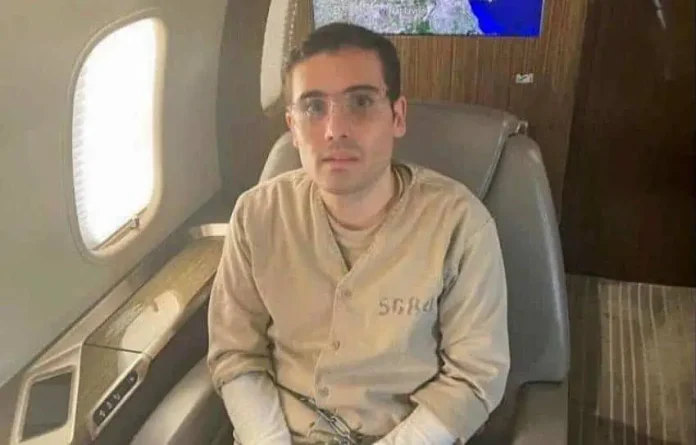
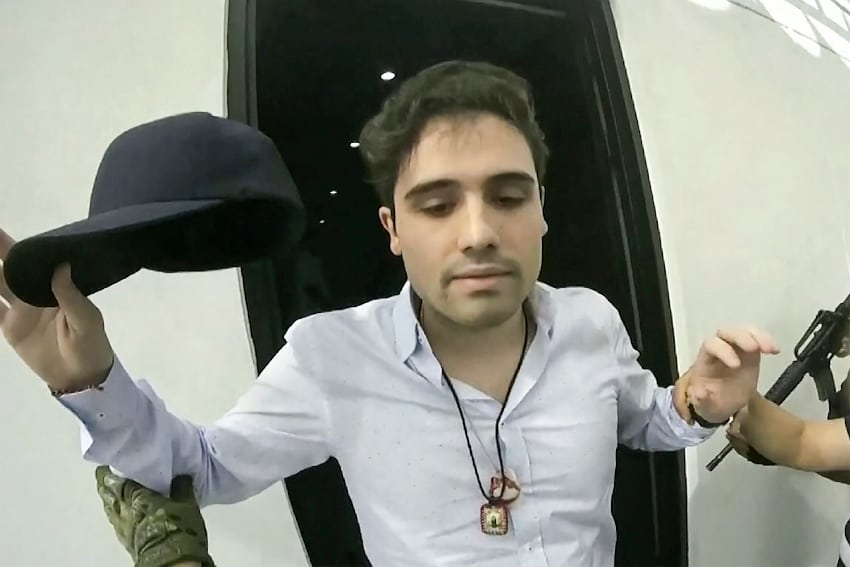
Ovidio Guzmán on his way to the US, where he is allegedly now in witness protection
Ovidio Guzmán was extradited to the U.S. in September 2023. (Cuartoscuro)

Alleged Sinaloa Cartel leader and accused drug trafficker Ovidio Guzmán López has reportedly entered the United States Federal Witness Protection Program — but some experts aren’t buying it.

El Universal reported Friday that it was notified by an unnamed Drug Enforcement Administration (DEA) source of Guzmán’s entry into the program operated by the United States Marshals Service.

Ovidio Guzmán
His brother and father are in U.S. custody, but where is Ovidio Guzmán? (Archive)

But as of Friday afternoon, neither government sources nor other news organizations had independently confirmed the report.

Dolia Estévez, a Washington-based journalist specializing in U.S.-Mexico relations characterized the report as “completely false” in a publication on the social media platform X.

Agreed. This is nonsense,” added New York Times criminal justice writer Alan Feuer.

Estévez said Ovidio is scheduled to appear in court Oct. 1 according to Nicole Navas Oxman, senior communications advisor for the U.S. Justice Department.

Meanwhile, according to award-winning Mexican journalist Arturo Ángel, “Ovidio Guzmán is not free nor is he lost. He’s under the custody of federal agents at a secure site while they analyze whether or not to admit him to a program of protected witnesses.”

Guzmán was arrested in Culiacán in January 2023 and extradited to the United States last September.

He was released from a high-security United States prison on July 23, two days before his brother, Joaquín Guzmán López, and Ismael “El Mayo” Zambada were arrested after flying into an airport near El Paso, Texas.

The Federal Attorney General’s Office said Thursday that it was unaware of Ovidio’s “current status” and of his location in the United States.

A screenshot showing that Ovidio Guzmán was released from prison
To add to the confusion, according to the U.S. Federal Bureau of Prisons website, Ovidio was released on July 23, two days before his brother and “El Mayo” were arrested. (U.S. BOP)

The DEA source told El Universal that his case is classified and he won’t make any public appearances.

According to the U.S. Marshalls Service website, that law enforcement agency “provides for the security, health and safety of government witnesses, and their immediate dependents, whose lives are in danger as a result of their testimony against drug traffickers, terrorists, organized crime members and other major criminals.”

“… The successful operation of this program is widely recognized as providing a unique and valuable tool in the government’s battle against organized crime and terrorism,” the website says.

“Witnesses and their families typically get new identities and funding for basic living expenses and medical care. Job training and employment assistance may also be provided. The U.S. Marshals Service provides 24-hour protection to all witnesses, while they are in a high-threat environment including pretrial conferences, trial testimonials, and other court appearances.”

Nicknamed “El Ratón” (The Mouse), Ovidio Guzmán López was accused of drug trafficking, money laundering, firearms offenses and other charges in the United States, where his father, Joaquín “El Chapo” Guzmán Loera is imprisoned in the “Supermax” facility near Florence, Colorado. He pleaded not guilty to all charges.

Before his release, Guzmán López — an alleged leader of Los Chapitos faction of the Sinaloa Cartel — was imprisoned in the Metropolitan Correctional Center in Chicago.

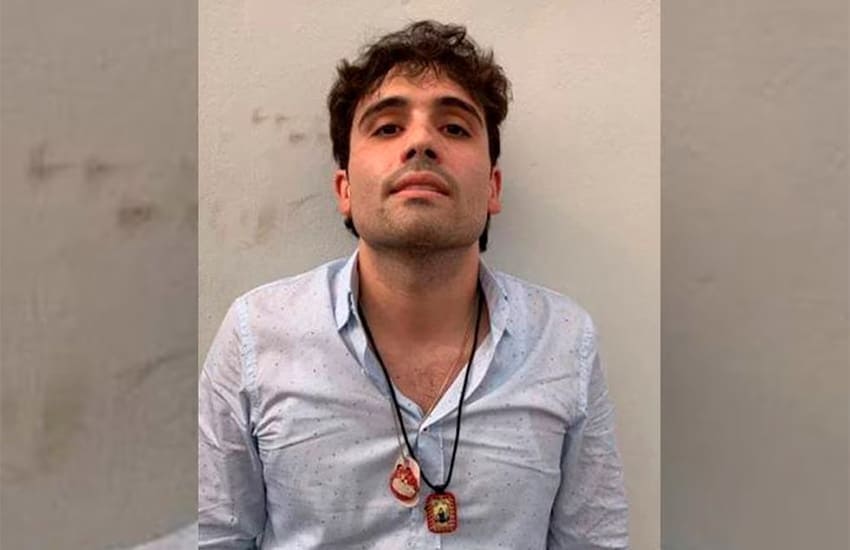
Ovidio Guzmán during his brief 2019 arrest.
Ovidio Guzmán, seen here during an unsuccessful 2019 arrest attempt, was taken into custody and extradited to the United States in 2023. (Cepropie)

His brother Joaquín is currently incarcerated at the same prison. Zambada, who founded the Sinaloa Cartel with Guzmán Loera and others, has accused Joaquín of kidnapping him and forcing him onto a U.S.-bound plane.

Mexico’s Security Minister Rosa Icela Rodríguez said on Aug. 6 that Joaquín turned himself in to United States authorities after reaching an agreement with Ovidio to surrender. That would suggest that they both planned to collaborate with U.S. authorities.

However, after Joaquín pleaded not guilty to drug trafficking and other charges in a Chicago court on July 30, lawyer Jeffrey Lichtman said his client did not have any agreement with U.S. authorities.

Ovidio Guzmán was first arrested in Culiacán in October 2019, but he was released by federal security forces after his capture triggered a wave of cartel attacks in the Sinaloa capital.

In a surreal episode two months after his second capture, he claimed in court that he wasn’t the son of El Chapo.

“I’m not the person they believe I am, that the United States is asking for,” Guzmán said.

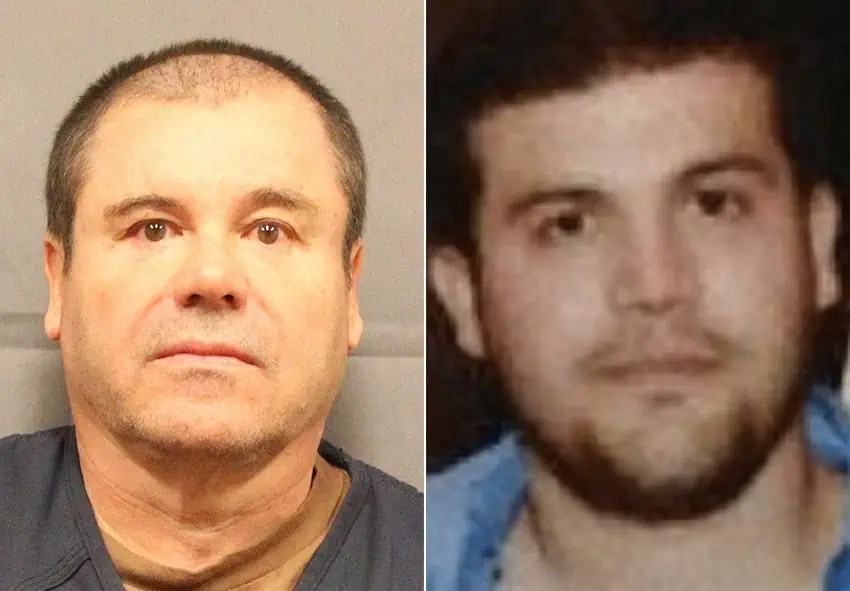
Joaquín "El Chapo" Guzmán Loera and his son, Joaquín Guzmán López
Ovidio’s brother Joaquín Guzmán López and their father, Joaquín “El Chapo” Guzmán Loera, both remain in U.S. custody. (U.S. DEA)

On April 14, 2023, narcotics, money laundering, and firearms charges were unsealed in Illinois against the four Chapitos: Ivan Guzmán Salazar, Alfredo Guzmán Salazar, Joaquin Guzmán López, and Ovidio Guzmán López.

“Today’s indictments send a clear message to the Chapitos, the Sinaloa Cartel, and criminal drug networks around the world that the DEA will stop at nothing to protect the national security of the United States and the safety and health of the American people,” DEA Administrator Anne Milgram said at the time.

“The Chapitos pioneered the manufacture and trafficking of fentanyl — the deadliest drug threat our country has ever faced — flooded it into the United States for the past eight years and killed hundreds of thousands of Americans,” she added.

With reports from El Universal 

Adiós, Gustavo: CDMX renames streets named for ex-President Díaz Ordaz

0
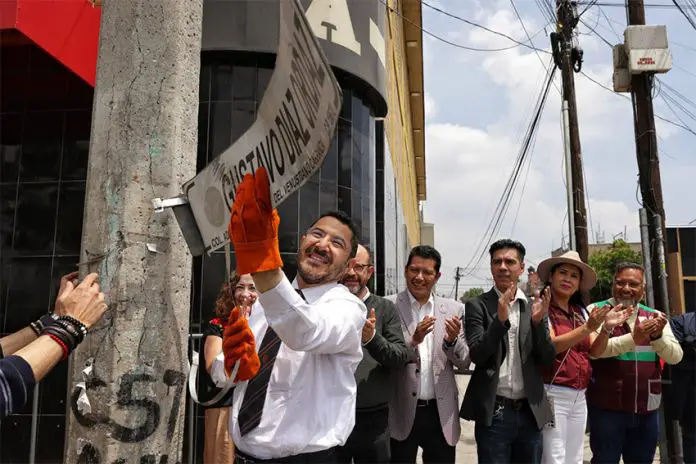
CDMX Mayor Martí Batres takes down a street sign with the name Gustavo Díaz Ordaz
Mexico City Mayor Martí Batres took down the first "Calle Gustavo Díaz Ordaz" street sign. (Martí Batres/X)

Goodbye — or good riddance — Gustavo.

Every street in Mexico City named after Gustavo Díaz Ordaz, the president in office when the military killed hundreds of students in the 1968 Tlatelolco massacre, will be renamed after distinguished Mexican women.

The first Calle Gustavo Díaz Ordaz to be renamed was that in the neighborhood of Adolfo López Mateos (the president who preceded Díaz Ordaz), located near the Mexico City airport in the borough of Venustiano Carranza.

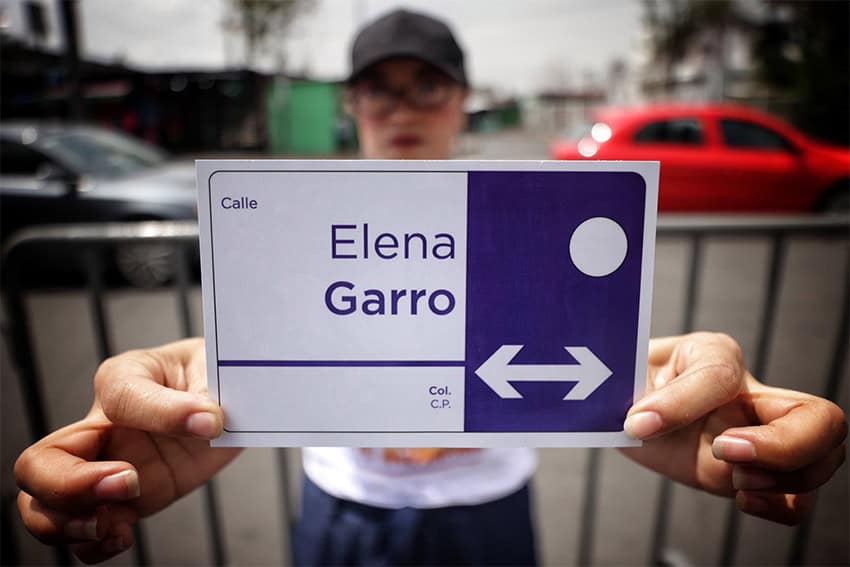
The street is now called Calle Elena Garro, named after the Puebla-born writer associated with the magical realism genre.

Another Calle Gustavo Díaz Ordaz in the Álvaro Obregón borough was the second to be renamed. It is now called Calle Benita Galeana, named after a writer and activist born in the state of Guerrero.

At a renaming ceremony in Venustiano Carranza last Saturday, Mexico City Mayor Martí Batres said there are 27 streets in the capital named after Díaz Ordaz and all of them will be renamed.

A Mexico City street sign with the words "Calle Elena Garro"
One of the streets that used to bear the name of an ex-president is now called Calle Elena Garro, after the famous Puebla writer. (Gobierno de CDMX/X)

“We’re going to give them the names of distinguished, valuable and talented women,” he said.

Batres said that the Mexico City government decided to change the names of streets named after people who don’t deserve that honor.

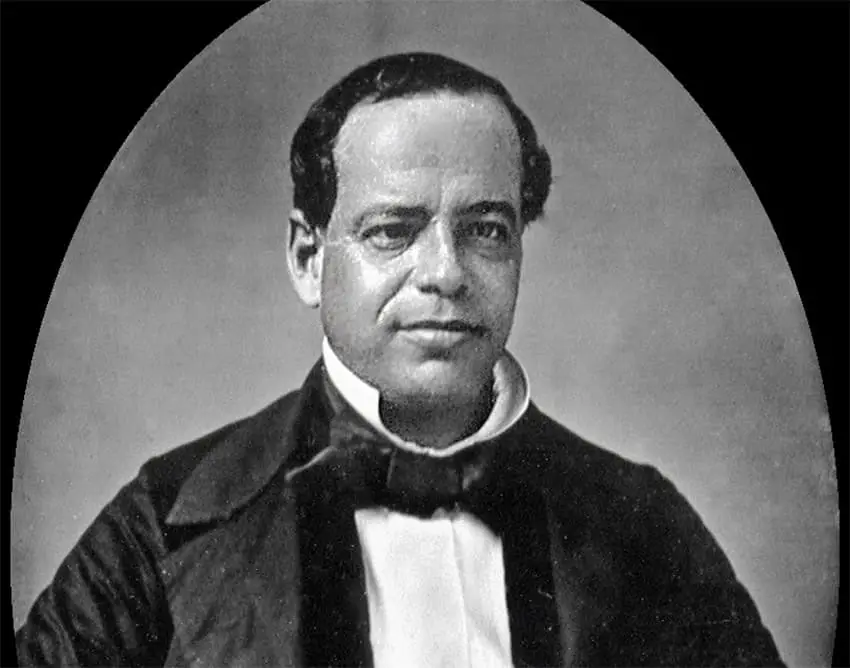
Among the other streets whose names will be changed are those named after Antonio López de Santa Anna, a 19th century president who is blamed for Mexico’s significant loss of land to the United States. 

“We’re starting with Gustavo Díaz Ordaz because that leader massacred the students in 1968,” Batres said.

A daguerrotype of Antonio López de Santa Anna
Next on the name-removal list is Antonio López de Santa Anna, a 19th century Mexican president/dictator. (SMU Digital Collections)

“We’re carrying out what we promised to do on March 8, International Women’s Day. We said that among the changes we would carry out would be to put the names of many women [on street signs] in Mexico City,” he said.

“… There are many women who deserve to be recognized and paid tribute to by giving their names to streets in Mexico City,” the mayor said.

Among the other women streets will be named after are painter Remedios Varo, poet and author Rosario Castellanos, politician and feminist activist Elvia Carrillo Puerto and activist and Mexican Revolution fighter Adela Velarde Pérez. 

Those women, and others, were chosen to have streets named after them in a citizens’ consultation process in Mexico City.

In 2018, 50 years after the Tlatelolco massacre, the Mexico City government took the decision to remove all plaques in the capital’s subway system that recognized federal or city authorities in power in 1968, including ex-president Díaz Ordaz.

The metro system was built during Díaz Ordaz’s six-year presidency and its first line started operations in 1969, a year before he left office.

With reports from El Universal and La Jornada 

‘Historic’ investment announced for 12 Mexican airports

1
Tijuana International Airport
The Tijuana International Airport is one of the 12 airports operated by Grupo Aeroportuario del Pacífico (GAP) that will be receiving significant investment in the next five years. (Cuartoscuro)

Pacific-coast airport operator Grupo Aeroportuario del Pacífico (GAP) announced this week that it will invest more than 52 billion pesos (US $2.6 billion) in its facilities from 2025-2029. The announcement boosted the company’s stock listings on Mexico’s stock exchange (BMV) and the New York Stock Exchange.

In a press bulletin released Wednesday, GAP said its “historic” investment demonstrates its commitment to substantially improving all 12 of the airports it operates in central and western Mexico.

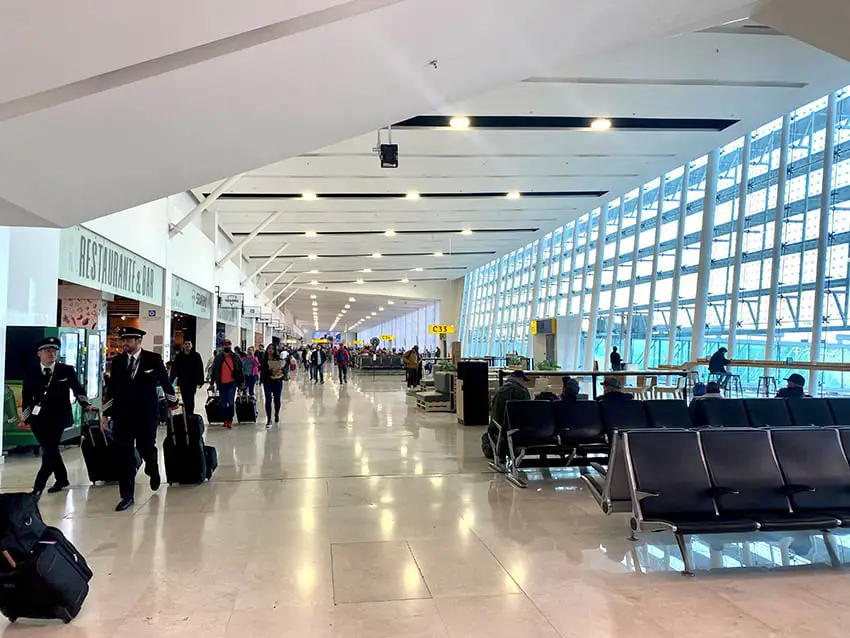
The interior of the Guadalajara airport
In addition to a new runway and terminal, the Guadalajara airport plans to add a mixed-use area with shops, restaurants and a hotel. (Wikimedia Commons)

“These investments are carefully calculated to add capacity to all GAP airports in support of the future growth of the regions in which they are located,” said Raúl Revuelta Musalem, CEO of GAP. “Our primary objective is passenger service but we are eager to contribute to Mexico’s economic development … particularly by attracting airlines that want to invest in Mexico.”

GAP operates 12 airports throughout Mexico, including the major cities of Guadalajara and Tijuana, as well as four tourist destinations: Puerto Vallarta, Los Cabos, La Paz and Manzanillo. 

Six other mid-sized cities are managed by GAP: Hermosillo, León, Morelia, Aguascalientes, Mexicali and Los Mochis. 

Four airports — Guadalajara, Tijuana, San José del Cabo and Puerto Vallarta — will receive 82% of the proposed investments, with Guadalajara getting 22.4 billion pesos (US $1.14 billion).

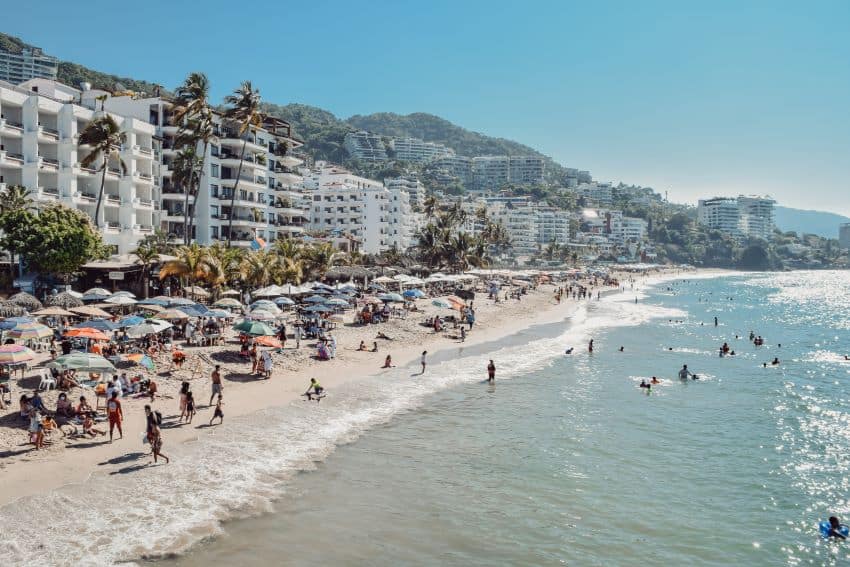
Puerto Vallarta beach
Beach destinations like Puerto Vallarta (pictured) and Los Cabos will have upgrades to their local airports. (Nicole Herrero / Unsplash)

GAP is building a new, 69,000 square-meter terminal at the Guadalajara International Airport which will increase passenger capacity by 70%, according to the company’s statement. GAP anticipates capacity will climb from 19 million passengers this year to 39 million passengers per year once the new terminal is completed. 

The airport operator will also be spending 9.8 billion pesos (US $500 million) to expand the terminal at the Tijuana International Airport, while shelling out an additional 6.9 billion pesos (US $350 million) to expand the Los Cabos International Airport’s terminal.

GAP’s Master Development Plan for 2025-2029 was approved by the federal Infrastructure, Communications and Transport Ministry (SICT).

According to the Master Plan, the investments will increase GAP’s overall terminal capacity by 60% and will add 45% more security checkpoints, as well as increase airfield space and allow for additional gates.

News of the announcement prompted GAP’s stock price to climb 9.1% to 336.9 pesos per share on Mexico’s BMV on Tuesday. Share prices reached 455 pesos by Thursday’s close. On the New York Stock Exchange, the company’s stock was up 6.2% on the week as of 1 p.m. Friday.

The 52 billion-peso investment is more than twice what GAP invested during the previous five-year period. GAP included just over 24 billion pesos for investments in its 2020-2024 Master Plan, more than 15.5 billion of which was spent on improvements at the Guadalajara airport, including a second runway.

With reports from Reforma, El Economista and Expansión

Zetas founder Osiel Cárdenas Guillén released from prison in the US

5
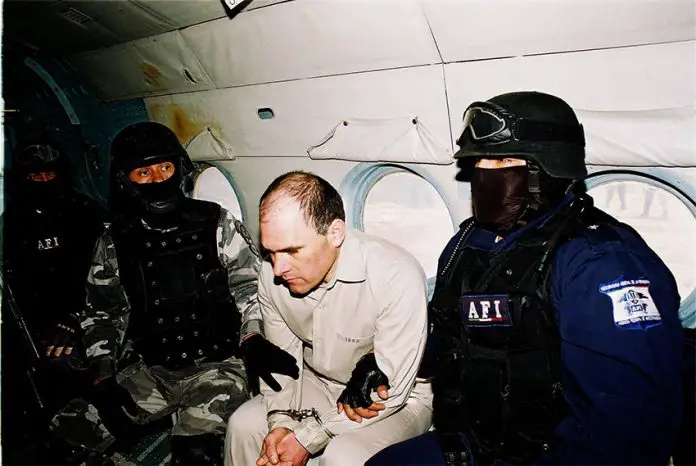
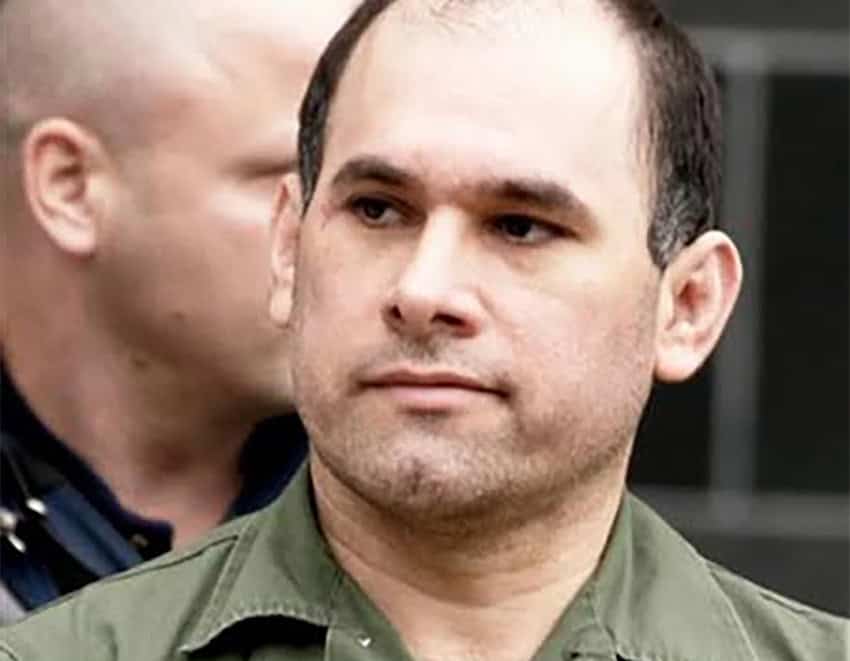
Zetas founder Osiel Cárdenas during his extradition from Mexico to prison in the U.S.
Mexican officials escort Cárdenas during his 2007 extradition process. (PGR/Cuartoscuro)

Osiel Cárdenas Guillén, a former Gulf Cartel leader and founder of Los Zetas criminal organization, was released from prison in the United States on Friday.

Cárdenas, 57, is a native of the northern border state of Tamaulipas. He was detained in Mexico in 2003 and extradited to the United States in 2007.

Osiel Cárdenas, founder of the Zetas
Cárdenas was arrested in Mexico in 2003. (PGR)

He reached an agreement with U.S. authorities and pleaded guilty in 2009 to the charges of drug trafficking, money laundering and making threats against U.S. federal agents. In 2010, he was sentenced to 25 years in prison.

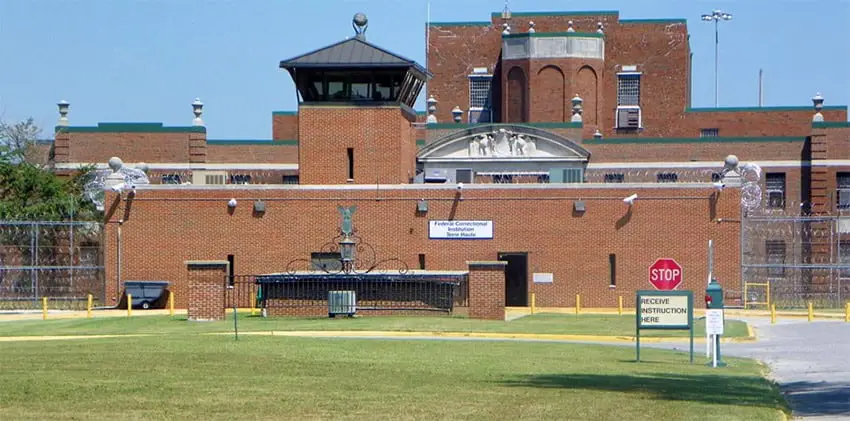
Nicknamed “El Mata Amigos” (The Friend Killer), the Zetas founder was released early from the Terre Haute Federal Correctional Institute in Indiana for good behavior. The years he spent in jail in Mexico before his extradition to the United States were also taken into account.

The Drug Enforcement Administration (DEA) told the El Universal newspaper that Cárdenas won’t be sent back to Mexico, where there are valid warrants for his arrest. A DEA official told El Universal that he is free to go wherever he chooses.

However, other media outlets reported that Cárdenas could be handed over to Mexican authorities. Citing a Homeland Security Investigations (HSI) source, the Milenio newspaper said that he was turned over to U.S. Immigration and Customs Enforcement upon his release from prison, though the U.S. is not deporting him.

Terre Haute Federal Correctional Institute in Indiana
Cárdenas was released early from Indiana’s Terre Haute Federal Correctional Institute for good behavior. (U.S. Bureau of Prisons)

“Osiel will stay in the United States indefinitely or until his migratory situation is fixed,” the HSI source told Milenio.

The Matamoros native was the leader of the Gulf Cartel (CDG) at the time of his arrest, and considered one of the most powerful drug lords in Mexico.

During his 1997-2003 leadership of the cartel, “the CDG controlled a mammoth cocaine and marijuana trafficking empire that rivaled those of other storied Mexican organized crime groups, including the Sinaloa Cartel,” according to Insight Crime, a think tank and media organization that focuses on organized crime in the Americas.

While leader of the CDG, Cárdenas created Los Zetas, which served as the cartel’s armed enforcer wing until it struck out on its own in 2010. Los Zetas initially consisted of deserters from an elite unit of the Mexican army.

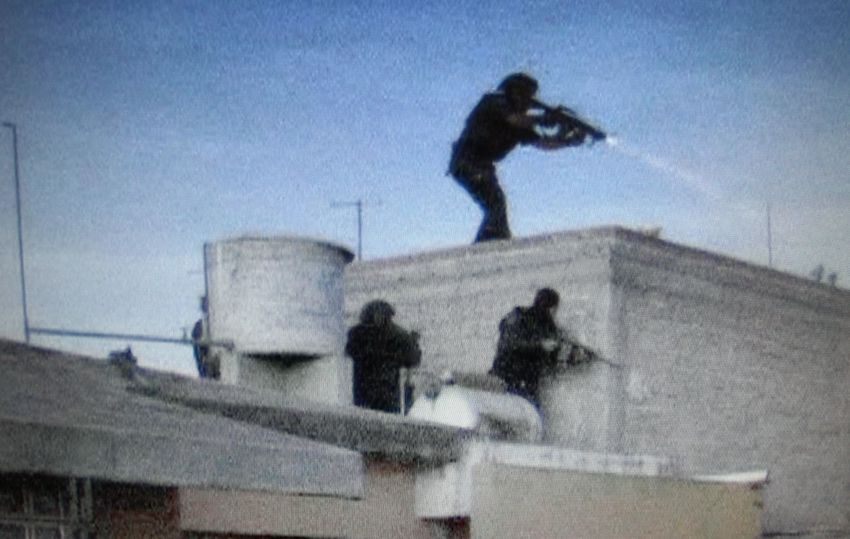
Zetas in military gear take cover behind a building
Cárdenas founded Los Zetas, which started as the enforcement branch of the Gulf Cartel. Here, a team of Zetas hitmen are seen ambushing a police convoy in Fresnillo, Zacatecas, in 2009. (SSPF/Cuartoscuro)

The group “professionalized Mexico’s gangland warfare by detonating an arms race and introducing a kind of brutal violence never before seen in the country,” Insight Crime reported Friday.

In 2010, Los Zetas murdered 72 migrants — 58 men and 14 women — in the municipality of San Fernando, Tamaulipas.

Michael Deibert, a journalist and author who wrote a book about the Gulf Cartel, told Insight Crime that Cárdenas is “arguably the most impactful, though not most famous, narco leader in Mexico.”

Mike Vigil, former head of international operations for the DEA, said that he was an “architect of extreme violence” and “his methods have become the blueprint for other cartels in Mexico.”

Insight Crime reported that Cárdenas “has no apparent remaining links to the CDG, which has fractured into smaller groups since his imprisonment.”

“However, the Cárdenas family remains a powerful force in Tamaulipas’ criminal arena,” it added.

With reports from El Universal, Milenio and Insight Crime