The newly sworn-in president, who turned 62 on June 24, has one adult daughter from a nearly 30-year marriage that lasted from 1987 to 2016.
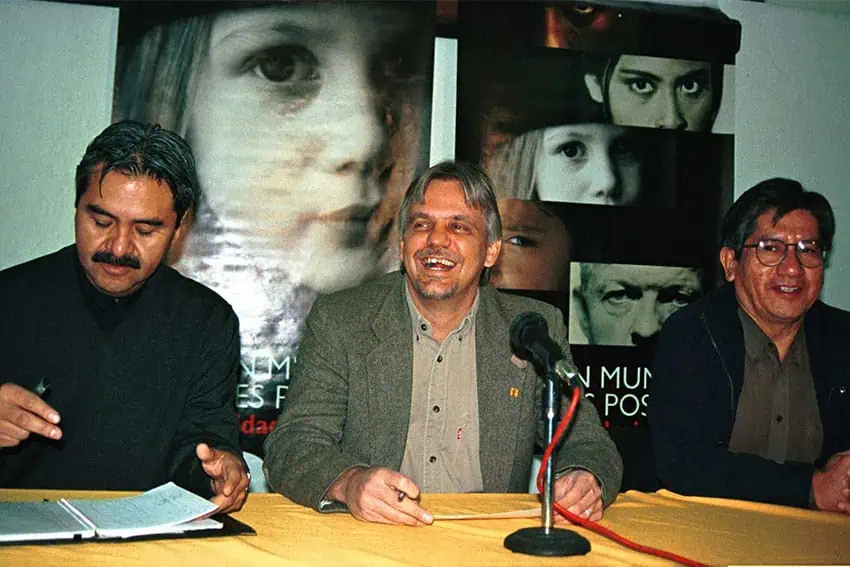
In the early 2000s, Carlos Ímaz Gispert was president of the Democratic Revolution Party (PRD) for Mexico City and also served as Delegation Head of the capital’s Tlalpan borough. (Susanna Navarrete/Cuartoscuro)
After meeting Mexican academic-turned-politician Carlos Ímaz Gispert in 1986, Sheinbaum married him in 1987 when she was 25. Two years later, Ímaz helped found the Democratic Revolution Party (PRD) and in the 2000s served as the party’s Mexico City head and also the Delegation Chief for the capital’s Tlalpan borough. During the same period in the 2000s, Sheinbaum was serving as Mexico City’s environmental minister under then Mexico City mayor Andrés Manuel López Obrador.
In 1988, Sheinbaum and Ímaz had a daughter, Mariana. Mariana and Rodrigo — Ímaz’s young son from a previous marriage — were raised as brother and sister, and Sheinbaum continues to have a very close relationship with both; most of her biographies list her as having two children.
Sheinbaum has also been a grandmother for the past 16 months — as Rodrigo Ímaz Alarcón and his partner had a son, Pablo, in May 2023.
Mariana Ímaz Sheinbaum, 36, followed her parents on an academic path that included a master’s degree in literary theory and comparative literature from the University of Barcelona. She then taught history and sociology at the National Autonomous University of Mexico (UNAM) and went on to earn a Ph.D. in philosophy at the University of California-Santa Cruz.
Mariana was already familiar with Northern California, having lived with her parents in the San Francisco Bay Area while her mother earned a doctorate in energy engineering at University of California-Berkeley. Sheinbaum’s doctorate analyzed the use of energy engineering in the Mexican transportation sector.
Mariana is now the academic coordinator of humanities at UNAM-Boston, which organizes lectures and other programs to foster ties between UNAM and Boston-area academic institutions. She has kept a low profile regarding her mother’s political work, apart from a few brief appearances in “Claudia: The Documentary,” a 2023 film directed by her stepbrother, Rodrigo.
Sheinbaum’s daughter, Mariana Ímaz Sheinbaum and stepson, Rodrigo Ímaz Alarcón appeared together in a documentary about Sheinbaum directed by Rodrigo. (Screen capture)
Rodrigo Ímaz Alarcón, 42, was very young when his father divorced his mother, Sandra Alarcón. He has studied at UNAM in Mexico City and earned a master’s degree in the arts in Valencia, Spain. He is now a visual artist who “uses drawing, printmaking, painting, photography, sculpture, film and installation as a means to critically question and represent contemporary events,” according to his personal biography.
His debut film, “Juan Perros,” is a 34-minute documentary about a forgotten man who lives with his pigs and a pack of dogs next to a garbage dump in the Mexican desert. It was shown in the 2016 Morelia International Film Festival. A reel of his film highlights can be seen on his website.
Claudia Sheinbaum was born in 1962 to a Mexican Jewish family in Mexico City, the second of three children. Her older brother, Julio, is a physicist and oceanography researcher, and her younger sister, Adriana, is a teacher living in the United States.
Adriana is married to Rodrigo García Barcha, son of the late legendary Latin American writer Gabriel García Márquez.
Their father, Carlos Sheinbaum Yoselevitz, was a chemical engineer and businessman involved in producing chemicals for curing leather. He died in 2013 at age 80.
Sheinbaum’s mother, Annie Pardo Cemo, 84, is a molecular biologist who received Mexico’s National Prize for Arts and Sciences in 2023. Earlier this year, she was part of the 2nd International Symposium on Experimental and Translational Medicine.
Sheinbaum’s paternal Ashkenazi Jewish grandparents immigrated to Mexico in the 1920s from Lithuania, and her maternal Sephardic Jewish grandparents came from Sofia, Bulgaria, in the early 1940s to escape the Holocaust.
In a 2018 NPR profile, Claudia says she celebrated major Jewish holidays at her grandparents’ homes, but that “her home life was secular.”
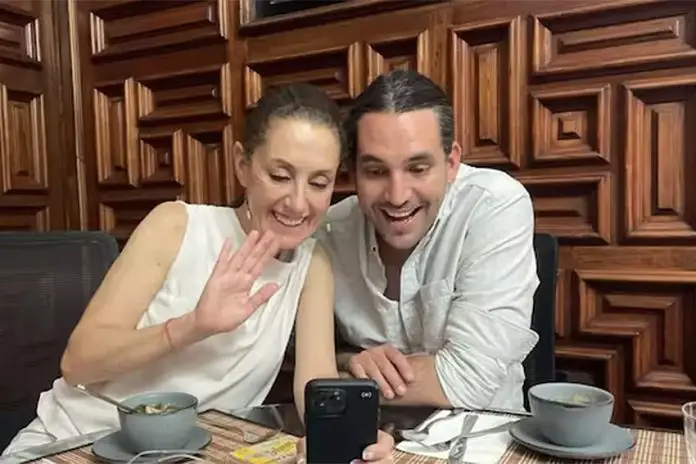
At the same time that she legally separated from Carlos Ímaz in 2016, she began dating and eventually married Jesús María Tarriba Unger, a mathematician and financial risk specialist at the Bank of Mexico since 2017. The Sinaloa native turned 62 on Sept. 1.
Sheinbaum and Tarriba had reconnected in 2016 — rekindling a romantic relationship they had cut short during their student years — and were married in a small civil ceremony in November 2023 in Mexico City.
Sheinbaum’s second and current husband, whom she married in 2023, is Jesús María Tarriba, a mathematician and financial risk analyst. (Sheinbaum/X)
Tarriba holds a Ph.D. from UNAM and completed a doctoral stay at the University of California-Irvine. In 1994, he received the Weizmann Prize in Exact Sciences for the best doctoral thesis, awarded by the Mexican Academy of Sciences.
He worked as a quantitative analyst at Banamex from 1994 to 1997, then moved to Madrid, Spain, where he lived and worked in the banking industry for 18 years.
The writer Dahlia de la Cerda has drawn attention for writing about what others are afraid to write about, and what people feel uncomfortable looking at: the reality of millions of women in Mexico. (Dahlia de la Cerda/Facebook)
In Mexico, as in much of the world, feminism has taken center stage in the political agenda at the same time as femicide and gender violence have escalated to unprecedented levels.
Feminist struggles have permeated all areas of daily life and literature is no exception. For years, Mexico has been home to a long list of women writers who discuss feminism and gender violence. Many of them have had international success in translations, including the great baroque-era poet Sor Juana Inés de la Cruz and the more contemporary Fernanda Melchor, Gabriela Jáuregui and Dahlia de la Cerda, among many others.
Dahlia de la Cerda at the Feria del Libro de Aguascalientes in 2022. (Luis Alvaz/CC-BY-SA 4.0)
Let’s talk about the latter. In the last year, de la Cerda has been a topic of conversation for the rawness of her texts and the forcefulness of her political position. Above all, she draws attention for writing about what others are afraid to write about, what people feel uncomfortable looking at: the reality of millions of women in this country.
Dahlia de la Cerda was born in the city of Aguascalientes. She studied philosophy and worked for years selling second-hand clothes in a flea market and roses on the street, answering calls in a call center, selling Avon products, and working in bars and in a candy factory. While doing all of these jobs and without a room of her own, de la Cerda wrote and participated in literary contests and cultural scholarships in the hope of earning extra money that would allow her to continue writing, studying and defending causes such as free, legal and safe abortion for all people able to gestate.
In 2009 she won the Los Arquitos Cultural Center’s Letras de la Memoria contest and in 2015 received a PECDA artist grant from the State of Aguascalientes. De la Cerda won the National Endowment for Culture and Arts’ (Fonca) coveted Jóvenes Creadores (Young Creators) grant in 2016 and 2018.
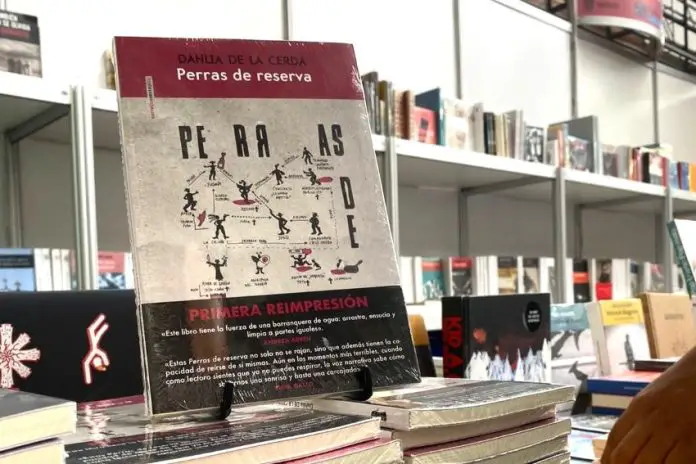
De la Cerda burst into prominence with her 2022 short story collection “Perras de Reserva,” a book of short stories that tear at the crudeness of gender violence, marginalization, racialization, clandestine abortion and femicide.
Co-translated into English by Julia Sanches and Heather Cleary, “Reservoir Bitches” won a PEN Translates award this July. (Scribe UK)
In her “Perras de Reserva” — which has since been translated into five languages and recently won a PEN Translates award as “Reservoir Bitches,” in Julia Sanches and Heather Cleary’s English translation — de la Cerda makes no concessions. She knows the violent reality of the country she lives in because she has experienced it firsthand and is confident that only by narrating the reality with which it exists can she really make those who are more privileged understand that this violence is systemic in our country, and that it puts thousands of lives at risk every day.
Discussing the stories and the women she gives voice to, the writer from Aguascalientes said in an interview with Excelsior that her goal “was to show a variety of diverse women, in very adverse, complex contexts, and to have them different voices from those that had been heard in literature.”In an interview with the newspaper El Universal, de la Cerda remarked, “In the case of women who come from precarious backgrounds, we needed to mirror ourselves in literature.”
In her 2023 book “Desde los Zulos,” de la Cerda is even more irreverent and contentious, exposing disputes for power and economic resources between different social movements, the erasure of women and above all, the imperative need to articulate a feminist movement that transcends the traditional concepts of white feminism. She is in favor of a movement that centers women who fight from the margins: racialized women who fight against classism and racism.
In addition to her literary work, de la Cerda is co-founder and co-director of Morras help Morras, an organization that advocates for legal abortion and the dissemination of information on this issue so that it can be available to everyone.
Camila Sánchez Bolaño is a journalist, feminist, bookseller, lecturer, and cultural promoter and is Editor in Chief of Newsweek en Español magazine.
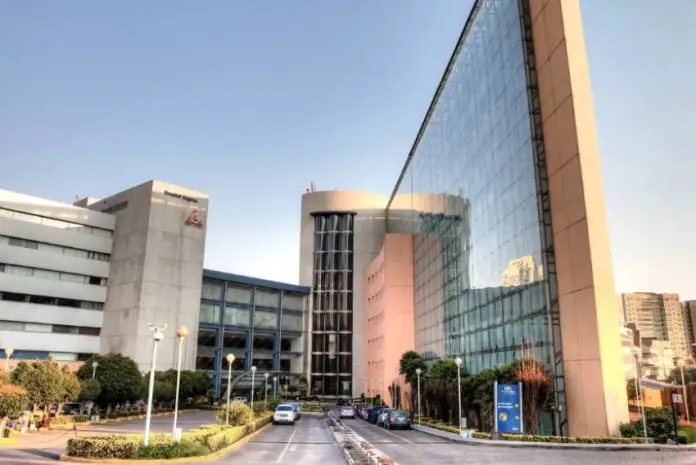
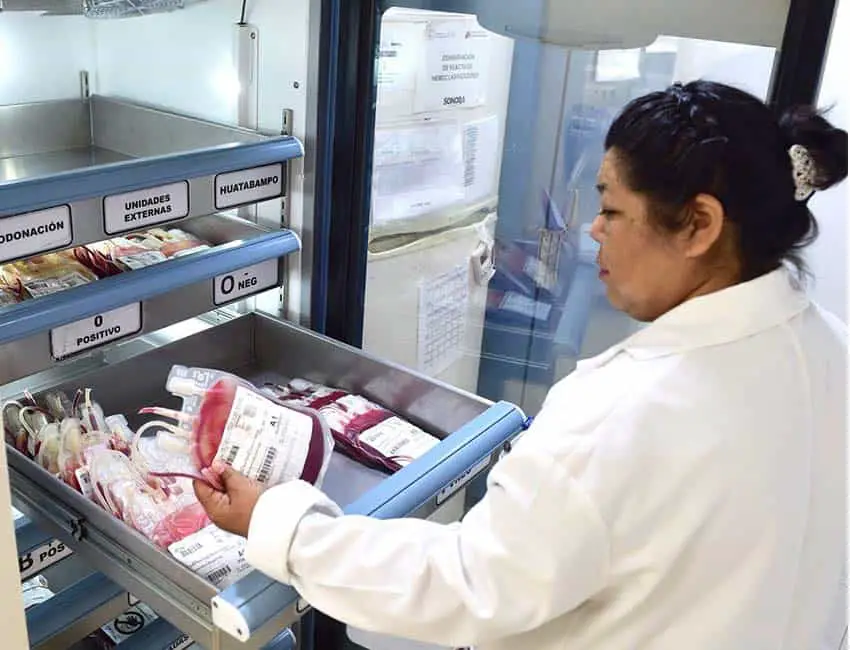
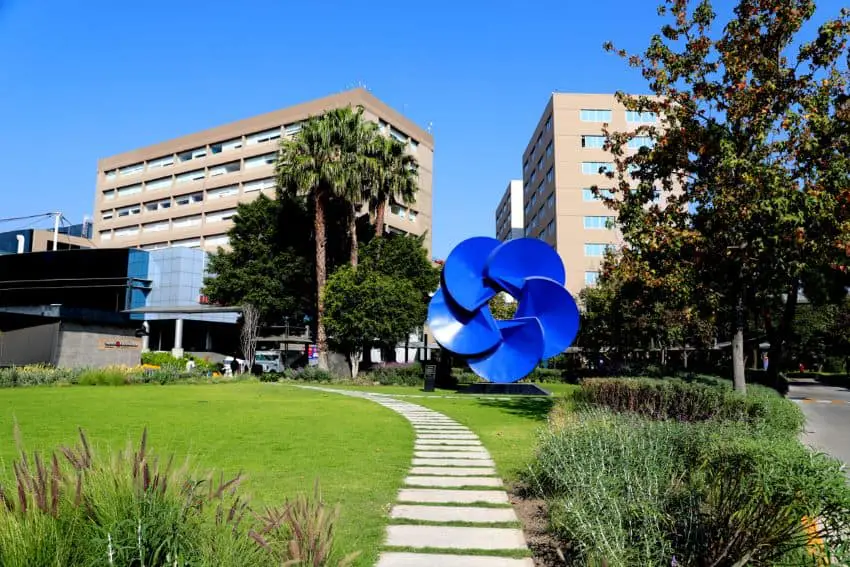
With cutting-edge technology and state-of-the-art accomodations, Mexico City's hospitals are some of the best in the country. (Hospitales Ángeles - Lomas)
What makes a good hospital? In dealing with human vulnerability, healthcare services are one of the most delicate and important parts of our lives. In this sense, a hospital’s philosophy, care style, technology, accessibility and cleanliness, to name a few factors, are crucial in their capacity to provide good service.
In Mexico, there are at least two significant rankings that focus on the quality of hospitals. One is compiled by Newsweek in collaboration with market and opinion research company Statista, based on parameters such as hygiene, doctor-patient ratios and user opinions. The other is a collaboration between the Mexican Health Foundation (Funsalud), which represents health industry interests, and consulting firm Blutitude, along with news outlet Expansion.
The few Mexican doctors who get past the opaque bureaucratic hurdles to work in the public health system often face low pay, uncertain employment and a lack of medical equipment and medicines. (Cuartoscuro)
Based on these studies as well as Google user ratings, we present the best hospitals in Mexico City, taking into account aspects such as specialties, technology and upgrades.
Hospital Médica Sur
Located in one of Mexico City’s most renowned medical districts, this hospital is a classic in the city. Founded 43 years ago, Médica Sur was the Mayo Clinic’s first partner outside of the United States and is the only one of its kind in Mexico. The hospital’s facilities are spread out across three towers with beautiful lighting.
One of Médica Sur’s advantages is that it accepts most major medical insurance plans and offers discounts on parking and meals for those who enter through an insurance company. The hospital rooms are similar to private suites, and if you don’t want to pay for an additional room, a companion can access a free sofa bed.
Hospital Médica Sur has won, for consecutive years, first place as the best hospital in CDMX. (Hospital Medica Sur)
For foreigners or those visiting Mexico for medical reasons, the hospital has a Department of International Medicine that provides support, transportation services and even accommodations in a hotel. Additionally, the hospital houses highly specialized clinics and offers a robotic surgery program.
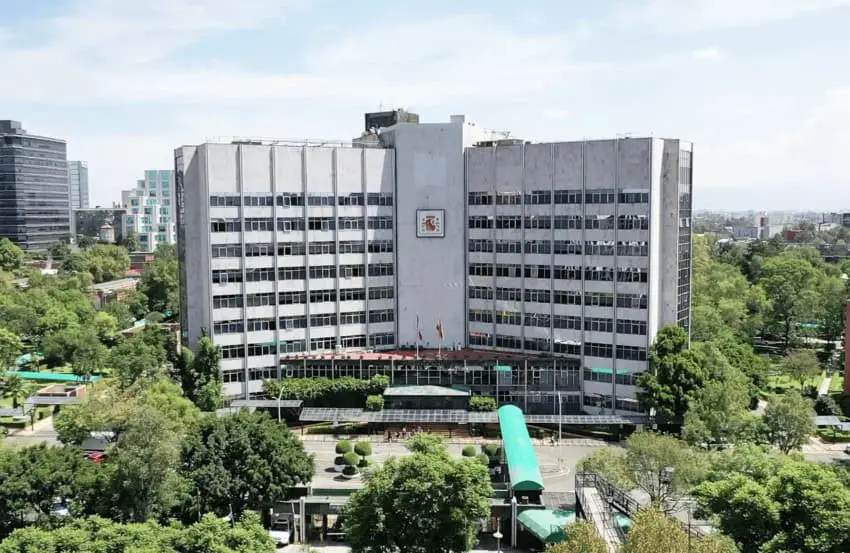
IMSS – Centro Médico Nacional Siglo XXI
Siglo XXI is one of the most historic and influential institutions in Mexican medicine. Located next to the Centro Médico Metro station in Roma Sur, its facilities are adorned with beautiful murals and artwork by the renowned David Alfaro Siqueiros.
This medical center receives patients from all over Mexico who require specialized care for complex diseases, such as cancer, and has served 12 million people. The complex’s Specialties Hospital is 60 years old and holds the rank of High Specialty Medical Unit (UMAE).
Siglo XXI is known for the quality of its staff and its specialization in areas such as oncology, cardiology and pediatrics. Known for its excellence and vast facilities, it also offers libraries, computer areas, cafeterias, restaurants, banks and an Oxxo.
IMSS – Centro Médico Nacional Siglo XXI is also known for being an important medical research center (CC BY-SA 4.0)
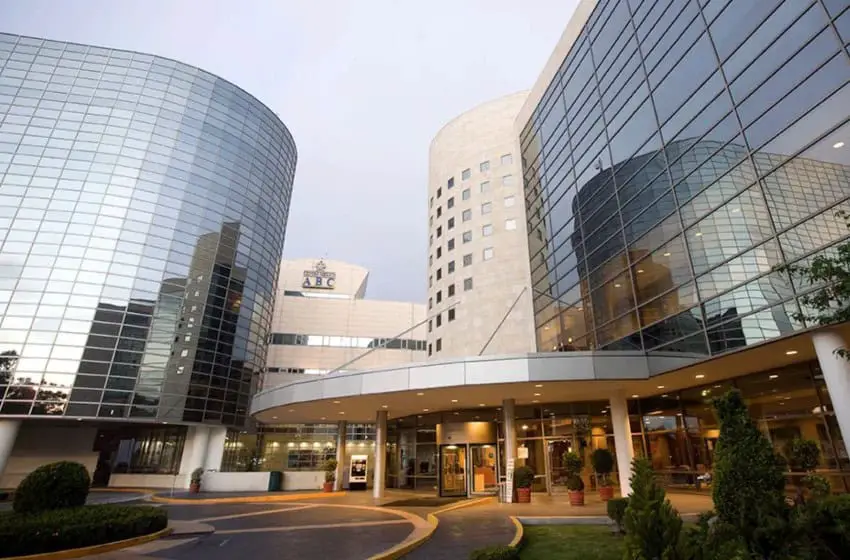
Centro Médico ABC Campus Santa Fe
Also known as theAmerican British Cowdray Medical Center, it was the first hospital in Mexico to achieve Magnet status, a prestigious recognition from the American Nurses Credentialing Center. ABC, whose main campus is located in Santa Fe, is known for its highly specialized centers and its emphasis on preventive medicine programs.
ABC’s facilities include insurance modules, bank branches and restaurants. Its technology is first class, and one of its unique features is a robot that will guide you to the office or area of the hospital that you need.
Centro Médico ABC Campus Santa Fe is known for its emphasis on preventive medicine programs. (Centro Médico ABC)
IMSS – Centro Médico Nacional La Raza
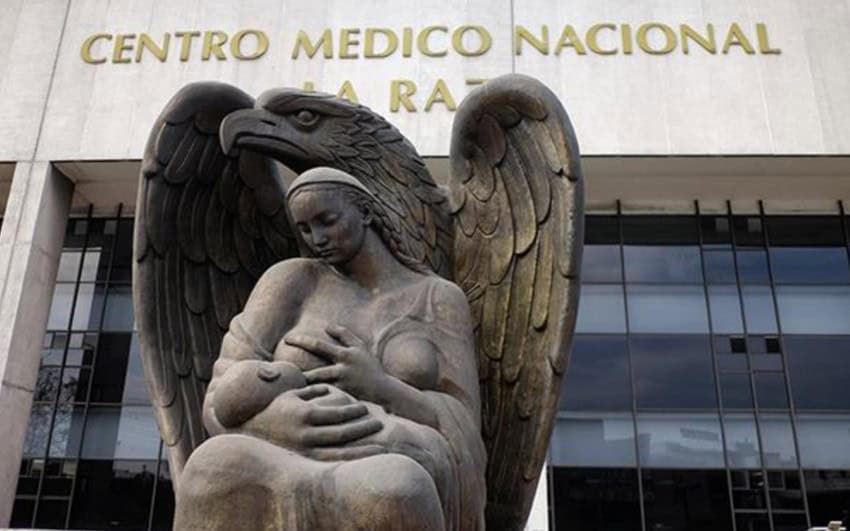
Located in the neighborhood of the same name in Azcapotzalco, this medical complexis characterized by its highly specialized units that offer medical procedures exclusive to this center: its heart transplantation program, for example, has become the most successful and productive in the country and Latin America. The research and pioneering work in Mexican medicine conducted here make La Raza an extremely important institution.
Among its advantages, La Raza is the only hospital in the country with a Clinical Toxicology Department and the only one with a Corneal Tissue Bank. Additionally, it offers 47 specialties and is a pioneer and leader in the treatment of rare diseases, such as spinal dystrophy, with multidisciplinary care from various specialties. The facilities offer state-of-the-art technology and house murals of historic value by renowned Mexican artists David Alfaro Siqueiros and Diego Rivera.
IMSS—Centro Médico Nacional La Raza has performed historical medical procedures that are exclusive to this center. (IMSS)
Hospital San Ángel Inn
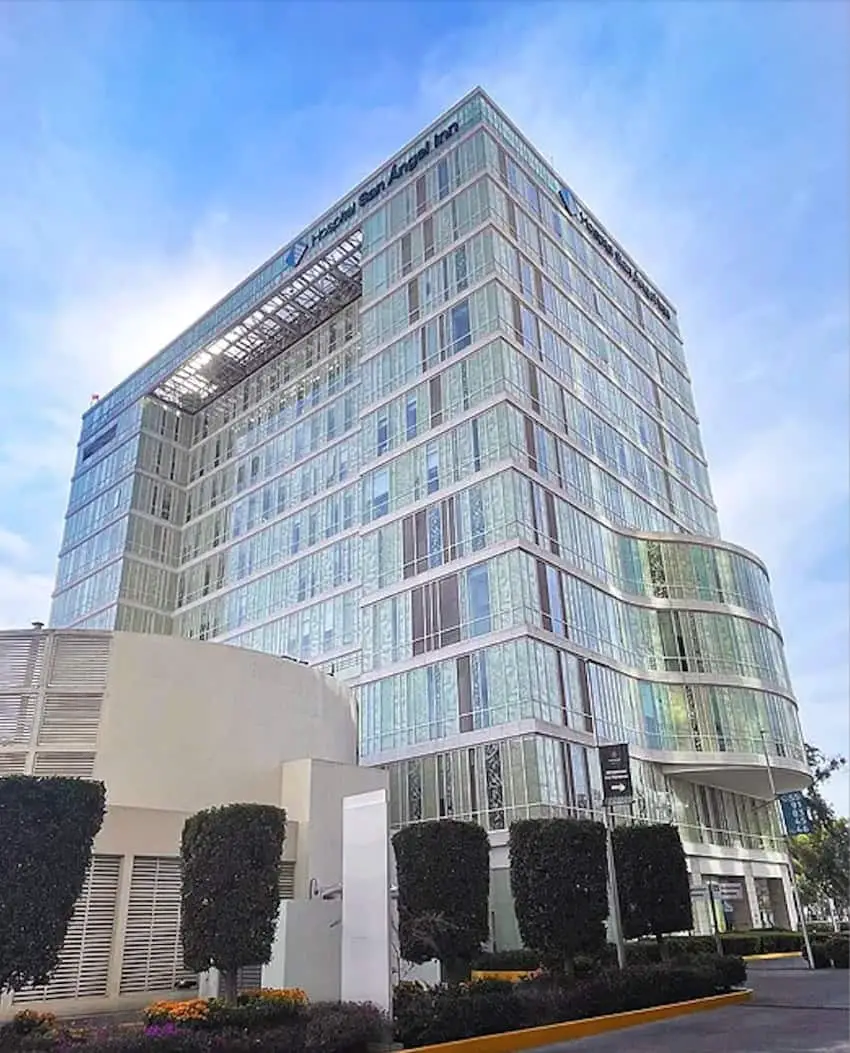
This five-campus hospital network is known for offering “surgical packages” for procedures such as general surgery, laparoscopy, obstetrics and gynecology and oncology, among many others. In addition, they run promotions each year for services such as ultrasounds, cardiac physiology assessments, endoscopies and CT and MRI scans.
This hospital network offers 50 specialties and is also known for its advanced technology used in its surgical, imaging, intensive care, emergency and inpatient departments and the modernness of its facilities. It offers first-class facilities, highly sanitized, modern and first-class technological equipment, in addition to comfortable bedrooms.
Hospital San Angel Inn Universidad and Chapultepec are known for their advanced technology. (Hospital San Angel Inn)
Hospitales Ángeles
The network is known for its surgical specialties, which include cardiovascular, plastic and reconstructive surgery, as well as pediatric specialties such as neonatology, pediatric oncology and pediatric surgery. Of the 27 Ángeles hospitals nationwide, 10 are located in Mexico City.
The network stands out as one of the few facilities with robotic surgery centers and is famous for its Mexican Institute of Neurosciences, located at the Hospital Ángeles de las Lomas. This hospital is a place of excellence worldwide with great neurologists and psychiatrists. With state-of-the-art technology and modern installations, its rooms are very pleasant and full of light.
Hospital Español de México
The Hospital Español de México has a school of nursing and offers online professionalization programs for bachelor’s degrees. (Hospital Español de México)
With historical roots dating back to 1842, this hospital in Polanco was originally established to help “truly needy” Spaniards. It has high-quality certifications and employs doctors with distinguished careers. The Hospital Español offers services ranging from a maternity ward to a nursing home for the elderly. With nearly 500 beds, it is one of the largest hospitals in Mexico. There is also ample space for visitors, who can request a room or stay in the patient’s room.
Ana Paula de la Torre is a Mexican journalist and collaborator for various outlets including Milenio, Animal Político, Vice, Newsweek en Español, Televisa and Mexico News Daily.
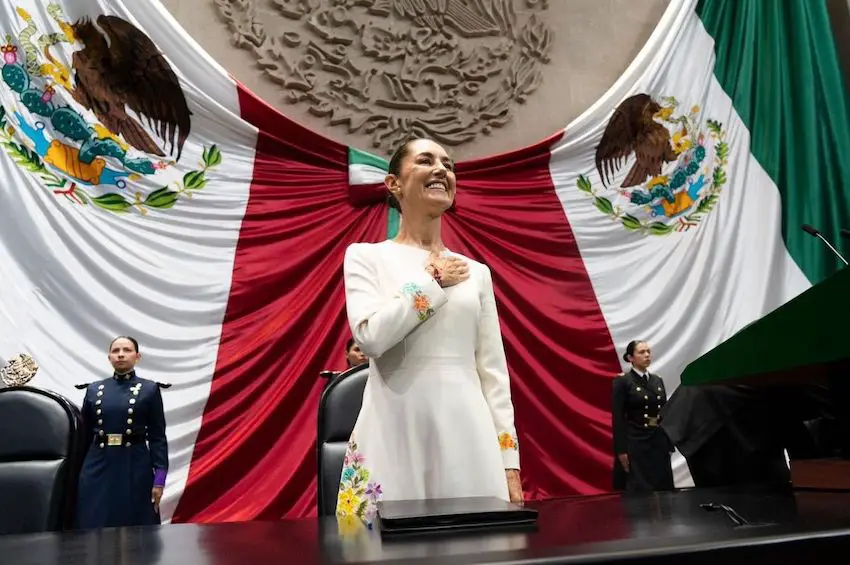
Mexico's President Claudia Sheinbaum, the nation's first-ever woman president, arriving at Mexico's National Palace after being sworn in at the Chamber of Deputies. (Daniel Augusto/Cuartoscuro)
Mexico’s new president, Claudia Sheinbaum, who took office on Tuesday, has revealed the official emblem of her administration: an image of a young woman with Indigenous features and wearing Indigenous clothing, carrying Mexico’s flag.
“A young Mexican woman will be the emblem of Mexico’s government,” Sheinbaum wrote Monday in a post on her social media channels.
Una joven mexicana será el emblema del Gobierno de México. Aquí les comparto la imagen. pic.twitter.com/KTph2sWkG3
President Sheinbaum revealed the new presidential logo on her account on the social media platform X on Monday evening.
According to Mexico’s Graphic Identity Manual 2024–2030, a document that provides visual guidelines for the consistent application of the official logo throughout government offices, the young woman in the emblem is looking to the left, “symbolizing the people’s struggle to achieve justice and freedom.”
The woman’s hair, blowing in the wind, evokes the country’s “firm progress toward a future of well-being and prosperity,” the manual also said.
The document, which will be shared with all federal public entities, explains that the young woman’s features recognize women of Indigenous heritage, expressing what the document says is Sheinbaum’s respect and admiration for Mexico’s Indigenous peoples.
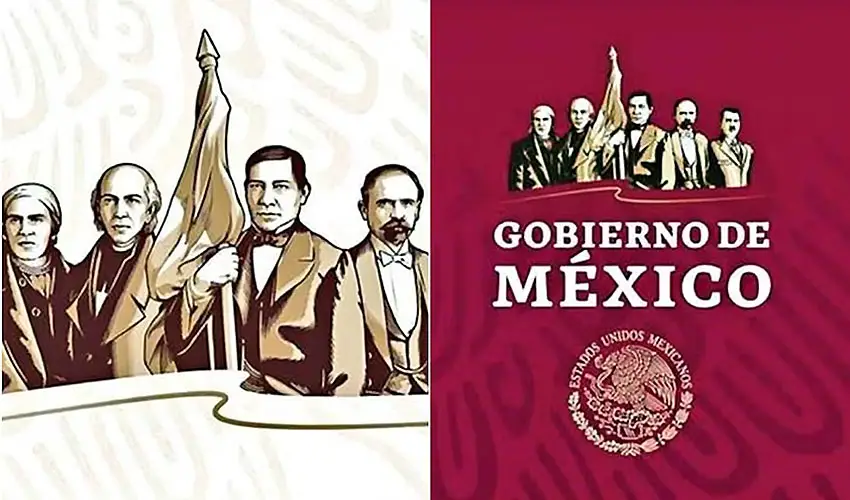
Sheinbaum’s emblem differs from the emblem of her predecessor, former president Andrés Manuel López Obrador, in that it features only one person: a woman.
López Obrador’s emblem featured illustrations of José Maria Morelos y Pavón, Miguel Hidalgo y Costilla, Benito Juárez, Francisco I. Madero and Lázaro Cárdenas — all male Mexican historical figures that represent the stages in Mexico’s history that López Obrador refers to as “the three great transformations of Mexico:” the War of Independence, the Reform War, and the Mexican Revolution.
López Obrador consistently dubbed his administration as Mexico’s “fourth transformation,” commonly known as the “4T.” Sheinbaum has promised to continue López Obrador’s political movement.
Outgoing ex-president Andrés Manuel López Obrador’s logo, which featured images of historical figures meant to symbolize his concept of Mexico having undergone three important “transformations” in history, initially came under fire in 2018 for excluding women historical figures. (Government of Mexico)
What do Mexicans think about the emblem?
Reactions to Sheinbaum’s emblem have been varied, with most pointing out that the young woman’s head covers the flag’s national coat of arms.
“What a terrible design, and what a lack of respect for the flag by covering the characteristic symbol with the head of that woman,” one user responded to Sheinbaum’s post, while another pointed out that the covered flag “could be from any country.”
“The Mexican flag is to be shown off, not hidden,” someone else said.
Others, however, supported the president’s choice with emojis representing applause and hearts.
“Congratulations Madam President. This is very beautiful and represents the reality of our country,” one user wrote.
Another wrote, “Great! Just as you broke the glass ceiling, break the patriarchal yoke, and elevate women in Mexico!”
After having 65 male presidents since Mexico’s independence from Spain over 200 years ago, Sheinbaum is Mexico’s first-ever female president.
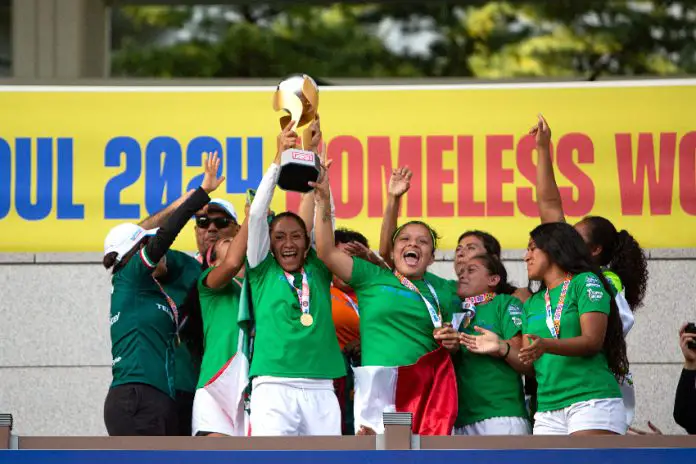
Mexico's women's and men's teams won at the Homeless World Cup 2024 in Seoul. (Anita Milas, Angelica Ibarra Rodriguez/Homeless World Cup on X)
Though it has never come close to winning the World Cup in soccer, Mexico once again dominated the competition in the Homeless World Cup 2024, capturing both the women’s and men’s titles over the weekend in Seoul, South Korea.
In the women’s final, Mexico used an awesome second half to turn a 1-1 halftime tie into an easy 5-2 victory over Romania for its unprecedented ninth title overall — and eighth in a row.
Mexico’s men’s team beat England 6-5 in the tournament. (Anita Milas/Homeless Word Cup on X)
In the men’s final, Mexico scored with 30 seconds remaining to beat England 6-5 for its fifth title overall, and third in the last four tournaments.
Founded in 2002 in Scotland, the Homeless World Cup is an annual weeklong competition that uses soccer to promote a sense of belonging among unhoused people and raise awareness about homelessness.
Teams are made up of 16-and-older players of any ability level who have been unhoused within the past year, though there are no strict eligibility criteria. However, players can represent their nation only once.
This year’s tournament included 36 men’s teams, 16 women’s teams and more than 400 players from 38 countries. For the first time, it was organized under the auspices of the International Federation of Association Football (FIFA).
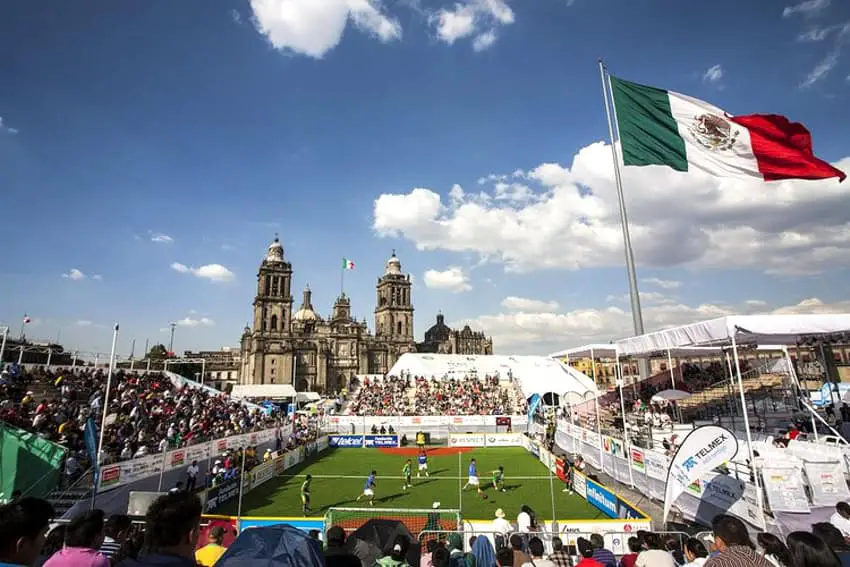
The Homeless World Cup was played in 2012 in Mexico City. (Homeless World Cup)
Games are played on a mini field, and each eight-person squad has three players plus a goalkeeper in action at any given time. Games are short — two seven-minute halves — and rolling substitutions are allowed.
Rules modifications emphasize fair play and the personal development of participants over winning at all costs.
Mexico City hosted the tournament in 2012 and in 2018 at the Zócalo in the heart of the city. Last year’s tournament was held in Sacramento, California, following cancellations from 2020-22 due to the COVID-19 pandemic.
The 2024 Netflix film “The Beautiful Game” tells a story about the street soccer tournament. (Netflix)
There is also a documentary narrated by actor Colin Farrell, “Kicking It,” about the 2006 tournament in South Africa, and the South Korean movie “Dream,”a 2023 comedy-drama inspired by the tournament (available on Netflix with English or Spanish subtitles).
Overall, there were eight days of soccer in the Korean capital. FIFA’s backing included organizational support, equipment, free games online and trophies branded with “FIFA.”
“We are committed to ending homelessness by using soccer, and to have FIFA in our corner will only help us grow our reach and therefore our impact,” Homeless World Cup founder and president Mel Young told Korea JoongAng Daily. “We want to have Homeless World Cup member countries in more nations across the world — ultimately creating a bigger network and therefore helping more people change their lives.”
On Saturday, the Mexican women’s players, who had earlier in the day won their championship game, ran onto the field waving Mexican flags after the men beat England in a game that seemed destined for penalty kicks. In the final minute, Alan Posada Salas of Mexico deflected a shot into the net for a thriller of a win compared to Mexico’s 7-1 rout of England in the group stage.
““It’s a special feeling to win the match, but to also score the winning goal made it even more special,” Posada said. “I want to give a special mention to everyone back home in Aguascalientes. My mom, my dad and my brother and my girlfriend, who have always been there supporting me. I love them all.”
After the women’s final, Mexico captain Denis Chavarria Garrido said, “It was a very intense match. Romania played very well, but we got the win and now we are champions. Viva Mexico!”
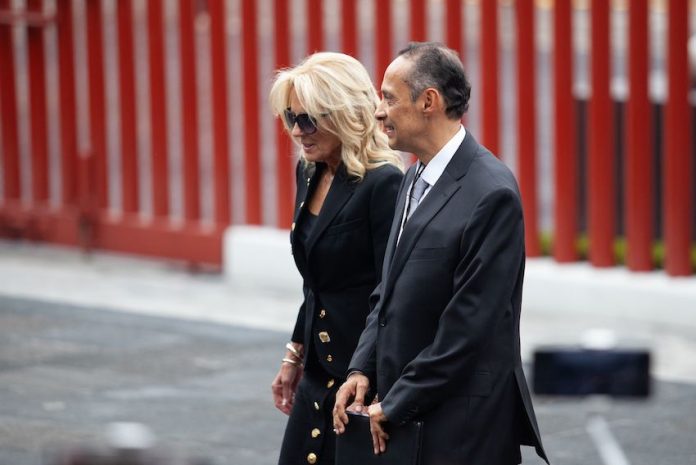
First Lady of the United States Jill Biden arrives at President Sheinbaum's inauguration ceremony on Oct. 1, 2024. (Andrea Murcia/Cuartoscuro)
Sixteen heads of state and representatives from more than 100 countries were present at the Legislative Palace of San Lázaro in Mexico City on Tuesday when Claudia Sheinbaum Pardo was sworn in as Mexico’s first female president.
Sheinbaum, the former mayor of Mexico City, won the June 2 election with nearly 36 million votes, 5.8 million more than the outgoing president, Andrés Manuel López Obrador, and the most votes ever received by any presidential candidate in Mexican history.
Claudia Sheinbaum Pardo was sworn in as Mexico’s first female president on Tuesday. (Presidencia/Cuartoscuro)
The world leaders and dignitaries began arriving over the weekend, with Cuba’s president Miguel Díaz-Canel and Brazil’s Luiz Inácio Lula da Silva landing at Mexico City’s Felipe Ángeles International Airport (AIFA) on Sunday.
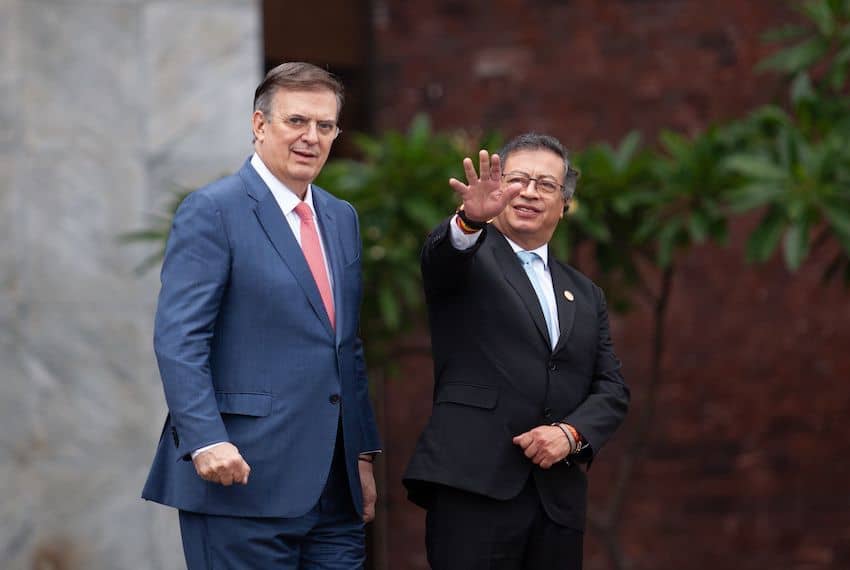
In addition to Lula, four other South American heads of state attended the historic inauguration: Gustavo Petro of Colombia; Gabriel Boric of Chile; Luis Alberto Arce of Bolivia; and Santiago Peña Palacios of Paraguay.
Colombia’s Petro provided big headlines on Monday with his declaration that Sheinbaum collaborated with the Movimiento 19 de Abril, an urban guerrilla group active in Colombia in the 1970s and 1980s, before it transitioned into a political party.
“Nobody believed that a member of M-19 could become president of Colombia,” he said in Mexico City. “And now M-19 has produced two presidents.”
President of Colombia Gustavo Petro (right) made headlines ahead of the inauguration after claiming that the president supported Colombia’s M19 movement from abroad. (Andrea Murcia/Cuartoscuro)
Sheinbaum has not commented on Petro’s statement, but the Colombian president said Sheinbaum collaborated with the movement from abroad in Mexico.
Three Central American leaders — President Xiomara Castro of Honduras, President Bernardo Arévalo of Guatemala and Prime Minister John Briceño of Belize — and three African leaders — President Nana Addo Dankwa Akufo-Addo of Ghana, Prime Minister Bucharaya Hamudi Sidina of the Sahrawi Arab Democratic Republic and President Mohamed Yunus Al-Menfi of Libya — were also in attendance.
Among the dignitaries seated in the gallery were Jill Biden, the first lady of the United States, and Ken Salazar, the U.S. ambassador to Mexico. They were joined by the Deputy Assistant to the President Carlos Elizondo, Health Secretary Xavier Becerra, Congresswoman Nanette Barragán of California, as well as Senator Chris Murphy of Connecticut, Mayor of Tucson, Arizona, Regina Romero and Isabel Casillas Guzmán, the president of the U.S. Small Business Administration.
Speaking from the U.S. Embassy in Mexico City on Monday, Jill Biden said she and her husband wish President Sheinbaum the best and look forward to her leadership.
“With Dr. Sheinbaum as president, I know we’ll continue to build a more prosperous, secure and democratic region,” Biden said, adding that “few relationships are as important to the daily life of U.S. citizens as the one we have with Mexico.”
Other nations sending top officials to the ceremony were Canada (Deputy Prime Minister Chrystia Freeland) and Germany (former president Christian Wulff).
Spain chose not to send a delegation after the official invitation from Sheinbaum’s team omitted King Felipe VI.
Claudia Sheinbaum Pardo assumed the presidency on October 1, 2024. (Mario Jasso/Cuartoscuro)
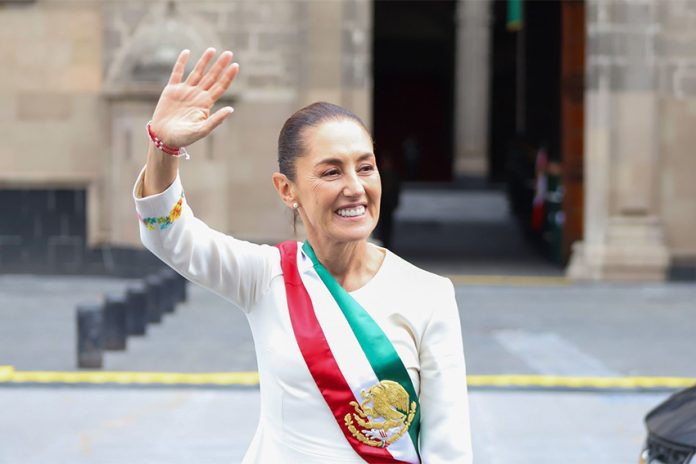
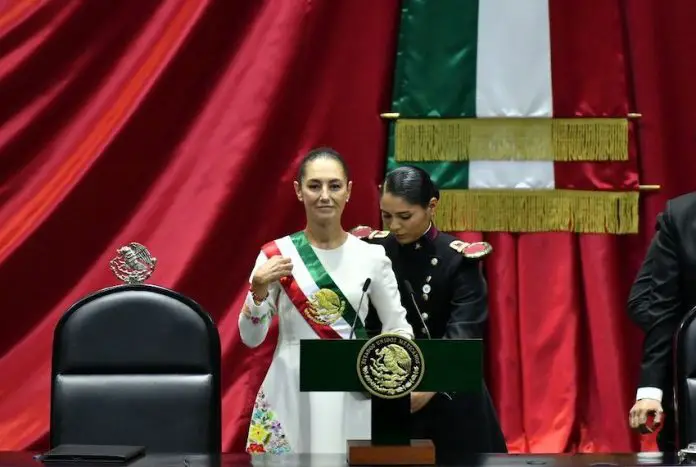
Claudia Sheinbaum Pardo was sworn in as president of Mexico on Tuesday morning, becoming the first woman to lead Latin America’s second most populous country.
Sheinbaum, who won the June 2 presidential election on a ticket backed by the ruling Morena party and its allies, was proclaimed presidenta during a ceremony at the Legislative Palace of San Lázaro in Mexico City. Her six-year term will run until Sept. 30, 2030.
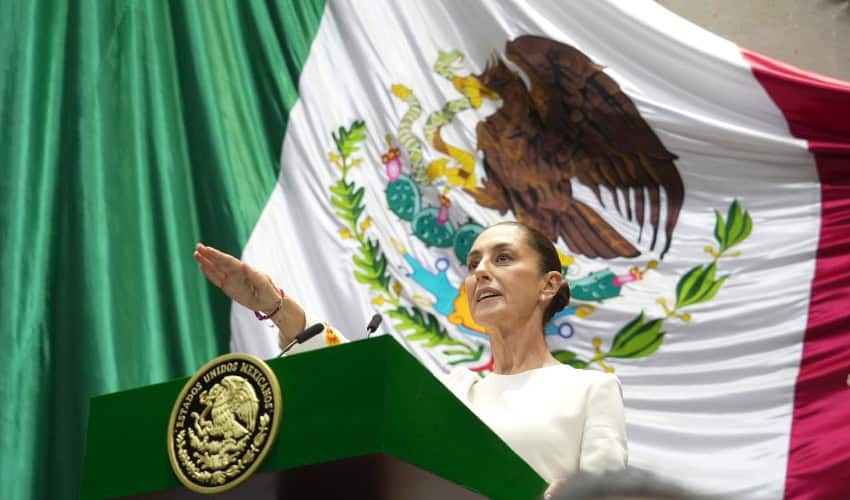
Sheinbaum took the oath of office in front of Mexican deputies and senators, world leaders and other foreign and Mexican dignitaries who attended the General Congress session.
The sash was passed on to Sheinbaum, who put it on over the white dress she wore to the inauguration ceremony. In her first address as president, she promised to “govern for everyone” and said she did not arrive to power alone, but with all women.
Sheinbaum, Mexico City mayor between 2018 and 2023, has pledged to build the “second story” of the so-called “fourth transformation” of Mexico initiated by López Obrador and the Morena party, which AMLO founded.
Sheinbaum took the oath of office on Tuesday morning before Congress. (Rosa Icela Rodríguez/X)
Beyond the economy and insecurity, Sheinbaum will face a range of other challenges, including in the areas of energy, water and health care.
She will also face pressure from international investors, and possibly foreign governments, to uphold the rule of law, especially after judicial elections are held for the first time next year. Critics of the government’s recently enacted judicial reform claim that the elections could result in courts — including the Supreme Court — being stacked with judges sympathetic to the federal government’s legislative agenda.
Watch Sheinbaum deliver her first speech as president of Mexico.
As president, Sheinbaum will have immense power as a coalition led by Morena has a supermajority in the lower house of Congress and a near-supermajority in the Senate.
Sheinbaum joins a significant number of incumbent female world leaders, including President Xiomara Castro of Honduras, President Dina Boluarte of Peru and Prime Minister Mette Frederiksen of Denmark.
United States Democratic Party presidential nominee Kamala Harris could soon join the group, although the Nov. 5 election in the U.S. appears likely to be a very close contest between Harris and former president Donald Trump.
Among the female Latin American leaders who preceded Sheinbaum are president Dilma Roussef of Brazil, president Cristina Fernández de Kirchner of Argentina and president Michelle Bachelet of Chile.
Find Mexican tradition, Maya mystique, Catholic reverence and a sprinkle of Halloween mischief at Isla Mujeres' Luz y Vida festival this month. (Light and Life Festival)
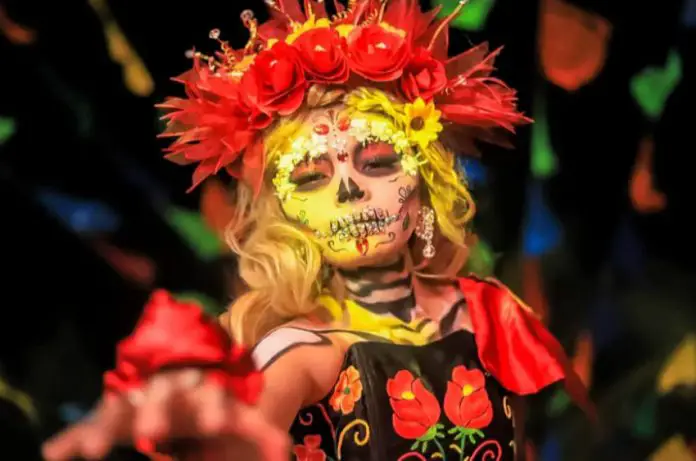
October is my favorite time of year in the Riviera Maya. There’s amazing food and deep spiritual cultural connections in every community. It’s leading up to one of Mexico’s biggest celebrations, Día de los Muertos, the Day of the Dead.
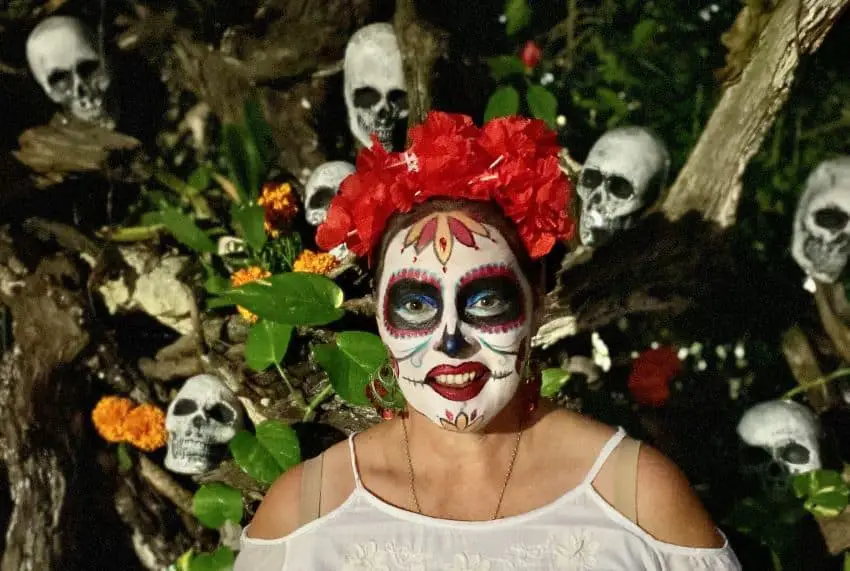
I had great fun last year getting my face painted. Every town, every community and every person I’ve met during this time of year has been warm and welcoming. It is a time for human kindness and family.
Writer Bel Woodhouse as a catrina.
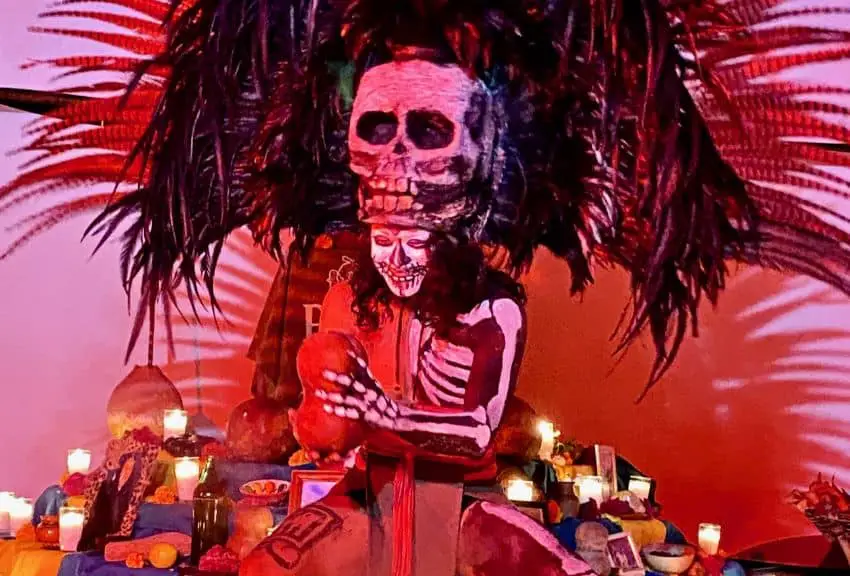
Here in the Riviera Maya, you’ll also see and experience the beautiful Maya tradition of Hanal Pixan. Hanal means food, and pixan means soul. In Mayan, these two words together mean food for the soul. Traditional altars will start appearing in early October. So, you can expect to see them in hotels, businesses, schools, homes and above all, in cemeteries.
October 1 – Explore the Universe in 3D at Cozumel Planetarium
Planetarium Cha’an Ka’an in Cozumel has the only 3D projection screen in Latin America. Lie back and enjoy soaring through the stars, exploring black holes and nebulas and learning about the vast frontier of space. The planetarium is open every day except Sundays and only costs 70 pesos ($3.50 US) for residents or 150 pesos ($7.50 US) for tourists. The show goes for nearly an hour and is so amazing it feels like five minutes. There are plenty of activities for the kids — everything from robotics programs to bird watching — as it doubles as a science museum.
October 4 – Jazz Under the Stars, Playa del Carmen
Enjoy a night of Jazz Under the Stars full of great music, a four-course meal and a welcome cocktail at The Fives Downtown in Playa del Carmen. This musical journey from the Caribbean to Europe is performed by Europe’s acclaimed Ernesto Montenegro Quintet, who will captivate you while you relax on the rooftop bar with Caribbean views. It’s 990 pesos, and you’d better hurry; the limited seating is filling up fast.
All of October – Swim with Turtles in Akumal
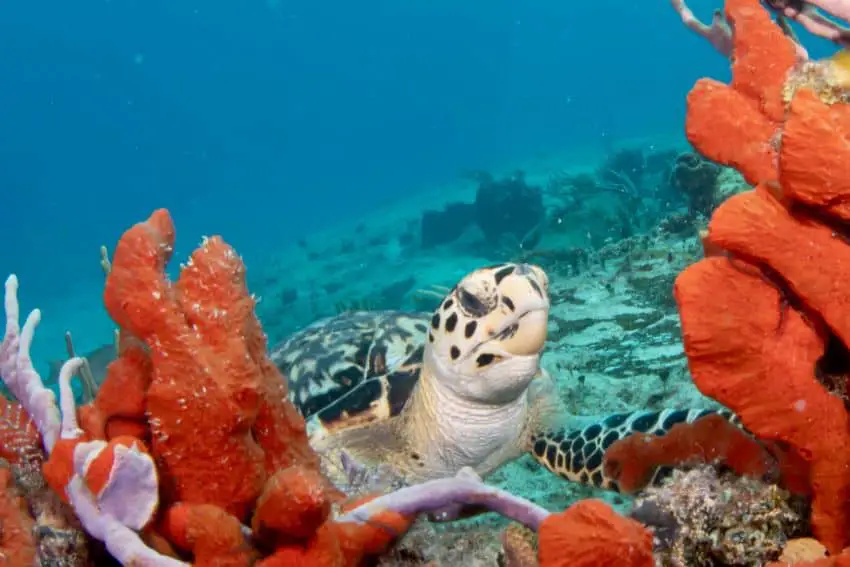
Swim with Turtles in Akumal.
May through November is the best time to swim with sea turtles in Akumal. There are usually some sea turtles present year-round, but during these months, you’re almost guaranteed to have a turtle or two to keep you company while snorkeling.
You have a couple of options for seeing the turtles. Pay the 300 pesos ($15 US) and enter the marine park where you can pick up a guided snorkel tour. Or, walk further into town with your snorkel gear and enjoy a free swim/snorkel by walking into the water from one of many beachside restaurants.
October 10-15 – Mocha Fest Cancún
It’s five days of fun at the annual Mocha Fest in Cancún. With free shuttles, great entertainment and all-inclusive hotels, you don’t have to lift a finger. All you do is have fun. Music, pool parties, brunches, lingerie parties and there’s even a bikini booze cruise. You can get tickets through Eventbrite or book with the hotels.
October 17-20 – XVI Cozumel Island Bird Festival
This free Festival de las Aves Isla Cozumel is four days of nature-loving fun. I’ve bookmarked this one for the free bird-watching tours, educational sessions, lectures and art. Plus, it’s very kid-friendly, with plenty of activities each day. A lot happens at the Planetarium during the festival. They also have an amazing 3D digital dome to explore the universe after the day’s activities. I’ll be attending this one for sure, so be sure to say hi if you drop by!
All of October – Watch a Maya Rain Ceremony, Playa del Carmen
Watch a Maya Rain Ceremony in Playa del Carmen.
Watch a breathtaking display in Parque Los Fundadores, the main park along Playa del Carmen’s Quinta Avenida downtown. Performed since pre-Columbian times, the Papantla Flyers perform a spectacular aerial Maya Rain Ceremony. Climbing a huge pole several stories high, they spiral down to earth, representing rain, hanging by their feet as they glide slowly upside down. It’s free, and the flyers can be found in the park daily. Just be sure to leave a tip.
October 26-Nov 2 – Costume Diving Cozumel
Costume Diving Cozumel.
Be it ghost or ghoul, Wonder Woman or witch, grab your favorite costume and head to Cozumel’s crystal clear waters. After all, we’re famous for scuba diving and water sports!
Join Tri-State Scuba’s annual costume dive pilgrimage to Cozumel. All divers are welcome, from any part of the world. Be sure to book in advance and get great prices as it’s about to hit high season. Then prices rise!
October 28-Nov 1 – Luz y Vida (Life and Light) Festival Isla Mujeres
The Light and Life festival begins with the lighting of the Grand Altar and ends with a huge street parade of catrinas and catrines (skeletons). It wraps up every facet of Mexico’s Day of the Dead holiday with breathtaking costumes, street parades, dancing and music over five days. In the festival’s words, “Luz y Vida is a five-night festival blending Mexican tradition, Maya mystique, Catholic reverence and a sprinkle of Halloween mischief.” Entry is free; the organizers just ask you to dress for the occasion and join in the fun.
October 30 – Festival of Life and Death Traditions
Discover the famous Day of the Dead traditions of the Yucatán Peninsula, when we welcome the souls of our loved ones back from the afterlife for a visit. Held at Xcaret, just outside Playa del Carmen, this festival lasts until November 3. It includes concerts, plays, dances and an All Saints Day mass. Plus, there are exhibitions and workshops at the Interactive Hacienda. Price is 825 pesos, and children 0-4 are free.
October 31 – Meet the Maya King of the Underworld
Maya Day of the Dead celebrations.
Join Pueblo del Maíz, the Maya cultural center in Cozumel for Maya Day of the Dead celebrations! There is a fun show to descend into Xibalba (the Maya underworld) to meet the King of the Underworld. Listen to the Maya legends and songs, then enjoy traditional foods of the Yucatán Peninsula, like cochinita pibil. My favorite is the traditional cacao hot chocolate to dunk your pan de muerto in. Admission was 25 pesos last year, but check closer to the time for definite pricing.
No matter where you are in the Riviera Maya, there’s a Day of the Dead celebration in the last week of October. They are terrific and very welcoming, so be sure to find out about one near you.
Mexico Correspondent for International Living, Bel is an experienced writer, author, photographer and videographer with 500+ articles published both in print and across digital platforms. Living in the Mexican Caribbean for over seven years now, she’s in love with Mexico and has no plans to go anywhere else anytime soon.
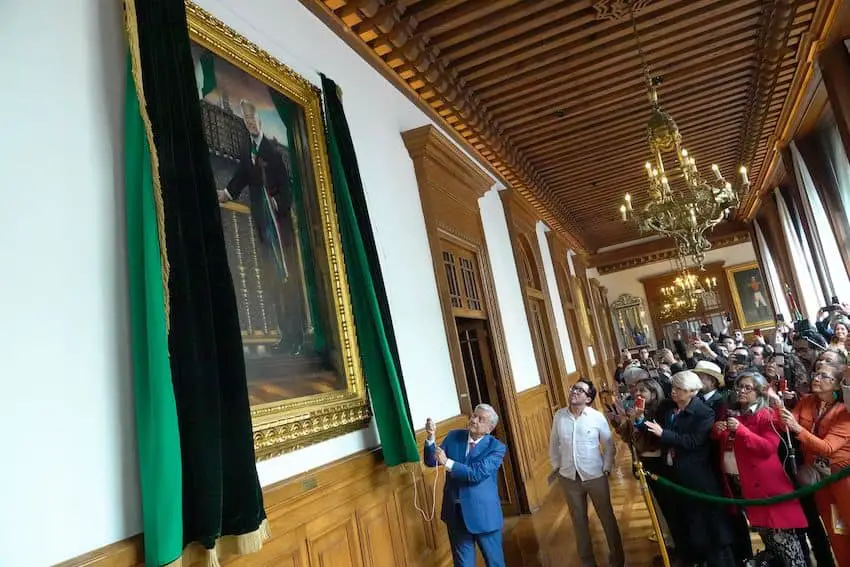
AMLO’s presidential portrait, by the painter Jorge Ermilo Espinosa, now hangs in the National Palace. (Moisés Pablo/Cuartoscuro)
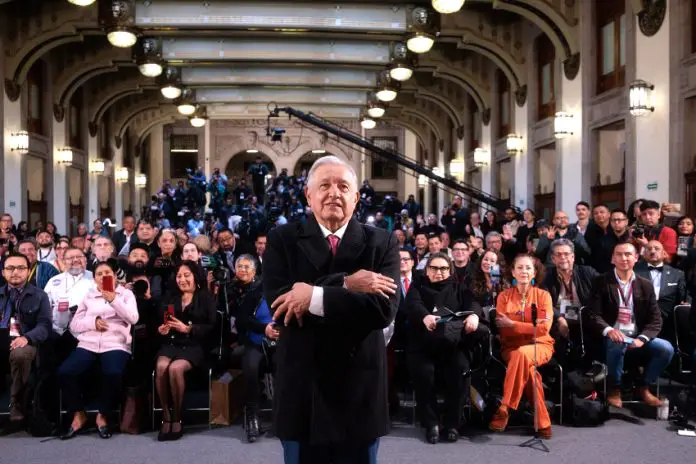
The Tabasco-born septuagenarian has been in office for five years and 10 months, a period during which he presided over more than 1,400 morning press conferences, or mañaneras.
López Obrador was a spritely 65-year-old when he assumed the presidency, and — despite the inevitable aging process, the weight of the job and six years of early starts — the president has maintained his energy, enthusiasm and penchant for lengthy oratory throughout his term in office, even after he encountered health challenges such as repeated bouts of COVID and a fainting episode during a visit to the sultry city of Mérida.
There is no doubt that Mexico has changed in myriad ways during “the AMLO years,” a period the president hoped would come earlier, but which did not due to his defeat in both the 2006 and 2012 presidential elections.
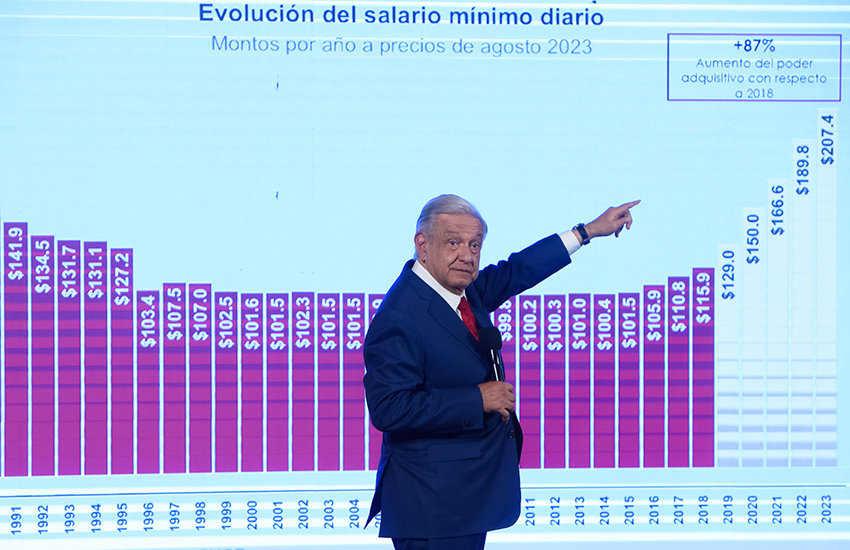
It is now 182% higher at 248.93 pesos (US $12.65) per day in most of the country, thanks to sizable annual increases during the presidency of AMLO, who has been a strong advocate for higher wages for Mexico’s lowest-paid workers.
López Obrador increased the minimum wage every year that he was president, starting in 2018. (LopezObrador.org.mx)
By February 2020, just before the COVID pandemic took hold in Mexico, annual inflation was more or less under control at 3.70%, a rate within the Bank of Mexico’s target range of 3%, give or take one percentage point.
However, in the post-pandemic period, inflation reached its highest level in more than two decades, hitting 8.70% in August 2022 and remaining at the same level the following month.
However, inflation has mainly been on the rise this year, and given that the scourge reached its highest level in more than 20 years on AMLO’s watch, the current six-year term of government will be remembered by many as a time of significant cost pressures.
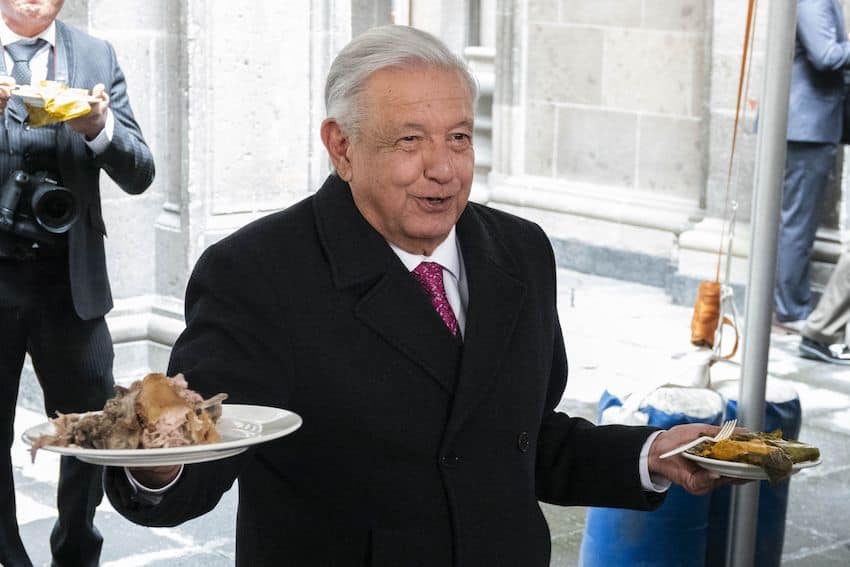
AMLO celebrated his final mañanera with a hearty breakfast of tamales and barbacoa on Monday. (Moisés Pablo/Cuartoscuro)
Poverty declined
As federal officials have frequently highlighted, poverty rates have fallen during the term of the current government, which has spent huge amounts of money on welfare and social programs.
While the number of Mexicans living in poverty increased by 3.8 million between 2018 and the end of 2020, largely due to the impact of the COVID pandemic, the figure decreased by 8.9 million in the subsequent two years.
Data published by the National Council for the Evaluation of Social Development Policy showed that 46.8 million Mexicans were living in a “situation of poverty” in 2022, down from 51.9 million at the start of López Obrador’s presidency.
Among AMLO’s favorite maxims are the following: “For the good of all, the poor come first” and “There can’t be a rich government with a poor people.”
The peso strengthened, but not by much
The day before AMLO took office — Nov. 30, 2018 — one US dollar was worth 20.24 pesos, according to the currency exchange website xe.com.
Shortly after 2 p.m. Monday, five years and 10 months after López Obrador took office, one greenback was buying 19.69 pesos.
Thus, the peso has appreciated around 2.8% against the US dollar during the current government.
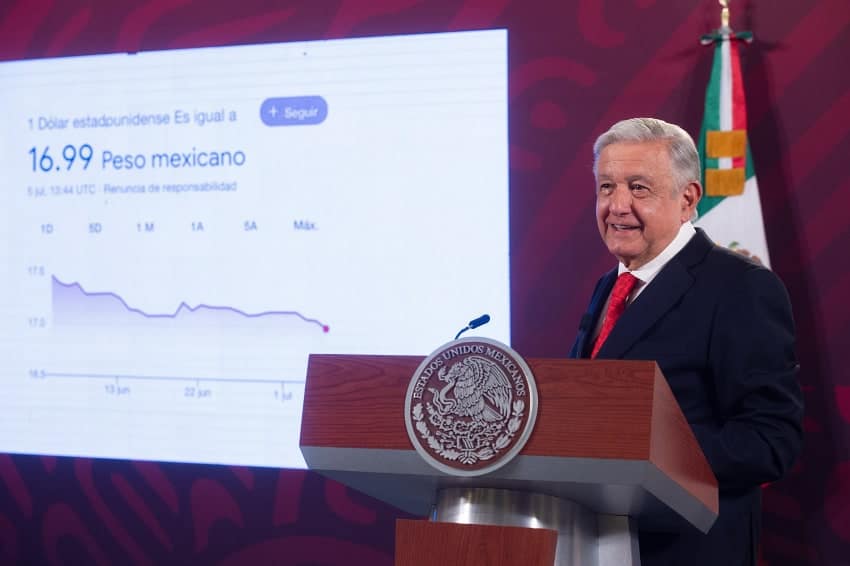
In AMLO’s last year as president, the peso spent several months at an exchange rate below 17 to the US dollar. (Gob MX)
The peso’s strongest position during AMLO’s sexenio was 16.30 to the greenback in April, an appreciation of over 24% compared to the exchange rate at the close of markets on Nov. 30, 2018.
However, the peso has weakened considerably in recent months, in large part due to concern over the federal government’s judicial reform, which was signed into law earlier this month after approval by both houses of Congress.
López Obrador faced some turbulent economic times as president. The Mexican economy contracted 8.5% in 2020 as the coronavirus pandemic and associated restrictions ravaged the economy.
Chinese automakers, particularly BYD, have significantly increased their investments in Mexico since 2018. (BYD Auto Mexico/Facebook)
López Obrador has frequently said that his government has made Mexico an attractive place to invest, although investors have expressed significant concern about federal policies and laws, including the recently-enacted judicial reform.
While the increase in FDI is a positive, the low levels of “new investment” – i.e. investment by companies that didn’t previously have a presence in Mexico – has worried some experts, especially considering that the country is currently amidst what has been described as a “once-in-a-generation opportunity” to attract foreign capital.
The North American Free Trade Agreement, or NAFTA, was still in effect when AMLO took office on Dec. 1, 2018.
But just over 1 1/2 years later, on July 1, 2020, the pact was superseded by the United States-Mexico-Canada Agreement, or USMCA (known as T-MEC in Mexico and CUSMA in Canada).
While the USMCA was negotiated before López Obrador was sworn in, the president has championed the agreement and the trade relationships Mexico has with the United States and Canada.
Large infrastructure projects sprang up all over the country
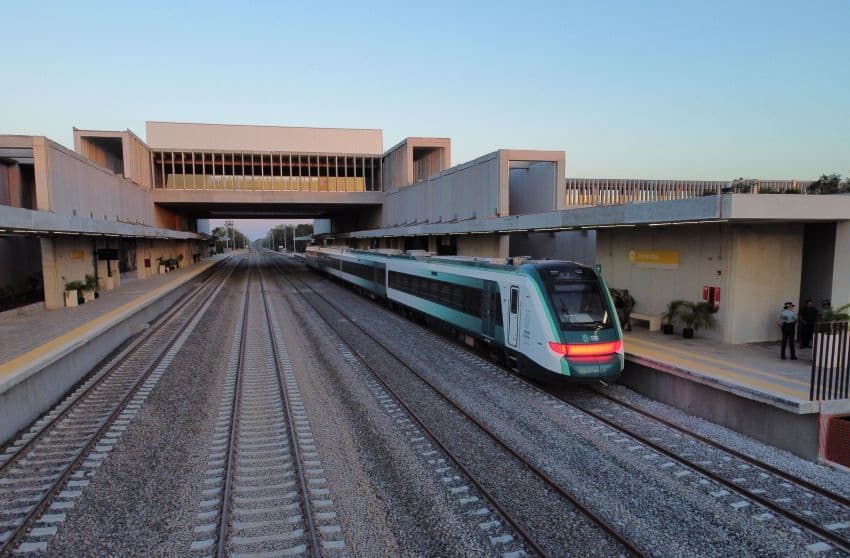
A number of large infrastructure projects that didn’t exist before AMLO took office now dot the Mexican landscape. Among the projects built by the federal government are:
The Maya Train was López Obrador’s most important infrastructure project in the southeast. (Tren Maya/X)
Some of the projects have been criticized on environmental grounds, or because they haven’t alleviated the problem they sought to ease, such as significantly reducing pressure on the Mexico City International Airport in the case of AIFA.
However, López Obrador has argued that the various government-built projects will help spur the Mexican economy and set up the country for a prosperous future.
Morena seized political control of most of Mexico
As Mexico News Daily previously reported, the National Regeneration Movement (Morena), the political party founded by López Obrador, has become Mexico’s most dominant political force in recent years.
After recently-elected governors are sworn in, Morena will govern 23 of Mexico’s 32 federal entities. When López Obrador was elected president on July 1, 2018, the party wasn’t in power in any of the country’s states.
Claudia Sheinbaum will head up Mexico’s second successive Morena party federal government after she takes office this Tuesday. She has pledged to build the “second story” of the “transformation” of Mexico initiated by López Obrador
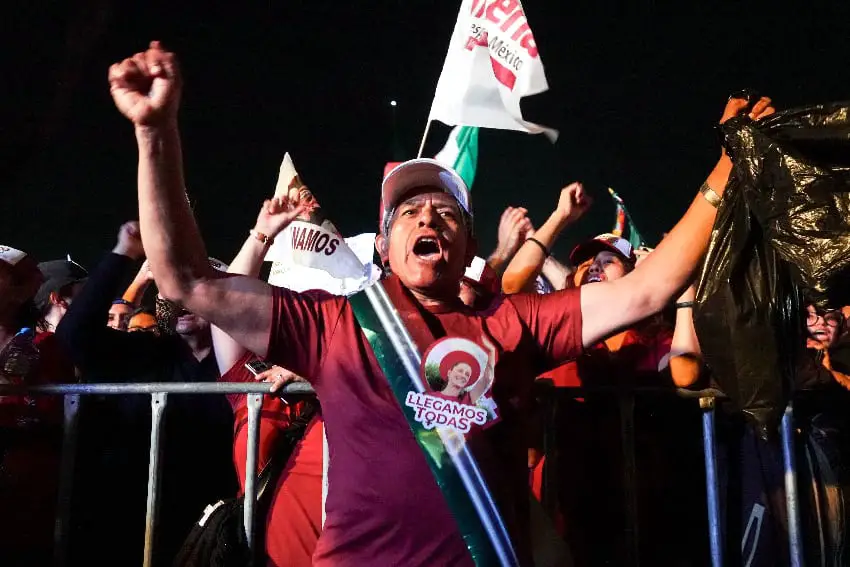
The main reason for Morena’s remarkable electoral success is undoubtedly AMLO, who has remained popular throughout his presidency and whose policies are supported by tens of millions of Mexicans, including many of the nation’s most disadvantaged people.
AMLO helped push the Morena party to its current popularity. (Cuartoscuro)
Homicides increased, then decreased
Murders increased early in López Obrador’s term, peaking at close to 37,000 in 2020, making that year Mexico’s most violent on record.
However, homicide numbers have decreased every year since then, falling to just over 31,000 in 2023, according to the national statistics agency INEGI, making last year the least violent year since 2016.
Nevertheless, in terms of total homicides, AMLO’s sexenio is the most violent on record, with close to 200,000 victims.
The president has blamed the high levels of violence on the security situation he inherited from his predecessors. He has been especially critical of the militarized “war” on drug cartels initiated by Calderón shortly after he took office in 2006.
López Obrador continued to use the military for public security tasks, but repeatedly stressed that his security strategy prioritized addressing the root causes of crime over combating criminals with force.
The military assumed more responsibility
In addition to carrying out public security tasks, Mexico’s armed forces took on a wide variety of other non-traditional jobs during López Obrador’s presidency.
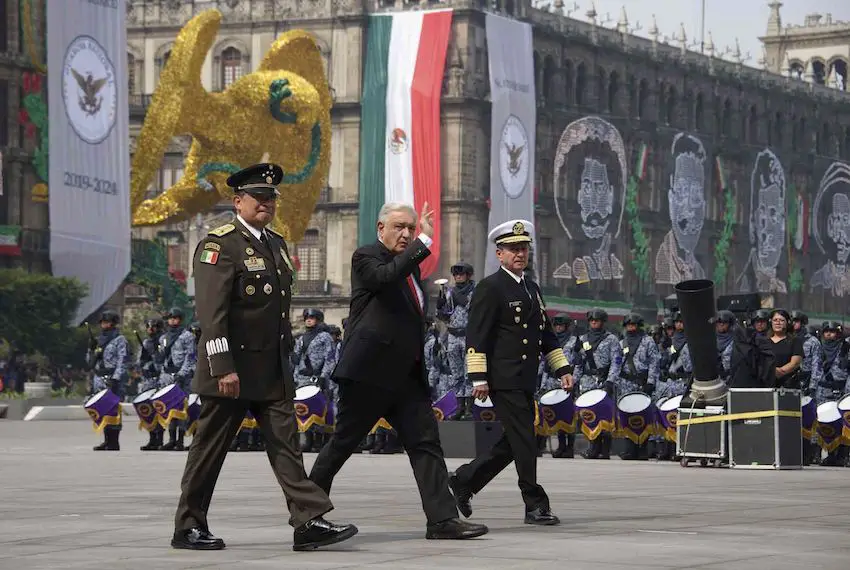
President López Obrador has relied heavily on the military, using it for public security, infrastructure construction and a wide range of other tasks. (Presidencia/Cuartoscuro)
They included building some of the infrastructure projects listed above, managing ports, airports and customs offices and distributing vaccines during the COVID pandemic.
AMLO has denied claims that his heavy reliance on the military has resulted in the militarization, or increased militarization, of Mexico. He has expressed high levels of trust in the armed forces, even though the military has been accused of involvement in serious crimes, including the abduction and presumed murder of 43 students in Guerrero in 2014.
He fought for the repatriation of former defense minister Salvador Cienfuegos after his arrest in the United States in 2020 on drug trafficking and money laundering charges.
On Monday morning, López Obrador signed a decree to promulgate a constitutional bill that places the National Guard under the control of the Ministry of National Defense.
In addition to the judicial and National Guard reforms mentioned earlier, some other constitutional amendments were made during AMLO’s term as president.
Most of AMLO’s 18 constitutional reform proposals will be considered during the sexenio of Sheinbaum, who has expressed support for many of the initiatives put forth by her political mentor.
By Mexico News Daily chief staff writer Peter Davies (peter.davies@mexiconewsdaily.com)
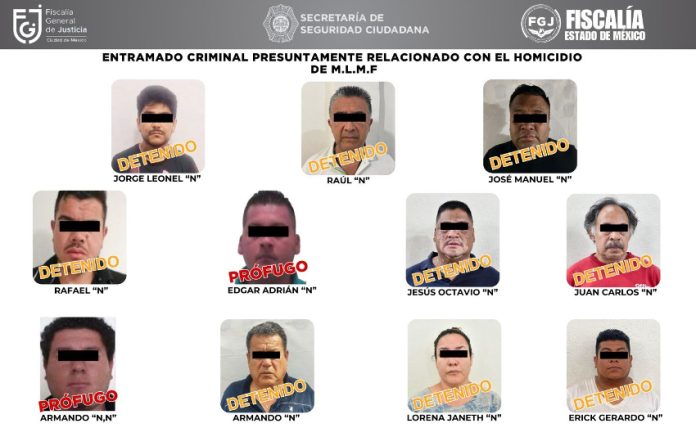
Authorities have arrested nine suspects in connection with the murder of Morales in July and are still looking for two other alleged participants. (SSC_CDMX/X)
A total of nine people suspected of taking part in the July murder of a top Mexico City security official have been arrested, according to the Mexico City Security Ministry (SSC CDMX).
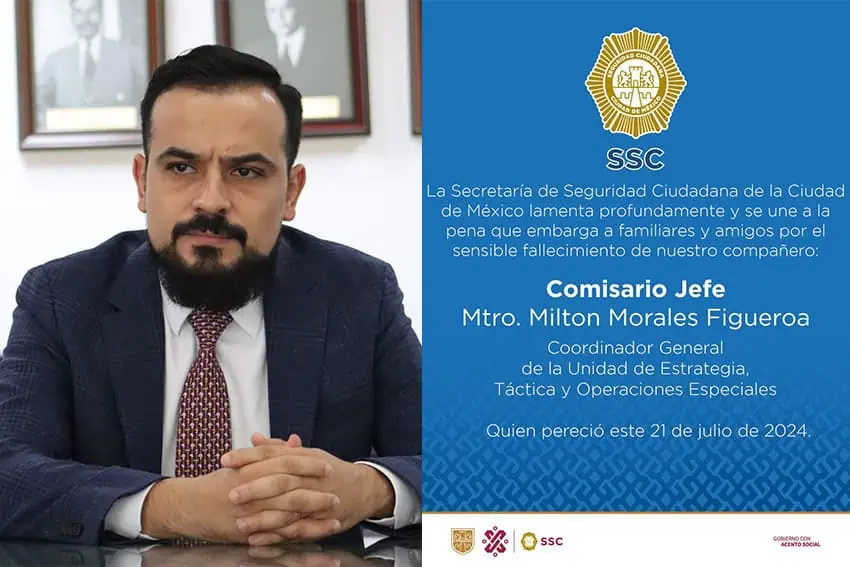
Milton Morales Figueroa, director of the strategy, tactics and special operations unit of the SSC, was shot to death while he was off duty on July 21 in Coacalco, a municipality just north of Mexico City.
Milton Morales Figueroa was head of the Mexico City strategy, tactics and special operations unit of the Mexico City Security Ministry (SSC).
In a Monday morning press statement, the SSC reported that it had carried out a joint operation with México state and Hidalgo state authorities that resulted in the arrests of six suspects over the the past 10 days.
Mexico City Security Minister Pablo Vázquez Camacho posted a message on X announcing that to date, a total of nine suspects have been apprehended for their alleged participation in the “cowardly” assassination, while two others are still being sought in connection with the crime.
Among the six arrested most recently, the authorities identified Jorge Leonel “N”, aka “Leo,” as the alleged shooter.
“Leo” was detained on Sept. 19 in the state of Hidalgo. The SSC says the suspect has a criminal record in Mexico City and was previously jailed in the capital’s Reclusorio Sur prison for larceny. Evidence suggests “Leo” agreed to carry out the hit to pay off a debt, according to the investigation led by the SSC.
The other five suspects arrested this month were identified as Jesús Octavio “N,” (aka “El Pinto”), José Manuel “N” (aka “Manu” or “El 16”), Juan Carlos “N”, Rafael “N” (aka “El Bombón”) and Raúl “N” (aka “Racafa”).
According to the results of the SSC’s investigation, on the morning of July 21, “Leo” met four of the suspects at an auto mechanic’s shop in México state.
“Leo,” Juan Carlos and Jesús Octavio boarded a white Chevrolet Aveo and staked out Morales’ house. They then tailed Morales when he drove away in the company of his wife. Jesús Octavio allegedly supplied “Leo” with the 9 mm pistol and identified the target as he walked from his car to chicken shop.
“Leo” reportedly fired six shots at Morales, hitting him at least twice — once in the head and once in the back — then climbed back in the Chevy Aveo and fled. A 77-year-old man was also injured in the attack.
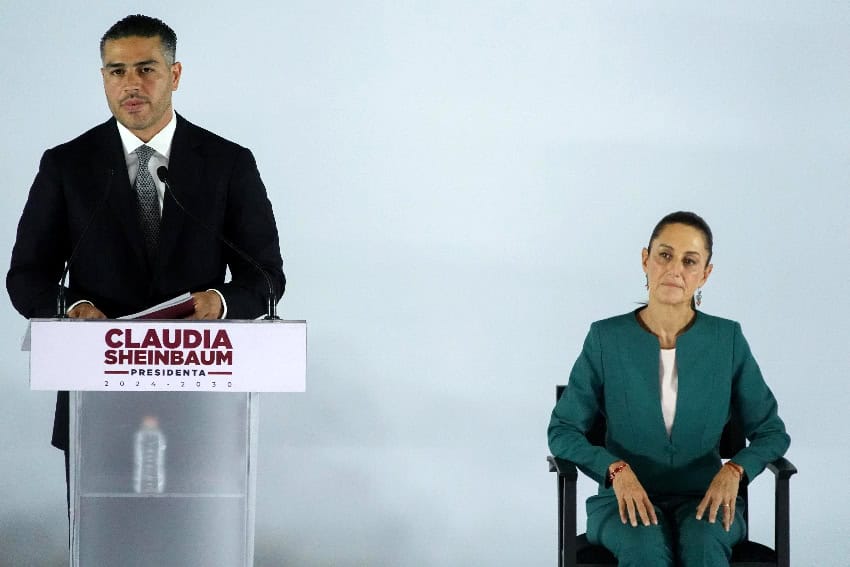
Omar García Harfuch is the incoming federal security minister for the Sheinbaum administration. He had previously worked closely with Morales. (Cuartoscuro)
According to investigators, the co-conspirators dropped “Leo” off in Pachuca, the Hidalgo state capital, where he had been hiding since the murder.
The authorities have yet to identify the mastermind of the homicide, though the working hypothesis is that Morales was killed in retaliation for his success in cracking down on gangs working in the Mexico City metropolitan area.
Morales, responsible for investigating “high-impact” crimes in the capital, was expected to move to a ranking position in the federal government under President-elect Claudia Sheinbaum, who will take the oath of office on Tuesday.
The 40-year-old official worked closely with Omar García Harfuch — who will lead the federal security ministry — when the latter headed up the Mexico City Security Ministry from 2018-2023. Morales and García Harfuch first worked together almost 16 years ago when both were employed by the now-defunct Federal Police agency.