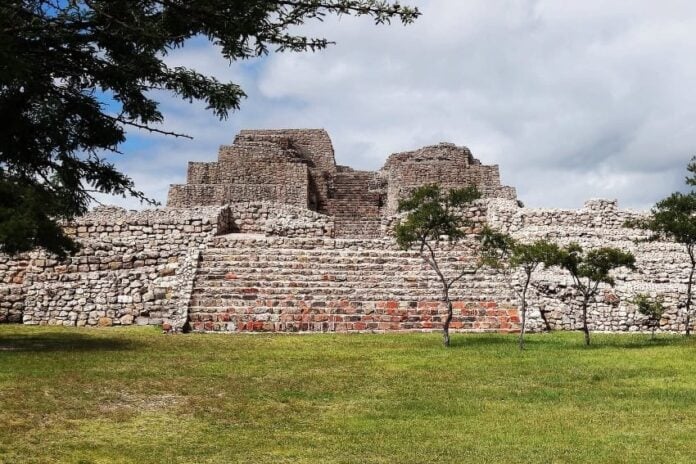
The Cañada de la Virgen national archeological monument was temporarily closed in March due to an ongoing legal dispute but was reopened May 24. (Eric Reinecke)
The Cañada de la Virgen national archeological monument, west of San Miguel de Allende, reopened Sunday, May 24, after a two-month closure stemming from an ongoing legal dispute between the federal and state governments and owners of the large ranch property surrounding the site.
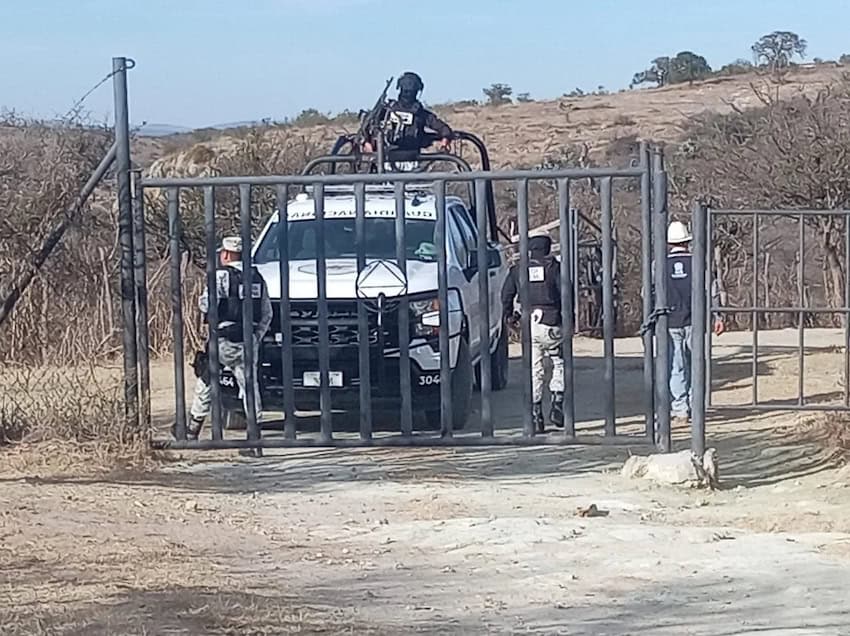
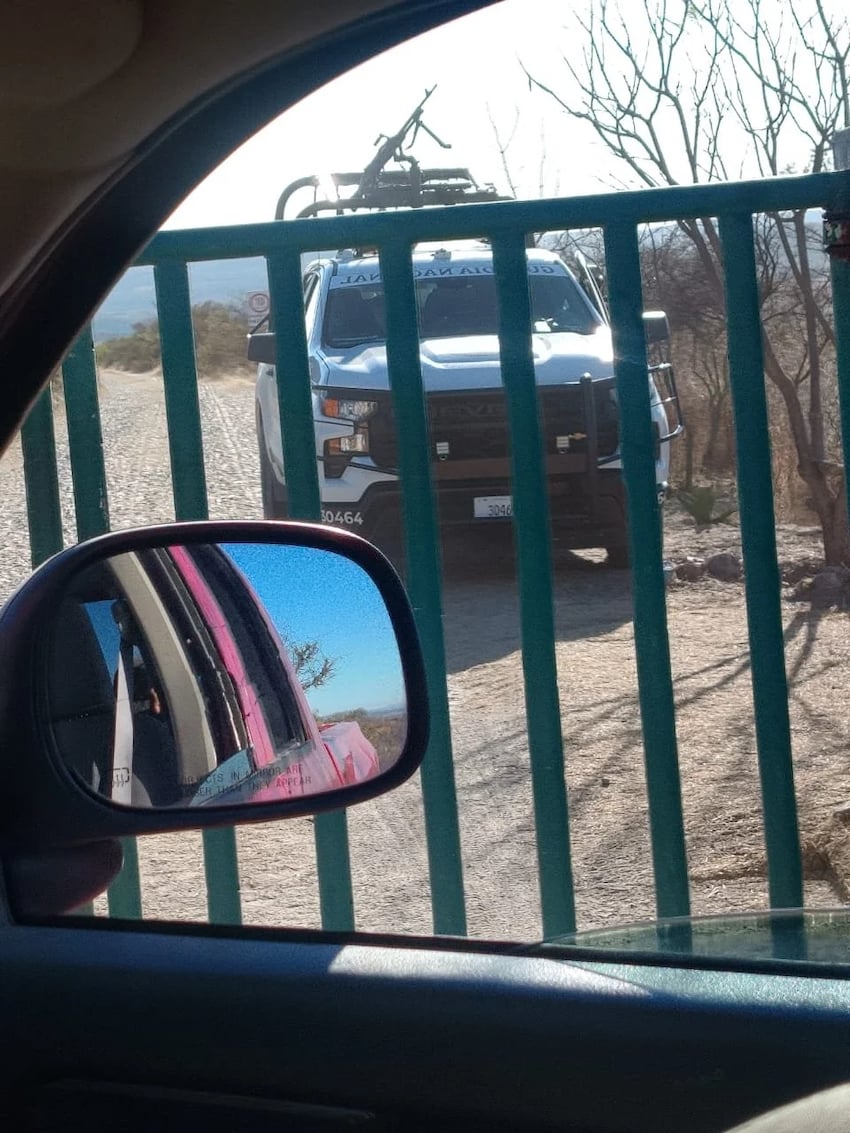
The owners say they were not informed of the reopening and have been subjected to repeated trespassing over the past few months by state and federal officials and other individuals who have cut locks, damaged ranch property and threatened and injured ranch employees. They say the archeological zone remains closed because the National Institute of Anthropology and History (INAH) has not reached an agreement with them.
Soldiers inside the gate at Cañada de la Virgen. (CDLV)
Nevertheless, the reopening was announced May 22 via press conferences in Guanajuato and San Miguel with INAH Director General Joel Omar Vásquez, Guanajuato Secretary of Culture Lizeth Galván Cortés and Jesusa Rodríguez, former Morena senator and advisor to President Claudia Sheinbaum.
“To reach this point, INAH has implemented actions to bring the archeological zone closer and not only delimit it, but also avoid possible damage to the archeological heritage,” Vásquez reportedly said at the press conference in Guanajuato.
The dispute involves more than 700 hectares (about 1,730 acres) of land surrounding the pre-Hispanic site. The pyramids and other monuments within the 16-hectare archeological zone are federal property accessed through land owned by the Cañada de la Virgen ranch (CDLV). The entire site is located within the municipality of San Miguel.
The owners say they have never damaged the site and that access to it has always been controlled by INAH.
INAH announced in January that it was taking possession of the CDLV property through a decree of expropriation President Sheinbaum signed in late 2025. According to the federal Ministry of Culture, the purpose of the decree of expropriation was “strengthening the research, protection, conservation, restoration and recovery of the archaeological heritage of the site.”
Sophia Trapp, CDLV executive director, told Mexico News Daily the expropriation was illegal and constituted abuse of Mexican and international citizens as well as private property laws.
A National Guard truck inside the site. (CDLV)
She said she and the other ranch owners are the legal landowners of the property except for the 16 hectares, adding that they have an expropriation injunction from the Supreme Court of Justice of the Nation and other official paperwork to back up their position.
“Every country that pretends to have a democracy has laws and due process,” Trapp said. “There are about seven major steps you have to complete toward expropriation, and they have not completed one of them. Not one.”
She said the government officials involved in the expropriation and reopening have no letters, agreements or other documents to prove their claims about ownership of the property. The ranch owners have also not received any payment for the land, she added.
“We have never wanted to sell,” Trapp said. “They sent me a photocopy of a check last week for 71 million pesos, and it was not even drawn on a government bank.”
She said she doesn’t feel safe going to the ranch and her home because her physical safety and that of family members has been threatened.
“We have lost the peace and harmony that we have spent so many years building on a ranch where we have the opportunity to admire the pyramids and also work in our business, which provides a livelihood for many families in San Miguel,” Trapp said.
Cañada de la Virgen has long been a popular place to visit due to its proximity to San Miguel and draws many tourists, along with providing business to local guides. The site is more than 1,000 years old and is believed to have been a center for Otomí ceremonies.
Cathy Siegner is an independent journalist based in San Miguel and Montana. She has journalism degrees from the University of Oregon and Northwestern University
MEXICO CITY — Mexican authorities confirmed Tuesday they have activated a “purely precautionary” reconquest protocol following news that Spain’s King Felipe VI will attend a 2030 World Cup match, citing “historical precedent and unusually high levels of European enthusiasm.”
King Felipe VI of Spain, who will be visiting Mexico next month, will hopefully leave without all the gold this time. (Cuartoscuro.com)
Officials stressed there is no indication of an actual invasion, but noted that past encounters involving Spanish arrivals, strong leadership figures, and large gatherings “have occasionally escalated beyond their original scope.”
“We’re not overreacting,” said one government source. “We’re just making sure that if anyone starts founding a viceroyalty, we can respond in an orderly manner.”
Preparations include increased monitoring of ceremonial interactions, quiet reinforcement of cultural landmarks and public reminders that any offers of gold should be considered “strictly symbolic.”
Spanish representatives reiterated the visit is strictly for football. Analysts agree, though several noted that history has rarely begun with an official announcement.
At press time, authorities confirmed that all defensive measures would remain in place “until the king boards his return flight and nobody claims anything on the way out.”
El Jalapeño is a satirical news outlet. Nothing in this article should be treated as real news or legitimate information. Check out our Jalapeño archive here!
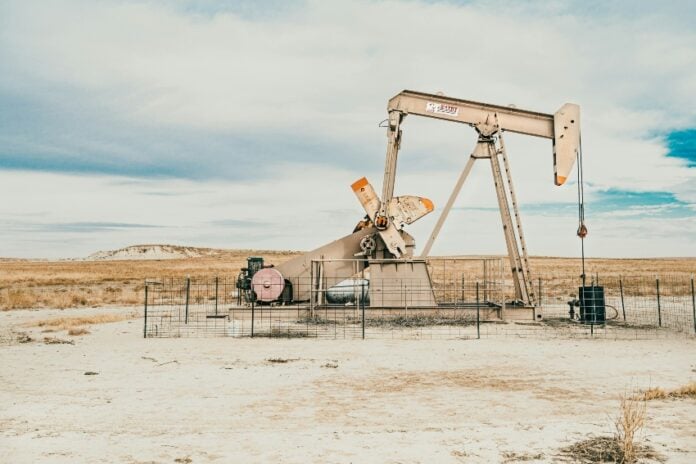
President Claudia Sheinbaum of Mexico has reversed field on her campaign promise to ban fracking, leading to recent protests in Mexico City. (Colton Sturgeon/Unsplash)
To the beat of son jarocho,huapango and zapateado, activists from across the country gathered at Mexico City’s Alameda Central on Friday to demand that President Claudia Sheinbaum keep her campaign promise to ban hydraulic fracturing, or “fracking” — and to launch what organizers are calling a new phase of national resistance.
The “Fandango por la vida” — organized by the Alianza Mexicana Contra El Fracking, a coalition of more than 40 civil society organizations — drew an animated crowd of environmental, feminist, water defense and human rights activists. They were joined by representatives of communities in Veracruz’s Huasteca region, San Luis Potosí and Coahuila, many of them already living with the consequences of conventional oil extraction near their homes and water sources. Meanwhile, other actions over the weekend in the states of San Luis Potosí, Veracruz and Nuevo León drew at least 500.
The problem with fracking
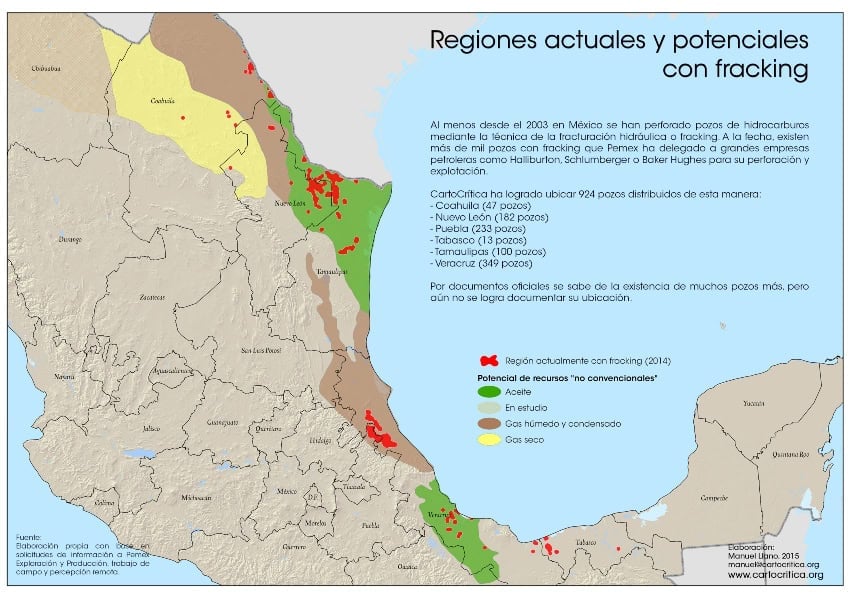
CartoCrítica map showing former and potential future fracking sites in Mexico. (CartoCrítica)
“Neither in Mexico nor anywhere in the world does sustainable fracking exist,” said Alejandra Jiménez, a member of the Alianza. “Let them go and smell it, let them go and see what life is like in territories that have already been impacted by hydrocarbons and fracking. Let them drink a glass of water like the ones our compañeros have to drink every single day.”
Demonstrators also called on Congress to act on a constitutional fracking prohibition initiative presented in October 2025 that has stalled without debate. The event served as a call to a National Mobilization Against Fracking, set for June 5.
The protest was the most visible sign yet of an expanding opposition movement that has gathered force since Sheinbaum’s government announced on April 8 that it was exploring the possibility of extracting natural gas from non-conventional shale deposits using hydraulic fracturing — a practice she had promised during her campaign not to pursue.
The backdrop of the protests
The Alianza itself is not new to this fight. It was founded in 2013, when Congress was debating the constitutional energy reform that opened the legal framework for fracking in Mexico. “We have more than 10 years in this struggle,” said Arely Sandoval of Espacio DESCA, one of the Alianza’s member organizations. “This is not something we are doing now because the government made an announcement.”
The backdrop to the Friday protest, and similar ones in Veracruz and Nuevo León, is a government decision that has unsettled even some of Sheinbaum’s own supporters. On April 8, her administration announced it was exploring hydraulic fracturing to meet Mexico’s growing natural gas needs — and on April 15, it formalized a commission of 17 academics from the National Autonomous University of Mexico (UNAM), the National Polytechnical Institute (IPN) and other institutions to evaluate the proposal. Sheinbaum herself acknowledged the reversal at that event.
“I myself said no to fracking for many years,” she told reporters, “but when I see the new technologies, the situation of the country in terms of dependence, the worst thing we can say is no.” The commission is expected to deliver its first findings within approximately two months from that announcement, or sometime in June.
The lead-up
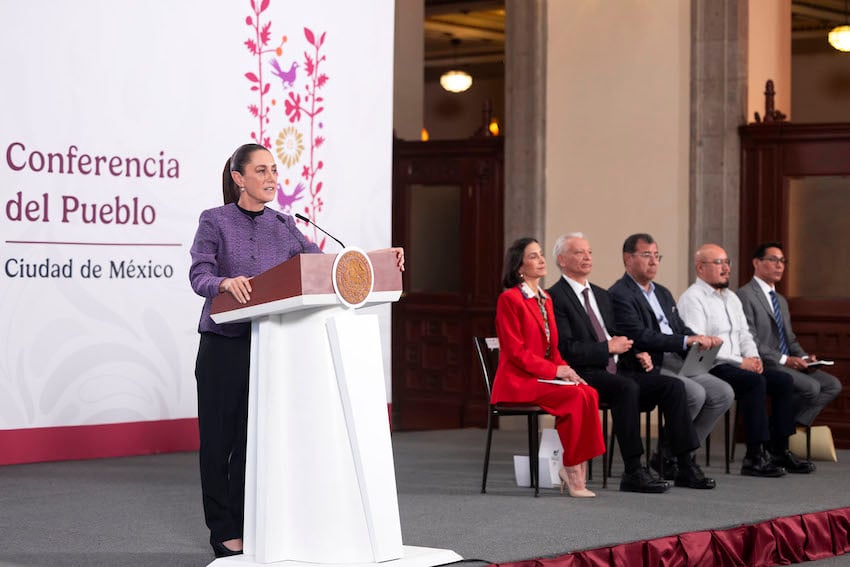
Mexico’s President Claudia Sheinbaum spoke on April 8 about the possibility of “sustainable” fracking in Mexico, as did Energy Secretary Luz Elena González Escobar, seen to her right. (Juan Carlos Buenrostro/Presidencia)
At the April 8 press conference, Energy Secretary Luz Elena González Escobar had said that Mexico’s dependence on imported gas had become a strategic vulnerability. “Today Mexico faces a high dependence on natural gas from abroad,” she said. “We are importing 75% of the natural gas we consume in the country.”
She argued that new technology had changed the equation, saying there is now “important technological development worldwide that allows extraction to be done efficiently, caring for the soil, the aquifers and with efficient water use — water that is not used for human consumption, it is connate water that comes from the deposits themselves.”
Pemex director Víctor Rodríguez Padilla went further on the safety question. “These developments are not superficial,” he said. “We are talking about depths greater than 4,000 meters of rock, such that contamination of aquifers … does not occur.”
An academic opposition emerges
Three days before the Fandango, on May 5, a parallel group of scientists, researchers and community organizations held their own all-day forum at UNAM’s Faculty of Economics — a deliberate counterpoint to the official commission — and reached a starkly different set of conclusions.
Luca Ferrari, a geologist at UNAM’s Institute of Geosciences who co-led the previous administration’s energy research program and is himself a member of the government’s commission, said Mexico’s shale gas reserves would require “at a minimum around 250 new wells every year” to meet the government’s 2035 production targets for the targeted northwestern region alone. Those reserves, he argued, would likely be commercially exhausted within a decade.
“I believe that fracking is not in Mexico’s best interest … it carries a high economic and environmental cost and would merely postpone the problem of decline on a temporary basis.”
Aerial view of fracking sites in the U.S. (State Energy and Environmental Impact Center/NYU School of Law)
He pushed to broaden its membership, and said the commission has since grown to nearly 50 members, now including environmental and social impact specialists. Still, Ferrari warned that if dissenting members’ findings are not reflected in the final report, “we can also step out and publish it separately.”
Water
The water question drew some of the sharpest disagreements with the government’s position. Manuel Llano of the geographic information project Cartocrítica presented calculations showing that fully developing Mexico’s prospective shale resources could require up to 470 billion liters of water — equivalent, he said, to 47 million tanker trucks — drawn largely from aquifers in regions that are already critically stressed. “The question is, where are they going to get it?” he said. “In other words, who are they going to take it from? Who is going to be left without water?”
Engineer Beatriz Olivera Villa, who coordinates the civil society organization Energía, Género y Ambiente, took on the cost argument. In a moderate development scenario of 3,500 wells across all of Mexico’s shale basins, she calculated the investment required at between US $42 and $63 billion — several times Pemex’s entire annual operations budget of roughly US $13 to $14 billion. “We’re not talking about small costs,” she said, “but about very, very large investments.”
The world’s most indebted oil company, she argued, cannot self-finance such a program, making the entry of U.S. private capital not an ideological question but a structural inevitability. The industry, she noted, has been open about this: fracking promoters have called publicly for international partners “with experience and capital” and for fiscal incentives, because “of course it’s going to be very expensive.”
Ceding decision-making power to the US
Economist José Romero Tellaeche, former director of the Centro de Investigación y Docencia Económicas (CIDE), framed the sovereignty argument in the starkest terms. “Mexico can produce more gas and still end up deciding less,” he said, or having less control over the resource. “That is the paradox of the fracking debate that no one wants to name.” Producing gas with U.S. capital, U.S. technology and U.S. service companies operating just across the border would not reduce Mexico’s dependence, he argued — it would reorganize it. “When that capacity depends on external capital, external technology, external equipment and profitability criteria defined outside the Mexican state,” he said, “sovereignty is reduced to a legal fiction. The resource may be in Mexico, but the decision-making power could be somewhere else.”
Mexico News Daily sought comment from Pemex; the company provided a transcript of the April 8 press conference but did not respond to specific questions.
Condemning the population to water scarcity
Calculations show that fully developing Mexico’s prospective shale resources could require up to 470 billion liters of water, equivalent, he said, to 47 million tanker trucks. (Alianza Mexicana Contra El Fracking)
Opposition has been building since the April 8 announcement. Within days, more than 80 organizations signed a letter to Sheinbaum arguing that sustainable fracking “may sound promising in the discourse, but in practice does not exist.” On April 16, Indigenous community representatives delivered more than 3,000 signatures and formal assembly resolutions rejecting fracking to the Chamber of Deputies, where protesters gathered outside. In Oaxaca, 30 organizations and 55 communities held their own forum, calling the practice part of a neocolonial logic of territorial dispossession. More than 35 organizations mobilized in Coahuila, one of the states most directly targeted for extraction.
At Friday’s Mexico City demonstration, Romualdo García de Luna from the community of Ojital Viejo in Papantla, Veracruz — a region with some 2,500 existing oil wells — offered a blunt summary of communities’ experience with the industry’s promises. “What they told us was progress,” he said, “has been massive destruction for us.” Leslie Sánchez of the collectives Coahuila Sin Fracking and Noreste Sin Fracking warned that dedicating millions of liters of water to fracking in water-stressed states would “condemn the population to scarcity.”
What’s next?
The June 5 national mobilization is timed deliberately — on World Environment Day, and approximately ten days before the two-month window Sheinbaum set when she announced the commission — as a pressure tactic. “We wanted to get ahead of that deadline,” Jiménez said, “and come out on the 5th to pressure the commission to act properly and not present a simulation.”
Tracy L. Barnett is a Guadalajara-based freelance writer and the founder of The Esperanza Project.
Goalkeeper Antonio Carbajal played in his fourth of five World Cups for Mexico in 1962. (Public Domain)
On June 11, 2026, Mexico’s men’s football team will enter Estadio Azteca — officially, Mexico City Stadium — to open its 18th World Cup campaign. It will be the team’s 61st game in a tournament it first entered in 1930. In the 60 matches that the men’s team has played in its World Cup history, it has only ever won 17 of them.
If that record sounds a bit depressing, these statistics really need to be viewed over two periods. Before 1970, Mexico did indeed struggle to leave a mark on the world stage: From 1930 to 1966, the team played a total of 17 games and achieved only one winning match. It did well in 1986, when it won a record three matchups — against Belgium, Iraq and Bulgaria. But it’s only since 1994 that Mexico has consistently qualified for each Cup each time, playing eight consecutive tournaments and reaching the knockout stage seven times— adding 11 more match wins to its record.
Still, the team’s first-ever World Cup match win, in Chile in 1962, is a story worth telling.
A first-ever World Cup point in 1958
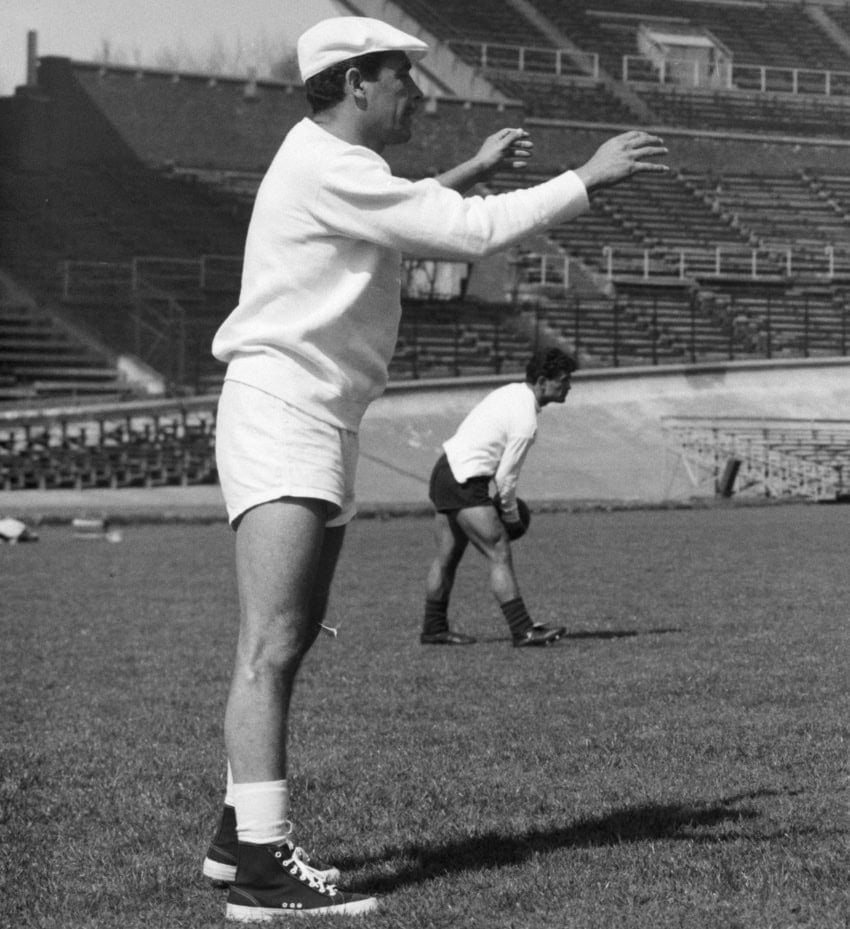
At the heart of that story lies coach Ignacio Trelles Campos, a man the FIFA website describes as “an immense personality” who “helped revolutionize Mexican football” with his innovative coaching style and his treatment of players. As a player himself, Trelles had starred for a league-winning Necaxa side. But after a bad injury ended his playing career, he turned to coaching and shone, taking the lowly Zacatepec team to Mexico’s top division. It was in the hot, unshaded Zacatepec stadium, incidentally, that Trelles began wearing his trademark white cap.
He returned a few years later to guide Zacatepec to the 1955 and 1958 titles and, as the man of the moment in Mexican soccer, became assistant coach to the 1958 World Cup squad. It was in Sweden that year that Mexico scored its first-ever point in a World Cup tournament, against Wales.
The match ended in a draw, and Mexico would exit the Cup that year after its very next game, losing to eventual finalists Hungary 0-4, but the team, and Trelles, had made Mexican football history. El Tri now had a new goal: winning its first-ever match.
Ignacio Trelles and the road to the 1962 World Cup
Coach Ignacio Trelles led El Tri to its first win in a FIFA World Cup in 1962. (Wim van Rossem para Anefo/Wikimedia Commons)
After Mexico’s 1958 Cup run ended, Trelles moved on to coach Club América. However, in 1960, he again took over the Mexican team to prepare them for the 1962 Cup. By now, he had matured into a confident and thoughtful coach. He bonded the players by organizing games of basketball and tennis, and he introduced the use of smaller footballs during training sessions, so that controlling the match ball felt easier. He cared for his players, expanding the coaching and support staff, including adding team doctors.
Above all, Trelles was a great character. He once led the Mexican team out into a hostile stadium wearing a builder’s hard hat. The jeers of the crowd turned to laughter, and the intimidating atmosphere was broken for his players. In another often-repeated incident, a Mexican referee threatened to abandon a game if Trelles did not leave the touchline. Trelles shrugged and informed the official that he was quite comfortable where he was and had no intention of moving.
Mexico faced a long path to even qualify for the Cup. After getting the better of the U.S. team, El Tri entered a group stage along with Costa Rica and the Netherlands Antilles. This campaign started badly when, in March 1961, Mexico lost 0-1 in Costa Rica. Both teams then went on to thrash the Netherlands Antilles, and then, in April, Mexico beat Costa Rica 4-1.
With qualification in the balance, Mexico departed for a European tour. The team started well, beating the Netherlands — who were in those days an amateur side — in a healthy 2-0 victory. Then came the news that back across the Atlantic, Costa Rica had lost 0-2 to the Netherlands Antilles.
Mexico’s road to the World Cup suddenly looked a lot easier.
Mexico’s men’s national football team disembarks in London on May 4, 1961 for a friendly with England’s national team at Wembley Stadium. (Hulton Archive/Getty Images)
Next came the highlight of the tour, a visit to Wembley Stadium to face England. Two years before, Mexico had beaten England in Mexico City, and this invitation was a reward for that fine performance. It was one of those nights when England were at their best. “Mexicans dumfounded by England skill” was the headline in The Times after England won 8-0. The visitors, it was reported, did little more than “tip-tapping the ball in pretty circles.”
It says much for Trelles’ motivational skills that the team recovered to finish their tour with a draw against Norway. The England match was to have a major impact on coach Trelles. Inspired by Brazil, world football was moving to a 4-2-4 formation. The disaster at Wembley showed that Mexico did not have the players for this, so he developed his own Mexican style. This involved three central defenders and two players covering the flanks, but willing to move forward with the ball — wing backs as we know them today. Mexico became a team that could soak up pressure and then counterattack quickly. A 0-0 draw with the Dutch Antilles was hardly impressive, but it took them through to a final World Cup showdown with Paraguay. A Mexican team finding steel in their defense won 1-0 at home and survived a tense goalless draw in Asunción. Mexico was going to the World Cup.
Mexico’s 1962 goalkeeper and team captain, Antonio Carbajal, training in England in 1961. (Keystone via Getty Images)
Many national sides at the time tended to chop and change the team, international selection being seen as a reward for good current form. Under Trelles, Mexico regularly fielded the same team, and eight players from the 1958 squad were selected to go to Chile. There was also a strong Guadalajara presence. Chivas had just won their fourth consecutive title and would provide seven of the team, including Salvador Reyes, the league’s joint top scorer that season. Reyes was a man with soccer in his blood. His father had played for Guadalajara, and young Reyes had been a ball boy at the club even before joining the youth team. With five league titles, worshipped by the local fans, and a World Cup appearance under his belt, Reyes had that special presence that marks great players. He would not be intimidated by anybody when he stepped onto the pitch in Chile.
Two other veterans were also expected to play key roles. The team would be captained by goalkeeper Antonio Carbajal, who was set to become the first player to appear in four World Cup tournaments. At 32, he was at his best, a keeper more remembered for being “a safe pair of hands” who never made mistakes, rather than for pulling off spectacular saves. In front of him, Raúl Cárdenas would be playing in his third tournament and was a key man in the new defensive lineup.
The Mexican team in Chile
Resumen México vs Checoslovaquia Chile 62 - Mundial Retro
Two years before the World Cup was due to kick off, Chile had been struck by the Valdivia earthquake, and damage to stadiums resulted in changing some venues. Mexico would be based in Viña del Mar, a seaside town with a modest 18,000-seat stadium. Here, Mexico faced the reigning champion, Brazil, and two strong European sides, Spain and Czechoslovakia.
The campaign opened on May 30, with Brazil struggling to break down the tight Mexican defense. The Brazilians did not take the lead until the 56th minute, and did not secure the win until Pelé scored late in the game.
Next up was Spain, which had lost its first game against Czechoslovakia. With a minute left on the clock and the score still at 0-0, a roar went up from the crowd, convinced that a Spanish player had stopped a cross with his arm. The referee did not agree, the ball was hacked away and Spain scored from the break.
In a few seconds, Mexico had gone from hopes of victory to defeat.
Behind against Czechoslovakia
After two rounds, Brazil and Czechoslovakia led the group with three points — only two points were earned for a win in those days. Mexico was already out, but Spain could still qualify. In those more innocent times, the two decisive matches were scheduled on different days. Brazil played Spain on June 6. Pelé was injured, but his replacement Amarildo scored two goals as the holders won 2-1. That made the next day’s result immaterial, with Czechoslovakia going through whatever happened.
Even so, Czechoslovakia still put out its strongest team, and there was no sign of taking the game lightly. Indeed, in the very first minute, Václav Mašek put the team ahead. That was the fastest goal in World Cup history and would remain so for the next 40 years. Remarkably, Mexico had conceded a goal in 16 seconds despite having the kickoff.
A World Cup match win to remember
At this point, Czechoslovakia certainly looked the better team. Its players were physically strong and technically sound; they always looked comfortable on the ball and always seemed to have a little more time than the Mexicans. However, after 15 or 20 minutes, a subtle change was edging into the game. While the Czechs still had the advantage, their attacks were starting to look unimaginative. The Mexican defense weathered the opening pressure, and their quick breaks down the center started to look more menacing.
The equalizing goal, when it came, was one the Brazilians would have been proud of: Mexico collected the ball in its own half, put together six passes, and then there was Isidoro Díaz to sweep it into the net with the goalkeeper stranded. “Fútbol extraordinario,” screamed the Mexican commentator.
The Czechs came back strongly and were looking particularly dangerous down the right wing, where Ignacio Jáuregui was struggling against the speed of Jozef Štibrányi. Then, in the 29th minute, Alfredo del Águila robbed a defender on the edge of the Czech penalty area. The Toluca star pushed the ball right, collected the return, and, despite being surrounded by four defenders, twisted and turned to get in his shot. A great goal that put the score at 2-1 to Mexico.
The final goal
Nevertheless, it was still a match that could go either way. If the Czechoslovakians had more of the ball, the Mexicans were creating the better chances. As the game entered the last 20 minutes, the Czechoslovakians were starting to tire, and now, as they pushed forward, they were leaving a lot of space in their half of the field.
With minutes to go, Jan Lála pushed a Mexican pass to the ground with his arm. Referee Gottfried Dienst didn’t hesitate — a penalty shot to Mexico.
Héctor Hernández hit the ball high, hard and into the net. Mexico had secured its first World Cup win.
The win had been achieved over a good side, and Czechoslovakia would go on to reach the final. Ignacio Trelles would win seven league titles with five different clubs and take Mexico to the1966 World Cup. Seven of the 1962 team would be in England with him, including goalkeeper Antonio Carbajal, who would become the first player to appear in five tournaments. Mexico would draw two of their games in England, but it would be eight years before they won another World Cup match.
Bob Patemanlived in Mexico for six years. He is a librarian and teacher with a Master’s Degree in History.
Francisco Gabilondo Soler was Mexico's best-known composer of children's songs. (Sociedad de Autores y Compositores de México)
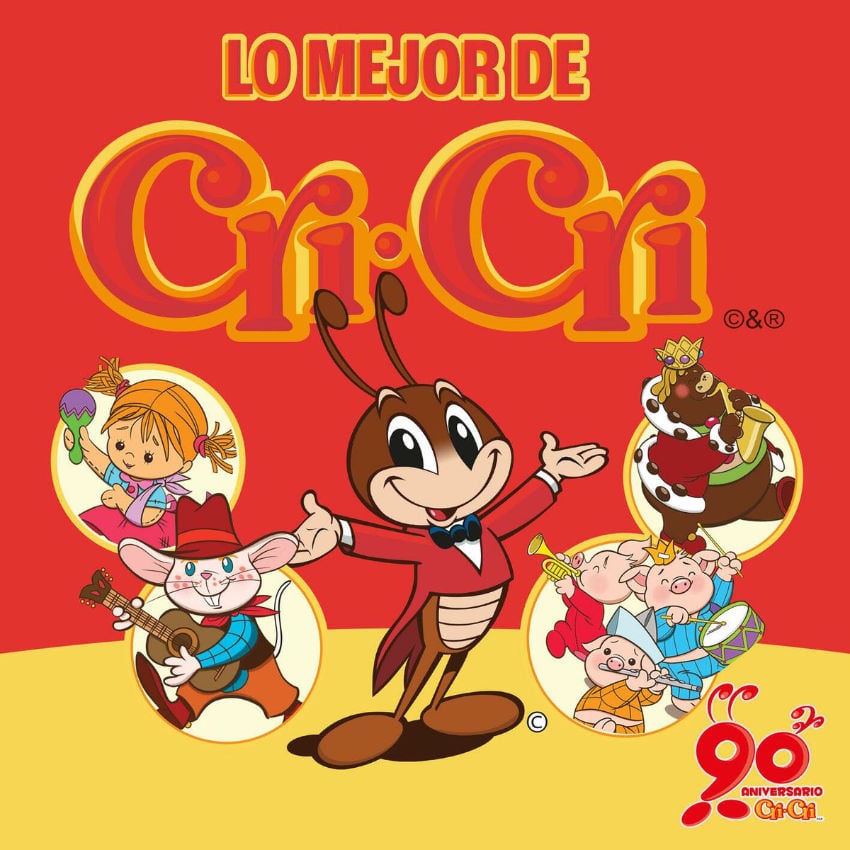
For generations of Mexican-raised families, there’s a name that inevitably evokes the purest childlike joy and unfiltered excitement: Cri-Cri. A fictional cricket musician and beloved icon — who is widely believed in Mexico to have inspired the creation of Disney’s Jiminy Cricket character for the 1940 film “Pinocchio” — Cri-Cri has sung his songs, pranced around and delighted the Mexican imagination for nearly a century.
Debuting in 1934, the tiny anthropomorphic figure, also known throughout Mexico as “El Grillito Cantor“ (“The Little Singing Cricket”), wore a red tuxedo, played the violin made from twigs and leaves and would appear on the radio, albums, in children’s books and eventually on television. Nowadays, Cri-Cri even has a museum and a park in his honor located in Orizaba, Veracruz, where the original creator and songwriter, Francisco Gabilondo Soler, was born and raised. It’s a testament to Gabilondo Soler’s legacy as being the Walt Disney of sorts for Mexico. In his prime, he even declined to work for Disney, according to Gabilondo Soler’s grandson.
Ask a Mexican of any age, and they’ll most likely be able to sing one of Cri-Cri’s songs word for word. Though Soler’s characters have certainly lost ground globally in an age of digital overload and media oversaturation, he’s still a legend in Mexico. Here’s what made him such a sought-after generational talent and creative engine of his time.
Cri-Cri the musical cricket began singing his way into Mexicans’ hearts in 1934 on a radio show Francisco Gabilondo Soler did for XEW, one of the most influential broadcasters in Mexico during the 20th century. (Sony Music Entertainment México)
From amateur astronomer to national music icon
Born in 1907 in Orizaba to the children of Spanish immigrants, Gabilondo Soler reportedly taught himself how to play the pianola as a teenager by asking permission to use a public self-playing piano as his informal schooling. In 1928, he would go on to study astronomy at the National Observatory of Mexico in Baja California but was unable to finish his degree, though he retained his interest in astronomy. A man of limited resources, he dabbled in other professional fields, including linotyping, before returning to his creative passion and dedicating himself to becoming a full-time musician.
He played in public areas and was in an opportune position to share his music with larger audiences when radio began to grow in popularity — a technology that had only existed in Mexico since 1921. He slowly and naturally transitioned into being on air, with his initial radio persona being dubbed “El Guasón del Teclado” (The Joker of the Keyboard), known for his humor and witty social commentary.
In 1934, everything changed. Gabilondo Soler performed his first children’s songs: “El Chorrito,” “Bombón I” and “El Ropero” on Mexico City’s renowned radio station, XEW. For a 15-minute segment, he began to sing fantasy children’s songs he had been writing on the side. It became a regular radio segment that lasted for 27 years and led to his eventual fame and renown.
But at the time, he was merely a hungry artist trying to make his mark. According to the official website for Cri-Cri, Gabilondo Soler’s initial recordings went largely unacknowledged; instead, he “had only his voice, a piano and a lot of imagination. Thus he continued, seemingly without success, with his nameless program and no character,” according to the site.
Though he was mostly unknown at the time, this was the year that Cri-Cri was born.
Cri-Cri - El RatónVaquero (video oficial)
Cri-Cri: Mexico’s own Walt Disney
By the end of his career, Cri-Cri (the fictional moniker that Gabilondo Soler would become known for) composed a total of 210 songs.
Among his most well-known are “El Ratón Vaquero” (The Cowboy Mouse), “Cochinitos Dormilones” (Sleepy Piggies), “Caminito de la Escuela” (Little Road to School) and “Marcha de las Letras” (March of the Letters). At the museum in Orizaba, various songs are brought to life with papier-mache figures portraying the song’s lyrics.
Cri-Cri was especially heralded for his songs because they often focused on life lessons or educational values for young Mexicans, and to this day they are used as learning tools for infants, toddlers and grade-school children to learn about topics such as friendship, family, school and more.
His repute extended beyond Mexico, of course. When Walt Disney and a team of cartoonists and creatives visited Mexico and various regions around Latin America in 1941, they specifically had hoped to get Gabilondo Soler to work with them.
Cri-Cri, Gabilondo Soler’s singing cricket, may have inspired the creation of Walt Disney’s Jiminy Cricket character. The first images of Cri-Cri, however, were not created until 1962 by Mexican illustrator José Luis Tamayo. (Sharazad-Liddell/Wikimedia Commons)
The times were complicated. World War II had broken out, and though the United States hadn’t yet actively entered the war, political factors fueled the U.S. government to fund the Disney Company’s trip — via the newly created Office of the Coordinator of Inter-American Affairs — in an effort to generate trust and leverage among Latin Americans through movies.
The trip would result in new Disney films and characters. In 1942 and 1944, respectively, Disney produced “Saludos Amigos” and “The Three Caballeros,” musical family films that were informed by the Disney’s team’s experiences in various Latin American countries, including Mexico.
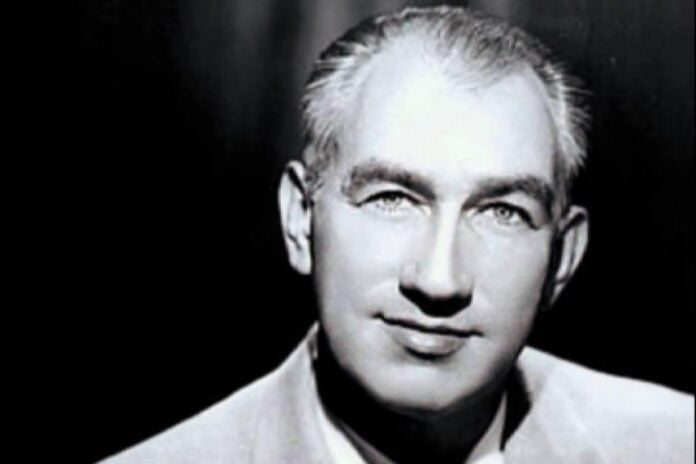
In the 1940s, Walt Disney was working with the U.S. government, including the military. During this time, he visited Mexico as part of a U.S. government goodwill tour of Latin America. (Bettmann Archive via Getty Images)
While in Mexico, Walt Disney allegedly attempted to hire Gabilondo Soler to create original material that would speak directly to Latin Americans. But, it is said, Cri-Cri was opposed to taking his characters off the Mexican airwaves and placing them in a commercial market aimed at U.S. filmgoers, and so Gabilondo Soler declined the offer.
Decades later, in 2016, rumors about this alleged tête-à-tête were rehashed by Gabilondo Soler’s grandson, Francisco Sanz Polo, who confirmed on the Dante Night Show Disney’s efforts to purchase the rights to his grandfather’s material. After it was revealed that the Mexican songwriter had remained true to his roots and creative vision, his adoration among Mexican fans only increased.
The Cri-Cri catalogue never grew to become a massive corporation or money-making amusement park with international renown. But that’s largely because Gabilondo Soler — a proud Mexican musical icon who was raised in the mountains of Veracruz — wanted to keep it that way.
Alan Chazaro is the author of “These Spaceships Weren’t Built For Us” (Tia Chucha Press, 2026), “Notes from the Eastern Span of the Bay Bridge” (Ghost City Press, 2021), “Piñata Theory” (Black Lawrence Press, 2020), and “This Is Not a Frank Ocean Cover Album” (Black Lawrence Press, 2019). He is a graduate of June Jordan’s Poetry for the People program at UC Berkeley and was selected as a Lawrence Ferlinghetti Poetry Fellow at the University of San Francisco. His work can be found in NPR, The Guardian, SLAM, GQ, L.A. Times, and more. He is currently based in Veracruz.
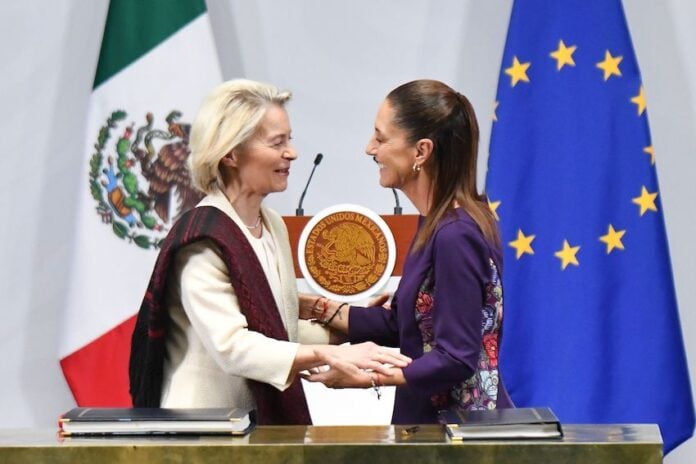
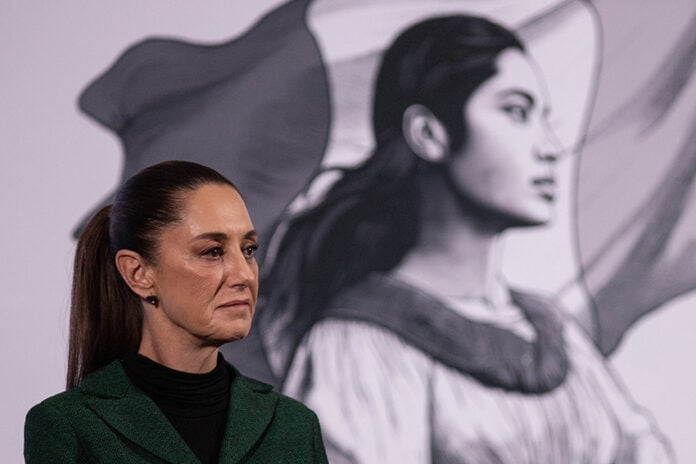
President Claudia Sheinbaum with Ursula von der Leyen, President of the European Commission, following the signing of the Modernized Global Agreement in Mexico City on May 22. (Mario Jasso/Cuartoscuro)
The week of May 18 in Mexico began with the news that two former Sinaloa state officials — ex-Security Minister Gerardo Mérida Sánchez and ex-Finance Minister Enrique Díaz Vega — had turned themselves in to U.S. authorities. They are the first to face a federal drug trafficking indictment naming 10 current and former Sinaloa-linked officials, including Governor Rubén Rocha Moya, who remains on leave.
At her Monday press conference, President Claudia Sheinbaum dismissed any “risk” from their U.S. depositions and rejected the notion that Washington could designate her Morena political party as a terrorist organization. By Friday, the week had brought a historic trade deal signing, major environmental wins and worrisome economic data.
Didn’t have time to catch this week’s top stories? Here’s what you missed.
Mexico and the EU sign a landmark trade deal
The week’s most consequential diplomatic event arrived on Friday, May 22, when Mexico and the European Union formally signed the Modernized Global Agreement (MGA) at an EU-Mexico Summit in Mexico City — the first such summit in more than a decade. European Commission President Ursula von der Leyen and European Council President António Costa were welcomed by Sheinbaum at the National Palace’s Courtyard of Honor before the ceremony.
The deal, a decade in the making, eliminates tariffs on 99% of products traded between the two sides — including mutual tariffs on electric vehicles and batteries — and broadens the original 2000 pact to include services, digital trade, government procurement, investment and agricultural products. It opens the door to duty-free access for Mexican chicken and asparagus, and European cheese, pork and milk powder.
A key feature reported earlier in the week is a new Investment Dispute Resolution Tribunal to replace the existing patchwork of bilateral mechanisms. It guarantees European companies operating in Mexico — and Mexican companies in Europe — the same treatment as local firms, with panels required to issue final rulings within 120 days. Two-way trade in goods between Mexico and the EU totaled €86.8 billion in 2025, with Europe serving as Mexico’s second-largest export market after the U.S.
Morelos mayor arrested in Operation Swarm
Federal security forces struck close to Mexico City on Wednesday when Security Minister Omar García Harfuch announced the arrest of Atlatlahucan Mayor Agustín Toledano Amaro and five other officials from the central state of Morelos as part of Operación Enjambre (Operation Swarm) — an ongoing anti-corruption strategy that has now netted more than 140 officials since its launch in November 2024.
Also detained were the former mayor of Yecapixtla and several officials from Cuautla’s municipal government. Federal prosecutors said at least eight Morelos municipalities had been infiltrated by the Sinaloa Cartel, whose alleged regional operator, known as “El Barbas,” reportedly helped fund candidates’ campaigns in exchange for protection. The government’s Financial Intelligence Unit moved to freeze bank accounts of 22 individuals and 10 companies linked to the corruption network, and authorities said they were continuing efforts to arrest Cuautla Mayor Jesús Corona Damián.
Judicial reform: A broader do-over is in the works
On Monday, Sheinbaum signaled plans to push the second round of judicial elections from 2027 to 2028, and on Wednesday, the president submitted a full constitutional reform bill to Congress that proposes sweeping changes to the 2024 overhaul itself.
The bill was drafted in part by presidential legal adviser Luisa María Alcalde and effectively acknowledges the deficiencies of last year’s elections, in which just 13% of eligible voters participated, ballots were notoriously unwieldy and cheat sheets — some circulated by Morena affiliates — became widespread.
Among the key changes proposed: each judgeship race would be capped at two candidates, selected through merit evaluation and sortition; candidates would need to demonstrate genuine legal knowledge rather than simply holding a degree and presenting neighbors’ letters of recommendation; sitting judges seeking a new post would have to resign first; and all judges would face performance reviews from year one. The bill also restores the Supreme Court to a dual-chamber structure and requires judicial campaigns to be conducted without involvement from political parties.
The proposal drew a sharp rebuke from the National Association of Federal Circuit Magistrates and District Judges, which called the postponement “the clearest confession” of the original design’s failures and warned that trimming candidate lists, without addressing deeper structural problems, risked causing the justice system to “collapse.”
World Cup countdown
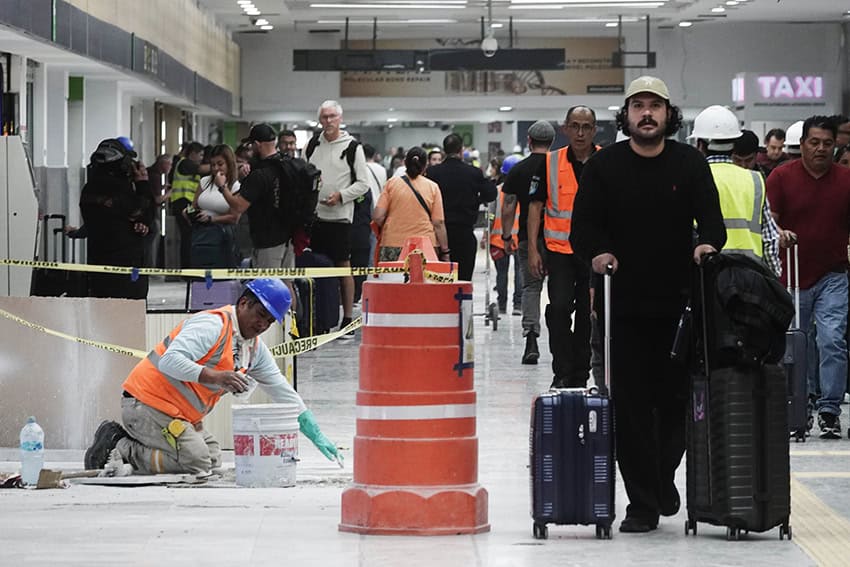
With the 2026 FIFA World Cup less than three weeks away, Mexico’s co-hosting preparations dominated the news. The national teachers’ union announced a strike to coincide with the tournament’s opening, while Mexican air traffic controllers threatened a work stoppage that could disrupt the surge in international arrivals expected in June. Mexico City’s Benito Juárez International Airport (AICM) is also racing the clock, with 2,000 workers on site to finish a year-long renovation before the June 11 kickoff.
Three weeks out from the World Cup’s kickoff match, construction continues at Mexico City International Airport (AICM), seen here on May 14. (Camila Ayala Benabib / Cuartoscuro.com)
Environment Ministry kills Royal Caribbean’s Perfect Day Mexico project
Mexico’s Environment Ministry (Semarnat) put a definitive end to Royal Caribbean’s Perfect Day Mexico megaproject in Mahahual, Quintana Roo, blocking a cruise-ship entertainment complex that environmental groups said would have damaged mangroves, coral reefs and the region’s fragile aquifer. Semarnat head Alicia Bárcena declared Tuesday that the project “will not be approved” — one day after President Sheinbaum ordered a fresh environmental review.
The proposed complex had drawn enormous opposition. Plans called for more than 30 waterslides, the world’s longest “lazy river” and a standalone “Tipsy Sombrero Bar” topped by the world’s largest sombrero, spread across roughly 90 hectares of jungle and mangrove next to the Mesoamerican Reef — the largest reef system in the Western Hemisphere — in a coastal community of fewer than 3,000 people. A Change.org petition against the project gathered more than 4.8 million signatures, with opposition ranging from local residents to the international fan bases of BTS and Taylor Swift. Greenpeace hailed the cancellation as a victory for public pressure, calling on the government to extend formal protections to the wider Maya jungle and its aquifer. Royal Caribbean said it respected the decision but still hoped to discuss future community and environmental investment in Mexico.
Mexican food shines — and stumbles — on the world stage
It was a mixed week for Mexican cuisine on the international scene. On the high note, National Geographic named Sonora one of the best food destinations in the world, recognizing the northwestern state not just for its iconic carne asada but for its agave-based spirits — a category that earned it the coveted slot on Nat Geo’s “Best of the World” list.
However, the 2026 Michelin Guide Mexico — presented at a ceremony in Guadalajara on Wednesday — revealed that El Califa de León, the modest Mexico City taquería that had made history as the world’s only taco stand with a Michelin star, has lost that distinction two years after earning it. The guide did not give a reason for the downgrade. However, Mexico’s taco culture retained its place on the coveted list: La Once Mil, an upscale taquería in Lomas de Chapultepec where a single taco can run 335 pesos, picked up the star. The 2026 edition also expanded to new states, awarding stars to restaurants in Jalisco and Yucatán for the first time.
GM moves Groove and Aveo assembly from China to Mexico
General Motors announced it will relocate assembly of the Chevrolet Groove and Aveo from China to its Ramos Arizpe plant in Coahuila, starting in 2027. The move aligns with Mexico’s nearshoring push and is part of GM’s broader North American supply-chain reshuffling amid ongoing U.S.-China trade tensions.
Economic signals: A difficult week for the numbers
A string of reports this week painted a sobering, if slightly more hopeful than expected, picture of Mexico’s economy.
On Friday, INEGI confirmed that Mexico’s GDP contracted 0.6% in the first quarter of 2026 compared to the previous three months — the worst quarterly drop since late 2014, though the final figure beat earlier estimates. Year-on-year, the economy grew 0.4% versus the same period in 2025. The government maintained its annual growth forecast of 1.8%-2.8%, banking on World Cup revenues and the federal Infrastructure Plan.
On Wednesday, Moody’s cut Mexico’s sovereign credit rating to Baa3 — the lowest investment-grade level, one notch above junk — while upgrading Mexico’s outlook from negative to stable. The agency cited weak growth and the ongoing drain from Pemex subsidies. The downgrade leaves all three major agencies — Moody’s, Fitch and S&P — giving Mexico a near-floor investment-grade score. Offering a partial counterweight, manufacturing activity rose 1.3% year-on-year in April, breaking a three-month decline.
MND’s inaugural economy index
Mexico News Daily launched the MND Economy Index™ for March 2026 — a new monthly tool designed to cut through competing narratives about economic performance. The index draws on a broad basket of indicators to produce a composite, data-backed snapshot of conditions each month, building on MND’s growing suite of intelligence products.
☮️ A new Institute for Economics & Peace report found that Mexico recorded its most significant improvement in peacefulness in at least a decade in 2025.
🌊 Researchers from Mexico and Japan launched a joint study on earthquake and tsunami risks along the Oaxacan Pacific coast, aiming to improve early warning systems in one of Mexico’s most seismically active zones.
⚓ The governor of Baja California Sur pledged to formally ask President Sheinbaum to repeal a decree that opened the Pueblo Mágico town of Loreto to heavy maritime traffic, a move welcomed by residents and conservation advocates seeking to protect the Gulf of California.
Mexico News Daily
This story contains summaries of original Mexico News Daily articles. The summaries were generated by Claude, then revised and fact-checked by a Mexico News Daily staff editor.
This week on "Confidently Wrong," CEO Travis Bembenek takes listeners behind the scenes on Mexico News Daily's Sheinbaum Index, a new tool to help objectively evaluate the president's performance. (Octavio Hoyos / Shutterstock)
Thoughts and opinions about political leaders understandably stir up a lot of emotion, no matter where you live. Oftentimes, the opinions expressed are not very fact-based, and the arguments for or against a given politician tend to be quite superficial. I get it; political views tend to get shaped by experiences that directly affect one’s family, community or business — so they aren’t always formed out of logic.
One of the most common questions I get from people is: “How do you think President Sheinbaum is doing?” I find that many people — especially people who do not live in Mexico or are immigrants to the country — are more likely to be uncertain about how to think. They tend to fall into two different categories:
1. Those who think she is going to ruin the country.
2. Those who think she is doing great.
When I press those who think she is going to ruin the country, they almost always point to what they have heard from their English-speaking Mexican friends. When I ask for details, they tend to say things like, “She is just a puppet for AMLO,” which is superficial to say the least. Those who think she is doing great tend to be equally superficial in their rationale, pointing to things like “I like her smile,” “I like the way she dresses,” etc., etc.
It is with that backdrop that Mexico News Daily created The Sheinbaum Index. With this monthly index, we look to give our readers real data and context for evaluating the performance of the president. Not just opinions, but facts and figures.
In today’s episode of Confidently Wrong, we talk through the results of the first inaugural MND Sheinbaum Index to help you understand how it works and how to interpret it. You can find it on Spotify here or on our YouTube channel. Enjoy!
Confidently Wrong about President Sheinbaum’s Performance
Travis Bembenek is the CEO ofMexico News Daily and has been living, working or playing in Mexico for nearly 30 years.
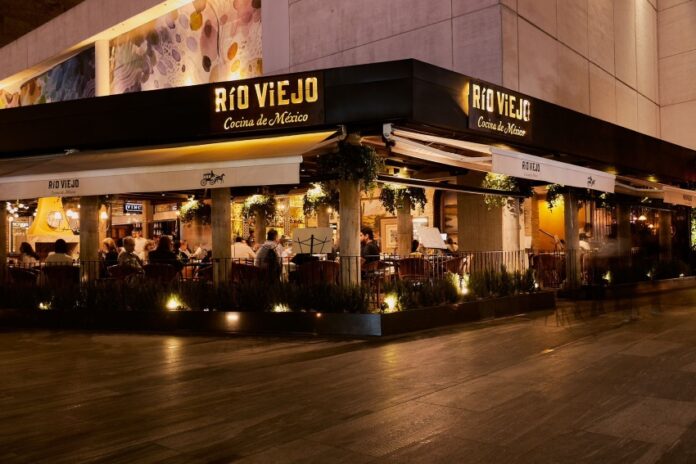
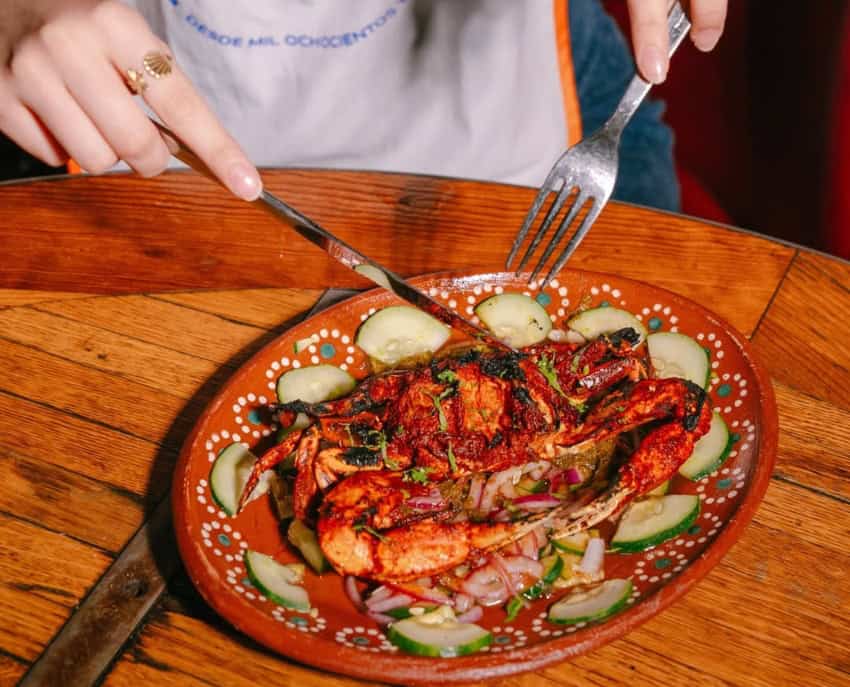
If you're visiting Guadalajara for the 2026 World Cup, or just because, you'll want to know about these local restaurants offering must-try dishes and experiences. (Río Viejo)
Guadalajara, known for its burgeoning food and drink scene and proximity to the birthplace of tequila, will host four of the 2026 FIFA World Cup games June 11–26. If you’re one of the lucky folks with a ticket, why not try out some of the best examples of the region’s dining while in town?
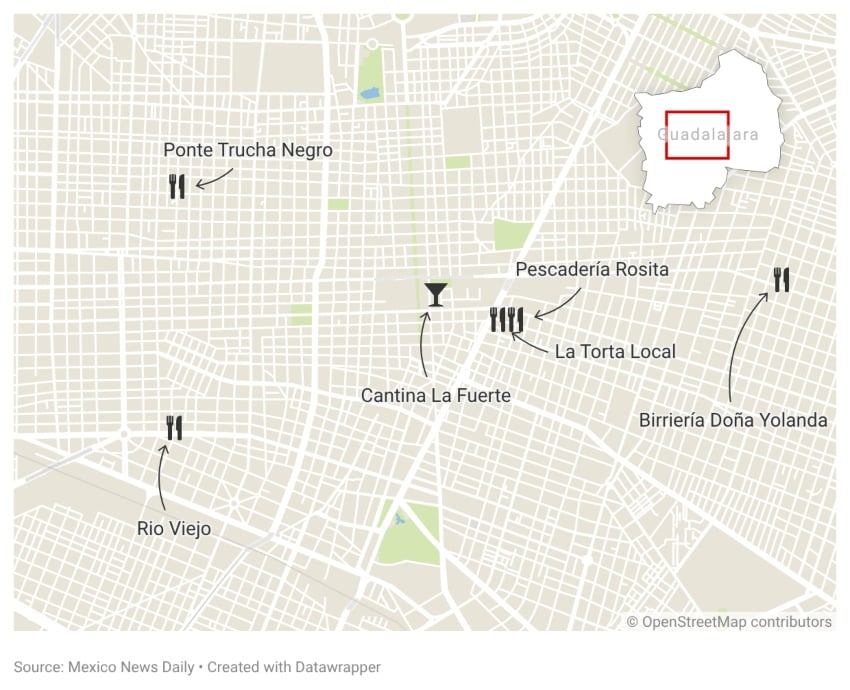
In Mexico’s second-largest city, modern, sophisticated cuisine that riffs on both the trendy and the traditional can be found in Guadalajara in abundance, as can some of the nation’s best cocktail bars. But just as we recently wrote about Mexico City, if you want to dig a little deeper and get a feel for Guadalajara’s classic regional cuisine, here are seven restaurants you shouldn’t miss.
Gualajara’s best tacos are scattered throughout the city center.
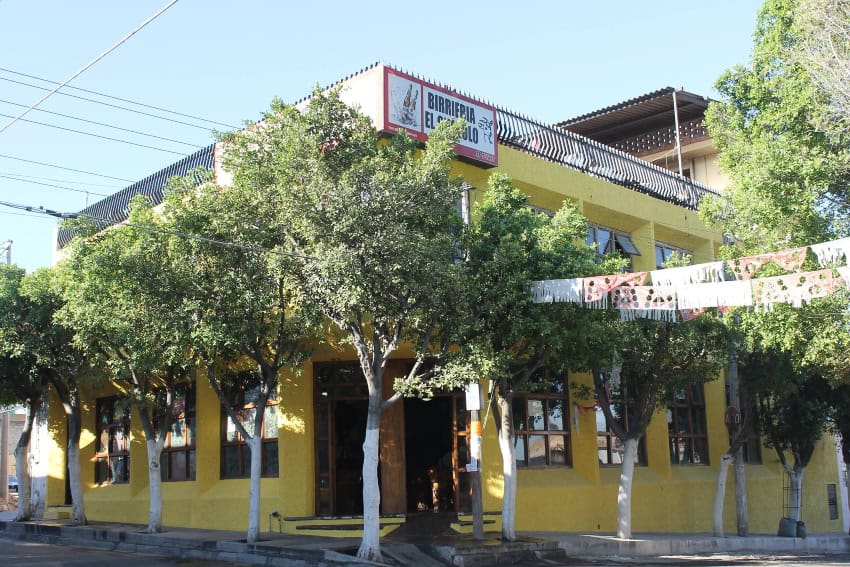
Birriería El Chololo
Lamb birria is the specialty of the house at Birriería El Chololo in Tlaquepaque. (Facebook)
Just a short ride from Guadalajara’s center, Birriería El Chololo sits on one corner of a tiny plaza in Tlaquepaque, a part of Guadalajara’s metropolitan area famous for its cuisine and crafts, and is full to overflowing on the weekends. Massive plates of slow-cooked lamb birria — finished in the oven to create a crispy outer layer — are brought tableside, along with a rich and deeply seasoned consommé (broth) and handmade tortillas. Birria is one of Guadalajara’s most iconic dishes and is something you must try while visiting. This restaurant, with its walls covered in sepia-toned photos of the owners and famous diners, bullfighting posters and other memorabilia, is a classic stop for birria lovers.
Founded in 1921, this cantina’s famous bicycle is mounted behind the bar, supposedly turned over in hock by a customer as collateral to pay their bill and never retrieved. For this reason, the bar is often called locally “La Bicicleta.”
Dozens of bottles of tequila — the region’s alcoholic claim to fame — line the bar, and alongside them you’ll find Mexican cantina classics such as tacos dorados, tortas ahogadas and pickled pig’s feet. Musicians wander among the tables, especially on the weekends, including mariachi bands that will play your favorite Mexican bolero for a few pesos.
During the 1940s, the U.S. pressured Mexico to move its Japanese immigrants away from the borders and ports, and Mexico agreed, clustering the community in Mexico City and Guadalajara. Many of the transplants to Guadalajara set up food stands in the market and outside the local bus station, where they would sell their famous caldo michi — a fish soup with carrots, tomato, garlic and MSG.
Today, the local Nikkei community holds tightly to its roots and many members can be found in that same market selling Japanese-inspired dishes (most have long been adjusted to the Mexican palate). The Yokogawa brothers and their stand, named in honor of their mother, can be found in the market during the week and outside in the open-air plaza on the weekends.
Go for the fried rice, the caldo michi and a handful of unexpected sushi combinations.
Ponte Trucha Negro
Great seafood draws Guadalajara locals and in-the-know visitors to Ponte Trucha Negro. (Instagram)
Serving the Santa Tere neighborhood since 1987, Ponte Trucha Negro has a rambunctious, family-friendly ambiance spreading through its massive dining room from the moment it opens its doors each day.
As Guadalajara is located only about four hours from the coast, it has great seafood at both its high-end and more economically priced restaurants — incidentally, another place I love is the hipster Panga el Impostor in Colonia Americana.
At Ponte Trucha Negro, the spicy shrimp aguachile with cucumber, onion and hot peppers is almost as good as the taco chupe zarandeado, with grilled shrimp in the creamy house sauce.
Add a freezing cold beer, and there is nothing better.
The traditional torta ahogada — a chopped pork sandwich on a hearty roll that’s “drowned” in a tomato sauce that can have a range of spices — is one of the region’s most famous dishes. It’s classic street food, but you can get it in plenty of upscale places with a sophisticated presentation and even a black plastic glove for you to wear so you don’t get its sauce all over you.
But if you want the real experience, you have to get down in the trenches with the locals at the Mercado San Juan de Dios. Here, the tortas ahogadas are messy, impossible and absolutely fabulous.
Birriera de Doña Yolanda
On Sundays in Guadalajara, the city has a massive flea market, the Tianguis el Baratillo, that sets up on its western side. Nearby is one of my favorite birria places that I guarantee you won’t find on any other list, anywhere. I originally got the recommendation from the bartender atDe La O, another place I highly recommend.
Run by Doña Yolanda, there’s not much to say about such a simple and gastronomically divine location. But the lamb birria is fall-off-the-bone tender, and the consommé is textbook perfect. Don’t be dissuaded by the place’s disheveled look; just give it a try.
Río Viejo
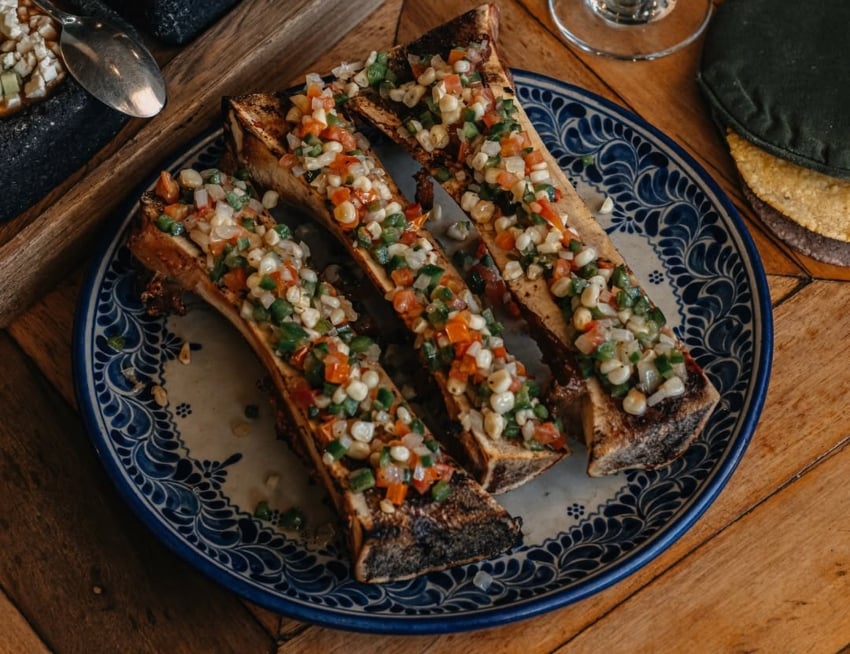
The tuétano at Río Viejo is a delicious work of art. (Río Viejo)
Opened in 1987, Río Viejo has a massive outdoor patio for all those fine, sunny Guadalajara Sundays and offers a menu of Mexican classics that run the gamut from guacamole with chicharrón to chamorro en adobo (slow-coked pork loin), grilled bone marrow esquites and rib eye tacos. You really can’t go wrong ordering anything off the menu.
Not to mention there’s live Mexican music on the weekends, a perfect time to dabble in Río Viejo’s long list of cocktails and spirits.
Lydia Carey is a freelance writer and translator based in Mexico City. She has published extensively both online and in print, sharing her insights about Mexico for over a decade. She lives a double life as a local tour guide and is the author of “Mexico City Streets: La Roma.” Follow her urban adventures on Instagram and see more of her work at mexicocitystreets.com.