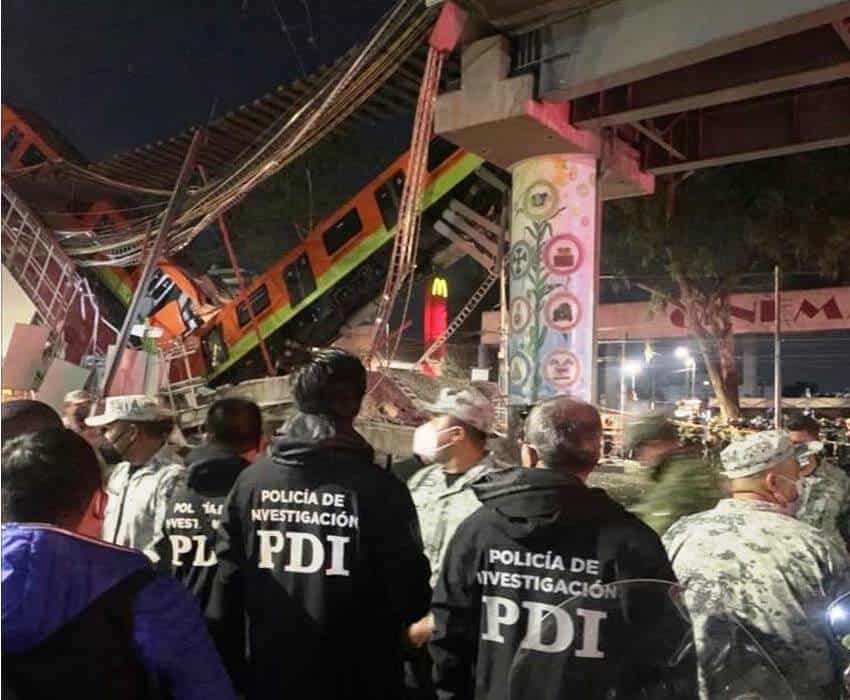
The subterranean section of Line12 of the Metro, before its reopening on Sunday. (Twitter @Claudiashein)
Line 12 of the Mexico City Metro — the scene of an accident in May 2021 that claimed the lives of 26 people — has partially reopened.
The underground section of the subway route — the system’s newest — and its nine stations were back to carrying passengers on Sunday.
The open-air elevated section of the line, part of which collapsed as a train traveled over it on May 4, 2021, remains closed.
The Line 12 overpass collapsed on the night of May 3, 2021, killing 26 people. Gobierno de México
The underground section was upgraded prior to its reopening to ensure its safe operation, with tracks, ballast and sleepers all replaced and a range of other projects completed.
“These rehabilitation projects were carried out in strict compliance with the guidelines established by the [government’s] technical advisory committee,” Guillermo Calderón, the Metro system’s director, told a press conference on Sunday.
The “safety conditions” along the reopened section are “outstanding,” he said.
Twelve trains will run between the Mixcoac and Atlalilco stations on the subterranean stretch of Line 12, which was built during the 2006–2012 mayoralty of current Foreign Affairs Minister Marcelo Ebrard. It opened in the final year of his six-year term.
The line has been plagued with problems and was partially closed for an extended period in 2014.
Those problems, including the 2021 disaster — the Metro’s deadliest accident since a 1975 crash — could pose a threat to the presidential aspirations of Ebrard as well as current Mexico City Mayor Claudia Sheinbaum, whose tenure has also been tarnished by a fire in the subway system’s downtown substation in January 2021 and another fatal Metro accident earlier this month.
A Metro driver arrives at Tlahuac station of Line 12 during a test run prior to Sunday’s opening. (Twitter @GCalderon_Metro)
Sheinbaum on Sunday defended her government’s management of the capital’s subway system, saying that it has invested heavily in it to ensure its safety and reliability.
“It’s the duty of the mayor of Mexico City to do absolutely everything possible to guarantee the safety of Metro passengers — residents of the city and México state who use this very important mode of transport,” she said.
“The Metro has to continue being a safe space, and effective and useful for the millions of Mexicans who use it daily.”
Mayor Sheinbaum said that work is continuing on the elevated section of Line 12 but didn’t mention any reopening date.
Norwegian company DNV — contracted by the government to conduct an independent investigation into the May 2021 disaster — determined that design flaws and shoddy construction work contributed to the collapse of the Line 12 overpass, where two train cars plunged onto a busy road in the capital’s southeastern Tláhuac borough.
The president shared his thoughts about the North American Leaders' Summit, the Metro accident and electoral campaigns this week. (Photo: Gob MX)
The arrival of United States President Joe Biden in Mexico City on Sunday signaled the beginning of another busy week for President López Obrador, who is now in his final full calendar year as head of state.
AMLO held bilateral talks with Biden on Monday and trilateral talks with the U.S. president and Canadian Prime Minister Justin Trudeau on Tuesday. With some diplomatic energy still in reserve, the 69-year-old president sat down with Trudeau to discuss the joint Mexico-Canada agenda on Wednesday.
Monday
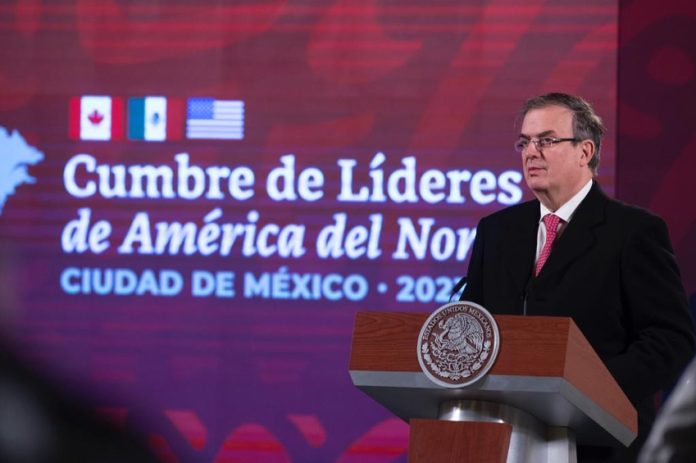
After Monday’s mañanera opened with a report on gasoline and food prices by consumer protection agency chief Ricardo Sheffield, Foreign Affairs Minister Marcelo Ebrard took center stage and acknowledged President Biden’s arrival at AIFA, the army-built airport just north of Mexico City.
AMLO characterized U.S. President Biden as a “nice person” who was “happy the whole time.” (@lopezobrador Twitter)
López Obrador, he said, accompanied Biden to his hotel (in the presidential vehicle known as “The Beast”) and had a “good conversation” with the U.S. president along the way.
“That’s precisely one of the objectives of these summits, [to cultivate] personal relationships, to appreciate and understand the priorities of one’s counterpart, seek out points of agreement, and it was a good occasion for that purpose,” Ebrard said.
Taking the floor to respond to reporters’ questions, AMLO said he had a “good encounter” with the U.S. leader.
“President Biden is a nice person. He was happy the whole time. We spoke about the issues that we’re going to deal with at today’s bilateral meeting: the immigration issue, issues related to the economic integration of North America…” he said.
Later in his presser, the president sent a message to Texas Governor Greg Abbott, an outspoken critic of Biden’s immigration policies and the United States government’s alleged failure to enforce laws aimed at stemming the flow of migrants into the U.S.
“Maybe the gentleman is Christian and if he’s read the Bible he should know that strangers must be respected and migrants must be treated with affection,” AMLO said of the governor, a practicing Catholic.
“… And if he’s Christian he should also know that one mustn’t lie, one must speak truthfully and not use these matters … for political and electoral purposes. … How many migrants are there in Texas? To start, Texas belonged to our country. … As the Los Tigres del Norte ballad says: ‘I didn’t cross the border, the border crossed me.’ Texas belonged to Mexico, to Coahuila.”
López Obrador also fielded a question about last Saturday’s fatal metro accident in Mexico City.
“The causes are being looked at … and the truth about what happened will be revealed without hiding anything at all,” he said.
Tuesday and Wednesday
With his focus squarely on meetings with the U.S. president and Canadian Prime Minister, AMLO took the rare step of not holding morning press conferences on two consecutive weekdays.
However, he didn’t eschew his predilection for speaking at length, offering an almost half-hour response to one reporter’s question at a joint press conference with Biden and Trudeau on Wednesday.
The “Three Amigos” at a joint press conference on Wednesday (@WhiteHouse Twitter)
“We missed each other, didn’t we?” López Obrador quipped to reporters upon his return to the National Palace for his first mañanera since Monday.
He then declared the bilateral and trilateral meetings of the previous days a raging success before going on to laud the strength of the Mexican peso.
“You already know that our peso has strengthened in a way not seen for half a century or more than half a century. Since we’ve been in the government our peso has appreciated, it’s the currency that has appreciated the most with respect to the dollar,” AMLO said.
Elaborating on the talks with U.S. and Canadian officials, Foreign Affairs Minister Marcelo Ebrard said the goal of a new committee of 12 people from the three North American countries – of which he will be one – will be to substitute 25% of imports from Asia with locally-produced goods.
“We have an enormous job ahead of us, but … we have to do it,” he said.
Later in the press conference, López Obrador told reporters that some people “are using accidents in the [Mexico City] metro” – including that which occurred last Saturday – to “attack” the capital’s mayor, Claudia Sheinbaum.
However, the mayor – a presidential aspirant and close ally of López Obrador – “has all our support,” the Tabasco-born president said, “because we consider her a professional, honest woman with a lot of capacity to govern.”
In response to a reporter’s question near the end of his presser, López Obrador declared that metro passengers are already safe and will be even safer once the National Guard begins patrolling the system.
“Why look after the users of the metro? … Because … the majority of those who use the metro are going to work, … there are millions of them and we have to look after them and we have to improve the service. It’s being done and [even] more will be done,” he said.
Friday
Abandoning the custom of setting his own agenda in the first portion of his presser, López Obrador dedicated the entirety of his last mañanera for the week to responding to reporters’ questions.
“What do you know? We’re going to devote the mañanera to answering all the questions,” AMLO said, adding that the prerequisite for probing the president was not having posed a question during the past 15 days.
“I think it’s good, they have the right [to contest the election as a coalition],” López Obrador said before describing the PAN-PRI-PRD alliance as a “conservative, reactionary bloc.”
“Of course they’re going to seek, as they have been doing, to stop the process of transformation that millions of Mexicans are carrying out,” he added, referring to his Morena party-led government and its supporters.
“… They want the regime of corruption, injustices and privileges to return. And we want the transformation to advance so that the principal protagonists in the history of our time are the Mexican people, so that there is authentic democracy, a government of the people, for the people and with the people.”
During a lengthy response to another question, López Obrador declared that the federal Electoral Tribunal had banned the “Amlito” doll, a buck-toothed caricature of AMLO that first became popular during his 2006 presidential campaign.
The “Amlito” cartoon will be banned from use in Morena electoral campaigns (@LaChiquisYareli Twitter)
“But only in electoral campaigns,” interjected AMLO’s communications chief, referring to a ruling against its use by political candidates affiliated with the president. “It’s not [completely] prohibited,” Jesús Ramírez added.
Toward the end of his presser, López Obrador outlined tentative plans to visit South America later this year.
“I’ve traveled a lot, I’ve been in the United States four times … and then I was in Central America – Guatemala, El Salvador, Honduras, Belize and Cuba. So I still have to go to the Southern Cone [region of South America and] Colombia, I have to go to Argentina. I have to go to Brazil but I’m not going to Brazil until President Lula comes [to Mexico],” he said.
“And [I have to go to] Chile, I’m invited and it’s very probable that I’ll go for the 11th of September, which is the 50th anniversary of the assassination of [former Chilean] president [Salvador] Allende,” AMLO said, adding that he would likely visit other South American nations on the same trip.
Just as he talked up his relationships with his fellow North American leaders earlier in the week, López Obrador declared that he and his government get on well with the political office holders in South America, where leftists are in power in several countries including Brazil, Colombia and Chile.
“We get on very well with all of them, even the president of Ecuador, who has a business background but is a very good person – the President [Guillermo] Lasso, [and] the president of Paraguay, I think his last name is Abdo, who is also from a center-right movement, but the communication [with him] is very good,” he said.
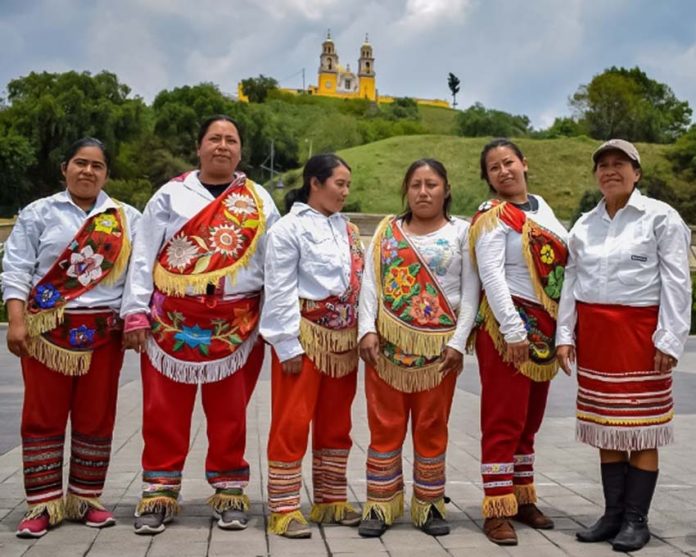
Female voladoras from Zozocolco, Veracruz posing in Cholula, Puebla. Until nearly 40 years ago, there was not a single woman who participated in the ritual acrobatic 'flying dance' that dates back to before the conquest. (Photo: Oscar Rodríguez)
High above the crowd, five people in colorful costumes ascend a tall pole to flute music. When the moment is just right, four of them throw themselves off the pole simultaneously, with only unwinding cords keeping them from crashing below.
This is the internationally known “dance” of the voladores or “flyers.”
At one time, women were strictly forbidden to “fly,” but more than 30 years ago, that began to change.
Depictions of flyers are found as early as pre-Classic (1500 B.C. to AD 200) Mesoamerica, with participants in costumes of sacred birds — eagles, quetzals and parrots — spinning in the air from a tall tree cut and placed in the ground for the purpose.
For centuries, the world of voladores was one completely closed to women, who were seen as a potential threat to the sanctity of the ritual. (Photo: Government of Mexico)
The first major change it underwent was to designate it a “dance” rather than a religious fertility ritual, likely to keep the Spanish from prohibiting it entirely. The bird costumes gave way to the highly-stylized outfits worn today.
The phallic imagery of the pole piercing Mother Earth to encourage her bounty is easy to see. Considering it’s a ceremony that once meant life or death for the community, it’s also easy to see how performing it correctly would be considered essential — and how changes would be strongly resisted.
With the imposition of Catholicism weakening indigenous religion, it is likely that the beliefs that the ritual was impregnating the earth gave way to other rationale for the insistence on male flyers. As recently as 2007, volador association captain Miguel Tirso Vázques of Zozocolco, Veracruz, described women as having “bad fevers” that create a “risk factor.”
Several decades ago, captain Genero Hernández of Papantla, Veracruz, was more blunt: “Women are evil beings. They bring bad luck and should not be accepted to the dance.”
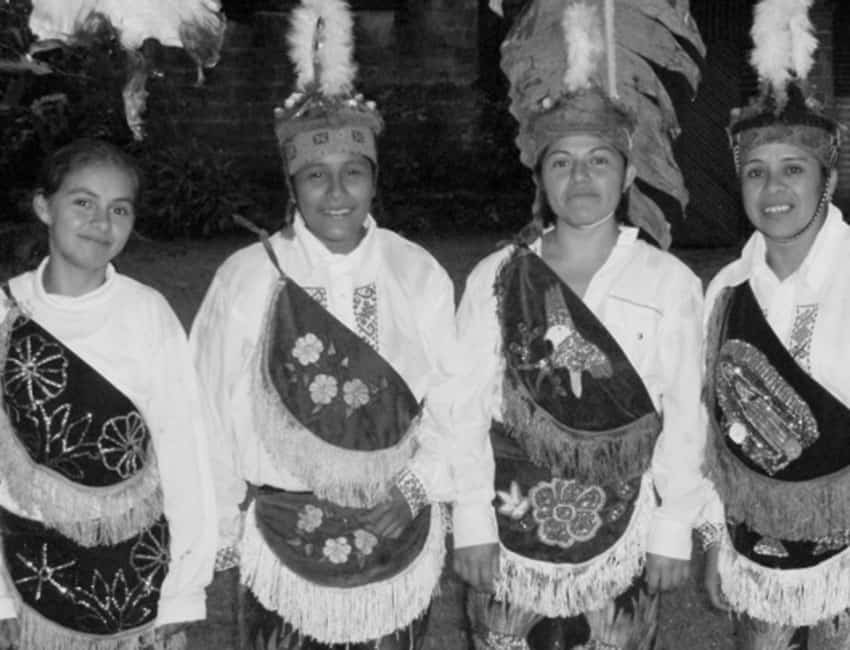
But the barrier was first broken in 1972 by Isabel Arroyo Cepeda of Cuetzalan, Puebla, causing an uproar in eastern Mexico, where the ritual survives best. Her father, a respected captain named Jesús Arroyo, succumbed to her pleas and taught her to be a voladora (female flyer) in private.
In 2006, Captain Arroyo died falling from a pole, which some still believe today was divine retribution for teaching her and other women. The struggle for voladoras is ongoing, with more success in some places than others.
Spanish anthropologist Eugenia Rodríguez took this photo as part of her 2011 study of the emergence of female voladoras.
Those who permit women flyers have different rules: some put harsher requirements on women than on men, such as virginity and special prayers of forgiveness to counter the possible “evil” they could invoke.
Most voladoras are found in the Sierra Norte region of Puebla, not only because the Arroyos are from there but also because it has the most flyers and flyer groups in general. Papantla’s flyers may be more famous, thanks to tourist promotions, but they rank behind Puebla overall, and way behind in female participation.
Only Zozocolco has been known to regularly have female flyers, and Papantla did not have its first documented voladora until Sarai Morales in 2019. There are one or two flyer troupes each in San Luis Potosí and Michoacán, but all have at least one female member.
Isabel Arroyo and other voladoras insist that they have every right to fly.
“A woman’s dance … has the same value before the gods. We, too, know how to fly like the birds,” she says.
It’s near-impossible to find hard data about voladoras: compiled numbers, locations and demographic information is nonexistent, and anecdotal evidence is contradictory. Another issue is that most voladoras join very young and leave when they start college or get married.
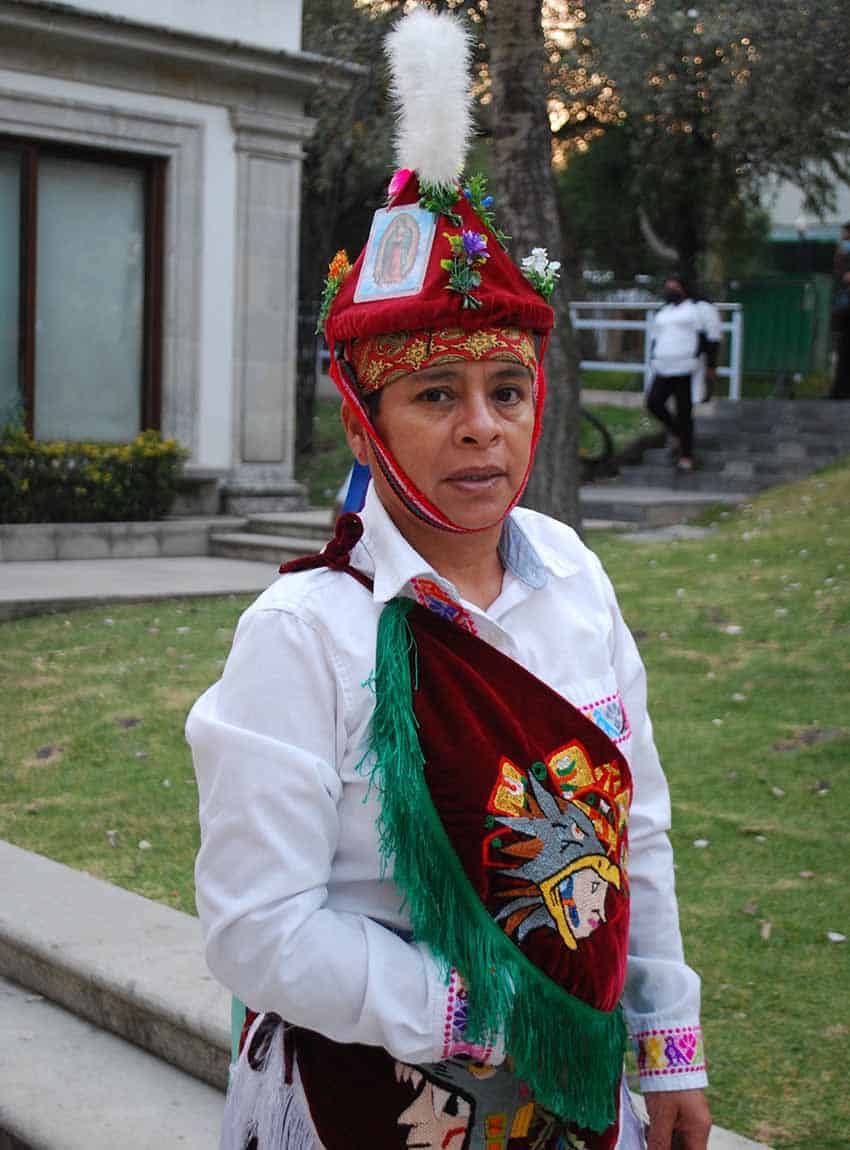
Jacinta Teresa Hernández at the Los Pinos cultural center in Mexico City before a multistate gathering of traditional dancers in 2021 (Photo: Alejandro Linares García)
One exception is Jacinta Teresa Hernández, who remembers her first jump in Cuetzalan 34 years ago as if it were yesterday. She agrees that she receives a lot of support from her hometown, but not necessarily from voladores in other areas.
“There is still a lot of machismo among the more ‘closed’ Totonacs [Indigenous people of Veracruz, Puebla and Hidalgo] who complain that women take all the attention and who question our motives.”
But it does seem that Cuetzalan and the surrounding areas have the highest acceptance and largest number of active women, with Papantla having the least. Luis Arturo Díaz Rivera, a 26-year flyer and member of the National Council of Voladores, says that younger generations are more accepting of women flyers, which could be a good sign for the future.
Voladoras do garner much attention, but paradoxically it is because it is still considered abnormal.
In 2006, Hernández’s all-female troupe Guerreras del Sol (Warriors of the Sun) were featured on an episode of a Mexican soap opera. In 2009, “Voladora,” a short film about the life of Viviana Guerrero of Zozocolco premiered. In 2011, Spanish anthropologist Eugenia Rodríguez Blanco did an extensive study of voladoras, and in the past year, National Geographic did a story of the women flyers of Cuetzalan.
The National Council of Voladores does not consider the participation of women to be controversial but leaves final decisions to local authorities. They are more concerned with other issues, in particular the commercialization of the ritual.
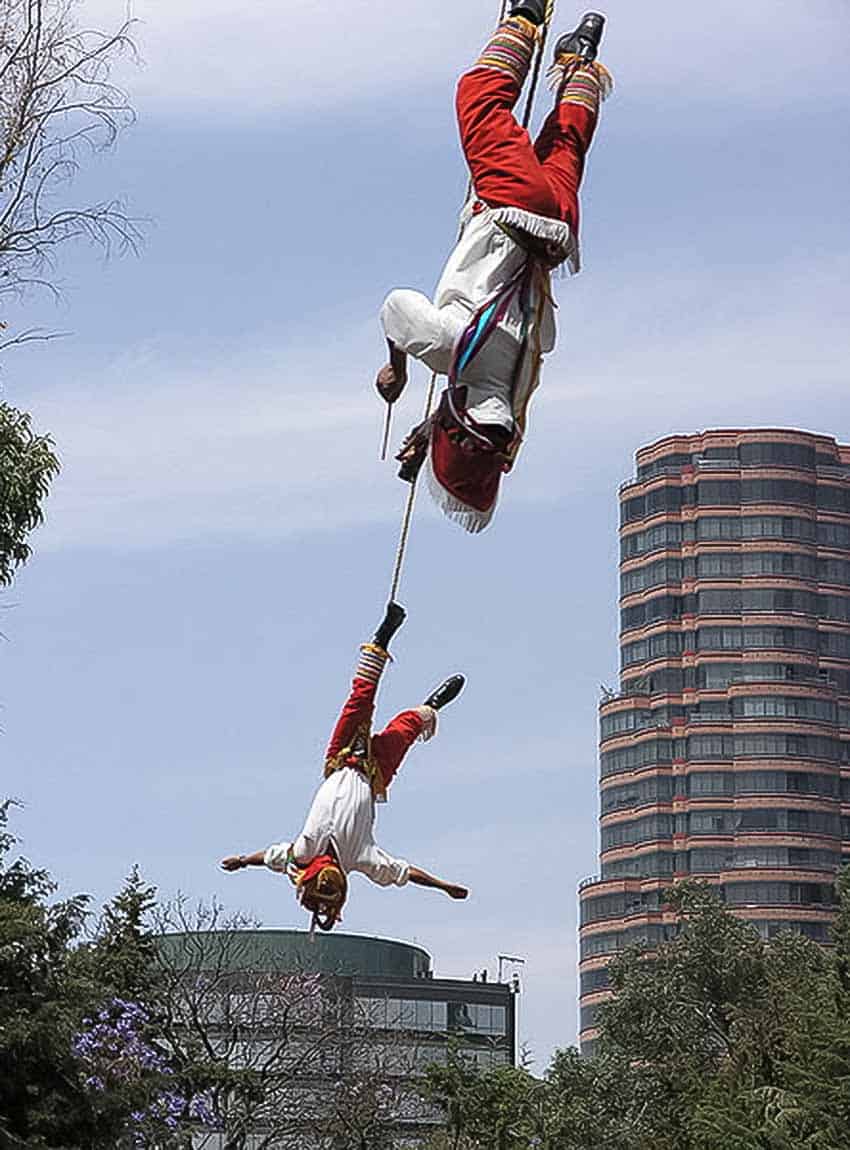
Voladores performing at Mexico City’s Chapultepec park with luxury towers in the background. Such performances are for economic reasons, not cultural or spiritual ones. (Photo: Fernando González de Cueto)
The voladores who are seen in tourist venues in many parts of Mexico are doing shows of no religious or spiritual value. This is not prohibited by community authorities, but there is strong concern that the meanings behind the “spectacle” are being lost.
Many young people are interested in learning how to jump off the pole but less interested in understanding the meanings behind the actions — and even less in those elements that do not earn tips or fees.
To combat this, the women and men of the national council, as well as of other organizations, have set up schools to teach future voladores — girls and boys — to value all of the aspects of the ritual: the costumes and their fabrication, the pre-jump rituals and even the Totonac language.
It’s been a long and slow process for women to get where they are now in this tradition. Jacinta Teresa Hernández believes that female participation is established but that women are still a ways off from true acceptance and equal participation.
Leigh Thelmadatter arrived in Mexico over 20 years ago and fell in love with the land and the culture in particular its handcrafts and art. She is the author of Mexican Cartonería: Paper, Paste and Fiesta (Schiffer 2019). Her culture column appears regularly on Mexico News Daily.
Adding salt to these classic chocolate-chip cookies takes them to a whole other level of irresistibility!
I’ve long been a fan of flavors like salted caramel ice cream, chocolate covered pretzels, caramel popcorn (Cracker Jack anyone?) or a dark chocolate tart sprinkled with delicate sea salt. But until recently, I didn’t understand what that combination of salty and sweet does to our taste buds.
I knew that in cooking and baking, salt enhances the flavors of other ingredients; a tiny bit of salt goes a long way in “brightening” even complex flavors as well as acting as a balance to the sugary sweetness of desserts. That half teaspoon of salt in a recipe for, say, 48 cookies, a batch of vinaigrette or sprinkled on veggies makes a big difference in the final taste of the dish.
What I didn’t know is that salt acts like a secondary “sugar detector” in our body, signaling taste sensors not normally reactive to sweetness that sugar is present. Those “extra” sensors (on our tongue and in our intestines) calibrate and layer sweetness to an entirely different platform, one with more complexity and deeper, richer flavors.
Why does salted caramel taste even better than the regular stuff? Salt acts like a secondary “sugar detector” in our body, giving our taste buds a double whammy.
In a culinary conundrum, the combination of salty and sweet is both indescribable and imperceptible, conspicuous and discernable, all at the same time. (For a complete scientific explanation, go here.) Our bodies genetically crave both sugar and salt — for energy and basic survival — so when the two are combined, our bodies respond happily and enthusiastically.
Mothers all over the world, in an unending quest to get their kids to eat healthy foods, have known this for generations. (Peanut butter and jelly anyone?) If it tastes good, we’ll eat more of it.
Tweaking a recipe to add the extra layer of taste can be as easy as sprinkling flaky sea salt on top of chocolate chip cookies or brownies before they bake; adding crushed, salted peanuts to banana bread; or sprinkling these Salted Chocolate Bits (below) into granola or over ice cream. Feeling more inspired or curious? Check out the recipes below and see what you think.
Salted Caramel Sauce
1 cup sugar
½ cup heavy cream
2 Tbsp. unsalted butter
¾ tsp. salt or to taste
In medium saucepan over medium-high heat, combine sugar with ¼ cup cold water. Cook without stirring until sugar turns deep amber, approximately 10–12 minutes. Meanwhile, warm cream in small saucepan. When caramel thickens and turns correct color, slowly whisk in warm cream; simmer and stir until smooth, 2–3 minutes. Remove from heat; quickly whisk in butter and salt. Best served warm. Makes about 1½ cups.
Quick and easy, this creamy dark chocolate pudding is guaranteed to wow your taste buds.
Salted Chocolate Pudding
¼ cup plus 1¾ cups whole or other nondairy milk
2½ Tbsp. cornstarch
½ cup sugar
⅓ cup dark chocolate, chopped (not chips)
3 Tbsp. cocoa powder
1 tsp. vanilla
¾ tsp. sea salt
In small bowl, whisk the ¼ cup milk and cornstarch until smooth. Set aside.
In medium saucepan, combine remaining 1¾ cups milk, sugar, chocolate, cocoa, vanilla and salt. Heat over medium-low heat, whisking until chocolate melts. Whisk cornstarch mixture into chocolate mixture. Reduce heat to low. Continue stirring briskly as mixture comes to a simmer and thickens.
Continue cooking 1–2 minutes until pudding thickens and starts to bubble. (Be careful not to burn!) Remove from heat, pour into 4 ramekins or bowls. Let cool, cover with parchment or plastic wrap; refrigerate until set.
Salted Chocolate Bits
8 oz. finely chopped bittersweet chocolate (not chips)
½ tsp. sea or kosher salt
Line a pie plate with plastic wrap. Melt chocolate in double boiler or on low in a microwave. Stir in salt.
Using a spatula, spread chocolate on prepared pie pan, making a layer ⅛-inch thick (shape doesn’t matter). Press plastic wrap against the surface; freeze at least 45 minutes. Chop or break into bite-size bits when ready to use.
Sweet Corn Pudding
3 ears fresh corn, shucked and cut into 3-inch pieces, or 2¼ cups frozen partially thawed kernels*
3 cups milk (or unsweetened oat milk), plus more as needed
1 tsp. vanilla
¾ tsp. salt
¼ cup sugar
2 Tbsp. cornstarch
2 large egg yolks
Combine the corn, milk and salt in a medium saucepan. Set over medium-high heat; bring to a simmer. Immediately reduce heat to low, partly cover with a lid and gently simmer, stirring occasionally, until fragrant, about 30 minutes. Turn off heat, remove cobs or strain to remove kernels. You should have about 2 cups milk. If needed, add more milk.
Slow cooking infuses this sweet, salty and scrumptious corn pudding with flavor.
In medium bowl, whisk sugar, cornstarch and egg yolks. Add ¼ cup of the hot corn milk; whisk vigorously until smooth. Add this cornstarch mixture to the large pot of corn milk; bring to a simmer over medium heat, whisking constantly until pudding thickens, bubbles and coats the back of a spoon, 3–5 minutes. Stir in vanilla. If there are lumps, strain pudding mixture through a sieve, discarding any solids.
Spoon pudding into individual bowls; eat while warm, or place parchment paper on surface of the pudding (so a skin doesn’t form), cover and refrigerate.
* Note: Don’t use canned corn, as canning changes the texture and consistency.
Salted Chocolate Chunk Shortbread Cookies
1 cup plus 2 Tbsp. cold salted butter (2¼ sticks), cut into ½-inch pieces
½ cup granulated sugar
¼ cup grated piloncillo or brown sugar
1 tsp. vanilla extract
2½ cups flour
6 oz. semisweet or bittersweet dark chocolate, chopped in small chunks
1 egg, beaten
Optional: Fine demerara sugar, for rolling
Flaky sea salt, for sprinkling
Line two baking sheets with parchment. Beat butter, both sugars and vanilla on medium-high till fluffy. Slowly add flour, then chocolate chunks; mix just enough to blend.
Divide dough in half, placing each half on a large piece of plastic wrap. Fold plastic over so it covers the dough. Using your hands, form dough into a log shape, rolling it on the counter to smooth it out. Each half should form a 6-inch log, 2-2¼ inches in diameter. Chill until firm, about 2 hours.
Heat oven to 350F/177C. Brush outside of logs with beaten egg; roll in demerara sugar, if using.
Using a serrated knife, cut each log into ½-inch-thick slices. Place on prepared pans 1-inch apart. Sprinkle with flaky salt. Bake until edges begin to brown, 12–15 minutes. Let cool slightly before eating them all.
In tropical areas, the humidity that allows lush, verdant landscapes everywhere also wants to get inside your home's walls. (Photo: Milada Vigerova/Unsplash)
This week, my partner and I decided to spruce up the house and do some deep cleaning in addition to taking down and putting away the Christmas decorations.
I’m keenly aware that this may sound like an impossibly boring and tedious task to some, but I take great pleasure in beautifying and renewing my physical spaces, especially when others are on board to do it with me.
As far as I’m concerned, cleaning, organizing and decorating is basically very accessible witchcraft: what a different feel you can give a place!
Those of you who’ve been reading my column for more than a couple years might remember my passion for organization and good design. Indeed, if I could choose a superpower, it would be invisibility — not so I could see everybody naked (meh, I’ve seen us…we’re all kind of equally funny-looking) but to peer inside all the buildings and houses that raise my curiosity, especially here in Mexico where the lack of visible yards and walls that go right up to the sidewalk leave so much to the imagination.
This summer, we had the fortune of renting what is basically our dream house, in the close-to-downtown neighborhood I’d been fantasizing about living in for a while. The top floor is filled with light from gigantic windows and has those high, wood-beamed ceilings that I think make any place look both cozy and elegant.
The bedrooms are downstairs — and therefore darker, perfect for sleeping — and there is more storage space than I know what to do with, a rarity in most places I’ve rented. There’s a bodega in the back where we keep our budding beer production and a large yard (also a rarity) that I’m still trying to decide what to do with.
The place is huge and fancy, with opulence but also with those little detalles that all Mexican homes, at least around where I live, have: mainly, humidity, humidity and more humidity.
In the tropical areas of Mexico (like Veracruz, where I live) this is a never-ending battle.
In addition to my city just being an overall wet place, everything is built with concrete, which is porous. This means that water seeps through wherever it can and eventually starts battling against whatever paint you’ve got on the inside of your walls. By the time the humidity gets to the inside of the wall, it looks like there’s air bubbling up under the paint.
If you’re like me and can’t help poking at it, you’ll find that the space underneath might even have a fuzzy, white substance already. In Spanish, this is called salitre, and it’s basically salt residue that’s a result of the water mixing with the minerals in the concrete.
While it’s not mold, I can’t imagine that it’s fantastic for people’s health to be trapped inside humid places like this, and I’ve long suspected that when people blame the cold weather for respiratory trouble, it might have more to do with staying inside of cold, humid places with all the doors and windows closed, letting whatever viruses they’ve picked up proliferate.
I’ve met people who have been diagnosed as “allergic to humidity,” and honestly, I just can’t imagine how they manage in a city like mine, where shoes left in a closet for more than a few months will come out moldy.
Figuring out how to get rid of humidity indoors is something that I’m still exploring. After talking with my buddies at the local Comex paint store, where I spend a hefty portion of my income, I’ve settled on muriatic acid for getting rid of it with a special indoor sealant paint on top. Because the stuff on the outside of those walls is damp soil and not air, that’s as far as I can go, but I’ve got high hopes.
By the way, do not take this as technical advice; these chemicals are dangerous, and you need a step-by-step guide from a professional if you want to try it yourself, and that’s not me.
I also need to figure out how I’m going to “even” the wall after finishing this process but before I repaint — plaster, maybe? But I am nothing if not motivated when it comes to home improvement. In the meantime, I’ve been closely observing the solutions that other people have found.
Many, quite honestly, simply let it be. Humidity is a fact of life around here, and there are enough other things to worry about. Tile is a popular choice to cover walls and is at least effective at keeping the humidity on the other side.
Most people simply depend on good old-fashioned ventilation.
You might have noticed that few houses around here are built to be perfectly sealed: windowpanes are thin and flimsy, and gaps between windows and doors and their corresponding frames are common. And I realized earlier this week while using a pressure washer on the outsides of those big, luxurious windows in my home that even spaces that look sealed are not.
The battle against humidity at my own house continues in the meantime as I try to find the right balance between doing what I can and relaxing about the inevitable, a goal well-worth pursuing in many areas beyond just home improvement.
Note: comments can now be made on my articles via Mexico News Daily’s social media pages (they appear on MND’s Facebook and Instagram pages). And, as always, you can find me through my website or write to me directly at sarah.devries@mexiconewsdaily.com.
Sarah DeVries is a writer and translator based in Xalapa, Veracruz. She can be reached through her website, sdevrieswritingandtranslating.com
Mexico is becoming one of the largest second home markets in North America. With tourism firmly back, many holiday-goers are choosing to become homeowners in one of the most desirable Mexican locations: San Miguel de Allende.
Year after year this spirited little town has been highlighted in Travel & Leisure and Condé Nast as the place to visit and relocate. Hollywood a-lister Lily Collins was even spotted strolling along its colorful cobbled streets during the holiday season. This is great news for the country’s real estate market and particularly luxury real estate specialists.
| CDR San Miguel | Forbes Global Properties has 25 years of experience in luxury real estate in this world-class town. Here they share some of their observations, thoughts, and reflections on the current property market trends in Mexico and why it’s booming.
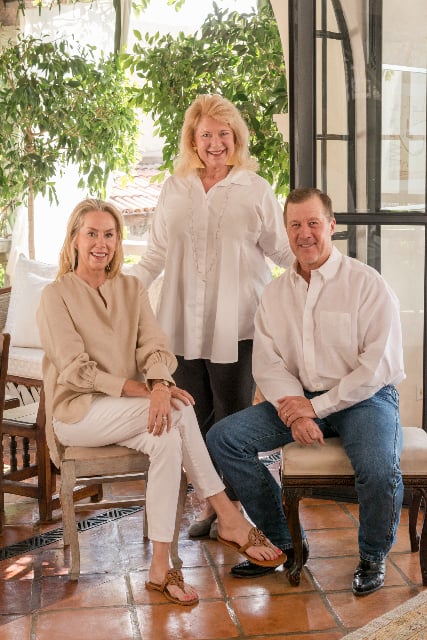
Ann Dolan (left), Nancy Howze and Jim Dolan are the co-owners of CDR San Miguel.
So, why are so many people flocking to get a piece of luxury real estate in San Miguel de Allende? The answer is simple: this lively, almost 500 year-old town located at 6,000 feet, has a lot to offer foreign buyers.
If you just take the obvious advantages, like perfect year-round weather surrounded by thermal hot springs, reduced cost of living, a vibrant culture and rich history, 400+ art galleries and award-winning restaurants, for many vacationers, choosing a second home in San Miguel may be a tantalizing prospect.
In the past, the most common second-home buyers in San Miguel were retirees looking to kick back and relax in the Mexican sun, but these trends are quickly changing.
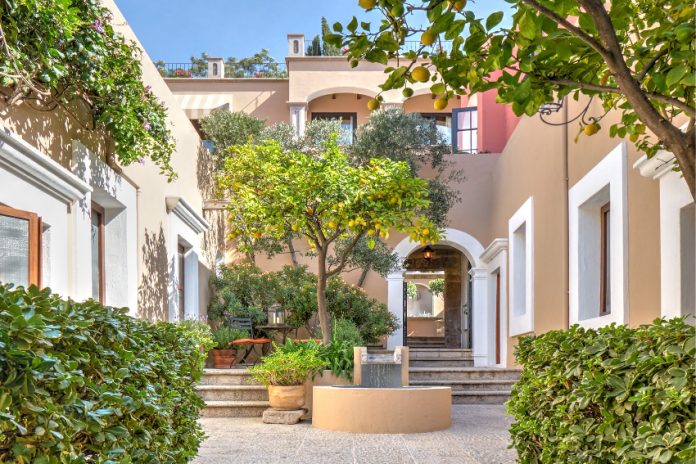
Photo: CDR San Miguel
San Miguel de Allende is now a growing market for luxury real estate among younger families, entrepreneurs, investors, and digital nomads. And thanks to its ideal geographical location and the abundance of daily flights on offer from the U.S into the two closest airports to San Miguel (Queretaro – 1hr and Leon 1.5hrs), the real estate business has been thriving both during and post-pandemic.
However, moving to a foreign country, or at the very least buying a second home in Mexico, can feel overwhelming and can frighten some potential buyers off.
“It can be a daunting task to buy and sell real estate in a foreign country, especially with another set of laws and in a different language. Our job is to make the entire process as smooth, comfortable, and as easy as possible by going the extra mile,” says Nancy Howze, co-founder and owner at CDR San Miguel. Nancy refers to the multitude of international clients that walk through their doors on a daily basis when visiting San Miguel de Allende, crowned Best Small City in the World for six years in a row.
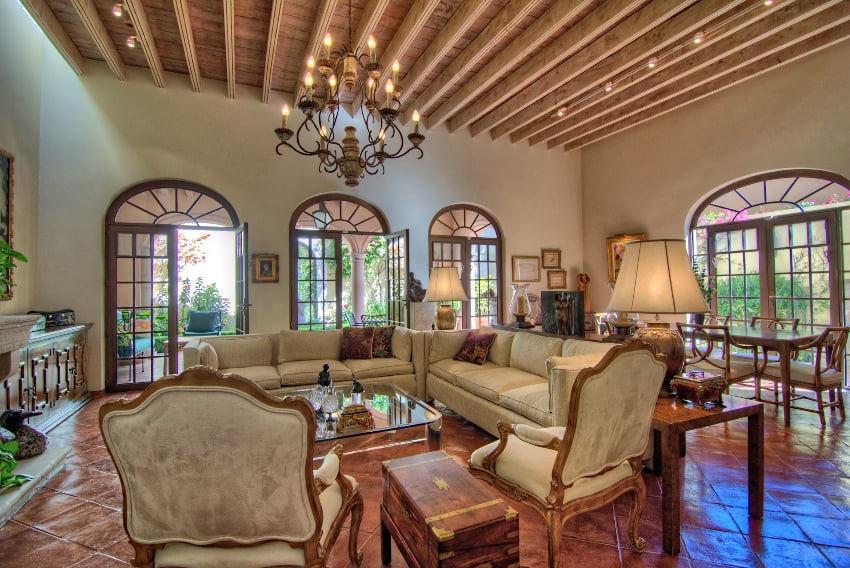
Photo: CDR San Miguel
Constantly going above and beyond, CDR San Miguel is known for welcoming newcomers into the community and being trusted advisors in all things San Miguel.
“It’s not just a sale, it’s a service – a relationship that’s established, a lifestyle that’s introduced, and a community that’s created,” Jim Dolan, co-owner at CDR San Miguel de Allende explains. “We’re helping people achieve their dreams.”
In fact Nancy, Jim and his wife, Ann Dolan, all came to San Miguel over 25 years ago and fell in love with the small hilltop colonial town. They all decided to stay, specializing in local luxury real estate and watching San Miguel grow into the dynamic, culturally rich place it is today.
So, if you find yourself strolling around this whimsical town and can imagine yourself spending more than just a holiday here, maybe allow curiosity to win you over and start making your dream lifestyle a reality today.
Foreign Minister Marcelo Ebrard at President López Obrador's morning press conference. (Gob MX)
North America aims to substitute 25% of its Asian imports with local production, Foreign Minister Marcelo Ebrard announced at a press conference on Thursday.
The statement came on the heels of the North American Leaders’ Summit (NALS), the trilateral meeting of heads of state that convened in Mexico City this week.
Ebrard explained that substituting Asian imports would move the region more towards self-sufficiency, strengthen regional trade relations and boost economic development.
“It is a huge job we have ahead of us, but with willpower, we can carry it out,” he said. “For Mexico it means multimillion-dollar investments… And this could mean for Mexico more than two [percentage] points of additional growth.”
China alone exported US $700 billion to North America in 2021. Rinson Chory/Unsplash
On Tuesday, López Obrador announced the establishment of a12-person joint committee including four representatives from each country. The committee will work to build the conditions to attract investment in the region, and convince businesses of the benefits of pursuing greater regional integration and self-sufficiency.
Mexico’s imports from China alone were worth approximately US $110 billion dollars in 2021, making the country Mexico’s second-largest import partner after the U.S. Data published by the Bank of México in November indicate Chinese exports to Mexico grew last year, up 28% in the first 8 months of 2022. The United States imported US $550 billion dollars of products from China in 2021, and Canada US $70 billion, for a total of more than US $700 billion across the region.
“[This] means a lot of economic growth for the three countries, especially job creation,” President López Obrador said at the press conference. “And why not produce here what we consume?”
The countries have not yet stated a deadline for achieving the ambitious target. Meeting it would require not only huge investments in domestic industrial capacity, but also in resources and infrastructure, such as energy generation.
To this end, Ebrard said that the U.S. and Canada would support Mexico in developing its clean energy output and industrial capacity, particularly in the northern border state of Sonora. The text ofthe NALS Declaration of North America (DNA) also emphasizes strategies “to forge stronger regional supply chains, as well as promote targeted investment, in key industries of the future such as semiconductors and electric vehicle batteries.”
Ebrard added that progress had also been made in agreeing on protocols for orderly, safe labor mobility between the three countries and regularizing the immigration status of thousands of Mexicans in the U.S.
“It was a very productive and also fraternal meeting, within the framework of the policy of good neighborliness,” AMLO concluded.
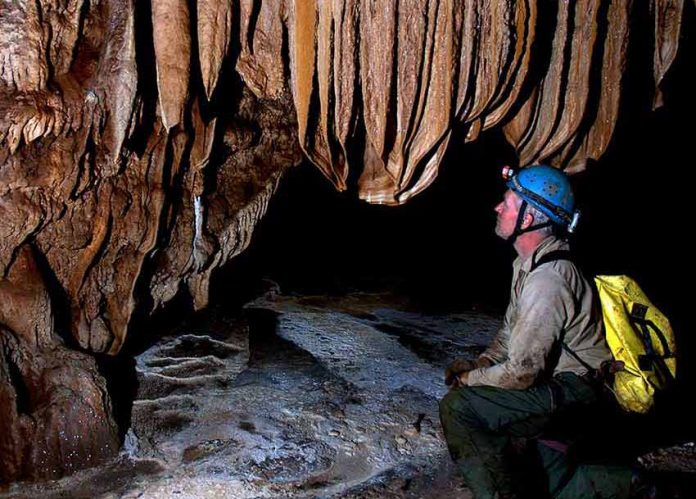
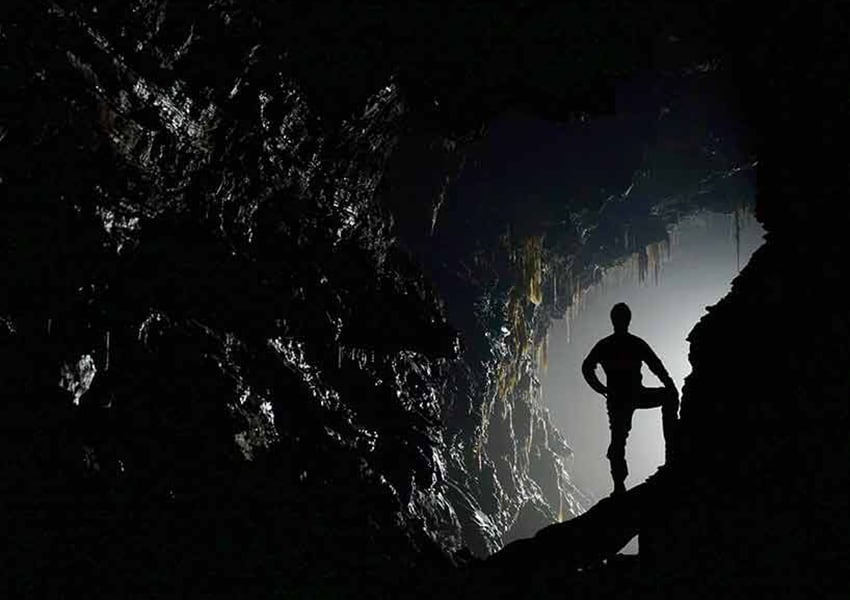
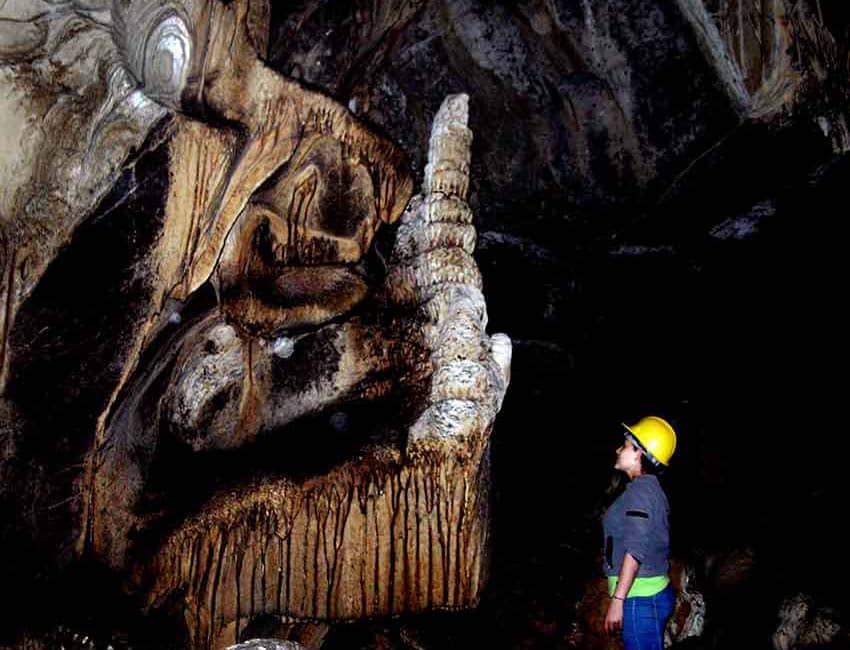
La Cueva de la Luna in Michoacán. Beautiful formations like these are what cavers hope to find at the far end of a hole in the ground.
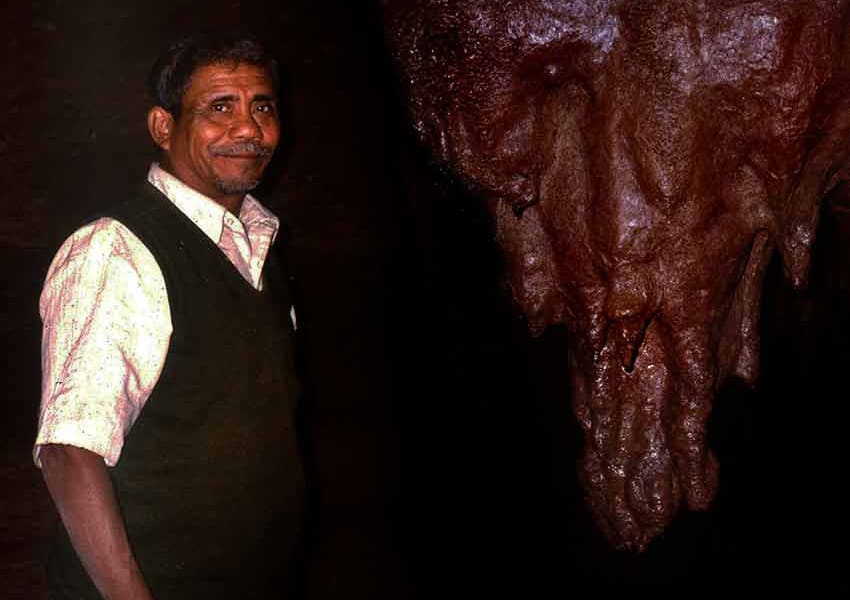
I have gone hunting for caves all over the world, from Jamaica to Saudi Arabia, but I must admit that in Mexico la exploración de oquedades (the exploration of subterranean holes) has its own special flavor.
We are off to find a cave.
“It’s got to be up ahead, at the base of that hill,” we decide. We walk for 3 km, each of us carrying a heavy rope in addition to backpacks filled with rappelling and ascending gear, at least three lights, lots of batteries, water and, of course, a sturdy helmet.
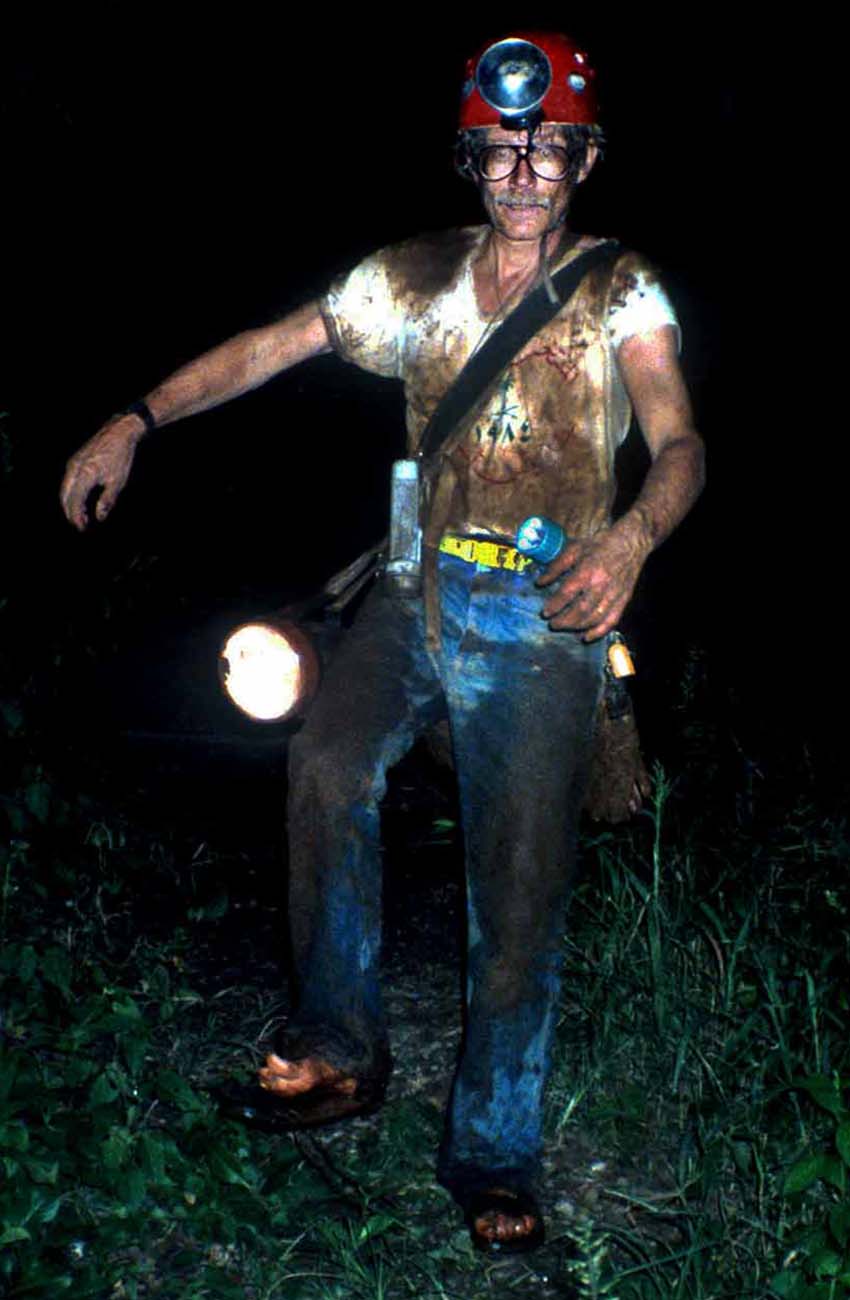
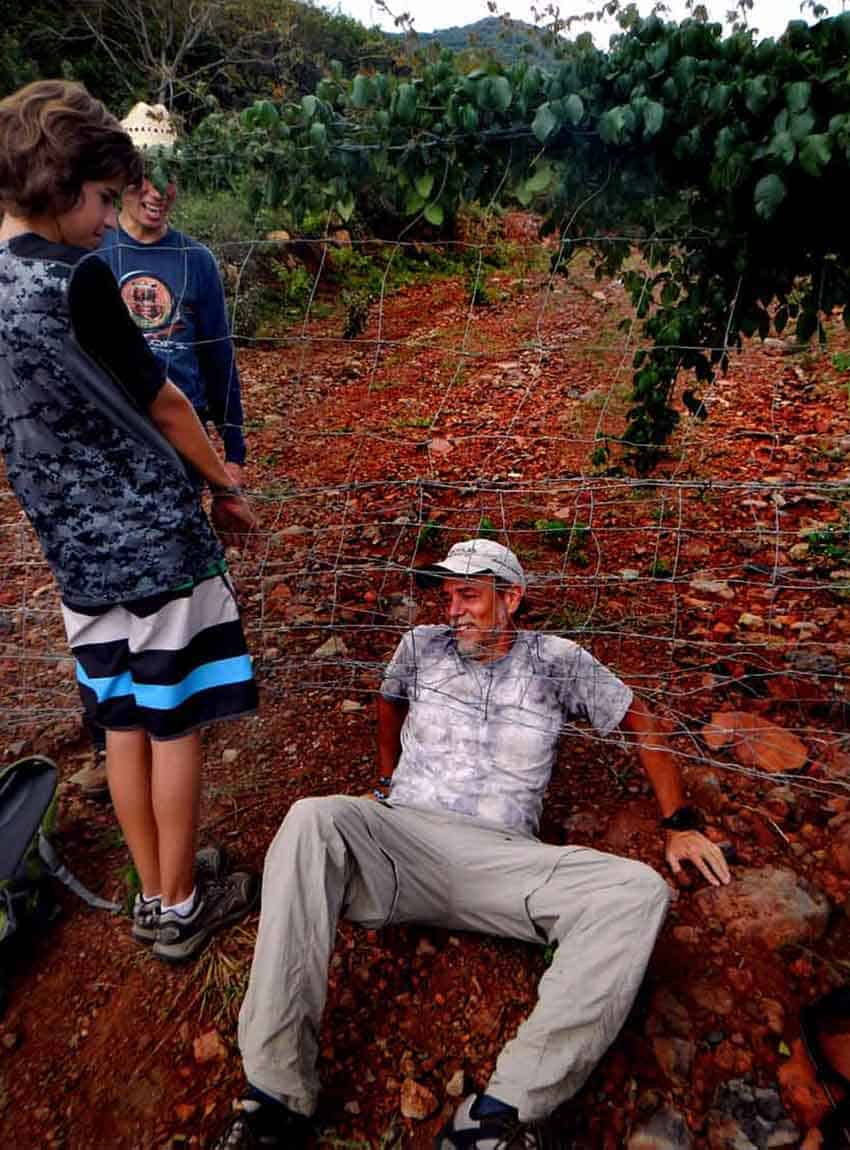
The author is caught stumbling out of Jalisco’s Altilte Cave in Huerta, Jalisco, after a full day of mapping its guano-and-mud-filled passages.
And then we come to a fence. In California, that would be the end of the excursion: “Shucks, private property! Back to the car!”
In Mexico, an alambrado de púas, or barbed wire, fence just poses a problem… Actually, three problems: will I go through it, over it or under it?
Once we’ve passed the fence, who should we run into but the owner of the private property we’ve just invaded.
In some countries, you might be greeted by the blast of a shotgun, but in nearly 40 years of ignoring fences in Mexico, the reaction I’ve had from landowners to the presence of cavers or hikers on their property has inevitably been, “Bienvenidos, amigos!” accompanied by a big smile and an offer to guide us right to the cave we’re looking for.
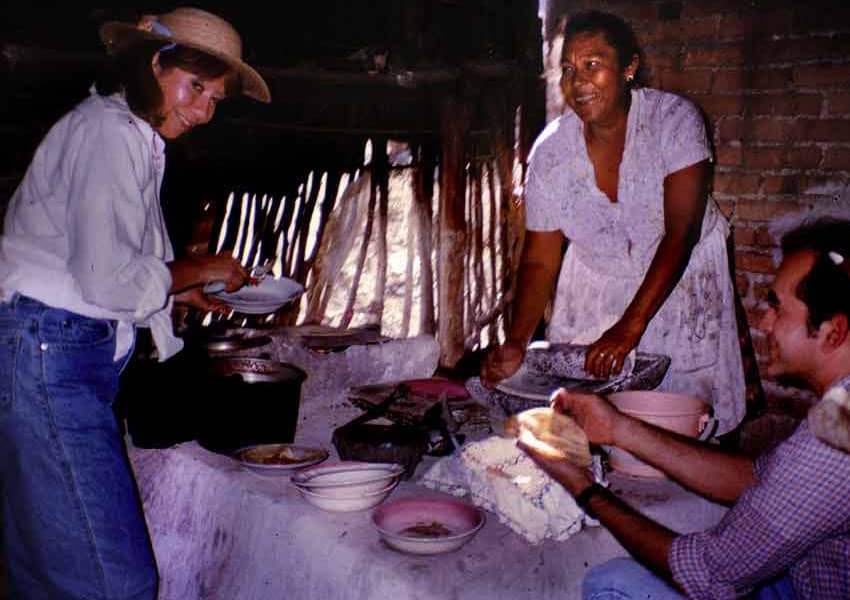
In some cases, this warm welcome has been followed up by a genuine invitation (renewed over and over) to stay for a meal of the most delicious homemade tortillas and frijoles de la olla (slow-simmered beans) imaginable.
The only other place I’ve seen this level of hospitality is among the Bedouins of Arabia.
Hikers help one another get past a fence on their way to the Mázatepec Scoria Volcano near Guadalajara.
We arrive at a dark, imposing cave entrance. Inevitably, our guide whispers: “There’s treasure inside this cueva (cave). Long, long ago, a guy went in there and found it and then suddenly, he heard a voice ringing through the cavern: ’TODO O NADA!!!!’ it said, so the poor guy tried to carry all of it out, but tristemente (sadly)…”
Well, this story has been told about nearly every cave and mine in Mexico, and you can read B. Traven’s “The Treasure of the Sierra Madre” to find out what happens in the end to those who are greedy for gold.
As for us cave explorers, the closest we come to treasure is the many holes dug by people looking for it.
Unfortunately, digging a hole in a cave floor produces dust. In Mexican caves, that dust will almost certainly contain spores of Histoplasma capsulatum, a fungus which grows on bat guano. All too frequently, the man who goes looking for treasure ends up getting histoplasmosis instead.
Discovering whether there are caves in a given area is easily accomplished in Mexico by visiting the plaza of a nearby pueblito early in the morning. All you have to do is find an old-timer warming himself on a bench and casually mention the word cueva to him.
This is how we have found most of our caves, all except the elusive Cueva del Bandido (Bandit’s Cave) of Manuel Lozada.
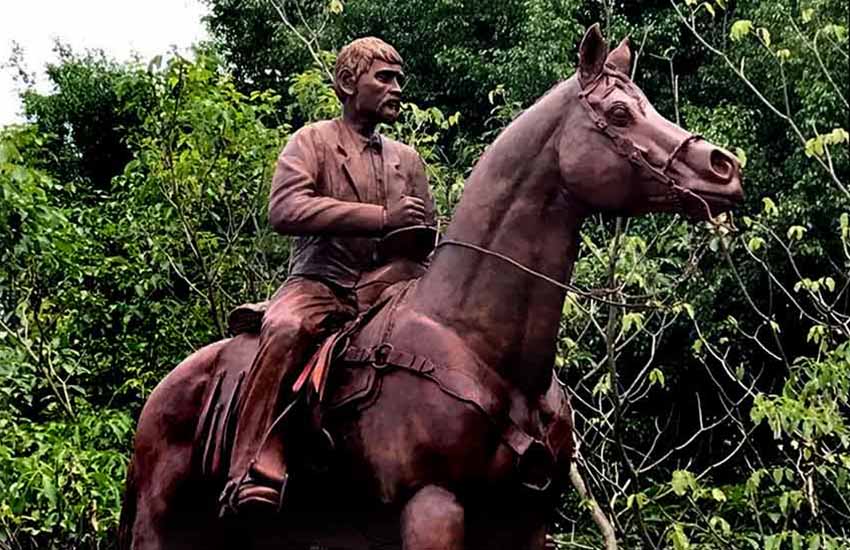
A statue of Manuel Lozada, considered the precursor of the agrarian reform movement in Mexico but executed as a bandit in 1873.
I found a reference to this particular cave in a motorist’s guide to Mexico. It claimed that Lozada, hailed as a reformer by many but executed as a bandit in 1873, used to hide his entire army — and all their horses as well — inside a fabulous cave with seven entrances, endless tunnels and a perpetually filled pool of cool drinking water.
This better-than-Disney cave was supposed to be located near the town of San Juan in the state of Nayarit. However, after driving there and interviewing everyone we could find, we came up empty.
There is, however, another San Juan in Nayarit — named San Juan de Abajo — and it’s conveniently located not far from Puerto Vallarta. This one, we figured, would surely lead us to the fabulous, legendary cave.
So, one day in mid-December, my wife Susy, two friends and I drove into dusty, sleepy San Juan de Abajo and walked into a restaurant next to the deserted town square. A woman, busy washing dishes, looked up at us.
“Good afternoon, señora, would you happen to know of a cave anywhere near San Juan?” I asked.
Glancing back towards an open doorway, the woman shouted out of the side of her mouth, still busily scrubbing away, “Oye, Horacio, someone here’s looking for la cueva.”
A local landowner prepares handmade tortillas and frijoles de la olla for hikers passing by.
At the words “the cave,” our eyes opened wide. At last we had found it! And obviously we weren’t the first ones to come asking about it.
Jauntily we sauntered into the next room where Horacio and several buddies were deeply engaged in a hard game of dominoes. “Excuse us, please, but we’d appreciate directions to the cave,” I said.
“¿La cueva?Sí, caballeros,” he said with a curious glance at Susy. “You’ll find it, oh, seven blocks down, one block past the church.”
Incredible! The entrance to Lozada’s fabled cave was actually inside the town limits!
It was so incredible, in fact, that our friend Jesús ventured to ask… “Hmmm, by the way, how deep is it?”
“Deep?” Bueno, it’s no deeper than right here. Just the same!”
Deep inside Oaxaca’s Sistema Huautla, the Western Hemisphere’s deepest cave and the longest of the 17 deepest caves in the world. (Photo: PESH)
“You mean we don’t need ropes to get inside?”
“No, señor, you can just walk in,” Horacio replied, giving us another funny look.
“That’s great, a horizontal entrance!” I said. “So what’s inside? Is there a lot of mud? Does it have bats?”
“Look, señor,” replied Horacio, slightly exasperated, “I never heard about any mud or bats in La Cueva… just the girls; that’s all they got!”
Horacio turned back to his dominoes, Susy turned crimson and we bowed out quickly.
Ever since then, we’ve wondered what tales the people of San Juan de Abajo now tell about the kinky preferences of that gringo who traveled such a great distance just to visit a certain local establishment known as La Cueva.
The writer has lived near Guadalajara, Jalisco, since 1985. His most recent book is Outdoors in Western Mexico, Volume Three. More of his writing can be found on his blog.
Local landowner Don Rafael gets a guided tour of his own cave, which he had never entered.
La Cueva de la Palma in Jalisco.
A Tequila bat in search of night-blooming flowers. (Photo: Filiberto González)
Lawyers of the victim's families have been asked to (Damián Sánchez Jesús / Cuartoscuro.com)
Human Rights Watch has issued a damning 2022 review for Mexico, arguing that President López Obrador’s militarized security policy risks facilitating abuses by security forces while failing to reduce violent crime.
The review notes that homicide rates have reached “historic highs” since AMLO took office in 2018, reaching 28 per 100,000 in 2021 — although this appears to have declined slightly in 2022. As of September, 105,000 people were considered missing, and impunity remains at about 99%.
Furthermore, Mexico is one of the most dangerous countries in the world for journalists and human rights defenders. Fifteen journalists were murdered between January and September 2022 and 12 human rights defenders were killed in the first six months of that year. These abuses are rarely investigated or prosecuted.
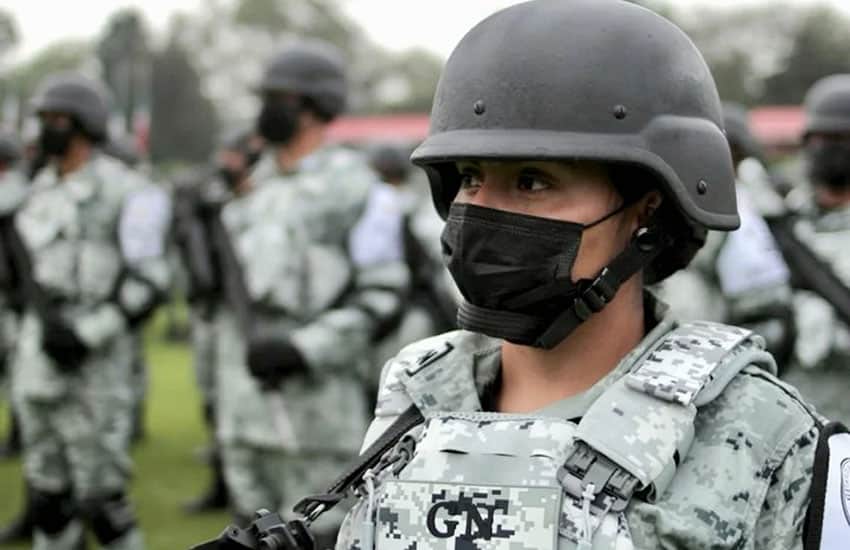
The National Guard was put under control of the military in September. Twitter / Guardia Nacional
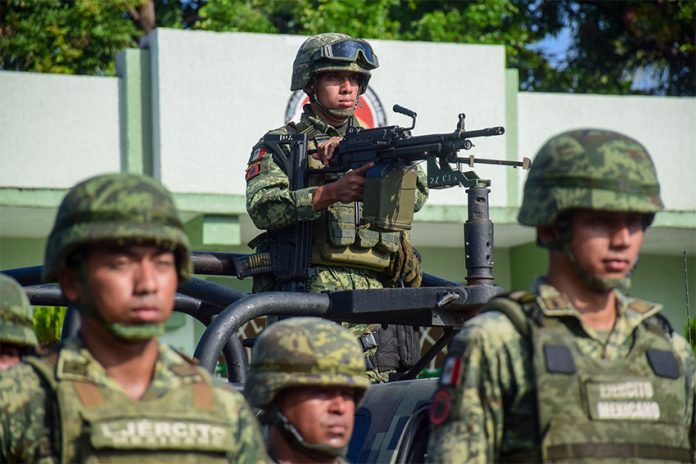
Against this backdrop, the report notes that AMLO “has greatly expanded the budget, autonomy, and responsibilities of the armed forces, deploying them for hundreds of tasks traditionally conducted by civilian authorities, such as law enforcement, customs enforcement, controlling irregular immigration, running social programs, and administering public works projects.”
The most significant shift has been the replacement of the Federal Police with the National Guard in 2019. Police functions were formally transferred to the Ministry of Defense in 2022, while an additional reform ensured that soldiers carrying out policing duties are subject to military rather than civilian law.
HRW’s review argues this militarization continues a trend that started with Felipe Calderón’s declaration of “war” on organized crime in 2006 and has historically contributed to human rights abuses. Government data shows that the army killed 5,335 civilians between 2007 and 2022, while studies suggest that torture is regularly used to extract confessions.
Still more alarmingly, the review notes that human rights commission complaints against the Army and the National Guard have increased steadily since 2018. In 2021, 940 such complaints were registered, the highest number in eight years.
The report also flags Mexico’s collaboration with the United States to prevent migrants from traveling through the country, deploying nearly 30,000 troops to enforce immigration controls. This increases the risk of racial profiling at checkpoints and leaves stranded migrants vulnerable to abuse by organized crime.
Meanwhile, Mexico has dragged its feet on climate policy and disability rights, the review argues. However, it shows more progress in gender equality, with a wave of states voting in 2022 to legalize same-sex marriage and increase access to abortion.
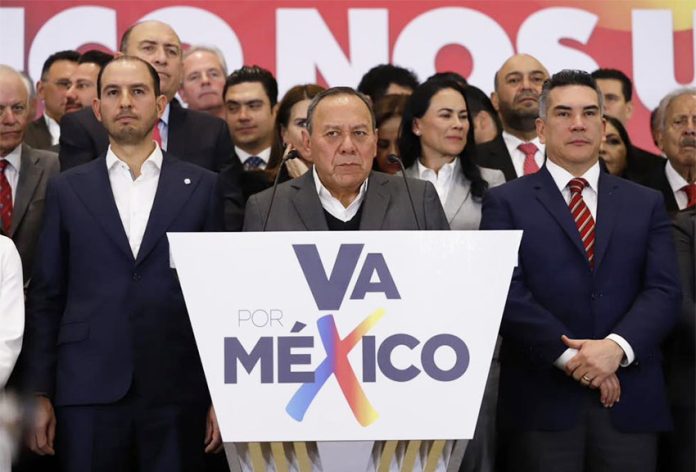
The coalition remains together, but PRD leader Jesús Zambrano (at center) said his party has been left out of some key candidate decisions. (Facebook / Partido de la Revolución Democrática PRD)
Mexico’s main opposition parties have announced they will field a common candidate at next year’s presidential election.
The Va por México alliance — made up of the National Action Party (PAN), the Institutional Revolutionary Party (PRI) and the Democratic Revolution Party (PRD) — was thought to be on the verge of breaking up in late 2022 after a PRI lawmaker presented a constitutional bill that sought to authorize the use of the military for public security tasks until 2028.
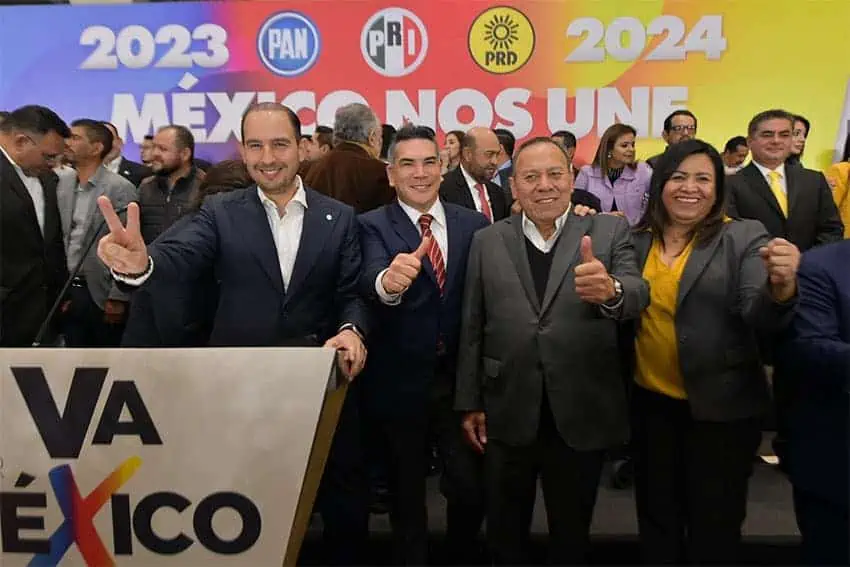
But the coalition survived the saga, and its leaders confirmed Thursday that the three parties will contest the 2024 presidential election, as well as the Mexico City mayoral race, on a joint ticket.
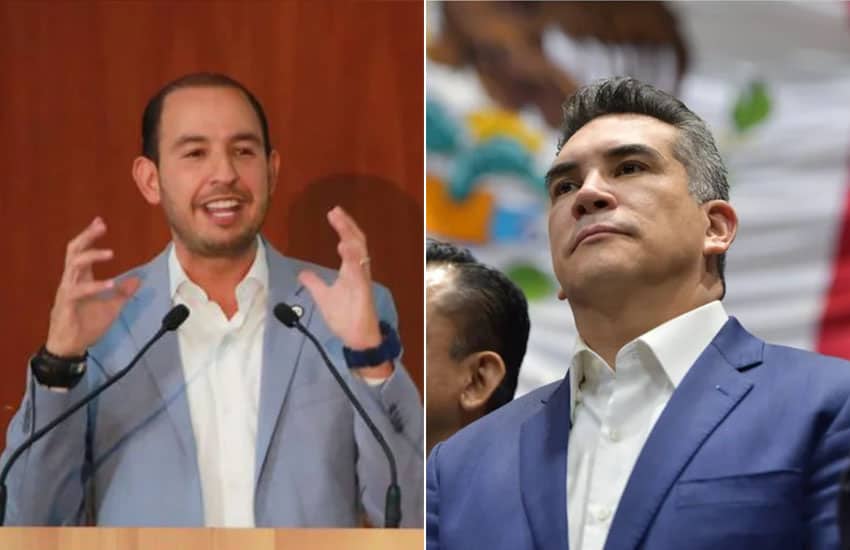
PAN leader Marko Cortés (left) and PRI leader Alejandro Moreno (right) fell out last fall over the PRI’s support for a constitutional bill allowing the military continuing performing domestic security functions, but their differences appear to have been smoothed over. Twitter
The PAN will be responsible for the selection process to find common candidates for those elections, said Marko Cortés, the party’s national leader. He told a press conference that the process will have “clear rules” and be open to all potential candidates that aspire to represent Va por México at the elections, including members of civil society.
Cortés also said that Va por México was open to having more parties join its alliance. There was speculation that the Citizens Movement party would join the coalition, but its national leader Dante Delgado said last month that wouldn’t be the case.
Moreno said that the coalition’s differences had been dealt with, and that it is now a solid opposition force.
However, a new internal rift has appeared. Zambrano said after Thursday’s press conference that the PAN and the PRI reached an agreement about the selection of candidates for next year’s presidential and mayoral elections without the involvement of the PRD. While the PAN will run the selection process to find candidates for those elections, the PRI was given responsibility for choosing Va por México candidates for gubernatorial elections in México state and Coahuila later this year.
The PAN-PRI agreement was struck bilaterally, and “we don’t agree with that,” Zambrano said.
From left, Marko Cortés (PAN), Alejandro Moreno (PRI) and Jesús Zambrano (PRD) represent their respective parties at the joint press conference. (Facebook / PRI Oficial México)
At the joint press conference, the PRD leader proposed the formation of a citizens’ committee to conduct the Va por México candidate selection processes in a transparent way.
“We’re a coalition of three political forces, but a coalition that must have the support of civil society,” he said later on Thursday.
“That’s the only way we will be able to win, if we don’t take that route we’ll be announcing a defeat.”
Mexico City Mayor Claudia Sheinbaum and Foreign Affairs Minister Marcelo Ebrard are seen as the top contenders to secure the ruling Morena party’s candidacy at the 2024 presidential election.
There is far less clarity about who will represent the PAN, PRI and PRD. In that context, President López Obrador offered his own (very) long-list of possible opposition candidates in October, saying that a total of 43 people have either expressed interest in vying for the presidency or have been mentioned as potential contenders.