



Let us know how you did!


Gas stations run dry in several states as Pemex struggles with distribution
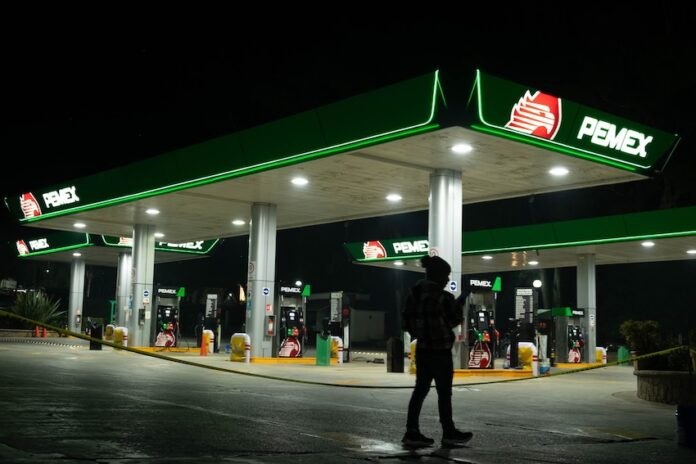
As Mexican motorists in several regions struggle to find gas stations able to fill up their tanks, President Claudia Sheinbaum said Friday that the problem is distribution, not supply.
“There is not a shortage; we have gasoline,” Sheinbaum said during her morning press conference. “The issue is with transportation and we are resolving it.”
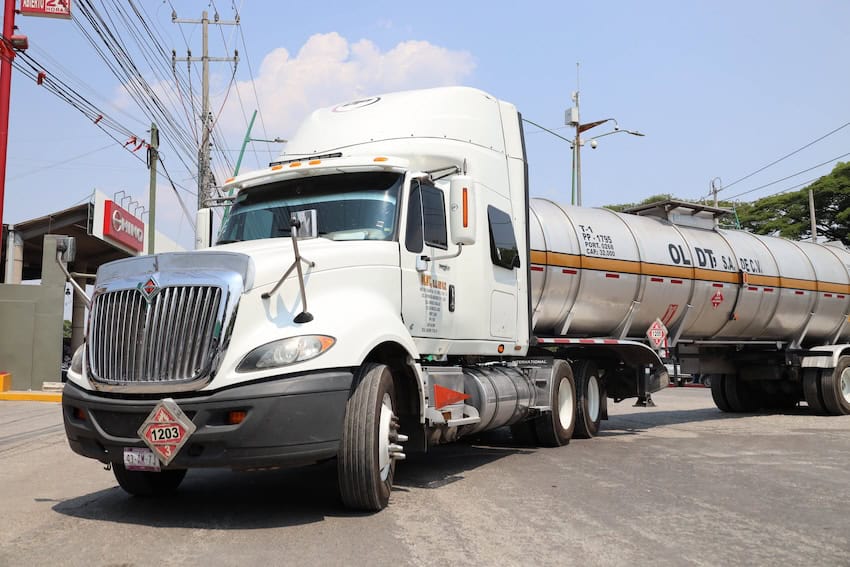
The newspaper El Financiero reported that station owners in Mexico City, México state, the northern state of Nuevo León and the southern state of Chiapas have reported supply issues.
The state-owned oil company Pemex admitted that it was experiencing a shortage of tanker trucks, in part due to maintenance issues that have sidelined a number of delivery vehicles.
“Some of the deliveries were still being managed by the Defense Ministry and responsibility is being transferred to Pemex,” Sheinbaum said, adding that contracts with additional transport companies were still being finalized.
Retailers affiliated with Onexpo, the national confederation of gas station owners, told El Financiero that there appeared to be sufficient quantities of gas at Pemex’s storage and distribution terminals.
Onexpo vice president Fernando González described the logistical issues as “a temporary irregularity in delivery procedures.” He also said that roughly 5% of stations in the Valley of Mexico — comprising the greater Mexico City metropolitan area, México state and part of the state of Hidalgo — have been affected.

El Financiero said at least 42 stations in the industrial state of Nuevo León were without gasoline — about 5.6% of the total — and 27 stations in Chiapas are experiencing the same fate. More than 40 stations in the southern state had reported supply issues at the beginning of the week.
Residents of Monterrey, the capital of Nuevo León, complained about the inconvenience, with several posting on social media that at least five stations were closed — one for more than a week. The closures were forcing them to adjust routines — and use more gas — while looking for alternatives.
The situation in Chiapas was complicated by the midweek takeover of a distribution terminal by retired Pemex workers who complained that the company had money to buy more tanker trucks, but had failed to fulfill a promise to provide health care services to the retirees.
In a Thursday statement posted on social media, Pemex said it had taken steps to reinforce its delivery capabilities in the Valley of Mexico, while guaranteeing “a safe, efficient and continuous supply for customers.”
With reports from Proceso, Milenio and El Financiero
Quintana Roo fights crime and seaweed: Friday’s mañanera recapped
President Claudia Sheinbaum held her Friday morning press conference in Chetumal, Quintana Roo, prior to traveling to Guatemala to meet with President Bernardo Arévalo.
“It will be a brief conference with a lot of information from Quintana Roo, because from here we’re going to Guatemala,” Sheinbaum told reporters.
“… And later, in the afternoon, we’ll return to Campeche, to Calakmul, because we’re going to have a trilateral meeting with the prime minister of Belize, the president of Guatemala and myself,” she said.
Homicides down in Quintana Roo since Sheinbaum took office
Marcela Figueroa Franco, head of the National Public Security System, presented data that showed that homicides in Quintana Roo have trended down since Sheinbaum took office last October.
She highlighted that there was an average of 0.77 homicides per day in the Caribbean coast state in July, a 61.3% reduction compared to last September, the final month of the six-year term of former president Andrés Manuel López Obrador.
Figueroa also highlighted that the murder rate in Quintana Roo in July was the lowest for that month of the year since 2017.
She presented data that showed that homicides have declined in Benito Juárez, the municipality that includes Cancún — the largest city in Quintana Roo and the state’s top tourism drawcard.
There was an average of 0.32 homicides per day in Benito Juárez last month, a reduction of 70.6% compared to July 2024.
More than 3,000 arrests in Quintana Roo since October
Federal Security Minister Omar García Harfuch began his presentation by thanking Quintana Roo Governor Mara Lezama for her “close coordination” on security issues.
He told reporters that 1,300 kilograms of illegal drugs have been seized in Quintana Roo since Sheinbaum was sworn in on Oct. 1.
In the same period, García Harfuch reported that authorities have arrested 3,258 people in Quintana Roo for high-impact crimes such as murder, extortion and kidnapping. He also said that almost 1,300 firearms have been seized.
The security minister noted that members of organized crime groups and over 200 extortionists are among the people who have been arrested in Quintana Roo in the past 10 months.
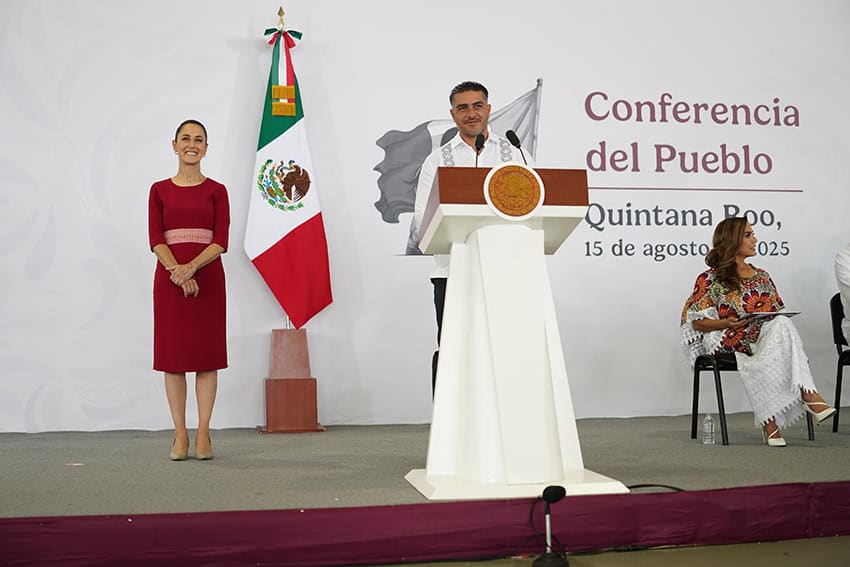
“These results are possible thanks to the coordination between the Ministry of National Defense, the Ministry of the Navy, the National Guard, the Federal Attorney General’s Office, the state Attorney General’s Office, the government of Quintana Roo and its authorities,” García Harfuch said.
Governor says more than 8,000 new hotel rooms to open in Quintana Roo by 2027
Governor Lezama said that 19 “new accommodation centers” (hotels, resorts and the like) with 6,339 rooms opened in Quintana Roo in 2024 and the first half of 2025.
She said that between now and the end of 2027, 23 new “accommodation centers” with 8,353 rooms are projected to open.
Eleven hotels with more than 5,000 rooms will open before the end of 2025, Lezama said.
60,000 tonnes of sargassum removed from Caribbean Sea this year
Lezama noted that a fleet of more than 30 boats works to remove sargassum from the Caribbean Sea before it reaches the beaches of Quintana Roo.
“This capacity has allowed us to collect and dispose of more than 60,000 tonnes [of sargassum] so far this year,” she said.
Gone fishing for sargassum: Mexico’s agriculture ministry declares the seaweed a national resource
Lezama also said that state officials have met with businesspeople to “evaluate and develop up to 140 products derived from sargassum.”
Sargassum has already been used to make a variety of products including building materials, shoes and fertilizers.
The Mexican government recently declared declared sargassum a national fishing resource, and there are projects to transform the seaweed into biofuel.
Sheinbaum: ‘There is no fuel shortage’
During her Q&A session with reporters, Sheinbaum was asked about fuel shortages that have been reported this week in Mexico City and states including Nuevo León and Chiapas.
In fact, the president asserted, there is no shortage of fuel in the country.
“There is fuel,” she said, explaining that the problem is related to the transport of same to gas stations.
Sheinbaum said that the issue is being resolved.
‘The beaches belong to the people’
A reporter from Cozumel complained that the Caribbean island is “losing its public beaches” because access to them is being closed off. She asked the president whether her government would address the issue.
“We’re doing it in Nayarit, in Baja California Sur and we’ll be happy to work on it in Cozumel,” Sheinbaum said.
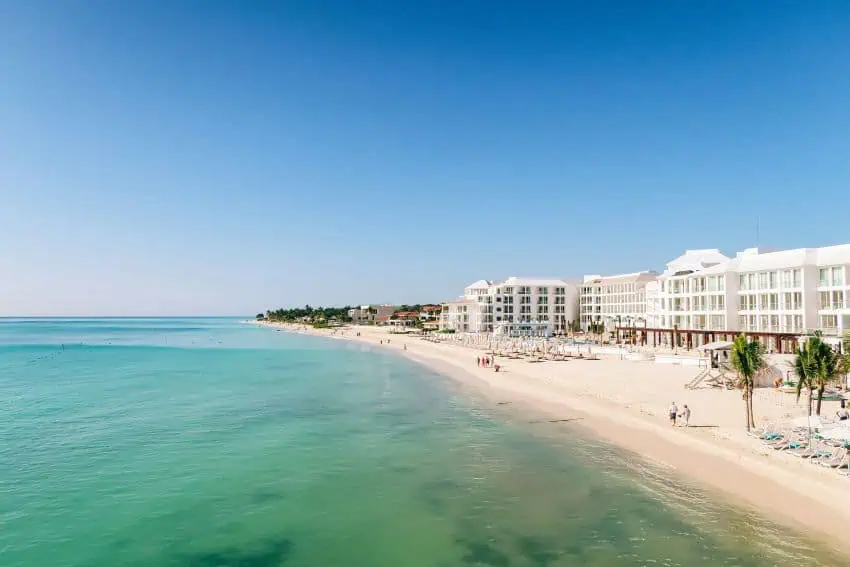
“The beaches belong to the people, they’re national [assets] and there has to be access to the beaches for the people of Mexico. They can’t be privatized,” she said.
“In places where there is no [public] access to the beach, public access has to be opened up,” Sheinbaum said.
“And that is what we’re doing in different places and we’ll happily look [at the issue] in Cozumel,” she said.
Sheinbaum: ‘Mexico is in vogue and Quintana Roo is as well’
Asked again about the United States government’s new terrorism warnings for Mexico and the impact they could have on tourism, Sheinbaum highlighted that tourist numbers have increased this year, “despite any alert.”
The U.S. State Department updated its travel advisory for Mexico on Tuesday, warning for the first time ever of the risk of terrorism south of the border. It remains to be seen whether the new advice will result in a drop in the number of U.S. tourists visiting Mexico.
Sheinbaum didn’t express any concern.
“Mexico is in vogue and Quintana Roo is as well,” she said.
By Mexico News Daily chief staff writer Peter Davies (peter.davies@mexiconewsdaily.com)
As Mexico’s poverty rate drops, southern states lag behind
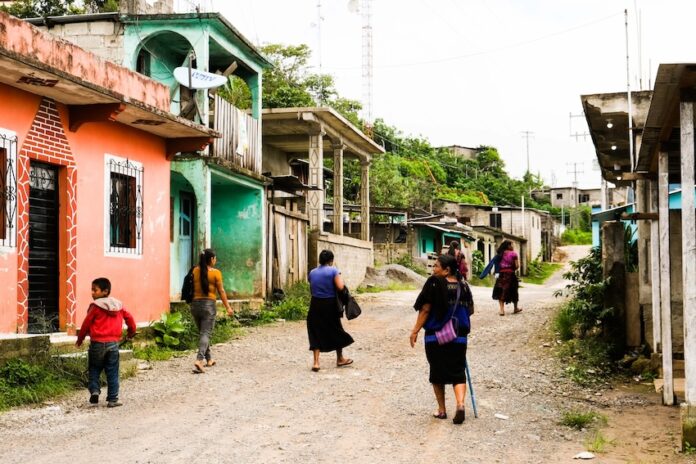
While President Claudia Sheinbaum lauded a report indicating a significant reduction in poverty since 2018, a breakdown of the figures demonstrates that southern Mexican states are lagging behind their northern brethren.
Mexico’s national statistics agency INEGI this week released its first survey measuring multidimensional poverty and Sheinbaum noted that “more than 13 million people were lifted out of poverty” between 2018 and 2024.
Poverty reduction and a major arrest: Thursday’s mañanera recapped
The multidimensional poverty index aims to calculate poverty beyond household income. It also considers access to health services, education, housing and food.
The number of people living in poverty declined from 51.9 million in 2018 to 38.5 million (29.6% of the population). Of those, 7 million (5.3% of the population) remained in extreme poverty in 2024. Most of them — nearly 4 million people — live in six southern states: Chiapas, Guerrero, Oaxaca, Veracruz, Tabasco and Campeche.
While a September 2023 report indicated that southern states — a region comprising Mexico’s poorest and least developed states — were enjoying greater economic growth than some northern counterparts, the newest poverty data indicates there is still work to be done.
While the population deemed to be living in poverty decreased in all 32 states between 2018 and 2024, the decline was uneven.
In the northern states of Baja California, Colima, Coahuila, Sonora, Sinaloa, Tamaulipas and Chihuahua, the decrease was more than 40%.
In contrast, Chiapas was the state with the smallest decrease in poverty from 2018 through 2024 — just 7.2%. It was followed in ascending order by Tlaxcala (9.9%), Guerrero (12%) and Oaxaca (14.4%).
The five states with the lowest percentages of people living in extreme poverty are all in northern Mexico: Baja California (0.4%), Nuevo León (0.5%), Aguascalientes (0.6%), Coahuila (0.8%) and Colima (1.0%).
The four states with the highest percentages of people living in extreme poverty in 2024 were Chiapas (27.1%), Guerrero (21.3%), Oaxaca (16.3%) and Veracruz (8.8%).
These four states also feature the highest percentage of its population living in multidimensional poverty: Chiapas — 3.9 million, or 66% of its population; Guerrero — 2.1 million, or 58.1%; Oaxaca — 2.2 million, or 51.6%; and Veracruz — 3.6 million, or 44.5%.
Likewise, the INEGI report showed that multidimensional poverty decreased more rapidly in urban areas (from 34.5 million to 25.5 million) than in rural areas (from 17.4 million to 13 million).
INEGI’s inaugural poverty survey
This is INEGI’s first survey measuring poverty since mandated to do so by a Dec. 20, 2024, constitutional reform that took effect last month.
The stated objective of the reform is to provide a more accurate picture of the country’s social development so as to better formulate, implement and monitor public policy.
The reform was not approved without controversy as it also eliminated the agency known as the National Council for the Evaluation of Social Development Policy (Coneval), transferring its duties to INEGI.
Coneval was established in 2005 to evaluate the effectiveness of social development policies and programs in Mexico.
Opponents of the reform insisted that Coneval provided reliable and objective information to policymakers and the public about the state of social policies, poverty and social development actions.
However, when Coneval contradicted the narrative favored by President Andrés Manuel López Obrador (2018-2024) or denounced his austerity policies, López Obrador criticized the agency.
López Obrador replaced Coneval’s director in July 2019 and suggested eliminating the agency in January 2024. He then fashioned the reform that effectively stripped the agency of its independence.
It is now managed by INEGI, which is directed by López Obrador’s former finance minister, Graciela Márquez.
Last month, former Coneval director Gonzalo Hernández said the new agency lacks credibility, accusing the government of insufficient transparency and accountability.
With reports from El Economista and La Jornada
Meet Waldog, the robotic canine that roams Monterrey’s streets with a message

A four-legged robot dog spotted recently on the streets of the Monterrey metropolitan area doesn’t bite, slobber or make messes on the sidewalk.
Rather, the robotic Waldog captivates residents while championing animal welfare with a distinctly metallic bark.
@nbcnews An AI-powered robot #dog named “Waldog,” is making the rounds in the Monterrey, #Mexico to raise awareness about #animal ♬ original sound – nbcnews
Sporting a beagle-like build and equipped with artificial intelligence, Waldog patrols neighborhoods, drawing the attention of children and adults wherever he roams. (Reuters and other news outlets use male pronouns when referring to Waldog.)
His mission is to speak up on behalf of real canines, and to promote adoption and respect for all species.
“Hi, I’m Waldog, and I’m here to give a voice to those who don’t have one, the little animals who live on the streets,” the automaton said in Spanish to a group of smiling residents during his official debut in the Santa Catarina neighborhood last week.
The brainchild of federal Sen. Waldo Fernández González, an animal rights advocate from Monterrey, the capital of Nuevo León, Waldog represents a fusion of technology and activism seldom seen in public spaces.
Hoy recorrí Santa Catarina acompañado de “Waldog”, un perro robot con inteligencia artificial que adoptamos simbólicamente para lanzar una campaña de concientización sobre el bienestar animal. pic.twitter.com/RHNgCR8aRN
— Waldo Fernández (@FdzWaldo) July 4, 2025
Fernández — who reportedly used his own money to purchase the robot for about US $4,000 — named the “pet” as a play on his own name. He operates the device via remote control.
“The main objective of innovation should be to build better solutions for common problems,” Fernández said. “In that sense, animal welfare is an issue that is currently one of people’s main concerns, but one that we sometimes don’t know how to solve. With Waldog, we want to reach new generations, build community and foster a culture of care and responsibility.”
Fernández, 54, was elected to a six-year term, his first, in the Mexican Senate last year, and now, according to media reports, has his sights set on becoming the governor of Nuevo León in the 2027 elections, or, failing that, the mayor of Monterrey.
In that regard, perhaps Waldog is something of a public-relations gimmick — but few believe he’s just a showpiece.
As Fernández has explained, the robot dog can identify litter and potholes on Monterrey’s streets, check on other stray dogs and help register them, and interact directly with people through a friendly voice and advanced recognition systems.
He can also easily stand up on his hind legs, and he even has his own Instagram account and Facebook page.
Sorprende el #WalDog a estudiantes en ciudad universitaria, lo veremos con la playera de rayados próximamente @FdzWaldo ? pic.twitter.com/0cXN49Scld
— @QuePasaEnNL ®️ (@LoQuePasaEnNL) July 31, 2025
Since early July, before his official unveiling last week, he had been making short appearances here and there, including “My first visit to the Senate of the Republic,” which Waldog himself posted to Instagram on July 29.
His tech pedigree is impressive: The Unitree Go2 PRO, a model from Chinese robotics firm Unitree, gives Waldog cutting-edge autonomy, thanks to 4D L1 LIDAR that enables 360-degree navigation and remote operation from up to 100 meters away.
In one symbolic gesture to spark responsible pet adoption, Waldog was even “adopted” by a local veterinarian during his debut.
Fernández said he plans to deploy Waldog at schools, plazas and working-class neighborhoods across the Monterrey metro area — all with the hope of inspiring empathy, responsible ownership and community care for animals.
The senator’s Waldog campaign arrives as robotic dogs gather attention worldwide for their versatile roles.
In addition to activism, similar robots are used in search and rescue operations and are being developed by U.S. authorities for border patrol between the United States and Mexico.
Waldog’s packed schedule includes dozens of planned neighborhood visits and, of course, ample time posing for selfies with new friends.
With reports from Reuters, Infobae, ABC Noticias and Aristegui Noticias
Trump: ‘Mexico does what we tell them to do’
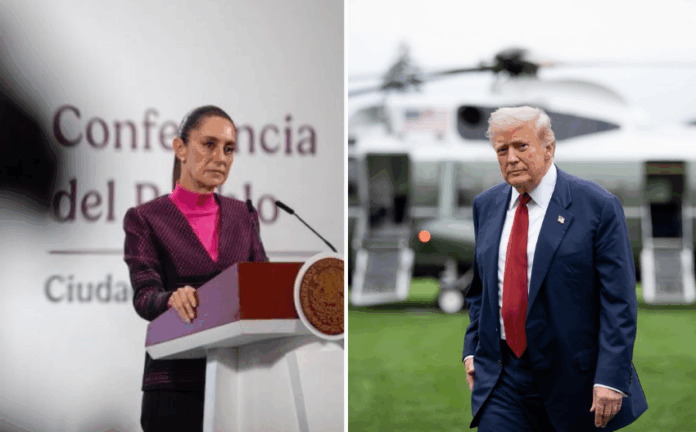
Mexican President Claudia Sheinbaum brushed aside U.S. President Donald Trump’s suggestion on Thursday that Mexico “does what we tell them to do” as she responded by declaring that “In Mexico, the people govern.”
Sheinbaum made her initial comments in a video released on Thursday, but she doubled down on them during a press conference in Chetumal, Quintana Roo, on Friday.
En México, el pueblo manda. pic.twitter.com/XR1bA6lTDr
— Claudia Sheinbaum Pardo (@Claudiashein) August 14, 2025
“I’ve said this several times: President Trump has a way of speaking. But as I said yesterday, the only one who rules in Mexico is the people,” she said. “It’s that simple, and it’s that important.”
Trump’s public branding of Mexico as subservient is the latest in a string of provocations that Sheinbaum has had to deal with. The Mexican president has avoided direct confrontation with Trump despite the U.S. president’s aggressive approach, instead emphasizing Mexico’s sovereignty, and earning praise for keeping a “cool head” when dealing with her U.S. counterpart.
Trump’s comments to reporters came in the Oval Office on Thursday after he signed an executive order honoring the 90th anniversary of the Social Security Act.
Trump says Canada and Mexico do 'what we tell them to do’

While bragging about his success at stemming the flow of immigration, Trump mocked his predecessor, Joe Biden for waiting on legislation to close the border.
“I had no legislation. I just said ‘We’re closing the borders’ and the whole world understood it because they … really respect this country again,” Trump said.
But now, Trump said, “Mexico does what we tell them to do. And Canada does what we tell them to do. Because we have the two borders … the northern border and southern border. And they were both horrible. But now … some people say it’s a miracle.”
Sheinbaum’s response came a few hours later, at the end of a video celebrating the recent opening of a new section of Chapultepec Park.
The president didn’t mention Trump by name, but she titled the social media post “En México, el pueblo manda” (“In Mexico, the people govern”), and concluded the video by saying “In case anybody has any doubts, this is a message from Mexico to the world: In Mexico, the people govern.”
Her message capped a week of repeated U.S. actions targeting Mexico. Last Friday, Aug. 8, she was forced to respond after The New York Times reported that Trump signed an executive order authorizing the Pentagon to target foreign drug cartels.
On Wednesday, the Mexican government responded to reports that a U.S. drone flew deep into Mexican airspace over an area considered a stronghold of the La Familia Michoacána drug cartel by saying it had requested the flyover.
“It’s not a military plane, it’s not a military drone,” said Security Minister Omar García Harfuch, adding that it was sent to support an ongoing investigation by Mexican authorities.
Also this week, Mexico transferred 26 high-profile prisoners to the U.S., an action that García Harfuch said was an act of “bilateral coordination” and “with full respect for our sovereignty.”
One newspaper columnist suggested this was more about “placating Trump than keeping Mexico safe.” García Harfuch denied this, saying the expulsion of the criminals was not linked to Mexico’s efforts to avoid higher U.S. tariffs.
At the same time, Mexico is seeking the extradition of a former director of the state-owned oil company Pemex — arrested in Texas on Tuesday — on corruption charges, while cautiously awaiting developments in the unrelated case of two Mexican executives indicted on charges of bribing Pemex officials.
The latter case is fraught with peril for Sheinbaum and her party since the alleged infractions occurred after Morena took control of the federal government in December 2018 with the inauguration of Sheinbaum’s predecessor, Andrés Manuel López Obrador.
With reports from Reforma, La Jornada, El Universal and El Financiero
Move over Frida and Diego: Here are history’s 5 most influential figures born and raised in Mexico City (Pt. 1)
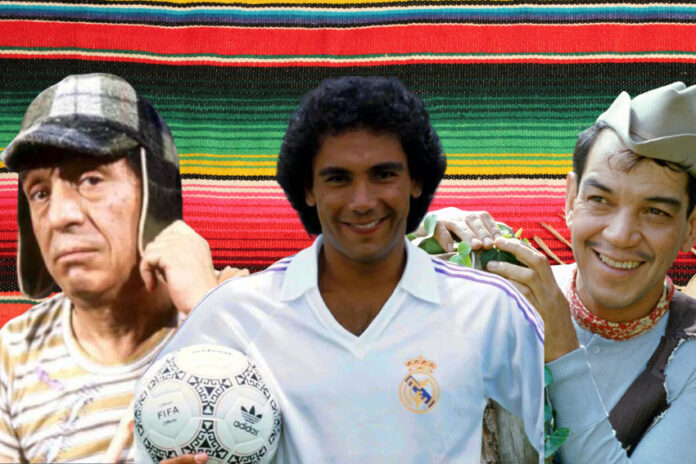
To be fluent in “Mexican” requires an understanding of much more than Spanish. Like, knowing that Frida Kahlo and Diego Rivera aren’t the sole defining figures of the culture. Cultural literacy demands familiarity with personalities whose influence runs far deeper into the fabric of Mexican society.
These ten icons, all born and raised in the capital, have shaped the country in many ways. Thus, knowing the stories behind these individuals will help outsiders understand much of Mexican humor, language, art, and chisme (gossip).
This two-part series was compiled thanks to three born-and-raised capitalinos who helped me identify the most important cultural phenoms for foreigners to know. There are just two women on this list. We hope that the next round will showcase more (Claudia Sheinbaum is notably missing, as we think she’s already getting her fair share of Mexico News Daily coverage). From personal scandal to powerful societal contributions, the following household names will lift you to a new level of fluency without taking one grammar class.
1. Mario Moreno “Cantinflas” (Comedian & Film Icon, 1911–1993)
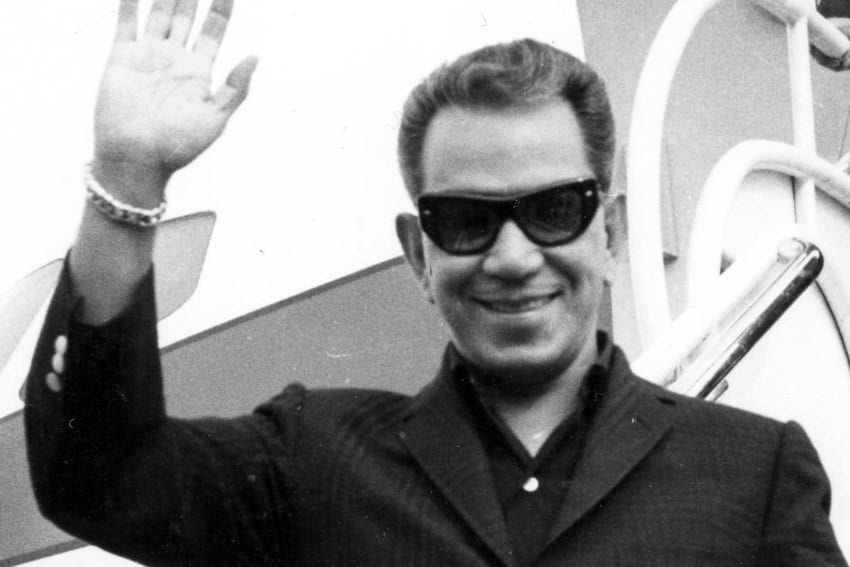
If you’ve never heard of Cantinflas, it can only be assumed that you have no Mexican friends. The beloved film star is so ingrained in the culture that he inspired a verb. “Cantinflear” refers to the act of talking, talking, talking — but never quite getting to the point. Born in Tepito, Cantinflas started in vaudeville-style theater, going on to star in more than 50 films, including “Around the World in 80 Days.” He led the actors’ union, fought institutional corruption, and pushed for an independent union during the era of the PRI’s authoritarian dominance. Despite the ever-present temptation of Hollywood, the mustachioed comedian remained married to the same woman throughout his life. His death in April 1993 sent the nation into a deep mourning. Some estimates report that 500,000 people lined the nine-mile procession route his casket made through Mexico City.
2. Chespirito (Roberto Gómez Bolaños,TV Creator & Comedian, 1929–2014)
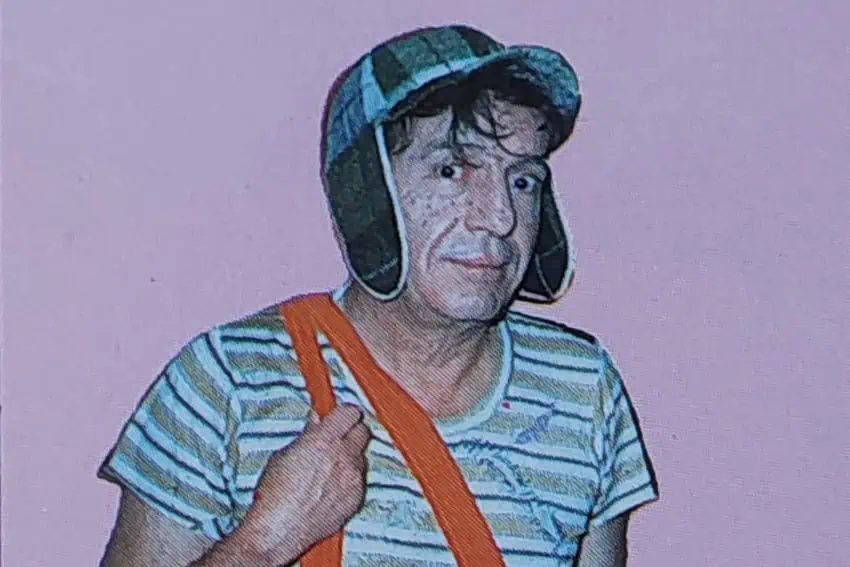
If you’ve ever heard a friend say, “fue sin querer queriendo” (my subconscious made me do it), it’s thanks to the creator of El Chavo del Ocho and El Chapulín Colorado, Chespirito. His family-friendly characters allowed him to touch upon social themes like poverty and inequality through warmth and humor. Despite his jovial persona on screen, the backstage experience was entirely different. He spent years embroiled in drama over rights, money and his control over the legacy of his shows. There were well-publicized feuds over intellectual property with cast members, especially Carlos Villagrán (“Quico”) and María Antonieta de las Nieves (“La Chilindrina”), leading to lawsuits and lasting personal rifts. He died in 2014, but his shows remain popular across Latin America, underscoring his lasting cultural presence and the irony of his characters that preached harmony while their creator fought bitter legal battles.
3. José José (Singer & International Balladeer, 1948–2019)
José José - El Amar y El Querer (En Vivo)
José José - El Amar y El Querer (En Vivo)
“El Príncipe de la Canción” gained fame through his powerful emotional ballads, notably “El Triste” and “Gavilán o Paloma”, selling millions of albums across Latin America and beyond. His personal life told a very different story. José José’s violent, alcoholic father abandoned the family when he was a teen, a pivotal event that would ignite his own downward spiral. Struggles with alcohol and substances would plague him throughout his life and career. He was married three times – his second wife publicly accused him of serial infidelities, alcoholism and jealousy. A serious case of pneumonia in 1972 left one of his lungs permanently damaged, leading to a suicide attempt. His later years saw family disputes over his care and legacy, all broadcast in the Mexican media. In the early 2000s, José José moved to Miami with his third wife to be closer to his daughter Sara (Sarita). This decision ignited intense family controversy, as his children in Mexico — José Joel and Marysol Sosa — claimed they were kept in the dark about his condition, location and care. He died in 2019; his ashes were split between Miami and Mexico City in a final act of family division.
4. Hugo Sánchez (Athlete & Global Sports Figure, 1958–)
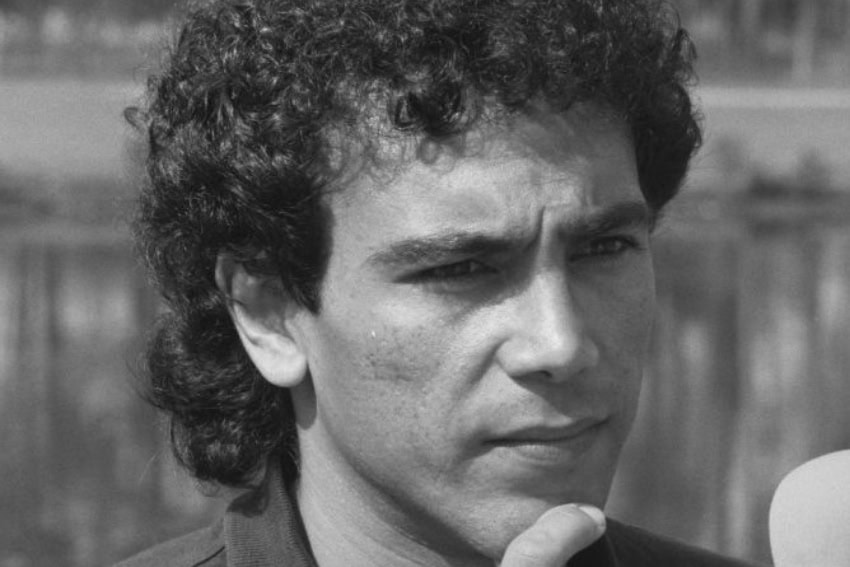
Before becoming one of the best Latin American footballers worldwide, Hugo Sánchez studied dentistry at UNAM. But it was his spectacular goal-scoring and acrobatic moves at Real Madrid that thrust him into the spotlight. On the field, Sánchez was known for his larger-than-life ego, often calling out teammates and clashing with other stars. He was even quoted as insulting rival players off the field. Despite his spicy temper, he represented Mexico in multiple FIFA World Cups and continued his career as a coach and sports commentator for ESPN after retiring. His screen personality is just as bold as his player personality – he’s famous for candid, sometimes abrasive commentary. Sánchez’s success was not without scandal, and his decades-long marriage to Isabel Martín came to a disastrous end amid rumors of the worst kind — her infidelity with his best friend led to the “divorce of the decade.” Years later, Sánchez forgave her, sparking another round of gossip over his pride and reputation. The soccer star currently divides his time between Mexico and his luxury homes, including a seven-story mansion in Cancún measuring more than 900 square meters and multiple pools, jacuzzis, direct beach access and plenty of statues of himself playing his favorite sport. Fun fact: you can find him on TV, advertising toothpaste with #6 on this list.
5. Carlos Slim (Business Magnate, 1940–)
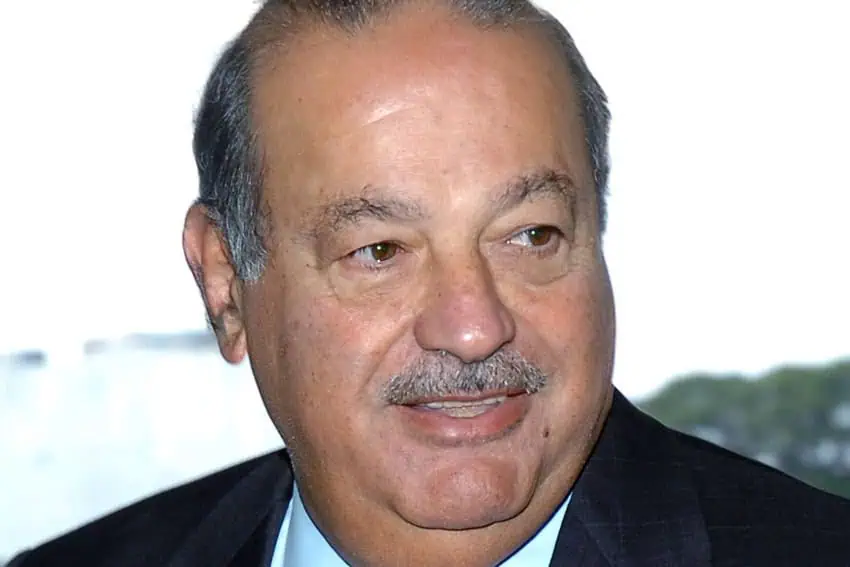
Born in 1940 to Julián Slim Haddad, a Lebanese immigrant and self-made real estate mogul, Slim learned business skills from an early age. By age 12, the future magnate knew how to record finances and invest in stocks. But it wasn’t until his 40s that his fortune ballooned. In the wake of the 1982 crisis, Slim bought distressed assets (notably Telmex) cheaply and built a near-monopoly telecommunications company, shaping modern Mexican capitalism. Known as “El Ingeniero,” he’s a baseball fanatic (he loves the New York Yankees), famously frugal (according to Business Insider, he works from a simply furnished office and avoids luxury cars), and is heavily criticized for his market dominance that many argue stifles competition. He’s the founder of the free Museo Soumaya, named for his late wife, with whom he had six children, and several foundations focusing on education, health and downtown cultural preservation. Statista’s 2024 list of the richest Mexicans ranked Slim at #1 with an estimated worth of US $102 billion. Despite his unfathomable wealth, he embodies a particular brand of immigrant-family thriftiness and still lives in the Mexico City home he’s owned for three decades.
Want to find out who rounds out our esteemed list of Chilango megastars? Tune in next week for 5 more movers and shakers from Mexico City!
Bethany Platanella is a travel planner and lifestyle writer based in Mexico City. She lives for the dopamine hit that comes directly after booking a plane ticket, exploring local markets, practicing yoga and munching on fresh tortillas. Sign up to receive her Sunday Love Letters to your inbox, peruse her blog or follow her on Instagram.
After an unusually wet summer, ‘average’ September rains expected to bring further drought relief to Mexico
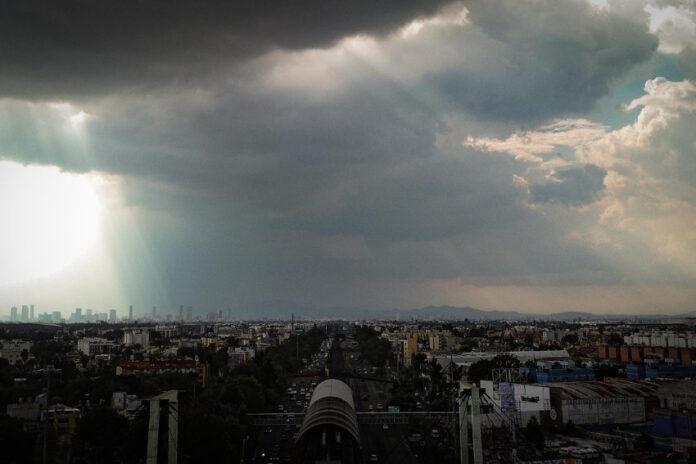
September rains are expected to remain “close to the historical average” following a “very active” rainy season that has alleviated drought conditions across the country, the National Meteorological System (SMN) announced Thursday.
According to the agency, drought conditions dropped by 1.8% between July 27 and Aug. 10, compared to the previous 15-day period.
😯☔️ ¡Continuarán las lluvias, no guardes el paraguas!
Se esperan #Lluvias de distintas intensidades en gran parte del país. pic.twitter.com/ywuEsjVSzV
— CONAGUA Clima (@conagua_clima) August 15, 2025
“In the center, the south, and the southeast in general, drought levels have dropped significantly with the rains. Fortunately, the monsoon has been very active throughout Sonora, Sinaloa, Oaxaca, and Durango. Only a few very limited regions on the northern border have still experienced persistent drought,” the SMN General Coordinator Fabián Vázquez Romaña explained.
In the short term, heavy rainfall is expected to continue across much of the country until Sunday, meteorologist Jesús Carachure told Uno TV. August and September are “statistically the months with the most rainfall,” he said.
Rains September average roughly 140 mm (5.5 in) while August generally sees 132 mm (5.2 in) of rain.
Vázquez recalled that June was the rainiest month nationwide on record, with a nation-wide average of 155 mm (6.12 in) of rain. The extra precipitation was especially notable in Mexico City, where repeated downpours led to unusual flooding.
It’s official: June was the rainiest month ever recorded in Mexico
The heavy rains have continued this month, as rainfall on Aug. 10 flooded Mexico City’s Zócalo and other areas of the Historic Center. It also led to the suspension of air operations in Mexico City International Airport (AICM) for about four hours and flooded several boroughs across the city.
According to Vázquez, that storm dumped 84 mm (3.3 in) of rain, a record for August. Although the rains caused traffic problems due to their intensity and short duration, Vázquez said the precipitation has been beneficial to the city’s water supply. The Cutzamala System, responsible for supplying water to both Mexico City and the state of México, is currently at over 60%, he said — a major improvement over this time last year.
He said September rains are expected to continue aiding the system’s recovery.
Invest 98 heading towards the Gulf of Mexico
The SMN also warned of Invest 98, an unstable zone located in the western and southwestern Gulf of Mexico, which as of Friday morning had a 20% chance of developing into a cyclone (a tropical depression, storm or hurricane) within 48 hours. The weather system has generated very heavy rainfall in states such as Veracruz, Tamaulipas and Tabasco, with accumulated rainfall of up to 40 mm (1.6 in) and a high risk of flash flooding and thunderstorms.
In addition to being Mexico’s rainiest month, September is also the month of greatest hurricane activity in both the Atlantic and the Pacific. In October, rainfall begins to decrease with the arrival of cold fronts.
With reports from EFE and El Financiero
How two Irish boys took on a Mexican cycling adventure — and what they found when they got here
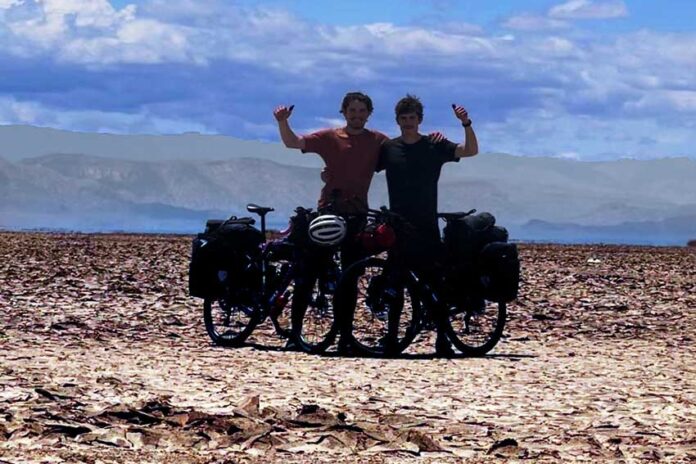
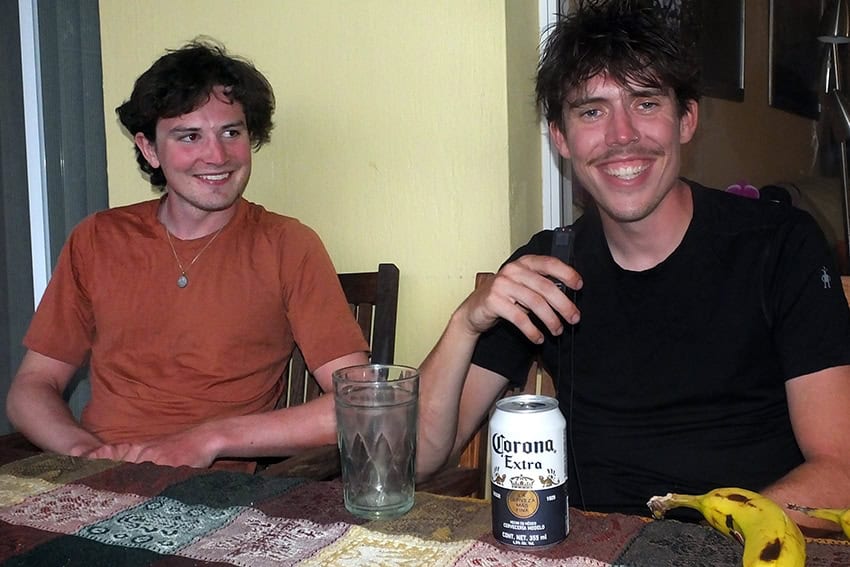
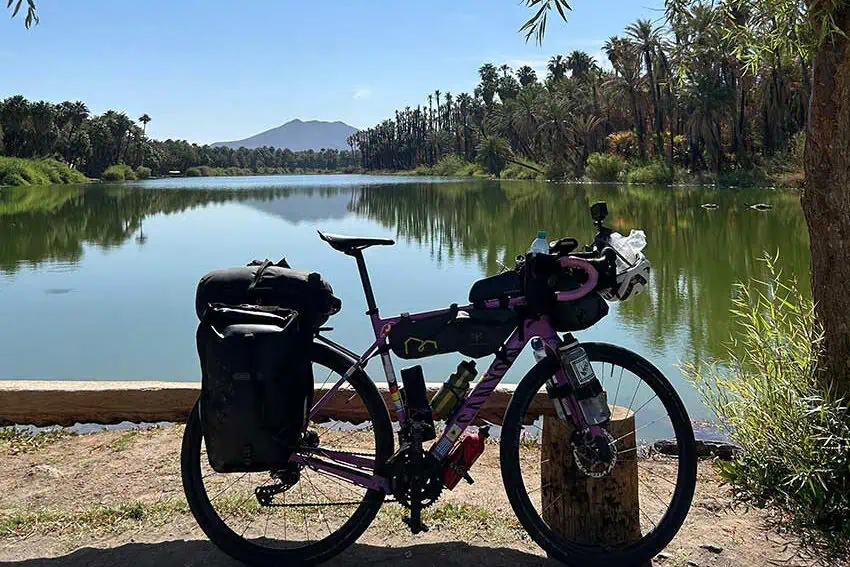
A neighbor of mine is a member of Warmshowers, an international organization that provides long-distance cyclists with a place to rest and wash, free of charge. The other day, he invited me to meet two Irish lads from Cork who were bicycling their way from Vancouver, Canada, to Ushuaia, Argentina, a distance of 12,641 kilometers.
The cyclists, Jack Kenny and Oisin Dennehy, had arrived in Guadalajara after 51 days of hard pedaling, covering as many as 165 kilometers in one day.
A hot time in Baja
I asked Oisin how Mexico was treating them.
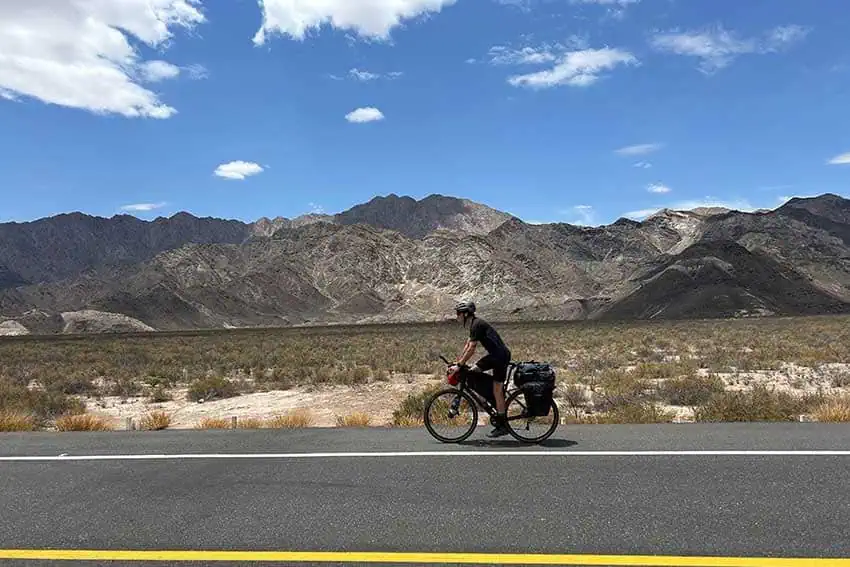
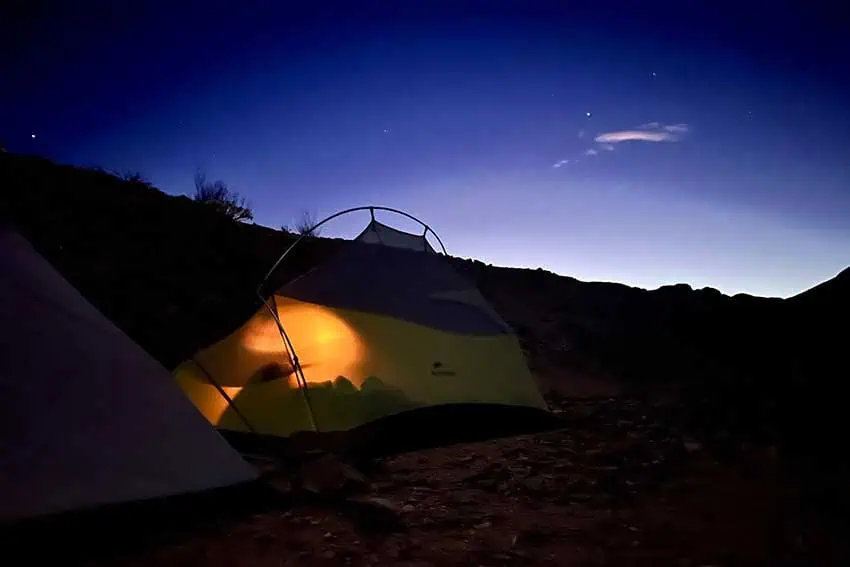
“The first days were rough,” he said. “But it was our fault, not Mexico’s. We entered through Mexicali and headed down Baja California in May. It was the worst heat experience we ever had.” The BikePack Boys, as they call themselves on Instagram, were soon enduring temperatures of 47 degrees Celsius (117 degrees Fahrenheit), so hot that very few businesses were open during daylight hours along their route. On various occasions, the pair were saved by truck drivers who saw them and stopped to give them water.
“To make matters worse,” continued Oisin, “we had a 15-mile-an-hour headwind the entire time. It was like pitting yourself against 10,000 hair dryers. Honestly, we came close to hallucinating.”
Eventually, the hikers reached Santa Rosalia, halfway down the peninsula.
“At this point,” recalls Oisin, “I was so dehydrated and suffering from heat stroke that I went into the desert and tried to create a bit of shade by tying my tent up against a cactus. However, my attempt to create shade failed because the wind blew down whatever I tried to put up. So, after two hours of basically lying in the sun, I had to get back on the bike because I was running out of water. That was our most miserable day.”
The two cyclists told me they had been hit by the travel bug at age 20 and had started by “tripping around Europe.” Jack then did a long bike ride from Cork to Istanbul, which led to two years of planning a trip through the Americas.
“Ultimately,” said Jack, “we wanted an adventure, to cross borders and meet people, to get beyond preconceptions. We are going to take a few days off here in Guadalajara and try to immerse ourselves in the culture, meet new people, and try new food.”
The logging trail from Hell
“Was your ride down Baja the toughest part of the trip?” I asked the pair.
“Perhaps even worse,” said Oisin, “was a certain logging trail in Oregon. We had been enduring nonstop, intense rain for two days when we got onto that trail. It was very remote. There wasn’t even a road, just rock, gravel and steep gradients.”
“After lifting our bikes over multiple landslides in the pouring rain,” continued Jack, “our skin was puckered as if we had been swimming for hours. I emerged from the logging trail maybe half an hour before Oisin, and I said to myself: ‘We are going to treat ourselves and get a motel. This is too awful an experience not to take a warm shower.’”
“Then, two minutes after emerging from this non-road, a 4×4 truck came up to me. The driver put down his window and shouted, ‘Where are you coming from?’ And I said, ‘From the logging trail,’ and he got this very surprised look. Then he said, ‘Do you need anything? Do you need food or drink?’”
“So we ended up staying three days with this man and his wife, while we dried out.”
A Mexican welcome
The night before reaching their Warmshowers host in the Guadalajara area, the two Irish cyclists slept in Ixlán del Río, Nayarit.
“Let me tell you about that,” said Jack, “because I think it will give you an inkling of the welcome we have been receiving from Mexicans.”
“I had been suffering for days from gastroenteritis. So I found a little hospital in Ixtlán where I saw a doctor. They asked me to come back to get my blood work done. When I showed up in the morning, they smiled and said ‘Oh, Mr Kenny!’ as if I were a familiar face and they greeted me warmly, gave me a bottle of water and sat me down and when I was about to leave, a couple of the nurses hugged me and wished me luck on my adventure. Now I’ll tell you: You will get a good experience in an Irish hospital, but you won’t get a hug!”
Jack and Oisin reached Mexico City in June, and there their trans-American tour came to a halt.
“My gastrointestinal problems had gone from bad to worse,” Jack lamented, “and no amount of testing could find the cause. So, we’ve had to put our trip on pause. But we’ll be back!”
Danger ahead
“After cycling halfway down Mexico, how safe have you felt in this country?” I asked the BikePack Boys.
“It’s funny,” replied Oisin. “In the U.S., we were told to prepare for the worst when we got into Baja.”
“‘It’s full of dangerous two-legged creatures,’ we were told.”
“When we got to Baja, we were treated royally, but everybody said, ‘Watch out for the dangerous people in Mazatlán.’”
“In Mazatlán, they told us the same story about Sinaloa, and in Sinaloa, they told us how dangerous it is in Guadalajara. When we got there, they said, ‘Beware of Michoacán,’ and then it was ‘God help you in Mexico City.’”
“Well, now we are in Mexico City, and I tell you, we’re just hoping to get robbed, so it will turn out that all those people were telling the truth.”
On June 11, the BikePack Boys returned to Ireland, unharmed. Except, that is, for the bane of many a foreign traveler: Montezuma’s Revenge.
John Pint has lived near Guadalajara, Jalisco, for more than 30 years and is the author of “A Guide to West Mexico’s Guachimontones and Surrounding Area” and co-author of “Outdoors in Western Mexico.” More of his writing can be found on his website.
