Home Blog Page 432

Did the Maya perform cacao ceremonies? No, but here’s why we practice them now

3
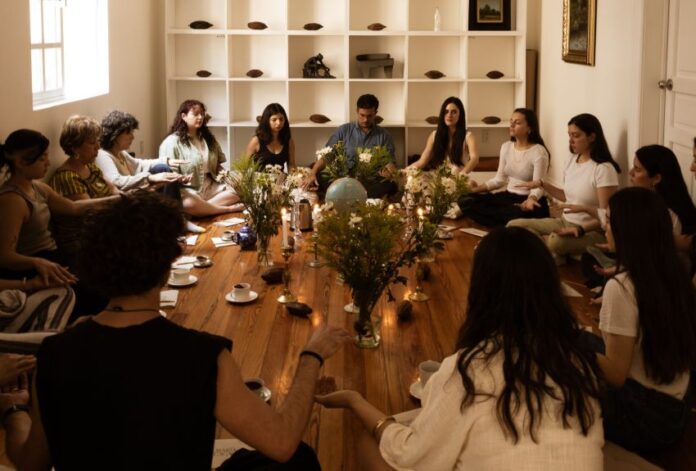
A cacao ceremony in Mexico
The ancient people of Mesoamerica might not have performed them, but cacao ceremonies have found a place in modern spirituality. (All photos by María Cacao)

I first heard of cacao ceremonies a couple of years ago when images of these rituals popped up on my Instagram feed. Since then, I started encountering cacao ceremonies more frequently — I would randomly hear people mention them in conversations or find stories online about them. I even came across a story in the New York Times about a woman who hosted a cacao ceremony at her Manhattan home, in New York.  

As someone passionate about my Mexican roots, I wondered why I hadn’t heard of these rituals before — and why someone in Manhattan had! Sure, I knew chocolate was a sacred and ceremonial food for the Olmecs, Maya and Mexica civilizations, but I had never heard of them performing rituals with cacao.
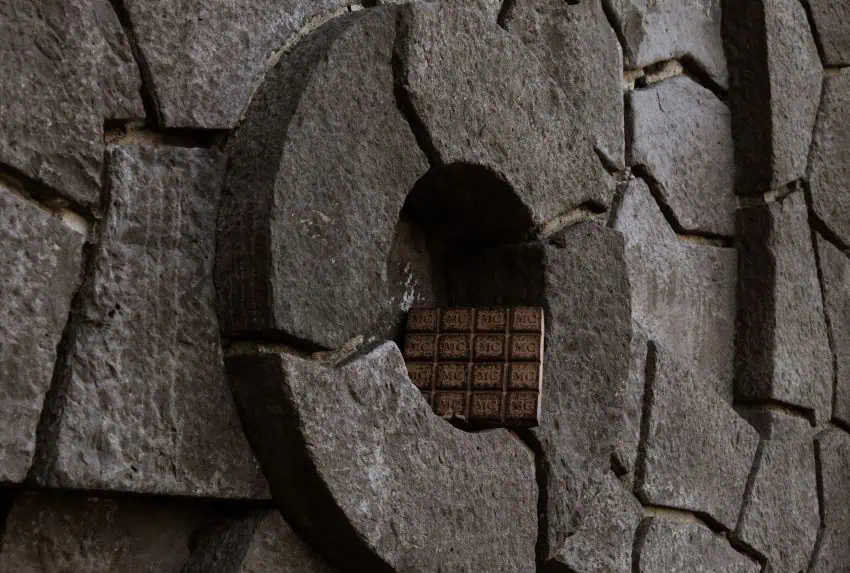
The goal of a traditional Ball Game course
Cacao was used as currency in Mesoamerica, due to its medicinal properties. Its spiritual benefits, however, have not been documented to date. (María Cacao)

I became curious and began to do some research.

What are cacao ceremonies in Mexico like?

A quick Google search revealed numerous websites promoting cacao ceremonies. These sites advertise meditation ceremonies that use cacao to facilitate communication with our inner selves, claiming cacao has “powers” to access our deepest thoughts and feelings.

“A cacao ceremony is an awakening of our consciousness,” Juan Pablo Barragán, a cacao ceremony facilitator in Guadalajara, the capital city of Jalisco, told me. “Cacao helps us expand our heart and find ourselves.” 
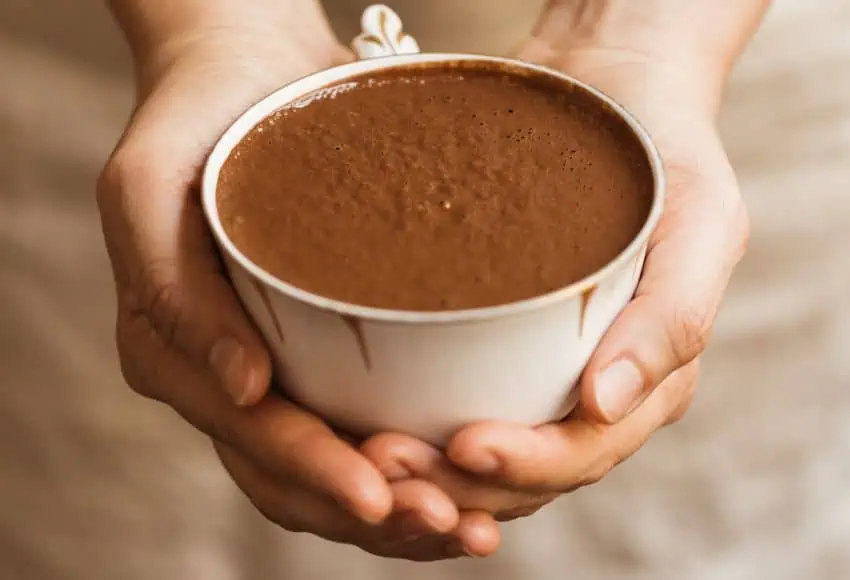
A contemporary cacao ceremony
A cup of hot cacao can warm more than just the heart. (María Cacao)

While ancient civilizations in Mesoamerica used chocolate as a toasted beverage in engagement and marriage ceremonies, there was no such thing as a “cacao ceremony.” But nowadays, these rituals are on the rise thanks to the discovery of cacao’s “superpowers” and their application in meditation practices. 

“Cacao literally expands the heart,” María Cobar, founder of María Cacao, a Mexican brand that commercializes artisanal cacao, told me. “Physically, cacao makes you feel better,” she said.  

Research has found that cacao has over 800 chemical compounds, including theobromine anandamide and phenylethylamine, which are responsible for stimulating the heart, widening blood vessels and inducing a feeling of relaxation and well-being. Cacao also stimulates the release of endorphins, known as the happiness hormone. 

Not to be confused with chocolate or cocoa, cacao is the fermented and dried seed of the Theobroma cacao tree, from which cocoa powder and cocoa butter are extracted. Cacao is also the base ingredient for chocolate.
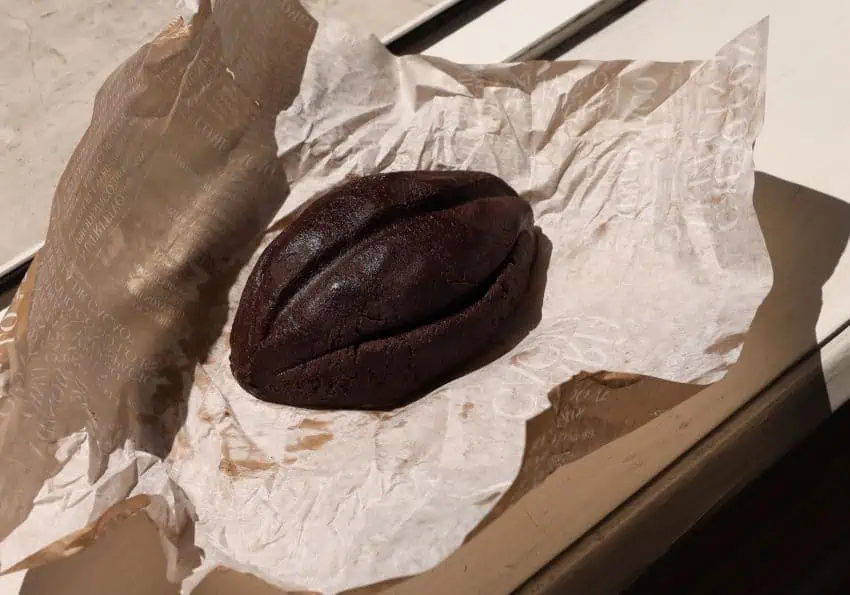
The fruit of the cacao tree
The fruit of the cacao tree has proven to have anti-inflammatory effects and to lower blood pressure. (María Cacao)

During cacao ceremonies, participants drink a beverage made from pure cacao powder or paste. This cacao is dubbed “ceremonial grade cacao,” indicating it has remained unaltered without any spices, sweeteners or other additives.

“I like to call it celestial cacao,” María told me. “Because that’s how it makes you feel.”

Unlike other indigenous medicinal plants like ayahuasca or peyote, which can lead to hallucinations, cacao’s effects are mild on the body, bringing a sense of peace and warmth. “It’s a very noble medicine,” María said. 

Ancient civilizations in today’s Mexico noted these benefits before science could prove them. It’s no wonder that due to its medicinal properties, the Olmecs, Maya and Mexica revered cacao and dubbed it “food of the gods.” 

A central altar in a cacao ceremony in Mexico
Cacao ceremonies offer the chance to feel “warm and comforted” according to those who have experienced them. (María Cacao)

Cacao’s effects on the body are described by facilitators and people who have experienced cacao ceremonies as “apapachadores,” derived from the Nahuatl “papatzoa,” which means “to soften fruit with fingers.” 

Apapachar is more than pampering or hugging. It’s a poetic way of comforting and showing care. It’s to hug someone with the heart and soul. 

“Cacao makes you feel warm and comforted,” Juan Pablo said. “In other words, apapachado.” In some way, we’ve all felt that on a cold winter day after a cup of hot chocolate, haven’t we? 

At ceremonies, facilitators recommend using between 30 to 42 grams of ceremonial cacao. Pregnant women or people with sensitivity to caffeine should adjust the dose accordingly. Cacao is then mixed with warm water and if wished, people can add a natural sweetener like honey or date.  

Ceremonial cacao is served in 'jarritos' or teacups
Any time of year is perfect for a cacao ceremony, not just January. (María Cacao)

In some ceremonies, the facilitator invites guests to give an offering. “It can be anything,” Juan Pablo said. “Flowers, fruits, anything.” Typically, offerings are placed at the center of the group. Some facilitators use musical instruments as a resource to induce relaxation and meditation. 

“Contrary to what people believe, facilitators don’t give advice in a cacao ceremony,” Juan Pablo said. “Instead, the ceremony allows participants to open to themselves and find their inner voice.” 

For María, the beauty of cacao relies on the fact that anyone can be a facilitator in a ceremony. “You don’t have to go to a group ceremony. You can perform your own ceremony at home. All you need is a cup of cacao and a clear intention,” she explained. 

A cacao ceremony is great for new beginnings — from a new year to a new month, week or even a new day. “It’s a celebration of life,” María says. “An opportunity to connect with your inner wisdom, so you can live lighter, more present, happier and more open to the energy of love in your life.” 

María doesn’t believe that cacao ceremonies are a trend — instead, they are here to stay. And after my conversation with these wonderful experts, I must say I agree. 
Gaby Solís is a Mexican lawyer turned full-time writer. She was born and raised in Guadalajara and covers business, culture, lifestyle, and travel for Mexico News Daily. You can follow her lifestyle blog Dunas y Palmeras.

Sheinbaum wants US to help end gun smuggling to Mexico: Wednesday’s mañanera recapped

6
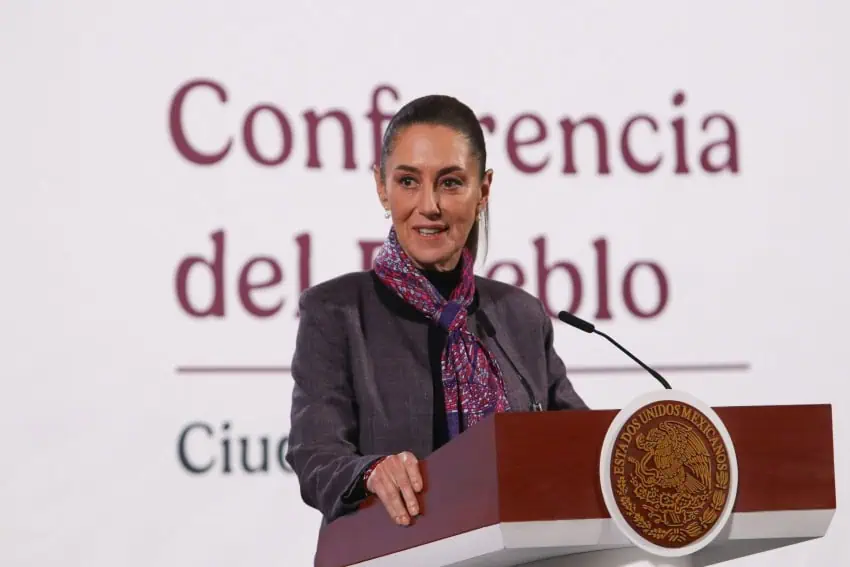
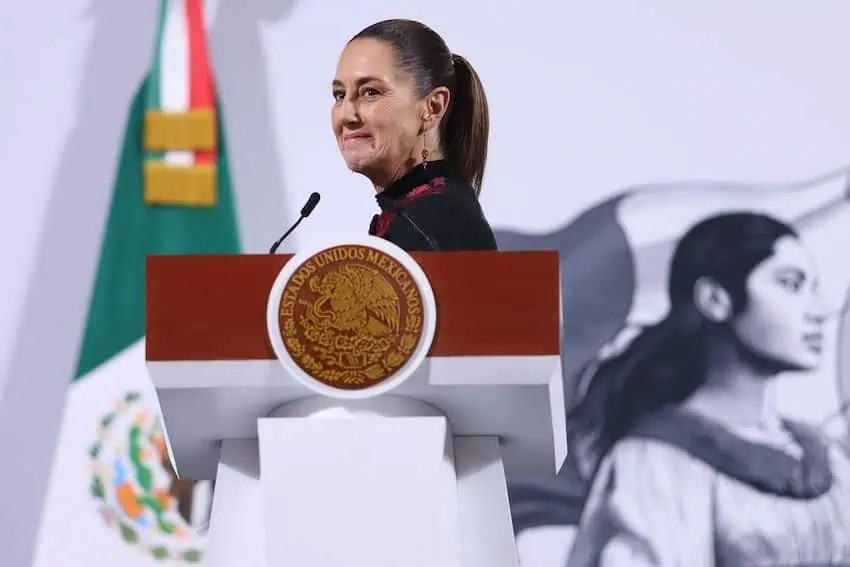
Claudia Sheinbaum at a press conference, standing behind the presidential podium, gesturing with both hands parallel in front of her, as if to show the size of something.
Claudia Sheinbaum at her daily press conference on Wednesday. (Daniel Augusto/Cuartoscuro)

President Claudia Sheinbaum revealed almost a month ago that she and her husband had moved into the National Palace, eliminating the need to commute to her weekday morning press conferences, colloquially known as mañaneras.

Sheinbaum’s press conferences commence at 7:30 a.m. — 30 minutes later than the starting time of former president Andrés Manuel López Obrador’s mañaneras — and are held in the Salón de Tesorería (Treasury Hall) of the National Palace, located in the historic center of Mexico City.

President Sheinbaum’s daily press conference follow the example of her predecessor, former president Andrés Manuel López Obrador, who held daily conferences as well. Sheinbaum’s conferences, however, begin a bit later in the day. (Gustavo Alberto/Cuartoscuro)

Here is a recap of some of the issues the president spoke about at her Wednesday  mañanera.

Sheinbaum: Public infrastructure projects and private investment will boost formal sector employment

A reporter highlighted that formal sector employment declined last month — over 405,000 jobs were lost, the worst December result on record — and asked the president what the government was doing to increase jobs in that sector and reduce informal sector employment.

Sheinbaum noted that the number of people employed in the formal sector always declines in December, but accepted that the reduction was larger than usual last year.

She described the end-of-year decline in formal sector employment as a “seasonal issue,” noting that many workers have annual contracts that end in December.

“This year there was a larger decrease,” Sheinbaum said.

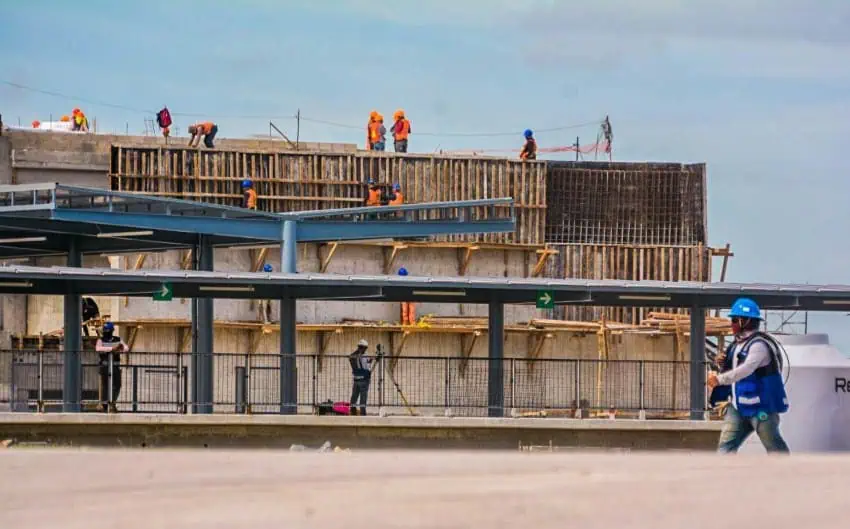
A shell of a concrete building in a rectangular shape with workers in construction gear walking to and fro
Workers constructing the Maya Train station in Cancún in Dec. 2023. (Elizabeth Ruiz/Cuartoscuro)

“What do we associate it with? Essentially, the completion of public works: the refinery [in Tabasco], the Maya Train, et cetera. The vast majority of these large projects that created a lot of jobs — particularly in the south-southeast — finished,” she said.

Sheinbaum said that “one part” of the jobs lost in December will be recovered when new government infrastructure projects — including railwater and housing projects — commence.

She said that some of those projects will start in March or April.

Sheinbaum also said that private investment would spur formal sector job creation.

In the first nine months of last year, private companies, including numerous foreign ones, announced plans to invest almost US $65 billion in Mexico, while the most recent foreign investment data shows that over $31 billion flowed into the country in the first six months of 2024.

President highlights the importance of stopping the entry of firearms from US 

Early in her press conference, Sheinbaum responded to Donald Trump’s announcement on Tuesday that he would rename the Gulf of Mexico the Gulf of America, and his assertion that Mexico is “essentially run by the cartels.”

Later in the mañanera, she said that such remarks wouldn’t have a negative impact on the relationship between Mexico and the United States.

“We’re going to collaborate with and understand the government of president Trump, I’m sure of that,” Sheinbaum said while stressing that her administration would defend Mexico’s sovereignty as a “free” and “independent” country.

Mexico and the U.S. will collaborate on trade, security and migration issues, she said.

High caliber automatic rifles laid in a row on a street in Mexico. In view nearby are the legs of people in soldier's boots and military fatigues.
Guns confiscated in an October incident in Guerrero where armed criminals had ambushed a convoy of Mexican army soldiers. Around 75% of weapons confiscated in crimes in Mexico were smuggled into the country from the United States. (Defensa/Cuartoscuro)

“And what we’re very interested in is that the entry of weapons from the United States to Mexico stops because 75% of firearms seized [in Mexico] … come from the United States,” Sheinbaum said.

“Of course we’re going to collaborate … on everything that has to do with the trafficking of drugs, but we are also very interested in addressing the entry of weapons from the United States,” she said.

The federal government estimates that hundreds of thousands of guns are smuggled into Mexico every year. Many of those firearms end up in the hands of cartel members or other criminals.

While foreign affairs minister in 2021, current Economy Minister Marcelo Ebrard said that reducing violence in Mexico would be very difficult if the United States didn’t do more to stop the illegal flow of weapons into the country. In 2022, he said that most of Mexico was in the grip of a “firearms pandemic.”

By Mexico News Daily chief staff writer Peter Davies (peter.davies@mexiconewsdaily.com)

Drought watch: Mexico’s 2025 dry season could last 6 long months

4
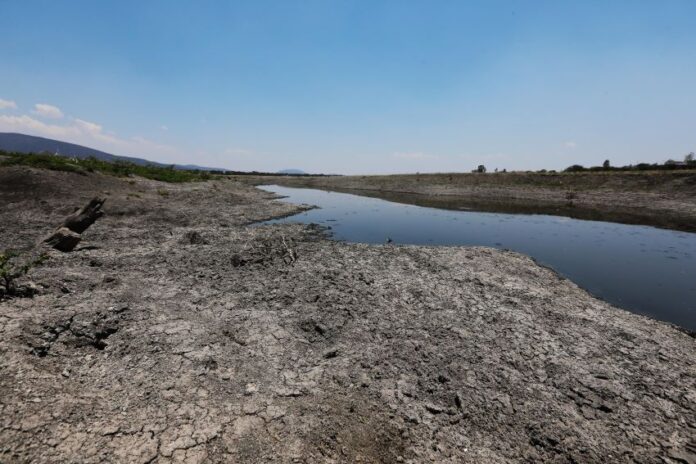
Dried out soil by a small reservoir in Tequisquiapan, Queretaro
The El Centenario reservoir in Tequisquiapan, Querétaro, was one of many bodies of water across Mexico that lost water levels to drought in 2024. (César Gómez/Cuartoscuro)

Mexico’s 2025 dry season could last around six months, according to predictions by the National Water Commission (Conagua) — from late November 2024 to May 2025 — meaning a potentially difficult year ahead in states by no means fully recuperated from drought conditions in 2024. 

“The water crisis in Mexico is severe and represents a paradox because although torrential rains have occurred in recent months, drought persists in large areas of the country,” said UNAM postdoctoral engineering researcher Norma Elizabeth Olvera Fuentes. 

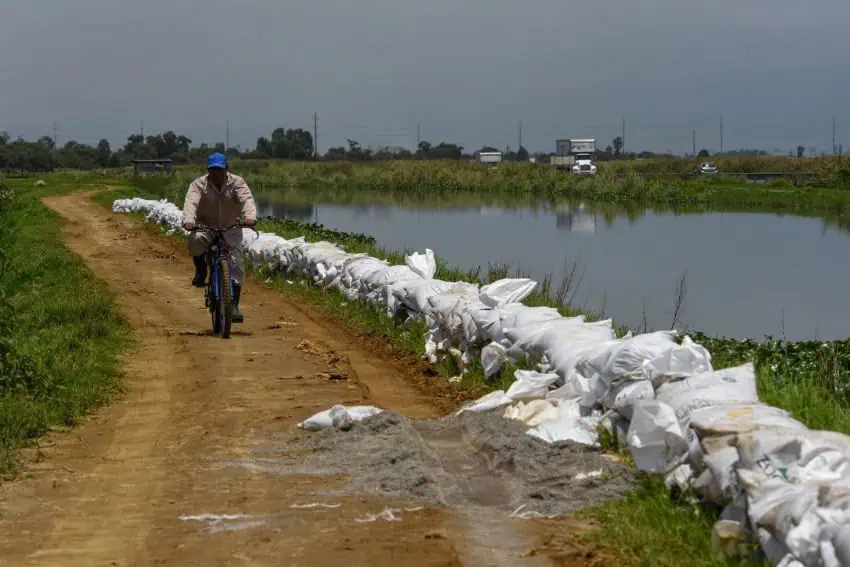
Mexican man riding a bicycle on a causeway filled with flood-prevention sandbags set up by the Lerma River in San Mateo Atenco, Mexico state.
Heavy rains during 2024’s Atlantic hurricane season brought welcome relief to many drought-stricken parts of Mexico, and even had some communities dealing with flood conditions. But Mexico is expecting a six-month dry season in 2025, which could undo any progress. (Crisanta Espinosa Aguilar/Cuartoscuro)

In response to Mexico’s years-long struggles with drought and water scarcity, new President Claudia Sheinbaum introduced Mexico’s National Water Plan (PNH) 2024–2030 in November, aimed at ensuring water sustainability, equity in access and protection of water resources for future generations.

The government has earmarked 20 billion pesos (US $979 million) for water projects across the country in 2025.

What parts of Mexico are still in drought?

Mexico’s northwest region is currently experiencing widespread drought, in the states of Chihuahua, Sinaloa, Sonora and Baja California.

In Chihuahua, Conagua considers 27 of the state’s municipalities, or 46.5% to be in extreme drought. Another 24 municipalities, or 14.7%, are facing exceptional drought, according to the federal water agency.

In the central Bajío state of Querétaro, nine municipalities are experiencing moderate drought, and six are suffering abnormally dry conditions, marking 58.6% of the state’s land, according to Conagua. Meanwhile, 37% of neighboring Guanajuato state is facing drought conditions. 

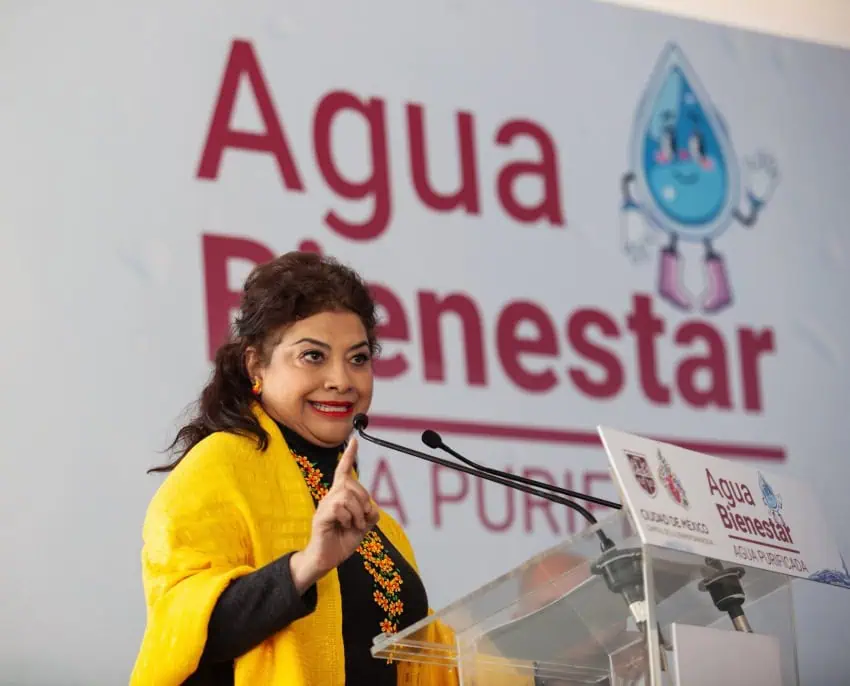
Mexico City Mayor Clara Brugada standing behind a plexiglass podium at a press conference. Behind her is a giant sign that says "Agua Bienestar"
Mexico City Mayor Clara Brugada announced in December that the capital would halve its reliance on the Cutzamala system, a network of dams, canals and pipes, for two years. The system reached a historic low of 30% last year. (Andrea Murcia Monsivaís/Cuartoscuro)

Mexico City: Letting the Cutzamala recover  

In December, after a year of water scarcity and shortages in the nation’s capital — and media talk of a “Day Zero,” when Mexico City would run out of water for residents — Mayor Clara Brugada announced a plan to halve the capital’s reliance on the Cutzamala water system for two years, to let it recuperate from persistent water losses. 

The Cutzamala is a series of dams, canals and pipes supplying around 27% of the capital’s water. for two years, to let it recuperate from losses. Drought and other factors have decreased its water levels significantly in recent years, and it reached a historic low of under 30% of capacity in May.

However, three of its dams — Villa Victoria, Valle de Bravo and El Bosque — registered levels above 60% in December, according to Conagua.

Sonora: Agriculture hit hard

In Sonora, drought is expected to significantly cut the state’s wheat production this year. A historic low of 15% of the 150,000 hectares typically used for grain will be sown, general director of the Yaqui River irrigation district Humberto Borbón Valencia told the newspaper La Jornada.

According to Valencia, 22,000 farmers in the irrigation district could be affected.  

The Yaqui River basin has a water deficit of more than 300 million cubic meters, a situation that threatens southern Sonora’s economy, which particularly relies on farming. 

Tamaulipas considers cloud seeding

In Tamaulipas, 4.8% of the state is in moderate drought, and 9.3% is abnormally dry, according to the SMN. Conditions are worst in northern Tamaulipas, negatively affecting agricultural production there, state Hydraulic Resources Ministry head Raúl Quiroga said. 

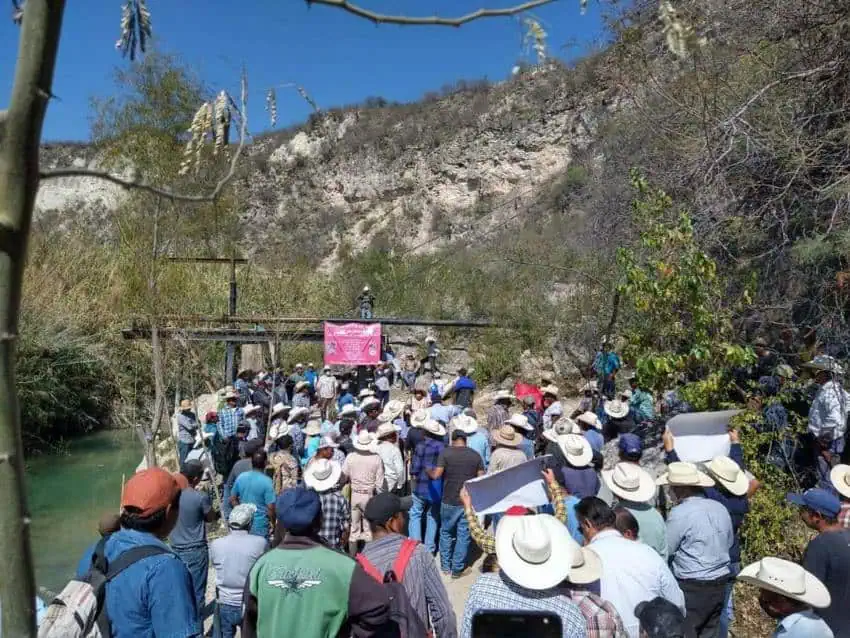
Mexican men in tee shirts, button down shirts, many of them in cowboy hats, gathered in a crowd on a bridge over small river in Jamauve, Tamaulipas
In arid Jaumave, Tamaulipas, competition for scarce water can be fierce. In 2022, ranchers here formed an armed self-defense group to prevent illegal extraction of water from the Guayalejo river by other local farmers without legal water rights to do so. (Cuartoscuro)

State authorities there are considering cloud seeding, a weather modification technique aimed at improving a cloud’s ability to produce rain.

“We are going to do what we can against nature,” Quiroga said, according to the news site El Sol de Tampico.  

The state also invested in cloud seeding in 2023 — efforts deemed successful by state Agriculture Undersecretary Eliseo Camacho — at a cost of around 340,000 pesos (US $16,654), funded by the National Commission of Arid Zones (Conaza).

With reports from El Economista, La Jornada, Diario de Querétaro, El Heraldo de Chihuahua, El Diario, El Sol de Tampico and Milenio

Activist attacks statue of Israeli prime minister in Mexico City Wax Museum

14
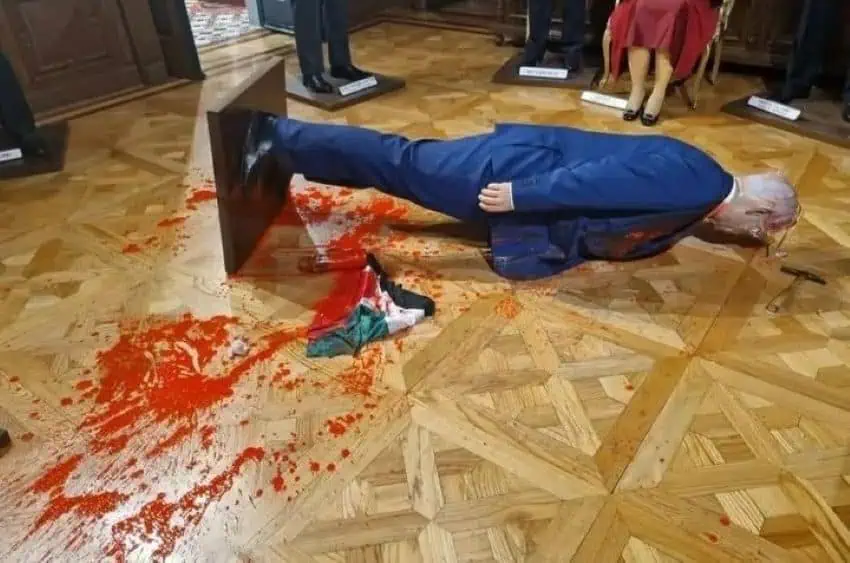
The attack on Benjamin Netanyahu's statue in Mexico City's Wax Museum
The Israel Embassy in Mexico condemned the attack on the Prime Minister's statue as a "detestable act of violence." (Screen capture/@BTSnewsroom via Instagram)

A masked activist destroyed a statue of Israel’s Prime Minister Benjamin Netanyahu in Mexico City’s Wax Museum on Tuesday night. 

A video posted on Instagram by @BTSnewsroom, an account that posts news about global politics and movements, shows the pro-Palestine activist covering the statue in red paint — emulating blood — before striking its face with a hammer. The man was carrying the Palestinian flag, which he laid at the foot of the statue. 

Benjamin Netanyahu's statue after the attack on Mexico City's Wax Museum
The masked protestor laid the Palestinian flag at the statue’s feet and proceeded to attack it with a hammer. (X)

“With a lot of respect for the Jewish community, [I’m doing this] for Hind Rajab,” the protester said as he vandalized the statue of a “genocidal [State leader].” After making the comments to the camera, the person smashed the sculpture of Netanyahu against the floor. 

Hind Rajab was a five-year-old Palestinian girl who was assassinated on Jan. 29, 2024, along with her cousins, aunt and uncle, allegedly by Israel’s Defense Forces. Israel has denied the accusations. 

At the end of the video, the perpetrator told the camera: “Long live Palestine. Long live Sudan. Long live Yemen. Long live Puerto Rico. Long live Tigray.”

In a statement, the Israeli Embassy in Mexico condemned the wreckage of the sculpture. 

“The attack on the statue of Prime Minister Benjamin Netanyahu is a detestable act that sends a dangerous message of violence, intolerance and hatred that goes beyond any legitimate criticism,” the Embassy wrote. It also urged cultural institutions in Mexico to take action to prevent any further “acts of pure violence.” 

Neither the Wax Museum nor Mexican authorities have made an official comment on the incident or confirmed whether they will take any action against the aggressor.  

The identity of the activist has not yet been revealed, nor has it been confirmed whether he will face legal charges by the museum for the damage caused. 

In recent years, museum activism and the use of artworks as a tool of protest have become increasingly common. In October 2022, environmental activists threw mashed potatoes at a Monet painting in Potsdam’s Barberini Museum, and fossil fuel protesters smeared chocolate cake over the wax figure of King Charles III in London.

This is the first known attack on a statue of the Israeli leader. 

With reports from Animal Político and Enlace Judío

Mexico hits record-high trade surplus with US in 2024

4
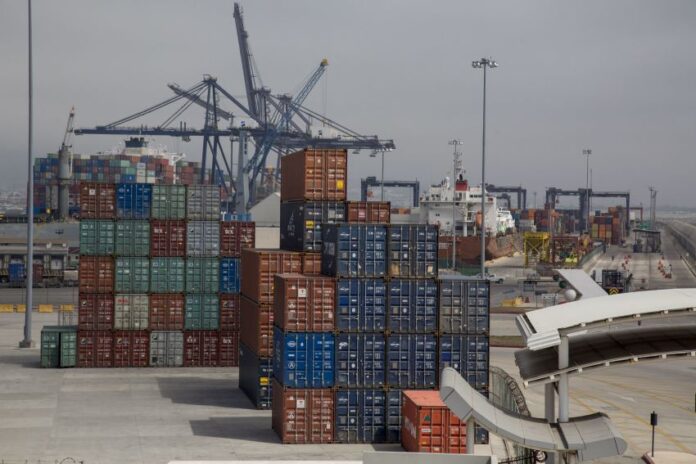
Shipping containers in many different colors waiting in stacks to be loaded at the Port of Enenada.
The Port of Ensenada, located in Baja California. It's a mere 110 kilometers by highway to the United States. (Omar Martínez/Cuartoscuro)

Mexico had a record-high trade surplus with the United States in the first 11 months of 2024, and maintained its position as the top exporter to the world’s largest economy.

Data published by the United States Census Bureau on Tuesday showed that Mexico had a surplus of US $157.2 billion with the U.S. between January and November, a 12.5% increase compared to the $139.69 billion surplus it recorded in the same period of 2023.

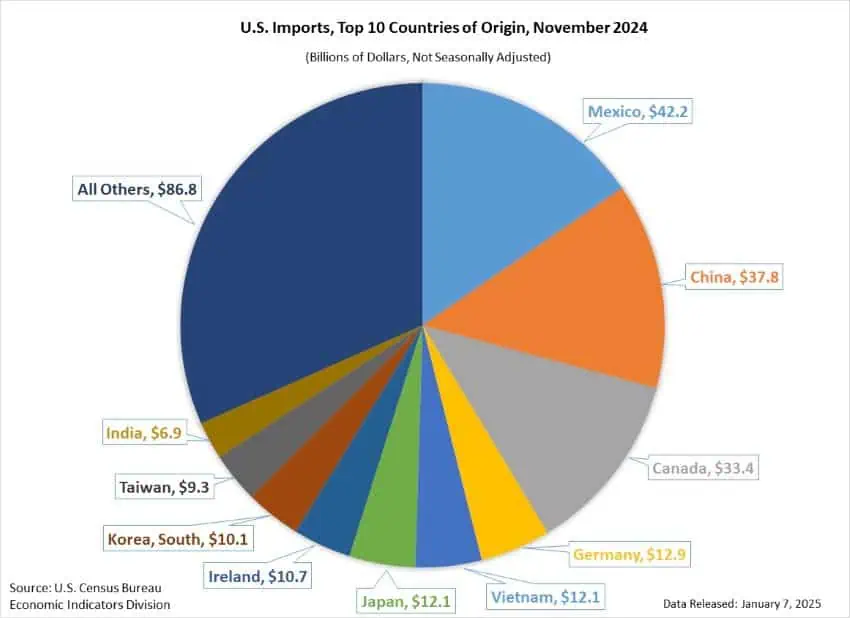
Multicolored pie chart from US Census showing the U.S.'s top sources of imports in November 2024. There are 11 pie pieces. The biggest piece is labeled "all others" and is valued at 86.8 billion USD. The next biggest piece is labeled "Mexico," valued at 42.2 billion USD.
Mexico has consistently been the U.S.’s top source of imports over 2024, including in November. (US Census)

The value of Mexico’s exports to its northern neighbor increased 6.4% annually to a new high of $466.62 billion in the first 11 months of last year.

The value of imports from the United States also increased compared to 2023, but by a more modest 3.5% to reach $309.42 billion.

Mexico’s trade surplus with the United States — which has more than doubled in the last seven years — is a major irritant for U.S. President-elect Donald Trump, who will commence his second term on Jan. 20.

Mexico ahead of China and Canada as top exporter to the US 

Mexico’s share of the United States’ $2.98 trillion market for exports in the first 11 months of last year was 15.6%. That percentage represented a slight increase compared to the 15.5% share Mexico had in the same period of 2023.

China was the second largest exporter to the United States between January and November, sending goods worth $401.4 billion across the Pacific Ocean to its trade war adversary. China thus had a 13.5% share of the U.S. export market, down from 13.9% in 2023.

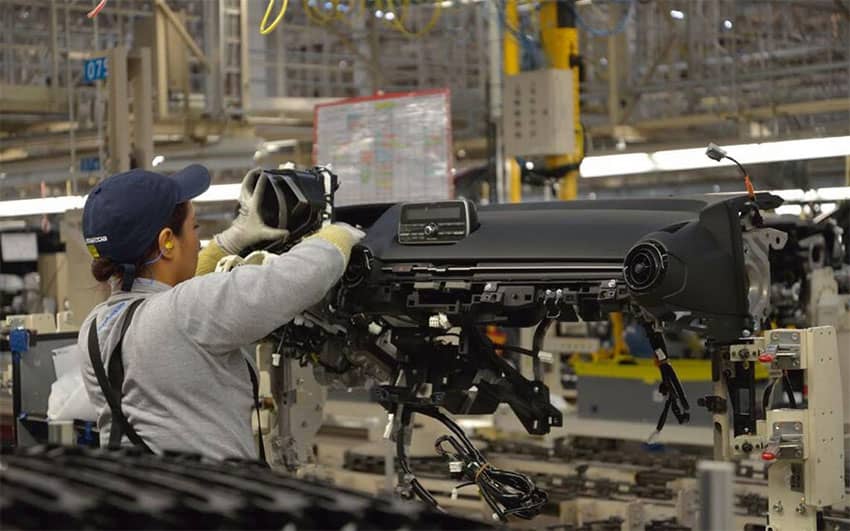
Mexican worker at an automotive factory in Guanajuato. Many of Mexico’s imports are products made by foreign companies in Mexico and sold in the U.S. market. (File photo/Government of Guanajuato)

Canada had a 12.6% share of the market between January and November, exporting goods worth $377.24 billion to its southern neighbor. Canada’s share of the U.S. export market dropped a full point from 13.6% in 2023.

The Census Bureau’s latest trade statistics indicate that final 2024 data will show that Mexico was the world’s top exporter to the United States for a second consecutive year. Mexico surpassed China to take the No. 1 position in 2023.

Mexico and the United States were also each other’s largest trade partners in the first 11 months of last year. Two-way trade increased 5.2% annually to $776.04 billion.

Mexico’s surplus with the US raises Trump’s ire 

Trump has long been critical of Mexico’s trade surplus with the United States, and it was a significant factor in his desire to terminate NAFTA, which was replaced by the United States-Mexico-Canada Agreement, or USMCA, during his first term as president.

However, Mexico’s surplus with the United States has only increased in recent years, at least in part due to the trade war between the United States and China that Trump initiated.

The El Economista newspaper reported that Mexico’s surplus increased 146% between 2017 and 2024, whereas it only increased 3.6% between 2010 and 2017. The trade war between the U.S. and China began in early 2018.

During an interview with NBC’s “Meet the Press” program last month, Trump railed against the trade deficits the United States is recording with both Mexico and Canada.

“We’re subsidizing Canada to the tune of over $100 billion a year. We’re subsidizing Mexico for almost $300 billion,” he said, significantly exaggerating the United States’ trade deficits with both countries.

“We shouldn’t be — why are we subsidizing these countries? If we’re going to subsidize them, let them become a state. We’re subsidizing Mexico and we’re subsidizing Canada and we’re subsidizing many countries all over the world,” Trump said.

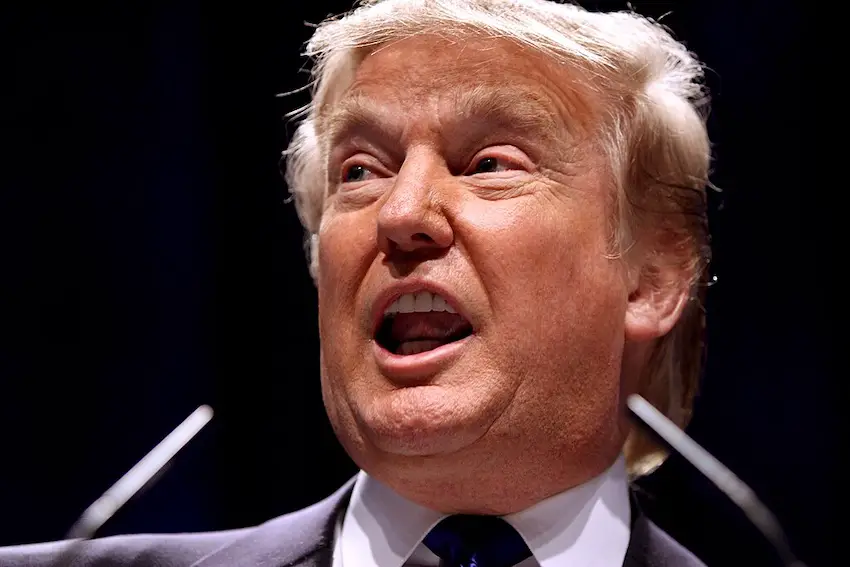
Donald Trump speaking at CPAC 2011 in Washington, D.C.
In his trade rhetoric, US President-elect Donald Trump frequently refers erroneously to the U.S.’ trade deficits with other countries like Mexico and Canada as “subsidies.” (Gage Skidmore/Wikimedia Commons – Creative Commons Attribution-Share Alike 2.0)

“All I want to do is I want to have a level, fast, but fair playing field,” he added.

On Tuesday, just before announcing his intention to rename the Gulf of Mexico the Gulf of America, Trump once again noted that the United States has “a massive deficit with Mexico.”

He plans to implement new tariffs or increase existing ones to combat trade imbalances between the United States and its trade partners, although a 25% duty he has pledged to impose on all Mexican exports is, according to Trump himself, aimed at getting Mexico to do more to stop the flow of drugs and migrants to the U.S.

There are differing views over whether trade deficits are bad for a country, as the Council on Foreign Relations noted in an article published during Trump’s first term as president.

“Many economists and trade experts do not believe that trade deficits hurt the economy, and warn against trying to ‘win’ the trade relationship with particular countries. Others, however, believe that sustained trade deficits are often a problem,” the article said.

With reports from El Economista 

Looters drill away 400-year-old cave art from Coahuila nature reserve

2
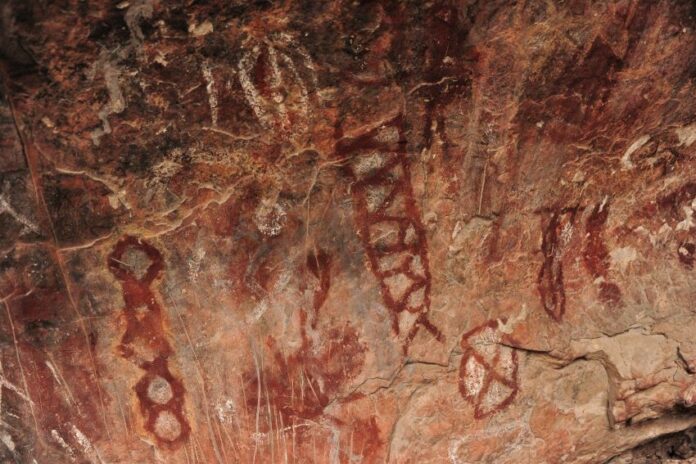
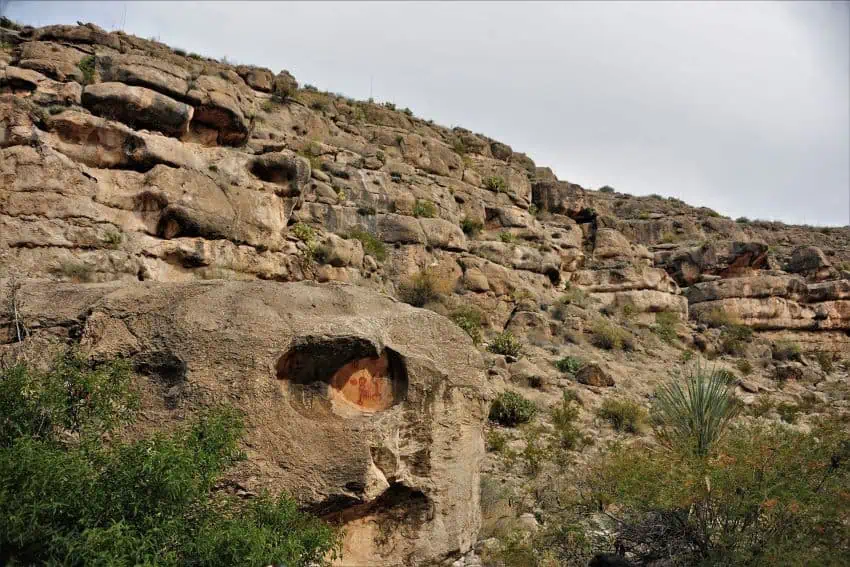
Cave paintings at Cuatro Ciénagas
“These acts not only constitute theft but also destroy irreplaceable cultural heritage,” a National Institute of Anthropology and History (INAH) spokesperson said. (Mauricio Marat/Cuartoscuro)

Authorities in the northern state of Coahuila are investigating the theft and destruction of centuries-old cave paintings in Cuatro Ciénegas, a beautiful nature reserve and UNESCO World Heritage site nominee.

The targeted area, located in Lizard Canyon in the rugged and remote Sierra de Australia mountains, contains rock art believed to be over 400 years old.

Cuatro Ciénegas
Cuatro Ciénegas is one of several invaluable sites in Mexico for understanding pre-Columbian history and the interaction between humans and their environment during the era. (Mauricio Marat/Cuartoscuro)

According to the National Institute of Anthropology and History (INAH), looters used tools such as drills and grinders to remove sections of rock bearing the paintings. First reported Saturday by guides who take visitors to the site, the damage was described as irreversible.

“These acts not only constitute theft but also destroy irreplaceable cultural heritage,” an INAH spokesperson said.

Cuatro Ciénegas (four marshes) is a biosphere reserve known for its historical significance — in addition to its biodiversity and rare natural features, such as uncommon high-desert wetlands and endemic species — so the stolen fragments of painted rock represent a significant loss.

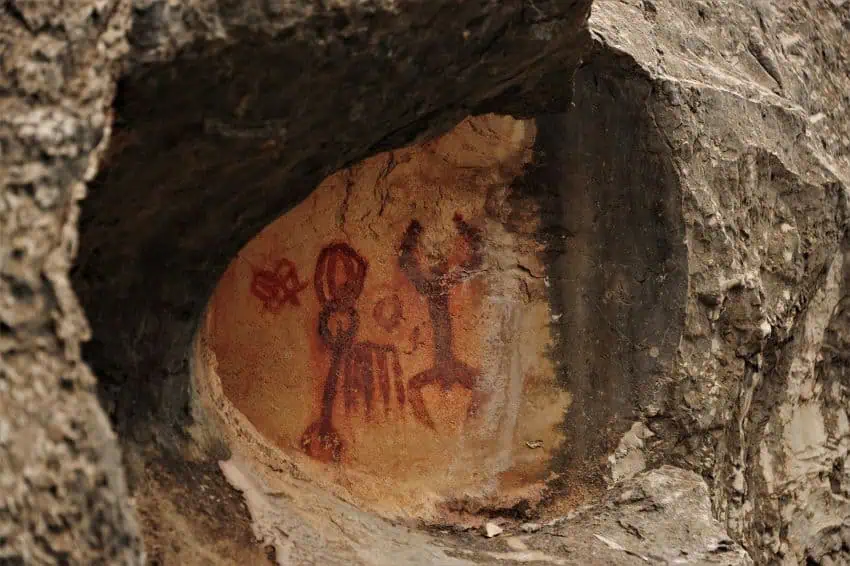
The cave paintings here include intricate depictions created by Indigenous peoples, offering insight into their lives, beliefs and artistic expressions. Experts note that such sites are invaluable for understanding pre-Columbian history and the interaction between humans and their environment during the era.

José Francisco Aguilar Moreno of the INAH Center in Coahuila told Milenio that the looters damaged a surface area of 30 centimeters (12 inches); the full cave painting covers an area six meters long and three meters high, he noted.

Local authorities and INAH called for an investigation by filing a complaint with the federal Attorney General (FGR). No details about suspects or the whereabouts of the stolen fragments were given, but Aguilar said those responsible could face a sentence of up to 10 years in prison.

Cave paintings at Cuatro Cienegas
Cuatro Ciénegas contains many cave paintings from diverse time periods, dating from 2,000 to 500 years ago. (Mauricio Marat/Cuartoscuro)

Officials are calling for enhanced security measures and increased public awareness to prevent similar crimes in the future, but the incident underscores the challenges of protecting immovable heritage sites.

“It is very difficult to take care of these types of spaces because we have more than 4,000 sites throughout Coahuila,” Aguilar said. “Not even the entire state police, the National Guard or the army would be enough to protect them.”

The theft has drawn condemnation from cultural and academic organizations, with activists advocating for stricter penalties for crimes against cultural heritage. 

The crime took place on private property, officials said, so investigators will interview locals as the investigation advances.

Coahuila is Mexico’s third-largest state by land area (behind Chihuahua and Sonora) and is a significant region for mining and agriculture.

With reports from Milenio, Excelsior and Vanguardia

‘Emilia Pérez’ is the most insensitive film I’ve seen in years

27
Zoe Saldana and Sofia Gascon Alarcon in a scene from Emilia Perez
Despite sweeping the Golden Globes, not everyone is happy with "Emilia Pérez." (Netflix)

I’ll begin with two disclaimers.

First, this review is written by a Mexican writer who worked for several years writing scripts for films, series, TV shows and at a major newspaper. I left this profession when streaming platforms asked me to portray a drug lord as a hero, when TV networks requested that I justify the military’s presence on the streets of Mexico and when my newspaper edited my articles and manipulated figures regarding online campaign expenses for presidential candidates — money that seemed to come from nowhere.

The main characters of the movie "Emilia Pérez," which has been nominated for 10 Golden Globe awards
There is controversy around the “Emilia Pérez” movie, which presents drug traffickers as heroes. (Emilia Pérez Film/X)

Second, it’s important to recognize that films and television shows have a powerful influence on how we perceive the world. Audiovisual media professionals carry a significant responsibility to thoughtfully consider both what we portray and how we present it on screen. This is why I was so disappointed to see French director Jaques Audiard’s musical comedy “Emilia Pérez” win best film in the comedy and musical category at the Golden Globes on Sunday.

Why do some Mexicans dislikeEmilia Pérez so much?

The problem isn’t that “Emilia Pérez” is a comedy. This isn’t the first time a comedy about drug trafficking has been made. “El Infierno,” directed by Luis Estrada in 2010, is one of the most popular films in Mexico. The character of El Cochiloco, known for his outrageous lines, has become unforgettable to a generation.

This issue isn’t that I think only Mexicans can discuss Mexican issues. “La Civil,” one of the most powerful films regarding the search for mothers and the government’s failure to address cases of forced disappearance was directed by Romanian filmmaker Teodora Mihai. “La Civil”  is a deeply moving film, and its impact is heightened by the perspective of an outsider.

Though it’s caught a lot of flack, the issue isn’t even Selena Gomez’s accent. Every non-native speaker faces challenges when learning a new language. While someone like Eiza González, who has an impeccable command of both Spanish and English, could have been a great choice for the role of the drug lord’s spouse, having Selena Gomez in the cast definitely brings a level of star power.

Selena Gomez, Jacques Audiard and Adriana Paz
“Emilia Pérez” film seems to celebrate narco culture, which has sparked controversy among the Mexican viewership. (Emilia Pérez Film/X)

Does “Emilia Pérez” celebrate narcos?

Personally — and I think many in Mexico feel the same way — it bothers me deeply when drug traffickers are presented as heroes, as happens in shows like “Narcos,” “El Chapo” and “El Señor de los Cielos.”

Turning the country’s biggest security crisis into a musical where the protagonist is one of the perpetrators of that crisis shows a profound lack of respect. Think about the worst crisis of violence in your country in recent years. Now imagine if a foreign director made a film about one of the perpetrators of that violence attempting to redeem themselves, turning reality on its head and solving the crisis they actually helped create. As if that weren’t enough, imagine if that film were marketed as a musical comedy. For me, that was “Emilia Pérez,” and watching this trivialization was deeply painful.

The plot of “Emilia Pérez” involves the title character, a former drug lord, setting up a nonprofit to search for the bodies of victims of forced disappearance. There are 121,290  victims of this crime in Mexico, according to the National Registry of Missing Persons (RNPDNO). The true number is in all likelihood higher, however. Organizations that deal with the forced disappearance crisis have drawn attention to systemic underreporting of the disappeared. In addition to organized crime, state forces are also responsible for this crisis.

Victims of forced disappearance are often uninvolved in criminal activities. Many are ordinary citizens, including businesspeople, journalists, doctors, nurses, lawyers and public officials. Women, children, disabled people, migrants and poor people in general are particularly vulnerable to being forcibly disappeared. Watching “Emilia Pérez,” the reality of this situation was too stark to ignore.

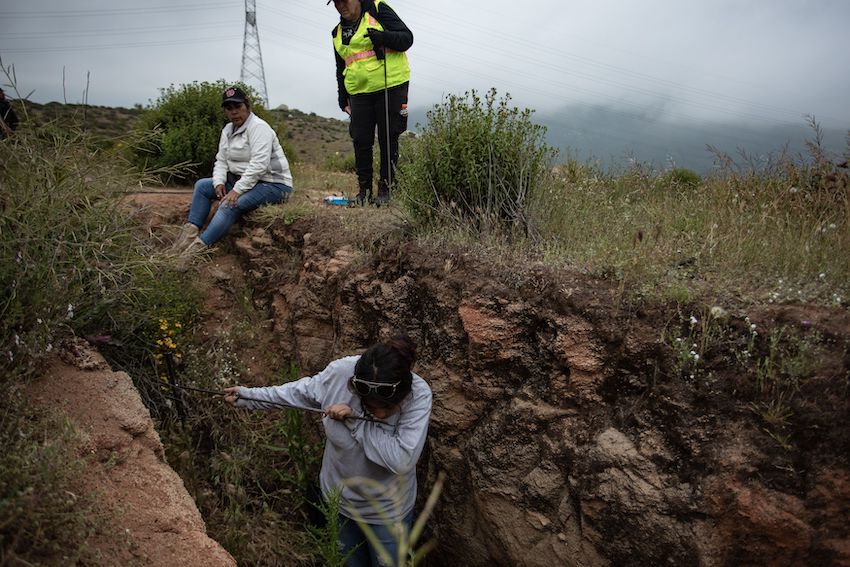
Families of missing persons lookng for remains in mexico
Current initiatives to identify the disappeared are fragmented, and involve many parts of society, including relatives, non-governmental organizations and federal forensic agencies. (Adolfo Vladimir/Cuartoscuro)

What message does this film send?

Director Jacques Audiard explained that he needed a hyper-masculine context to effectively transition into a feminine world. However, could he not have chosen a businessman or politician instead? I believe that a story about the experiences of transgender people could have been just as impactful without relying on the painful cliché of a Mexico that revolves around drug lords.

When crafting a script, it is essential to clearly define protagonists and antagonists. The characters can be as complex as you want, and they should be deeply human, displaying both strengths and flaws. To generate empathy with the audience, you need to appeal to the emotions the characters evoke through their conflicts and actions.

Portraying the leader of a cartel as a redeemed character, as Audiard’s film does, conveys a powerful message. It suggests, perhaps unintentionally, that traffickers are just as human as anyone else, that they simply want to live their lives, that they are parents too, that they can be benefactors and good people.

The recognition of narratives like this by Hollywood sends a troubling message of acceptance towards a narco-culture that many Mexicans are striving to erase from the international imagination. While watching the film, I couldn’t shake the thought that our social crisis is not being taken seriously, and this portrayal almost feels like a humiliating mockery of our reality.

Is there anything good about “Emilia Pérez”?

The cinematography and production design are impeccable, creating an atmosphere that resembles Mexico even though much of the filming took place in a studio in Paris. Additionally, Karla Sofía Gascón and Zoë Saldaña deliver outstanding performances, showcasing their talents as excellent actresses.

Some Mexicans liked “Emilia Pérez,” notably Oscar-winning director Guillermo del Toro, who called director Audiard “one of the most amazing filmmakers alive.”

Del Toro lives in Los Angeles. Maybe those of us in Mexico upset by “Emilia Pérez” are too close to the conflict. For us, the impunity enjoyed by those responsible for over 300,000 dead and 121,000 missing isn’t material for a comedy. 

María Meléndez is a Mexico City food blogger and influencer.

Costco confirms grand opening of its third Guadalajara store in 2025

0
The façade of a Costco store
The new Costco branch is being built in the San Isidro neighborhood, located in the eastern part of Guadalajara. (Omar Abascal/Unsplash)

A new Costco store will open this year in Guadalajara, the capital city of the western state of Jalisco. 

The company’s communication strategy agency in Mexico, Dextera, confirmed the news to the magazine Players of Life. It will be the third Costco location in the metro Guadalajara area, and the fourth in the state.

The new Costco branch is being built in the San Isidro neighborhood, located east of the city and in front of the University Center for Economic and Administrative Sciences (CUCEA) of the University of Guadalajara.  

While there are no further details about the store’s current stage of construction or its intended opening date, testimonies from workers at the site suggest that the store will open in June.   

Other Costco locations in Jalisco include one in Zapopan, one in Tlajomulco de Zúñiga — both in the metropolitan area of Guadalajara — and one in Puerto Vallarta.  

Woman buys over 800 Roscas de Reyes at Guadalajara Costco for resale 

Costco’s bakery products are highly coveted in Mexico, even in places far away from cities with a store. 

Aware of the great demand for these products, Ximena Figueroa, a former candidate for Deputy with the Partido Verde Ecologista de México (PVEM), purchased “more than 800” Roscas (Three Kings’ Bread) and successfully resold all of them by Jan. 5, the day before Día de Reyes or Three Kings’ Day. 


View this post on Instagram


A post shared by Ens Dice (@ensenadadice)

On Jan. 3, Figueroa shared her business endeavor on social media ahead of the festivity, saying she had bought 800 Roscas de Reyes at a Costco in Guadalajara and that she planned to resell them in the state of Colima, which does not have a Costco location. The bread’s price tag at Costo was 380 pesos. She resold each unit for 550 pesos.   

“Guess what? I bought all the Costco Roscas in Guadalajara,” Figueroa wrote in her post. “Manzanillo and Cihuatlán, here we go!” 

Her business initiative led to divided opinions from social media users. Some criticized her for depleting the Guadalajara Costco’s stock of Roscas de Reyes, leaving some local residents without them, while others applauded her wit.

After the holiday, Figueroa boasted on Instagram that she successfully sold a total of 950 Costco Roscas de Reyes. It is not clear at which location she bought the remaining 150 Roscas

With reports from Players of Life and Infobae

Sheinbaum responds to Trump: ‘Why don’t we call the US Mexican America?’

40
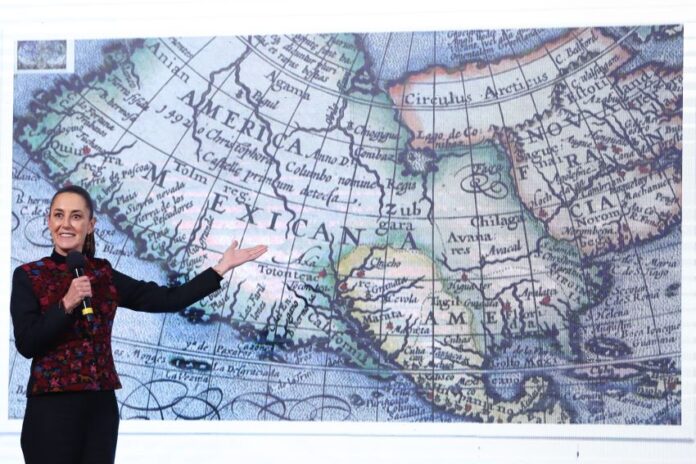
Sheinbaum before an early map of Mexico
President Sheinbaum was memeified shortly into the year when she schooled U.S. President Trump on geography. (Daniel Augusto/Cuartoscuro)

A day after Donald Trump announced his intention to rename the Gulf of Mexico the Gulf of America, President Claudia Sheinbaum proposed calling the United States — or at least the country’s southwest — “Mexican America.”

“Why don’t we call [the United States] Mexican America, it sounds nice, right?” Sheinbaum said at her Wednesday morning press conference.

“It does, doesn’t it?” the president added with a smile.

She noted that the Constitution of Apatzingán, which was created during the Mexican War of Independence, referred to territory now known as the United States as Mexican America.

At the time of the document’s creation in 1814, large parts of what is now the southwestern United States were still under Spanish control. Mexico, when it became an independent country in 1821, was much larger than it is today, as its territory included all or part of several modern-day U.S. states.

“The Constitution of Apatzingán was of Mexican America. So we’re going to call it Mexican America,” Sheinbaum said, as she gestured toward an old map showing modern-day United States territory referred to as Mexican America.

“It sounds nice, right?” she said again, riffing on Trump’s declaration that the name “the Gulf of America” has a “beautiful ring to it.”

The name ‘Gulf of Mexico’ is internationally recognized, Sheinbaum says 

“Obviously the name ‘Gulf of Mexico’ is recognized by the United Nations,” Sheinbaum told reporters.

She later said that the Gulf of Mexico has been known as such since at least 1607.

The president appeared to get a kick out of her history presentation during Wednesday's press conference, evening the score on Trump's recent territorial claims.
The president appeared to get a kick out of her history presentation during Wednesday’s press conference, evening the score on Trump’s recent territorial claims. (Daniel Augusto/Cuartoscuro)

“In addition, it’s recognized internationally,” Sheinbaum said.

During a press conference at his Mar-a-Lago resort in Palm Beach, Florida, on Tuesday, Trump said that the Gulf of Mexico is “ours” and asserted that the United States does “most of the work there.”

“… We’re going to be changing the name of the Gulf of Mexico to the Gulf of America, which has a beautiful ring. That covers a lot of territory. The Gulf of America, what a beautiful name, and it’s appropriate, it’s appropriate,” the U.S. president-elect said.

Economy Minister Marcelo Ebrard dismissed the possibility that the name of the body of water could be or would be changed, telling reporters on Monday that the Gulf of Mexico will continue to be called the Gulf of Mexico for at least the next 30 years.

President asserts Trump is misinformed about the power of Mexican cartels 

At his Tuesday press conference, Trump also said that Mexico is “essentially run by the cartels.”

On Wednesday, Sheinbaum claimed that the former and future U.S. president has been “misinformed” about the situation in Mexico, saying that she believed he has been told that former president Felipe Calderón and his erstwhile security minister Genaro García Luna were still governing the country.

“But no; in Mexico, the people rule,” she said.

García Luna, federal security minister between 2006 and 2012, was sentenced to just over 38 years in prison in the United States last October after he was convicted in February 2023 of colluding with the Sinaloa Cartel.

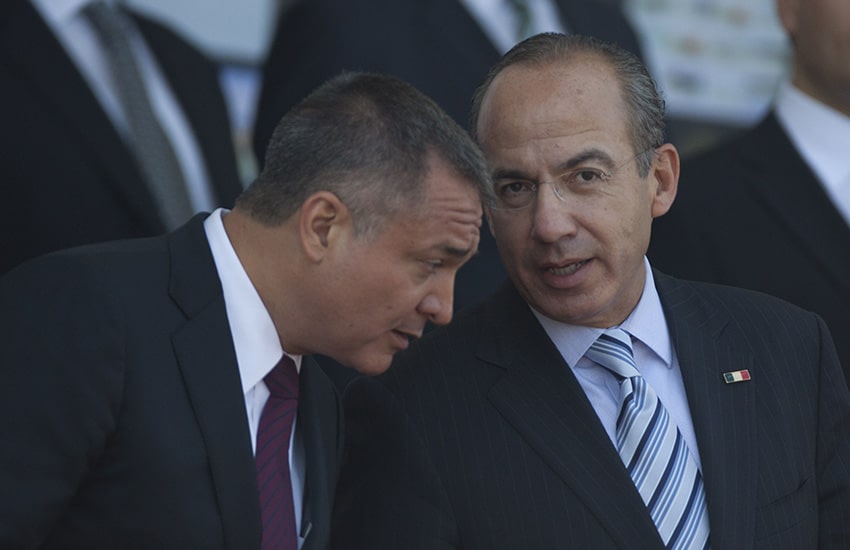
Genaro Garcia Luna and Felipe Calderon
Genaro García Luna, left, when he was Mexico’s security minister during the presidency of Felipe Calderón, right. (Cuartoscuro)

Sheinbaum said in October that Calderón “should apologize” for having had a now-convicted and sentenced criminal as his security minister. The ex-president has denied he had any knowledge of García Luna’s illicit activities.

Trump has indicated that he is open to the possibility of using the United States military to combat Mexican cartels in Mexico, the source of much of the illicit fentanyl and other drugs that are consumed in the U.S.

In 2021, then-commander of the United States Northern Command, Glen D. VanHerck, claimed that criminal organizations controlled “ungoverned areas” that accounted for about one-third of Mexico’s territory.

Former president Andrés Manuel López Obrador rejected the assertion.

Will Mexico have a good relationship with the US during Trump’s second term? Sheinbaum believes so 

Despite Trump’s threats to impose tariffs on Mexican exports to the United States, and disparaging remarks he has made about Mexico and Mexicans, Sheinbaum has reiterated her belief that Mexico will have a good relationship with the U.S. during the second Trump administration.

“I continue to think there will be good relations with President Trump,” she said Wednesday.

“What do I base [my belief] on? Well, there were good relations with president López Obrador and there has to be a relationship of mutual respect, of collaboration, not of subordination,” Sheinbaum said.

Mexico News Daily 

Tacos gobernador: The consumate Sinaloa taco

2
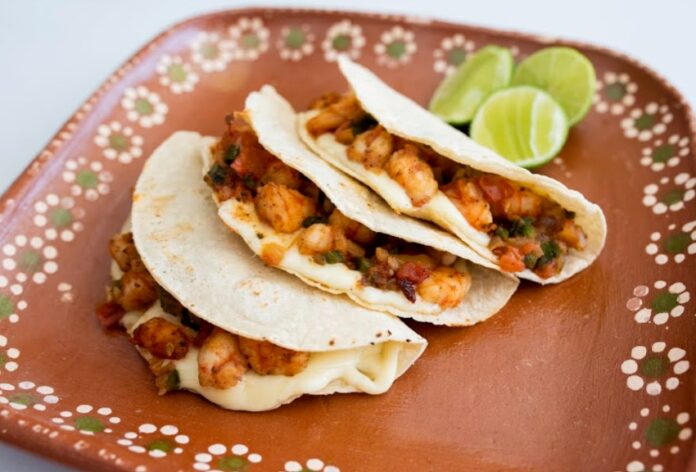
Three tacos gobernador on a brown ceramic plate with limes in background
Tacos gobernador are the perfect marriage of two Northwest classics: seafood and cheese. (Centro de Ciencias de Sinaloa)

Legend has it that the taco gobernador was born in a Sinaloa restaurant, created for a visiting governor. Whether that’s true or not, it feels right. This dish is political in a way: like a politician building an unlikely coalition, tacos gobernador takes seafood and cheese, two foods most people don’t dare to combine, and makes something extraordinary.

Shrimp, those marvelous little sea bugs, take center stage. I always laugh when I’m reminded how shrimp and lobster were once considered undesirable low-class foods. They’re nature’s pre-packaged protein bombs, lean and rich in umami. When exposed to heat, their translucent muscle fibers contract, turning opaque and tender. This isn’t just a visual cue: it’s a textural transformation that tells you the shrimp are at their peak and ready to be inhaled.

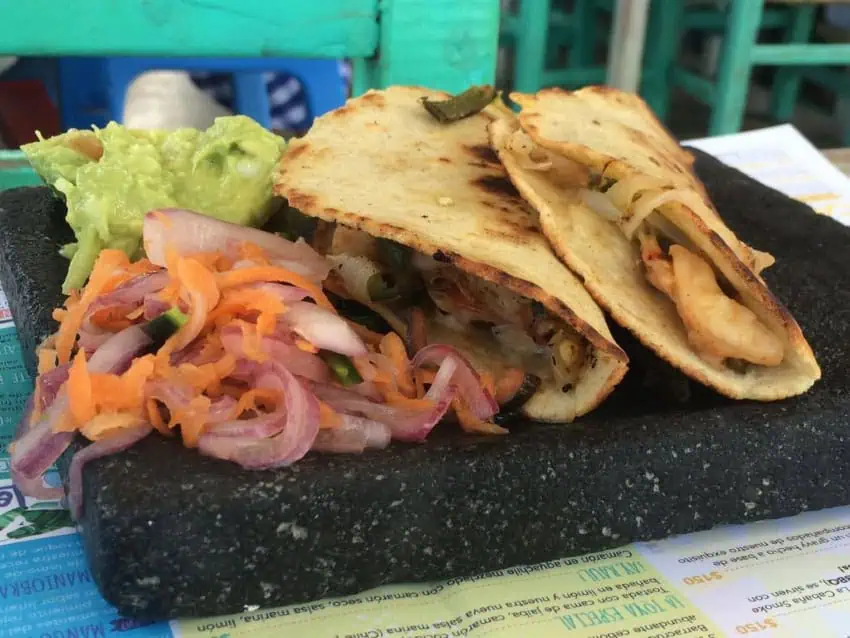
Tacos gobernador on a stone slab
Whoever thought shrimp was as low-class food has clearly never tried these tacos. (Turismo Sinaloa)

Then comes the cheese. Cheese is glue and magic. It holds things together when life — or tortillas — might fall apart. Oaxaca cheese melts just right; not too fast, not too slow, but like it’s been waiting all its life to drape itself over shrimp and make everything okay.

Poblano chili, smoky and gentle, carries a memory of fire without being obnoxious about it. Jalapeño is for the thrill-seekers. The tomato softens things, a gentle nudge toward sweetness. And there’s the garlic and onion, reliable as clockwork.

The butter is the unsung hero, a fat that carries flavor and ensures the aromatics — garlic and onion — release their full potential. These alliums, when sautéed, undergo caramelization, which adds depth and a subtle sweetness to the mix. 

Why does it work? Because it’s honest. It doesn’t pretend to be fancy or profound. It’s just shrimp and cheese and fire and love wrapped in a tortilla. But isn’t that what we’re all looking for? Something simple that makes us feel whole — or full — for a minute? Life is messy and delicious, and sometimes the best thing you can do is fold it in half and take a bite.

three tacos gobernador on brown ceramic plate, birds-eye view
Lemon is a classic Mexican standby and really brings out the zest of the tacos. (Centro de Ciencias de Sinaloa)

Tacos gobernador

Ingredients

For the filling

  • 1 lb (450 g) shrimp, peeled, deveined, and roughly chopped
  • 1 small onion, finely chopped
  • 2 garlic cloves, minced
  • 1 medium tomato, finely chopped
  • 1 poblano pepper, roasted, peeled, and diced
  • 1 jalapeño or serrano pepper, finely chopped (optional, for extra heat)
  • 2 tbsp butter
  • 1 tsp smoked paprika
  • 1 tsp oregano
  • Salt and pepper, to taste
  • 1 cup shredded Oaxaca or mozzarella cheese

For the tacos

  • 8 corn tortillas
  • Fresh cilantro, chopped (for garnish)
  • Lime wedges, for serving

Instructions

  1. Roast the poblano pepper over an open flame or in a hot skillet until the skin is charred. Place it in a covered bowl to steam for 10 minutes. Peel off the charred skin, remove the seeds and dice the flesh.
  2. Heat the butter in a skillet over medium heat. Add the onion and garlic, sautéing until softened and fragrant.
  3. Stir in the tomato and chilis. Cook for about 3-4 minutes until the mixture softens.
  4. Add shrimp, smoked paprika, oregano, salt and pepper. Cook until the shrimp turn pink and are fully cooked, about 3-5 minutes.
  5. Heat a tortilla in a dry skillet over medium heat. Sprinkle a layer of cheese on one half of the tortilla and let it melt slightly.
  6. Spoon a generous portion of the shrimp mixture onto the cheesy side of the tortilla. Fold it over into a taco shape and cook for 1-2 minutes on each side until crispy and golden.
  7. Garnish with fresh cilantro and serve immediately with lime wedges on the side.

Stephen Randall has lived in Mexico since 2018 by way of Kentucky, and before that, Germany. He’s an enthusiastic amateur chef who takes inspiration from many different cuisines, with favorites including Mexican and Mediterranean.