




What can go wrong in a real estate transaction in Mexico (and how to avoid it)
Buying or selling property in Mexico can be described as straightforward. In many ways, it is. Transactions are typically cash, closings are handled by a notario, and foreigners can legally own property in most parts of the country. But anyone who has spent time in the market knows that straightforward does not mean foolproof.
Most transactions move from offer to closing without drama. Some do not. And when things go wrong, they can become expensive, stressful and, in rare cases, legally complicated. The good news is that most problems are avoidable with preparation, patience and the right professional guidance.

Here are some of the most common issues — and how to steer clear of them.
Title problems that surface late
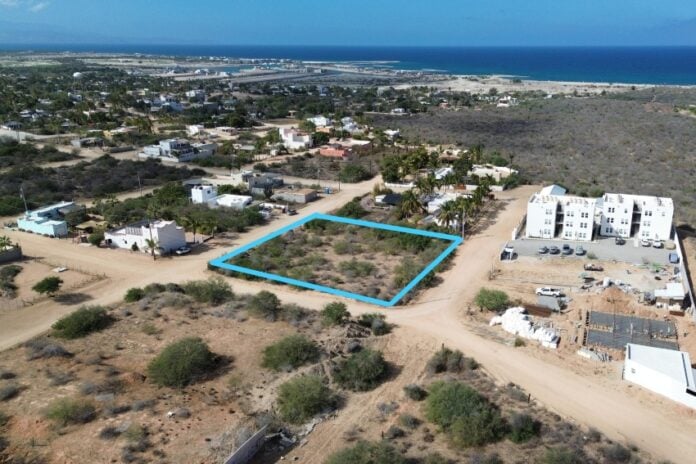
One of the biggest misconceptions foreign buyers have is that if a property is listed publicly, the title must be clean. In reality, title issues are not common, but they do happen. A property may have an old lien that was never properly canceled, an unresolved inheritance process, unpaid property taxes or discrepancies in square meter measurements between the deed and the physical structure.
In Mexico, the notario plays a central role in reviewing the title and confirming that taxes and utilities are current. However, that review typically takes place after a purchase agreement is signed. If problems are discovered at that stage, it can delay closing or, in some cases, derail the transaction entirely.
How to avoid it: Work with an agent who requests preliminary documentation before marketing or offering on a property. Sellers should have copies of their deed, predial (property tax) receipts and utility statements ready. Buyers should ensure their offer includes appropriate timelines and conditions that allow title review before funds are released to escrow.
Unrealistic pricing
It may sound simple, but price is still the most common reason a property lingers on the market or a deal falls apart. Sellers sometimes anchor to what they need or want from the sale rather than what the market will support. Buyers, especially in softer markets, may assume steep discounts are always available.

When expectations on either side are disconnected from current comparable sales, negotiations can stall. A property that sits for a year can eventually sell — but often at a lower price than if it had been positioned correctly from the beginning.
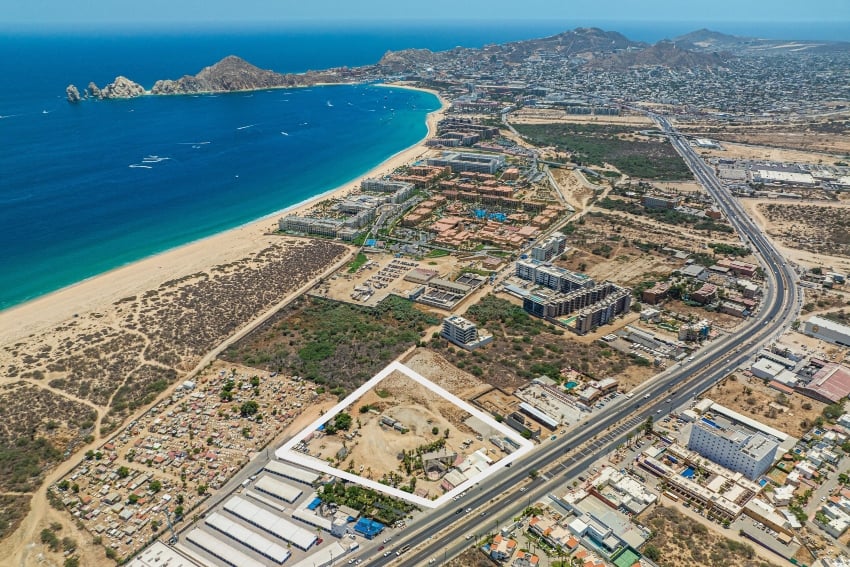
How to avoid it: Base decisions on data, not emotion. A thoughtful market analysis that looks at recent sales — not just active listings — helps set realistic expectations. Pricing correctly from the start often leads to stronger offers and smoother negotiations.
Inspection surprises
In Mexico, home inspections are not mandatory, but they are increasingly common, especially among foreign buyers. Even newer homes can reveal issues: roof waterproofing near the end of its lifespan, electrical systems that need updating, or structural cracks that require evaluation.
Sometimes buyers wait too long to schedule an inspection, conducting it only after funds have been deposited into escrow without clear contingency language. That can limit their leverage if significant issues are found.
How to avoid it: Schedule inspections either before making an offer or immediately after acceptance, and ensure the purchase agreement clearly outlines how inspection findings will be handled. A professional inspection does not mean a transaction will collapse; more often, it provides clarity and a basis for reasonable adjustments.
Residency and tax misunderstandings
Residency status can affect capital gains tax calculations at the time of sale. Sellers who assume they qualify for certain exemptions without proper documentation may be surprised at closing. On the buyer side, confusion sometimes arises around the process of obtaining the required permit from the Mexican government (SRE) or registering with the tax authority if rental income is anticipated.
How to avoid it: Discuss tax implications early. A knowledgeable real estate professional, working alongside a qualified attorney, can help sellers prepare documentation well before listing. Buyers planning to generate income should understand their obligations before closing.
Financing assumptions
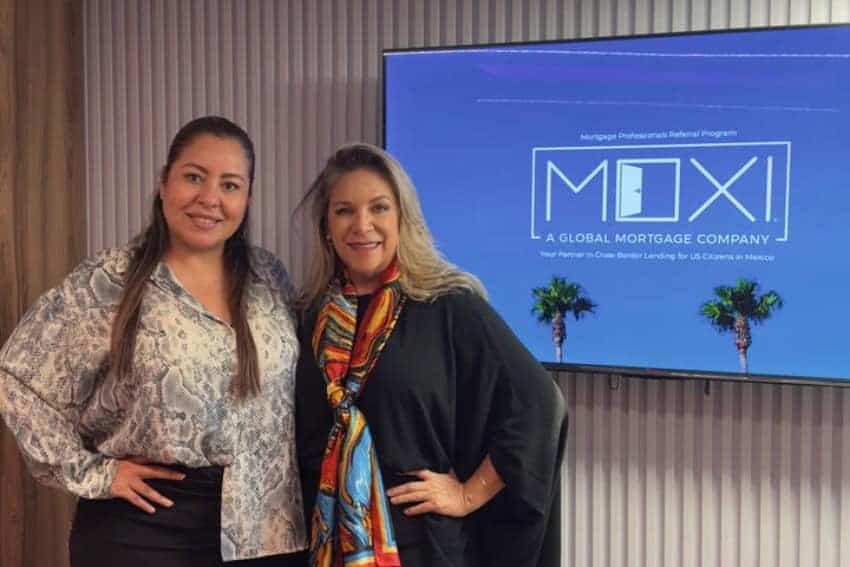
While most transactions in markets like San Miguel de Allende or Cabo are cash, financing does exist through Mexican banks and some cross-border lenders. Problems arise when buyers assume financing will be quick or guaranteed. Loan approvals can take longer than expected, and appraisal requirements may differ from U.S. norms.
If a purchase contract does not include a financing contingency, delays can create tension or even jeopardize earnest money deposits.
How to avoid it: If financing is involved, secure pre-approval before making an offer and structure the contract accordingly. Clear communication about timelines protects both parties.
Delays in documentation
Sellers sometimes underestimate the time required to gather necessary documents, particularly if the property was inherited or remodeled without updating the deed. Missing building permits or unregistered additions can slow the notario’s review.
How to avoid it: Sellers should begin preparing documentation before the property goes to market. Verifying that construction matches the deed and that permits are in order can prevent last-minute scrambling.
Emotional decision-making
Real estate transactions are financial decisions wrapped in personal history. Sellers may feel attached to a home they have owned for years. Buyers may fall in love with a view and overlook practical considerations. Emotions can complicate negotiations, especially when counteroffers are involved.

How to avoid it: Keep communication professional and grounded in facts. Experienced agents act as buffers, helping clients focus on outcomes rather than momentary frustrations.
The role of escrow and professional oversight
In many Mexican transactions, independent escrow services are used to hold funds during the process. Escrow provides security, but it does not replace due diligence. Funds should not be released until contractual conditions are satisfied and the notario confirms readiness to close.
Likewise, while the notario ensures legality, the notario does not negotiate on behalf of either party. Buyers and sellers benefit from having their own representation guiding them through each stage.
The bottom line
Most real estate transactions in Mexico close successfully. The system, though different from that of the United States or Canada, is well established. Problems tend to arise not from the structure of the process itself but from assumptions, incomplete preparation or unclear communication.
What can go wrong? Quite a bit — if corners are cut. Title discrepancies, tax misunderstandings, inspection surprises and unrealistic pricing can all complicate a deal. But none of these are mysterious hazards. They are manageable risks.
The key is preparation. Sellers who price correctly and organize documentation early position themselves for smoother closings. Buyers who conduct inspections, understand tax implications and structure contracts carefully protect their investment. And both sides benefit from working with professionals who anticipate issues before they become problems.
In real estate, surprises are rarely welcome. With planning and experienced guidance, most of them can be avoided.
Glenn Rotton is a real estate agent with eight years of experience in San Miguel de Allende. Originally from Seattle, he has lived in Mexico for twelve years with his husband, Kiang Chong Ovalle, and their dog, Angus. Read more about Glenn here.
Introducing MND’s most ambitious initiative yet, MND Insights: A message from our CEO
Being in the news business, our team is constantly asked questions by readers about current events in the country. On a personal level, I am increasingly stopped on the street and asked questions by people. There is no such thing as a dinner party where I can just enjoy the meal anymore — it now always ends up with me being peppered with questions. No matter who is doing the asking, they almost always fall into one of 5 categories:
- Is Mexico safe?
- How is the cost and quality of healthcare in Mexico?
- How is Claudia Sheinbaum doing?
- How is the Mexican economy doing?
- Is the Mexican peso overvalued and will it devalue anytime soon?
Given the frequency with which we hear these questions, we naturally prioritize content in these areas. To help further enable understanding, debate and discussion, the MND team is excited to announce that we are launching MND Insights, which consists of three new exclusive MND indexes and two unique MND Expat surveys. We have been working on creating these new types of content for several months and are excited to finally begin publishing them, starting next week. Allow me briefly introduce each one:
1. The MND Mexico Expat Safety Perceptions Survey
The number one question everyone living, working, or vacationing in Mexico hears from family and friends is “Is it safe there?” As many of us living here know, the international media narrative about Mexico tends to present a very different perspective on the country than what those of us who live here experience.
Our team in no way seeks to minimize the fact that parts of the country have real crime and safety issues, but we believe that it is important to more accurately cover what actual expats living here feel in terms of crime and safety risks. As a result, we have created the MND Mexico Expat Safety Perceptions Survey, where on a quarterly basis we will directly survey over 2,000 Expats living throughout the country to gain their perceptions about safety. The data will be collected, compiled, organized and shared once per quarter, starting with next week.
2. The MND Mexico Healthcare Cost and Quality Survey
After safety, healthcare concerns around cost, availability, and quality are the biggest issue that people have when it comes to spending more time in Mexico. Cost and complexity are increasing concerns in the U.S., and availability and accessibility are often concerns in Canada and elsewhere. Mexico is increasingly becoming a destination for healthcare and the country has recently announced that it will be launching a universal health service. This biannual survey will bring MND readers real data and insights from foreigners actually receiving healthcare in Mexico today. The survey will give you perspectives on the quality, availability and cost of care — as well as how it compares to the care people received in their home country. The goal of this survey is to demystify healthcare in the country and better educate and inform those who are wanting to learn more. The first survey will go out soon, with the results published in late May.
Mexico launches Universal Health Service registration, starting with elderly
The Mexican peso exchange rate with the USD and CAD is another frequent topic of discussion. I can’t tell you how many times people have asked me for my opinion on the exchange rate. Countless people have tried to convince me that the current peso value makes no sense and is “due for a significant devaluation any day” (I have been hearing that for several years now).
For decades, the peso to US dollar exchange rate was a pretty boring topic. Since the big devaluation of 1995 until the 2020 COVID pandemic, the peso on average devalued about 10% versus the USD each year. Sometimes more, other times less, but depreciation against the USD was a reliable bet. That predictability is long gone, and since the initial spike at the start of the pandemic, the peso has appreciated significantly and, for the most part, held the gains.
As a result, the big question nearly everyone has is: Where does it go from here? Although no one can claim to predict exchange rates with certainty, we can look at the trends of the underlying indicators that serve as logical, rational predictors. Mexico News Daily will begin to provide deeper insight into the peso and the Mexican economy at large with two new comprehensive monthly indexes:
3. The MND Peso Index
The MND Peso Index will directly help answer the question: Is the peso overvalued? It will do this by comparing a consistent basket of 20 goods and services in both the United States and Mexico, and on a monthly basis look at the costs of these 20 items in both countries, track changes, and compare them to the actual exchange rate. This will provide our readers with a real time sense of how overvalued or undervalued the peso is based on actual goods and services. It is not looking at economic indicators or reported government statistics but rather the real prices of real items in both countries and using that data to help us better understand current exchange rates. This index will work in a similar fashion as The Economist Magazine’s “Big Mac Index” which provides insight into exchange rates globally.
4. The MND Mexico Economy Index
This index will help you better understand the underlying forces and trends behind the peso’s current rate. Each month, our team will review economic data across 17 indicators and create a simple index based on the data. We all know that it’s not easy to make predictions about the peso or draw conclusions about the economy, especially given the current amount of uncertainty in the world. That being said, this index will provide you with a simple way of better understanding the economy far beyond GDP growth.
5. The MND Sheinbaum Index
Claudia Sheinbaum has caught the attention of the world. Her popularity remains high in Mexico, but many expats struggle to answer the basic question: How is President Sheinbaum doing? Their confusion is often exacerbated by conversations with wealthier Mexicans, many who are convinced that she is “ruining the country.”
Of course, as is the case with any political leader, the opinions are often based on past experiences and decisions that have had a personal impact on family, business or community. Most of us who are immigrants to Mexico don’t have as many personal experiences to draw on to form an opinion. As a result, many of us end up having a very superficial (at best) understanding of how the president of the country is actually doing.
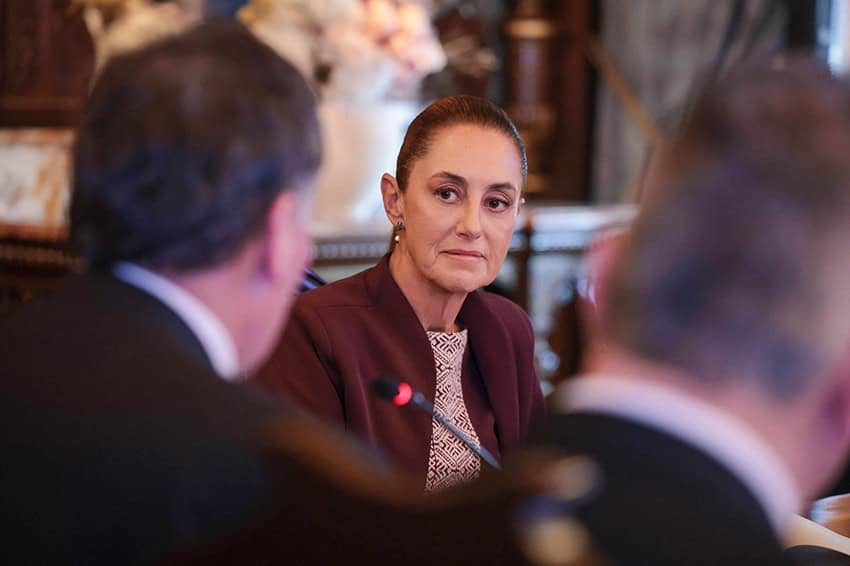
To help our readers better assess President Sheinbaum’s performance, our team will be compiling data from 11 different indicators on a monthly basis. We will gather data from across the economic and social spectrum to help you form a more informed opinion about how the president is leading the country.
Creating these indexes and surveys has been hard work. We don’t expect them to be perfect from day 1, and we don’t expect everyone to agree with our methodology or with our results. But we are confident that we have come up with useful tools that are rational, logical, unemotional, unbiased, apolitical and thought-provoking.
The mark of our success in this new initiative will be if (when!) our readers are able to better understand Mexico thanks to an easy-to-read, accessible index. Our goal is for people to feel more informed and confident discussing, debating and sharing opinions on these important topics.
Over the next 5 weeks, we will be publishing one of these new initiatives each week. Please read them carefully, and share your thoughts and comments with us. We want to learn from your experience and your feedback to improve where necessary.
Together, we will elevate our understanding of Mexico, and most certainly have some good informed debate in the process!
Travis Bembenek is the CEO of Mexico News Daily and has been living, working or playing in Mexico for nearly 30 years.

Val’Quirico, Mexico’s Italian-inspired getaway
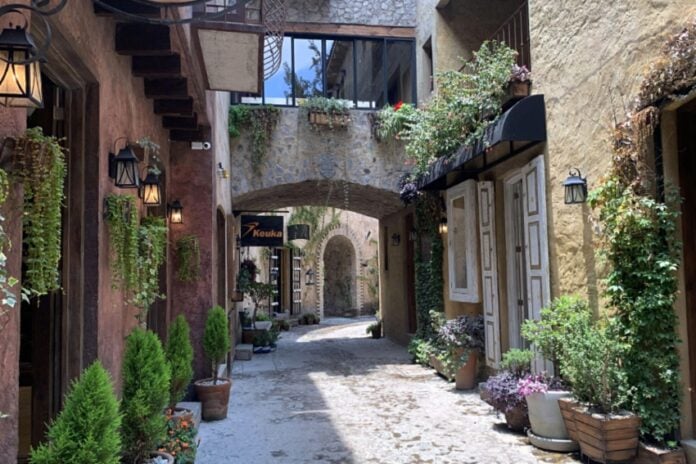
The quaint feel of a faraway Italian village isn’t something most people would visit Mexico for. But in recent years, Tlaxcala’s Val’Quirico — a small, European-style community that began construction in 2014 and opened to the public in 2015 — has become exactly what it set out to be: a magical Tuscan getaway, right in the middle of Mexico’s relatively sleepy countryside.
Over a decade into its existence, Val’Quirico — which became the first designated locale in Mexico’s “Kingdoms of Mexico” program in 2023, awarded to towns that represent an international fusion of architecture, cuisine and culture, while generating an economic boost in their region — is certainly thriving.
When it was announced as part of the “Kingdoms of Mexico” program three years ago, Tourism Minister Miguel Torruco Marqués predicted that the town would “generate revenue of more than 80 million pesos per month (US $4.52 million) … (and) 11,400 jobs — 3,500 direct and 7,990 indirect.” He was right.
In 2026, the charming pueblo — replete with pedestrian-only cobblestoned roads, Spanish wine and tapas bars, Italian pizzerias and much more — is booming. Though relatively expensive to visit in comparison to a typical Mexican pueblo, a weekend stay will quickly win over any guests who are looking to escape Mexico’s often chaotic energy for a tranquil, anachronistic experience in the middle of the country.
Getting to Val’Quirico
Val’Quirico is located under 20 minutes driving from the Puebla International Airport, and approximately two hours away from the center of Mexico City. As such, the destination-worthy town receives a high volume of visitors from outside states and foreign countries.
When arriving, the region’s landscape quickly transforms from a regular Mexican countryside — pueblos, torta stands, stacks of tires and corn fields — into a quirky, if not slightly cheesy medieval town. If you’re on the road from the city of Puebla, your first indication that you’ve time-traveled your way to the right place is when you pass the Gasolinera Valquirico gas station, which has an architectural facade reminiscent of an aged, European chateau. The roads are suddenly paved, and buildings turn into rustic stone.
Val’Quirico itself is, as of this writing, divided into four separate neighborhoods — the central square (where mixed-use commercial spaces and restaurants double as apartment buildings for tourists and full-time residents alike), Barrios Bosques, Laurel and Fresno. The latter three are private, gated areas that are strictly used for residential purposes, but still maintain the feel of a high-end country club in a rustic Italian setting.
How to get around
Since cars are not allowed into the main square — which is sizable, and includes no less than a combined 200 small businesses and eateries, plus ample lodging options — you’ll have to park in a giant lot that is located on the opposite side of the rural highway (50 pesos a night on weekdays; 200 pesos on weekends, holidays and festivals). The lot is attended 24/7 by security, and you can even get your car washed by locals who set up their equipment daily and look after your vehicle (though it is optional of course, and is safe to leave overnight regardless).

The brief walk from the lot into the heart of town will highlight Val’Quirico’s magic touches: suddenly, you’ll feel like you’ve left Mexico behind. As live music floats through the town, nicely dressed peddle bikers cluster at the entrance and will offer to give you a welcome tour of the zone; they will end by dropping you and your luggage off at the door of your residence (some locations on the other side of the pueblo are more likely to require a lift than others, but everything is within a 10 minute walking distance).
Over 1 million visitors per year — and counting
Once you’ve crossed into the threshold of Val’Quirico, there is only one way in, through a security checkpoint. The entire town is bordered by high stone walls, and in some parts, barbed wire fences, and the perimeter is patrolled around the clock by private security guards. You’ll feel as if you’ve entered a Mexican Disneyland for adults. There is no shortage of international culinary options, bars, dessert shops, coffee stations, souvenir outlets, fashion boutiques — the whole nine. You can snag artisanal chocolates from Yucateco chocolatiers at Ki’Xocolátl, then fill up with a generously-sized bowl of birriaramen at HOFU, all within an alley’s worth of exploration. (Beware of the endless streams of Instagram influencers who seem to wander the town at all hours, stopping at every floral decoration and ornate fountain to pose without much regard for anyone around them.)
According to Lourdes Caciano, the brand director for Kingdoms of Mexico, who spoke exclusively with Mexico News Daily, the town sees upwards of one million annual visitors. Val’Quirico’s influence will likely only continue to grow.
An exponential growth in visitors and development
“The exponential growth in visitors since its founding proves the development’s success, with over 90% of developed properties sold and more than 200 businesses open,” Caciano says. “It received endorsement from the Mexican Ministry of Tourism to expand its development model nationwide, leading to the creation of the Reinos de México (Kingdoms of Mexico) designation. Today, it already has a developing community, Sassi del Valle, in the Valle de Guadalupe, and soon a third community in Coahuila called Vindobona.”
In March, construction to expand both the center of the town and its peripheral communities was visible, though it didn’t disrupt any of the town’s peaceful charm. Soon, a section known as the “Vaults of Raziel” will open, and will add a significantly large commercial area for visitors and residents to explore. Despite the diminutive size of its proverbial kingdom — which physically only takes up a total of 8 hectares, or less than a square mile — it poses a large, otherworldly presence.
The origin of Mexico’s first ‘Kingdoms of Mexico’ destination
Since its founding, the Kingdoms of Mexico program has developed a sister city partnership with other global regions to enhance the authenticity of exchanges between cultures, adding a completely fresh dimension to Mexico’s touristic offerings — particularly for its nationally-bound explorers. So far, everything has paid off for Val’Quirico as Mexico’s flagship Kingdoms of Mexico project, which bodes well for future sites.

“This distinction has helped us open doors to cultural exchange with Europe, allowing us to build developments that promote pride in Hispanic heritage and the fusion of cultures,” Caciano says. “It has also enabled us to be ambassadors for Mexico, showcasing it as a driver of mutually beneficial development destinations.”
Right now, the town has a formal cultural alliance with Tuscany in the central region of Italy. And though there are clearly efforts to provide some semblance of an Italian village, there’s still an array of Mexican experiences to be had: a taqueria, traditional Mexican desayunos al fresco and cervezas on a patio or balcony. Imagine the warm quirks and hospitality of a robust Mexican tourist ecosystem permeating an old-world European alleyway. That’s Val’Quirico, at its best. It’s full of nooks and surprises (on your third day, for instance, you might unexpectedly stumble upon an impressively sized gnome garden that, until then, you hadn’t discovered through a series of alleyways).
The history and evolution of the town
It’s mostly imaginative and fabricated, of course. But there’s also some actual history behind the town. In fact, the area once held a prominent role in Mexico’s industrial production.
“During the Porfiriato era, the former Chautla Hacienda was the most important pasteurization plant in Latin America,” says Caciano. “Today, Val’Quirico is located on part of it.”
Val’Quirico was founded by a group of entrepreneurs representing Universo aBanza, a construction business that specializes in envisioning, and then building, entire communities from the ground up. You’ll occasionally see a sign advertising how to purchase property, or an official visitor’s office, but otherwise, the entrepreneurial capitalism behind Val’Quirico remains in the background as you roam the uneven paths while descending staircases in the labyrinth-like town.
For parents, there are two playgrounds located within the town’s center (though they are apparently open from Friday to Sunday); there’s also a large, rideable carousel, a carnival row of games, a Ferris wheel, and — most enjoyably — the safety and comfort of letting your little ones run freely throughout the whimsical, car-free zone.
What to budget and when to visit
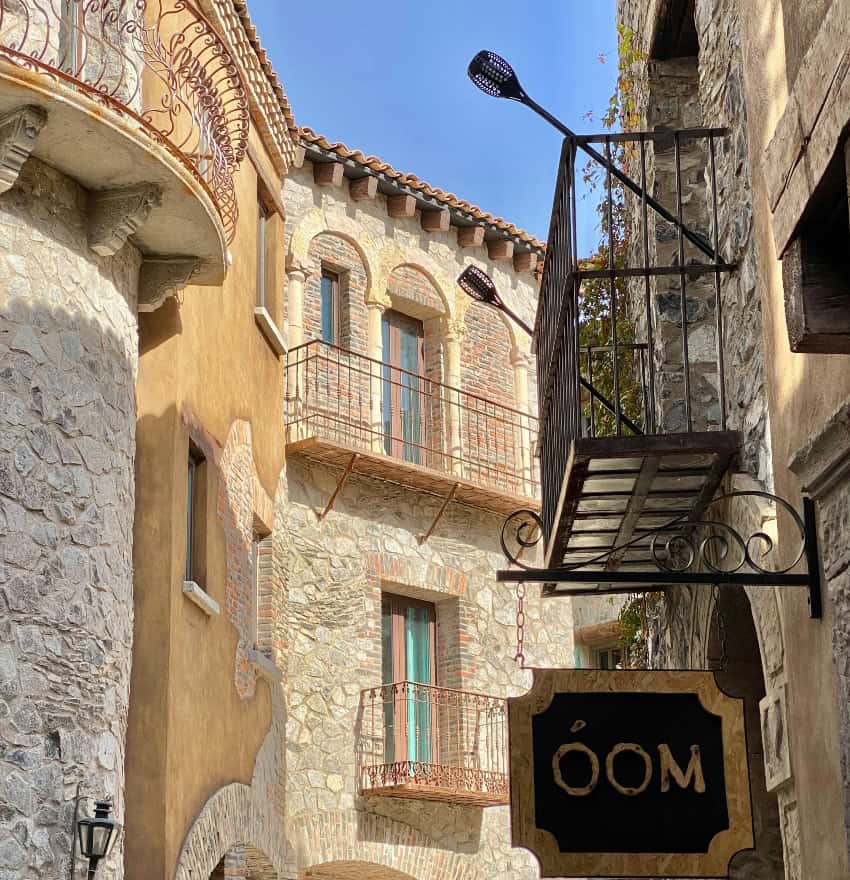
Perhaps the downside of Val’Quirico is that it’s notably pricey, and once you’re there, you’re at the mercy of what’s available — it’s a bit of a mission to lug yourself back to the main lot and leave; there isn’t much to do on the nearby outskirts, anyway. Instead, it’s essentially a European-aspiring staycation. To get the full experience, it’s best to stay put and wander afoot (you’ll find anything from exotic flamingo meat at an African-inspired eatery to Korean corn dogs at a hip Asian market). If you’re looking for a twist on Italian dining, you’ll get that, too: pizza at Arte Sano combines a sourdough base with non-traditional toppings like cochinita pibil, carne al pastor, chilaquiles, carne arabe and fresh strawberries.
Major festivals and celebrations are held a few times a year — the Iberico Festival, Mexican Independence Day, Dia de Muertos and Christmas, to name a few — so expect larger groups, higher prices and congestion during those seasons.
Drop in for a little taste of Europe
Otherwise, drop by whenever you feel like you want to get a partial taste of Europe in an otherwise overlooked fly-over section of Mexico, and relish in Val’Quirico’s pastoral, well-curated environment.
“Val’Quirico works every day in harmony with its community. It is a safe space for residents and visitors, and our goal is to be generators of development opportunities, epicenters of entrepreneurship, and creators of unique experiences,” Caciano says. “We are proud to be the inheritors of two great nations, and that drives us to strive for excellence in this and future Kingdoms of Mexico.”
Alan Chazaro is the author of “These Spaceships Weren’t Built For Us” (Tia Chucha Press, 2026), “Notes from the Eastern Span of the Bay Bridge” (Ghost City Press, 2021), “Piñata Theory” (Black Lawrence Press, 2020), and “This Is Not a Frank Ocean Cover Album” (Black Lawrence Press, 2019). He is a graduate of June Jordan’s Poetry for the People program at UC Berkeley and was selected as a Lawrence Ferlinghetti Poetry Fellow at the University of San Francisco. His work can be found in NPR, The Guardian, SLAM, GQ, L.A. Times, and more. He is currently based in Veracruz.
Coming home to Mexico
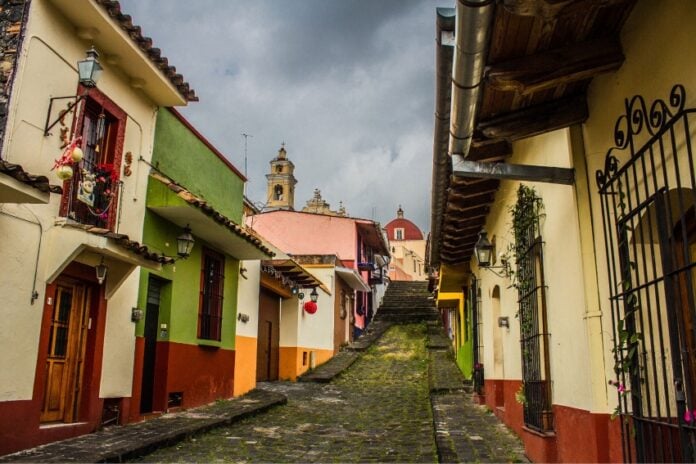
I just got back from a trip to Texas. It didn’t go quite as planned, at least not at first: my sister and her husband got sick right before we were to leave.
As disappointed as we were, we luckily had enough friends in enough strategic places to make it work. The first couple of nights, we stayed with a couple of friends who’d just moved to Houston, where we always fly in. Walking around their cool apartment complex, my daughter quickly said, “Can we move here?”
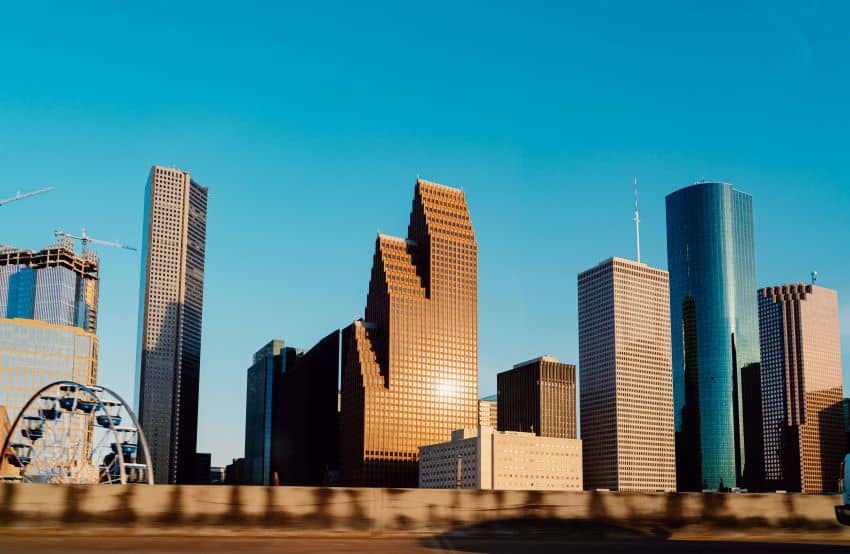
I understand. The beauty and the tidiness of the place — where most things work like they’re supposed to, by the way — is seductive. It’s the reason many foreigners downright fall in love with the U.S. It’s also the reason plenty of people here in Mexico have looked at me like I’m an idiot when I tell them I’m from the U.S. and living here. “Why on earth would you decide to live in Mexico?”
Again, I get it. At first sight, it seems there could be nothing lovelier than that specific type of U.S. orderly urban neighborhood. Our friends’ new apartment complex was especially lovely: the magnolia trees were artfully planted to grow in front of apartment windows for privacy. Three well-maintained swimming pools. Manicured lawns, wide streets with clearly painted lanes and arrows. It really is something to behold, especially in their beautifully diverse neighborhood, of which there are many in Houston, Texas. (For a great fictional look at Houston, check out the Netflix show “Mo.”) There were so many areas that felt downright utopic.
A nice place to hang out
It was as if all the bad news we’ve been hearing from the U.S. were fiction. People of all shapes, sizes, and colors were going about their business in all kinds of languages. The owner of an Indian food restaurant confidently teased and lectured us about what we should order. The news at a local burger joint played in Spanish, and people politely held doors open for each other.
Houston, of course, is an incredibly liberal and open Texas enclave. And because the city is so big, it’s easy to imagine that everywhere is exactly like it. Unfortunately, this is not so.
Still, it’s a nice place to hang out. I enjoyed my time there even though we didn’t get to go on our planned outings.
Instead, we did some shopping with our unexpected hosts. Walmart, Ross Dress for Less, Walgreens.
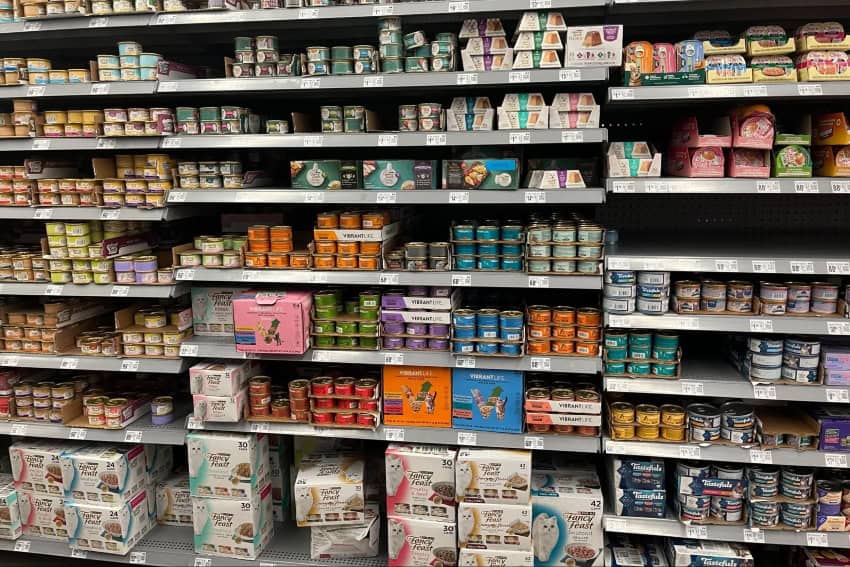
Every time I go to the U.S. now, I am 100% seduced by the shopping options.
This is a weakness of mine: I love to shop, and I love to eat. Each trip to the U.S. has me returning to Mexico poorer and fatter than I was when I left. The ice cream I love, the donuts I love, the Indian food and the Thai … it all gets embraced, perhaps a little too much.
Shopping differences between the US and Mexico
During my time living in Mexico (24 years now), the buying options in the U.S. have only grown. There, you can literally get anything you can imagine. Stores are gigantic, and options are overwhelming. They’re so big, in fact, that I have several older friends who despair at the thought of grocery shopping: “I can’t do that much walking in one go!”
What can you see on a shopping trip? Oh! So, so many things. Whereas here in Mexico I am loyal to exactly one brand of very soft toilet paper, there seem to be endless equally soft brands on the shelves north of the border. The individual sheet even has adorable wavy quilted borders. Need some wet food for your cat? There’s a whole 50-foot aisle of it.
And the candy! I cannot get enough of creamy minty chocolate, and they don’t sell York Peppermint Patties anywhere in Mexico that I’ve found. For a while, Costco had some minty chocolate in part of a value pack, but those are no more. Sears also has some minty chocolate at their candy counter, but it always tastes stale and I’m not sure if that’s the texture it’s supposed to have.
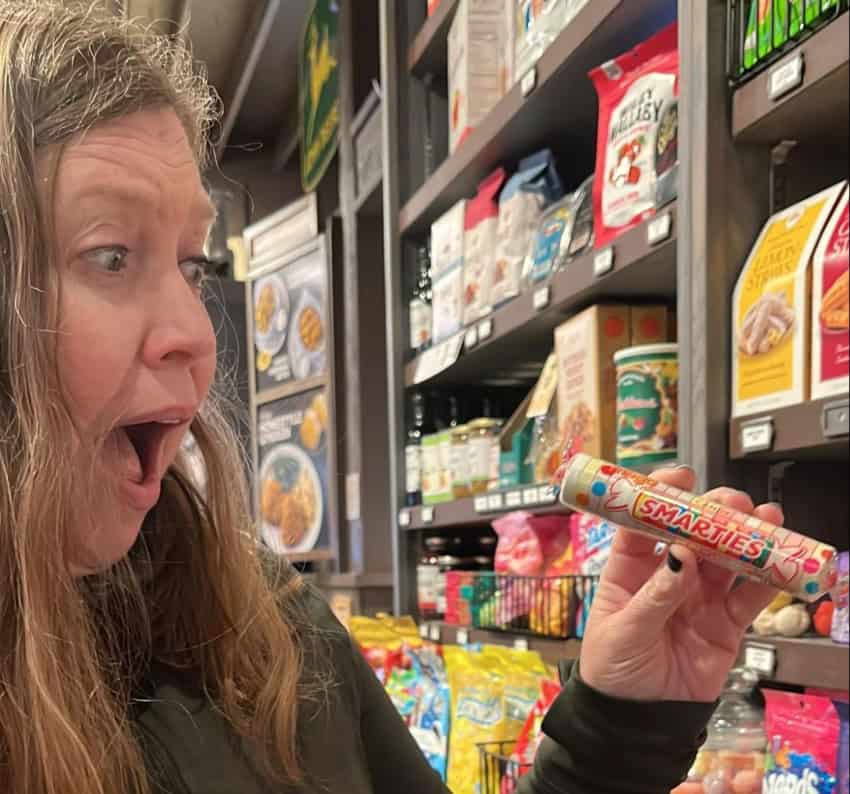
I also love Smarties, those kinds of chalky little rolled-up discs. At Cracker Barrel, they had a giant roll and a Smarties lollipop! I also got some cute flamingo salt and pepper shakers — I got Christmas ones last time — because I am now apparently the kind of middle-aged woman who gets excited about decorative seasonal salt and pepper shakers.
How much do I love shopping? Let me count the ways
And don’t even get me started on clothing options. JCPenney always has great coupons, and I, of course, can’t miss a trip to Target for very reasonably-priced clothes for my kid (Cat + Jack, don’t ever change). I stock up on the only kind of supplement that helps for a very specific kind of bladder pain at Walgreens, now that the company that makes it no longer ships to Mexico.
I also eat ice cream every single day — Blue Bell’s Homemade Vanilla, to be exact — which is something I do not regret at all.
But essentially, going to the U.S. sends me into a buying frenzy. It’s great for stocking up on essentials that I wait until I travel to get, and for finally eating my favorite ice cream. But I pretty much always go overboard.
By the time the trip nears its end, my pants are extra tight and my bank account extra thin.
A sadness and a relief
And then, I come home. Choices are limited but still plenty, the way shopping in the mid-90s in the U.S. used to be (remember Albertson’s? Piggly Wiggly?) The absence of a mile-long candy aisle is both a sadness and a relief, as is the fact that I don’t want to try on every item of clothing I see. To find something might require a bit of hunting. To get what I need done might require a bit of extra work or knowledge.
But that’s its own kind of adventure. And usually, it’s the kind that gets you out of the house, walking and talking to people.
Unlimited options of convenience might seem like a great way to live, but it can quickly get overwhelming, leaving you ill-equipped to face even the slightest difficulties. Mexico, to me, is a great balance: it’s got what you need, but not in an unlimited way.
Sometimes, a simpler, less streamlined life is a calmer, realer one.
Sarah DeVries is a writer and translator based in Xalapa, Veracruz. She can be reached through her website, sarahedevries.substack.com.
From celebrity custody battle to Congress: Cazzu’s Law seeks to prevent absent parents from blocking children’s travel

A legal battle between two celebrities is inspiring a new bill in Mexico that seeks to prevent absent parents from blocking their children’s travel, paperwork or passports by using legal consent as a control tool.
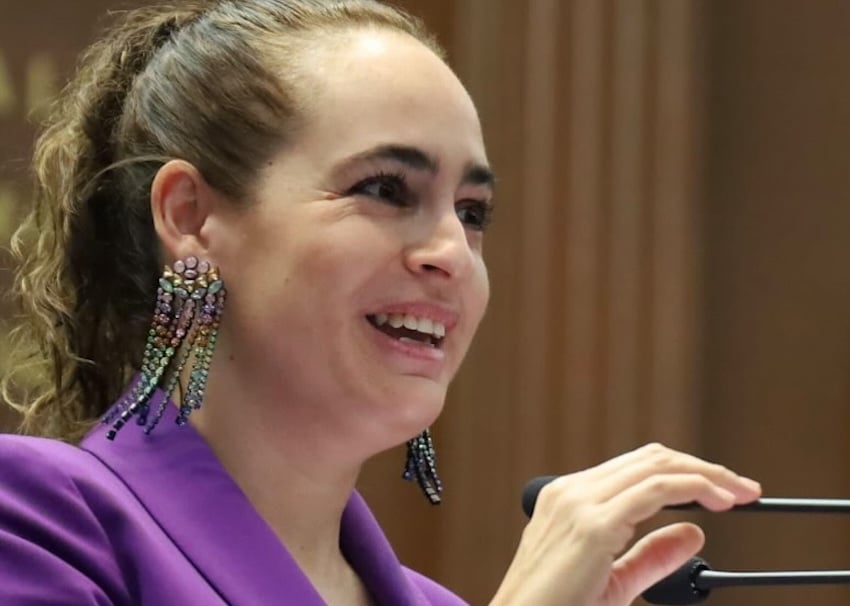
Dubbed “Cazzu’s Law” and promoted by Deputy Sandra Arreola Ruiz from the Green Party (PVEM) in Michoacán, the proposed law aims to guarantee the right to mobility of children and adolescents in cases of parental abandonment.
The bill’s name takes after the case of Argentine singer Cazzu (Julieta Cazzucheli) over travel restrictions upon her daughter following her separation from the child’s father, Mexican singer Christian Nodal.
The case gained momentum following Cazzu’s appearance on the “Se regalan dudas” podcast, where she said she was unable to bring her daughter with her on her international tours because Nodal wouldn’t allow the child to travel with her.
Both in Mexico and Argentina — where Cazzu and her daughter live — the rule of thumb is that a minor requires authorization from both parents to travel abroad when they share parental authority over the child.
In the “Se regalan dudas” episode, Cazzu revealed her frustration after Nodal’s lawyer said in a mediation meeting that Nodal had “control” over her and her daughter.
“It’s well known that I do the same job as him [Nodal] and I need to travel, right? The permit hasn’t arrived since then,” she said. “And it’s been over a year now and I still don’t have that permit.”
In an interview with Billboard en Español, Arreola Ruiz said that Cazzu’s story “brings attention to a social issue impacting Mexico but also the broader region, where we unfortunately have a culture of paternal abandonment,” she said, noting that over 1.3 million women in Mexico are mothers, many of them single, and over 410,000 men are child support debtors.
A similar bill has been drafted in Argentina to allow for the provisional suspension of parental responsibility in cases of serious non-compliance.
According to Deputy Ernesto Núñez Aguilar, the PVEM leader in Michoacán, the bill “is not directed against anyone, but rather in favor of those who do fulfill their obligations — and, above all, in favor of children — so that their development is never again compromised by abandonment.”
Cazzu’s Law is now being analyzed by Congress in Mexico, where it is in the initial discussion phase.
After a Mexico City suburb euthanized 11,000 street dogs, Sheinbaum demands a review
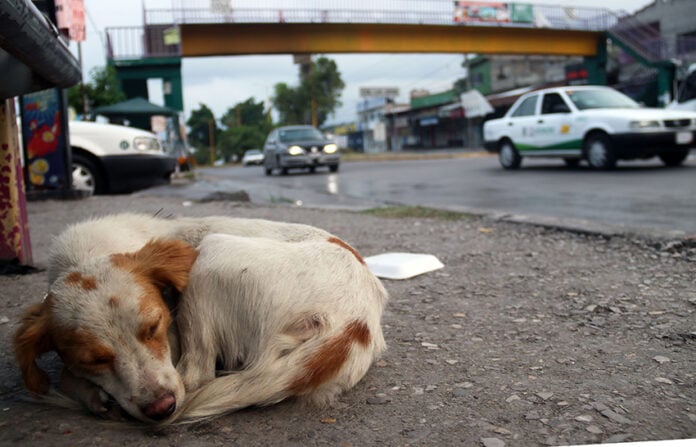
After revelations that nearly 11,000 street dogs had been euthanized in a Mexico City suburb, President Claudia Sheinbaum on Thursday said animal protection laws and animal euthanasia regulations must be reviewed.
The controversy arose after Senator Mariela Gutiérrez, a member of Sheinbaum’s Morena party, admitted that the stray dogs were killed between 2019 and 2023 while she was mayor of Tecamac, México state, about 40 kilometers north of downtown Mexico City.
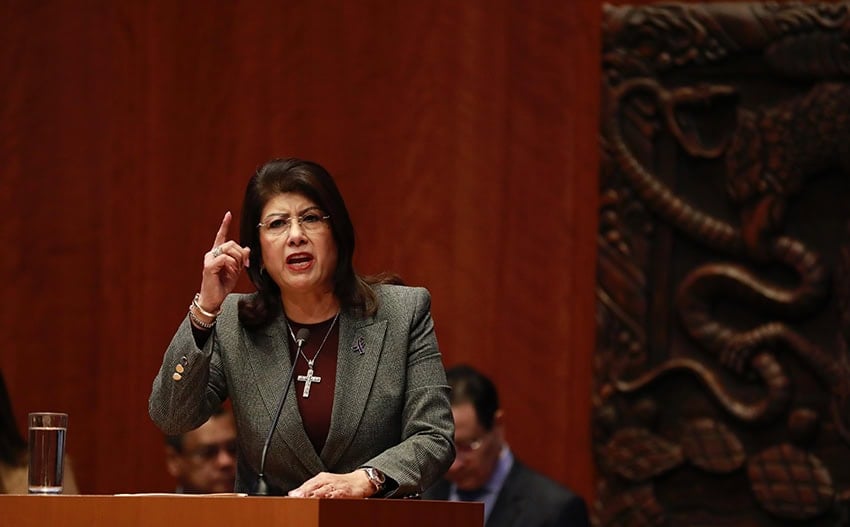
Gutiérrez confirmed the actions in a Wednesday press conference after a video showing her arguing with municipal officials last year about the mass euthanasia was made public this week and went viral.
The senator defended her actions, saying the animals were in “deplorable” health or had attacked people and that the procedure followed official protocols.
Municipal records indicate Gutiérrez approved the killing of 10,962 dogs.
Although Sheinbaum sought to defend Gutiérrez by saying her actions were within existing regulations, animal rights activists questioned the legality of the killings.
Ethel Herrejón told Spanish news agency EFE that the Federal Animal Health Law restricts such slaughter to specific cases and does not authorize the mass elimination of healthy animals.
Mexican law allows animal euthanasia in emergencies, when they suffer from conditions incompatible with life, or when they pose a risk to humans or other animals.
Herrejón also questioned the methods used to euthanize the animals, noting that legal animal euthanasia requires specific medications and protocols that involve costs and supervision. Municipal officials have also described Gutiérrez’s actions as “improper.”
Activists are said to be preparing a formal request that Gutiérrez be removed from the Senate and face prosecution.
The México state Attorney General’s Office (FGJEM) announced it has initiated an investigation into the former mayor’s actions to see if she violated the state Penal Code regarding crimes of animal abuse. A conviction could result in up to six years in prison.
Sheinbaum did not comment on these eventualities, instead saying that her administration has elevated animal protection to a constitutional level, adding that enabling legislation is still pending.
The controversy has reignited the debate in Mexico about the management of stray animals, a problem Gutiérrez labeled a “real crisis.”
In attempting to further defend her record, Gutiérrez pointed out that during her term as mayor more than 50,000 sterilizations were carried out, thousands of adoptions occurred and more than 80,000 stray dogs were cared for.
With reports from EFE, El Economista, El País and Swiss Info
After weeks of denials, Pemex admits responsibility for Gulf Coast oil spill
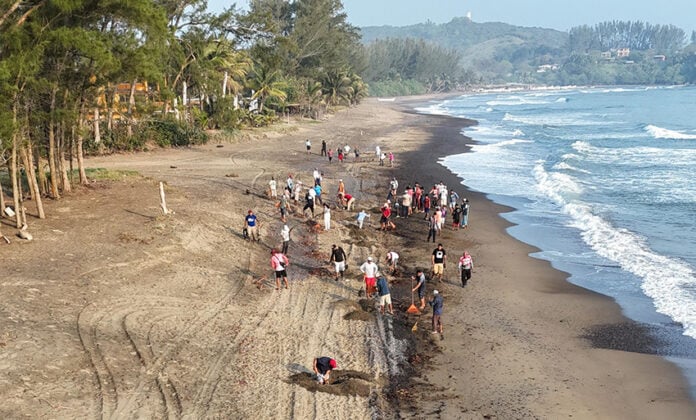
The government finally admitted what it had denied for weeks: The oil that began washing up along 700 kilometers of Gulf of Mexico coastline in February did indeed originate from Pemex facilities.
An official investigation revealed that a leak had been detected in early February, but was deliberately hidden by operational divisions within the state-run oil company.
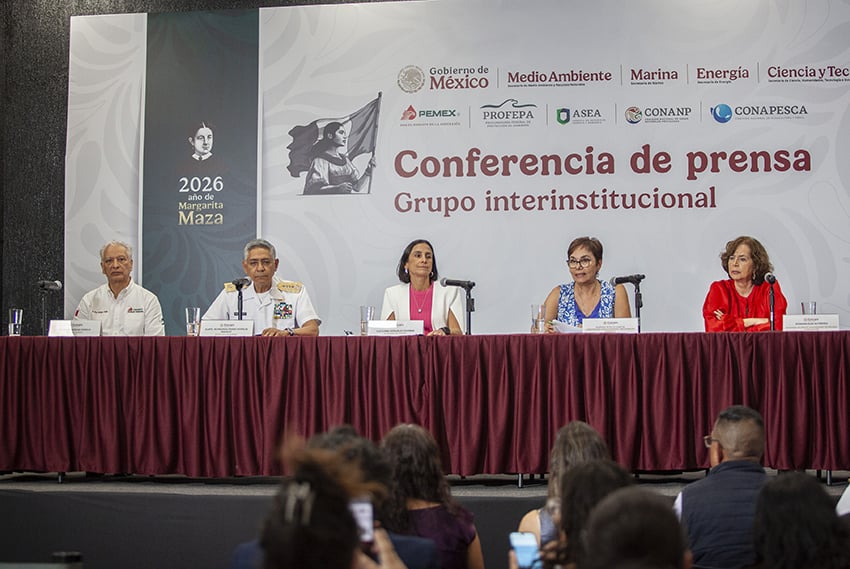
As a result of Pemex’s internal analysis of the events, three high-ranking company officials were fired and a complaint was submitted to the Federal Attorney General’s Office to determine criminal liability.
When complaints by fishermen and residents of Veracruz about oil slicks in the Gulf and tar balls washing up on shore became public in early March, Pemex issued a statement saying that “after conducting technical inspections at our facilities, no leaks or spills have been detected.”
The official narrative — voiced by President Claudia Sheinbaum and Veracruz Governor Rocio Nahle (a former Energy Minister) — pointed to a private vessel and even natural seepage as possible causes.
While the federal government and state authorities fought to contain the oil slick and clean up the nearly 700 kilometers of despoiled Gulf Coast beaches ahead of the busy Holy Week holiday season, environmental organizations and independent reports criticized the official denials.
In late March, environmental organizations brandishing satellite imagery accused the government of covering up the disaster, mismanaging the response and stalling the official investigation required by law.
Sheinbaum responded by minimizing the damage and criticized the NGOs’ report as “unscientific.”
On Thursday, the Interinstitutional Group tasked with investigating the oil spill reported that Pemex had been able to confirm there had been a leak in a pipeline near the Abkatún complex in the Bay of Campeche on Feb. 6.
Pemex CEO Víctor Rodríguez — a member of the Interinstitutional Group — admitted that the leak continued for days before being contained and that a series of “operational irregularities” allowed the situation to worsen.
Did the government cover up February’s Gulf of Mexico oil spill?
Not only was the problem never reported to upper management, he said, it was “systematically denied” by the operational directors on site.
The discovery of the original leak — initially attributed to a tear in a pipeline — was followed by blunder after blunder that top management was only made aware of recently, according to Rodríguez.
Among the operational indiscretions identified by Rodríguez were:
- The loss of mechanical integrity of an oil pipeline, as well as the failure to report repair work to either general management or upper management
- The effort to conceal the documentation related to 350 m³ of oily water that had been captured by containment barriers
- Contradictory reports that indicated the issue was a simple “tearing” even as 11 company vessels were deployed to contain, recover and disperse hydrocarbons
- The decision to not immediately stop the flow in the pipeline, which contributed to prolonging the duration and magnitude of the spill (The main valve was not closed until Feb. 14 even though overflights detected the spill eight days earlier)
Insisting on its commitment to transparency, accountability and environmental protection in a press release, Pemex said it has fired its deputy director of safety, occupational health, and environmental protection; the marine control coordinator; and the spill and waste leader over their roles in the disaster.
With reports from El Universal, Reforma, Animal Político and La Jornada
Netflix lands exclusive Mexican streaming deal for the Gold Cup tournament, Nations League Finals
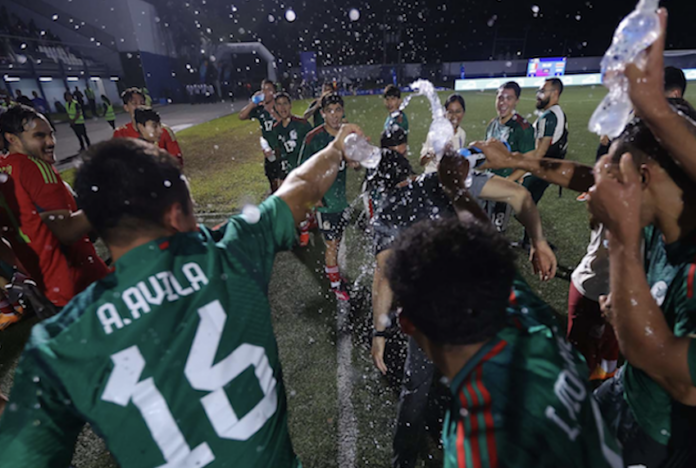
Under a four-year rights deal starting next year, Netflix will become the exclusive home in Mexico for two of the Western Hemisphere’s marquee men’s soccer tournaments.
Concacaf’s Gold Cup and its Nations League Finals are the two competitions. Each is for national teams in the expansive region governed by the Confederation of North, Central America and Caribbean Association Football (Concacaf).
Netflix will broadcast the 2027 and 2029 editions of each — with no simulcast on free TV in Mexico by traditional broadcasters.
The Gold Cup is a premier continental event involving 16 national teams that crowns a regional champion every two years.
Mexico won the most recent edition, in 2025, beating the United States 2-1 in Houston to claim its 10th Gold Cup title.
The Nations League is a newer, some-would-say secondary competition that doubles as a Gold Cup qualifier (for some national teams) and culminates in a “final four” and championship.
Mexico also won the most recent Nations League title, for 2024-25, beating Panama 2-1 in Inglewood, California.
Plus, there’s also the Concacaf Champions Cup, an annual knockout competition for leading professional/club teams in the region.
According to a Concacaf press release, the new partnership covers only the Mexican market and only the competitions included in the Netflix pact. It has nothing to do with the upcoming World Cup, the professional leagues in Mexico or the Champions Cup.
According to a Netflix press release, the fifth Nations League Finals will be played in March 2027 at SoFi Stadium in Inglewood, California, featuring the four quarterfinal winners.
The 19th Gold Cup, with 16 national teams, will follow in the summer of 2027 and crown the regional champion. The location for the neutral-site title game has not been announced.
Financial terms were not disclosed, but the deal pushes Netflix deeper into live sports. The streaming giant has also dipped into boxing, the NFL, Major League Baseball, pro wrestling and golf.
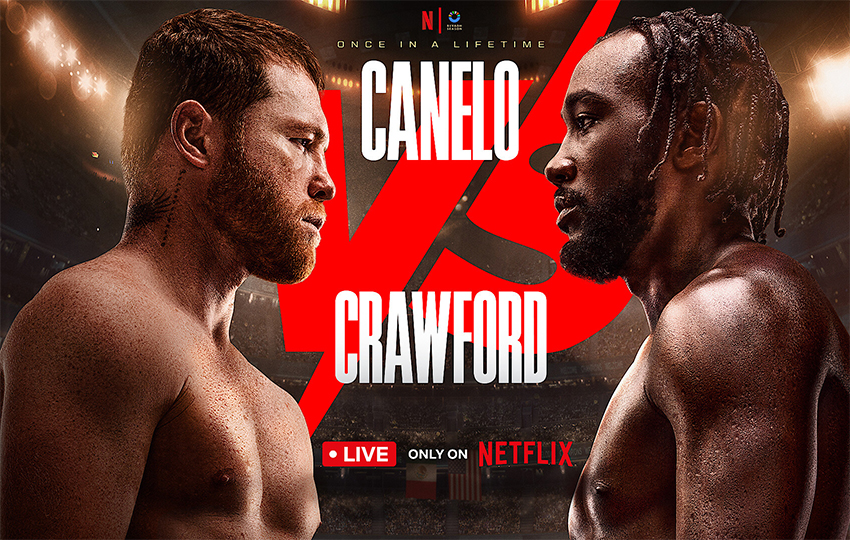
One of the platform’s early blockbuster live events was the Saúl “Canelo” Álvarez boxing match against Terence Crawford last September, which drew more than 41 million viewers worldwide. The Guadalajara native lost by decision to relinquish his undisputed super middleweight title to Crawford.
The deal also puts Netflix in more direct competition with traditional Mexican broadcasters. In a country where marquee soccer matches have long been a staple of free TV, the deal means these tournaments will sit behind a Netflix subscription paywall.
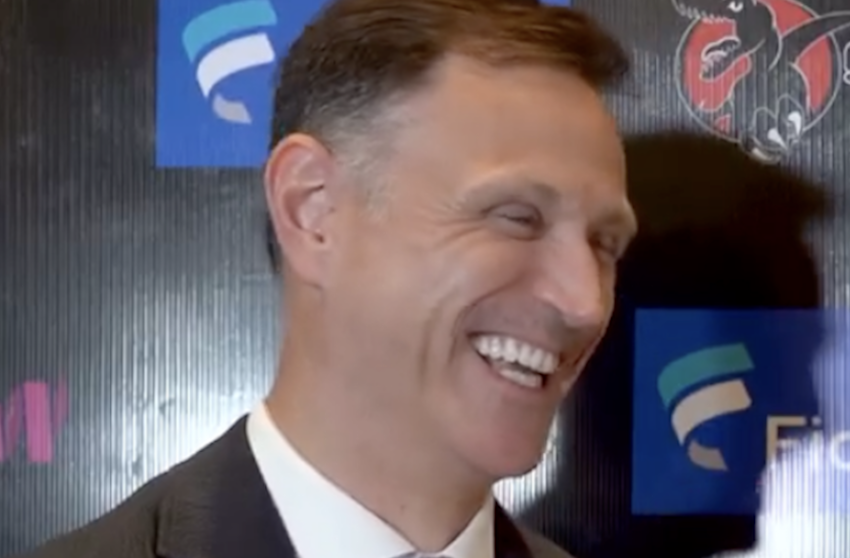
Still, Concacaf General Secretary Philippe Moggio expressed excitement.
“We know that in Mexico, the passion for football is truly unique,” he said in the confederation’s release. “This agreement allows us to bring these competitions closer to millions of fans through a new platform.”
“At Netflix, we are increasingly investing in live events that connect with our audience’s greatest passions, and football is, without a doubt, the passion that unites us as Mexicans,” said Carolina Leconte, Netflix’s vice president of content for Mexico and Latin America acquisitions.
With reports from Hollywood Reporter, Sports Business Journal and Deadline
