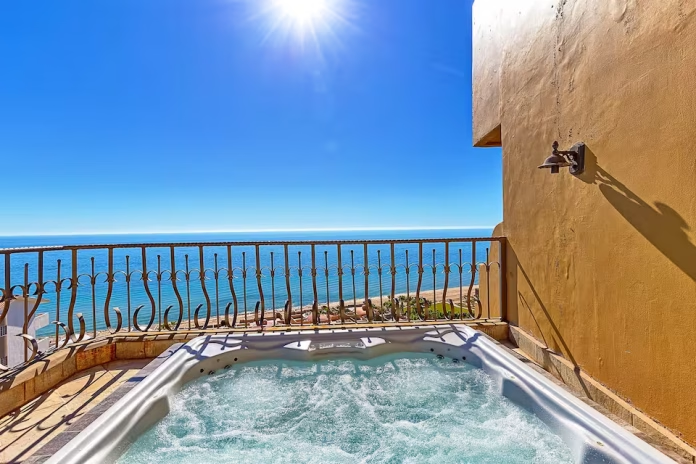
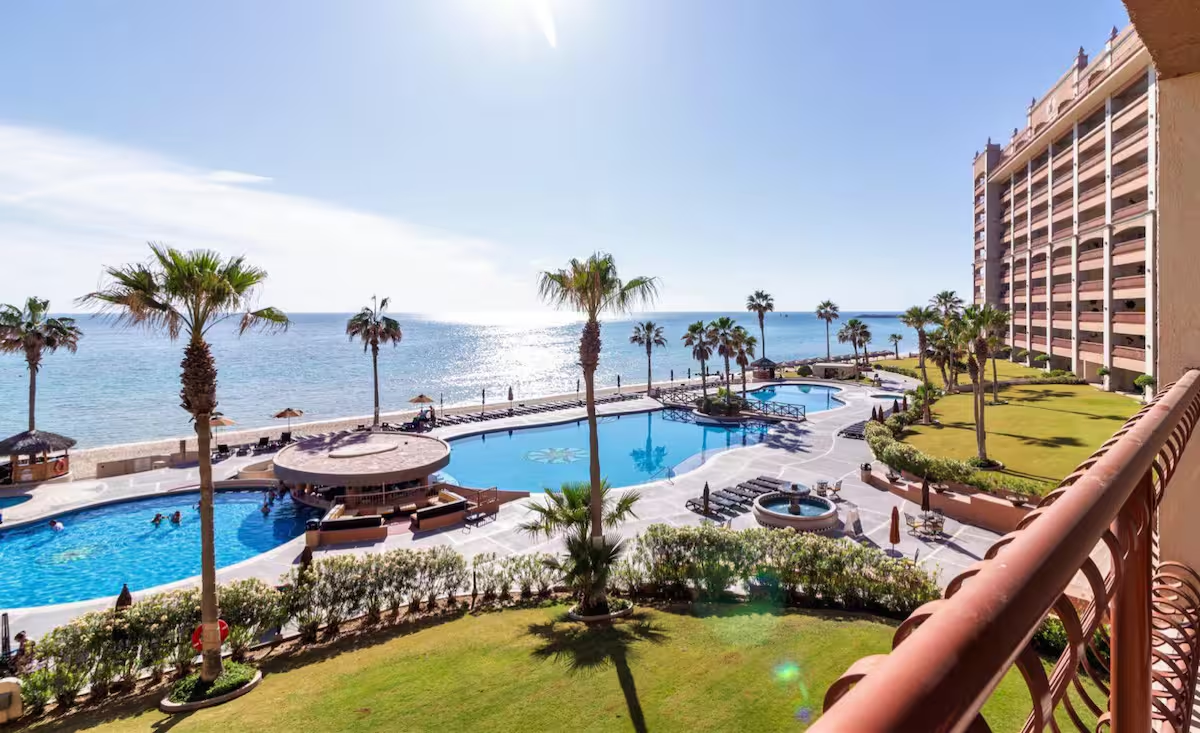
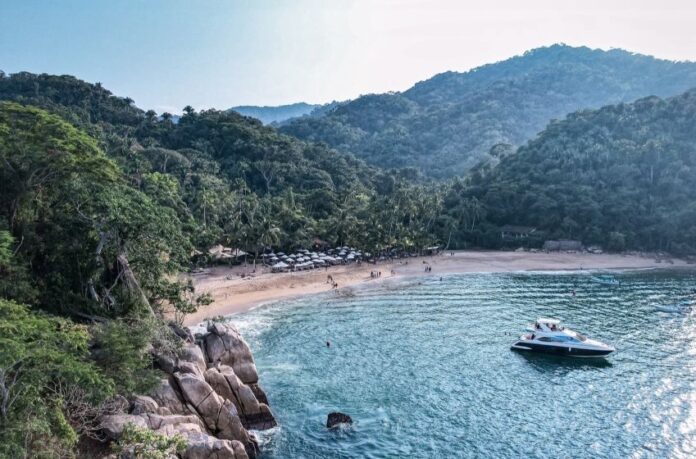
Just an hour south of the Arizona border, Puerto Peñasco offers sun, sea and Mexico's top hosts. (Airbnb)
Airbnb has revealed that Puerto Peñasco, Sonora, is Mexico’s highest-rated vacation rental destination, based on guest ratings from 2024.
Puerto Peñasco, also known as Rocky Point, is located on the northern shores of the Gulf of California in the state of Sonora. Due to its proximity to Arizona, the sunny destination is popular among U.S. travelers, earning it the nickname “Arizona’s Beach.”
Located near the border with Arizona, Puerto Peñasco does not lack for sunny days. (Airbnb)
“Whatever you’d like to call this desert enclave on the Sea of Cortez, its six beaches, rocky tide pools, and blazing Sonoran sun have made it one of northern Mexico’s fastest-growing beachfront getaways,” Airbnb said in its report.
With an average rating of 4.83 stars out of 5, Puerto Peñasco’s hosts have earned the top position thanks to their kindness and personalized attention.
The destination boasts 2,600 rental properties, of which 1,900 are family-friendly. Meanwhile, travelers with pets can find 590 pet-friendly options.
The vacation rental company said that visitors tend to prefer traveling to Puerto Peñasco in May, June, September and October, “when air and water temperatures are ideal for swimming.” Visitors can enjoy water activities like kayaking, fishing and snorkeling, in addition to adventure trips to El Pinacate y Gran Desierto de Altar — a UNESCO World Heritage site known as one of the driest places on Earth.
Which other Mexican destinations made it to the top 10?
After Puerto Peñasco, the small community of Zacatlán de las Manzanas in Puebla, ranked second among Mexico’s highest-rated vacation rental destinations. Famous for being one of Mexico’s largest apple producers, hosts in Zacatlán recorded an average rating of 4.82 stars. Visitors recommend stopping by the Pimentel bakery and the Relojes Centenarios watch shop.
Los Cabos in Baja California Sur claimed the third spot with an average rating of 4.81 stars, solidifying its status as one of Mexico’s most popular destinations.
“Cabo has inviting weather all year long, with 350 sunny days annually, making all seasons ideal for staying in one of Cabo’s vacation rentals,” Airbnb said.
After Los Cabos, these are the other Mexican destinations that round out the top 10: Cozumel (Quintana Roo), Colima (Colima), Tepic (Nayarit), Tepoztlán (Morelos), Tequila (Jalisco), San Pedro Garza García (Nuevo León), and Valladolid (Yucatán).
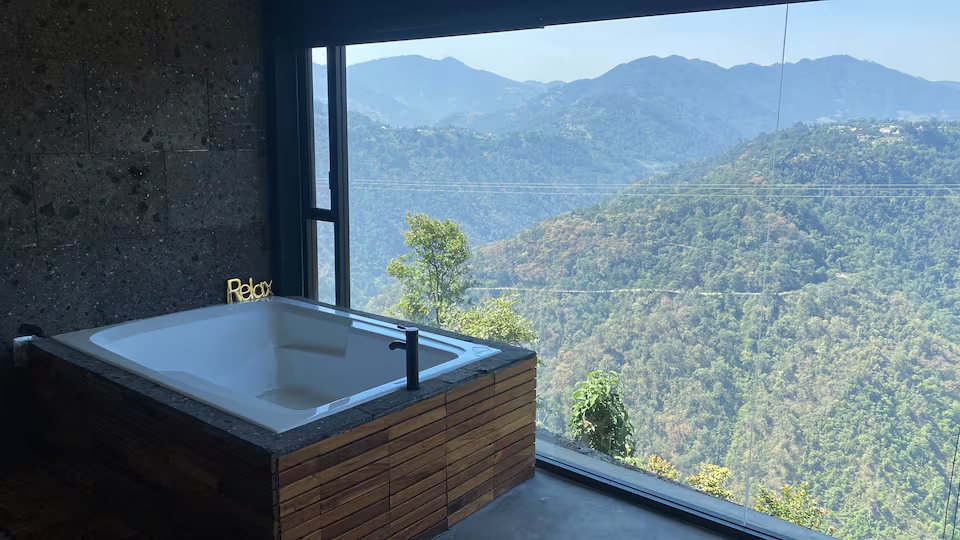
Mexico’s second-ranked destination, Zacatlán, Puebla, features top hosts and spectacular scenery. (Airbnb)
What was Mexico’s rating overall?
Airbnb data revealed that Mexico’s hosts across the country earned an average rating of 4.7 out of 5 stars for hospitality. Approximately 20% of Mexican hosts are Super Hosts —Airbnb’s top-rated, most experienced hosts, identified by a badge on their profiles.
“Hospitality in Mexico is more than a courtesy; it is an expression of cultural identity,” Airbnb said.
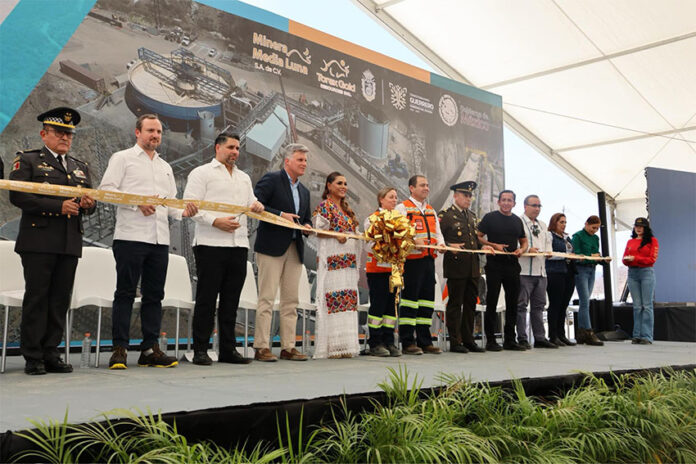
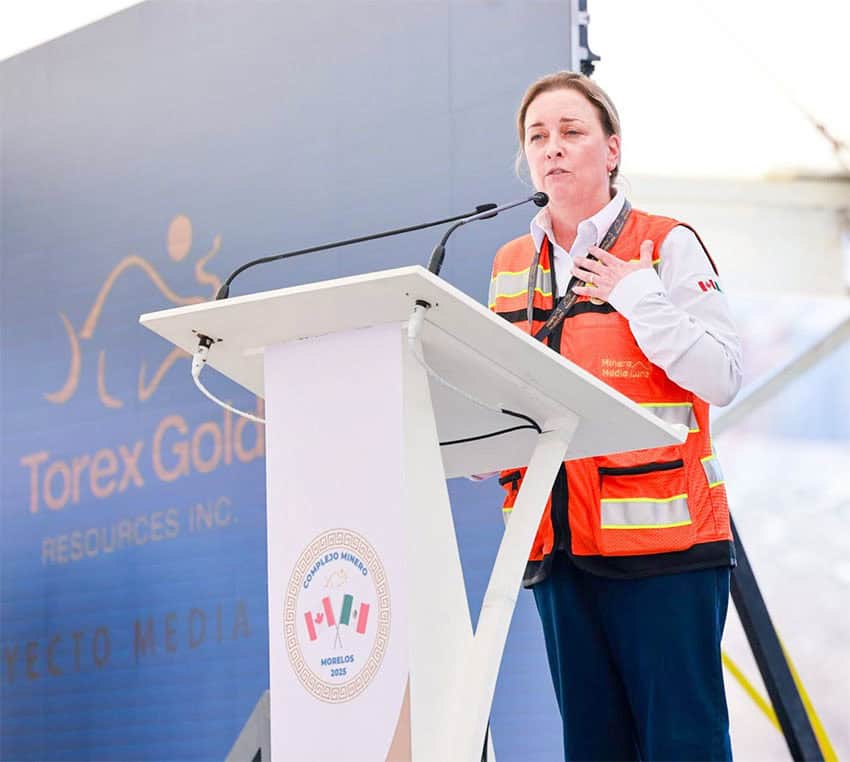
Guerrero Governor Evelyn Salgado inaugurates the the newly completed project in Guerrero. (Minera Media Luna/Facebook)
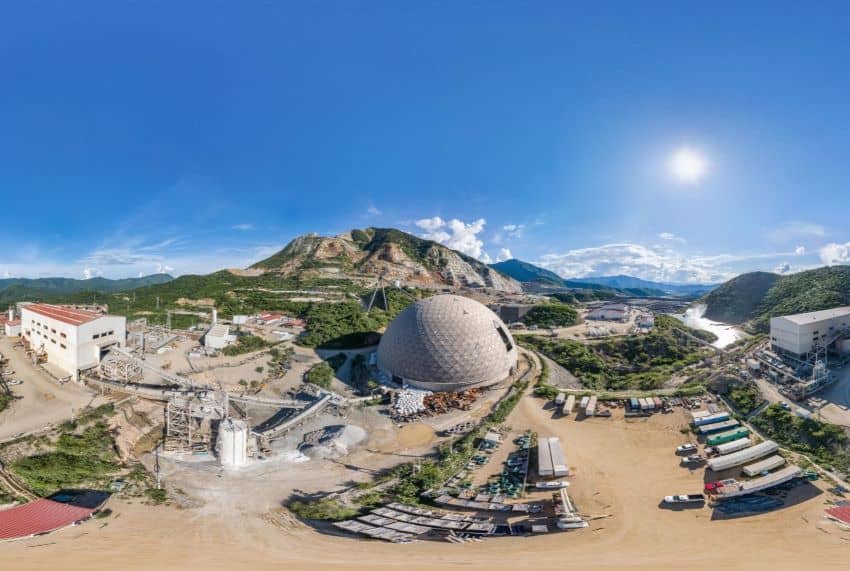
With the completion of an unprecedented 7-kilometer-long tunnel, Torex Gold Resources — Mexico’s largest gold producer — anticipates greater operational efficiency at its 29,000-hectare Morelos property in the state of Guerrero.
The underground tunnel, which passes beneath the Balsas River, links the Canadian gold producer’s highly productive El Limón Guajes mine with its new Media Luna project.
The project connected a new mining area to the established Limón Guajes mine. (Torex Gold/X)
The tunnel, completed March 26, is just one part of a massive processing plant tie-in project designed to link the two mines and enhance Torex Gold’s environmental sustainability in Mexico, company officials said.
Torex Gold CEO Jody Kuzenko did the honors of detonating the final explosives to complete the tunnel after which he praised the engineers and workers who completed the tunnel in record time. The tunnel — 6 meters wide and 6.5 meters high — was completed three months ahead of schedule.
In July 2024, El Limon-Guajes surpassed Peñasquito to become Mexico’s largest gold producer, with an output of 453,800 ounces. The Peñasquito mine — operated by Canada’s Newmont Corporation — is located in the state of Zacatecas.
In addition to the tunnel, the Media Luna expansion includes a water treatment plant and a new “flotation circuit” — a metallurgical process that uses air bubbles and chemicals to separate valuable minerals from waste rock.
The company also acquired what it called “the largest underground fleet of electric vehicles in Latin America.” The 80 emission-free vehicles will transport materials between mines, primarily carrying minerals from Media Luna to the processing plant at El Limón-Guajes.
“The project will consolidate our position as Mexico’s largest gold producer while also making us a relevant actor in copper production,” the company said in a statement.
Guerrero Governor Evelyn Salgado, Canada’s Ambassador to Mexico Cameron MacKay and Lloyd Walton Álvarez, a representative of Mexico’s Economy Ministry, attended the inauguration ceremony alongside roughly 1,000 employees, contractors, local and state officials and members of the public.
A representative of the Canadian company Torex Gold speaks at the inauguration of the new tunnel. (Evelyn Salgado/X)
Julián Urióstegui, president of Guerrero’s Business Coordinating Council, praised Torex Gold for its connections to local providers, sustainable practices and community outreach efforts.
With the Media Luna project, Torex supports a network of over 1,500 local providers while offering training and financing to those seeking involvement in the state’s mining value chain, Urióstegui said.
Mining is the second most important industry in Guerrero, comprising 4.8% of the state’s GDP.
“Mining operations, purchases from local providers and taxes help generate 4,500 direct jobs and 27,000 indirect jobs in the state,” Gov. Salgado said.
Prospects for gold on the rise
Despite falling more than 2% Thursday — amid a wider market selloff tied to U.S. President Donald Trump’s import tariffs impacting bullion traders — the price of gold, a “safe-haven asset,” has been soaring most of the year.
Gold had hit 17 record highs as of March 27, Reuters reported, as investors preferred the precious metal “in response to escalating global trade tensions and tumbling equity markets,” it said.
Gold’s overall upward trajectory appears intact, surging over US $500 this year. Additionally, central banks are expected to sustain the rally, further diversifying reserves as a hedge against possible U.S. dollar fluctuations caused by Trump’s policies.
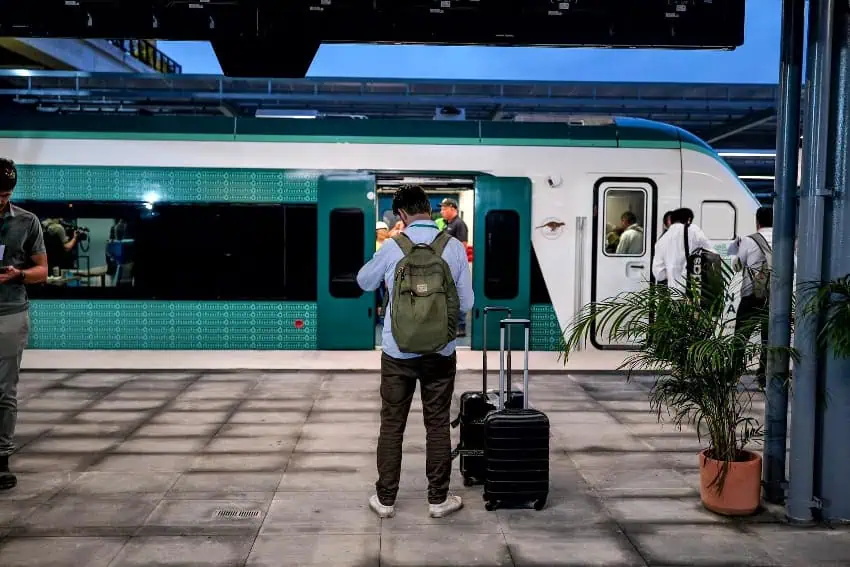
Activists who had protested the train's construction received the news with cautious optimism. (Cuartoscuro)
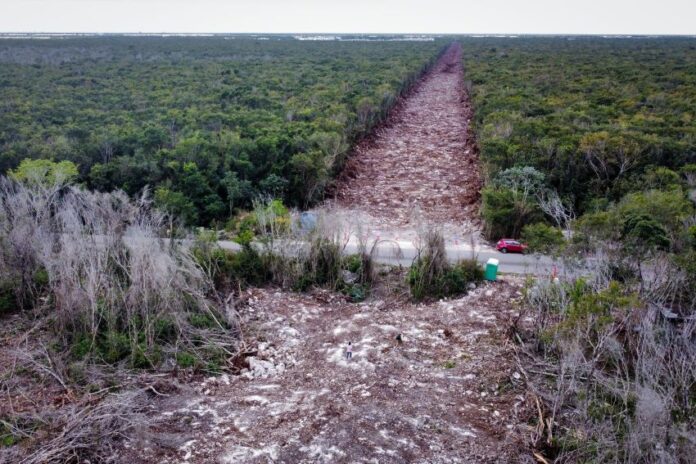
Conceding that construction of the Maya Train caused environmental harm, Mexico’s Environment Ministry (Semarnat) announced a restoration plan for the damaged ecosystem.
Environment Minister Alicia Bárcena on Wednesday said the government is preparing a plan to address the ecological damage and will seek to solicit input from local communities.
Tuvimos un fructífero diálogo entre titulares del sector ambiental y periodistas de diferentes medios sobre la Política Ecológica y Ambiental Humanista de la presidenta @Claudiashein. ¡Gracias por su interés! Su labor es esencial para informar las acciones que impulsamos.
🇲🇽🤝🍃 pic.twitter.com/tLlOuCn3DD
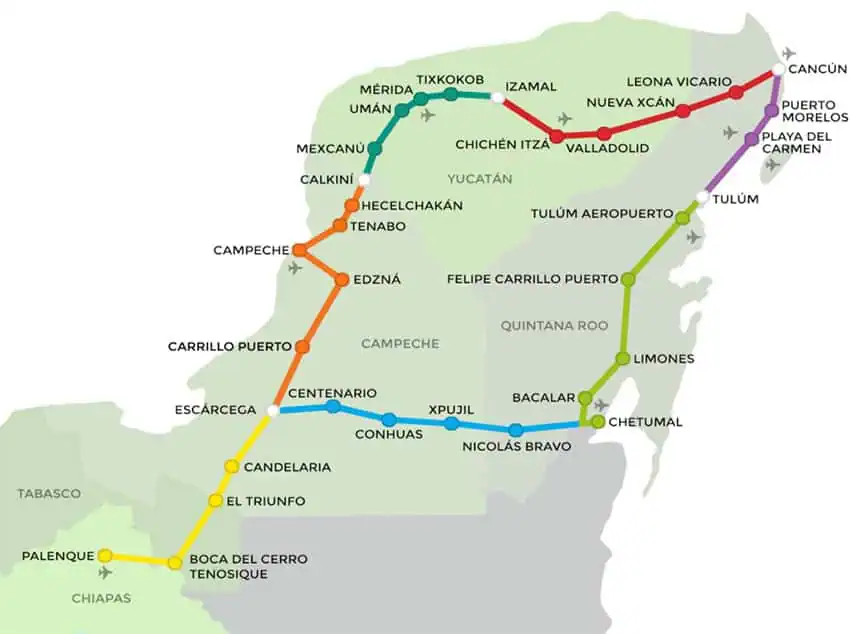
The Maya Train stretches 1,554 kilometers (966 miles), connecting cities and rural areas of the Yucatán Peninsula. The US $30-billion mega-project was a major focus of former President Andrés Manuel López Obrador’s administration. Construction began in June 2020 and partial operations began in December 2023.
Bárcena outlined some of the issues that the restoration plan would aim to rectify, including problems related to native fauna.
She said that some of the mesh netting placed along tracks would be removed so as to allow the free movement of local wildlife such as jaguars, tapirs and deer. Wildlife crossings should also be improved, she said.
“The restoration required … must be comprehensive because it must involve reforestation,” Bárcena said. “Local communities can be a significant factor in helping restore the jungle ecosystem.”
Greenpeace México called the government’s remedial actions “positive,” while asking in a social media post if the actions proposed would be enough.
In a published statement, Greenpeace México insisted that it is critical for Semarnat to seek public involvement and consult with experts.
The environmental organization did offer praise for Semarnat’s announcement that it is considering designating the region’s aquifer, which includes underground caves and cenotes, a biosphere reserve. Cenotes, which are common in the Yucatán Peninsula, are natural pits or sinkholes formed by the collapse of limestone bedrock, thus exposing groundwater.
“The aquifer is one of the principal water sources in the region,” Greenpeace said in a statement. “It connects diverse ecosystems and contains archaeological and paleontological items of incalculable value.”
The global environmental organization also said simply removing mesh netting and improving wildlife crossings is not enough. “Concrete measures must be implemented to guarantee reproduction and survival of threatened species such as the jaguar,” it said, adding that biological corridors that have been obstructed must be restored.
The Maya Train loops around the Yucatán Peninsula, passing through both tourist destinations and Indigenous communities. (Tren Maya)
As part of the government’s reforestation project, the National Forestry Commission (Conafor) will also seek to restore damaged mangroves.
A Conafor official said the reforestation project would be funded by the construction companies involved in building the Maya Train, but no details were presented to reporters. The government did not provide a cost estimate nor did it explain when the restoration work might begin.
Environmental and community activists battled Maya Train project
Since the inception of the project, environmental and Indigenous activists voiced objections to the train’s construction.
Environmental activists decried the massive destruction of the peninsula’s jungle and the government’s apparent failure to carry out environmental impact studies. They also argued that the steel and cement pilings being used had pierced through the roofs of underground limestone caves, destroying the archaeological and geological heritage of the region.
Indigenous activists complained that local communities — mostly populated by Indigenous Maya — were not properly consulted, even those that were forced to relocate. Others wondered if the local Indigenous culture would be destroyed.
A Maya Train passenger waits to board in Cancún. (Cuartoscuro)
Earlier this year, a decision by a federal court halted the construction of two of the seven sections of train lines — Lines 5 and 7 — but critics said the ruling came too late as the tracks were virtually completed and the damage to surrounding ecosystems was already done.
The Sélvame del Tren activist collective — a constant thorn in the government’s side — said it was grateful that the government finally acknowledged the environmental damage, but said it will continue to speak out if restoration efforts come up short.
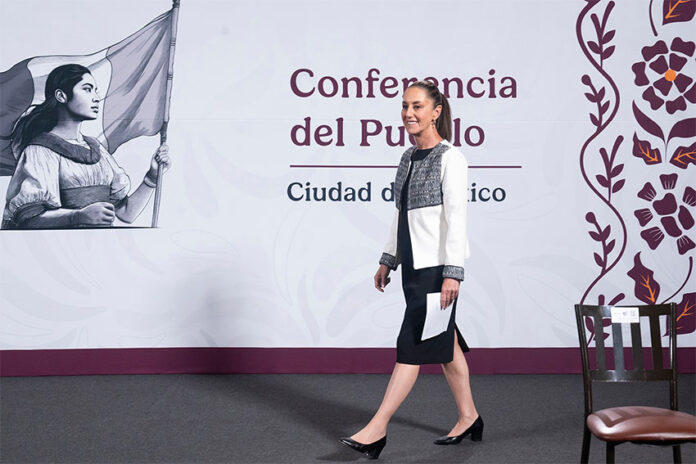
At her daily press conference Thursday morning, President Claudia Sheinbaum said the U.S. decision not to impose across-the-board tariffs on Mexico had to do with a relationship built between Mexico and the U.S. "based on respect." (Presidencia)
Mexico and Canada — which along with the United States are the signatories to the USMCA free trade pact — were among a very small group of countries that avoided reciprocal tariffs on their exports to the world’s largest economy.
United States President Donald Trump imposed tariffs of at least 10% on imports from almost all countries around the world, with reciprocal duties going as high as 49% in the case of Cambodia.
“Some of the world’s most heavily sanctioned countries — Russia, Belarus, Cuba and North Korea — avoided being singled out for special punitive treatment,” Reuters reported.
Sheinbaum: Mexico avoided additional tariffs due to ‘good relationship’ with US
“I suppose you heard President Trump’s message yesterday about this new United States trade and tariff policy for the rest of the world?” Sheinbaum said at the start of her press conference.
“In Mexico’s case, there are no additional tariffs … and that is good for the country,” she said.
“Although some people don’t want to recognize it, it has to do with the good relationship we’ve built between the government of Mexico and the government of the United States that is based on respect — respect for our sovereignty, collaboration, coordination, but with respect for Mexico, Mexicans and national sovereignty,” Sheinbaum said.
“This has allowed Mexico to avoid additional tariffs,” she said.
“And it also has to do with the strength of our government. And as I always say, there are a lot of people in Mexico. That’s the strength of our country, it lies in them, in that there is no division between the people and the government,” Sheinbaum said.
Dialogue with US on auto and steel tariffs continues
Sheinbaum acknowledged that Mexico’s automotive, steel and aluminum exports are subject to United States tariffs. So are goods that don’t meet USMCA rules.
The United States’ 25% tariff on vehicles manufactured outside the United States took effect on Thursday. Vehicles assembled in Mexico and Canada will face a lower tariff rate when exported under the USMCA as U.S. content in those vehicles will be exempt from the duty. U.S. tariffs on certain auto parts will take effect on May 3.
Sheinbaum highlighted that the auto, steel and aluminum tariffs apply to all countries, “not just Mexico and Canada.”
She noted that the automotive tariffs have special “characteristics” for vehicles exported from Mexico and Canada, and stressed that the North American auto industry is “very integrated.”
Sheinbaum said that her government is holding ongoing talks with its U.S. counterpart on the auto, steel and aluminum tariffs, indicating that she is hopeful Mexico could win a reprieve.
On Wednesday, Sheinbaum said she would present a “comprehensive program” to strengthen the Mexican economy that would go beyond responding to U.S. tariffs.
Ebrard: ‘We have preferential treatment’
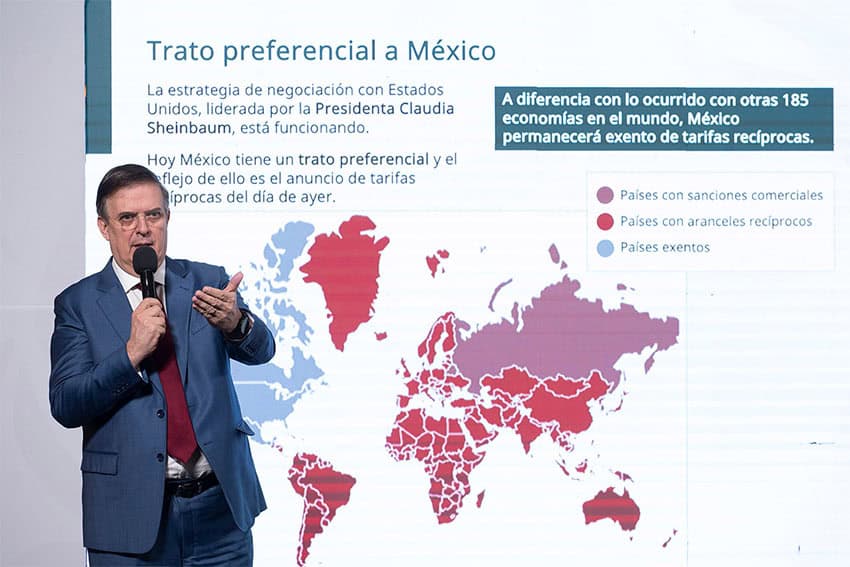
Speaking after Sheinbaum, Economy Minister Marcelo Ebrard noted that the United States has 14 free trade agreements, and imposed “reciprocal tariffs” on all its free trade partners except Mexico and Canada.
“Today we have preferential treatment,” he said.
Economy Minister Marcelo Ebrard, who has been at the forefront of Mexico’s trade negotiations with the United States, pointed out that with many more countries around the world now facing U.S. tariffs, Mexico is in a more competitive trade position. (Presidencia)
“It’s a great achievement. … Very recently, there wasn’t going to be any exception,” he said, referring to the imposition of reciprocal tariffs.
The USMCA ‘is still standing’
Ebrard asserted that the fact that Mexican products won’t be subject to reciprocal tariffs when shipped to the United States means that the USMCA “is still standing.”
“That’s a major achievement. We don’t take it for granted because in a new trade order based on tariffs, it’s very difficult for a free trade agreement to survive,” he said.
“In other words, if we hadn’t achieved this, your question would be: ‘What happened with the [trade] agreement?’ Right?” Ebrard said to reporters.
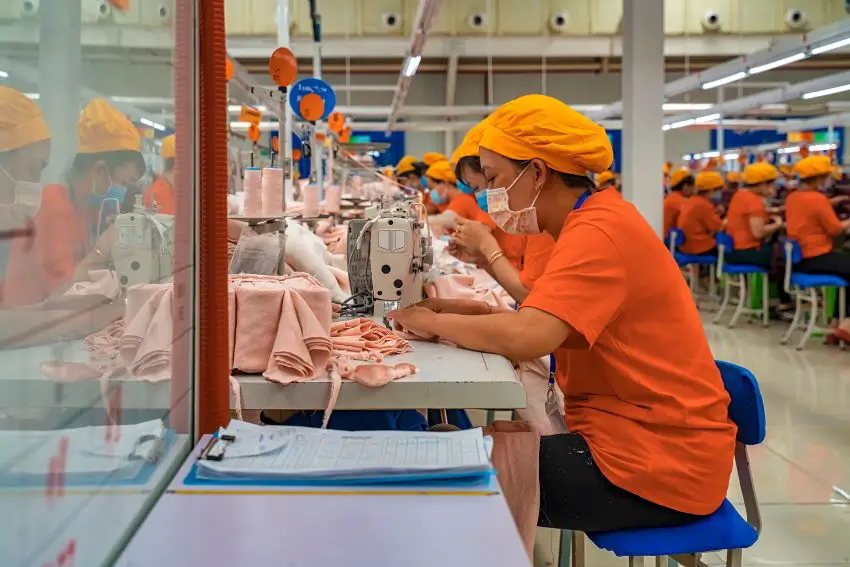
Dodging U.S. tariffs means that millions of jobs in a wide swath of Mexican industries are no longer in jeopardy, Ebrard said Thursday. (Shutterstock)
The economy minister highlighted that a wide range of products can be exported tariff-free to the United States, including agricultural ones, electronic goods, chemicals, clothing, footwear and medical devices.
The industries that make products not subject to U.S. tariffs employ millions of people in Mexico, he said.
Mexico’s 40-day goal
“Our goal in the next 40 days is to achieve the best conditions among all countries of the world for the [Mexican] auto industry,” Ebrard said.
“The same thing for steel and aluminum,” he added.
Ebrard and other Mexican officials will attempt to achieve those objectives through dialogue with U.S. officials, including Commerce Secretary Howard Lutnick.
“We’re going to be working the next 40 days,” the economy minister said.
“… That is what comes next, and we estimate that it will be around 40 days of negotiations,” Ebrard said.
By Mexico News Daily chief staff writer Peter Davies (peter.davies@mexiconewsdaily.com)
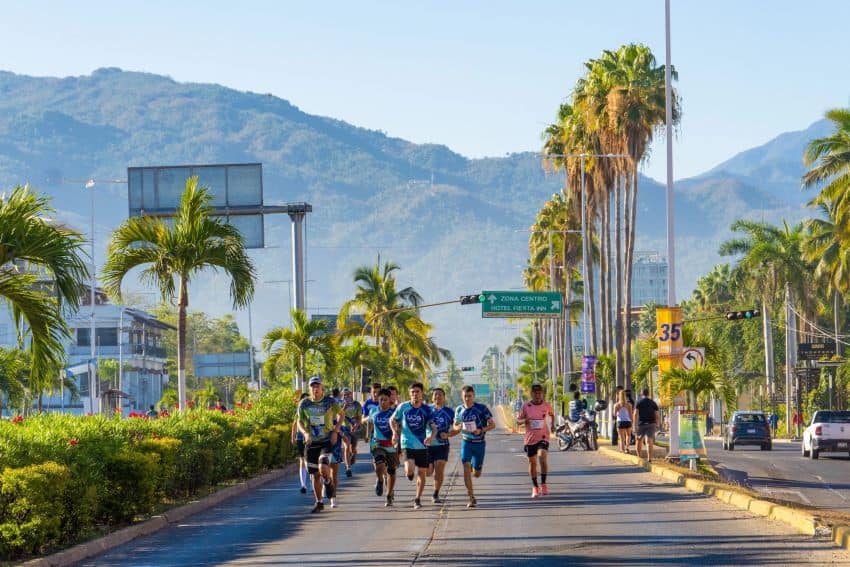
Run into April in PV with the Vallarta Marathon... and then keep up the pace dancing and eating the month away. (Vallarta Adventures/Facebook)
Puerto Vallarta in April? It’s not just a vacation: it’s a vibe. A month when the beaches heat up, the tacos flow and your step count goes through the roof — whether from marathon training or salsa dancing ‘til sunrise. From sizzling DJ sets to savory taco fests, this month’s calendar is so jam-packed, you’ll need a beach day just to recover.
Here’s what’s happening in Puerto Vallarta this April, and why you absolutely should not miss it.
Puerto Vallarta Marathon
(Maratón Puerto Vallarta)
Lace up those sneakers and channel your inner speed demon because the Puerto Vallarta Marathon is back, and she’s had a glow-up. Now in its sixth year, this beachfront beauty of a race kicks off and finishes at the sparkling Puerto Mágico terminal. Expect ocean breezes, palm-lined paths, and yes, sore calves.
The 2025 edition brings four ways to get sweaty: the full 42K, a breezy 21K half and 5K or 10K fun runs. Pro tip: the 42K is a qualifier for the Boston Marathon, so this isn’t just a jog through paradise. It’s serious business. Or at least, as serious as anything can be when you’re running past beach bars and bougainvillea.
Date: April 6 Location: Puerto Mágico, Blvd. Francisco Medina Ascencio, Zona Hotelera Nte. Cost: 500 peso registration fee
Feria del Taco
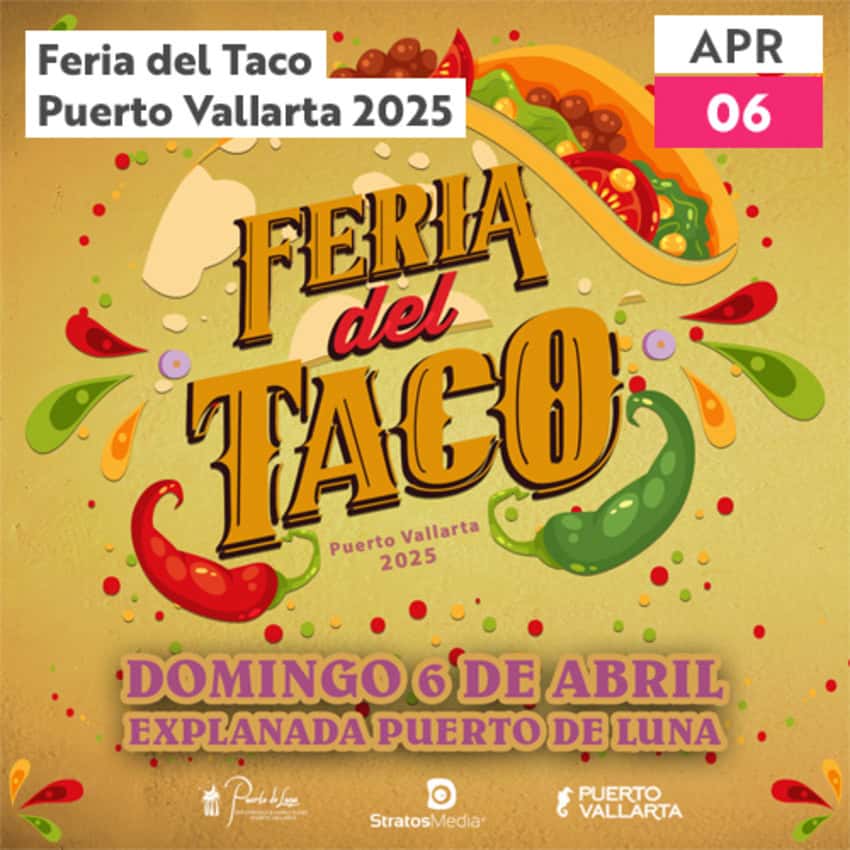
What better way to honor this handheld icon than with a full-blown Feria del Taco? Back for its eighth saucy edition, this celebration of tortilla-wrapped goodness brings more than 40 different styles of tacos, from carnitas to shrimp to suadero.
Entrance is free, and the fest runs from 2 to 11 p.m., giving you plenty of time to sample your way to taco nirvana. Add in local craft beers, tastings, live music, aguas frescas and desserts, and you’ve got a day of pure, unapologetic indulgence.
Date: April 6, 2 to 11 p.m. Location: Puerto de Luna Hotel, Blvd. Francisco Medina Ascencio 2500, Zona Hotelera Nte. Cost: Free to attend
Industry Club Semana Santa
(Industry Club PV)
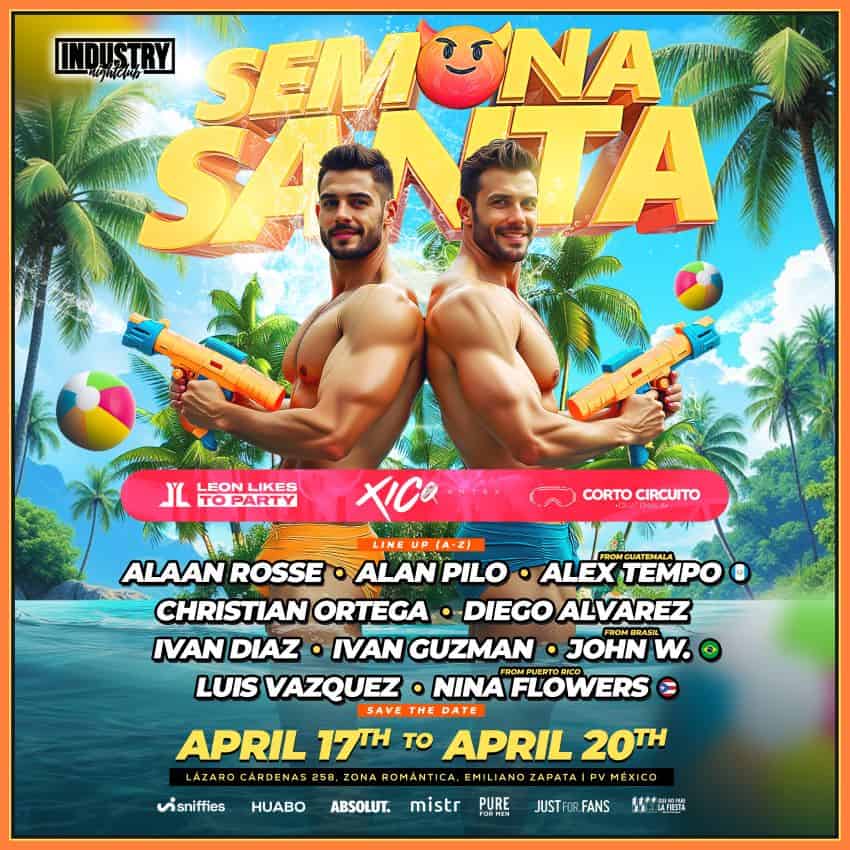
Easter, but make it techno. Industry Club’s Semana Santa party is bringing a lineup of DJs and deliciously debauched dancing to Vallarta just in time for the holiday. DJs include Alana Rosse, Alex Tempo, Christian Ortega, Diego Alvarez, Luis Vazquez and many more.
Date: April 17-20 Location: Industry Club, Lázaro Cárdenas 258, Zona Romántica Cost: From 1300 pesos
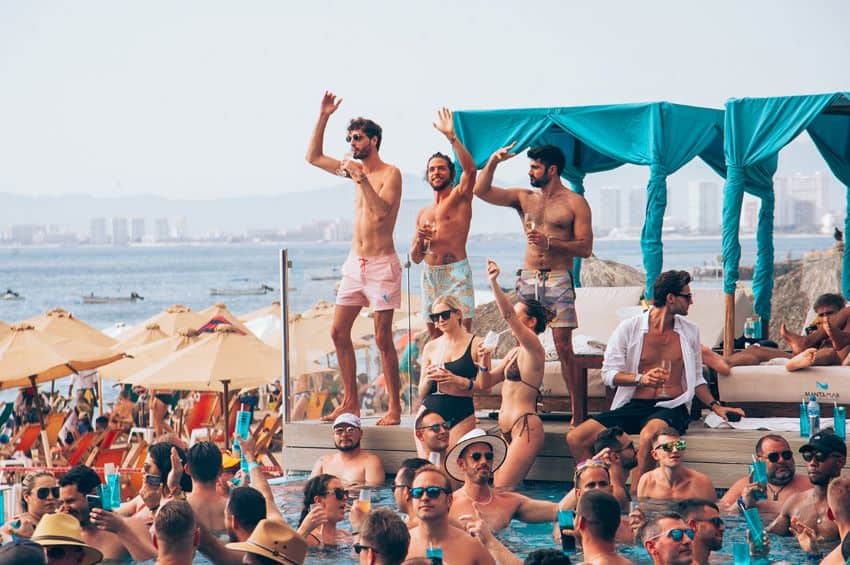
Easter pool parties at Mantamar
(Mantamar)
Easter weekend at Mantamar is not for the faint of heart— or the easily sunburned. Four days of poolside bangers, international DJs and swimwear that leaves very little to the imagination? Coming right up.
April 17: Oscar Velázquez (Mexico)
April 18: Tony Moran (U.S.)
April 19: Alex Acosta (Mexico)
April 20: Diego Alvarez (Mexico)
Arrive early, hydrate often and don’t forget your best poolside strut.
Date: April 17-20 Location: Mantamar Beach Club, Malecón 169, Zona Romántica Cost: From 800 pesos
Rico Atardeset Puerto Vallarta
Guadalajara’s beloved sunset party, Rico Atardeset, is making its PV debut. Expect a sundown session with top DJs, a stylish crowd and a dance floor that doesn’t quit. It’s usually a Sunday thing in GDL, but it’s bringing a Saturday session to Puerto Vallarta.
Date: April 19 Location: Paseo de Los Corales 129, Conchas Chinas Cost: From 324 pesos
Selvamania
(Facebook)
Live music, tasty eats and artisan vibes: Selvamania is part night market, part beach party. Expect live bands, food and craft vendors and those epic Bay of Banderas and Sierra Madre views.
Date: April 19 Location: Estadio Municipal Puerto Vallarta, Av. Francisco Medina Ascencio s/n, Lázaro Cárdenas Cost: Free to attend
Vidanta Concert Series
(Vidanta)
Colombian pop phenoms Morat will take the stage at the luxurious Vidanta resort as part of their 2025 concert series — their first-ever performance here. If tearjerkers in Spanish and swoon-worthy harmonies are your thing, bring tissues. And dancing shoes.
Date: April 24 Location: VidantaWorld Esplanade Cost: From 1800 pesos
Vallarta SBK Dance Festival
(Vallarta SBK)
Four days. Endless dancing. Zero regrets. The Vallarta SBK Dance Festival is where the sensual world of salsa, bachata, kizomba and zouk takes over PV. Think world-class workshops, beach parties, pool parties and enough body rolls to put “Dirty Dancing” to shame.
Catch performances by Mexican salsero Jimmy Rodriguez and World Salsa Champion Dioney DaSilva, or just show up to move and make a few friends on the dance floor.
Date: April 24-27 Location: Hotel Friendly Vallarta Cost: From 1800 pesos
Meagan Drillinger is a New York native who has spent the past 15 years traveling around and writing about Mexico. While she’s on the road for assignments most of the time, Puerto Vallarta is her home base. Follow her travels on Instagram at @drillinjourneys or through her blog at drillinjourneys.com
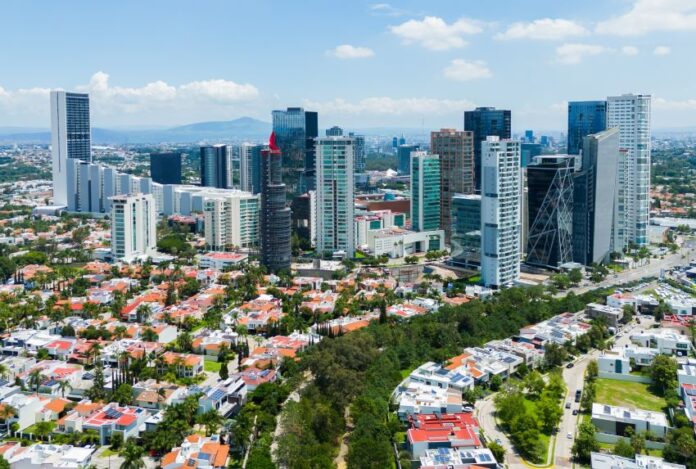
April brings concerts and festivals to Guadalajara and Lake Chapala. (Shutterstock)
April in Guadalajara and Chapala is loaded with musical events. From rock concerts to Mexican regional music shows and a beer festival featuring local bands, April promises an exciting agenda for music lovers. But there’s more than just concerts. This month, Guadalajara will host Mexico’s largest technology event, as well as two events that celebrate Japanese and anime culture.
Let’s dive in to see the exciting events that await you in Guadalajara and around Lake Chapala this April.
Bar Américas in the Colonia Americana — named the world’s coolest neighborhood by Time Out magazine in 2022 — will host English musician John Digweed on April 3. Digweed’s sound is almost exclusively electronic, combining various styles of club, dance progressive house and trance. He has frequently ranked as one of the world’s greatest DJs by a variety of publications, including Resident Advisor and DJ Mag.
Date: April 3 at 11 p.m. Location: Bar Américas, Av. Chapultepec Sur 507, Col. Americana. Cost:400 pesos
Garbage at Teatro Estudio Cavaret
Fancy a rock concert? Then you can’t miss the chance to see Garbage, one of the legendary bands of alternative rock. The group, made up of Shirley Manson, Butch Vig, Duke Erikson and Steve Marker, has been around since the 1990s, with a musical approach that fuses rock, electronica and alternative pop. Expect to hear hits like “Only Happy When It Rains,” “Stupid Girl” and “I Think I’m Paranoid.”
Date: April 4 Location: Teatro Estudio Cavaret, Ave. Parres Arias y Periferico Nucleo Calle 2, Industrial los Belenes, Zapopan Cost: Starting at 950 pesos
Otaku Fest, a festival that celebrates anime, manga, K-pop and Japanese culture, is back in Guadalajara. The event will see everything from screenings to exhibitions, video game tournaments, professional K-pop tournaments and lookalike contests. It will also host two special guests: Gerardo Reyero and Alan Velázquez, who have provided voices for various anime characters, including western characters like Hellboy and Han Solo.
Date: April 4 and 5 Location: Salón La Cúpula, Silvestre Revueltas 1080, Col. Centro, Guadalajara Cost:Starting at 120 pesos
“Howl’s Moving Castle” symphony concert
Fans of animation will be excited to know that Studio Ghibli’s 2004 classic “Howl’s Moving Castle” will be screened with a live orchestra in Guadalajara. With music composed by Joe Hisaishi and performed live by an orchestra, Hayao Miyazaki’s film promises an enchanting experience for kids and adults alike.
Date: April 5 Location: Teatro Diana, Av. 16 de Septiembre 710, Mexicaltzingo, Guadalajara Cost: Starting at 550 pesos
Calling all brew lovers: the Guadalajara Beer Festival is back for its fifth edition. This year, the event will feature 50 craft breweries from across Mexico presenting over 200 labels and pairings. A gastronomic area will see food stalls from different restaurants, offering everything from burgers to traditionalesquites. Three stages will see live performances by local bands, as well as stand-up comedians.
Date: April 5 from 1 to 11 p.m., April 6 from 12 to 9 p.m. Location: Parque Ávila Camacho, Av. Manuel Ávila Camacho S/N, Lomas del Country, Guadalajara Cost: Starting at 320 pesos
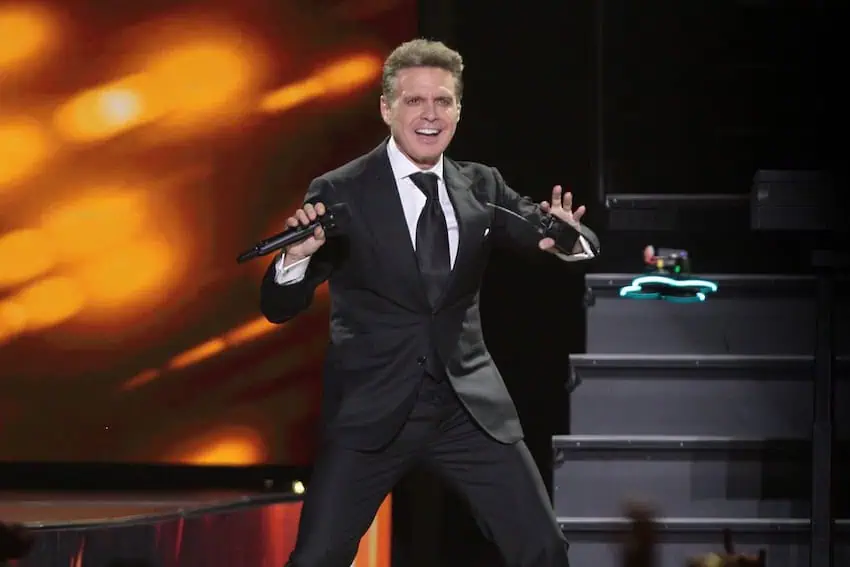
Tribute to Luis Miguel
(Especial/Cuartoscuro)
The world-famous Candlelight concert musicians will perform classical versions of songs made famous by Luis Miguel, one of Mexico’s best-known stars around the world. With an ensemble made up of violins, viola and cello. From romantic ballads like “La Incondicional,” and “Hasta Que Me Olvides,” to pop singles like “Cuando Calienta El Sol” and “Ahora Te Puedes Marchar,” attendees will enjoy an hour of music by candlelight.
Date: April 18 at 9 p.m. Location: Consuelo Velazquez Room – PALCCO, Av. Central Guillermo Gonzalez Camarena 375, Col. Poniente, Guadalajara Cost: Starting at 349 pesos
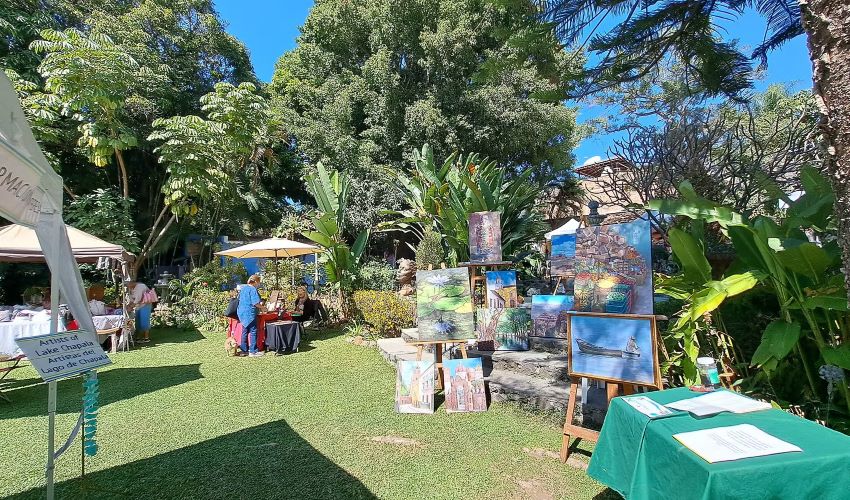
Go to an art market on the Chapala Riviera
(Artists of Lake Chapala)
Organized by Artists of Lake Chapala, the Art Market takes place on select Saturdays in a picturesque setting on the Chapala Ribera. In April, the market highlights the work of Ricardo Sánchez Corona, known for his watercolor technique that captures the essence of Mexico. The art market draws everyone from art collectors to enthusiasts, and this month’s edition will be the last until September of this year.
Date: April 19, 10 a.m. to 3 p.m. Location: Garden of Dreams Boutique Hotel, Constitución 105, Ajijic. Cost: Free
Mexico’s largest technology and innovation event
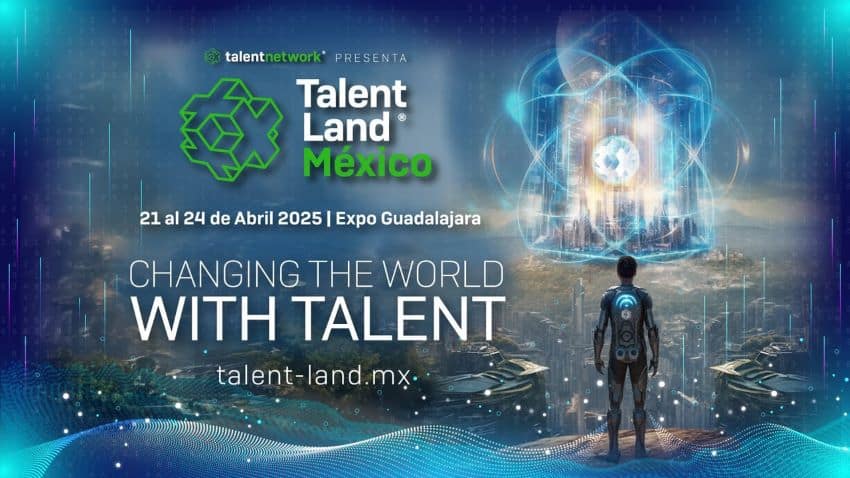
Talent Land, an event that brings together leaders in technology, creativity and entrepreneurship, is back in Guadalajara for its eighth edition. This year, the event will open its doors to a higher age group — primarily millennials between 28 and 40 years old — who need to update their skills. Keynote speakers include technology entrepreneur Oso Trava, Shark Tank’s Mexico Investor Marcus Dantus and founder of MoureDev Brais Moure, among others.
Date: April 21-24 Location: Expo Guadalajara. Av. Mariano Otero #1499 Col. Verde Valle, Guadalajara. Cost: Available tickets start at 7,890 pesos
Grupo Intocable at Arena Guadalajara
The iconic norteño musical group Grupo Intocable will perform live in Guadalajara as part of their 30th anniversary tour. The Texas-based Grammy and Latin Grammy Award-winning group fuses norteño sounds with rock, pop, polka, cumbia and folk. Performing hits like “¿Y todo para qué?”, “Fuerte No soy” and “Eres mi droga,” this concert promises to deliver an authentic regional Mexican music experience.
Date: April 26 at 9 p.m. Location: Arena Guadalajara. Periférico. Nte. Ricardo Flores Magón Ote. 401, El Verde, Guadalajara Cost: Starting at 690 pesos
Retreat Day in Ajijic
(Mar de Jade)
If you’re looking to unwind and relax, the Limitless in Power & in Peace retreat awaits you in Ajijic. Through meditation and inquiry practices, Miranda Macpherson promises a “journey into a new depth of peace and spiritual potency.” As an interfaith minister, spiritual teacher and author, Macpherson will teach attendees to live beyond the “constraints of ego agitation.”
Date: April 11 and 12 Location: Namaste Village, Angel Flores 5, Ajijic Cost: 1,000 pesos cash at the door.
Gabriela Solis is a Mexican lawyer turned full-time writer. She was born and raised in Guadalajara and covers business, culture, lifestyle and travel for Mexico News Daily. You can follow her lifestyle blog, Dunas y Palmeras.
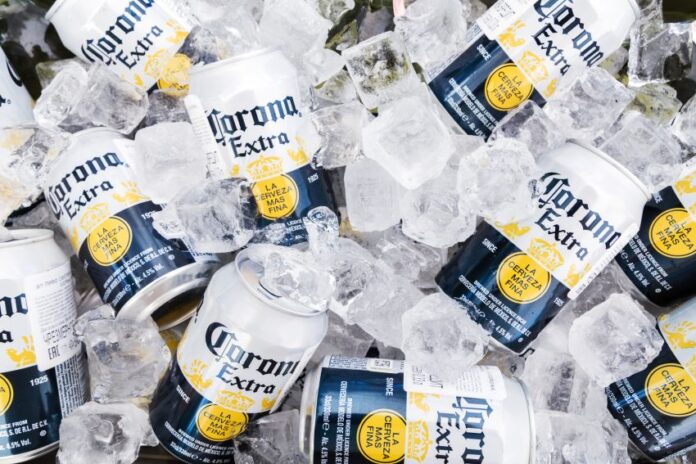
Want to avoid a tariff price bump on your Mexican-made Coronas? You'll need to buy it in a bottle. (Yuliya Yesina/Shutterstock)
United States President Donald Trump didn’t announce any “reciprocal tariffs” on imports from Mexico on Wednesday, but a 25% tariff on Mexican canned beer is set to take effect on Friday.
During a speech in the Rose Garden of the White House, Trump presented a chart outlining “reciprocal tariffs” on imports from a long list of countries, but Mexico wasn’t among them.
President Trump announces a minimum 10% tariff on all countries plus additional country-specific rates. pic.twitter.com/jM5272SSCm
In a fact sheet explaining the “reciprocal tariff” executive order the U.S. president signed on Wednesday, the White House said that Mexico and Canada are “unaffected by this order.”
“This means USMCA-compliant goods will continue to see a 0% tariff, non-USMCA compliant goods will see a 25% tariff, and non-USMCA-compliant energy and potash will see a 10% tariff,” the White House said.
“In the event the existing fentanyl/migration IEEPA [International Emergency Economic Powers Act] orders are terminated, USMCA-compliant goods would continue to receive preferential treatment, while non-USMCA-compliant goods would be subject to a 12% reciprocal tariff,” the fact sheet said.
On March 6, Trump announced that imports from Mexico covered by the USMCA free trade pact would not be subject to U.S. tariffs until at least early April. He had imposed a 25% tariff on all imports from Mexico and Canada two days earlier due to what the White House said was the two countries’ failure to take adequate action against “the influx of lethal drugs” to the U.S.
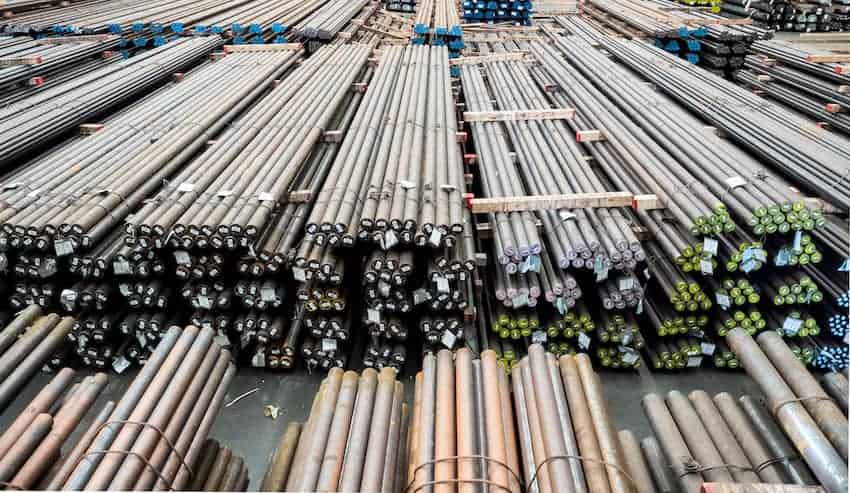
While the tariff-free trade of USMCA-compliant goods continues for now, 25% tariffs on Mexican steel and aluminum, and hundreds of products made with those metals, remain in effect. Those tariffs also applies to the steel and aluminum the United States imports from all other countries.
The U.S. tariff on Mexican steel and aluminum remains in effect, with a slight expansion to include beer cans made with Mexican aluminum — and the Mexican beer contained within. (Shutterstock)
Mexico is the largest exporter of beer to the United States, sending suds worth US $6.3 billion to its northern neighbor last year, according to U.S. Census Bureau data cited by Reuters. The 25% tariff — scheduled to take effect this Friday — could make Mexican beer less competitive in the United States market, where Modelo Especial is the best-selling beer.
Auto tariffs to take effect on Thursday
In his “liberation day” address, Trump confirmed that the auto tariffs he announced last week would take effect on Thursday.
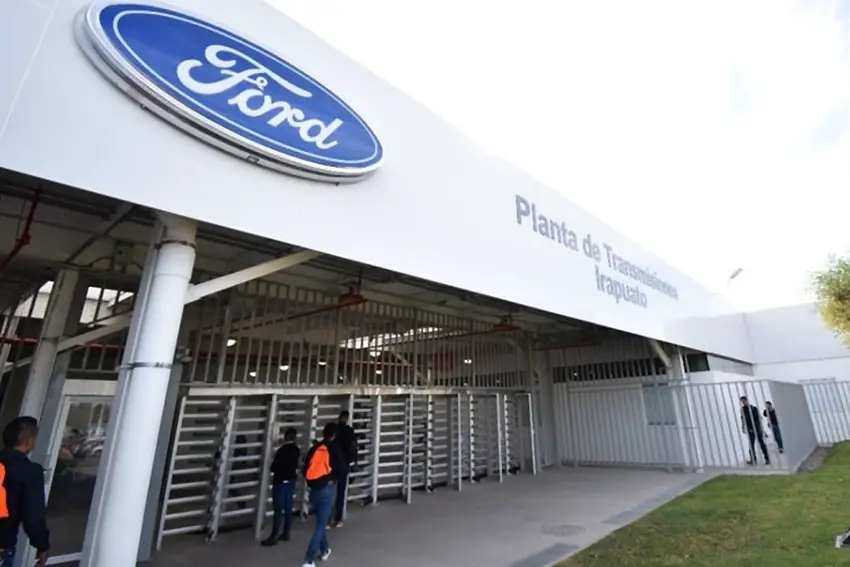
However, U.S. content in vehicles assembled in Mexico will be exempt from the duty, lowering the effective tariff on vehicles made in Mexico.
Guillermo Rosales, president of the Mexican Association of Automotive Distributors, said that a vehicle made in Mexico for export to the United States has, on average, 40% U.S. content. The effective tariff on a vehicle assembled in Mexico with 40% U.S. content would be 15%.
The United States’ 25% tariff also applies to certain imports of auto parts, but the White House said last week that “USMCA-compliant automobile parts will remain tariff-free until the Secretary of Commerce, in consultation with U.S. Customs and Border Protection (CBP), establishes a process to apply tariffs to their non-U.S. content.”
It was unclear how soon that process would be established.
Although most USMCA-compliant products made in Mexico remain mostly tariff-free as of Wednesday’s announcements by the Trump administration, U.S. vehicles made in Mexico will, as expected, be subject to a tariff on their non-U.S. content. (X)
3 takeaways for Mexico from the US government’s Wednesday announcements
The White House fact sheet indicates that if the Mexican government can satisfy the Trump administration that it is taking sufficient action to stem the flow of migrants and fentanyl to the United States, tariffs on non-USMCA-compliant imports from Mexico could be cut by 13 percentage points to 12%. For that to occur, Trump would have to terminate the IEEPA orders that currently apply to Mexican goods.
President Claudia Sheinbaum was right. On numerous occasions, she expressed confidence that Mexico would avoid the imposition of reciprocal tariffs on its exports to the United States as Mexico doesn’t charge tariffs on most imports from the U.S.
The USMCA still means something. While Trump has imposed tariffs on some imports from Mexico and Canada, the three-way trade pact is still protecting the United States’ neighbors to a certain extent.
“The program we’re going to present tomorrow is not just related to the tariffs that the United States could impose. It’s a comprehensive program to strengthen the Mexican economy,” she said.
Mexico could announce tariffs on certain imports from the United States in retaliation for the duties imposed on Mexican goods, although Sheinbaum has said her government won’t take an “eye for an eye” approach. Mexico could target certain products such as U.S. pork and bourbon, as it did in 2018 when Trump imposed tariffs on Mexican steel and aluminum.
The Sheinbaum administration could also impose new or additional tariffs on products from other countries, such as China and other Asian nations, as it seeks to protect and strengthen Mexican industry.
The president on Wednesday noted that Mexico imports “a lot of vehicles, particularly from Asia” and described that situation as a “problem.”
She said that her government is seeking to bolster domestic vehicle production so that the majority of vehicles purchased in Mexico are made in Mexico.
Rather than spend her Wednesday morning press conference posturing on what appeared to be impending U.S. tariffs on Mexico, President Claudia Sheinbaum implied that her plan for weathering tariffs focused on upping Mexico’s domestic production. (Mario Jasso/Cuartoscuro)
Sheinbaum indicated in February that additional tariffs on imports from China were a possibility. If the Mexican government were to impose additional tariffs on Chinese products, such as vehicles, it could go some way to appeasing Trump, who has accused Mexico of being a transshipment hub from Chinese goods destined for the U.S.
A placated Trump could consider giving Mexico some relief from the tariffs that some of its goods currently face when exported to the United States.
The peso gets a boost
The Mexican peso depreciated to around 20.50 to the US dollar before Trump’s “reciprocal tariffs” address at 2 p.m. Mexico City time but strengthened later in the day.
The USD:MXN rate was 20.23 at 7:15 p.m. Mexico City time.
“The peso appreciated because Trump didn’t announce tariffs for Mexico,” Gabriela Siller, director of economic analysis at Banco Base, said on X shortly after 3 p.m. when the peso was trading at just above 20.20 to the dollar.
She said that the “high tariffs” the United States is set to impose on goods from other countries and the exemption of duties on goods shipped to the U.S. under the USMCA “provide Mexico an opportunity to increase its market participation” in the U.S.
While 25% tariffs currently apply to the non-USMCA compliant goods the United States imports from Mexico, Economy Minister Marcelo Ebrard said last month that most companies in Mexico that ship products to the U.S. would be able to “easily or without major difficulty” comply with the rules of the North America free trade pact and thus avoid tariffs.
“My fellow Americans, this is liberation day,” Trump said at the beginning of his 48-minute speech in the Rose Garden.
He said that “reciprocal tariffs” would take effect at midnight Thursday, but promptly noted they wouldn’t be “full reciprocal.”
According to the chart Trump presented, “reciprocal tariffs” based on “tariffs charged to the U.S.A., including currency manipulation and trade barriers” will apply to 50 countries, including the European Union. The U.S. tariffs will apply to imports at roughly half the rate at which the exporting countries tax U.S. imports, according to the chart.
While the U.S. government isn’t imposing reciprocal tariffs on imports from Mexico, Trump took aim at Mexico during his address due to the large trade surplus it runs with the United States.
During his speech, Trump also railed against NAFTA, the North American trade pact superseded by the USMCA in 2020, describing it as the “worst trade deal by far” and asserting that it caused the loss of 90,000 factories and 5 million manufacturing jobs in the United States.
He said that the implementation of reciprocal tariffs is “our declaration of economic independence” and that “jobs and factories will come roaring back into our country.”
By Mexico News Daily chief staff writer Peter Davies (peter.davies@mexiconewsdaily.com)
Gabriela Ramos, economist and diplomat, would bring to UNESCO a strong background in combating economic inequality and racism. (Gabriela Ramos/X)
Gabriela Ramos Patiño, a distinguished Mexican economist and diplomat, has emerged as one of three finalists to become the director-general of UNESCO after Audrey Azoulay’s second term expires in December.
Ramos, a native of Michoacán, is in a position to become just the third woman in history to head UNESCO as director-general. (X)
Responding to a 2024 request for nominations, Mexico put forward Ramos, a native of Michoacán who will turn 61 next Tuesday.
This week, a news report citing UNESCO sources revealed her to be a finalist alongside Egypt’s Khaled Ahmed El-Enany Ali Ezz, 54, a former minister of tourism and antiquities, and Firmin Edouard Matoko, 68, of the Republic of Congo, a longtime UNESCO officer.
After a campaign period that begins this month, UNESCO’s 58-member executive board — elected by member states every four years — will vote by secret ballot in October, with the winner to be announced in November. The new head will serve a four-year term with the possibility of one renewal.
Since 1945, there have been 10 UNESCO heads, including one Mexican: Jaime Torres Bodet, a Mexico City native who served as the agency’s second director-general from 1948 to 1952.
Azoulay, the current director-general, began her first term in 2018 and was re-elected in 2021. The 52-year-old Frenchwoman, who served as her country’s minister of culture in 2016 and 2017, is the second female leader of UNESCO.
She holds a degree in International Relations from Universidad Iberoamericana and a master’s degree in Public Policy from Harvard University’s John F. Kennedy School of Government.
Gabriela Ramos, UNESCO Asst. Dir. Gen. | World Art Day Forum 2023 | GlobalPeaceEducation.com
Due to her strong academic showing, she was invited to join Mexico’s Foreign Affairs Ministry in 1988.
From there, she transitioned to international roles, including director of the Mexico City office for the Organization for Economic Cooperation and Development (OECD). It serves as a regional hub for Latin America and the Caribbean.
She then became director-general at OECD headquarters in Paris, and since 2020 has been UNESCO’s assistant director-general for social and human sciences, overseeing critical initiatives aimed at fostering inclusive societies.
Her portfolio includes addressing economic inequality, promoting gender equality, combating racism and advancing the ethics of emerging technologies such as artificial intelligence.
Ramos’ candidacy comes at a pivotal moment for UNESCO, which is facing what she called an “era of conflict and polarization.”
Ramos was named one of the 100 most powerful women in the world by Forbes in 2017. (Mario Jasso/Cuartoscuro)
She has advocated for a “stronger, more inclusive and more innovative” organization to restore trust in multilateralism.
“Solidarity is also waning, and development cooperation is suffering,” Ramos said. “We are not on track to meet international commitments made in the past, with disastrous consequences for people and the planet.”
“We are failing to close the inequality gaps that are eroding our societies and democracies.”
Her vision aligns with her extensive experience at the OECD, where she led initiatives on inclusive growth, climate change and gender equity.
Among her achievements are reforms to tax systems through the G20, the establishment of gender quotas to reduce labor disparities and the creation of the W20 platform (as part of the G20) for women’s empowerment.
She has received numerous accolades for her work on gender equality and social inclusion, including France’s Order of Merit.
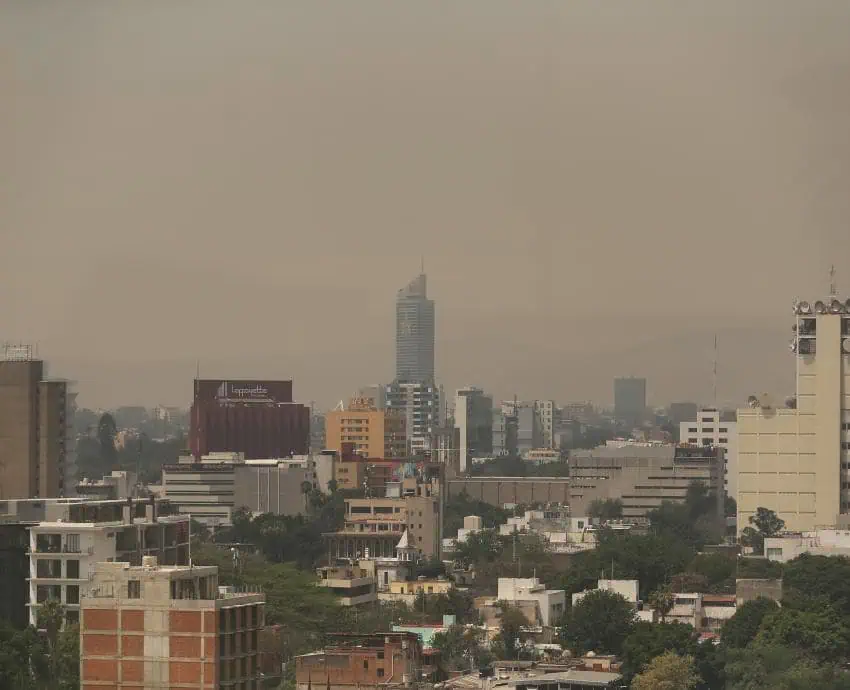
Mexico City entered its fourth environmental contingency of 2025 this week, during which some cars are restricted from driving to bring down air pollution levels. (Galo Cañas/Cuartoscuro)
As Mexico City entered its fourth environmental contingency alert of 2025, the city’s Mayor Clara Brugada signed a public-private agreement to reduce the city’s air pollution.
The document, Agreement For a Low-Emission City, outlines a collaboration between the city and the private sector to reduce emissions.
La #CapitalDeLaTransformación da un paso histórico con el Acuerdo por una Ciudad Baja en Emisiones, un compromiso entre los sectores público, privado y ciudadanía para reducir la contaminación y enfrentar la crisis climática. Con la participación de todas y todos construiremos… pic.twitter.com/Ft96XH5nO9
— Clara Brugada Molina (@ClaraBrugadaM) April 2, 2025
Brugada, CDMX Tourism Minister Alejandra Frausto and Mexican business leaders signed the agreement Tuesday.
“This agreement addresses one of the most important tasks we face: reducing, mitigating and addressing climate change,” Brugada said.
Brugada said Mexico City contributes 4% of the country’s gas emissions. Without measures to reduce them, this figure could triple by the middle of the century, she said.
The agreement seeks to transform Mexico City into a cleaner, healthier city with lower emissions through six key actions.
Developing integrated and sustainable mobility options, including promoting bicycle usage.
Building homes with solar panels.
Reducing by half the 13,000 tons of waste generated in the capital daily.
Enhancing the city’s sustainable water management, including water recycling, recovering bodies of water and rehabilitating dams.
Revegetation of the countryside and the city.
Implementation of a green tax aimed at reducing emissions and promoting sustainable technologies.
Brugada’s government will also launch a call for citizen proposals to move forward in environmental matters.
Although Guadalajara’s metropolitan zone has only a quarter of the population of Mexico City, it has, at times, surpassed the nation’s capital in air pollution levels. (University of Guadalajara)
Developing a federal emissions database for Mexico’s high-pollution cities
President Claudia Sheinbaum said that the federal Environment and Natural Resources Ministry (Semarnat) and the National Autonomous University of Mexico (UNAM) are researching the metropolitan areas of the Valley of Mexico, Guadalajara and Monterrey due to high pollution levels there.
The research teams, Sheinbaum explained, are focusing on creating an emissions inventory to measure pollution levels and identify responsible parties.
Air quality awareness in schools
Mexico City’s Environment Ministry (Sedema) has launched the Air Quality School Banners program to help children recognize the ozone season’s effects on their health and learn how to protect themselves from it.
During ozone season, ozone concentrations are at their highest levels due to the lack of wind, low humidity levels, and intense radiation. In Mexico City, this happens between February and June.
The School Banners program educates children on Mexico City’s Air Quality Index, including the meaning of the flag colors associated with the initiative. The flags can be one of five different colors, each corresponding to the day’s air quality.
The flags are raised daily and remain in place depending on air quality in the school’s area.
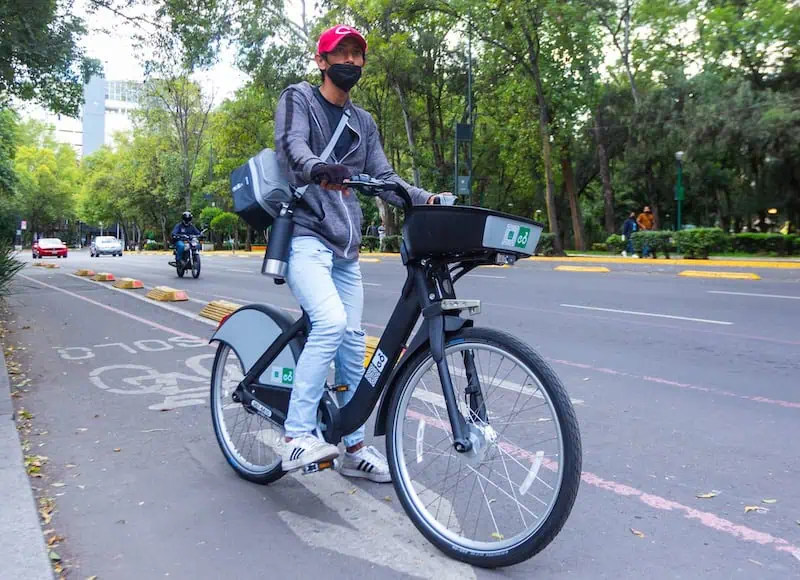
Besides broken seats, faulty brakes and other mechanical problems, Ecobici users are increasingly complaining about a lack of bicycles available for use when needed. (Denisse Hernández/Cuartoscuro)
The company in charge of operating Mexico City’s public bicycle network — Ecobici — has been fined due to a reported lack of maintenance of the bicycles, Mayor Clara Brugada announced at a March 25 press conference.
In recent months, Ecobici users have reported issues with the city bikes, including broken seats, loose chains, flat tires and broken brakes and pedals, as well as faults in the app. Some users posted photographs and videos of the broken equipment on social media.
Despite a growing number of complaints about the faulty conditions of the bikes, Mexico City’s Ecobici program remains popular. (Tomás Acosta/Cuartoscuro.com)
Many also criticized the distribution of docking spaces and a shortage of bicycles due to the poor balancing of units during rush hour.
“We will soon announce how Ecobici will be expanded in the city and how we will improve the service,” Brugada said during the press conference. “Calls are already being made to the company responsible for Ecobici so that all citizen complaints are addressed immediately.”
Brugada also said that the company in question had received a fine.
The recent problems have prompted many users to reconsider their membership, according to the news site La Silla Rota.
In announcing plans to improve Ecobici through an expansion program, the mayor did not offer any details on how this would be achieved.
A member of the PAN political party, Daniel Chimal García, in addition to urging the companies managing Ecobici to compensate users who had experienced service problems, criticized Brugada’s expansion plans.
“Despite mechanical issues, out-of-service units and a shortage of bicycles available at stations, this is how Clara Brugada’s administration wants to extend this system, which has not been functional in recent months,” Chimal García said during a March 31 session in Congress.
Chimal García has been vocal in the past about the need to develop more bike lanes, reinforce signage and improve the condition of public spaces.
Do Ecobici bikes receive regular maintenance?
Mexico City’s Ecobici network does receive regular maintenance. In 2024, the city’s Mobility Ministry said that over 300 units a day are serviced at a mega-workshop in the Miguel Hidalgo municipality and suggested that the deterioration of the bikes was due to their “constant and intensive” use.
This means that between 2,100 and 2,450 Ecobici bicycles are repaired each week, equivalent to between 23% and 26% of the 9,300 bicycles currently in service.
However, Ecobici employees have acknowledged that the new black bicycles “last less” than the previous red bikes, which they replaced in 2022, according to La Silla Rota.
Growing numbers of Ecobici users
Despite several challenges, the Ecobici network continues to grow. In 2024, Ecobici recorded over 22 million trips, marking an 83% increase on the previous year and a fourfold rise on 2022.
In the first three months of 2025, more trips were taken on Ecobici than in the whole of 2022, showing how the system has grown in popularity. This is likely owing to the expansion of the network and improvements to Mexico City’s bike lanes.