




A short guide for traveling Baja California
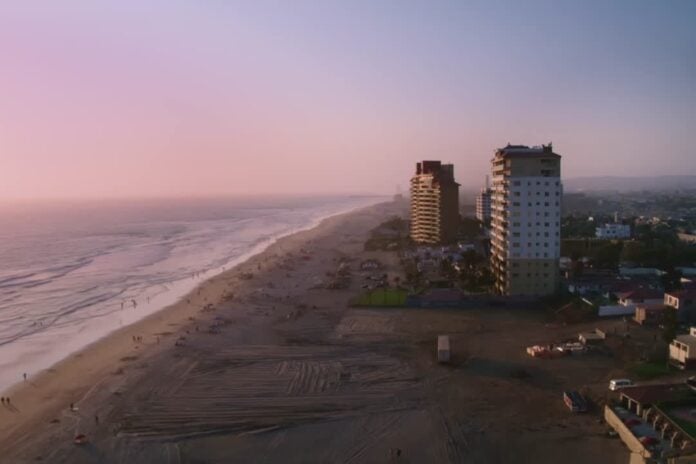
Over 50 million people cross the border between California and Baja California each year. For those heading south, Baja California offers a myriad of things to see and do across multiple locales. So, whether you’re planning a day trip, a weekend jaunt or an extended getaway, here’s an overview of some of the state’s top attractions.
Tijuana Zona Rio Four Corners
You could spend a complete day here enjoying shopping, dining and cultural attractions, and never move your car. Just five minutes from the San Ysidro border crossing, the Zona Río Four Corners are marked by the stylized “M” in the glorieta (roundabout) at the intersection of Tijuana’s Ave. Paseo de los Héroes and Ave. Independencia.
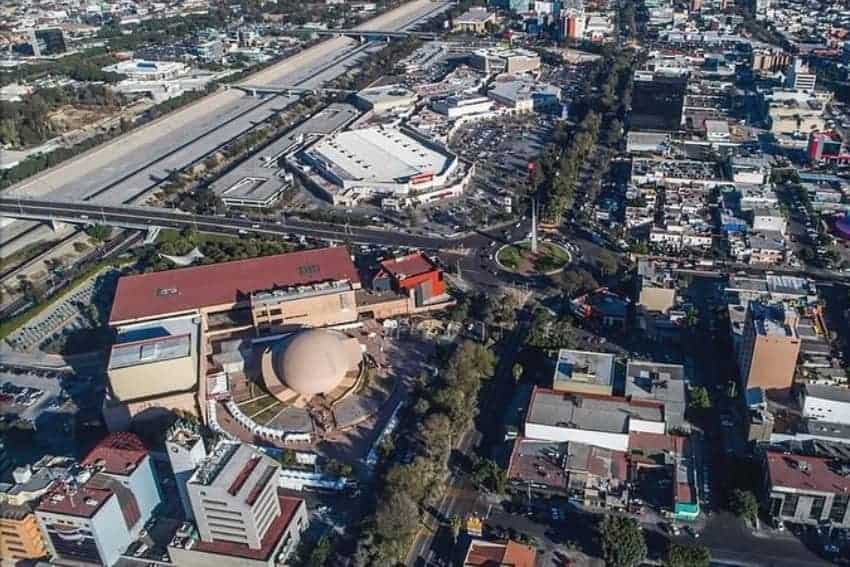
Corner 1
Start with Centro Cultural Tijuana (CECUT), the most important museum and entertainment complex in Tijuana. With scores of exhibits, CECUT’s Museum of the Californias traces the history of Baja California from prehistoric times until the 1970s. The IMAX Dome theatre shows the best widescreen films from all over the world, and CECUT’s Cineteca Tijuana screens some of the most important international films. The CECUT theatre is the home of the Orchestra of Baja California as well as opera, dance, plays and musical theatre. El Cubo, the fine arts museum, rotates collections from throughout Mexico and the world.
Corner 2
The Mercado Hidalgo, just two blocks from CECUT, is Tijuana’s grand central market. On the way, you pass our region’s fanciest car wash where your ride can be cleaned, polished and detailed — all indoors — while you shop.
Stroll through the stalls overflowing with fresh fruits and vegetables, some of which are rarely seen north of the border. Stop in the market’s stores to shop for kitchen supplies. Dine with the locals at inexpensive restaurants. Buy cheese, nuts and chiles, or a piñata for your next party. Just note that most produce and meats cannot enter the U.S. If you have a question about what you can take home, check the U.S. Customs and Border Protection website.
Corner 3
Plaza Fiesta is a mix of ethnic restaurants, craft breweries and the Plaza del Zapato, a building with nothing but shoe stores. In the next block along the Paseo de los Héroes is La Playa, Tijuana’s best-stocked liquor store. If you are looking for the best selection of tequilas and mezcals, you have found the right place.
Corner 4
Plaza Rio Mall occupies several blocks of shopping temptations. These include the Soriana Hiper Supermarket, one of the city’s largest, Sears (billionaire Carlos Slim owns the Mexican version of the iconic department store), a Gusher super-pharmacy and two movie houses. Catch a film at the Cinepolis or Cinepolis VIP for a fraction of the cost of similar luxury cinema north of the border. The latest American films will be playing in English with Spanish subtitles. Several dozen high-end stores and restaurants complete the offerings.

Tijuana Gastronomy
No North American city has gotten more attention from “foodies” than Tijuana in the past decade. Excellent Italian, Vietnamese, Japanese, Spanish, Korean and Thai restaurants are well represented in the city. However, the Baja California home-grown Baja-Med cuisine is what has taken dining critics from New York to London by storm. Much of this transformation has been led by the Plascencia family, which operates Casa Plascencia, Villa Saverios, Caesar’s, Misión 19 and the original family restaurant chain, Guiseppi’s.
Tecate
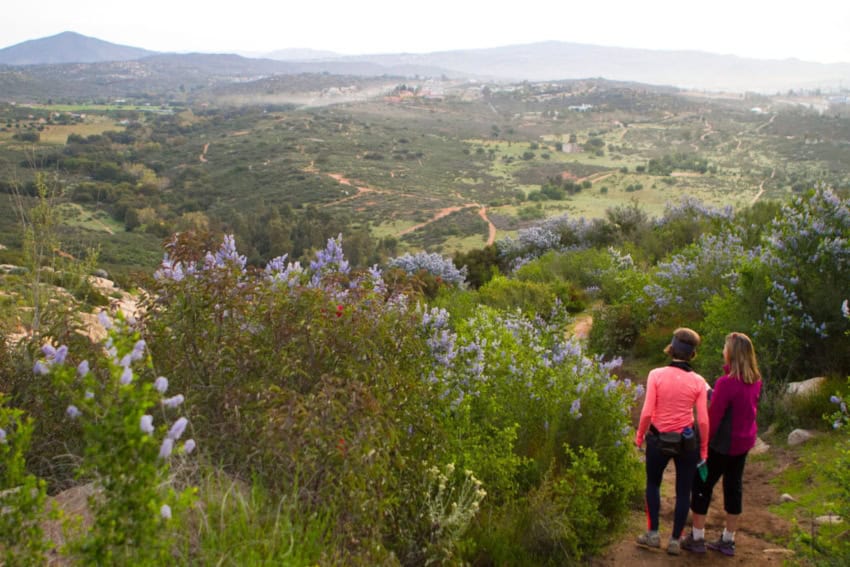
Tecate is Tijuana’s quieter eastern neighbor. It is the home of that city’s namesake brewery and tours of the Cerveceria Tecate are available to the public. Quality dining is available at several places in Tecate, including El Lugar de Nos, Amores, Vinoteca and Asao, which is located in the beautiful Hotel Santuario Diegueño. Another hotel favorite is the Hotel Kumiai.
The crown jewel of Tecate is Rancho La Puerta, one of the world’s finest health and fitness spas. Founded in 1940, Rancho La Puerta is the perfect place to escape from the stress and distractions of modern life with energetic fitness options, organic cuisine and a variety of massages, all in a tranquil setting in the shadow of Baja California’s mystical Mt. Kuchumaa. Most guests book a full week, but three- and four-night stays are also available.
Valle de Guadalupe
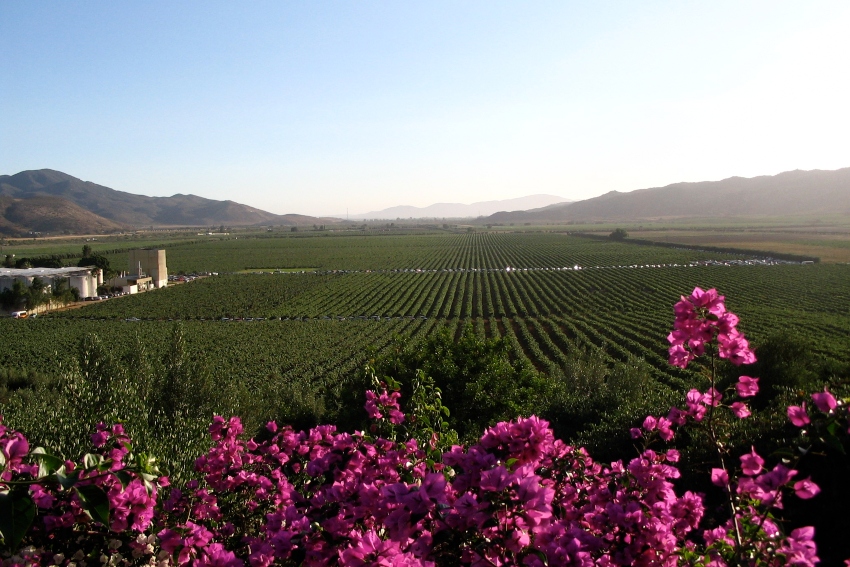
Mexico’s premier wine country runs along Mexico Highway 3 from Ensenada to Tecate, centered on the village of Francisco Zarco. More than 70% of Mexico’s wines are produced here. Often compared to Napa Valley 30 years ago, the Guadalupe Valley is an easy day trip from San Diego.
Wineries of note include LA Cetto, the best-known and largest, and the excellent Monte Xanic, Casa de Piedra and Chateau Camou, whose beautiful tasting rooms offer spectacular views over the valley. The Bibayoff vineyard harkens back to the valley’s many early 20th-century Russian settlements. Most vineyards line Mexico 3, and it’s easy to turn off and visit several in the same day.
Dining options should include Plascencia’s Finca Altozano, Laja, Deckman’s en el Mogar, La Esparanza and Corazón de Tierra.
Rosarito Beach
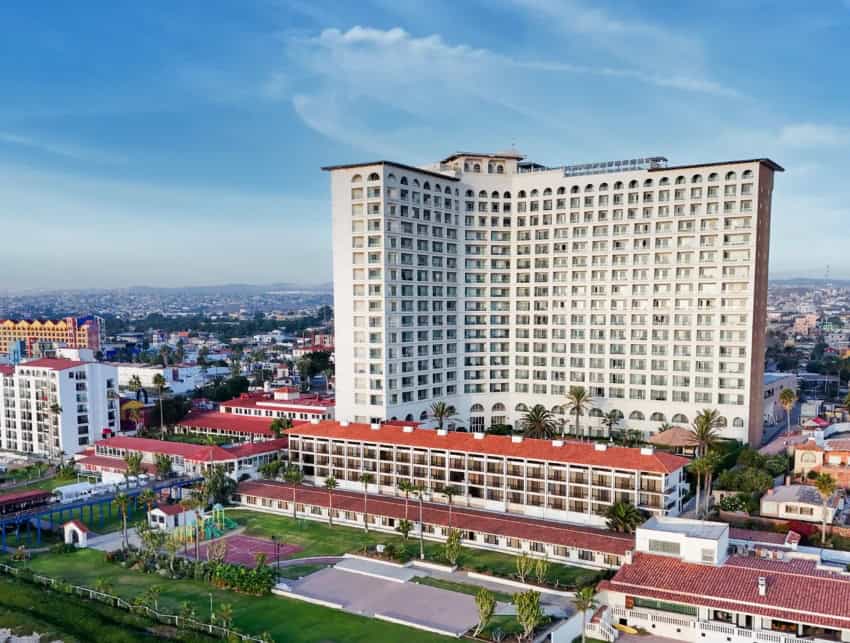
Tijuana’s southern neighbor, Rosarito, offers one of the best beaches on the coast, anchored by the historic Rosarito Beach Hotel and Spa. The hotel first opened its doors in 1924, and has attracted millions of visitors, including movie stars, presidents and international royalty.
Most of Rosarito Beach’s attractions are located along Benito Juárez Boulevard from the shopping mall in the north to the Arts District in the south. Good restaurants on the strip include El Nido for steaks, La Flor de Michoacán for carnitas.
Further south on Mexico Highway 1 and just past the Baja Film Studios are three Rosarito villages. First is Popotla with its waterfront seafood restaurants serving the catch of the day. Then there is Calafia, where facades of California missions are recreated and the Calafia restaurant offers spectacular coastal views.
Puerto Nuevo and its lobster
View this post on Instagram
Just past Calafia is Puerto Nuevo, famed for its lobster restaurants. The fancier restaurants are by the ocean, but any Mexican will tell you the best one is the simple Puerto Nuevo #1, serving only the iconic lobster with rice and beans. Puerto Nuevo #1 is on the left at the first cross street after entering the village and is noted by the lines of eager diners waiting out front for a luncheon table.
A little further on, the village of La Misión is best known as the place where Mexico 1 turns inland from the toll road toward the Valle de Guadalupe, and the always popular La Fonda hotel and restaurant, with a spectacular beach and ocean view.
Ensenada
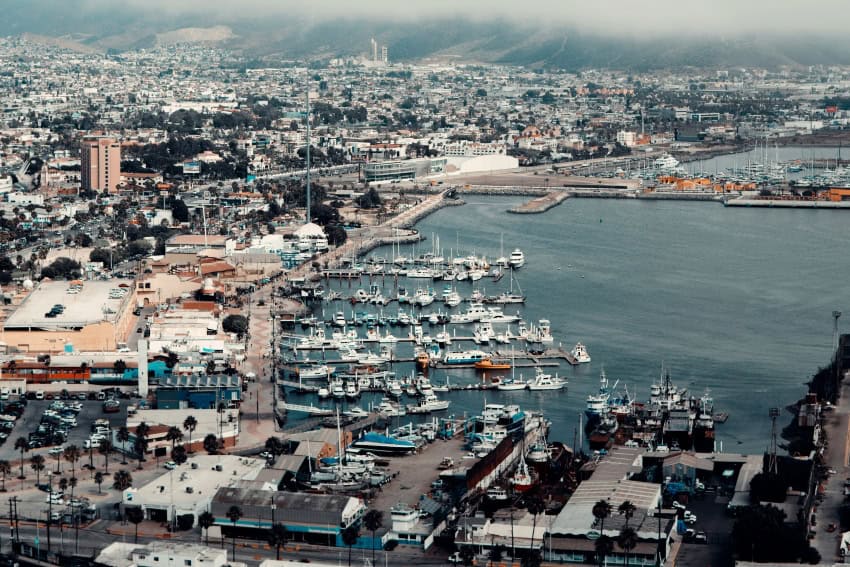
While Ensenada is the closest gateway to the Valle de Guadalupe, it is well worth a visit, too. As Baja California’s largest seaport, Ensenada bustles with cargo liners and cruise ships.
Most cruise passengers head for the shops, restaurants and bars along Ave. Adolfo López Mateos, including El Rey Sol for fine French dining, La Guerrerense for the state’s best tostadas and Hussong’s Cantina, everyone’s favorite bar. Also important is the Caracol Museum and the Riviera Cultural Center, a former casino, with its history museum. To the south is Estero Beach and its famed Estero Beach Hotel, as well as La Bufadora, the largest sea geyser in North America that shoots water 100 feet into the air.
When you go
If you’re driving from the U.S., make sure that your U.S. auto insurance policy covers you. Many policies cover up to 50 miles from the border. However, if you are going to Ensenada or further south, you can buy Mexican insurance via organizations such as the Automobile Club of Southern California and Baja Bound.
Both Mexico and the U.S. require a valid passport to enter or re-enter the country. In addition, Mexico requires that all foreign visitors who are not legal residents have an FMM tourist card. You need to stop at the border and fill out the short visa form. If your stay is seven days or less, there is no charge.
James Clark writes for Mexico News Daily.

Tlaxcala’s magical Puppet Museum reveals Mexico’s rich history
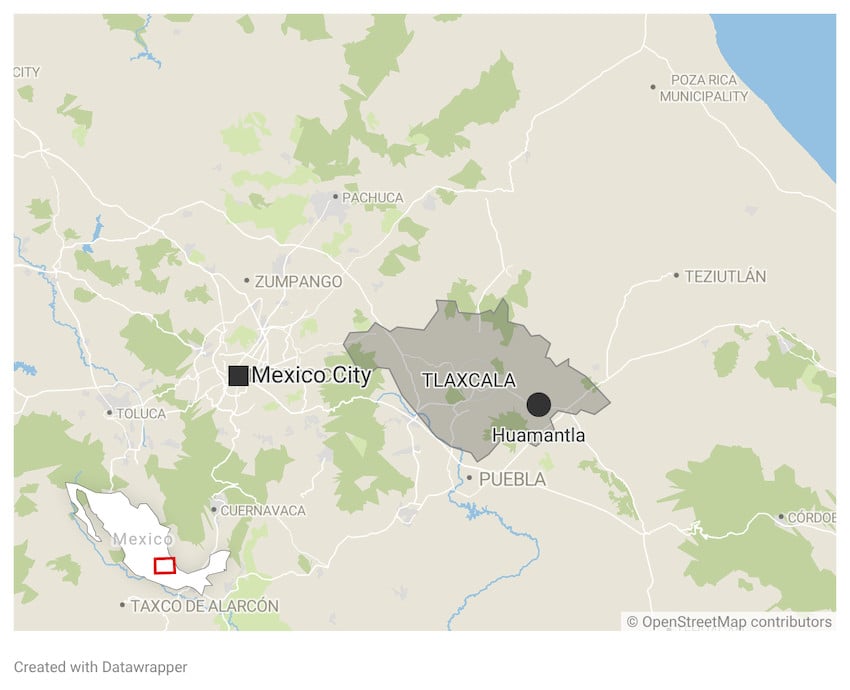
There’s a running joke in Mexico that Tlaxcala — among the least populous states in the nation, bordering the State of Mexico to the east — “no existe.” Or, it doesn’t exist. In 2021, the state’s tourism board cunningly flipped that notion by introducing a new official state motto to humorous fanfare: “Tlaxacala si existe.” That is, Tlaxcala does, in fact, exist on the map and as a travel destination.
Yet, despite the state’s historic capital being less than two hours away from the heart of Mexico City and under one hour from Puebla, it still gets overlooked by Mexico’s masses. Due to its miniature size (it’s literally and geographically the smallest state in all of Mexico), Tlaxcala has only two Pueblos Mágicos. But one of them has a few tricks up its sleeve for intrepid travelers: Huamantla.
The travel attractions of Huamantla
Resting at the base of La Malinche — a towering, inactive volcano that dominates central Mexico’s arid landscape as one of the tallest peaks in the country — Huamantla is a relatively quiet and noticeably slow town on most days. Its biggest annual draws are the Feria de Huamantla in August, featuring the famous “La noche que nadie duerme” (“The Night When Nobody Sleeps”), where streets are covered with intricately designed sawdust carpets, and the “Huamantlada,” a bull-running event akin to Veracruz’s weeks-long Xiquenada. If that isn’t enough to fill up your calendar, there’s also the Carrera de Carcachas (Jalopy Car Race) for good measure. Taking place during the same time as the Feria de Huamantla, it features beat-up vehicles that are taken en masse to nearby dirt roads for a chaotic and frenzied rally-style off-road race.
But perhaps most magical, at least for theater aficionados and for families traveling with young ones, is the town’s deep connection to puppetry. Huamantla is home to both the Rosete Aranda International Puppet Festival and Mexico’s National Puppet Museum, the latter of which is located in Parque Juárez, the town’s spacious main square.
The Puppet Festival began in 1983 and showcases an array of local and visiting puppeteers who put on colorfully entertaining shows for all ages. Named after the Rosete Aranda theater company — which was founded in Huamantla by a group of Tlaxcaltecan siblings in 1835, and is credited as being one of Mexico’s forebearers of inventive puppetry — the festival recently celebrated its 40th anniversary. Occurring every year in October for roughly two weeks, last year’s edition included 60 performances delivered by more than 35 domestic and international troupes that travel throughout Tlaxcala during that time to put on shows.
Mexico’s puppetry capital
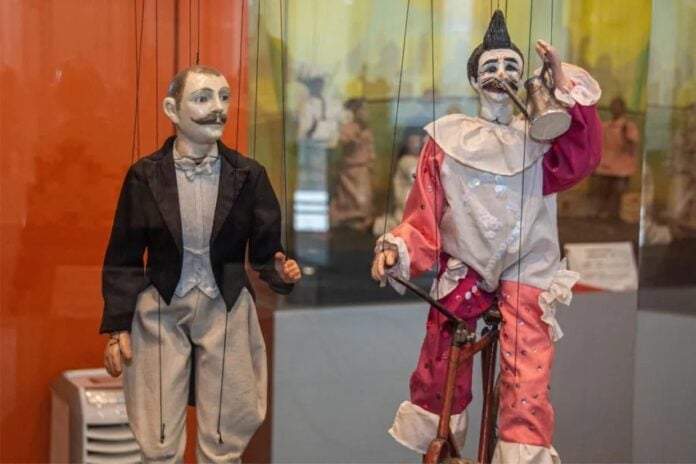
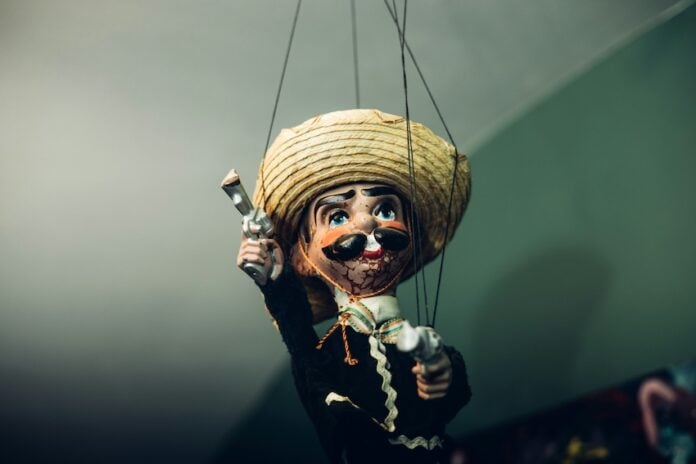
As the story goes, Huamantla’s skillful craftsmanship and adoration of puppetry began in 1830, when an Italian immigrant named Margarito Aquino arrived and created a makeshift theater inside his home for the provincial audience. The children of Huamantla took on the tradition, using clay heads, local fabrics and strings-and-rods to create their own puppets. Some of those children went on to pursue puppetry as successful careers, traveling around Mexico and the United States and, in their heyday, getting invited by President Benito Juárez to perform at the Presidential Palace in Mexico City. The theater company operated until 1962, but with the rise of television and other forms of entertainment, it finally closed after more than a century. However, some of the 5,000 original puppets in the Rosete Aranda collection are now on display year-round in Huamantla’s National Puppet Museum.
The museum opened to the public in 1991 and boasts puppets from all over the globe (China, Taiwan, Turkey and Indonesia, to name a few). Though creepy at times — imagine being in a silent room, surrounded by an army of lifeless puppets watching your every move — the museum is a worthwhile experience that traces the evolution, styles and characteristics of various forms of puppetry in a free, self-guided tour.
The National Puppet Museum
Highlights include reimagined scenes taken from children’s fairy tales, using elaborately positioned puppets, such as Snow White; surreal, otherworldly puppets like a giant anthropomorphic maguey, a family of mice, a dancing cucharacha and various renditions of Mexicanized devils; miniature replicas of famous Mexicans like Frida Kahlo and Diego Rivera; and an entire section dedicated to Dia de muertos-inspired puppets, all housed in an unlit room with black light paint to mimic the spiritual underworld. Rooster fights, bull rings, a platoon of soldiers marching into battle, a band of mariachis — the museum has it all, in the form of puppets. Upon exiting the museum’s main gallery, you can even take a swing at puppeteering a large, wooden Pinocchio on a small stage.
View this post on Instagram
With over 500 puppet artifacts, the museum — and Huamantla itself — is a living and active relic of Mexican history, and a display of ingenious Mexican imagination, awaiting in the shadows of a dormant volcano. At the center of Mexico’s de facto puppet capital, it’s the museum that steals the show.
Alan Chazaro is the author of “These Spaceships Weren’t Built For Us” (Tia Chucha Press, 2026), “Notes from the Eastern Span of the Bay Bridge” (Ghost City Press, 2021), “Piñata Theory” (Black Lawrence Press, 2020), and “This Is Not a Frank Ocean Cover Album” (Black Lawrence Press, 2019). He is a graduate of June Jordan’s Poetry for the People program at UC Berkeley and was selected as a Lawrence Ferlinghetti Poetry Fellow at the University of San Francisco. His work can be found in NPR, The Guardian, SLAM, GQ, L.A. Times, and more. He is currently based in Veracruz.
The airplane landing from hell that left me inspired: A perspective from our CEO
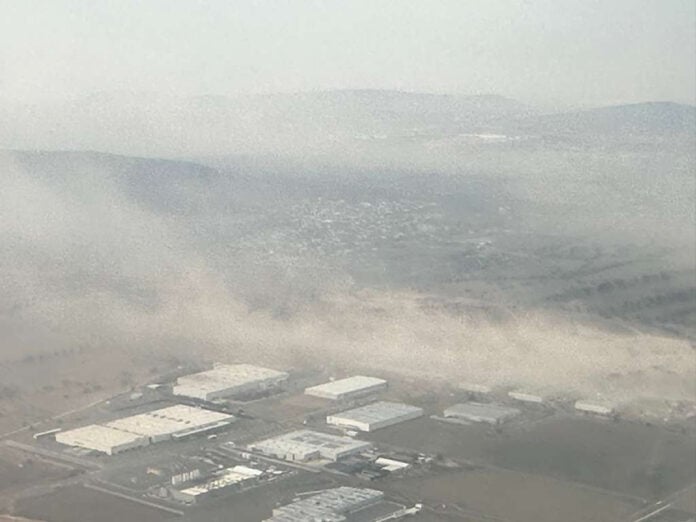
Many of us have harrowing flight stories. Mine from earlier this week was one of my scariest ones yet. Having spent too much time in airplanes in my pre-MND life, I have had more than a few experiences on airplanes that have left me shaken up. A last-second aborted flight, scary the first time, barely registers with me anymore. Once, four-plus hours into an 11-hour flight from São Paulo, Brazil, to Chicago and over the Amazon rainforest, the pilots suddenly told us that we had “engine troubles” and needed to return all the way to São Paulo. That was a long four hours, as no one really knew how much of the real story about the airplane issues we were being told. Screaming kids, out of control passengers, vomiting, bad turbulence — I felt like I had pretty much seen, heard and smelled it all.
But my Viva flight from Monterrey, Mexico, to Querétaro earlier this week was a doozy unlike any other. I was coming back home after some great meetings in the northern city. Monterrey is buzzing with activity pre-World Cup and I wanted to check things out firsthand and talk to leaders on the ground there. I will write about all of this in future columns. But quite honestly, I don’t have the headspace to organize my thoughts from the trip just yet as I am still reeling from my return flight experience.
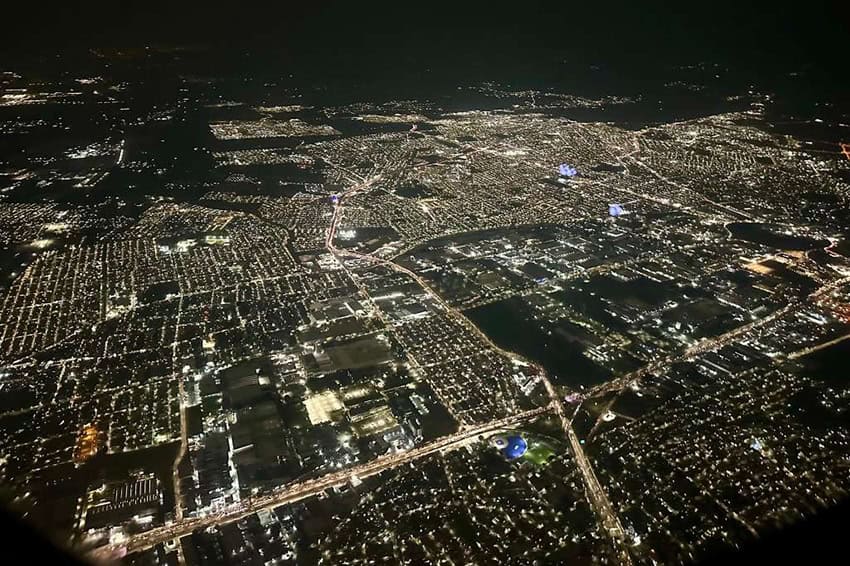
The flight left on time and it looked like we were going to arrive a few minutes early — totally uneventful. But as we began the landing sequence with 20 minutes left, I started to notice a strange color outside of the windows. The sky suddenly started turning dark and visibility was significantly reduced. At first, I couldn’t figure out what it was. Smoke from fires? An approaching storm? And then it hit me: It was a massive dust storm. The wind picked up dramatically and you could see massive clouds of dust kicking up everywhere. Within seconds, the plane began to shake.
As we got closer to the airport, the shaking intensified. The type of shaking that was unpredictable — soft, then suddenly violent, then soft again, then very violent. The plane got quiet as everyone closed their eyes and waited for it to end. I suffer from vertigo, and this type of shaking often gives me a sharp, severe headache — this flight was no exception. As we approached the runway, the plane was shaking and swaying. When we hit about 100 feet of altitude, the pilots suddenly aborted the landing and pulled up.
On one hand, it was nice to have the shaking less intense for a few seconds, but people were clearly rattled. After a few minutes, the pilot came on the air and said that strong winds made the landing dangerous. He said we would circle back and try again. The plane continued shaking as we banked and came in for the second attempt at landing. This time, as we neared the runway, the shaking was even more violent. At the last second, the pilots once again aborted the landing.
People were pretty much in freak-out mode by this point. Someone kept hitting the flight attendant call button. A flight attendant on the loudspeaker said that due to the turbulence, they could not get up, but the person should press the button again if it was an emergency. The next second or two felt like an eternity, and then the call button went off again, and again, and again. Someone was clearly not doing well. People very nervously started looking at each other and also at the flight attendants to see what they were going to do.
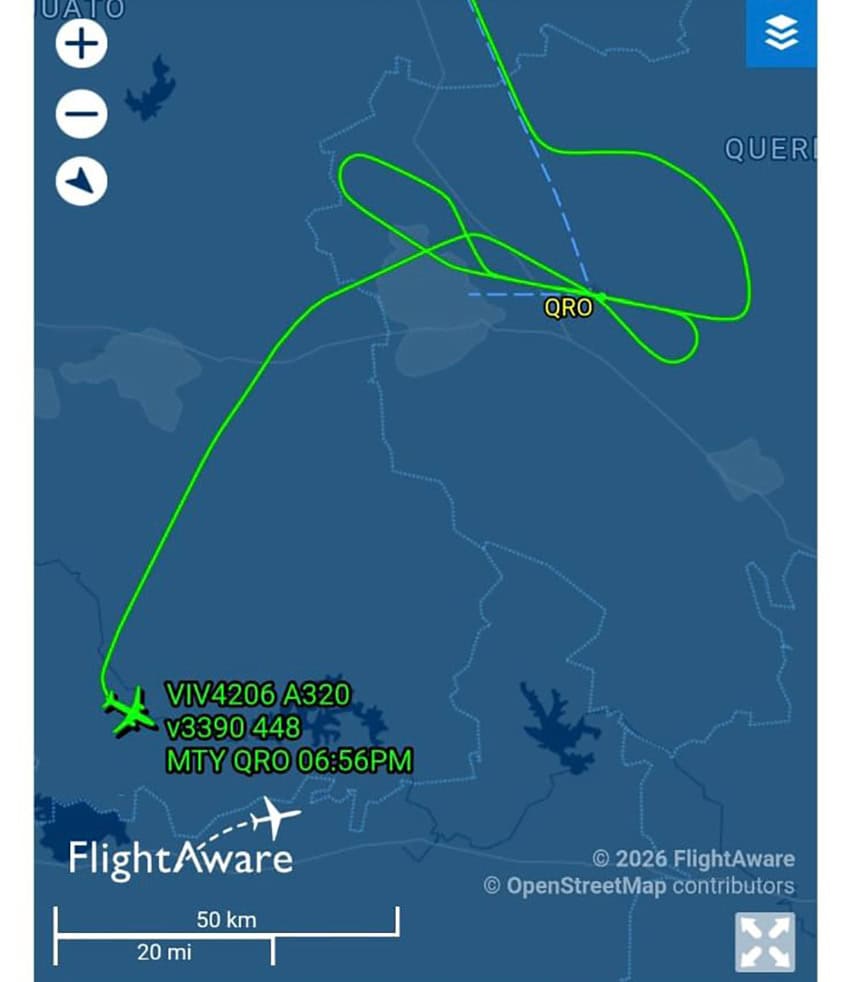
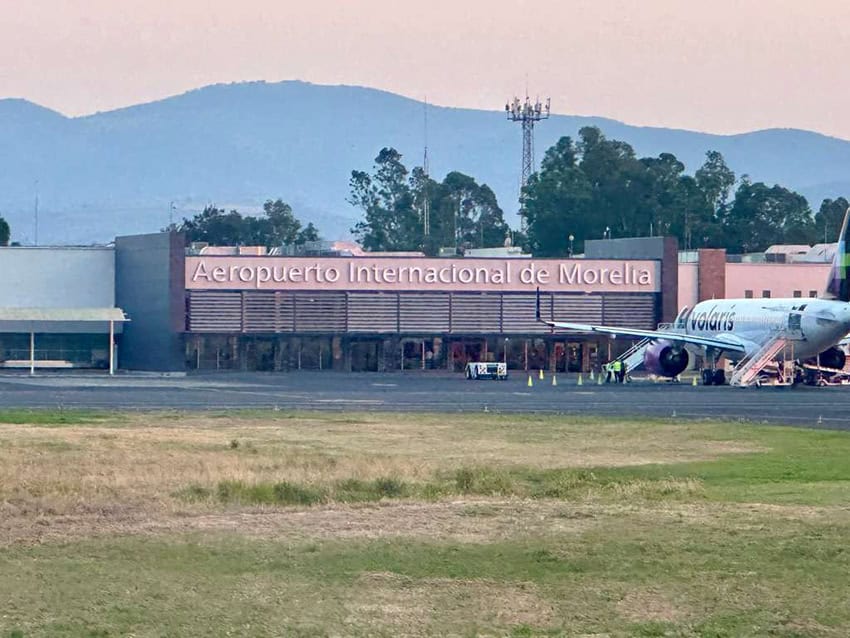
The pilot came on the loudspeaker again and told us that it was currently impossible to land in Querétaro and that instead, we were going to fly to the Morelia airport, in the neighboring state of Michoacán, to wait out the storm from there. Within 20 minutes, we landed there without incident. We waited it out for just over an hour and then did a 23-minute flight back to Querétaro, landing smoothly just over two hours past our original landing time. Everyone clapped and cheered. It was wonderful to finally be at our final destination.
A few observations:
- The young flight attendants were world-class. They stayed happy, positive, smiling, and encouraging the entire time. They exuded calm and confidence.
- The pilots were equally outstanding. They were calm as they clearly explained in Spanish and English what had happened and what would happen next. While parked in Morelia, they came out of the cockpit, smiling, and chatted with anxious passengers.
- The passengers, almost all Mexicans, were calm and well-behaved. We have all seen too many examples lately of passengers becoming impatient or belligerent. Everyone was hot, stressed, tired and anxious, but not one single person lost their cool.
- The young couple sitting next to me was awesome. She was born and raised in San Miguel de Allende. He is a Mexican American born in Texas. They were coming to SMA for a few days to spend Mother’s Day with her grandmother — how sweet is that? I don’t talk to people enough on airplanes and need to make an effort to do so more. It’s too easy to just look down at our phones and not talk to anyone, but a flight is a wonderful chance to connect on a human level with a complete stranger. Human connection — that seems to be something we do less and less of these days. I recently wrote about a beautiful flight connection with a man flying to Los Cabos to celebrate his 80th birthday. Click here to read it.
As I deboarded the plane, I thanked the pilots and the flight attendants, also telling them that they had my utmost respect for the way that they handled the situation. The next morning, I woke up to a text message from the couple seated next to me, telling me that they were inspired by my story of moving to Mexico and buying Mexico News Daily. They said that they had just purchased a subscription and were loving our content. They had told me that their dream is to get back to Mexico at some point. Maybe MND will inspire them?
It’s weird how life sometimes throws us curveballs to see how we react. It feels like we are collectively getting an increasing number of them thrown at us lately, and it’s often scary to think about how we are going to handle it. That said, this particular curveball left me feeling particularly optimistic about us humans — or at least those on that Viva flight from Monterrey to Querétaro.
Travis Bembenek is the CEO of Mexico News Daily and has been living, working or playing in Mexico for nearly 30 years.
10 ways to quickly upset Mexicans (and how to avoid them)
We’re all annoying in our own way. There is always a quirk or personality trait that irritates the masses. Oftentimes those traits span an entire nationality.
I should know, I’m American.

Oh Americans. Known the world over as loud, obnoxious, fashionably-challenged and completely coddled. According to The Times and a 10-year-old article on Business Insider, citizens of the U.S. travel simply to compare everything to the U.S., speak English loud and proud and make little attempt to learn the local culture. Who is more intolerable than us?
In fact, things have gotten so bad in Mexico recently, that the local government in Lake Chapala put out a press release urging Americans to try and fit in and make an effort to learn some Spanish (ironic, I know.)
I’m happy to say that since moving to Mexico City, I’ve found out that we aren’t the only deplorables. At least here in Mexico. (I’m talking to you Canadians, Brits and Aussies.)
Not to fluff my own feathers, but I have always made a very concerted effort to meld with the local culture as much as possible. Yet, I’m still classified as annoying. Why? I needed answers. So I set out on a very entertaining quest to uncover the most offensive things I, my fellow gringos and selected other nationalities do to roll both the proverbial and physical eyes of our Mexican neighbors.
Through in-depth interviews of six born-and-raised-in-Mexico friends, I found out more than I needed to know about the actions we (often unknowingly) take to offend them.
Here are the top 10, coupled with my personal interpretation of what we’re doing wrong.
Expect English everywhere
Mexico City restaurants are indeed handing out English menus to Mexican patrons, much to their chagrin. It’s a double-edged sword. It’s a testament to the country’s accommodation of outsiders, but it’s also preventing English-speaking expats from immersing themselves in the language and, therefore, learning it.
Refuse to drink filtered water
I understand this from both sides. If you’ve fallen victim to Moctezuma’s rite of passage, just looking at an ice cube will make your stomach turn. However, it likely didn’t come from an ice cube. Dining establishments have no intention of poisoning you or anyone else with tap water. No one drinks it here anyway. Filtered is fine.
Talk about how cheap everything is
This comes up a lot on Mexico News Daily. Even if something is cheap compared to your home country, it’s not cheap compared to Mexico’s average salary. Delight in the money you’re saving, but keep it to yourself.
Guilt payments and over-tipping
If your housekeeper gives you a rate, that’s the rate you should pay. Don’t double it because you think it’s too low. It throws off the pay scale for Mexicans who might not be making the same salary you’re raking in from a San Fran-based tech giant. This also goes for tipping. The standard is 10-15%, so unless the service is spectacular beyond belief, stick with the local customs.
Not eating like a Mexican
This is one of my favorites. I’m not referring to Mexican dishes and I’m sure you’re noshing heavily on tlayudas and mole. This refers to Mexico’s traditional dining schedule. Think about it — gringos eat lunch around 1 p.m. and dinner around 7 p.m. Mexicans eat lunch around 2 p.m. and dinner around 8 p.m. This means that when a Mexican couple shows up for date night at 8:15 p.m., there are no tables available.
Crossing the street like a gringo
The rules here are pretty obvious — pedestrians yield to cars. Yes, it’s opposite to most other countries, but trying to change this societal rule will end up getting you squashed. It’s confusing to drivers and safer for you to follow the rule, so just do it.
Lack of formalities
It’s common in the U.S. to skip conversation openers in the interest of saving time and getting to the point. In many cases, this is a glorious way of doing business, but that’s not how it works here. Especially when interacting with someone for the first time, take 5 minutes to be Mexican and break the ice. A “How was your trip to Acapulco last weekend?” can go a long way.
Asking about your safety everywhere you go
Parts of Mexico aren’t safe. Parts of Australia aren’t safe. Parts of London aren’t safe. Safety is an issue everywhere. Do your own research and if you’re really unsure, ask a friend “if they’ve ever driven on their own to Veracruz because you’re thinking about doing just that” and you’ll get the answer you’re looking for.
You don’t look Mexican
Very delicate territory here. There has been a long-held belief that Mexicans look a certain way, work in certain industries and have a certain style. This belief is particularly rampant in the United States. Mexico is a country that is sensitive to class, so a statement like this can be really offensive (especially when coming from an American).
Mexicans don’t eat burritos
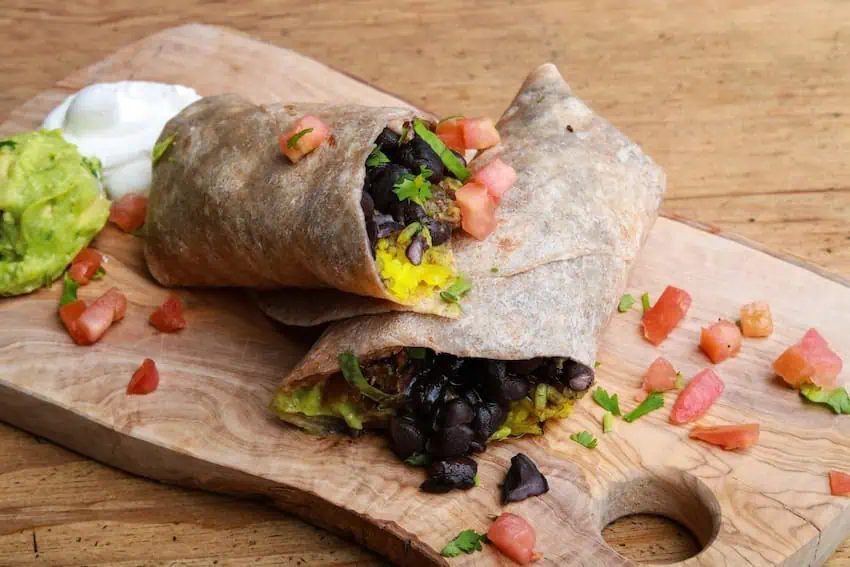
This isn’t true everywhere, obviously. The seafood joint up the street from my apartment has a pretty rico seafood burrito on the menu. If you’ve flown into Puerto Vallarta, you’ve probably filled up on a famous smoked marlin burrito at Tacón de Marlin. What is meant by burrito in this case is a lack of research or curiosity about true Mexican culture. Mexico is mole, it’s Tenochtitlán, it’s Quetzalcoatl, it’s Catholicism, it’s copal, it’s mariachi, it’s agave. This country is so rich beyond the edges of a Jack cheese and ground beef burrito from Chipotle. Mexico is simply amazing.
Anything self-deprecating behaviors you want to add? Please let us know, politely, in the comments below.
This article was first published in June 2024.
Bethany Platanella is a travel planner and lifestyle writer based in Mexico City. She lives for the dopamine hit that comes directly after booking a plane ticket, exploring local markets, practicing yoga and munching on fresh tortillas. Sign up to receive her Sunday Love Letters to your inbox, peruse her blog, or follow her on Instagram.
What’s behind the US ‘review’ of Mexico’s 53 consulates in the US?
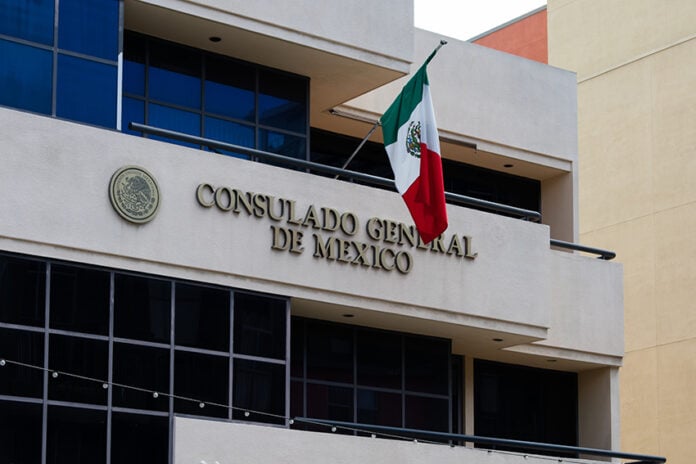
The U.S. State Department has begun a review of all 53 Mexican consulates operating in the United States in a move that could lead to the closure of some diplomatic offices.
The announcement comes as Mexico-U.S. relations have become increasingly tense since an April car accident that caused the death of two CIA agents operating in the state of Chihuahua.
U.S. media, including The New York Times, reported that right-wing media outlets and influencers have accused Mexican consulates of engaging in improper activities, interpreting the review as a response to the alleged political intervention by Mexican thereby providing the Trump administration a justification for the review.
State Department official Dylan Johnson did not elaborate on the motives for the review, saying that all aspects of U.S. foreign relations are constantly reviewed “to ensure they are in line with the president’s America First foreign policy agenda and advance American interests.”
President Claudia Sheinbaum called the allegations of political interference “completely false,” saying the consulates are solely focused on the protection and care of Mexican citizens.
Mexico, the No. 1 trading partner of the U.S., maintains the largest foreign consular network in the United States, with offices concentrated in border states and cities with large Mexican American populations.
Sheinbaum denies political interference by consulates under review in US: Friday’s mañanera recapped
The consulates provide documentation and legal aid to millions of Mexican citizens living in the United States. Their involvement in providing legal assistance and support during last year’s immigration raids and a recent presidential directive mandating daily consulate visits to U.S. detention centers have ruffled some feathers north of the border.
Mexico has also been vocal in criticizing the treatment of its citizens in custodial detention and has said it will take action with regard to the 15 Mexican nationals who died in ICE custody.
Mexico responded to the April 19 car accident by characterizing the presence of the U.S. agents as unconstitutional, a response that did not sit well with the White House, according to academic Raúl Benítez Manaut.
That controversy was the trigger for everything that has followed, he says.
A week after the accident, the U.S. Attorney’s Office in Southern New York announced the indictments of a Mexican governor and nine other politicians on drugs and weapons charges.
Sheinbaum declared Mexico would not extradite the governor, and Mexico’s Foreign Ministry sent a diplomatic note to Washington requesting evidence from the U.S. Justice Department.
The State Department is initiating a review of all 53 Mexican consulates operating in the United States. https://t.co/8jK4M31Ehh
— CBS News (@CBSNews) May 7, 2026
Saying he was not satisfied with Mexico’s effort in the war on drugs, President Trump escalated the rhetoric on Wednesday, suggesting that he could take unilateral action.
“If they’re not going to do the job, we will,” he said.
On Thursday, Sheinbaum brushed off Trump’s veiled threat, insisting that Mexico “is acting against cartels and drug trafficking.”
Hours later, CBS News broke the story about the review of Mexican consulates.
The World Cup in June and July is likely to be a temporary buffer against further tension, Benítez told El País. However, once the soccer ball stops rolling, all bets are off.
“If there are no credible advances in the Mexican investigation, a mini-Maduro operation involving a governor from one of the northern states cannot be ruled out,” he said, referring to the U.S. capture of the Venezuelan president from the Presidential Palace in Caracas.
With reports from The New York Times, Reuters, CBS News, Proceso and Milenio
US files fraud charges over alleged US $450 million scam of Mexican media magnate Ricardo Salinas
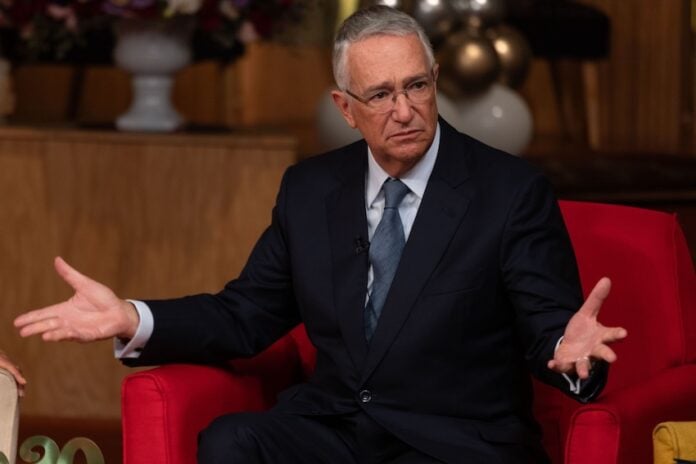
Billionaire Ricardo Salinas Pliego, one of Mexico’s most prominent media and retail tycoons, was duped out of roughly US $450 million in company stock in a loan scam, according to a newly unsealed U.S. indictment.
U.S. prosecutors in the Southern District of New York have charged Vladimir Sklarov, 63, with conspiracy to commit wire fraud, wire fraud and conspiracy to commit money laundering.
Also known by aliases such as Mark Simon Bentley and Val Sklarov, the man was arrested May 2 in Chicago.
Authorities say Sklarov ran a sham lender called Astor Asset Group that pitched itself as a “legitimate and experienced provider of equity-backed loans” with ties to the famed Astor family of New York — whose patriarch, fur magnate John Jacob Astor, was widely regarded as the richest man in the United States upon his death in 1848.
In reality, prosecutors allege, Sklarov’s company was set up to seize valuable stock from borrowers through false promises and misleading representations.
Court records in related litigation in England identify the victim as Salinas, 70, the founder and chairman of Grupo Salinas, whose holdings include TV Azteca, Grupo Elektra and Banco Azteca.
Forbes has ranked him among Mexico’s richest businessmen, with a fortune built on media, retail and financial services. The magazine’s “real-time net worth” pegs Salinas at about US $3.7 billion this week, though other recent estimates place him between roughly US $4.9 billion and US $5.8 billion.
According to the indictment, Salinas sought a US $100 million loan in 2021 and was ultimately offered at least US $115 million by Astor Asset Group. Using the name “Gregory Mitchell” and claiming to be Astor’s managing director, Sklarov convinced Salinas that his group was backed by Astor family wealth and could safely provide the loan, prosecutors say.
Moreover, according to interviews cited by The Wall Street Journal, people who met Sklarov described him as affable and fluent in financial jargon, a smooth talker with easy charm. Authorities list his hometown as Athens, Greece. He was born in Ukraine, according to The Wall Street Journal.
To secure the financing, Salinas allegedly pledged company shares worth about US $450 million that were supposed to be held as collateral and not sold unless he defaulted on the loan.
Instead, Sklarov arranged for the shares to be sold shortly after receiving them, prosecutors say.
Then he used part of the proceeds to fund the loan while keeping the remaining hundreds of millions of dollars for himself and his co-conspirators, prosecutors allege. It was not until July 2024 that Salinas learned the stock had been liquidated, according to the indictment.
According to The Wall Street Journal, Sklarov said in court affidavits he personally received US $9.1 million from the Elektra share sales; however, prosecutors say he and his associates kept hundreds of millions of dollars from the deal.
In an interview with the Journal, Salinas said, “I feel like an absolute idiot. How could I fall for this?”
Salinas confirmed he has taken legal action in London and New York to trace and freeze the proceeds of the share sales.
Born in Mexico City in 1955, Salinas studied accounting at the Tecnológico de Monterrey and later earned an MBA from Tulane University in New Orleans before joining his family’s Elektra retail business in the early 1980s and then expanding Grupo Salinas into a conglomerate.
He is also no stranger to legal trouble. Last year, Mexico’s Supreme Court upheld tax claims of more than US $2.6 billion against companies in his group.
Also last year, he posted a US $25 million bond to avoid arrest in New York in a dispute over a US $20 million debt tied to the 2015 sale of his former wireless carrier, Iusacell, to AT&T.
With reports from El Informador, Aristegui Noticias, AP and The Wall Street Journal
New pact aims to restore Mexico’s natural protected areas with 300 million tree plantings
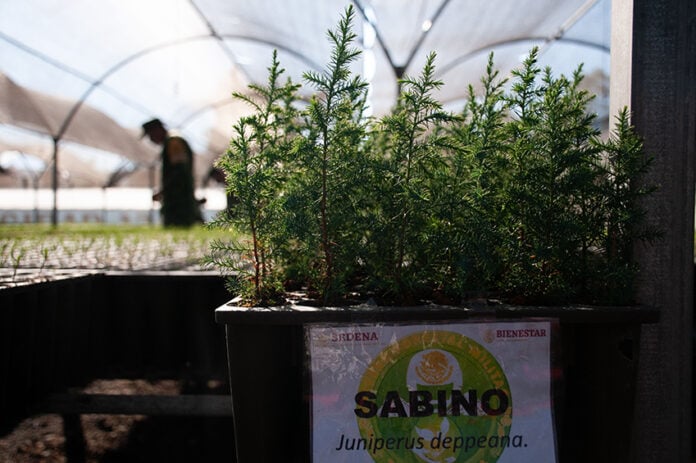
A new alliance between the Sowing Life program and the Environment Ministry seeks to restore 32 natural protected areas in Mexico through the planting of some 300 million trees and other plants in 2026, federal authorities announced this week. The new agreement aims to heal degraded ecosystems while shoring up rural livelihoods.
Sowing Life, a federal tree‑planting and rural welfare program, pays small farmers a monthly stipend to plant and care for fruit and timber trees on their own plots, often in combination with traditional crops. Launched by the López Obrador administration and expanded under President Claudia Sheinbaum, the program now operates across much of rural Mexico, channeling support to some of the country’s poorest communities while aiming to reforest degraded land and promote small‑scale agroforestry.
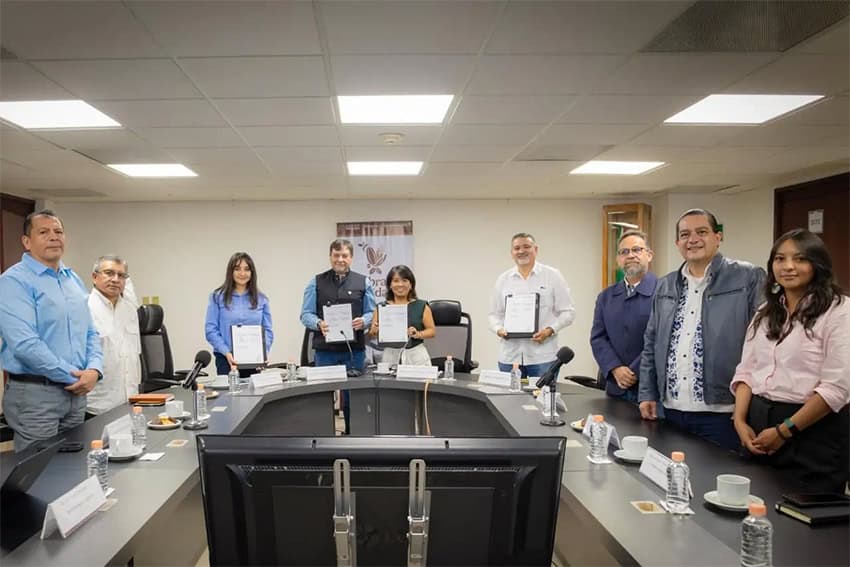
Under the deal, Sowing Life participants will establish around 18,000 community nurseries to supply native and locally adapted species. Officials say the effort will support soil restoration, improve water infiltration and boost carbon capture, while rebuilding habitat for emblematic wildlife such as jaguars, toucans and white pelicans. In the Yucatán Peninsula, work will focus on creating “biocultural corridors” that connect reserves like Calakmul and Sian Ka’an, echoing the region’s traditional milpa and forest management systems.
The corridors are designed to maintain movement routes for species that draw nature lovers to places such as the Sian Ka’an Biosphere Reserve, a vast mosaic of jungle, wetlands and reef that has become a bucket-list destination for eco‑tourism. Authorities frame the strategy as a way to put rural communities at the center of conservation, combining environmental restoration, agroecological production and income generation.
The announcement comes after years of scrutiny of Sowing Life’s environmental record. Previous reporting has documented how rules that rewarded planting on “unforested” plots encouraged some farmers to clear existing vegetation, leading analysts to warn that the massive tree‑planting program was also contributing to deforestation. The new push inside protected areas, where activities must comply with strict conservation rules, could function as a course correction, tying the social program more tightly to biodiversity goals.
Since 2001, Mexico has lost over 4.6 million hectares of forest according to the National Forest Commission, with a quarter of the losses coming from the Yucatán Peninsula.
Portions of this story were drafted with assistance from Claude. The article has been revised and fact-checked by a Mexico News Daily staff editor.
Education Ministry plan to cut school year by 40 days sparks backlash
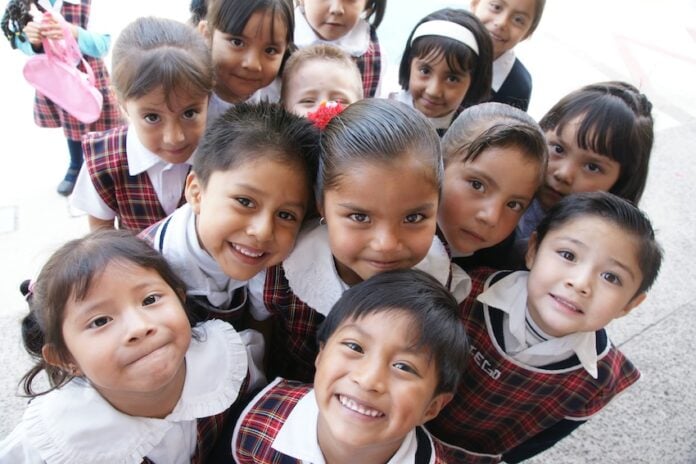
The Education Ministry (SEP) on Thursday announced the reduction of the current school year by 40 calendar days, potentially impacting the development of nearly 29 million students across the country.
The announcement produced immediate backlash, and even President Claudia Sheinbaum appeared to question the decision, saying Friday morning that the truncated school year was not a final decision.
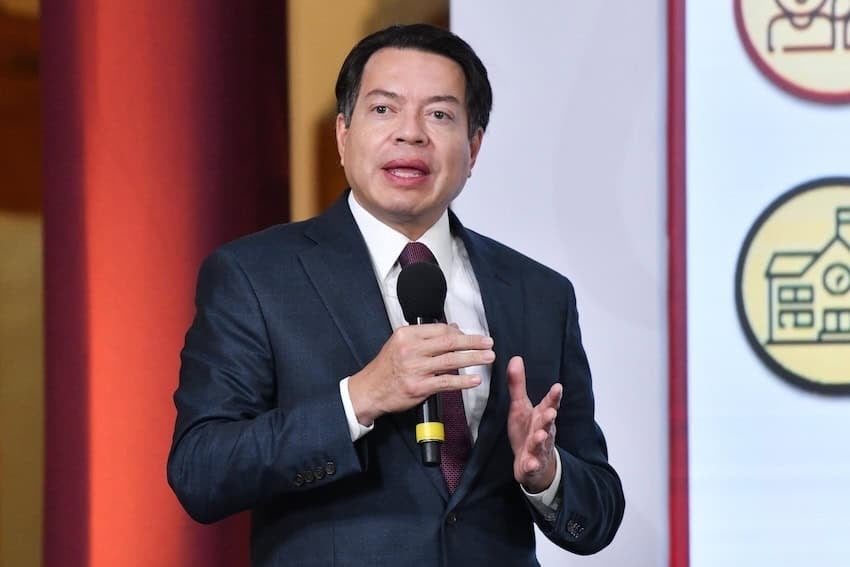
But Education Minister Mario Delgado was quoted later on Friday as standing firmly behind the shortened school schedule. Earlier he said his proposal had earned the unanimous support of education department directors from each of Mexico’s 31 states and Mexico City during Thursday’s annual plenary meeting of the National Council of Educational Authorities.
The reduction — if approved — would cancel 28 school days for public and private elementary, middle and high schools, a move that critics say would have a deleterious effect on students.
Delgado said the decision to end classes on June 5 instead of July 15 is in part based on the World Cup, which kicks off in Mexico City on June 11.
SEP’s official statement said the idea also stems from “an extraordinary heat wave,” though such action has never been taken before, not even in 2024, the hottest summer on record since 1880.
The newspaper El País said teachers decried the proposal, denouncing the failure to consult them and warning that it would be impossible to cover the required curriculum.
Parents also voiced concern since their work schedules, personal commitments and daily routines are based on the original school calendar. Some said the change could jeopardize their jobs or require unexpected day care expenditures.
The National Union of Parents said using the World Cup as an argument to shorten the school calendar is “unacceptable.”
The civic organization Educación con Rumbo said students would suffer in fundamental areas such as reading, writing, mathematics and science, in a context where only 34% of Mexican students reach the minimum level of competence in mathematics and 47% do not achieve basic reading comprehension skills.
#Educación 🎓 En 2022, México tuvo una caída matemáticas, comprensión lectora y ciencias, registrando su peor puntaje desde 2003📉.
De último minuto, México anticipó el cierre del #cicloescolar al 5 de junio. Más de un mes antes de lo previsto. ¿Qué impacto tendrá en el rezago… pic.twitter.com/JlNlaxRv1a— IMCO (@imcomx) May 8, 2026
The group said the decision “wrongly prioritizes factors unrelated to education over the right … to a quality education.”
As the backlash grew, the SEP announced on Friday that it would add days to the beginning of the 2026-2027 school calendar. Instead of starting classes on Aug. 31, students would be required to return for “reinforcement of learning” sessions from Aug. 17-28, with teachers returning on Aug. 10 to prepare for the school year.
With reports from El País, La Jornada, El Universal, Ámbito and Excelsior
