Self-driving cargo trucks in Texas are starting to be used to move goods into Mexico. Meanwhile, Mexican companies like Scania are working to develop their own driverless models. (Scania)
Driverless trucks, which are already operating along key Mexico-U.S. border crossings in Texas, could soon be deployed in other areas along the border, thanks to new regulations recently announced by the California Department of Motor Vehicles.
The new rules authorize manufacturers to test and commercially deploy autonomous heavy-duty trucks on state highways.
The move opens the door to the mass deployment of autonomous freight vehicles in the largest and most influential market in the U.S., with direct implications for the future of the sector in Mexico.
In Texas, driverless trucks operate on highways connecting Laredo, El Paso, Dallas-Fort Worth and Houston, and even ferry goods across the border into Mexico.
And coming at a time when the transportation industry is confronting a shortage of operators in both Mexico and the U.S., automation is fast becoming the favored solution.
The Swedish startup Einride, for example, already operates fully autonomous electric trucks without a cab (no steering wheel or driver’s space) in Texas.
Yet the adoption of autonomous driving technology in Mexico is still years behind U.S. regulations, suggesting the technological gap will initially affect the Mexican industry’s competitiveness in the North American corridor.
While companies in the U.S. are ratcheting up production plans (it is expected that there could be thousands of driverless trucks on the road by 2027), Mexico is battling to catch up.
On Mexico’s side, Cargo truck producer Scania México is developing autonomous vehicles for the Mexican market, and is currently testing its vehicles on public roads in Europe using safety drivers.
Also, Daimler Truck México and Trayecto have launched an electro-mobility ecosystem using the eCascadia, a state-of-the-art electric tractor-trailer capable of autonomous-ready features.
Although neither is ready to put their vehicles on the market in the short-term, it is hoped that the nearshoring boom and the expansion of cross-border pilot programs will stimulate rapid growth.
Other complementary projects are underway. Green Corridors — a Texas-based company — is planning a 265-kilometer elevated “guideway” for autonomous freight shuttles between Laredo and Monterrey that has a 2031 inauguration target date.
A 2025 Polaris Market Research study projected that Mexico’s autonomous trucks market would grow from US $651.8 million last year to more than US $1.55 billion by 2034.
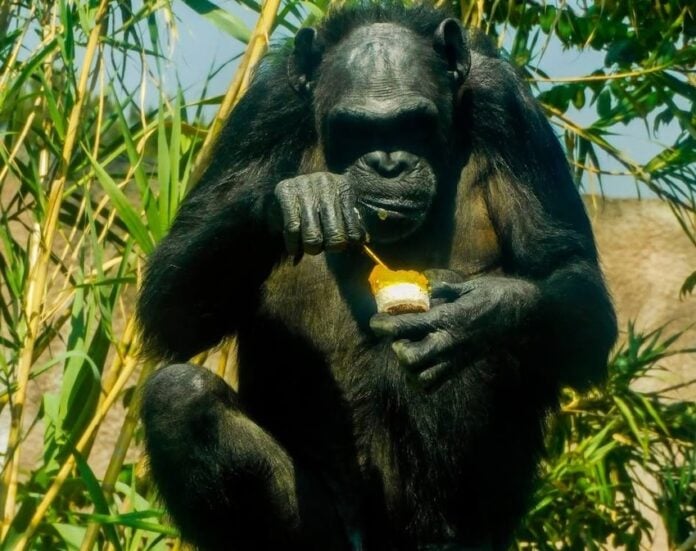
The animals' paletas are just as icy and refreshing as popsicles for humans, but they're made of ingredients found in their natural diets. (Sedema/Facebook)
With Mexico City mired in a heat wave for the past week, zoo animals have been joining residents in cooling off with paletas — custom-made popsicles, in this case frozen around their favorite foods.
The Mexico City Environment Ministry (Sedema) said this week that its Wildlife Conservation Centers across the capital have been handing out ice pops tailored to each species as temperatures climbed.
The icy treats serve a purpose: Extreme heat can cause panting, weakness and, in severe cases, organ damage in wildlife. (Sedena)
The daytime highs have been roughly in the range of 29 to 32 Celsius (between the mid-80s to about 90 degrees Fahrenheit) — roughly 2 to 5 degrees Celsius above April averages for Mexico City.
The heat wave in CDMX began April 25 under a strong high‑pressure system that trapped heat over central Mexico. Temperatures are forecast to ease starting Thursday before dipping somewhat more in early May.
Sedema said this week that the icy snacks are part of special feeding programs to keep animals hydrated and cool during the hot season. The pops are made with ingredients that fit each animal’s nutritional needs.
Images shared by Sedema show giraffes, chimpanzees, patas monkeys and a bobcat licking and pawing at the frozen blocks, which double as enrichment toys.
By freezing food in large chunks, keepers encourage animals to lick, bite and play with the ice — a tactic known as environmental enrichment, which keeps them active and reduces heat stress.
Officials say extreme heat can cause panting, weakness and, in severe cases, organ damage in wildlife if they cannot shed heat fast enough.
There, biologists have used popsicles made with meat, fruit and seeds to help big cats, primates and birds endure spring temperatures that can top 40 degrees Celsius.
The treats are part of a broader “Paletón” program that aims to hydrate animals and give them new textures and flavors to explore. Biologists said about 60% of the zoo’s over 600 animals received popsicles in 2024 as part of that program.
Health authorities are urging residents to take a cue from the animals’ behavior by staying in the shade, avoiding direct sun from 11 a.m. to 4 p.m., drinking water frequently, and never leaving children, older adults or pets in parked cars.
While Thursday afternoon was expected to be another hot, hazy one in CDMX, meteorologists expect the worst of the heat wave to break as April gives way to May.
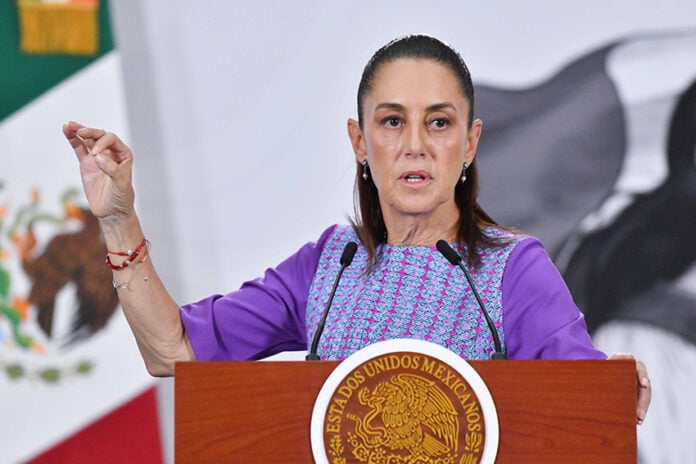
Sheinbaum promised to defend Mexican sovereignty in light of new charges against high-up Sinaloa politicians, saying her administration wouldn't permit "any foreign government to decide the future of the people of Mexico."(Mario Jasso / Cuartoscuro.com)
Sheinbaum’s mañanera in 60 seconds
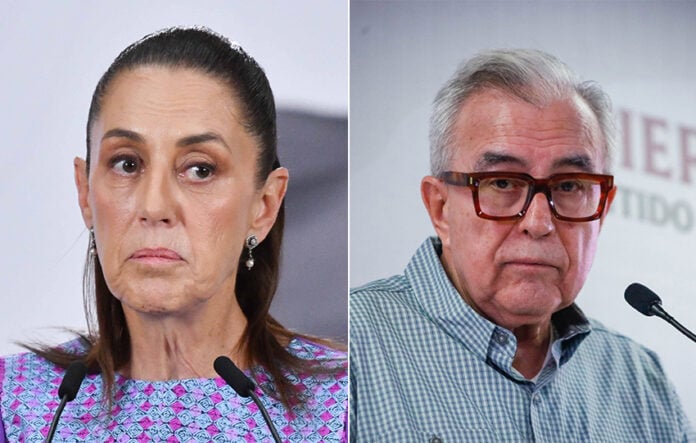
⚖️ Rocha indictment: ‘Where’s the proof?’ Sheinbaum questioned the U.S. drug trafficking charges against Sinaloa Governor Rubén Rocha Moya, demanding “conclusive evidence” and calling the indictment’s key exhibit — a handwritten list of bribe amounts — little more than a sheet of paper with names and figures.
🇲🇽 Sovereignty over extradition: The president ruled nothing in or out on Rocha’s potential extradition, insisting any action must follow Mexican law and the Constitution. She warned that her government won’t allow “any foreign government to decide the future of the people of Mexico.”
🤔 Political motives alleged: Sheinbaum stopped short of flatly accusing Washington of bad faith, but asked: “If the proof isn’t there, what is the motivation?” She also highlighted that U.S. authorities have never previously sought an extradition order for a sitting Mexican governor.
📞 Presidential call to Rocha: Sheinbaum confirmed she spoke with the governor after the indictment dropped, telling him: “If there is nothing [illegal], there is nothing to fear.” She said that no one, not a regular citizen nor a governor, can be arrested without proof.
She said that her government won’t provide cover for anyone who has committed a crime, but asserted that without “clear proof” the objective of the U.S. charges is “political.”
The president and Rocha belong to the same political movement — the “Fourth Transformation” project, which was founded by former President Andrés Manuel López Obrador and is supported by the ruling Morena party. Thus, the accusations against the governor are damaging for the president as well.
Indeed, Rocha himself asserted on Wednesday that “this attack” from U.S. authorities “isn’t solely against me, but also against the movement of the Fourth Transformation, its emblematic leaders and the Mexican women and men who represent that cause.” He “categorically” denied the charges against him.
During today’s mañanera, Sheinbaum returned to the same line on various occasions, asserting time and time again that there is no hard proof against Rocha and his co-defendants. Still, a U.S. indictment carries weight, and this one in particular is a major headache and challenge for the president. Its unsealing comes at a time when the Mexico-U.S. relationship is already strained due to the CIA’s alleged participation in a drug lab raid in Chihuahua without the knowledge or approval of the Mexican government.
Sheinbaum asserts there is a lack of ‘proof’ in US indictment
Asked what “value” her government is giving to the U.S. accusations against Rocha, Sheinbaum responded that “any” accusation has to be supported by “conclusive evidence.”
“We have to ask for the proof,” she said.
“… When we say proof, … [we mean] proof, not just what a person says. There has to be conclusive evidence in accordance with Mexican legislation,” Sheinbaum said, referring to the standard that must be met in order for a person to be arrested.
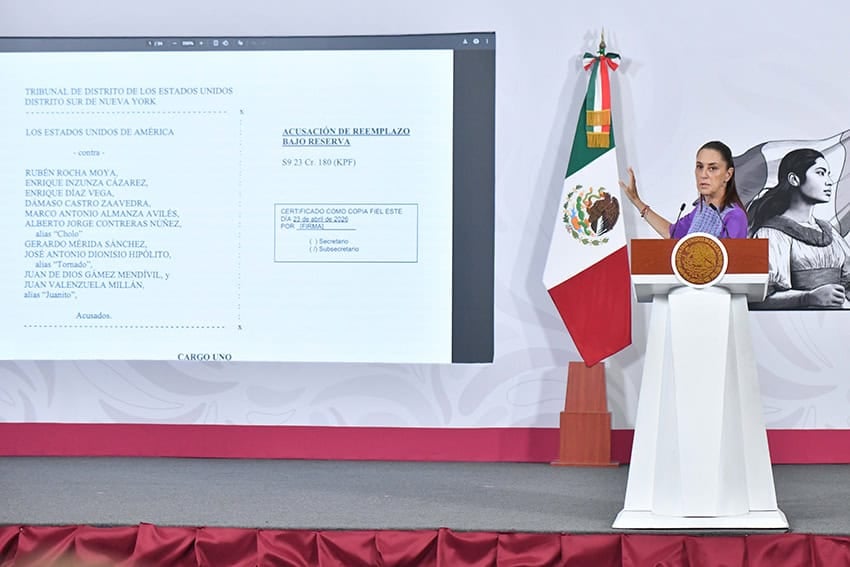
“This is the proof,” Sheinbaum said, referring to a handwritten list of amounts in pesos that Sinaloa-based law enforcement officials allegedly received in bribes from the “Los Chapitos” faction of the Sinaloa Cartel.
“… It’s striking, don’t you think? This is the only document that they put in this text as a document of proof,” she said.
“Juanito, 30,000 pesos,” Sheinbaum said, reading from the document included in the indictment. “… It’s a sheet of paper,” she added.
President Sheinbaum dismissed evidence presented in the U.S. indictment against Sinaloa Gov. Rubén Rocha Moya as insufficient to justify his arrest. (Mario Jasso / Cuartoscuro.com)
Sheinbaum: ‘We don’t protect anyone’
Sheinbaum asserted that her government doesn’t protect anyone who has committed a crime.
However, she stressed that “there has to be proof” and “documents” that prove a person’s guilt in order for authorities to take action against him or her.
Referring to the U.S. accusations against Rocha and the other defendants, Sheinbaum said:
“If that proof is not there, the question is what is the motivation?”
Asked whether she saw “electoral overtones” in the U.S. accusations, Sheinbaum responded:
“We’re going to wait. … This had never happened before. Never in history had a [U.S.] prosecutor’s office or the U.S. Department of Justice requested an extradition order for a sitting governor or sitting mayor or sitting senator. So what has to be done? … We have to adhere to the law, the Constitution, the treaties, but always under Mexican law. So first the Federal Attorney General’s Office has to ask for the proof. What proof do they have? Because so far there is a document [detailing] what some witnesses say, witnesses whose identities we don’t know.”
Sheinbaum: ‘We’re not going to allow any foreign government to decide the future of the people of Mexico’
Sheinbaum declared that her administration won’t allow “any foreign government to decide the future of the people of Mexico.”
“Article 39 of the Constitution is very clear — sovereignty comes from the people,” she said.
Sheinbaum said that there are “two issues” at play with respect to the U.S. accusations.
One is “defense of sovereignty” and the other is “the rule of law,” she said.
“But the rule of law has to mean proof” against those accused, Sheinbaum said.
Sheinbaum says she is not aware of any accusations against other politicians
Asked whether she had any knowledge of pending U.S. accusations against Mexican officials not named in the indictment unsealed on Wednesday, Sheinbaum said she did not.
“Until now, the U.S. government, through its embassy, has not provided information additional to this,” she said.
Sheinbaum: ‘What would other countries think’ if Mexico investigated their politicians?
Turning her attention to the topic of “interference,” Sheinbaum created a hypothetical situation.
If the Federal Attorney General’s Office “was investigating [foreign] governors, mayors and senators, … what would other countries think?” she asked.
“… What would the people of a country think if the Federal Attorney General’s Office did an investigation and presented an extradition order for a sitting governor of that country?”
Will Rocha be extradited to the US?
A reporter asked the president whether she would consider the extradition of Rocha to the United States or whether she could rule out such an eventuality.
“First and foremost, it’s about proof,” Sheinbaum said.
“… The Attorney General’s Office has to act based on our legislation and our jurisdiction,” she said.
Sheinbaum comments on her conversation with Rocha
Sheinbaum said that she spoke to Rocha on Wednesday after the U.S. Justice Department announced the charges against him.
“I said to him what I say here. If there is nothing [illegal], there is nothing to fear, nothing,” she said.
“There has to be proof. Put yourself in the place of a citizen who doesn’t have an elected position. An arrest without proof? No, right? It’s the same for a governor. In addition there would have to a be a desafuero [removal of political immunity] if any proof against him were to be found,” Sheinbaum said.
NEW-
Governor of Sinaloa not worried about US indictment charging him with aiding the Sinaloa Cartel.
He says he already spoke with President Sheinbaum & says “nothing will happen”.
This after Mexican Govt said the US filed an extradition request for the Governor.
Sheinbaum asserts she would act in ‘exactly’ the same way if the US requested the extradition of an opposition governor
Sheinbaum told reporters that she would act “exactly the same way” if U.S. authorities were seeking the extradition of a PRI, PAN or Citizens Movement Party governor to face charges in the United States.
“Imagine if an extradition request or a provisional arrest request arrived without any proof for a governor of another party. Because they’re from another party am I going to act differently? No,” the president said.
“It’s up to me to defend the Constitution, the laws and sovereignty. The law is for everyone,” Sheinbaum said.
By Mexico News Daily chief staff writer Peter Davies (peter.davies@mexiconewsdaily.com)
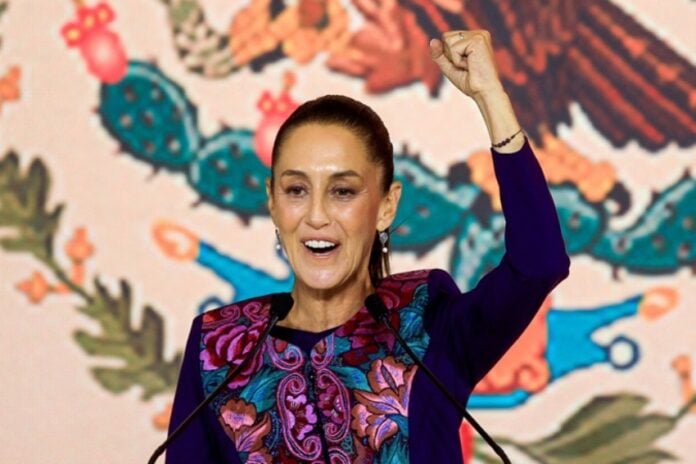
Eighteen months after her election as president of Mexico, Claudia Sheinbaum is making key appointments to consolidate her power. (Directorio Legislativo)
Eighteen months into her presidency, Claudia Sheinbaum is no longer building on the foundation left by her predecessor. She is laying her own. A wave of appointments inside the Morena party, inside the president’s cabinet and at the country’s key diplomatic posts signals a leader moving with increasing confidence and speed to consolidate power on her own terms.
Far from a routine administrative shuffle, what we are witnessing is a recalibration of Mexican politics — one that combines continuity in rhetoric with a very different logic of power.
Moving the pieces inside Morena
Sheinbaum is making chess-like moves to strengthen her hold on Morena ahead of an upcoming party election and the 2027 midterms. (Aaaatu/Wikimedia Commons)
For much of the past year, the question hanging over Sheinbaum was whether she could lead Morena or merely represent it. The answer, delivered in a flurry of moves in April 2026, is unambiguous.
Luisa María Alcalde: From party leader to presidential lawyer
Perhaps no move better encapsulates Sheinbaum’s strategy than what happened with Luisa María Alcalde, who was serving as Morena’s national party president — a role she had held since September 2024 and was not due to leave until 2027.
In late April 2026, Sheinbaum invited Alcalde to take over the presidential legal department, a post vacated when Esthela Damián announced her departure to pursue political ambitions in the state of Guerrero. Alcalde reportedly asked for time to think it over before accepting and announcing her resignation from the party’s leadership.
The significance of Alcalde’s probable acceptance of the role is twofold. First, it would place a loyalist in one of the most sensitive legal posts in the executive branch, the office that handles all legal strategy for the president. Second, it would leave the party’s leadership open to Sheinbaum’s influence without her directly appointing anyone — an arm’s-length maneuver that nonetheless carries a clear presidential imprint.
Ariadna Montiel, Mexico’s current social welfare minister, is rumored to be Morena’s next national leader. (Mario Jasso/Cuartoscuro)
Morena’s National Congress has been called for May 3 to elect a new leader. The name circulating most prominently as a potential successor is Ariadna Montiel, the current social welfare minister. Current party statutes require any candidate to resign from public office before being elected.
Andy López Beltrán —AMLO’s son steps aside
The other major internal movement involves Andrés Manuel López Beltrán, known as “Andy” — the son of the former president, Andrés Manuel López Obrador and a prominent figure in Morena’s organizing structure. He held the role of organization secretary, one of the party’s most operationally powerful positions, making him a natural symbol of the AMLO generation’s continued influence within the movement.
Andrés Manuel López Beltrán, son of ex-President López Obrador, is being reassigned to campaign work in Coahuila. (Rogelio Morales/Cuartoscuro)
In a move read by analysts as the clearest sign yet of Sheinbaum’s desire to de-Lopezobradorize the party machinery, López Beltrán was reassigned from that central role to lead territorial campaign work in Coahuila ahead of the upcoming local elections. The reassignment is both a demotion from the national seat of party power and a political risk: Coahuila is one of Morena’s most challenging electoral territories.
As political analyst Alejo Sánchez Cano wrote in El Financiero, these moves are “part of a broader strategy of presidential power consolidation,” signaling that Sheinbaum is building a party structure in which her leadership is unquestionable ahead of the 2027 midterm elections, when the full Chamber of Deputies and numerous governorships will be up for grabs.
Citlalli Hernández — From minister to electoral operator
Citlalli Hernández, who had been serving as Minister of Women since the start of the administration, left her cabinet post to take on a role in Morena’s National Elections Commission. Her new assignment puts her in charge of coordinating the party’s electoral strategy heading into 2027.
Hernández, a communications graduate, former senator and former Morena secretary-general, is a well-established political operator. Moving her from cabinet to party electoral command tells us something important about Sheinbaum’s priorities: the president is treating 2027 as a consolidation moment and wants a trusted figure running the ground game.
What this means for Morena
Where AMLO governed through the charisma and ideological force of a founding leader, Sheinbaum is constructing something more institutional — and more presidential. She is not just the head of government; she is becoming the undisputed axis of the ruling movement, a dual command structure that, in Mexican political tradition, translates into enormous governing capacity.
The risk, as several analysts have noted, is proportional to the power being consolidated: if Morena performs poorly in the midterm and local elections, the responsibility will land squarely on Sheinbaum’s shoulders.
Moving the pieces in the cabinet and abroad
Roberto Velasco — The new face of Mexican diplomacy
The highest-profile cabinet change of recent weeks was the departure of Juan Ramón de la Fuente from the Foreign Affairs Ministry. De la Fuente, 75, had been a towering presence in Mexico’s diplomatic establishment — he served as Mexico’s permanent representative to the United Nations under AMLO before joining Sheinbaum’s team. But a back surgery in late 2025 required further recovery, and in April 2026, he formally resigned.
Roberto Velasco Álvarez is now Mexico’s top diplomat, taking over from Ramón de la Fuente as foreign relations minister during an especially critical period in U.S.-Mexico relations. (Graciela López/Cuartoscuro)
To replace him, Sheinbaum turned not to another established elder statesman but to Roberto Velasco Álvarez, 38, who had been serving as Undersecretary for North America — the man overseeing the country’s most strategically vital bilateral relationship. Velasco has a law degree, a master’s in public policy from the University of Chicago and a career built almost entirely inside the Foreign Affairs Ministry.
The appointment reads as a deliberate generational and strategic shift. With the renegotiation of the USMCA looming, Sheinbaum chose not a traditional diplomat but a younger, technically sophisticated operator who knows the North America desk from the inside and has already spent years navigating the Trump administration’s pressures.
Roberto Lazzeri — The technocrat Washington needs to know
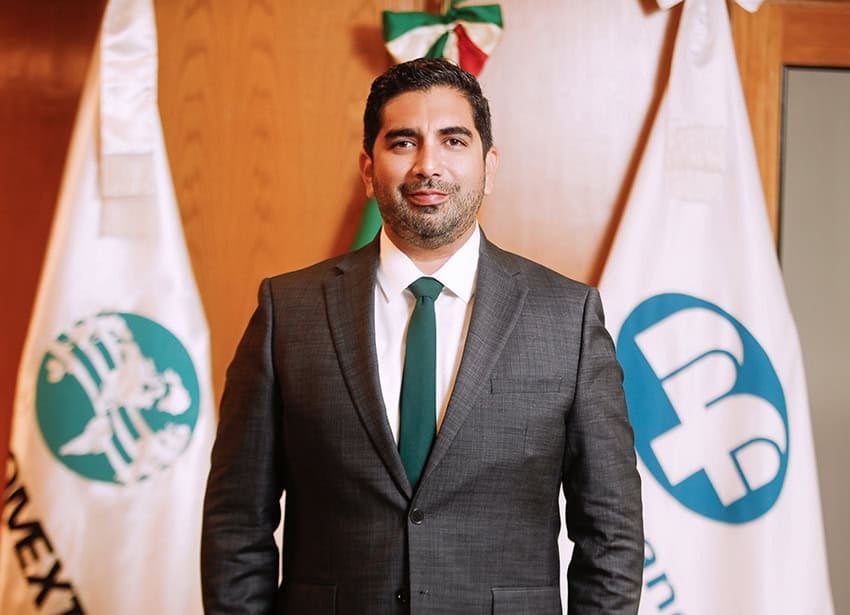
In a move that did not originate in the Foreign Affairs Ministry but carries equal diplomatic weight, Sheinbaum confirmed on April 23 that she is proposing Roberto Lazzeri Montaño as the new Mexican ambassador to the United States, replacing Esteban Moctezuma Barragán, who has held the post since 2021 under both AMLO and Sheinbaum.
Lazzeri, 42, is not a diplomat in any traditional sense. He is an economist who built his career almost entirely inside the Finance Ministry, where he served as director-general of public debt and chief of staff to then-secretary Rogelio Ramírez de la O. Most recently, Sheinbaum appointed him director-general of Nacional Financiera (Nafin) and Bancomext — the country’s main development bank and its foreign trade bank — where, by her own account, he modernized credit programs and launched a new technology innovation fund in a very short time.
His credentials for the post in Washington, however, go beyond banking. Lazzeri played a key role last year when the U.S. Treasury moved to sanction three Mexican financial institutions for alleged money laundering tied to drug cartels. He helped negotiate two extensions of those prohibitions, allowing the firms to reduce their exposure to designated entities in an orderly manner. He also participated in the 2023 government acquisition of Iberdrola’s power plants — a US $6 billion operation that required sustained engagement with U.S. counterparts. And just days before the announcement was reported by Bloomberg, he took part in meetings at the National Palace between U.S. Trade Representative Jamieson Greer and senior Mexican officials.
President Sheinbaum has tapped National Financiera and Bancomext Director Roberto Lazzeri to be Mexico’s next ambassador to the United States, pending Senate and U.S. approval. (Bancomext)
The timing of the proposal is not coincidental. As analysts consulted by Expansión noted, the two most sensitive fronts of the USMCA’s review are the rules of origin and the anti-money-laundering pressure related to cartels designated by the Trump administration as foreign terrorist organizations. Lazzeri has direct experience on both fronts.
Sheinbaum was candid about the logic: “The main issue with the United States right now is the commercial one,” she said, adding that Lazzeri has “a very good relationship with the Mexican government and also with counterparts in the United States.”
The nomination still requires the U.S. government’s formal agreement and subsequent ratification by the Mexican Senate before it becomes official.
Ernestina Godoy — From presidential lawyer to top prosecutor
In late 2025, Ernestina Godoy left her role as presidential legal counsel to become Attorney General, replacing Alejandro Gertz Manero — another AMLO-era figure — after his surprise resignation. The Senate ratified Godoy with 97 votes. Her appointment placed a close Sheinbaum ally at the head of Mexico’s top prosecutorial authority.
Her departure from the Legal Counsel post triggered a chain reaction: Esthela Damián moved from the Security Ministry to fill Godoy’s old role, and now Luisa Alcalde moves in as Damián departs for Guerrero politics.
The bigger picture: What la política is telling us
Sheinbaum has now replaced or reassigned enough key figures that the cabinet, the party and the diplomatic corps are being rebuilt in her image rather than inherited from her predecessor. The pattern has several defining characteristics.
President Sheinbaum’s new appointments make it clear she is reshaping the government in her own image. (Carlos Ramos Mamahua / Presidencia)
Technocracy over politics on the most exposed fronts. The choice of Roberto Velasco and Roberto Lazzeri for Washington is perhaps the clearest expression of a governing philosophy: when the stakes are primarily economic — the USMCA review, tariff negotiations and financial sanctions — send experts, not politicians.
Party control as electoral preparation. The reshuffles inside Morena are not merely organizational — they are preparation for 2027. By placing her people in the party’s electoral machinery and removing figures associated with the founding generation’s loyalties, Sheinbaum is building the infrastructure for a Morena that runs on her authority, not on nostalgia.
A response to external pressure. As historian Humberto Beck observed, Sheinbaum is facing a “double crisis”: managing a restive internal party coalition while simultaneously navigating an increasingly assertive Trump administration. The consolidation of presidential power is, in this reading, also a message to Washington and to markets: there is a single decision-maker in Mexico City and she is in firm control.
Whether the strategy pays off will be tested at the ballot box. Coahuila will be an early indicator. The 2027 midterms will be the real verdict. But for now, Sheinbaum has moved from inheriting power to exercising it — and the playing board looks unmistakably like hers.
Maria Meléndez writes for Mexico News Daily in Mexico City.
President Sheinbaum accused the U.S. of political motives in its request for the extradition of Sinaloa's sitting governor, who it accuses of colluding with the Sinaloa Cartel. (Cuartoscuro)
President Claudia Sheinbaum on Thursday responded to U.S. prosecutors’ drug trafficking accusations against Sinaloa Governor Rubén Rocha Moya and nine other Mexicans, saying that her government won’t provide cover for anyone who has committed a crime. However, she also asserted that without “clear proof” the objective of the U.S. charges is “political.”
Reading a prepared statement at her morning press conference, Sheinbaum said that her government won’t allow “meddling or interference” from a foreign government in decisions that are Mexico’s to make.
🚨“Verdad, justicia y defensa de la soberanía”, dice la presidenta Claudia Sheinbaum tras acusaciones de EU contra Rubén Rocha Moya y otros funcionarios mexicanos
“Nosotros no vamos a cubrir a nadie que haya cometido un delito. Sin embargo, si no existen pruebas claras, es… pic.twitter.com/iK4Sfa7xzL
Rocha, who has been governor of Sinaloa since 2021, rejected the U.S. accusations, as did other suspects. He told reporters on Wednesday that “nothing” would happen to him and declared he had the support of the president.
The governor represents Morena, the party founded by former president Andrés Manuel López Obrador and which backed Sheinbaum at the 2024 presidential election. Rocha is a political ally of Sheinbaum, putting the president in a very difficult situation as the U.S. requests his extradition.
The Ministry of Foreign Affairs (SRE) issued a statement on Wednesday saying that it had received extradition requests for “several individuals” from the U.S. government.
The SRE said that “the information received” had been referred to the Federal Attorney General’s Office (FGR) “to evaluate the requests under Mexican law.”
“Based on the legal review conducted by the Ministry of Foreign Affairs under the bilateral Extradition Treaty, the documents received from the U.S. Embassy do not contain sufficient evidence to establish the responsibility of the individuals whose provisional arrest for extradition purposes is being requested,” the SRE said.
“Nonetheless, as is standard procedure in such cases, it will be the Attorney General’s Office that determines whether there is sufficient evidence under the Mexican legal system and whether to grant the provisional arrest requests,” the ministry said.
The SRE also said that “the treaties in force include specific provisions establishing the confidentiality of the information,” — i.e. a superseding indictment that was published online by the Justice Department —adding that “a formal protest will therefore be sent to the U.S. Embassy regarding the manner in which the information was disclosed.”
Ulises Lara, a special prosecutor in the FGR, subsequently said that the FGR will “launch an investigation to gather all the necessary information to determine whether there is evidence establishing a reasonable likelihood that the charges brought by U.S. authorities have a legal basis for requesting arrest warrants. ”
He also said that the United States’ request for the provisional arrest for extradition purposes of the 10 suspects is “not accompanied by sufficient probative elements that provide conclusive evidence regarding the events narrated.”
The full superseding indictment against Sinaloa governor Rubén Rocha Moya is out and it’s brutal. He faces Narcotics Importation Conspiracy along with various Sinaloa officials. “To protect and grow this drug trafficking empire, the Cartel has partnered with corrupt politicians.” pic.twitter.com/tqy9XWKPsA
Sheinbaum referred to the SRE’s press release and Lara’s remarks in the statement she read out on Thursday morning.
Here is a full translation of Sheinbaum’s statement:
“To the people of Mexico: On the evening of April 28, the Ministry of Foreign Affairs received 10 documents requesting the provisional detention of 10 Mexican citizens for the purpose of extradition. On April 29, in accordance with current regulations, the Ministry forwarded the information received to the Federal Attorney General’s Office for evaluation of these requests, in accordance with Mexican law.
At noon on Wednesday, April 29, the U.S. Department of Justice for the Southern District of New York announced charges against 10 Mexican citizens, including the sitting governor of Sinaloa, the senator from Sinaloa [Enrique Inzuna Cazarez], and the mayor of Culiacán.
Attached to this indictment, a document was published with the title, in Spanish, Acusación de reemplazo bajo reserva [superseding indictment under seal]. This prompted a legal protest from the Ministry of Foreign Affairs, given that such proceedings are confidential, in accordance with relevant treaties.
Yesterday afternoon, the Federal Attorney General’s Office issued a statement setting forth the following: Based on the Political Constitution of the United Mexican States, the National Code of Criminal Procedure, and the applicable laws in this matter, it is the obligation of the Attorney General’s Office, through the Special Prosecutor’s Office for International Affairs, to analyze the documentation received in order to determine, with complete accuracy, whether the necessary evidence exists for this purpose [provisional arrest] and, if applicable, the feasibility of the request.
At the same time, the Federal Attorney General’s Office stated that it will launch an investigation to gather all necessary information to determine whether there is evidence establishing that the allegations made by U.S. authorities have a legal basis for requesting arrest warrants.
The Federal Attorney General’s Office established that Mexican law clearly states that to request an arrest warrant from a judicial authority, it is necessary to present evidence inferring the possibility that a person has committed a crime.
Since I assumed the presidency of Mexico, I have sworn to uphold the Constitution and the laws. Likewise, I have made a firm commitment to safeguard the well-being of the people and defend national sovereignty. Mexico is a great country, with a generous and hardworking people. Mexico establishes a relationship of equals with all nations, never one of subordination and certainly not of subservience.
As President of the Republic, my stance on these events is: truth, justice, and the defense of sovereignty.
In other words, if the Attorney General’s Office — which is the competent authority — receives compelling and irrefutable evidence in accordance with Mexican law, or if its own investigation uncovers elements constituting a crime, it must proceed in accordance with the law under our jurisdiction.
I have always stated this clearly, and we have acted accordingly: we will not cover up for anyone who has committed a crime. However, if there is no clear evidence, it is evident that the objective of these charges by the Department of Justice is political.
Let this be crystal clear: under no circumstances will we allow the meddling or interference of a foreign government in decisions that fall exclusively within the purview of the Mexican people. Truth, justice, and the defense of sovereignty. This is our position.”
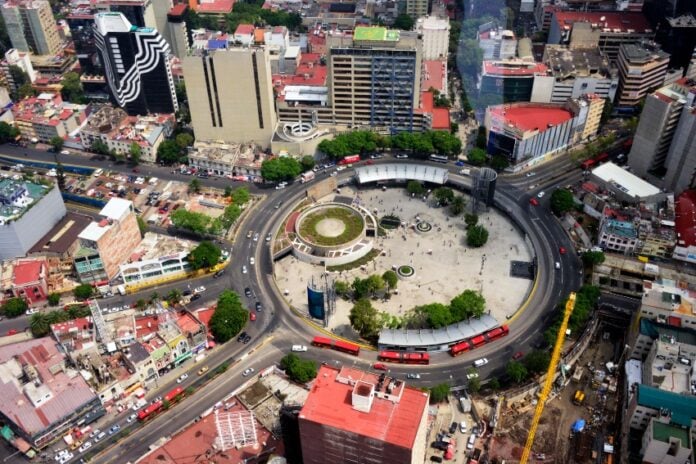
Glorietas like the iconic Glorieta de los Insurgentes in Mexico City are designed to facilitate smooth traffic flow, but also led themselves to distinctive statues, fountains and monuments. (Fotosintesistt/Wikimedia Commons)
In 2005, when my husband and I bought a house in Guanajuato, I was amazed at the lack of traffic lights in the city. Indeed, Guanajuato is famous for having no signals in its historic center, because as a UNESCO World Heritage site, it is dedicated to preserving its 16th-century character, which includes narrow streets.
Recently, I interviewed Guanajuato’s director of the Municipal Planning Institute, Lic. Maria Rocío Velázquez, about Mexico’s approach to traffic calming. I discovered that in 2020, Mexico became the first nation to declare access to safe mobility a human right. In 2022, the government passed the General Law of Mobility and Road Safety, which recognizes in Mexico’s Constitution the right to mobility, stating that “…everyone has the right to mobility in conditions of road safety, accessibility, efficiency, sustainability, quality, inclusion and equality.” The law also established a hierarchy that places pedestrians at the very top, followed by cyclists, users of public transit, commercial vehicles and lastly, private cars.
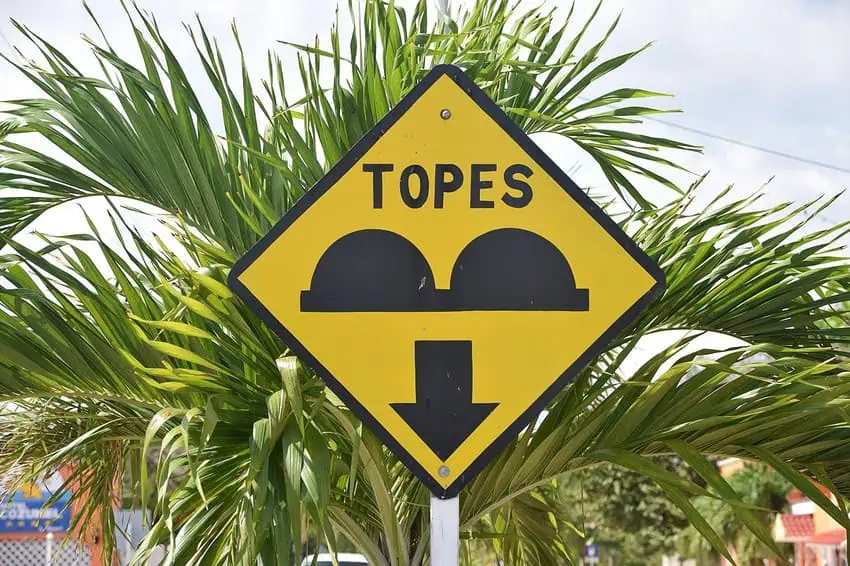
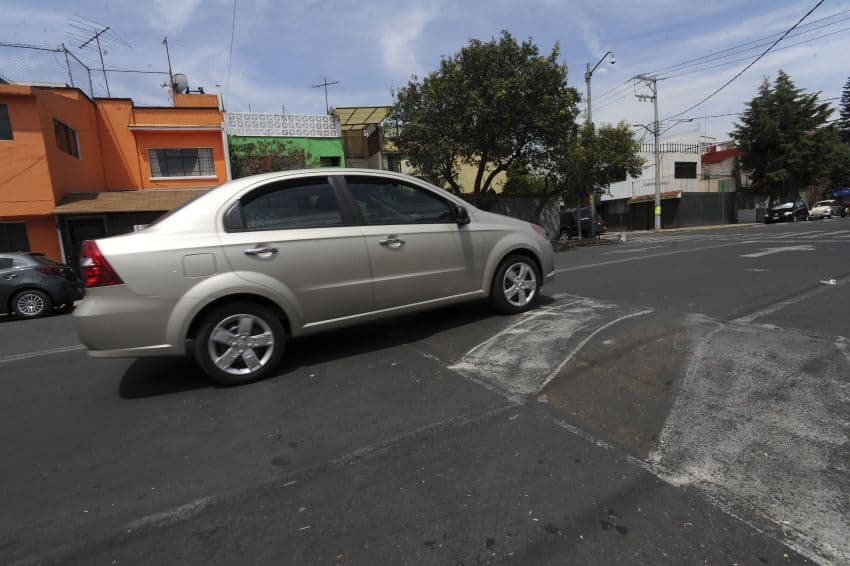
When you see this sign in Mexico, a reduction in speed is indicated. Otherwise, bad things will happen to your car’s undercarriage. (Dickelbers)
Mobility and road safety
This law also mandates reducing vehicle speeds and better-designed infrastructure, such as crosswalks, increased visibility at intersections, chicanes (sidewalk extensions that create a zigzag pattern, forcing drivers to slow down) and pedestrian refuges (raised medians between multi-lane avenues, allowing pedestrians to cross in separate stages).
According to Velázquez, pedestrians come first not only at the national level but also at the local level. “In our planning hierarchy, pedestrians are the priority,” she said.
And Guanajuato is not unique. Pedestrians are legally recognized as the highest priority in the hierarchy of road users in many Mexican towns and cities.
Rather than prioritizing speed, Mexico’s goal is to improve coexistence on public roads and protect the most vulnerable users. Mexico uses widespread topes (speed bumps) and glorietas (traffic circles) to calm traffic. Both have their drawbacks, but they’re more efficient than traffic lights because they reduce speed and require less waiting time.
Topes
Velázquez shared with me the pluses and minuses of topes, Mexico’s most frequent — and infamous — road feature. “In cities like Guanajuato, with complex topography and narrow streets, vehicles tend to ignore speed limits. Speed bumps are a low-cost solution that forces drivers to reduce speed in school zones, residential areas and areas with high pedestrian traffic.”
I asked Velásquez why so many types of topes exist. First, Guanajuato’s status as a UNESCO World Heritage Site means that it has specific criteria for conservation and historical character. Of course, this is equally true for other UNESCO cities, such as Puebla, San Miguel de Allende, Querétaro, Morelia, Zacatecas and Oaxaca.
Mexico’s most frequent and infamous road feature, topes, come in a variety of shapes and sizes. They. (Armando Monroy/Cuartoscuro)
Also, some streets and highways fall under municipal jurisdiction, while others are under state and federal jurisdiction, and each level of government acts with its own guidelines, leading to differences in type and design. In addition, when budget constraints prevent topes from being installed, some residents get tired of waiting for the government to act, and add them themselves without adhering to regulations.
The future of topes
According to Velázquez, many topes are requested directly by residents through neighborhood meetings, because they perceive their streets as unsafe due to speeding. But topes are going through significant changes, as Mexico is gradually shifting toward wider speed humps, which are less jarring and less damaging to suspensions.
Some Mexican cities are upgrading topes by implementing technological solutions to improve road safety, using sensors to remain flat for drivers traveling at or under the speed limit, only rising if a vehicle approaches too fast.In other areas, topes are gradually being phased out due to air pollution concerns and mechanical wear, to be replaced with chicanes, pedestrian refuges and modifications in street design, so that speed is reduced naturally by the physical layout.
Glorietas
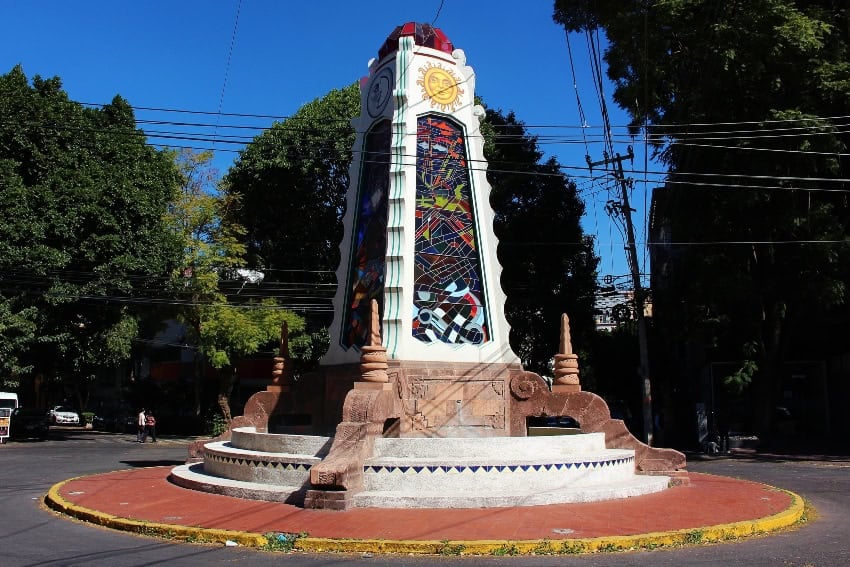
As for glorietas, in Mexico, they aren’t just functional intersections, but are often aesthetic, treated as public art installations and vibrant urban focal points, featuring elaborate sculptures, historical monuments, murals, fountains and lush, ornamental landscaping.
Mexico City has the highest concentration of glorietas, followed by Guadalajara, Monterrey, Tijuana and Mérida. But they exist in smaller towns as well, where they’re often used to define the entrance to the town or guide visitors into the historic center. That’s the case in Pueblos Mágicos such as Ajijic, Atlixco, Cuautepec, Orizaba, Tepoztlán, and Taxco.
Glorietas can be small, sometimes only having one lane for traffic. For example, Glorieta Plaza de Sevilla, in Mexico City’s Roma neighborhood, is a small traffic circle that also features a 1920s-style fountain with geometric designs, stained glass and representations of the sun and moon.
Another iconic Mexico City glorieta: Glorieta Plaza de Sevilla, in the Roma neighborhood. (Mario Yaír TS/Wikimedia Commons).
From the Yucatán and Chiapas to the northern border states, creative traffic calming features and street design are growing throughout the country. Mexico still has a long way to go in transforming its vision of a pedestrian-friendly culture into physical reality, but the recent laws and on-the-ground improvements show that the government takes innovation seriously and is a world leader in this area.
Louisa Rogers and her husband Barry Evans divide their lives between Guanajuato and Eureka, on California’s North Coast. Louisa writes articles and essays about expat life, Mexico, travel, physical and psychological health, retirement and spirituality. Her recent articles are available on her website, authory.com/LouisaRogers.
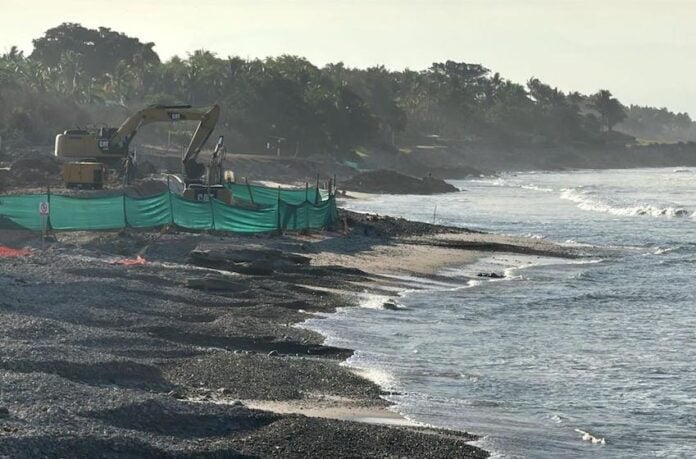
One of the main demands of this week's protest in Nayarit was preventing a new luxury development from shutting off public access to a secluded beach. (Mar y Fondo/Facebook)
The Interior Ministry confirmed Tuesday that free public access to Las Cocinas — a secluded beach at the tip of Banderas Bay, adjacent to a luxury development at Punta de Mita, Nayarit — will be guaranteed.
The announcement followed protests against a mega-tourism project, during which denouncements were made of alleged attempts to limit or privatize beach access.
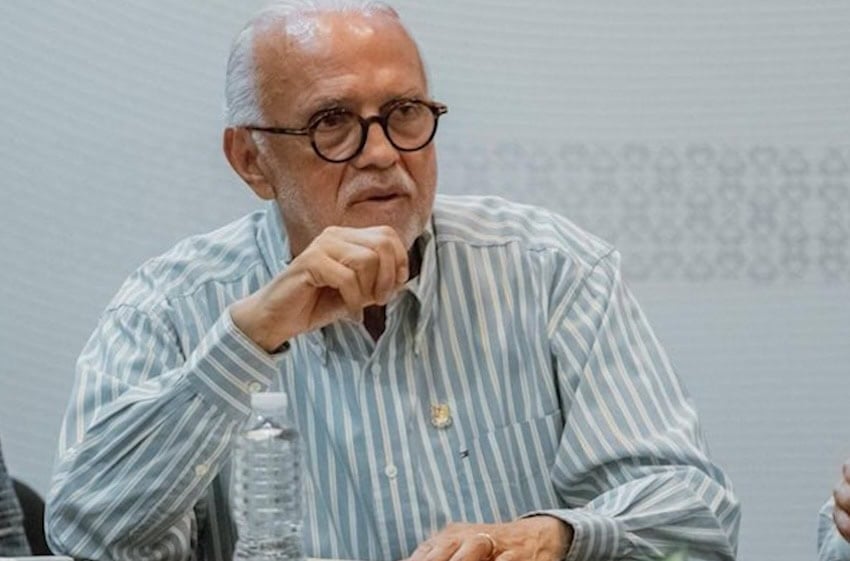
Nayarit Gov. Miguel Ángel Navarro Quintero, participating in the dialogues over the Punta de Mita beachfront development, reminded all concerned that unfettered free public access to all beaches is Mexican law. (Miguel Ángel Navarro Quintero)
In its statement, Segob said that “free access to beaches is a right that must be guaranteed in accordance with the current legal framework, and will therefore be a central focus in decisions related to the project.”
Segob stated that, along with the Environment Ministry (Semarnat) and the Nayarit state government, direct communication is being maintained with residents and other stakeholders involved.
It also promised to establish dialogue with the local community to listen to proposals, review the progress of the work on the beach and follow up on technical and environmental evaluations of the project.
These meetings will be attended by Segob, Semarnat, the Federal Attorney’s Office for Environmental Protection (Profepa), state authorities, representatives of the development company and residents of Punta de Mita.
The protest, during which activists clashed with state police, resulting in three arrests, was the latest of a series of demonstrations targeting the tourism project at Las Cocinas beach. The protests have been brewing for months, but in recent weeks have escalated to blockades and marches, as well as occasional physical clashes.
Besides their demand for guaranteed free access to Las Cocinas and a halt to any attempt to privatize or block it — which appears to be successful given Segob’s statement — activists and residents of Punta Mita are also calling for full transparency regarding the tourism project, including the public disclosure of permits, the Environmental Impact Assessment (MIA) and the true scope of the project.
Beyond these demands, protesters claim the project poses a threat to the local ecosystem as it involves the removal of rocks and vegetation, alteration of the beach and possible impacts on turtle nesting areas.
To address these demands, Segob said in its statement that environmental authorities would carry out technical supervision and verification actions to ensure that any work or intervention in the area is carried out in accordance with the law and for the benefit of the community.
It also said the development must follow the criteria of “legality, social dialogue and respect for the environment.”
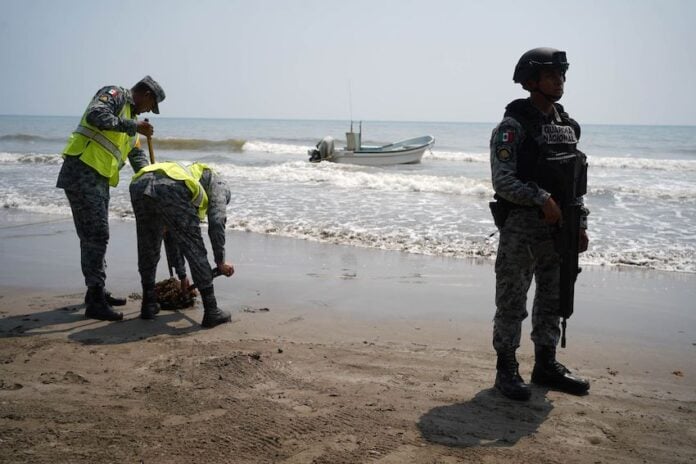
National Guard members pitch in on the clean-up of hydrocarbons on a Gulf of Mexico beach. (Victoria Razo/Cuartoscuro)
More than two months after a Feb. 6 oil spill in the Gulf of Mexico, environmental groups report contamination remains on dozens of beaches despite federal declarations in mid-March that cleanup efforts were 85% complete.
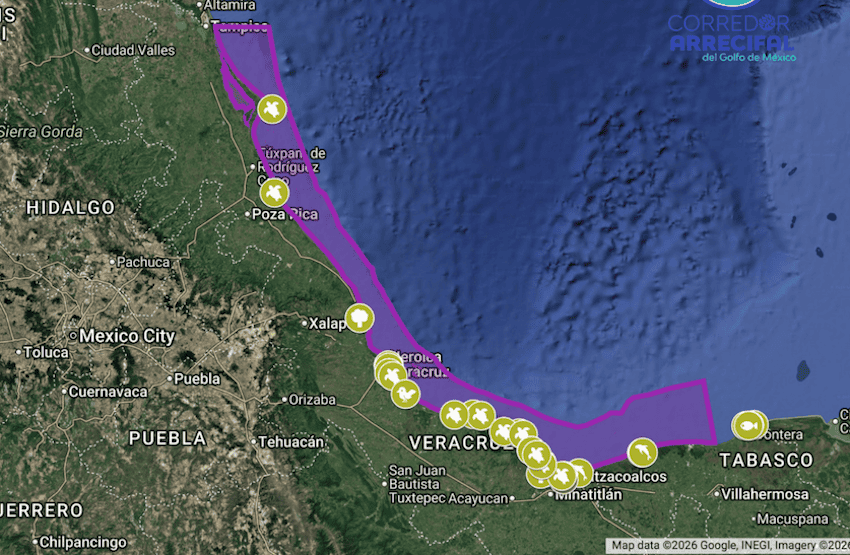
The Gulf of Mexico Reef Corridor Network said at least 81 beaches out of the 113 sites initially affected still show visible tar, with large and medium-sized patches of hydrocarbons observed alongside thousands of small particles and flakes.
The Gulf of Mexico Reef Corridor Network released this map, current as of April 26, indicating points along the Gulf coast from where the organization has recently received citizen reports of oil damage.
The contamination spans approximately 1,168 kilometers of coastline from Paraíso, Tabasco, to Matamoros, Tamaulipas, the group said.
Fresh hydrocarbon arrivals were documented April 20-21 at Punta San Juan in Veracruz and Barra de Tupilco in Tabasco, according to the Veracruz-based news outlet Imagen del Golfo.
Environmental groups suspect crude oil that accumulated on the seabed is now being moved by currents and weather events known as nortes (northers).
These tiny fractions of hydrocarbons are especially difficult to remove and pose a persistent risk to the environment and public health, according to the news source Infobae.
Experts warn that the impact on the seabed has not been adequately analyzed or addressed.
After weeks of conflicting explanations — and charges of a government coverup — state oil company Petróleos Mexicanos (Pemex) admitted April 16 the spill originated from a pipeline leak near the Abkatun field in the Bay of Campeche.
Pemex CEO Víctor Rodríguez said senior management was not initially informed of the leak and three officials were dismissed. The leak began Feb. 6 and persisted until the pipeline was secured Feb. 14, Pemex eventually said.
Repairs were reportedly completed Feb. 18, and federal authorities in mid-March declared cleanup approximately 85% complete with no residue remaining in containment areas.
Environmental organizations have questioned why inspections by agencies, including the Federal Attorney for Environmental Protection (Profepa), are limited to superficial evaluations without comprehensive studies determining the presence of contaminants in sediments, water and marine fauna.
The spill has killed at least 22 sea turtles, four dolphins and one manatee, in addition to damaging fish populations, coastal birds (including two pelican deaths), mangroves and reefs, according to media reports.
Fishermen in Campeche representing more than 5,000 workers protested Monday, demanding fuel subsidies and emergency support as catches declined and operating costs rose.
Each fishing trip costs approximately 3,000 pesos (US $171) in fuel, they said, with no catch guaranteed; the oil spill has altered marine conditions, causing fish species to move away from traditional fishing grounds, the Mérida-based Por Esto reported.
Environmental organizations criticized cleanup efforts for focusing on tourist areas and easily accessible zones while neglecting rural and rocky areas — reflecting structural inequalities in disaster response.
Groups have demanded independent health and environmental monitoring, transparent compensation mechanisms and restrictions on oil activities in the Reef Corridor of the Southwestern Gulf of Mexico.
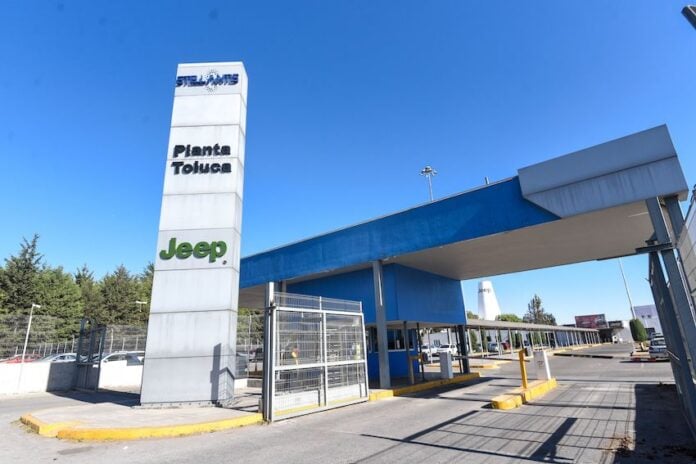
The Mexican automotive industry, modeled here by the Stellantis plant in Toluca, Mexico state, slipped from fifth place globally in 2024 to seventh in 2025. (Crisanta Espinosa Aguilar/Cuartoscuro)
After cracking the top five of global automotive manufacturers in 2024, Mexico has lost its grip on that elite ranking, a victim, it is believed, of U.S. President Donald Trump’s imposition of tariffs on cars and heavy trucks.
The International Organization of Motor Vehicle Manufacturers (OICA) reported on Wednesday that the two countries that Mexico had surpassed in 2024 — South Korea and Germany — had scrambled back up to the fifth and sixth position, producing 4,102,200 and 4,148,836 cars in 2025, respectively.
According to the International Organization of Motor Vehicle Manufacturers (OICA), the top seven auto producers in the world are, in order, China, the United States, Japan, India, South Korea, Germany and Mexico. (Unsplash)
Mexico took seventh place, producing 4,092,488 units, 2.6% fewer than in 2024.
China is the leading auto manufacturer in the world, producing 34,530,738 units (up by 10.4% over 2024), followed by the United States, with 10,243,844 (-2.6%); Japan, with 8,410,232 (+2.1%); and India, with 6,490,810 vehicles.
In April 2025, the United States implemented a 25% tariff on light vehicle imports, which was followed by a 25% tariff on auto parts in May. Then, in November, it introduced a 25% tariff on heavy truck imports and a 10% tariff on bus imports.
While the 25% tariff is only levied on the non-U.S. content in exported vehicles, the total tariff rate still stands at around 15%.
As it introduced higher tariffs on Mexico’s auto industry, the United States reached agreements with various countries to lower tariff rates to 15%, from around 30% to 40% previously. This has made other countries, such as Japan, South Korea, and the European Union, more competitive.
Mexico also attracted less gross fixed investment in its heavy vehicle sector last year.
Heavy truck assembly in Mexico decreased by 34.8%, to 138,954 units, representing almost 75,000 fewer vehicles, according to figures from Mexico’s National Institute of Statistics and Geography. Meanwhile, light vehicle manufacturing fell by 0.9%, to 3,953,494 units.
North America’s share of global automobile production decreased from 17.3% to 16.2% in 2025, while Asia-Oceania’s share rose from 59.3% to 61.4%, with China alone increasing its share from 33.7% to 35.8%.
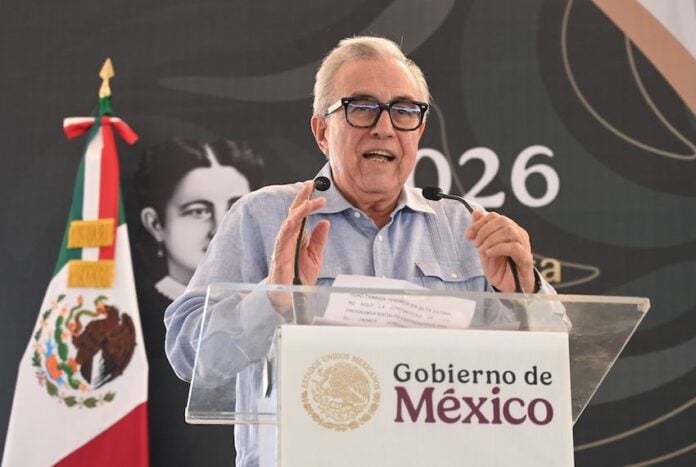
Sinaloa Governor Rubén Rocha Moya is accused of narcotics importation conspiracy; possession of machine guns and destructive devices; and conspiracy to possess machine guns and destructive devices. (Presidencia/Cuartoscuro)
Prosecutors in the United States have formally accused Sinaloa Governor Rubén Rocha Moya and nine other current and former Mexican officials of drug trafficking and related weapons offenses, alleging that they colluded with the Sinaloa Cartel, one of six Mexican criminal groups designated as foreign terrorist organizations by the U.S. government.
The U.S. Department of Justice announced the charges in a statement released on Wednesday. It said the governor has allegedly attended meetings with “the Chapitos” — sons of convicted drug trafficker Joaquín “El Chapo” Guzmán — and has allowed the Sinaloa Cartel faction they lead to “operate with impunity in Sinaloa.”
Rocha, who represents the Morena party, promptly rejected the accusations against him.
The Justice Department statement — attributed specifically to the U.S. Attorney’s Office in the Southern District of New York — notes that an indictment unsealed on Wednesday charges the 76-year-old governor and nine other men with trafficking and related weapons offenses.
Those nine men are:
Enrique Inzuna Cazarez, a Morena senator who represents Sinaloa in federal Congress.
Enrique Díaz Vega, a former finance minister in Sinaloa.
Dámaso Castro Zaavedra, deputy attorney general in Sinaloa.
Marco Antonio Almanza Avilés, former head of the Sinaloa Investigative Police.
Alberto Jorge Contreras Núñez, another former head of the Sinaloa Investigative Police.
Gerardo Mérida Sánchez, a former Sinaloa security minister.
José Antonio Dionisio Hipolito, a former deputy director of the Sinaloa State Police.
Juan de Dios Gámez Mendívil, the current mayor of Culiacán.
Juan Valenzuela Millán, a former high-level commander in the Culiacán Municipal Police.
All 10 suspects face sentences of up to life imprisonment if convicted on the charges they face.
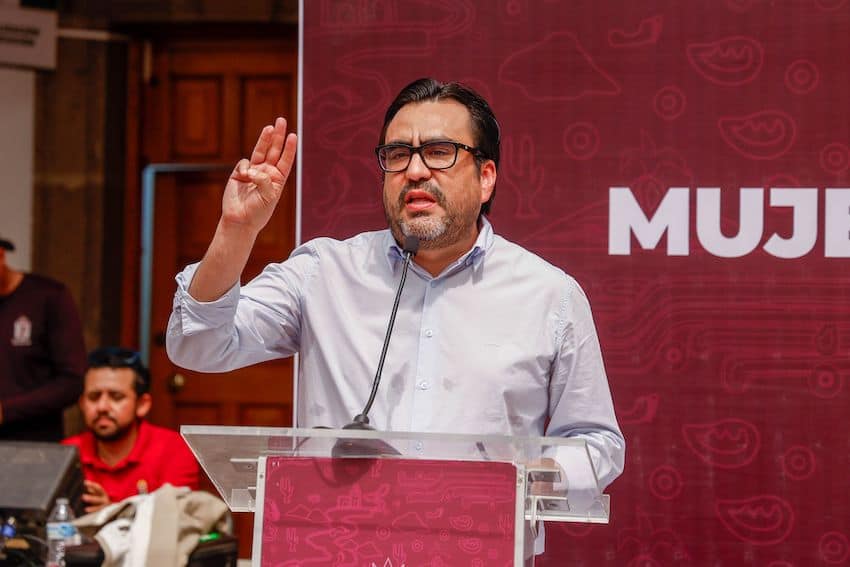
Mayor of Culiacán Juan de Dios Gámez Mendívil is one of four sitting Sinaloa officials who were charged with drug trafficking and weapons offenses by the U.S. Department of Justice on Wednesday. (José Betanzos Zárate/Cuartoscuro)
U.S. Attorney Jay Clayton said in New York on Wednesday that “the Sinaloa Cartel is a ruthless criminal organization that has flooded this community with dangerous drugs for decades.”
“As the indictment lays bare, the Sinaloa Cartel, and other drug trafficking organizations like it, would not operate as freely or successfully without corrupt politicians and law enforcement officials on their payroll. The support of corrupt foreign officials for deadly trafficking of drugs must end,” he said.
The charges against Rocha
The Justice Department said that Rocha — a former federal senator and university rector who has been in office since 2021 — is accused of narcotics importation conspiracy; possession of machine guns and destructive devices; and conspiracy to possess machine guns and destructive devices.”
It said that Rocha was elected governor “after the Chapitos allegedly helped him get elected by, among other things, kidnapping and intimidating his rivals.”
“In exchange, both before and after he became governor, Rocha Moya allegedly attended meetings with the Chapitos, at which he promised to protect the Chapitos as they distributed massive quantities of drugs to the United States,” the Justice Department said.
“… As Governor, Rocha Moya has allowed the Chapitos to operate with impunity in Sinaloa,” the statement added.
“I categorically and absolutely reject the charges brought against me by the U.S. Attorney’s Office in the Southern District of New York, as they lack truth and any foundation.”
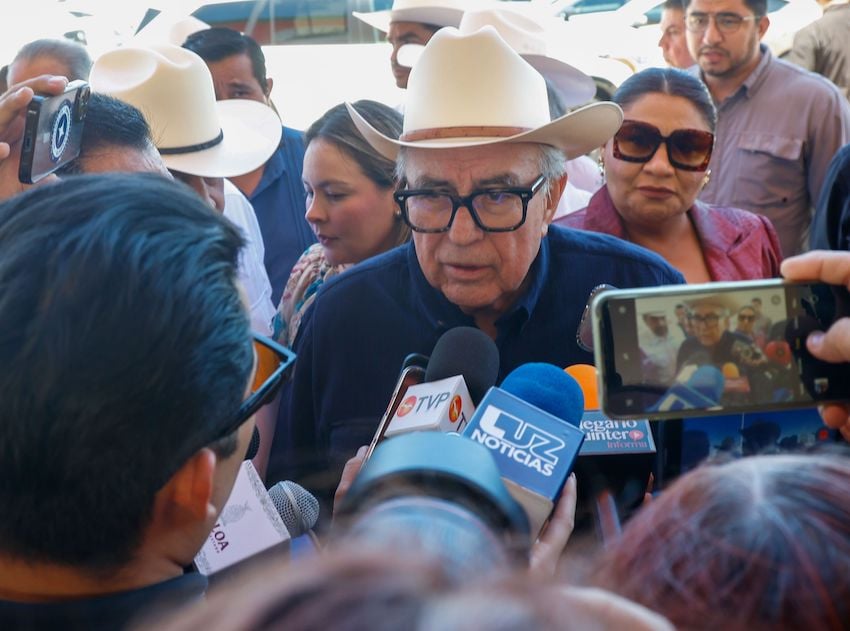
The Department of Justice of the United States claims Rocha Moya has allowed the Chapitos to operate with impunity in Sinaloa. (José Betanzos Zárate/Cuartoscuro)
The governor said his innocence will be proven beyond doubt in due course.
“This attack isn’t solely against me, but also against the movement of the Fourth Transformation, its emblematic leaders and the Mexican women and men who represent that cause,” Rocha wrote.
The Fourth Transformation, or 4T, is the Morena-led political movement spearheaded by President Claudia Sheinbaum.
Rocha also wrote that the charges against him are part of a “perverse strategy to violate the constitutional order, specifically the national sovereignty enshrined in Article 40 of the Political Constitution of the United Mexican States, which our movement defends as an invariable and non-negotiable principle.”
The governor concluded his post with a message “to the people of Sinaloa.”
“I say to you that, with the courage and dignity that characterize us, we will demonstrate the lack of foundation of this libel.”
During a large anti-violence march in Culiacán last September, protesters demanded the resignation of Rocha, whose popularity fell due to his government’s failure to contain violence related to the Sinaloa Cartel infighting. There has long been speculation about his alleged involvement with the Sinaloa Cartel.
Justice Department accuses all suspects of colluding with the Chapitos
In its statement, the Justice Department said that “each of the defendants has participated in a corrupt and violent drug trafficking conspiracy with the [Sinaloa] Cartel to import massive amounts of fentanyl, heroin, cocaine, and methamphetamine from Mexico into the United States.”
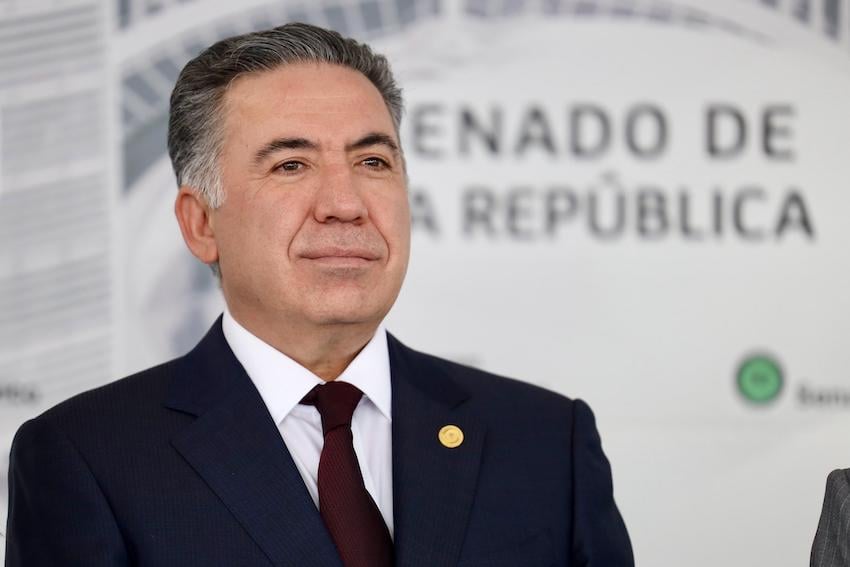
Current Morena senator for Sinaloa Enrique Inzuna Cazarez is among the officials accused of assisting the Sinaloa Cartel conduct its drug trafficking activities. (morena.senado.gob.mx)
It said that “the defendants have played a variety of essential roles for the Cartel.”
The Justice Department said they have:
Allegedly shielded Cartel leaders from investigation, arrest and prosecution.
Caused sensitive law enforcement and military information to be provided to members of the Cartel and allied drug traffickers to assist the Cartel’s criminal activities.
Directed members of state and local law enforcement agencies, such as the Sinaloa State Police, the Investigative Police for the Sinaloa State Attorney General’s Office and the Culiacán Municipal Police, to protect drug loads stored in and transiting through Mexico to the United States.
Allowed brutal drug-related violence to be committed by members of the Cartel without consequence.
In exchange for that alleged collusion, “the defendants have collectively received millions of dollars in drug money from the Cartel,” the Justice Department said.
It also said that “as alleged, the defendants have been most closely aligned with the faction of the Cartel run by the sons of Joaquín Archivaldo Guzmán Loera, aka ‘El Chapo,’ the Cartel’s notorious former leader, who are themselves known collectively as the ‘Chapitos.'”
“The defendants have operated at all levels of government and law enforcement in Sinaloa and each abused their positions of trust and authority to help facilitate the Chapitos’ operations,” the Justice Department said.
“… For example, [Castro] Zaavedra, who is the Deputy Attorney General for the Sinaloa State Attorney General’s Office, has received approximately $11,000 U.S. dollars each month from the Chapitos and, in exchange, has protected Chapitos members from arrest and informed the Chapitos of planned U.S.-backed law enforcement operations.”
The Justice Department said that Millán, the former Culiacán Police commander, is also “charged with offenses related to his participation in kidnappings of a DEA source and the source’s relative that resulted in their deaths.”
“… In or about October 2023, Millán allegedly helped the Chapitos kidnap a DEA confidential source and the source’s relative, who the Chapitos then had tortured and killed, because the source was suspected of providing information to the Government in connection with this investigation.”
US ambassador responds to criminal charges against Rocha and other officials
U.S. Ambassador to Mexico Ron Johnson issued a statement in response to the unsealing of criminal charges against Governor Rocha and the other nine defendants.
“While we cannot comment on the individual facts of these indictments, and the legal process will need to play out, one thing is certain: corruption that enables organized crime and harms both our countries will be investigated and prosecuted wherever U.S. jurisdiction applies,” the statement said.
During a visit to Sinaloa last week, Johnson said that the private sector “needs certainty, security and an environment free of corruption” in order for investment in Mexico to “prosper.”
President Sheinbaum responded to that report by saying that “the fight against corruption” in Mexico is the responsibility of the Mexican government, the Federal Attorney General’s Office and state Attorney General’s Offices. As of 3 p.m. on Wednesday, she hadn’t commented on the U.S. accusations against Rocha and the nine other suspects, all of who hold or formerly held positions of power and influence in Sinaloa, one of Mexico’s most violent states.