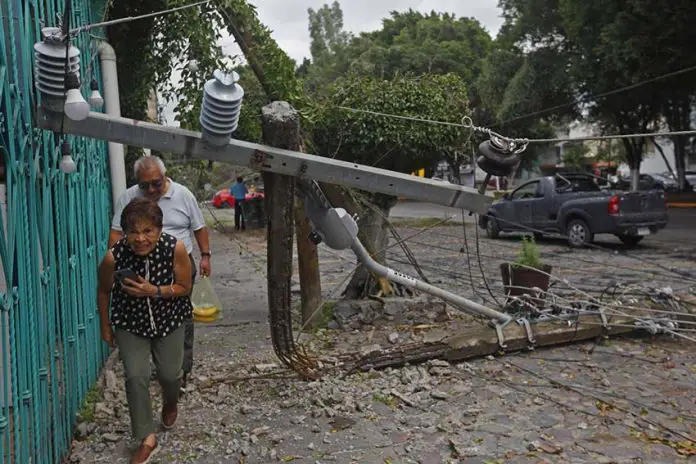
Residents in Zapopan, part of the Guadalajara Metropolitan Area, duck under downed power lines and skirt debris. A storm on Tuesday left thousands in the Metro area without power. About 15,000 still remain without electricity as of Thursday. (Fernando Carranza García/Cuartoscuro)
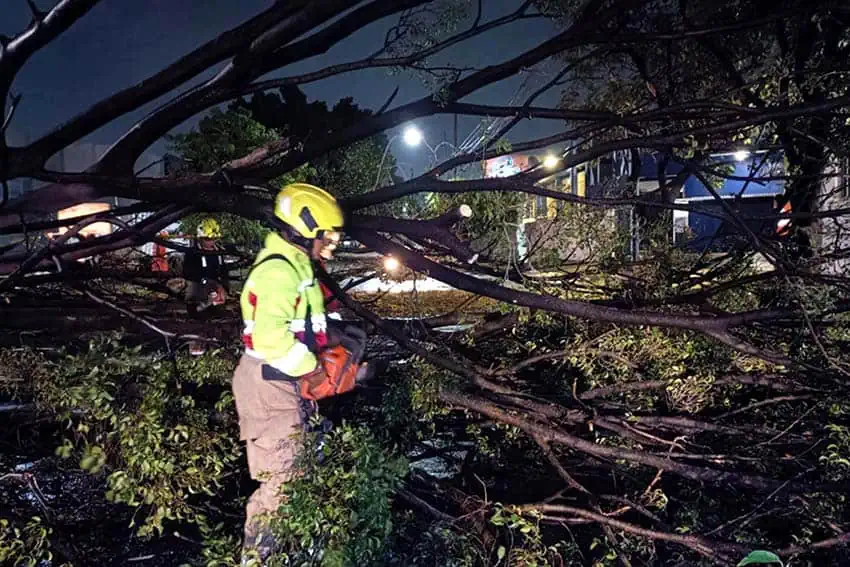
Guadalajara is digging itself out after intense storms that battered the city’s metropolitan area (ZMG) on Tuesday and Wednesday caused flooding in city streets, outages that continue to leave thousands without electricity, and the downing of over 180 trees.
More heavy rains appear on the way as Jalisco residents awoke Thursday to the news that a small disturbance near the Jalisco and Colima coastlines “began to undergo tropical cyclogenesis, with models showing a potential tropical depression.”
Authorities were busy through Wednesday night and Thursday morning working to remove over 180 downed trees in the city. (Civil Protection Jalisco/X)
Although Mexico’s attention is currently focused on its Caribbean and Gulf coasts to the east — where Hurricane Beryl is expected to make landfall as early as Friday — the nation’s western coast is now preparing for the season’s first tropical cyclone of the Pacific season.
Tuesday’s storm brought winds as strong as 100 km/h (61 mph) and caused flooding in Guadalajara’s tunnels and streets. Several vehicles were carried away by the roiling waters.
Emergency personnel were out in force to rescue stranded motorists and to assist residents whose houses flooded as the rain continued through Wednesday afternoon. At least 50 homes in Guadalajara’s Villa Fontana neighborhood were reportedly filled with mud and water on Wednesday morning after the El Seco stormwater canal overflowed.
About 15,000 ZMG residents have also been without power since Tuesday’s storm, El Informador reported.
In the face of widespread power outages in the city on Tuesday, a woman in Zapopan took it upon herself to direct traffic at the intersection of Tepayac and Dr. Mateo del Regil avenues. Zapopan is part of the Guadalajara Metro Area.
The first fatality of the summer storm season, the 62-year-old man had fallen into a stormwater canal. Initial rescue efforts were unsuccessful. Emergency personnel recovered his body 133 hours after the fact.
On Wednesday, state authorities also confirmed reports of another storm-related death — not in Guadalajara but about 55 km north of the capital, in San Cristobal de la Barranca. The newspaper La Jornada reported a 15-year-old boy had been swept into a gully during a rainstorm on Sunday.
Civil Protection personnel reminded the public to avoid trying to walk through rushing water and to avoid crossing canals, gullies and dams.
Tropical Depression One-E approaching Mexico’s Pacific states
According to the NHC, the Pacific cyclone will remain a tropical depression until Friday afternoon, continuing to produce rain and thunderstorms through Saturday.
Tropical Depression One-E is moving northeast toward the Colima coast at 15 km/hour with sustained winds of 55 km/h (34 mph) and gusts reaching 75 km/h (47 mph). The storm is producing waves of 1 to 3 meters in the Pacific and could produce waterspouts, said the NHC.
Its cloud bands are expected to produce severe storms in Jalisco, Colima and Michoacán, dumping 25 to 50 mm of rainwater. The NHC warned of lightning and thunderstorms and, potentially, hailstorms.
Authorities have warned residents to be on the lookout for landslides and additional flooding.
Mexico's exports to the U.S. hit another record in May. (Cuartoscuro)
Mexico’s revenue from exports to the United States hit an all-time high in May, increasing 6.1% in annual terms to almost US $44 billion.
United States government data also shows that Mexico has consolidated its position as the world’s top exporter to the U.S.
The value of Mexican exports to the United States increased 6.2% in the first five months of the year, while China — which Mexico surpassed last year to become the No. 1 exporter to the U.S. — lost ground.
A record-breaking May
Data published by the U.S. Census Bureau and the U.S. Bureau of Economic Analysis on Wednesday shows that Mexican exports to the U.S. were worth $43.88 billion in May, the highest monthly amount on record.
While the value of Mexico’s exports to the U.S. increased 6.1% annually in May, the second and third largest exporters to the world’s largest economy both saw their revenue decline.
Mexico’s exports to the U.S. were worth over US $200 billion in the first five months of the year. (Lloyds)
Canada shipped goods worth $35.66 billion to its southern neighbor in May, a 2.5% decline compared to the same month last year.
China’s exports to the U.S. were worth $35.03 billion in May, a 2.3% decline compared to a year earlier.
Mexico had a 15.9% share of the United States’ market for imports in May, ahead of Canada on 13% and China on 12.7%.
Mexican exports to the U.S. exceeded $200 billion between January and May
Mexico shipped products worth $206.79 billion to the United States in the first five months of the year, a record for the period.
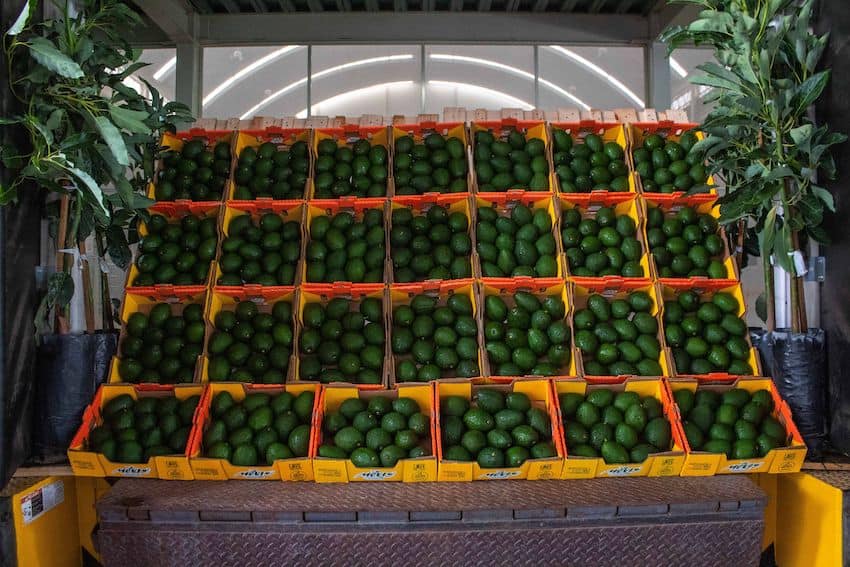
Agricultural produce is among Mexico’s largest exports – including avocados. (Cuartoscuro)
The value of Mexico’s exports to its neighbor increased every month this year compared to the previous month. Vehicles, electronic goods including computers and crude oil were among Mexico’s biggest export revenue earners. Exports generate around 40% of Mexico’s total GDP.
The value of Canadian and Chinese exports to the U.S. declined on an annual basis in the first five months of the year.
Canadian exports were worth $171.45 billion between January and May, a 1.2% decline compared to the same period last year. Chinese exports to the U.S. fell 2.5% to $164.29 billion.
Mexico had a 15.9% share of the United States’ $1.3 trillion import market in the first five months of the year, ahead of Canada on 13.2% and China on 12.6%.
In 2023, Mexico’s share of the U.S. import market was 15.4%, ahead of China on 13.9% and Canada on 13.7%.
Mexico has thus increased its share of the market by 0.5 points this year, while Canada’s share has decreased by 0.5 points and China’s share has declined 1.3 points.
One of Mexico’s top sources of export revenue is cars and car parts. (File photo)
Mexico’s “lead” over Canada in terms of market share has increased from 1.7 points in 2023 to 2.7 points this year, while its advantage over China has increased to 3.3 points from 1.5 points in 2023.
Mexico has benefited from a “decoupling” of the world’s two largest economies amid the ongoing China-United States trade war, as well as the relocation of foreign companies here as part of the nearshoring trend.
It also benefits from the USMCA free trade pact, which superseded NAFTA in 2020. Mexico, the United States and Canada are scheduled to review the agreement in 2026.
Mexico remains the United States’ top trade partner
Trade between Mexico and the United States totaled $345.45 billion in the first five months of the year, according to the U.S. government data.
That amount is 8.6% higher than the $317.96 billion in trade between the United States and Canada, which was the No. 2 trade partner of the U.S. between January and May.
In 2023, Mexico dislodged Canada as the United States’ largest trade partner after Canada claimed the top spot in 2022.
Mexico became the top trade partner of the U.S. in 2023, and has continued the trend in 2024. (Infographic by Statista)
Mexican exports to the United States — worth $206.79 billion between January and May — accounted for just under 60% of trade Mexico-U.S. trade in the first five months of the year.
U.S. exports to Mexico — worth $138.65 billion between January and May — accounted for just over 40% of two-way trade. U.S. exports to Mexico include refined fuel, auto parts and consumer goods.
Mexico had a trade surplus of $68.14 billion with the United States in the first five months of 2024.
NAFTA altered the trade balance between Mexico and the U.S.
The El Economista newspaper reported Wednesday that the United States had a US $1.7 billion trade surplus with Mexico in 1993, the year before NAFTA took effect.
In the period after the free trade came into force, the growth of Mexico’s exports to the United States outpaced the growth of U.S. exports to Mexico.
In 2023, the United States had a trade deficit of more than $152 billion with Mexico, and it is on track to record another sizable deficit this year.
The value of Mexico’s exports to the U.S. has increased exponentially since NAFTA took effect, and reached $475.6 billion in 2023.
The economies of the three North American trade partners have become highly integrated over the past 30 years. One of the most integrated sectors is the automotive industry, with automakers in the three countries frequently using auto parts made in one of the other USMCA nations.
Help the planet, impoverished communities and each other by supporting these up and coming sustainable Mexican businesses. (Someone Somewhere)
The red alert for climate change has sounded. If corrective actions aren’t taken, the damage to the planet will be irreversible. By choosing to purchase environmentally responsible products, we can all help contribute to a better future. That’s why we’re introducing you to five sustainable Mexican companies that are working to make a difference in the fight against climate change.
Buen Rollo is committed to environmental conservation with its100 percent bamboo toilet paper. Every year, millions of healthy trees are cut down to produce toilet paper. Bamboo, in contrast, is a grass and one of the fastest-growing plants on the planet, making it a renewable and easily replenished resource.
Although not trained biologists, Buen Rollo founders Jerónimo Sánchez and Emiliano Rosell researched bamboo until they had become masters in the subject. Their commitment to the planet runs so deep that their packaging uses soy ink and has a Forest Stewardship Council certification, which indicates that the packaging of the product that carries it was made with resources from forests managed in an environmentally responsible way.
Today, Buen Rollo’s business model is e-commerce through its website. Compared to other bamboo-based toilet paper companies, one of its major distinguishing features is its subscription program. To tackle the common problem of running out of toilet paper in homes or offices, this tool allows customers to receive their products every four, six or eight weeks.
Gebak
Family run Gebak sells environmentally friendly cleaning products. (Gebak)
This family brand is committed to sustainable and ecological cleaning products in the form of effervescent tablets that significantly reduce the environmental impact and carbon footprint of the usual liquid products thanks to efficient transport and storage.Gebak’s product range includes laundry detergents, hand and dish soaps and all-purpose cleaners.
All of their products are designed to dissolve in water, ensuring effective and environmentally friendly cleaning. Ingredients are selected using strict biodegradability criteria. Gebak favors locally sourced ingredients and ensures that each product is not only effective but does not harm the environment.
Adaptogens are plants used in herbal medicine to help the body maintain balance. Commons creates Mexico’s most potent and concentrated adaptogen products to prevent and cope with physical, mental, and emotional stress. All of their extracts are 100 percent organic, plant-based, non-GMO, dairy-free, gluten-free, and free of harmful artificial substances such as dyes or preservatives.
Their glass packaging is earth-friendly and reusable. On their website, you can find a glossary of products and their function and a list of health professionals who work with adaptogens.
Someone Somewhere
Lifting artisans out of poverty and making you look stylish at the same time, Someone Somewhere showcases the best of Mexican sustainability. (Someone Somewhere)
This brand integrates craftsmanship with innovative materials to create functional and sustainable products. The brand’s mission is to provide fair and consistent work to artisan communities in Mexico while protecting the planet by ensuring a responsible supply chain. Each product carries a label signed by the artisan and a QR code that allows you to learn their story and send them a message, creating a meaningful interaction between artisan and consumer.
Someone Somewhere offers a wide range of products that combine functionality, design and impact. Their clothes use sustainable materials such as recycled cotton and polyester and artisanal techniques like pedal loom weaving and hand embroidery. They have implemented innovations in their design process, using AI technologies to create concepts and validate designs, as well as incorporated textile waste to close the loop and reduce their environmental impact. Their focus on circularity and sustainability has been recognized with B Corp and Climate Neutral certifications.
Muyme
Muyme is positioning itself as the eBay of Mexican sustainability, allowing businesses to buy and sell through their digital platform. (Screen capture)
Muyme focuses on the personal care market, developing solid products such as shampoos, conditioners, creams and, notably, its innovative toothpaste in tablets. Its products are certified by Cofepris and the FDA, complying with quality and safety standards and promoting responsible and conscious consumption. None of its products are tested on animals and all are designed to minimize environmental impact, from raw materials selection to packaging. In addition, the company has recently adopted an effective online marketplace model that allows other Mexican brands with a sustainable philosophy to join its platform and reach a larger number of potential customers.
Sustainability has become a fundamental pillar for modern companies, not only as a means of social responsibility but also as a key strategy for long-term growth.
Organic production processes improve the care of our natural environment, thus avoiding contamination of land, water and soil. Investing in organic food ultimately improves the well-being of our planet, in addition to the numerous short and long term benefits of organic products for you.
Camila Sánchez Bolaño is a journalist, feminist, bookseller, lecturer, and cultural promoter and is Editor in Chief of Newsweek en Español magazine.
Public service announcement: The diet is canceled. Get a load of this tasty, gooey, cheesy feast. (Goya)
In the Mexican restaurants of my native small town Kentucky, the Tex-Mex version of melted cheese reigns supreme among dips. Deeply flavorful and rich, it’s also quite thin, like a cheesy soup for your unlimited free tortilla chips. After moving to Mexico, I realized this dip still had its training wheels on. There was a much better recipe for this satisfying appetizer right where I was: queso fundido.
The origins of queso fundido go back to the northern regions of Mexico, particularly the states of Chihuahua and Coahuila, where dairy farming and cheese production have long been prevalent. The introduction of cattle and cheese making techniques by Spanish settlers in the 16th century played a significant role in shaping the dish. Over time, Mexican cooks adapted these techniques, incorporating local ingredients to create what we now know as queso fundido. Cheese and Mexican food are by now almost impossible to imagine without the other, especially in the recipe I want to share today, where dairy takes a front row seat.
A ball of delicious, fresh Oaxaca cheese is the secret to an outstanding queso fundido. (Ingredienta)
Queso fundido gained popularity in Mexican households and restaurants, eventually becoming a staple at celebrations and gatherings. Today, queso fundido continues to be a beloved part of Mexican cuisine, symbolizing the fusion of cultural influences and the enduring appeal of simple comfort food.
I’d like to share a recipe that packs a punch in terms of flavor, using caramelized onions and chorizo to scale up the savory meter even further on this already delicious dish.
Here’s a delicious recipe for queso fundido with caramelized onions:
Ingredients:
1 tbsp olive oil
2 large onions, thinly sliced
1 tbsp butter
1/2 tsp salt
1/2 tsp sugar
1/2 pound Mexican chorizo, casing removed
2 cups shredded Oaxaca or mozzarella cheese
1 cup shredded Monterey Jack cheese
1/4 cup chopped fresh cilantro (optional)
Warm tortillas or tortilla chips for serving
Instructions:
Heat the olive oil and butter in a large skillet over medium heat. Add the sliced onions, salt, and sugar. Cook, stirring occasionally, until the onions are golden brown and caramelized, about 25-30 minutes. If the onions start to stick, add a splash of water.
In a separate skillet, cook the chorizo over medium heat, breaking it up with a spatula, until fully cooked and browned, about 7-10 minutes. Drain any excess fat.
Preheat your oven to 375°F (190°C).
In a large cast iron skillet, spread an even layer of the cooked chorizo. Top with the caramelized onions and sprinkle the shredded cheeses evenly over the top. Pro tip: Shred your own cheese to make sure it melts properly!
Place the skillet or baking dish in the preheated oven and bake until the cheese is melted and bubbly, about 10-15 minutes.
Remove from the oven and sprinkle with chopped cilantro if desired. Serve immediately with warm tortillas or tortilla chips for dipping.
Enjoy this queso fundido recipe with caramelized onions as an appetizer at your next dinner party or eat it all by yourself shamefully with all the lights turned off, binge watching “Baby Reindeer”!
Stephen Randall has lived in Mexico since 2018 by way of Kentucky, and before that, Germany. He’s an enthusiastic amateur chef who takes inspiration from many different cuisines, with favorites including Mexican and Mediterranean.
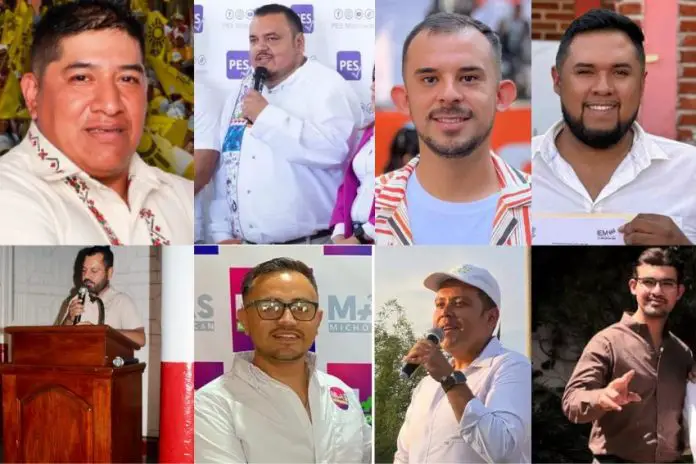
Eight winners in Michoacán's local elections last month who all registered as trans women.
Eight male political candidates who won local elections in Michoacán last month registered as trans women have prompted state electoral officials to launch an investigation.
The Electoral Institute of Michoacán (IEM) says it’s investigating the cases of eight municipal positions intended for women under gender parity laws that were won by male candidates posing as transgender women.
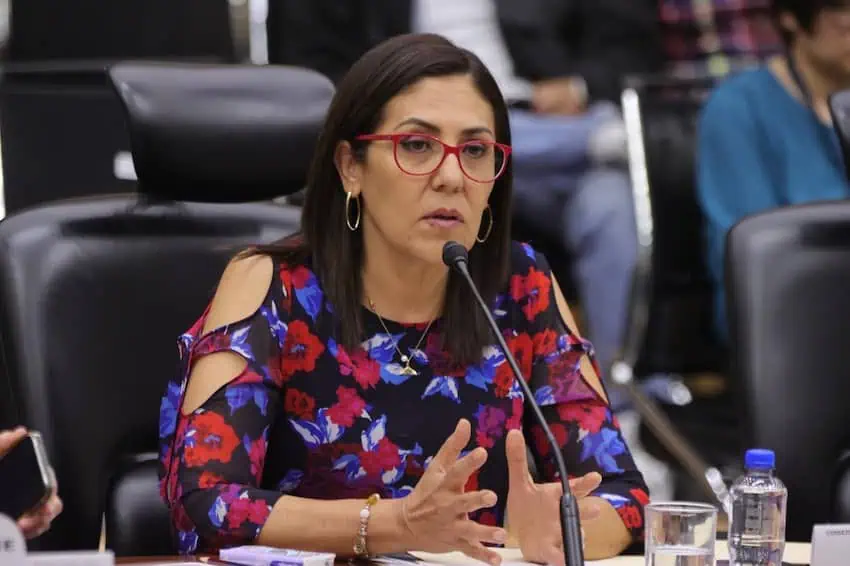
Claudia Zavala Pérez, advisor to the National Electoral Institute (INE), called the male candidates’ actions “unacceptable and unworthy” while speaking in front of the INE’s Gender Equality and Non-Discrimination Commission in June. (@INEMexico/X)
Despite their fraudulent actions, the winning male candidates could take office unless their cases are pursued in court, said Claudia Zavala Pérez, an advisor to the National Electoral Institute (INE). They were elected on June 2.
Zavala Pérez condemned the acts of “identity theft” and called the men’s actions “unacceptable and unworthy” while speaking in front of the INE’s Gender Equality and Non-Discrimination Commission.
“Society must be outraged,” she declared. “We must raise our voices because what happened cannot be allowed.”
She highlighted that these men dishonestly took positions meant for individuals who have historically faced discrimination. In at least one case, the cisgender man who registered as a trans woman candidate never even stopped referring to himself with male pronouns.
The controversy brings to light the misuse of affirmative action policies designed to provide marginalized groups with political representation.
In Mexico, parity laws have been in place since 2021 to ensure diverse representation in elected positions, including candidates from sexually diverse groups, people with disabilities, Afro-Mexicans and Indigenous people.
Zavala Pérez pointed out that requiring proof of sexual identity was considered discriminatory, a stance upheld by the Electoral Tribunal of the Judicial Branch of the Federation (TEPJF). Thus, the cisgender men did not have to certify their transgender status in any way when registering as candidates.
The fraudulent activities were first flagged by LGBTQ+ advocacy groups, which accused multiple political parties of manipulating the system.
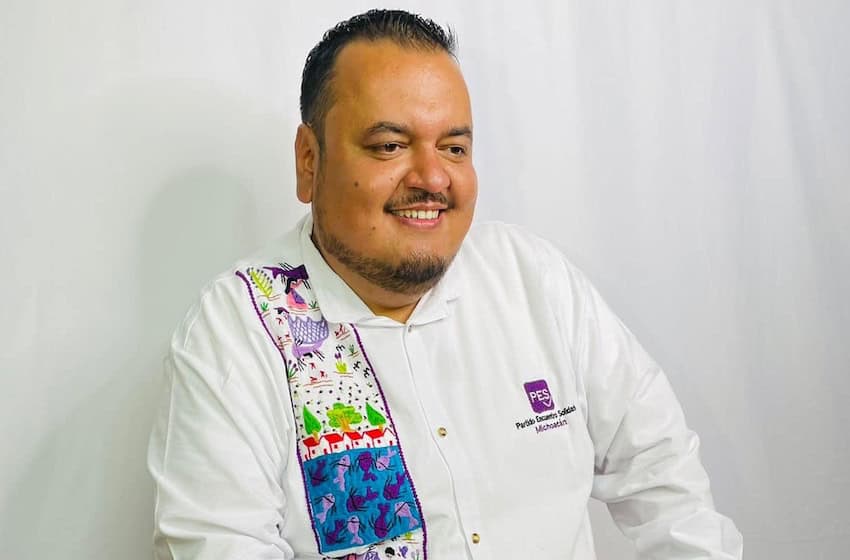
Octavio Chávez Aguirre, who registered as a trans woman, was confirmed the winning candidate for mayor in Lagunillas, Michoacán on Tuesday by the state’s electoral court. (Octavio Chávez Aguirre/Facebook)
Despite the complaints, Ignacio Hurtado, president of the IEM, noted that the annulment of the elections requires appeals to the electoral courts, a process that has seen limited action.
According to a report from the digital news outlet Infobae, the elected men who are accused are:
Alberto Orobio Arriaga, elected mayor of Charapan
Martín Alexander Escalera Bautista, elected mayor of Peribán
Daniel Herrera Martín del Campo, elected mayor of Tanhuato
José Enrique Mora Cárdenas, elected mayor of Purépero
Octavio Chávez Aguirre, elected mayor of Lagunillas,
Rubén Torres García, elected to the city council of Charapan
Apolonio Ureña Martínez, elected to the city council of Tumbiscatío
Jorge Luis Estrada Garibary, elected to the city council of Ecuandureo
Their political parties include the National Action Party (PAN), the Institutional Revolutionary Party (PRI), the National Regeneration Movement (Morena), the Labor Party (PT), the Green Ecologist Party of Mexico (PVEM), the Party of the Democratic Revolution (PRD) and the Solidarity Encounter Party (PES), along with various coalitions.
The use of gender quotas — which require parties to choose a certain number of women as candidates in various races — has been responsible for bringing more women than ever into Mexican politics since the electoral reform of 2014.
But Zavala Pérez underscored the importance of the Michoacán electoral commission taking action in order to prevent future fraudulent cases.
The abuses of 2024 have led to calls for legislative reform.
Councilor Rita Bell López Vences criticized the fraudulent actions, stating, “There is fraud against the law when in fact there are [diverse] people who want to have a political career … It is important to [penalize] all the people involved in these cases, including the parties themselves.”
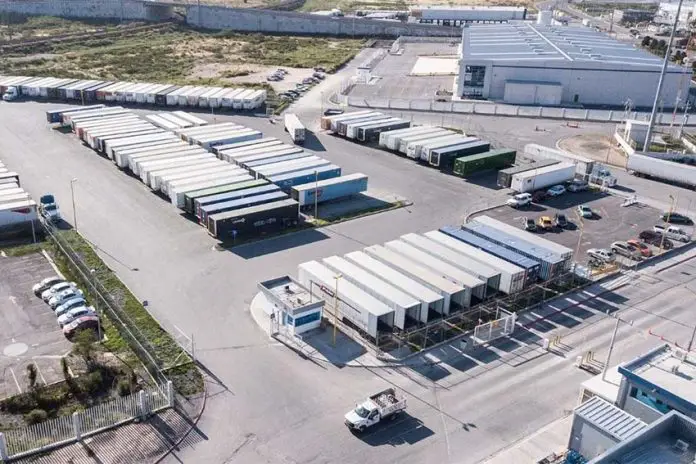
Sheinbaum has proposed the construction of more than 100 new industrial parks. (Thor Urbana)
The Mexican real estate investment and development firm Thor Urbana announced the acquisition of nine industrial park properties in Saltillo and Ramos Arizpe, Coahuila, which is said is part of its strategic growth plan to invest in the industrial real estate sector.
The purchases — which add more than 1.6 million square feet (148,644 square meters) to Thor Urbana’s real estate portfolio — come at a time when the Mexican industrial sector is recording historic growth thanks to nearshoring.
Thor Urbana is known in Mexico for owning malls and other commercial properties like the Montage hotel in Los Cabos, seen here. Before the Coahuila purchase, Thor Urbana owned about 30 hectares of industrial property in Guanajuato, acquired in 2023. (Thor Urbana)
The vast majority of Thor Urbana’s properties to date are hotels and residential properties and large shopping destinations, including Mexico City’s Ritz-Carlton Hotel, the Landmark residential/commercial property complex in Guadalajara, and The Harbor mall in Mérida and the Puerto Marina Cancún mall.
However, with the nearshoring trend, more than 60 million square feet of land in Mexico became industrial property in 2023, demonstrating an increasing demand for industrial and logistics spaces in the country that Thor Urbana seeks to take advantage of.
“The future is industrial!” Thor Urbana said in a statement about its Coahuila purchases on their social networks last week.
In December, Thor Equities founder and Chairman Joseph Sitt told Bloomberg that Mexico has become the alternative to China and currently represents a “golden” opportunity for investment.
Mexico’s proximity to the United States and its competitive workforce has turned Mexico into an attractive place for companies seeking to optimize their operations and reduce supply-chain risks.
In that same Bloomberg interview, Sitt also highlighted Mexico’s “sophisticated” advanced manufacturing capacity — a sector that Thor Urbana said last week in a statement that it is looking to strengthen.
“Offering flexibility, proximity, key locations and an institutional-quality operation will allow Thor Urbana to enhance business networks for the manufacturing and logistics sectors,” the company said in a statement.
According to Mexico’s Economy Ministry (SE), Mexico saw 20.3 billion of FDI in 2024’s first quarter, which was a 9% increase over the first quarter of 2023. It was also the highest first-quarter FDI amount for Mexico since it began keeping records in 2006, according to the SE.
Thor Urbana has a portfolio of more than 2.7 million square meters across the country, in cities such as Saltillo, Querétaro, Guanajuato, Mexico City, Guadalajara, Playa del Carmen, Cancún, Mérida, Metepec, Los Cabos, Tulum, San Luis Potosí, Tijuana, and Riviera Nayarit, among others.
The firm was born in 2012, the result of a joint venture between real estate development firm Thor Equities and GFA, one of Mexico’s leading firms in the real estate and development industry. Today, the company has over 20 projects in Mexico and Latin America.
Jorge Guajardo was Mexico's ambassador to China until 2013 and is now a partner in an advisory firm. Mexico News Daily asked him five questions about Mexico's trade relationships with both the U.S. and China. (Courtesy)
The most pressing and important task for incoming economy minister Marcelo Ebrard is to impose higher tariffs on Chinese imports to protect Mexican industry, according to Mexico’s longest-serving ambassador to China.
For the second time in the last month, we put five questions to the ex-ambassador and former consul general in Austin, Texas, this time focusing on the influx of Chinese products to Mexico and the related challenges the Sheinbaum administration will face.
Mexico recently announced new tariffs that will impact more than 500 Chinese products. Does the federal government need to do more to protect Mexican industry?
Guajardo told MND that China has overcapacity in “every single industrial sector” and is consequently trying to offload goods all over the world.
While he expressed support for current economy minister Raquel Buenrostro’s decision to impose 5-50% tariffs on 544 products across categories including steel, aluminum, textiles, plastics, chemicals and transport material, the partner at global advisory firm DGA Group said that Ebrard needs to do more to “help Mexican industry withstand this tsunami of Chinese imports” — and quickly.
The issue needs to be addressed “immediately,” Guajardo said, asserting that “if you let it linger for a year,” Chinese imports could “threaten the viability” of a range of Mexican industries.
Marcelo Ebrard will serve as economy minister in Claudia Sheinbaum’s administration. (Cuartoscuro)
He said he’s not sure where Ebrard stands on the issue.
“Will he come in [to his new position] realizing that the most immediate job of the minister of the economy is to protect Mexican industry from Chinese imports? Or will he come in thinking he can leverage China in Mexico’s USMCA review process?” Guajardo said, referring to the North American free trade pact review that will take place in 2026.
“If he thinks we can leverage China, I think it would be a monumental mistake that would have a detrimental effect on Mexican industry,” he said.
“Ideally,” Guajardo said, Mexico, the United States and Canada would all “mirror each other’s tariffs.”
Where applicable, Mexico should raise its tariffs on Chinese imports to match those of the United States, he said, citing a 100% duty on petrochemicals in the U.S. as one example Mexico should follow.
Most of Mexico’s current tariffs on Chinese goods are in the 25%-35% range, but China has the capacity to absorb them by devaluing its currency and/or reducing production costs, among other measures, Guajardo said.
He stressed that Mexico should not be motivated to raise tariffs to appease the U.S., but must simply act “in its own interests” and protect local industry. That said, Mexico would “ideally” partner with the United States to “stop this import of Chinese overcapacity,” he said.
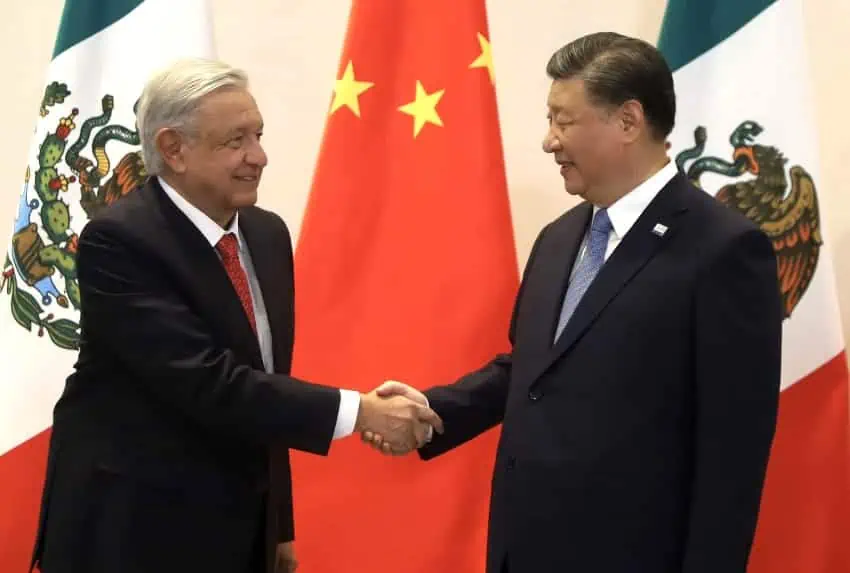
Guajardo says that when it comes to commerce, there is no way to “form an alliance” with China. (Andrés Manuel López Obrador/X)
Guajardo expressed concern that Ebrard, because he is coming into his new position after almost five years as foreign minister, may still be thinking of “pleasing or forming alliances” with China when “there is no way to form an alliance with China when it comes to commerce.”
“You have to just stop it. There is no win-win, you have to act unilaterally, forcefully and assume they’re going to be displeased,” he said.
“There is no point in trying to please someone who is coming after your industry. … There’s nothing for us to gain in this scenario,” Guajardo said.
Beyond tariffs, what else could the federal government do to protect Mexican industry from Chinese imports?
Guajardo told MND that the incoming government also needs to be “more creative with regulations” to shut out exports in certain sectors. He said that is another task for Ebrard once he is sworn in as economy minister.
Offering an example of the kind of regulations Mexico could use, Guajardo cited the European Union’s Carbon Border Adjustment Mechanism, which, starting in 2026, will impose tariffs on carbon intensive imports such as steel and cement.
He also referred to the United States’ Uyghur Forced Labor Prevention Act, which aims to stop the importation of goods made wholly or in part with forced labor in Xinjiang, in particular, but also across China as a whole.
Looking ahead to the USMCA review in 2026, wouldn’t Mexico be in a stronger negotiating position if it refrained from further clamping down on Chinese imports?
Guajardo ruled out any possibility that Mexico could use its trade relationship with China as a bargaining chip at the upcoming USMCA review.
Any concessions Mexico makes to China on trade would in fact “weaken” its hand rather than strengthen it, he asserted.
“The review is just a review, it should be a non-event unless you come loaded with Chinese [baggage],” Guajardo said.
“… If you come in loaded with China, then it becomes a political event and that weakens your hand,” he said.
If Ebrard “tries to hedge or send a signal to the U.S. that he’s also winking at China, … I think he’ll be inviting misunderstanding on the U.S. side – our main trade partner – and potential abuse on the Chinese side,” Guajardo said.
“And the biggest loser will be Mexican industry,” he added.
United States Trade Representative Katherine Tai recently indicated that the U.S. could impose tariffs or other protectionist measures on goods made in Mexico by Chinese companies. Do you think that will happen?
“Technically USMCA is agnostic on country of origin for investment so if products meet rules of origin that should be enough [to stave off tariffs],” Guajardo said.
However, the United States could impose measures that will stop the importation of certain products made in Mexico by Chinese companies, he said.
BYD is one of the Chinese EV manufacturers looking to build a plant in Mexico, though the company has said it plans to serve the Mexican and Latin American markets, not export cars to the United States. (Shutterstock)
“If they build them in Mexico they will still be considered a threat,” he said.
“I’m not sure the same would apply to furniture, for instance,” Guajardo said.
“There are cases of Chinese companies investing in Mexico to build furniture. I think that’s pretty straight forward, everybody benefits. We get the jobs, we get the local content, we get the good prices, I think everybody wins,” Guajardo said, indicating that he sees U.S. protectionism in such areas as unlikely.
Can you comment more broadly on Sheinbaum’s first cabinet picks? Are they business-friendly appointments?
Guajardo stressed that respect for the rule of law is crucial for investment, and even more important than who is in Sheinbaum’s cabinet. That’s why there is so much concern over the proposed judicial reform, he said.
Turning to the accomplishments and attributes of the incoming ministers, Guajardo noted that Ebrard, as foreign minister, liaised with the private sector, including foreign companies, on re-openings during the COVID pandemic.
“I think he gained the trust of the private sector” through his management of that issue, he said.
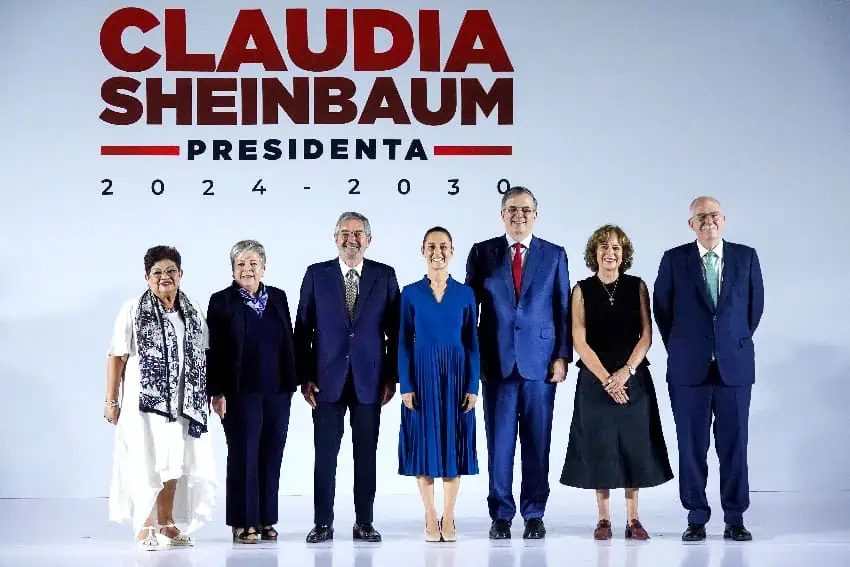
Sheinbaum named an initial six cabinet appointments on June 20, which included Alicia Bárcena as environment minister, Juan Ramón de la Fuente as foreign affairs minister and Marcelo Ebrard as economy minister. (Cuartoscuro)
Guajardo described incoming foreign affairs minister Juan Ramón de la Fuente, an ex-health minister and Mexico’s former permanent representative to the UN, as a “seasoned operator” who is “well-respected by most everyone” and will “bring weight to the Foreign Ministry.”
Meanwhile, the appointment of Alicia Bárcena, Mexico’s current foreign minister, as environment minister is “very positive,” he said.
The environment “was a sector that was all but ignored by this administration,” Guajardo said.
“… We lost a lot of time getting up to speed on our clean energy commitments,” he said, adding that Bárcena, a former ambassador and UN official, is someone who understands the challenges posed by climate change, and knows the importance of keeping one’s promises.
By Mexico News Daily chief staff writer Peter Davies (peter.davies@mexiconewsdaily.com)
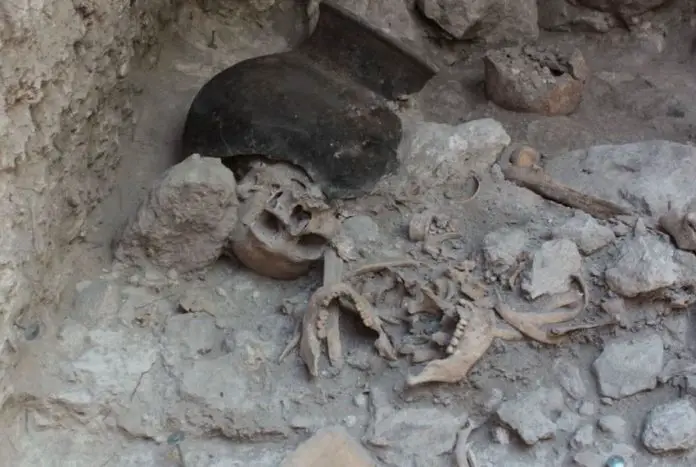
The archaeologist Nicolaus Seefeld discovered the remains at the bottom of a burial cavity in 2013. (INAH)
One of the best-preserved sets of human remains in the Maya world will be on exhibit at the Baluarte de Nuestra Señora de la Soledad Museum of Maya Architecture in Campeche, starting Thursday.
The exhibition, named The Group Burials of Uxul and the Phenomenon of Ritual Violence, is made up of human and animal remains that were discovered at the bottom of a cave in 2013 by archaeologist Nicolaus Seefeld.
En “El entierro múltiple de Uxul” se exponen objetos únicos que muestran cómo los mayas del Clásico practicaron varias formas de violencia ritual.
¡Visita la exposición en el Museo de Arquitectura Maya Baluarte de la Soledad!
The National Institute of Anthropology and History (INAH) said that the findings, which are in an “exceptional state of conservation,” have allowed researchers to reconstruct a form of violence associated with the taking of war prisoners in the pre-Columbian era. The remains have also enabled the analysis of bone elements and organic tissues that “are rarely preserved in the Maya area,” according to the INAH.
In collaboration with restorer Leticia Jiménez and specialists from the conservation area of the INAH’s offices in Campeche, Seefeld carried out a conservation project that kept the traces of physical violence to which the prisoners were subjected intact.
According to the INAH, researchers believe that the people lying in the underground cavity had probably been killed, dismembered and deposited there sometime during the 7th century AD. The skeletons were not found in a natural anatomical position; legs and arms were severed and almost all of the skulls scattered around the area had been separated from their torsos.
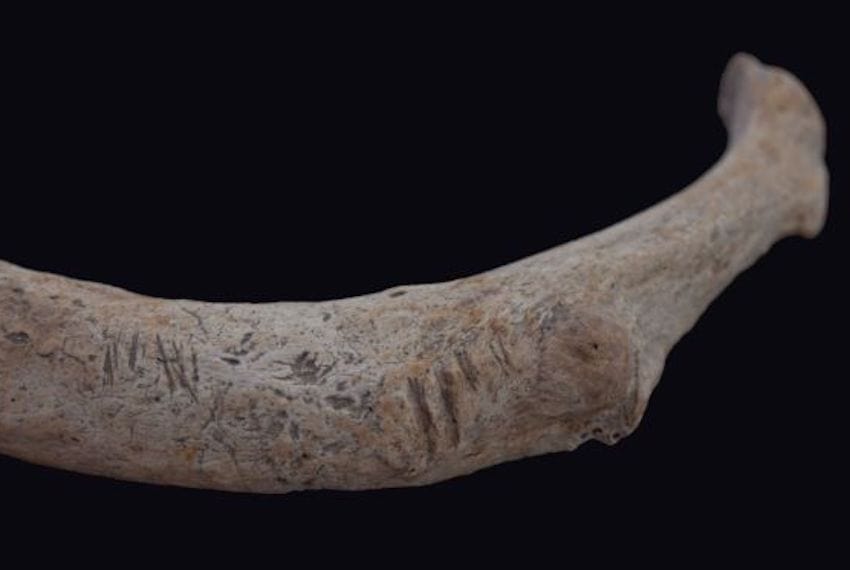
Osteological analysis identified trauma and cut marks on all body parts, which reappear on every skeleton and in the same anatomical area. These findings suggest that the prisoners were dismembered and defleshed systematically and during a single event.
Cut and trauma marks are observable, reappearing identically on every skeleton and in the same anatomical area. (INAH)
Most of the human remains were also exposed to an indirect heat source having a temperature of approximately 200° C, likely to avoid complete calcination of the bones. The animals’ remains were not dismembered nor exposed to heat, but some show signs of having been prepared as food.
A further study carried out by Seefeld, funded by the Gerda Henkel Foundation, revealed that the remains belonged to at least 14 men, one woman, several adolescents, an 18-month-old infant and a newborn.
Researchers believe the remains were deposited without any accompanying offerings at the bottom of the cavity and covered with a rough layer of gravel, which was sealed with a layer of mud. The burial cave had shown no subsequent alterations until its discovery.
The layer of mud, which protected the remains from adverse climatological conditions, allowed the findings to stay in an almost perfect state of conservation.
Additional isotopic studies on dental enamel samples revealed that most of the remains were of individuals from a region located 150 kilometers southeast of Uxul, Campeche, in the area of Usumacinta, Chiapas.
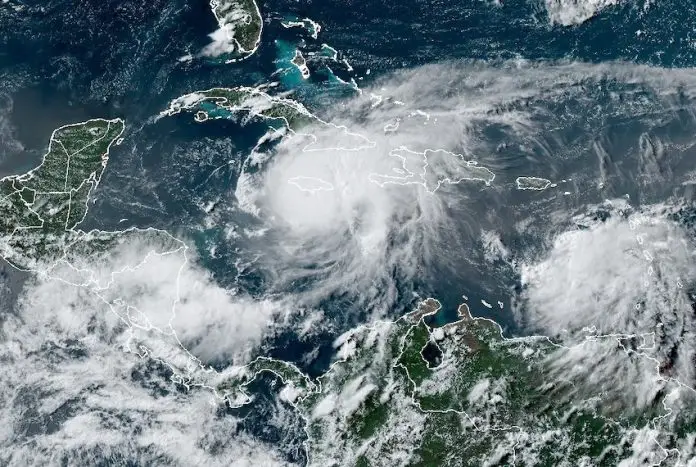
Beryl, a Category 4 hurricane at midday Mexico City time with maximum sustained winds of 225 km/h, is forecast to reach the coast of Quintana Roo on Thursday night or Friday morning. The hurricane is expected to weaken before it arrives in Mexico, and will likely be downgraded to a tropical storm as it moves across the Yucatán Peninsula.
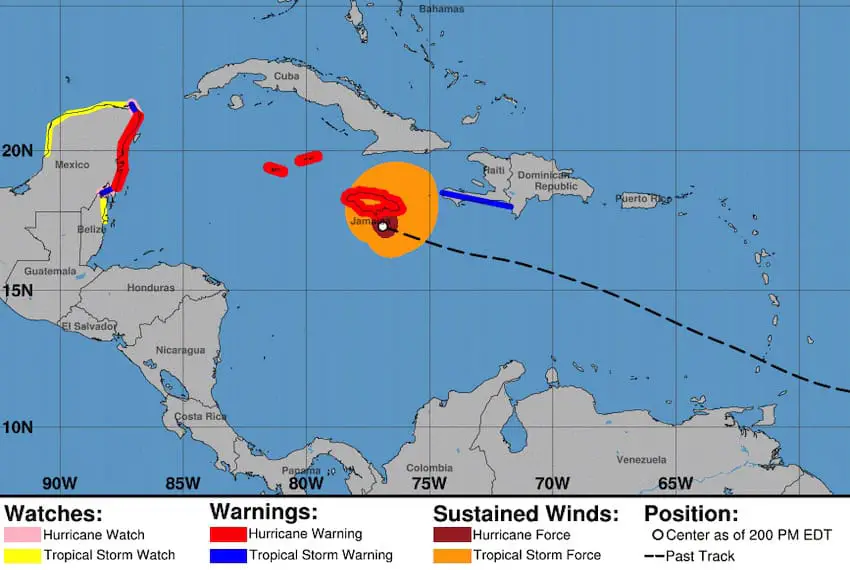
Quintana Roo is under a hurricane warning, while Yucatán and Campeche are under watch as Beryl approaches the peninsula. (NOAA)
At 12 p.m., the United States National Hurricane Center (NHC) reported that the hurricane was about 70 kilometers south of Kingston, Jamaica.
Mexico’s National Civil Protection Coordination said on social media Wednesday morning that the yellow hurricane alert applies to all of Quintana Roo with the exception of the state’s west, where a green “low hazard” warning remains current.
A green alert is also in effect for the state of Yucatán and the north, east and center of Campeche.
Identify the nearest temporary refuge and the route to get there quickly.
Store food, drinking water and emergency supplies.
Place important documents in plastic bags.
The prior activation of the green alert prompted authorities to advise people to tape up windows, tie down items that could be tossed around by high winds, cut back tree limbs near power lines and make sure drains and sewers are not clogged.
The NHC noted that a hurricane warning is in effect from Puerto Costa Maya, in Mahahual, to Cancún, on the northern coast of Quintana Roo.
A hurricane watch is in effect south of Puerto Costa Maya to state capital Chetumal, and north of Cancún to Cabo Catoche, the northernmost point of the Yucatán Peninsula.
The Quintana Roo government has ordered the evacuation of the nearby island of Holbox, and of Punta Allen, a village in the Sian Ka’an Biosphere Reserve.
⚠️ ¡Attention Quintana Roo!#Beryl is forecast to remain a hurricane when it approaches the Yucatan Peninsula next Thursday.
“According to what is forecast, it’s expected that the impact on Quintana Roo will be Thursday night or early Friday morning,” the government said.
National Civil Protection Chief Laura Velázquez said that the hurricane is expected to make landfall along a stretch of sparsely populated coast south of the tourist town of Tulum.
After weakening over the Yucatán Peninsula, the storm could strengthen as it moves across the Gulf of Mexico. Velázquez said that Beryl is expected to make landfall for a second time in Mexico, either in Veracruz or Tamaulipas.
On Tuesday, Governor Lezama announced that all schools in Quintana Roo will be closed on Thursday and Friday, and advised citizens that a “dry law” suspending the sale of alcohol will take effect Thursday.
On Wednesday, the governor stressed that safety was the government’s top priority.
“What’s most important for us is you, the citizens, and I want to tell you that in every corner of Quintana Roo you are not alone,” Lezama said.
She said that people evacuating Holbox will be provided with free transport to Kantunilkín, the largest town in the municipality of Lázaro Cárdenas, and assistance to reach “a safe place.”
Evacuations from the island will commence early Thursday.
Citing information from the NHC, the news outlet said the storm is slightly too far south to make landfall in Jamaica, but is “still unloading powerful wind and torrential rain on the island.”
CNN also said that the hurricane has killed at least seven people in the Caribbean and damaged homes and buildings.
Beryl is the second named storm of the 2024 Atlantic hurricane season, and became the first Category 5 storm ever to form in the Atlantic Ocean in the month of June.
Beryl will be the third named Atlantic storm to affect Mexico this hurricane season.
Tropical Storm Alberto brought torrential rains across large swaths of the Yucatán Peninsula and northeastern Mexico in June, while Tropical Storm Chris made landfall in the municipality of Vega de Alatorre, Veracruz, earlier this week.
Google will join Amazon and Microsoft in building a cluster of data centers in the state of Querétaro. (Shutterstock)
Google will set up a data center region in Querétaro to serve its cloud computing business, state authorities announced Monday.
The California-based tech giant will join major companies such as Microsoft and Amazon Web Services in the Bajío region state. Its Google Cloud division is expected to begin operations in Querétaro in 2025.
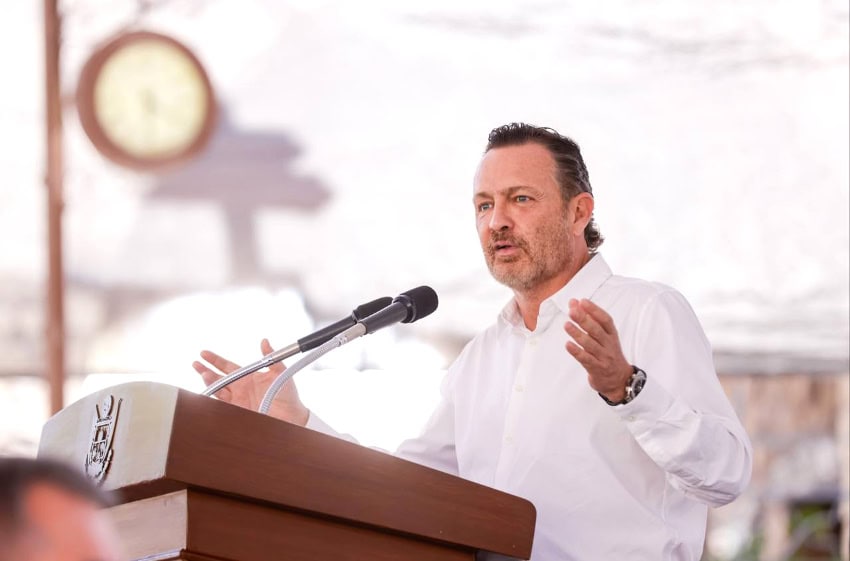
Mauricio Kuri, the governor of Querétaro, announced the news on Monday at a press conference. (Mauricio Kuri/X)
Governor Mauricio Kuri met with Google executives on Monday morning and subsequently told a press conference that the company would set up its first data center region in Mexico in Querétaro.
A data center region is a cluster of data centers in close proximity to each other.
The Google Cloud data center region in Querétaro — which will become the company’s third such region in Latin America — will primarily serve Mexico, but will also have the capacity to offer services to other countries in the region, according to Sustainable Development Minister Marco Del Prete.
State authorities didn’t reveal the location of the planned data region or say how much Google planned to invest in it. Del Prete said that information would remain confidential for the time being due to what he called competitiveness reasons.
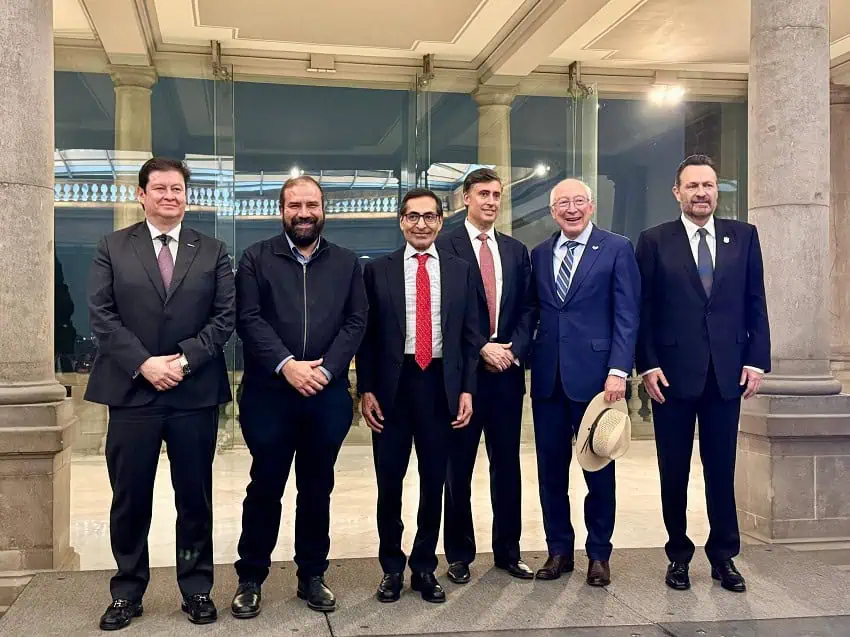
The opening of the Microsoft data center region in Querétaro in May was attended by U.S. Ambassador Ken Salazar (second from right) and Finance Minister Rogelio Ramírez de la O (center). (US Ambassador/X)
Without mentioning any monetary figure, Kuri said that Google’s outlay in Querétaro will be substantial.
“We should feel very proud … that these kinds of companies come to Querétaro — Amazon, Microsoft [and now] Google. Google is also coming with a very big investment for Querétaro,” the governor said.
He added that he and other officials would soon meet with the Google CEO, Sundar Pichai.
Del Prete said that Google’s decision to invest in Querétaro “confirms the vocation of the state as a data center valley.”
Governor Kuri said he will be meeting with Sundar Pichai, the CEO of Google. (Shutterstock)
“… Data centers are business facilities that we depend on today. … All our data is concentrated in a data center,” he said.
Del Prete said that Querétaro is an attractive place to set up a data center due to the state’s “strategic location” in the center of the country.
“But we also have to mention … the security the state has, because it’s a place where investments are respected, where the investor is protected with the full range of legal protection,” he said.
“In addition, there is transport infrastructure and investment is being made in energy infrastructure. That’s what cloud [computing services] need to operate,” Del Prete said.
Among the benefits the data centers will bring to Querétaro are employment, innovation and new technology, Del Prete said.
He downplayed water concerns, asserting that data centers’ use of water is not as excessive as some people believe. A data center’s water usage is comparable to that of an office building, Del Prete said.
The sustainable development minister anticipated that more than $10 billion in data center-related investment will flow into Querétaro over the next 10 years.