A giant "Chucky" doll ended up in handcuffs after its own was arrested for threatening behavior. (TerrorActo/X)
Police in the northern Mexican city of Monclova, Coahuila have arrested a large “Chucky” doll for allegedly threatening passersby.
The doll, made famous by the 1988 horror film “Child’s Play”, in which it was possessed by the soul of a criminal before carrying out a series of murders, has long been a fixture of the Halloween season.
The doll was taken to the local police station. (César Cespada/X)
According to local media, the doll was operated by a man known as Carlos “N”, who used a large knife to threaten people on the street and demand money. When police arrived at the scene on Wednesday, Carlos and “Chucky” were both arrested and handcuffed, and were charged at the scene with disturbing public order and endangering the public.
Images of the handcuffed “diabolical” doll quickly spread on social media. Authorities in Monclova say the police officer who carried out the arrest has since been sanctioned for her failure to carry out her duties in an appropriate manner. The officer claims that the doll was handcuffed at the request of local media.
While Carlos “N” was released later that day, there have been no reports on whether “Chucky” has remained in police custody.
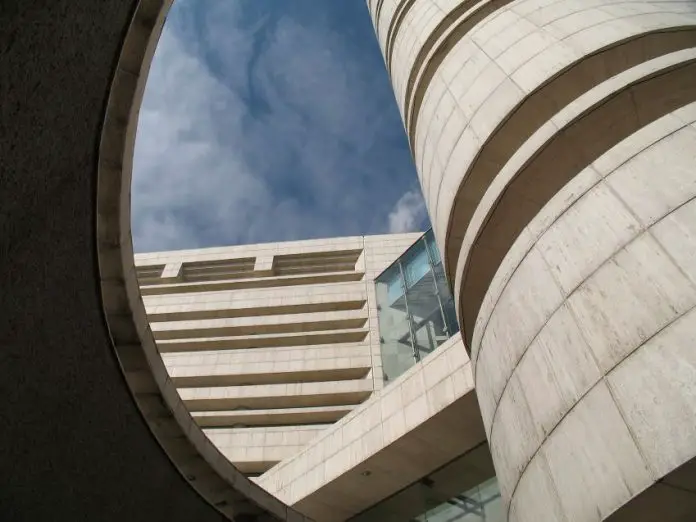
At 113th, Grupo Bimbo was the highest-ranked Mexican company on the list. (Pedro Hiriart/Muca UNAM)
TIME magazine and research provider Statista have released a list naming the 750 companies that are “changing the world”. 10 Mexican companies made the final list, and Grupo Bimbo was revealed to be the highest-ranked Mexican firm, falling just outside the global top 100.
Where does Grupo Bimbo rank compared to other global companies?
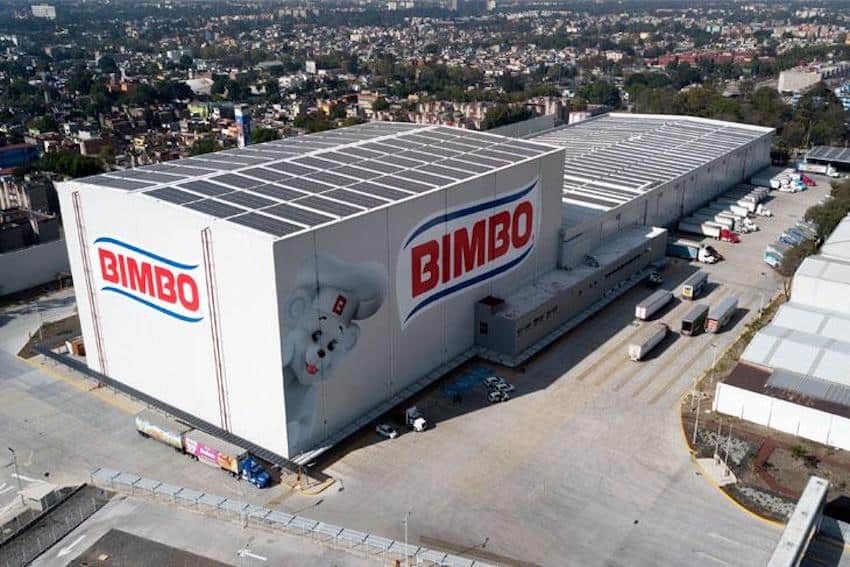
Mexico City-based Bimbo are the largest breadmaker in the world. (Grupo Bimbo)
The world’s largest bread maker ranked No. 113 in the World’s Best Companies list, just after logistical giant Fedex and above Swedish fashion chain H&M.
Grupo Bimbo ranked as the fourth best company in the Food & Beverage category beating PepsiCo (No. 124), Danone (No. 230), Heineken (No. 290), Keloggs (No. 305), Hershey (No. 425) and Kraft Heinz (No. 642).
Employing more than 145,000 people in 34 countries throughout the Americas, Europe, Asia and Africa, Grupo Bimbo also beat multinationals in other industries including Santander (No. 134), Hyundai (No. 151), Chanel (No. 154) and Expedia (No. 336).
“Since our founding 78 years ago, we seek to be an agent of change that positively impacts the communities where we operate in, contribute to caring for and regenerating natural systems, as well as always offering the best products with the highest quality to all our consumers,” General Director of Grupo Bimbo Daniel Servitje said in a statement regarding the company’s ranking.
Which other Mexican companies made the list?
Banorte was the second-highest-ranked Mexican company on the list, at 242nd overall. (Banorte)
Coming in as the second best Mexican company was Banorte at No. 242. FEMSA (owners of convenience chain OXXO) followed at No. 285, then department store group Liverpool came in at No. 294, América Móvil at No. 348 and Cemex at No. 388. Grupo México (a conglomerate that owns mines and railways) was listed as No. 463.
Other Mexican firms on the list included Grupo Elektra, Lala, Carso and Gruma.
What were the criteria?
The ranking was based on a formula which considered employee satisfaction, financial growth and sustainability achievements (ESG).
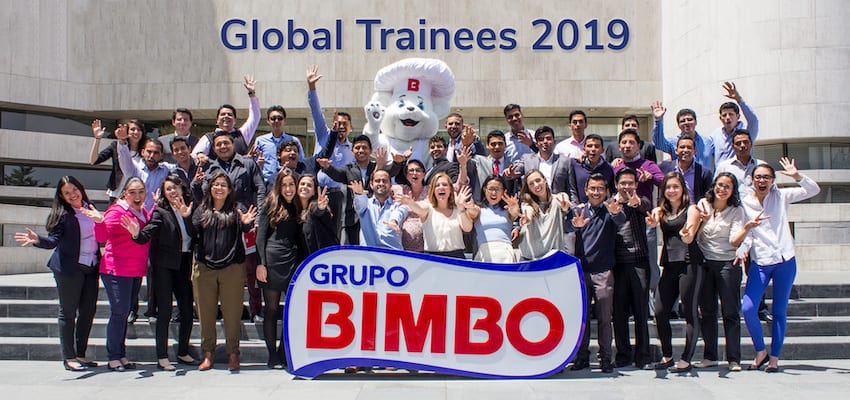
Companies were ranked for employee happiness, revenue growth and sustainability. (Grupo Bimbo)
TIME’s economic correspondent Alana Semuels explained that the rankings show “just who dominates the world order with fast-moving tech and business-services companies unseating the manufacturers and consumer-goods companies that once drove the global economy.”
Big tech companies dominated the upper echelons of the list. Microsoft, Apple, Alphabet (formerly Google) and Meta ranked as the five best companies in the world.
There are work opportunities in Mexico that could be made available to migrants in the country, according to the Coordinating Business Council (CCE). (Cuartoscuro)
Mexican employers are working on an initiative to offer temporary employment to migrants in transit through the country, according to Francisco Cervantes Díaz, president of the Mexican Business Coordinating Council (CCE).
Cervantes said at a press conference that he had already discussed the idea with the director of the National Immigration Institute (INM), Francisco Garduño.
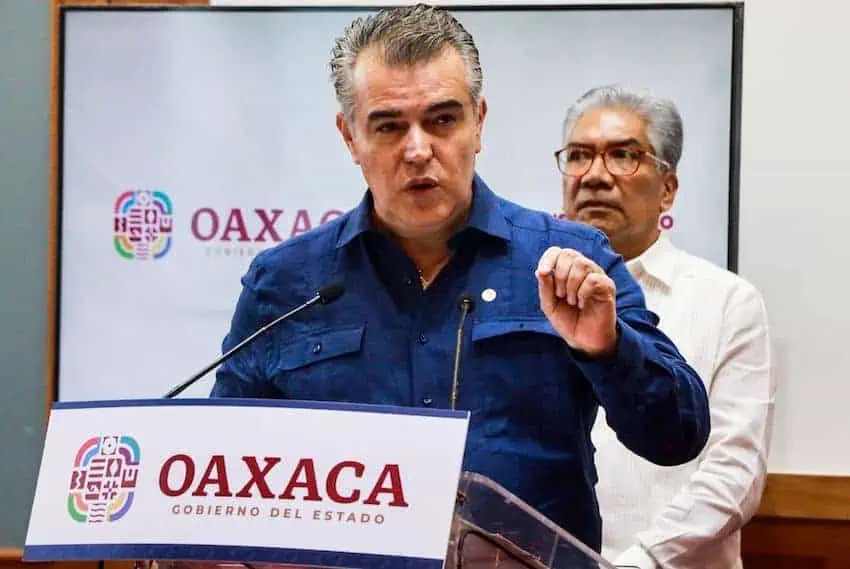
Francisco Cervantes, head of the Business Coordinating Council (CCE) made the announcement at an event in Oaxaca on Wednesday. (Carolina Jiménez/Cuartoscuro)
“[Migrants] are looking for an opportunity, and we could offer them well paid job opportunities,” Cervantes said. “There is a lack of workers, we can find a way with the federal government to give temporary permits and training; it’s a matter of humanity.”
Cervantes made the remarks to reporters following the signing of the Oaxaca Initiative, which seeks to promote foreign investment in the southern state. Oaxaca Governor Salomón Jara Cruz and U.S. Ambassador to Mexico Ken Salazar were also present.
“Through our group Friends for Oaxaca, we believe that we can contribute to the development of this state through a work route that allows us to shore up the south-southeast,” Cervantes said.
Cervantes also stressed that Oaxaca in particular has a need for additional labor, given upcoming infrastructure projects such as the Interoceanic Corridor of the Isthmus of Tehuantepec (CIIT), which includes 10 new industrial parks in Oaxaca and Veracruz.
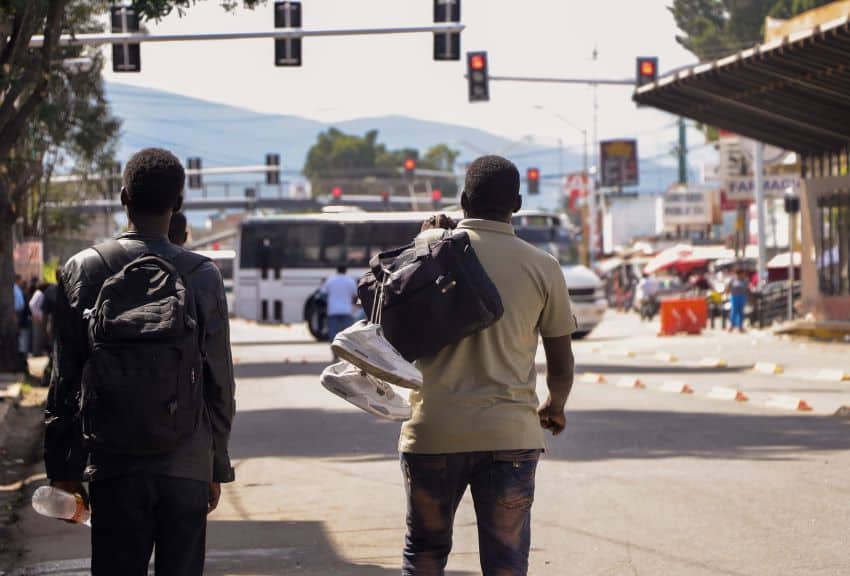
Oaxaca has seen an uptick in the arrival of migrants coming up from Mexico’s southern border. (Cuartoscuro)
Oaxaca is also one of the stateslocated on the route most commonly taken by migrants from the Guatemalan border to Mexico City and the United States.
Although the idea of offering temporary work to migrants is still in its early stages, Cervantes said that the CCE’s Executive Committee is working on a database to help make it a reality.
President Andrés Manuel López Obrador announced a government plan to assist migrants in May, which would offer one-year visas to Central American migrants to work on public infrastructure projects in Mexico such as the Interoceanic Corridor and the Maya Train.
“We need a workforce for these projects, especially… skilled labor,” AMLO said at the time, stressing the need for engineers, ironworkers and other tradesmen. He even said that the government would launch a campaign to attract migrants, by spreading the word in Central America that salaries in Mexico are increasing.
However, the government has yet to release any data on the progress of this program.
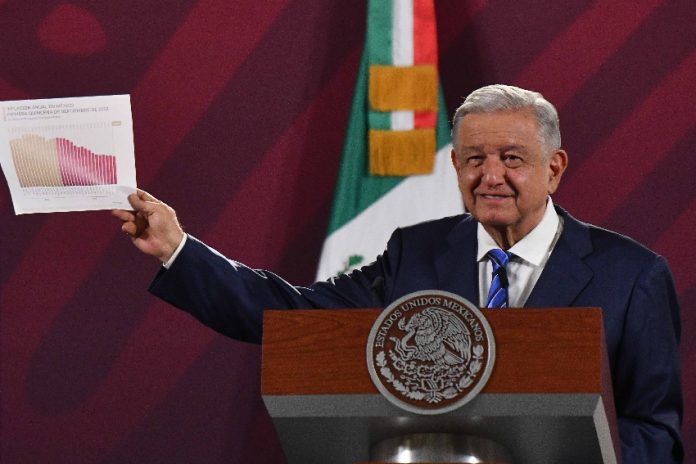
President López Obrador highlighted the latest inflation data published by INEGI at his Friday morning press conference. (MARIO JASSO/CUARTOSCURO.COM)
Inflation continued to decline in the first half of September, but the annual headline rate remains above the central bank’s target ahead of a monetary policy decision next week.
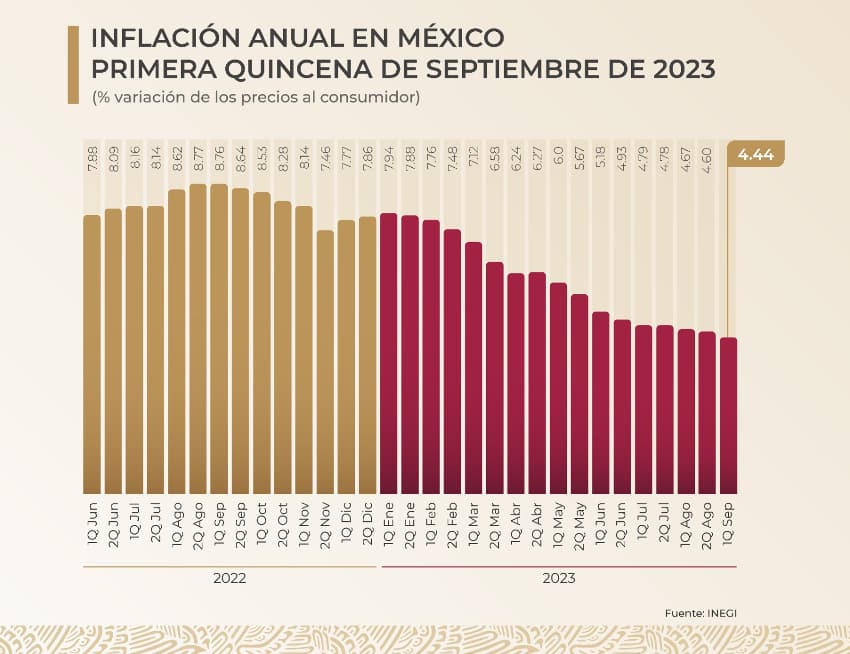
Annual headline inflation was 4.44% in the first half of the month, the national statistics agency INEGI reported Friday, down from 4.64% in August. Consumer prices rose 0.25% compared to the second half of August.
This chart shows annual headline inflation rates from the first half of June 2022 through the first half of September 2023. (lopezobrador.org.mx)
The annual core inflation rate, which excludes volatile food and energy prices, was 5.78%, down from 6.08% in August. The core index rose 0.27% compared to the second half of August.
The annual headline rate is slightly lower than analysts forecast while the core rate is slightly higher. Inflation has declined every month since February, after the headline rate spiked to almost 8% in January.
The publication of the latest inflation data comes six days before the Bank of México (Banxico) board meets to discuss interest rates. Banxico targets 3% headline inflation with tolerance for one percentage point in either direction.
The central bank’s benchmark interest rate was raised to a record high of 11.25% in March and kept at that level following monetary policy meetings in May, June and August.
Given that the headline rate remains above the Banxico target, it appears likely that board members will vote once again in favor of maintaining the record high rate next Thursday.
After the Aug 10. monetary policy meeting, Banxico said, “In order to achieve an orderly and sustained convergence of headline inflation to the 3% target, [the board] considers that it will be necessary to maintain the reference rate at its current level for an extended period.”
The central bank raised its benchmark rate by 725 basis points during a hiking cycle that began in June 2021 and didn’t end until its decision in May to maintain the 11.25% level.
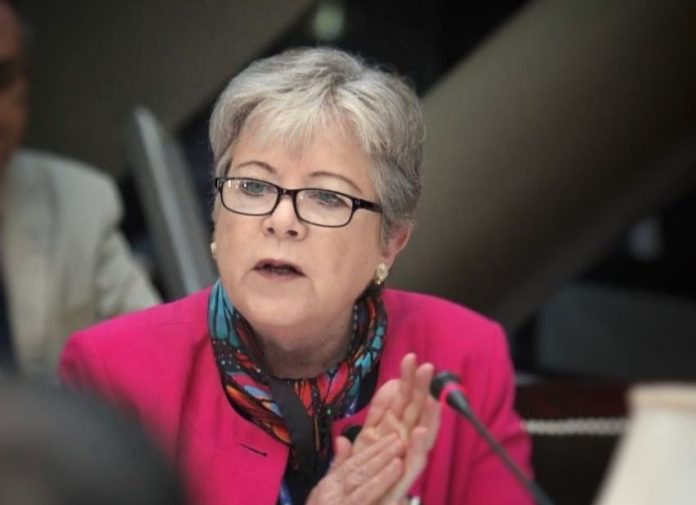
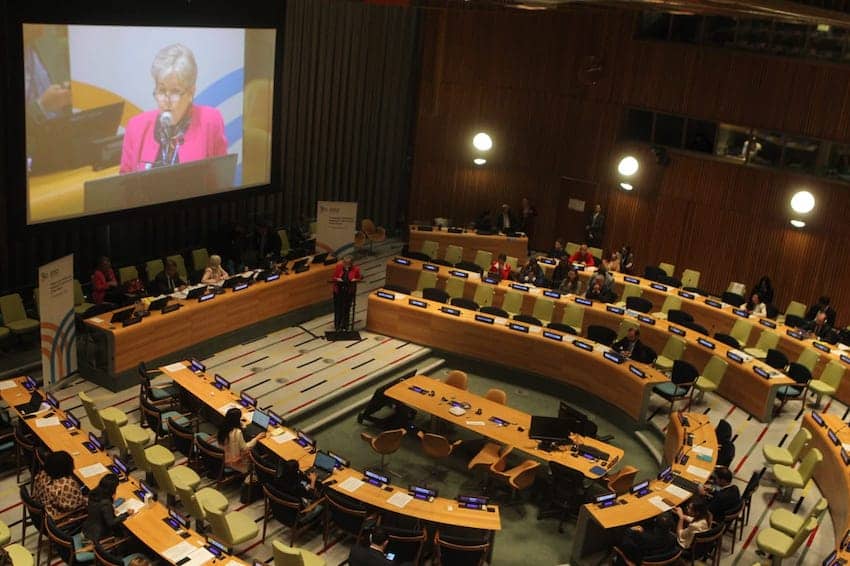
At the U.N. on Monday, Foreign Minister Alicia Bárcena reiterated Mexico's commitment as part of the Global Coalition to Address Synthetic Drug Threats. (@SRE/Twitter)
Fentanyl seizures in Mexico have increased tenfold in the last five years compared to the previous five, according to Foreign Minister Alicia Bárcena Ibarra, who said Mexico accounted for a quarter of global seizures from 2020 to this year.
Bárcena shared the figures at the 78th session of the United Nations General Assembly,during a presentation on how Mexico is confronting the threat of trafficking of synthetic drugs like fentanyl.
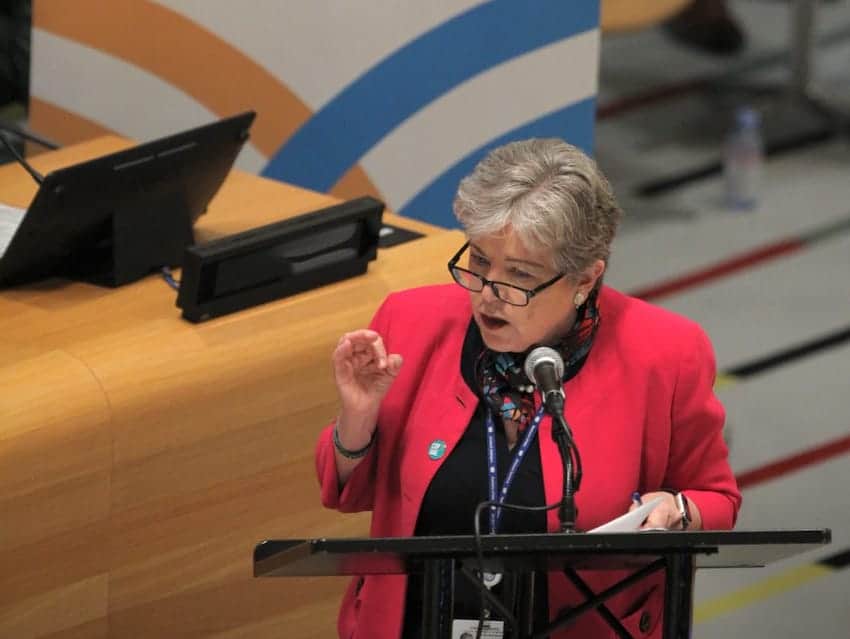
Fentanyl seizures in Mexico have increased tenfold in the last five years compared to the previous five, according to Foreign Minister Alicia Bárcena’s progress report at this week’s United Nations General Assembly. (Gob MX)
“The actions implemented between 2020 and 2023 by our country represent 25% of fentanyl seizures globally,” she said, adding that a 1,049% increase was seen between the period 2014-2018 and the period from January 2018 to March 2023.
Mexico’s recent successes in the fight against fentanyl also include the arrest in January of drug trafficker Ovidio Guzmán – son of notorious Sinaloa Cartel capo Joaquín “El Chapo” Guzmán – who was extradited to the United States last week.
Bárcena stressed that international collaboration is crucial in the fight against the potent synthetic opioid fentanyl, which caused 70,000 deaths in the United States last year alone.
She highlighted Mexico’s participation in the Global Container Control Program to monitor drug trafficking through seaports, as well as two pilot programs to track chemical imports and detect emerging precursors.
Bárcena stressed that international collaboration is crucial in the fight against the potent synthetic opioid fentanyl, and recognized Mexico’s role in the illegal drug trade. (Gob MX)
U.S. authorities accuse Mexican cartels of manufacturing fentanyl using Chinese precursor chemicals and then trafficking the substance over the border.
“Mexico has established very close communication with China, with India and with Korea because we want to analyze the chains of the precursor chemicals of fentanyl production and we want to help in this terrible pandemic,” Bárcena said.
China, however, has denied responsibility in the fentanyl supply chain, and refused to join Mexico in the Global Coalition to Address Synthetic Drug Threats launched by the U.S. in July. Mexican President Andrés Manuel López Obrador, on the other hand, has previously denied that fentanyl is manufactured in Mexico, claiming it comes directly from China.
While Bárcena’s speech accepted Mexico’s role in the illegal drug trade, she stressed that combatting arms trafficking is crucial to undermining the power of organized crime.Most illegal weapons in Mexico are trafficked from the U.S.
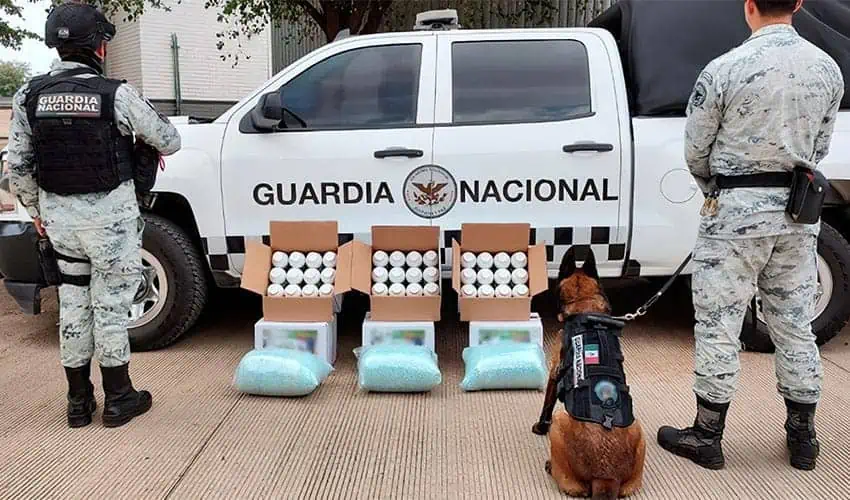
Fentanyl caused 70,000 deaths in the United States last year alone. (Guardía Nacional)
Bárcena also advocated addressing the fentanyl crisis from “a preventive approach through public health,” focusing on the “structural causes” that lead to addiction.
In her remarks at the launch of the Global Coalition, Security Minister Rosa Icela Rodríguez added that cultural, moral and spiritual values form the “principal vaccine” against this social and public health problem, and must be reinforced.
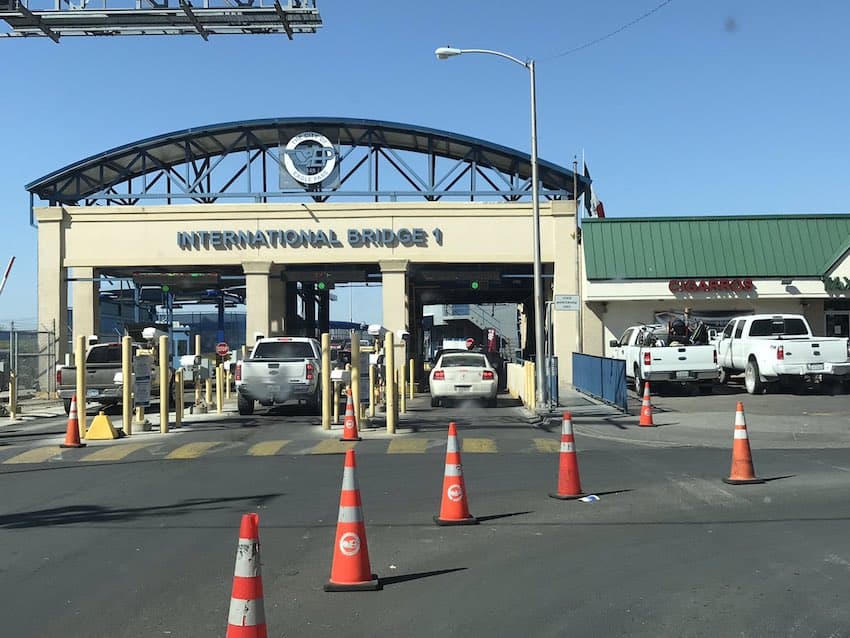
The temporary closure of Bridge 1 may last days or weeks as Texas border authorities respond to increasing numbers of migrants arriving in Eagle Pass. (Cuartoscuro)
Another land crossing from Mexico to the United States has been temporarily closed after the mayor of Eagle Pass, Texas declared a state of emergency due to “a significant influx of immigrants.”
On Wednesday, U.S. Customs and Border Protection (CBP) temporarily suspended vehicle processing operations at Bridge No. 1 connecting Piedras Negras, Coahuila, to Eagle Pass “in order to redirect personnel to assist the U.S. Border Patrol with taking migrants into custody,” the agency said in a statement.
U.S. authorities closed Bridge No. 1 on Wednesday, but Bridge No. 2 (Camino Real) remains open to crossing vehicles. (epbusiness/X)
“In response to this influx in encounters, we will continue to surge all available resources to expeditiously and safely process migrants. We will maximize consequences against those without a legal basis to remain in the United States. CBP will continue to prioritize our border security mission as necessary in response to this evolving situation,” the statement added.
Authorities also shut down the international railway bridge in Eagle Pass, although Bridge No. 1 remained open for pedestrian crossings.
The measures took effect at 6 p.m. Wednesday “until further notice,” Maverick County, which includes the city of Eagle Pass, posted on X, formerly Twitter. “All vehicles must use Bridge No. 2 to cross into Mexico and/or the United States,” the post reads.
“The closure is due to the significant influx of migrants in the region,” the county added.
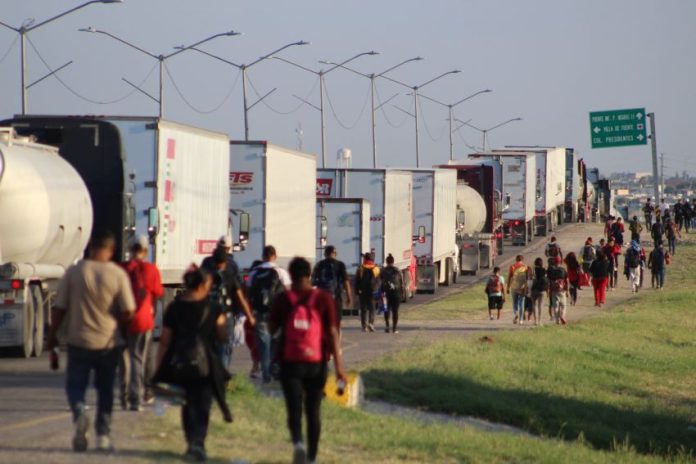
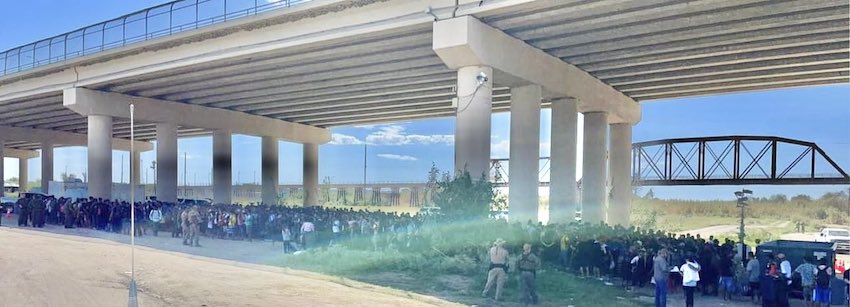
Migrant crossings at unofficial points along the U.S.-Mexico border have increased in the last week, leading U.S. authorities to close bridges in El Paso and Eagle Pass. (Anna_Giaritelli/X)
In addition, the U.S. Department of Defense (DOD) will send some 800 new active-duty personnel to the border, where 2,500 National Guard members are already serving, Department of Homeland Security (DHS) officials said Wednesday.
Migrant crossings along the U.S.-Mexico border surpassed 8,600 over the last 24 hours, DHS officials said, according to a CNN report. The busiest border sectors include Del Rio (where Eagle Pass is located) and El Paso, Texas.
The influx has strained federal resources and overwhelmed already-crowded facilities, officials have said.
According to authorities in Piedras Negras, more than 8,000 migrants have gathered in the northern area of the state of Coahuila. Most are from Central America, they said.
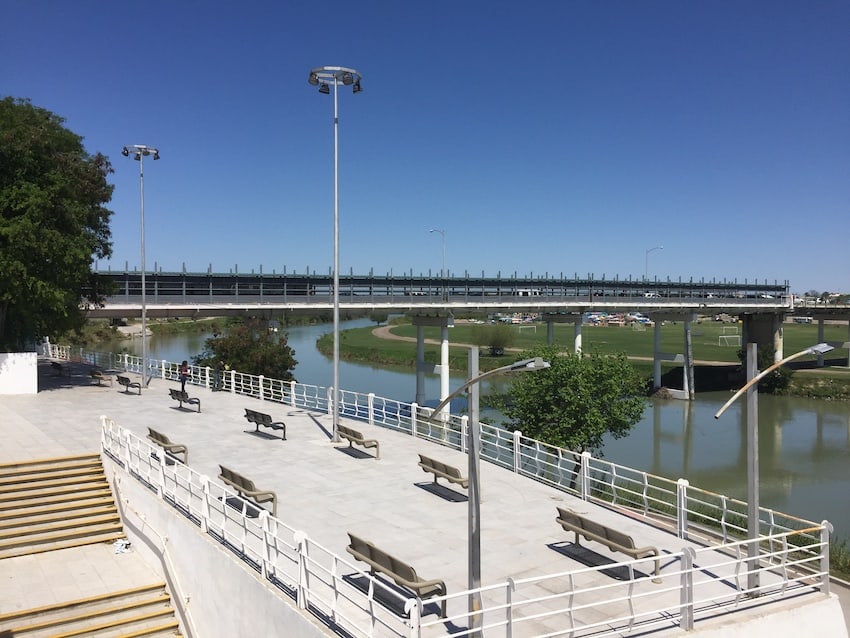
The bridge closures will negatively impact many families who do business on both sides of the border. (Wikimedia Commons)
On Tuesday, local officials had requested intervention from the Mexican government so as to avoid the bridge closures, which affect cargo trucks and families that have activities in both Texas and Coahuila.
Earlier this week, CBP issued a “temporary suspension” of cargo processing at the Bridge of the Americas on the Ciudad Juárez–El Paso border. CBP said in a statement that it needed its officers in the area to assist in processing migrants arriving outside of official crossings.
The U.S. and Canada have challenged current energy policy under the USMCA free trade pact, but stopped short of asking for a dispute settlement panel. (Shutterstock)
The United States has once again pressured Mexico to address concerns over the energy policies implemented by the current Mexican government.
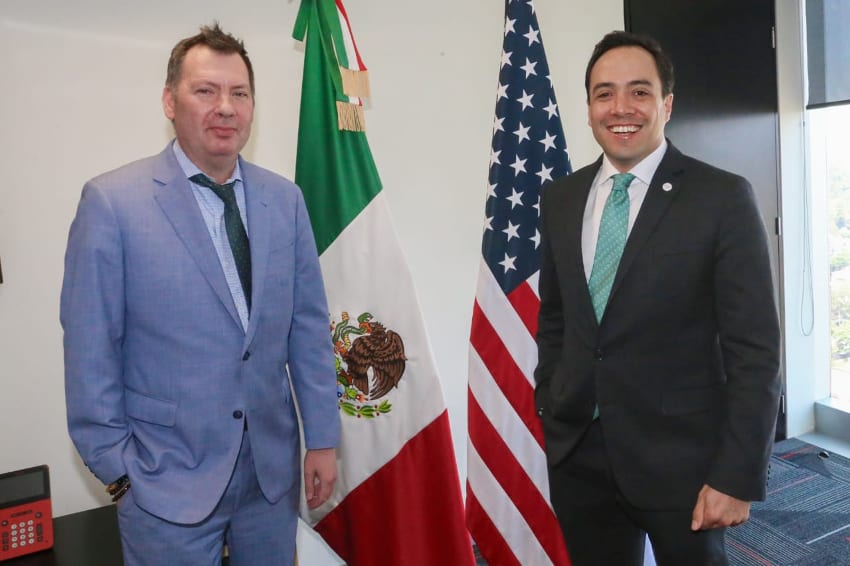
In a meeting in Mexico City with Deputy Economy Minister for Foreign Trade Alejandro Encinas Nájera on Wednesday, the Deputy United States Trade Representative Jayme White “underscored the pressing need for Mexico to address the serious concerns that the United States has raised during the ongoing consultations under the USMCA regarding Mexico’s energy measures,” according to a statement issued by the Office of the United States Trade Representative (USTR).
Deputy U.S. Trade Representative Jayme White with Deputy Economy Minister for Foreign Trade Alejandro Encinas Nájera. (Secretaría de Economía/X)
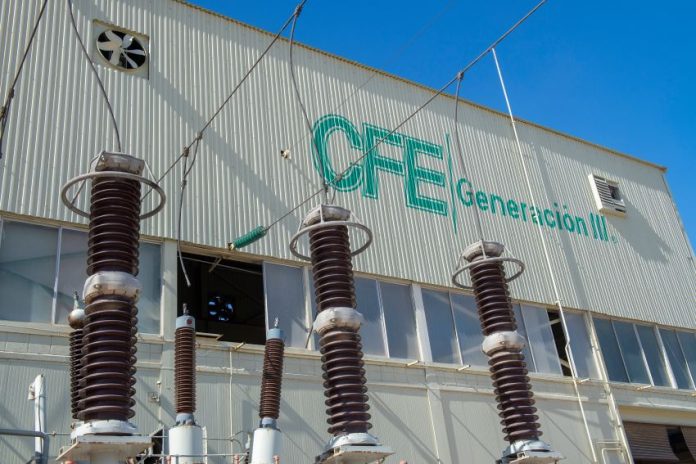
In July 2022, U.S. Trade Representative Katherine Tai requested dispute settlement consultations with Mexico under the United States-Mexico-Canada Agreement, or USMCA, regarding policies that favor the Federal Electricity Commission and state oil company Pemex over U.S. energy companies that operate in Mexico.
“We have repeatedly expressed serious concerns about a series of changes in Mexico’s energy policies and their consistency with Mexico’s commitments under the USMCA,” Tai said at the time.
“These policy changes impact U.S. economic interests in multiple sectors and disincentivize investment by clean-energy suppliers and by companies that seek to purchase clean, reliable energy.”
The dispute settlement consultations are ongoing 14 months later even though the United States has been pushing for prompt resolution almost since the beginning. The U.S. so far has decided against requesting the establishment of dispute settlement panel to deal with the matter, even though it could have done so 75 days after it first asked for consultations.
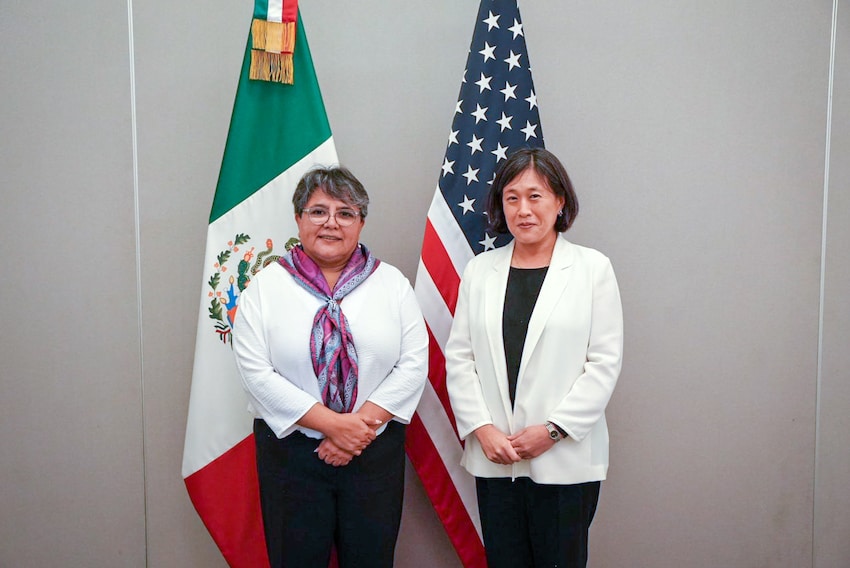
U.S. Trade Representative Katherine Tai with Mexico’s Economy Minister Raquel Buenrostro earlier this year. Tai has repeatedly emphasized U.S. concerns about Mexican energy policy in relation to the USMCA trade pact. (Katherine Tai/X)
President López Obrador, a fierce critic of the 2014 reform that opened up Mexico’s energy sector to foreign and private companies, remains reluctant to change the government’s nationalistic policies.
Ambassador White raised other concerns during his meeting with Encinas, whose father is Deputy Interior Minister for Human Rights Alejandro Encinas Rodríguez.
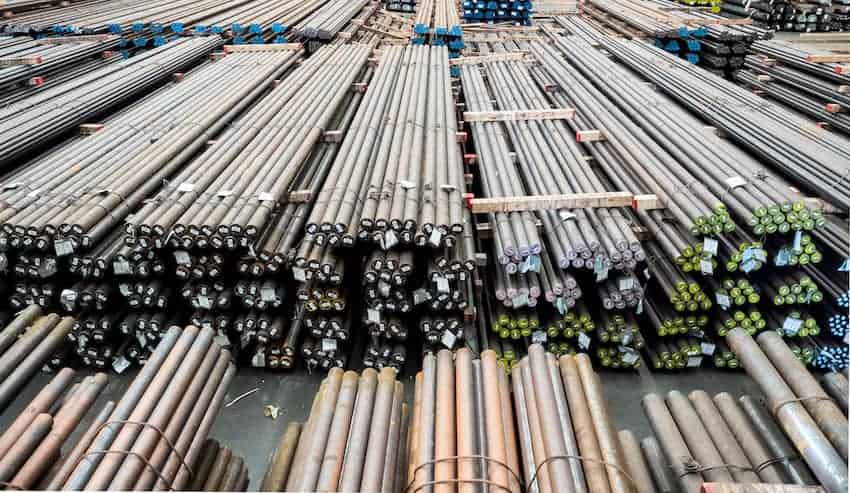
White “reiterated concerns about the recent surge in U.S. imports of certain steel and aluminum products from Mexico and the lack of transparency regarding Mexico’s steel and aluminum imports from third countries,” the USTR statement said.
Mexico has requested a USMCA review of antidumping quotas on steel, while the U.S. has expressed concern about a “surge” in Mexican steel imports to the United States. (Shutterstock)
The USTR also said that White and Encinas “discussed the importance of making progress in the ongoing USMCA consultations regarding Mexico’s enforcement of its fisheries-related environmental laws.”
Among other matters discussed by White and Encinas were “the regulatory environment for medical device manufacturing” – a growing sector in Mexico – the “importance of competition in the telecommunications sector” and “conducting procurements in accordance with USMCA obligations in an open and transparent manner.”
The USTR readout of the meeting didn’t mention the dispute between Mexico and the United States over the former’s genetically modified corn policies. The U.S. government last month requested the establishment of a dispute settlement panel to resolve that issue.
The meeting between White and Encinas came ahead of the second USMCA Small and Medium Enterprise Dialogue, which was held in Mexico City on Thursday.
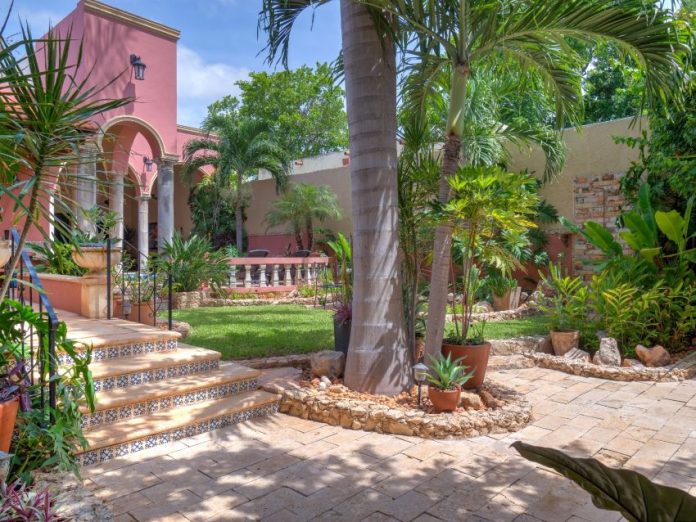
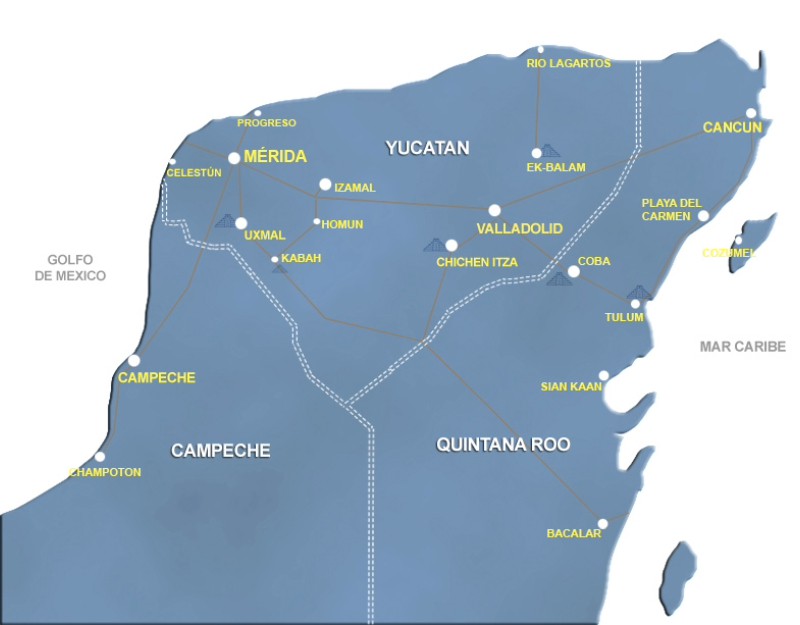
Since he arrived in Mexico in the 1990s, he has watched Mérida flourish, hosting an extraordinarily diverse and peaceful community as well as becoming a prime destination for savvy real estate investors seeking a slice of Mexico’s booming property market.
The Yucatan peninsula is its own little place in Mexico. “Mérida and the Yucatan have a potent magnetism, and I say that in a corporeal sense”, Mitchell says. He explains that when the Chicxulub crater crashed into the Gulf of Mexico off the coast of Yucatan, it created beautiful cenotes (deep water sinkholes), and the entire area near the crater’s impact is imbued with a magnetic feeling. “People get attached. There’s beauty and magnetism here like nowhere else I’ve been”. And, he says, “There is no snow – no freezing temperatures. April to September is our hot season, so the best time to visit is November through March”. His favorite month is June when the trees are in bloom and there are carpets and canopies of orange from the Flamboyant trees.
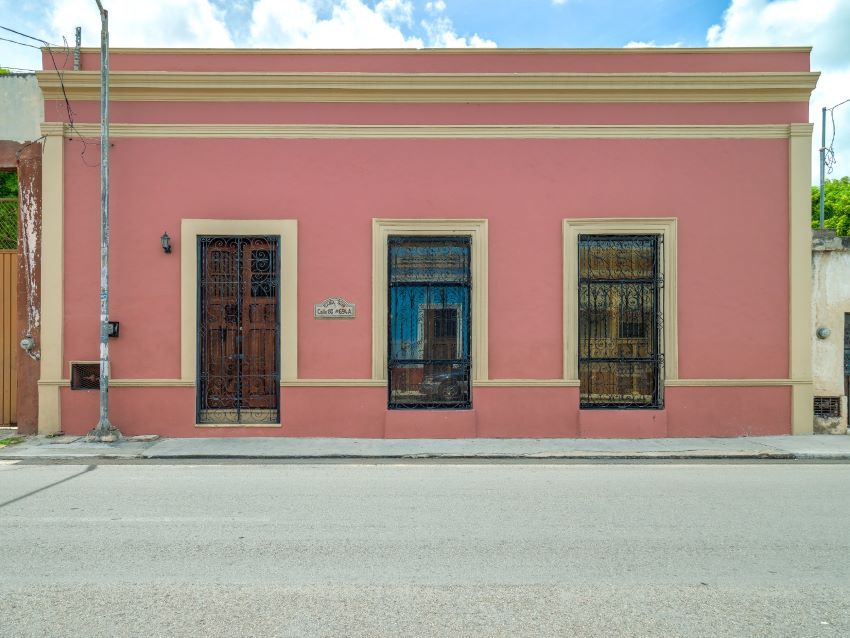
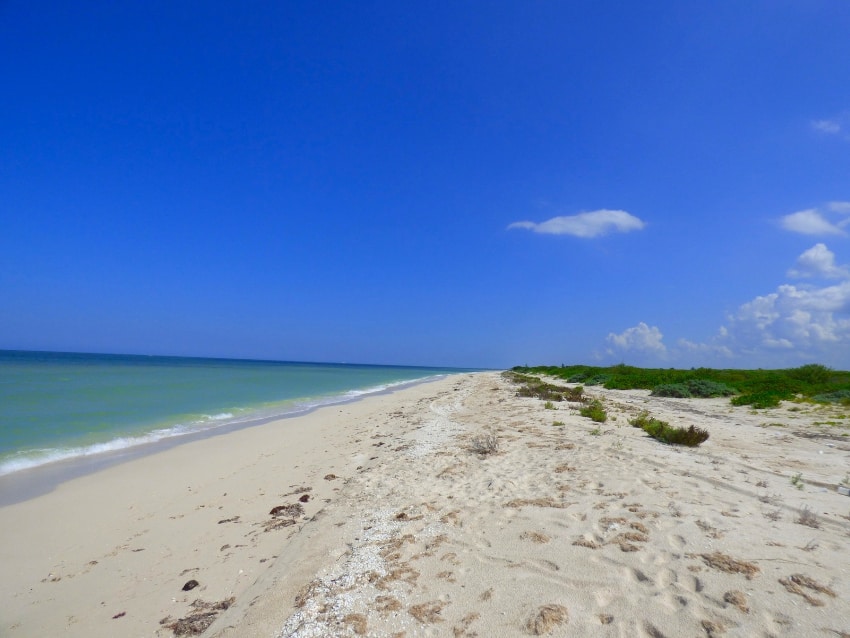
With its unique blend of beach, rich Maya heritage, vibrant urban development, and a diverse expatriate and Mexican community, word has it that Mérida is the place to be in Mexico. The mass of new investments is the result of Mérida being one of the safest cities in Mexico. “It’s a positive push-up and has had a big effect on our growth”, Mitch says. “Colonial homes are around 60% of our sales, beach properties are around 30%, and 10% are ranches and haciendas. There are plenty of appealing new builds, and even the one bed and bath condos are flying.” Mexican president Lopez Obrador has poured a wealth of capital resources into the Yucatan area, which now is home to the largest infrastructure project in Mexico – The Maya Train.
“I was in Denver when Denver was booming, but I’ve never seen anything like what’s happening in Mérida real estate. And the boom is sustainable.” After the pandemic, people wanted to detach from the big cities and move away. “We’re still closing deals from 2021 when our sales were off the charts.”
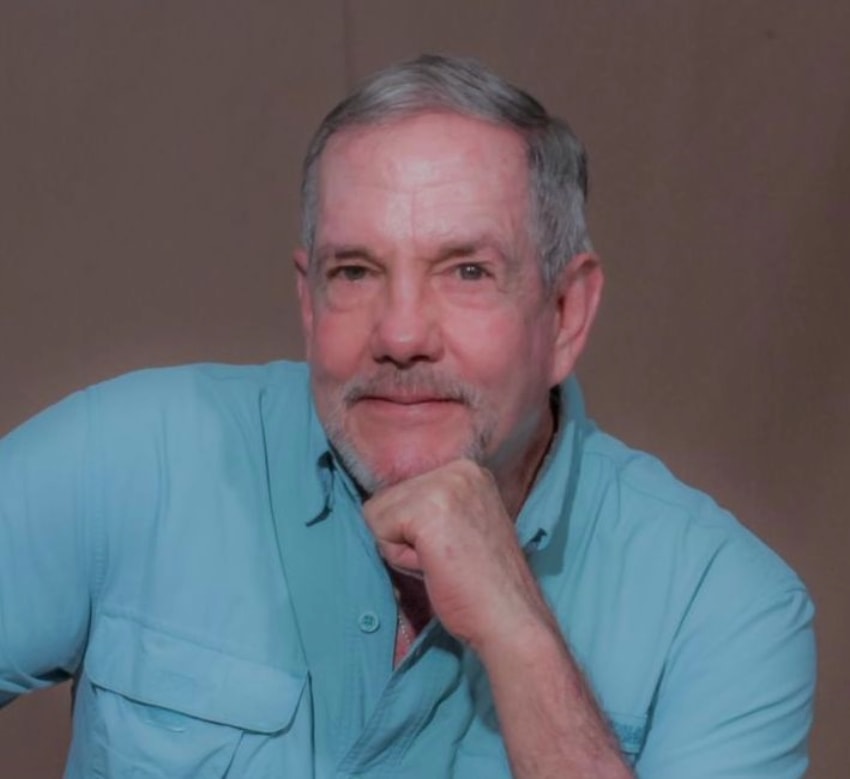
Mitchell Keenan, owner of Mexico International Real Estate.
Whether you love culture or cuisine, Mérida has it all
Twice voted “Cultural Capital of the Americas” in 2000 and 2017, he speaks about a great sense of people coming together in business and the arts, with investments in infrastructure that rival anywhere in Mexico. Not only offering pristine, beautiful beaches and cenotes, there is also a wealth of Maya ruins, hotels, restaurants and arts venues. “My partner Miguel and I moved here because Mérida absolutely offered the best lifestyle for us, in Mexico. There is an extraordinary diversity of community: musicians, artists, retirees, young entrepreneurs, Mexicans from all corners of the country.” He reiterates it is possible to live well and less expensively and that “you don’t have the kinds of cultural divisions that you see in other countries.” Even though the Maya are still here in enormous numbers, foreigners are welcomed. The three tiered theater, Teatro José Peón Contreras, is currently being rebuilt. Culture is affordable for everyone, offering lots of free events and NGO community initiatives, like the Full Moon Jazz Festival in February, whose profits go to Telchac Education, “keeping kids in school”.
Like any growing city, the traffic has increased. Still, the government is making investments in new bus services and the refurbished train station, which welcomes both the famous and infamous Maya Train, making travel around the peninsula easy, fast, and luxurious. “There is no doubt the train will be great for tourism and the local economy,” Mitch says.
“The chefs here are super-trending,” Mitch also informs us, citing the recent convention presenting 50 of Latin America’s best chefs. Mérida’s restaurant row, Paseo de Montejo, is full of gourmet dining options. “Oliva Enoteca is fabulous, and Hennessey’s Irish Pub, an Irish pub run by Sean Hennessy & Colm Cooney, offers the best food at the best prices.” Young celebrity chef Nidia Sanchez, who owns Yerba Santa in the iconic historic mansion, El Minaret, came from Chiapas through Mexico City and offers inventive recipes solely inspired by her mother’s home cooking.
This melting pot of nationalities still intrinsically values Mexico’s cultural roots. “There’s no city quite like this in all of Mexico!” Mitch opines.
Why Mérida is one of the safest cities in Mexico
With the genuine philosophy of “we’re here to help”, Mérida has a robust federal, state, tourist and traffic police presence. Still, there’s a fascinating more profound cultural history as to why this non-invasive “army” feels more like a vigilant but friendly family who keeps the population safe. The original elite of the elite families of Yucatán, all multi-billionaires, wanted to keep this area safe for their families and their offspring. “Pemex discovered oil off this coast, but the families held sway, and Pemex was not allowed to drill nearby and construct oil platforms like in Campeche,” Mitch tells us. Unlike the party capital of the coast, Cancun, Mérida has a cultivated, civilized and safer mindset with its notable community policing policy, insisted upon by these elite founding families.
Mérida delivers excellent healthcare at affordable prices
With ER visits costing as little as $35-$50, Mérida residents have a wide range of hospitals and clinics. “Amongst my clients and friends, the elderly have received treatment for everything, and they all rave about doctors’ pricing and the numerous new modern, updated clinics and hospitals.” Mérida also has its fair share of medical tourism and offers specialization in orthopedic, cosmetic, LASIK, dental and cancer treatments.
One survey of 100 expats conducted by Life in Mérida said they preferred their experience with a Mexican doctor because they had more confidence the doctor cared about their well-being and was knowledgeable, thorough and kind. They also said they didn’t feel hurried and the doctor would often share a personal phone number for follow-ups, questions and concerns.
As Mérida continues to shine as a beacon of opportunity in world culture, business and real estate investment, Mitch and his team have cultivated an intimate knowledge of the modern-day city and a wealth of connections and friends over 30 years. “We’re here to share our know-how, enthusiasm, and love for everything this city has to offer,” he tells us.
Don’t delay discovering this tantalizing slice of the Yucatan peninsula and seizing the array of lifestyle opportunities arising from Mérida’s growth spurt!
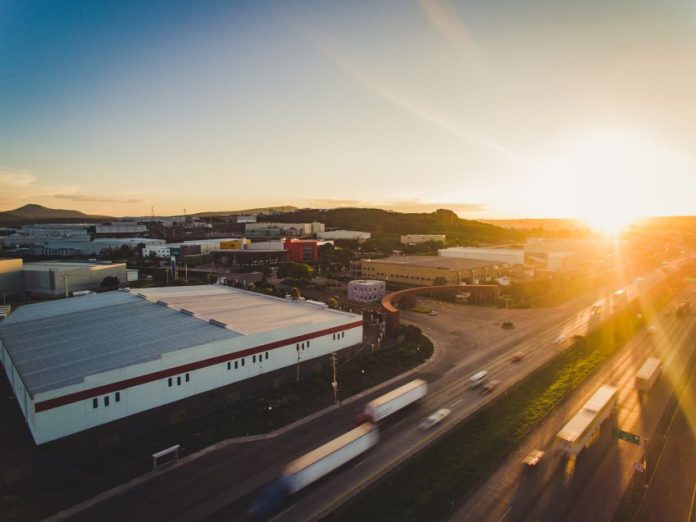
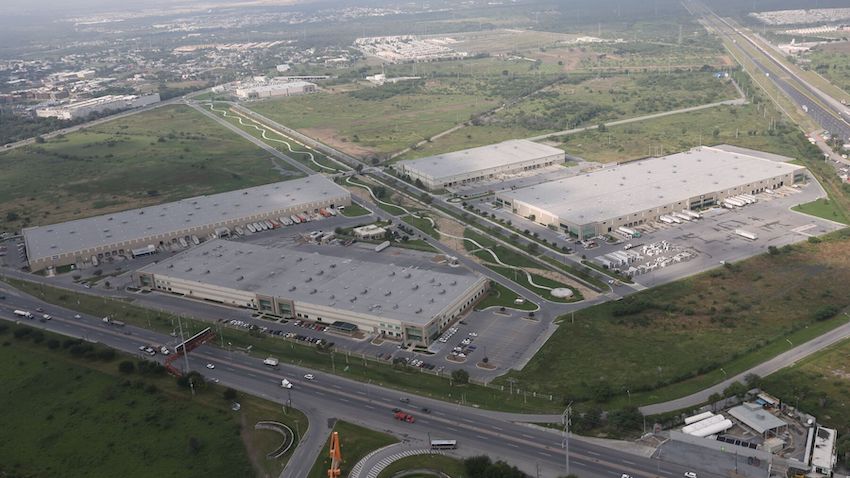
In the second quarter of 2023, the cost to rent industrial spaces spiked 24.5% and 16.4% in Monterrey and Ciudad Juárez, respectively. (Shutterstock)
Nearshoring has boosted demand for industrial space in Mexico and is growing, leaving industrial developers struggling to keep up.
Mexico City-based real estate fund Meor reported this week that less than 2% of industrial space is currently vacant nationwide, while the figure in the north is close to 0%. The shortage will likely become more acute over time, as demand for space is expected to double over the coming years. Meor predicts there will be demand for 13 million square meters of industrial space over the next five years.
The real estate fund Meor, which specializes in industrial parks, predicts a demand of up to 13 million square meters (140 million square feet) in industrial space in the next five years. (Meor)
According to U.S. investment bank Morgan Stanley, 300 companies have set up operations in Mexico in 2023 alone, and US $50 billion of foreign direct investment could arrive in the country over the next five years.
“Industrial developers are doing our best, we are all building at rates not seen before, but there are issues that do not allow us to go faster,” Meor’s Chief Investment Officer, Jonathan Pomerantz, told reporters.
“2023 will once again set a record, both in construction and in space occupancy. But I don’t think we’re making the volume necessary to meet demand,” he added.
A record 2 million square meters of industrial space was constructed in Mexico in 2022, Pomerantz said, and 2023’s figure could be even higher. In early September, Mexico’s Ministry of Finance and Public Credit (SHCP) said that construction of industrial sites in some northern cities had increased by more than 150% annually in the second quarter of 2023, driven by high demand and spiraling rents.
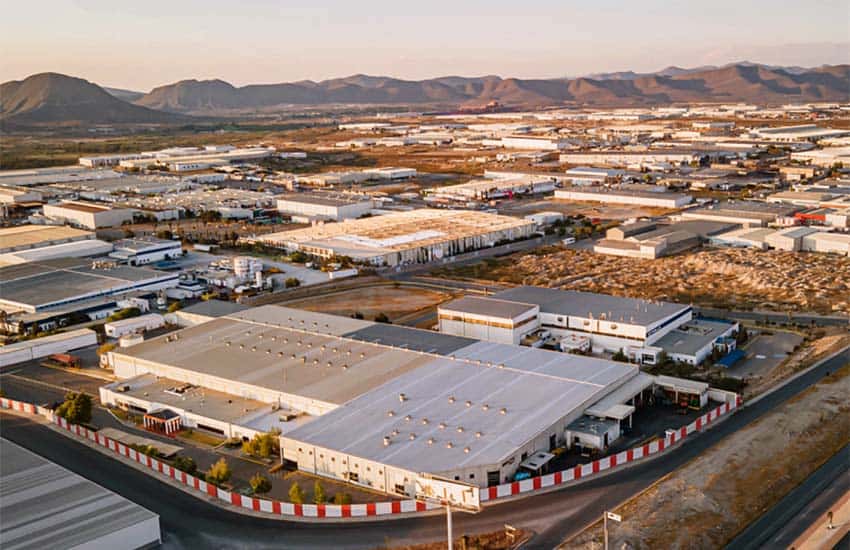
An expanse of industrial parks near Monterrey, which currently has the highest rate of leasing and construction of industrial space in the country. (Photo: OCV Salitillo)
“The scarcity of these sites has resulted in increases in their rental prices: during the second quarter of 2023, rents showed annual increases of 24.5% and 16.4% in Monterrey and Ciudad Juárez, respectively,” the SHCP said.
The effects of nearshoring are most apparent in Mexico’s northern states due to their greater industrial development and proximity to the U.S. border. Monterrey, in Nuevo León, has the highest leasing and construction of industrial space in the country, according to thebrokerage firm Solili.
However, while the north is racing to keep up with growing demand, the pace of construction and occupation of industrial space is lagging this year in Mexico’s central region, according to the consultancy Datoz. This meant that transactions of industrial warehouses nationwide fell 17.4% annually in the first quarter of 2023, the firm said.
The north also faces many challenges, particularly regarding energy supply. Most industrial hotspots have enough energy generation, Pomerantz said, but there is a lack of infrastructure for energy conversion and transmission.
Several recent surveys of industrial park owners have found that overall warehouse space in such parks is nearing 100% occupancy, particularly in the north. (ProLogis/X)
Despite these difficulties, shortages and rising rents, analysts agreed that the reconfiguration of global supply chains resulting from the COVID-19 pandemic, U.S.-China trade tensions and the Russia-Ukraine war will continue driving businesses to Mexico.
“Given the importance of the United States market worldwide in consumption, settling in Mexico will be necessary for companies that want to maintain a commercial relationship with that country, at least in the short term, despite having higher costs than other countries,” Fernando Pliego, Audit Partner at Salles Sainz, told newspaper El Economista.
You won't soon forget the sound of the Metro cop's whistle. (Miguel Ángel Gómez Cabrera)
Mexico City’s subway is called the Metro, and it’s just amazing. Firstly, it’s extremely easy to use. Even on my very first trip to Mexico, when my Spanish was limited to asking for a cup of coffee to go, I was able to navigate the subway because they made it very easy to identify the various lines and stations.
Each line has a number or letter and is color coded, and each station has a name and a unique symbol, so even someone who’s as directionally challenged as I am can easily get around. To give you an idea of exactly how directionally challenged I am, I once got lost while biking on the Erie Canal towpath in Rochester, New York: the towpath only runs east to west. A Metro ride is very cheap, costing 5 pesos. That’s about US 25 cents.
Every station has a cop or two standing on top of a small platform. I don’t think these cops are there to protect people because I’ve never seen them leave their spots. They prefer instead to talk to other cops or, more often, peruse their cell phones.
What they seem to be there for is to blow whistles that are loud. So loud, in fact, that I’m sure most of them are going deaf. On the Metro’s official X account, they claim that “The whistle is used to inform users of the presence of security personnel at the station, so in case you need assistance, you can identify them immediately.” To me, it seems that their job is to blow the whistle to let people know that a train is arriving.
The point of this is unclear to me: they don’t see the approaching train any sooner than anyone else standing on the platform. If anything, they will probably see it later. The trains aren’t exactly quiet, so even if you’re not looking down the tunnel in their direction, you’re going to hear them. And even if you don’t hear or see them, you’ll feel the breeze they create as they approach. But someone decided that there have to be cops blowing whistles to inform people of that fact.
I try to stand as far away from these cops as possible. I’ve lost enough of my hearing to rock concerts and drumming. I don’t want to lose more to some whistle-blowing enthusiast. But sometimes — especially during rush hour when the platform is packed — avoiding them is simply not possible. At those times, I put my hands over my ears, looking like a live version of Edvard Munch’s “The Scream.”
I don’t know for sure, but it seems that each cop has their own special whistle call. They don’t merely blow one note to let you know that a train’s pulling in. Oh, no. They vary in pitch. They blow short notes. Long notes. Trills. For all I know, they’re all frustrated musicians practicing a new composition. Maybe someday I’ll take the time to ask them.