Home Blog Page 91

Traveling to Guadalajara? Here’s what it’s like in western Mexico right now

1
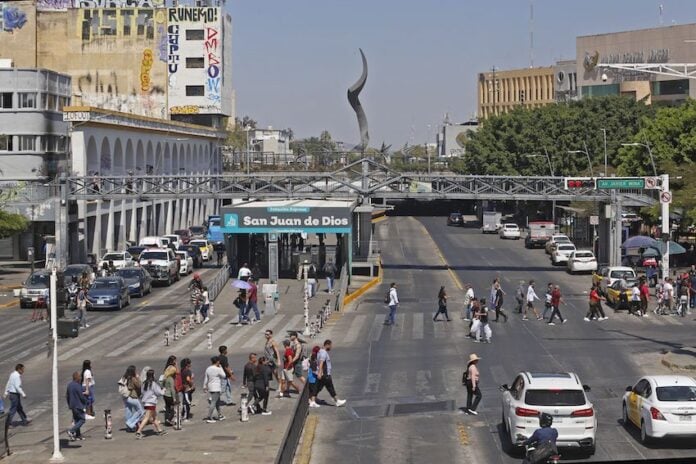
All economic, social and religious activities in Guadalajara, as well as the state, have resumed.
All economic, social and religious activities in Guadalajara, as well as the state, have resumed. However, some residents of Jalisco are choosing to limit their activities to daytime hours. (Fernando Carranza Garcia/Cuartoscuro)

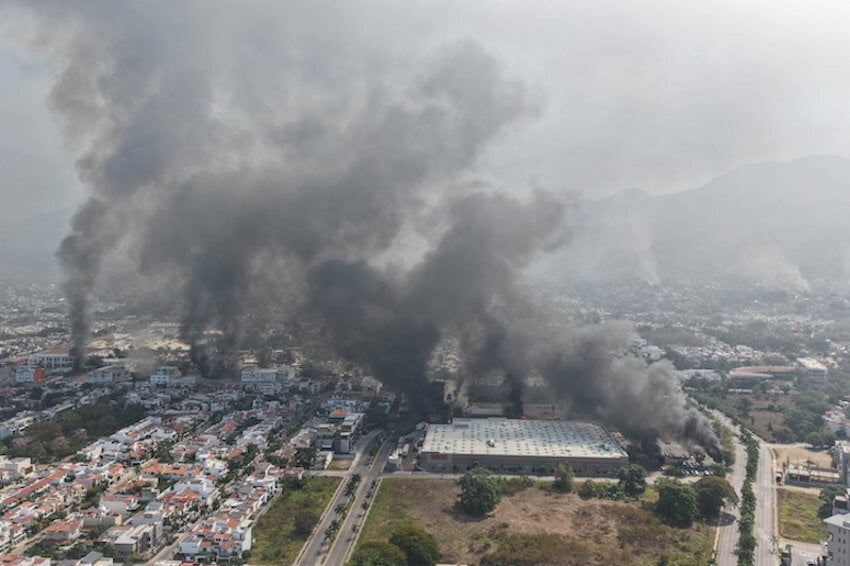
More than 48 hours after the Jalisco government activated a stay-at-home alert in response to the violent events resulting from the killing of Nemesio “El Mencho” Oceguera Cervantes, state Governor Pablo Lemus announced Tuesday that the measure had been lifted. 

“Due to the progress in the regularization of state activities, this morning we decided to end the red alert,” Lemus said in a video published Tuesday.

In it, he explained that all economic, social and religious activities in the state had resumed, as well as all municipal services. He also said that supermarkets, convenience stores, wholesale markets, restaurants and banks had reopened without incident, and that schools would resume activities on Wednesday. 

Mexico News Daily spoke to residents in Guadalajara to understand what it’s like in the Jalisco capital right now.

“Schools were still closed today, but I took my kids to their tennis lesson in the afternoon and the city seems normal,” Cecilia, 37, a resident of Zapopan in the metropolitan area of Guadalajara and mother of three children, said on Tuesday, Feb. 24. “My kids will return to school on Wednesday,” she added.  

Cecilia ventured out of her home Tuesday afternoon for the first time since the violence began Sunday morning. Cecilia’s family was one of the families affected by arson attacks, as a convenience store they own was burned down by criminals.

Meanwhile, María Fernanda, 36, a resident of Guadalajara and mother of one child, said that her family had “somewhat resumed normal life” on Tuesday, adding that she took her child to the playground of a private club of which she’s a member, as they had been indoors since Sunday.  

“However, I’m skeptical and I’m taking lots of precautions. I’m not sure I’ll send my kid to school yet,” she said with concern.

MND Local: How is Puerto Vallarta today?

Gabriela, 63, who owns a business in Zapopan, said that all her employees showed up for work by public transportation without incidents or delays, and that the workday went smoothly. Among her activities, she went to the bank to withdraw money and to an Oxxo. She didn’t encounter any shops that were closed.  

In contrast, Visitación, a man in his 50s who collects empty cardboard boxes from Farmacias Guadalajara to resell, said that during his daywork in Zapopan, he noticed that several pharmacies were still closed. 

Regarding activity at the Guadalajara International Airport, Rubén, 50, who runs a private transportation service, said he drove clients to the airport on Tuesday without any incidents, and that activity at the airport was running as usual. Still, he said that while things look normal in Guadalajara, he wouldn’t suggest travelers drive at night.

“I don’t recommend going out at night or in the early morning,” he said, adding that he refused to take travelers to the airport before 7 a.m.

This sentiment is shared among residents. Fernanda, 32, said that she and her friends had planned a girls’ night out on Wednesday, but they decided to cancel their plans because they don’t feel safe leaving their homes after dark.  

“We have no intention of going out at night. At least not yet,” she said. 

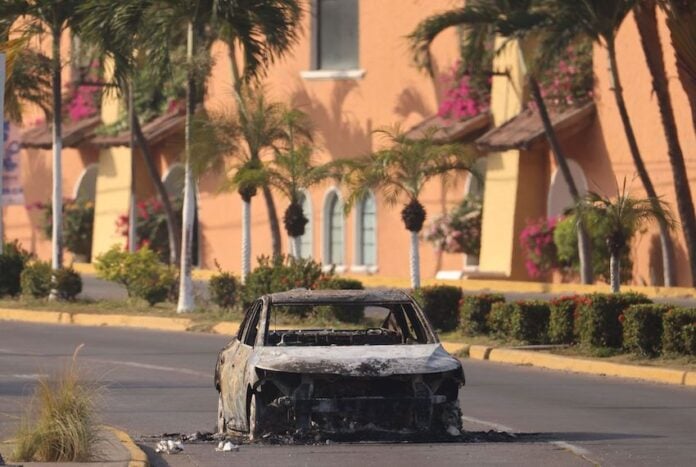
As for road conditions, travelers driving from Tapalpa, Puerto Vallarta, Ameca and Tepic to and from Guadalajara reported “smooth travel” on Wednesday. Although they encountered some burned trucks along the way, which were still fuming from Sunday’s attacks, they said they arrived safely to their destinations without any incidents.

Lemus said he asked President Claudia Sheinbaum to remove remnants of burned trucks from the roads, particularly from federal highways 80, 90 and 200. According to Lemus, Sheinbaum showed full disposition to help. 

“Within a maximum of 36 hours, we will be removing all damaged vehicles from roads and metropolitan areas,” Lemus said.

Traveling to other states? Good news: the rest of Mexico is looking good

Travelers to other popular Mexican destinations should be aware that authorities have taken preventive security measures in response to the violence.

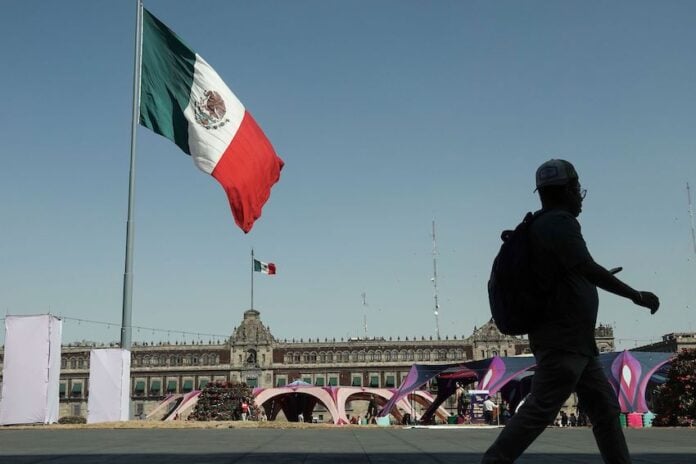
In Mexico City, Mayor Clara Brugada convened a “permanent” Security Cabinet session and confirmed the capital remained at peace, with all public transportation, schools and services operating normally. Mexico City International Airport is also safe and is currently guarded by an additional 5,000 agents, comprising personnel from the Naval Airport Protection Unit, the Federal Protection Service, the Mexico City Police Department and private security corporations.

In Quintana Roo, Governor Mara Lezama deployed a joint security operation of more than 10,000 federal, state and municipal forces, confirming that the state’s international airports are operating normally with no security-related cancellations. 

Meanwhile, in Los Cabos, Baja California Sur, municipal authorities launched a preventive inter-institutional security inspection of major shopping centers in Cabo San Lucas, reviewing structural, electrical and gas safety compliance, with officials emphasizing their goal of keeping the destination safe for both employees and visitors.

Travelers are advised to follow official government channels for updates and avoid sharing unverified information.

Mexico News Daily
Made in Mexico: Teresa Margolles and the dissection of violence through art

1
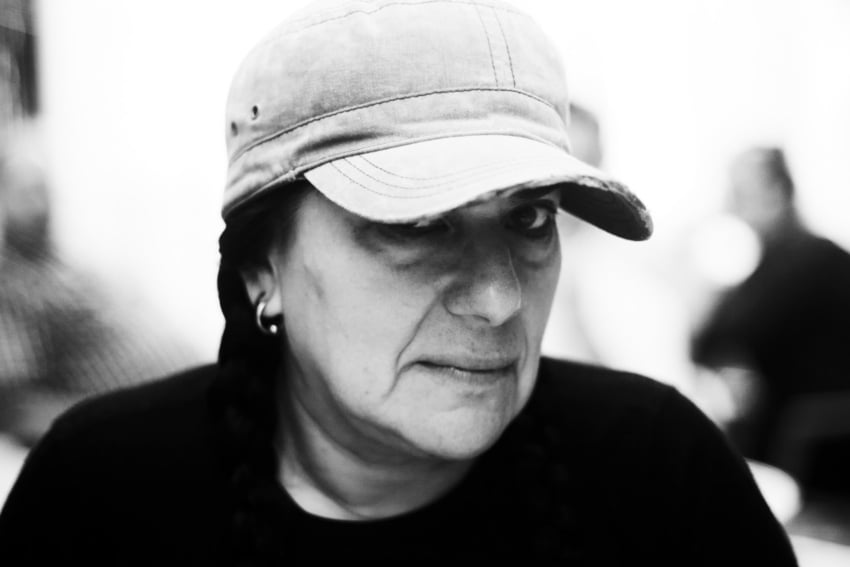
Teresa Margolles
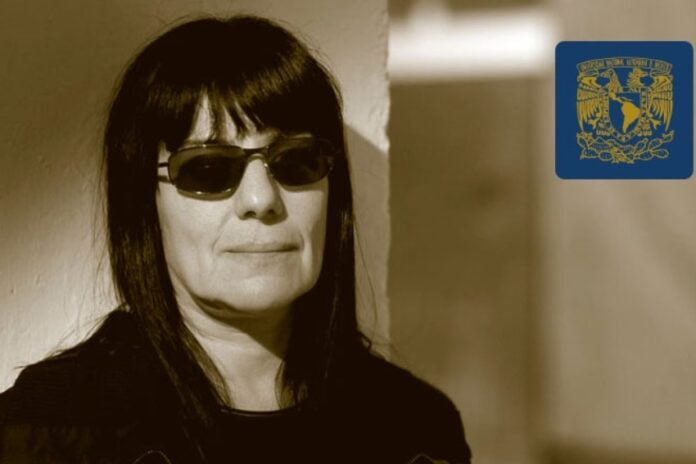
Teresa Margolles' art forces viewers to come face to face with the reality of violence. (Fundación UNAM)

When I decide what to write about, my first impulse is always the same: to make you fall
in love with Mexico and its people. That’s why I often avoid the uncomfortable subjects.
But there are moments when it feels impossible to talk about anything other than
violence. In those moments, art offers something invaluable: a way to exorcise what we
fear, or at least to face it. Art is, in the end, a form of catharsis.

Today I want to talk about Teresa Margolles — because she is one of the few Mexican
artists who has faced our violence head-on. Her work is blunt, unsettling, even violent,
and it reminds us that the victims we read about were human beings, not faceless
numbers. In a week that many of us came face to face with momentous violence in the fallout of the killing of “El Mencho,” it seems a good time to reflect on what these experiences mean on a personal level.

Confronting violence through art

Teresa Margolles "What Else Could We Talk About?"
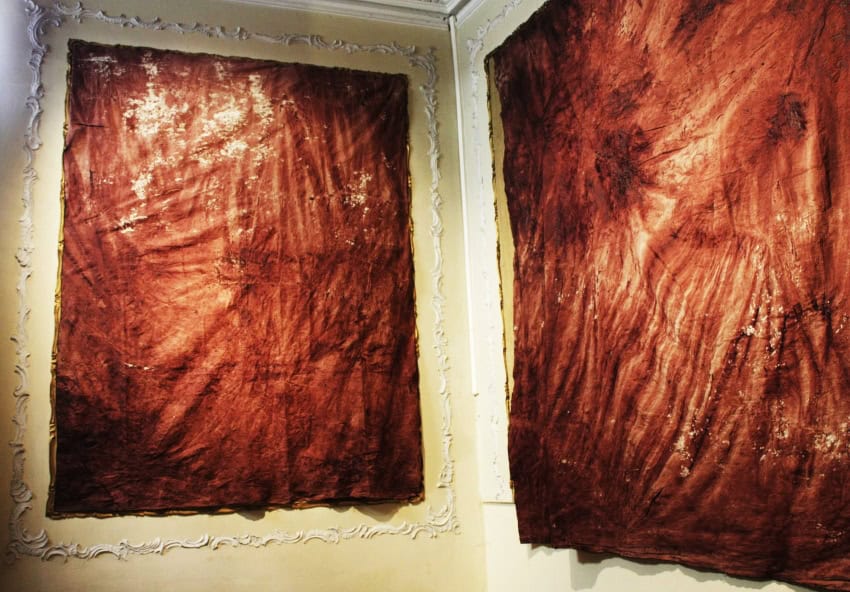
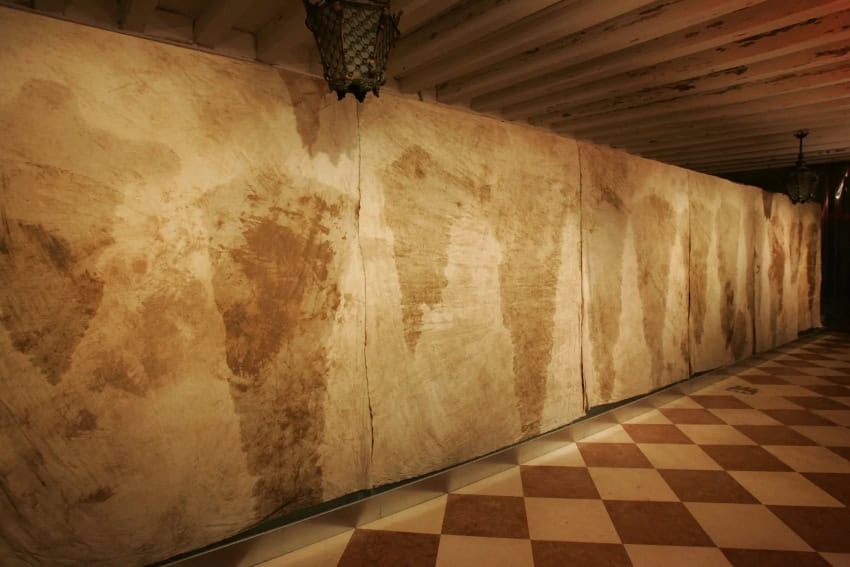
In her exhibition “What Else Could We Talk About?” Margolles used bloody rags from murder scenes as a way to confront violence head-on. (Teresa Margolles)

Margolles is controversial for two reasons: her work isn’t “beautiful,” and it’s conceptual.
For many people, that kind of art barely qualifies as art at all.

If you hate contemporary art, I get it. It can seem absurd to stare at the strangest object
in a gallery and be told it’s your job to find the meaning. But here’s the thing: art in every
era has reflected the politics and beliefs of its time. By the late nineteenth century,
artists began to care less about technical perfection and more about provoking
thought — about using art to make us question what we take for granted.

I know that might sound like theory-speak, but stay with me — Margolles turns that idea
into something tangible.

The making of an artist

Teresa Margolles was born in Culiacán, Sinaloa, in 1963. She studied at the Directorate
for the Promotion of Regional Culture in her home state, trained as a forensic technician
at Mexico City’s Forensic Medical Service (SEMEFO) in 1990, and later earned a
degree in Communication Sciences at UNAM.

She has said that photography and the visual arts gave her the courage to enter the
morgue — and that’s where her art began.

With other Mexican artists, she founded the collective SEMEFO, where she refined her
voice and thematic focus. After leaving the group, her solo career propelled her to
international prominence in the art world.

Facing violence head-on

"The Promise" artwork by Terese Margolles
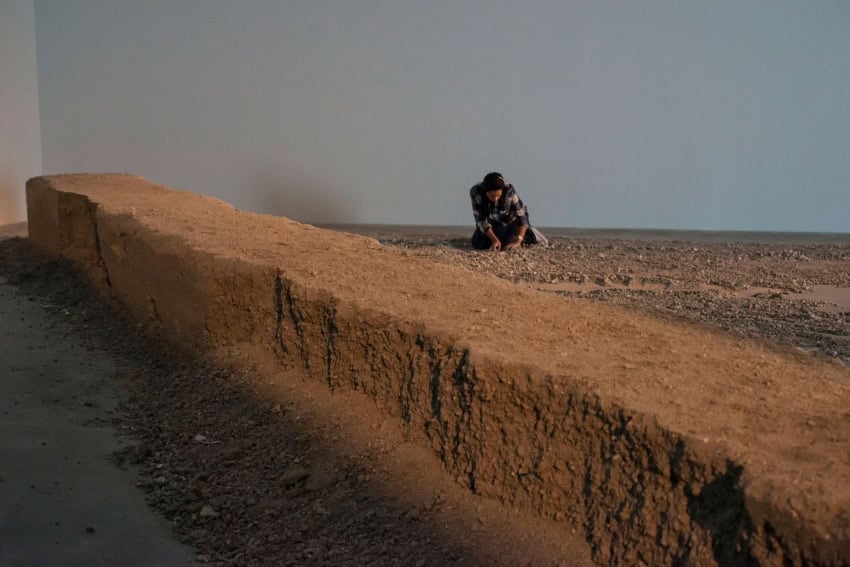
An installation from Teresa Margolles’ “The Promise.” (University Museum of Contemporary Art/UNAM)

What makes Margolles’s work so singular is that she doesn’t speak abstractly about
death, nor does she hide it behind allegory. She confronts us directly with what we
refuse to see: the physical remains of violence itself.

Her materials are the traces of crime and death — clothing, hair, bones, sheets stained
with blood, dirt from mass graves, shards of glass from shootouts. For Margolles, these
are not just symbols. They are evidence.

Through them, she forces us to ask: Who were these people? In what social and
economic conditions did they live? What role do institutions — political, economic and
media — play in turning violence into a normalized backdrop of daily life?

‘What Else Could We Talk About?’ (2009)

In 2009, the same year President Felipe Calderón declared his “war on drugs,” the
Venice Biennale invited Margolles to represent Mexico. Her exhibition, titled “What Else
Could We Talk About?” posed a direct question to the Mexican government. In the midst
of a national war, she argued, talking about anything else would be obscene.

The main piece, “Cleaning,” used rags once employed to wipe blood from murder scenes
in Ciudad Juárez. Dried, shipped to Venice and rehydrated, they became the tools with
which the pavilion’s floors were mopped for six months.

Inside the palace, visitors encountered blood-soaked fabrics embroidered in gold thread
with narco messages — “See, hear and be silent” and “So they learn to respect” — and gold jewelry embedded with glass shards from shootouts, imitating diamonds.

Denunciation or repetition of violence?

Teresa Margolles
Margolles’ work has been accused of being a repetition of violence. But it’s actually a revolt against the “politics of denial.”(Musée d’art contemporain de Montréal)

Most critics see Margolles as a protest artist who gives visibility to Mexico’s invisible
victims. But others raise difficult questions: when human remains become art materials,
are we witnessing a denunciation of violence or its repetition?

In other words, when objects tied to victims enter museums and galleries, do those
individuals become mere components of an artwork, stripped again of identity and
agency?

Margolles’s defenders say her goal is clear: to expose the state’s failures, the inequality
that makes victims vulnerable and the collective numbness that turns tragedy into
routine. Her adversaries argue that she profits from the same violence she critiques.

This tension is the point. The ethical discomfort her work provokes is precisely where its
political force lies. There are no clean metaphors here, no soothing explanations. Only
one question persists: what are we willing to tolerate, in our streets and in our
museums, when it comes to murdered bodies?

Breaking the politics of denial

The value of Margolles’s art is not in its beauty but in its confrontation. It breaks what I
call Mexico’s “politics of denial.” In cities like Ciudad Juárez, officials and business elites
often minimize violence, blaming “perception” or “media exaggeration” to protect tourism
and investment.

Margolles builds the archives the state refuses to: not files or photographs, but
contaminated matter that cannot be cleaned: morgue water, bloodied cloths, fractured
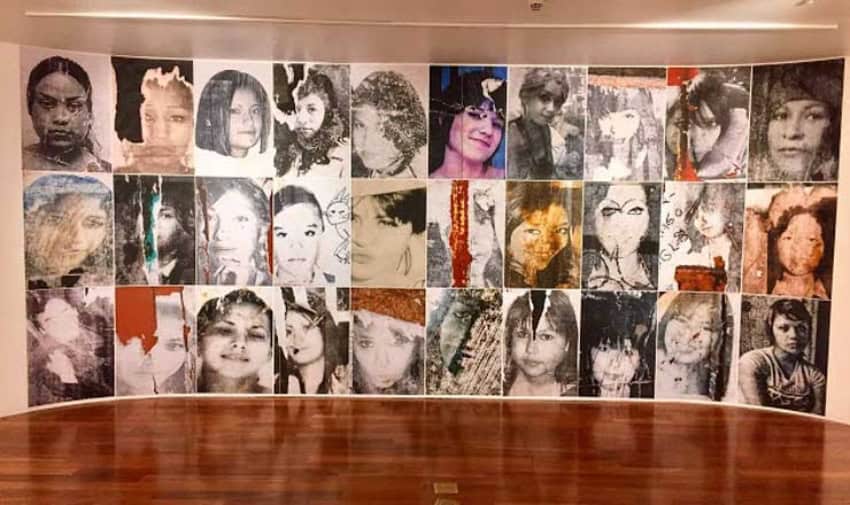
glass, rubble from collapsed buildings. These are materials that document femicides,
disappearances and economic precarity. Her work aligns with the silent labor of
activists and families who have spent years recording cases ignored by the authorities.

Margolles' artwork on femicides
This artwork from Margolles confronts viewers with victims of femicides in Ciudad Juárez. (Fundación UNAM)

She also unsettles the privileged viewer. By transporting these residues of violence to
global art centers — Venice, Berlin, Madrid, New York — she reminds spectators that the
comfort of the wealthy world rests partly on the precarious lives of others: maquila
workers, migrants, young people drawn into the drug trade and women killed on the city’s
peripheries. The unspoken question is simple: Who can afford not to talk about
violence?

Does her art help or hurt?

The first time I saw a Teresa Margolles piece in person was in 2012 at the University
Museum of Contemporary Art (MUAC) in Mexico City. The work, “The
Promise,” consisted of moving an abandoned public housing unit from Ciudad Juárez to
the museum, where it was slowly crushed.

Over six months, its remains collapsed gradually until rubble covered the entire gallery
floor. The piece recalled that, between 2007 and 2012, around 160,000 people fled
Juárez because of violence.

From Mexico City, Juárez can feel distant in every sense, but that installation closed the
gap. It made the crisis tangible.

Margolles’s later works were even harder to stomach — literally. Some made me ill. Yet
ever since, I cannot read a news report on violence without thinking differently about the
people behind the numbers. My empathy changed.

Margolles’s art disgusts me. It makes me dizzy. But precisely because of that, it
achieves what the artist intends. It makes me feel and think in equal measure.

Terese
An installation from Margolles’ “What Else Could We Talk About?” (Galerie Peter Kilchmann)

Art doesn’t have to please us. It only has to move us — and sometimes, that is its most
important task.

Maria Meléndez writes for Mexico News Daily in Mexico City.
El Jalapeño: President Sheinbaum unveils ‘Big Mac de Bienestar’ as latest social welfare initiative

1
The new scheme aims to end malnutrition in Mexico by delivering a full week of calories in a single meal.

All stories in El Jalapeño are satire and not real news. Check out the original article here.

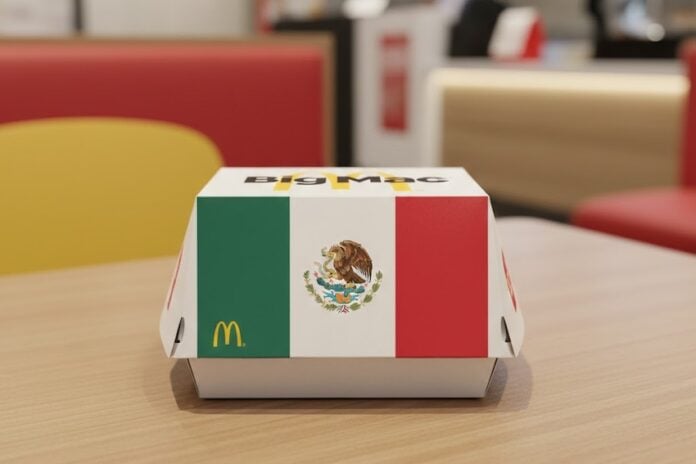
MEXICO CITY — After launching government-funded chocolate and coffee, President Claudia Sheinbaum announced Wednesday a groundbreaking partnership with McDonald’s to create the “Big Mac de Bienestar,” a subsidized hamburger designed to combat food insecurity while promoting national sovereignty.

“Just as we have provided healthcare and pensions for the people, now we provide affordable nutrition,” Sheinbaum declared at the National Palace, flanked by a giant cardboard Big Mac wearing a sombrero.

The burgers, priced at 25 pesos through a government subsidy program, will be available exclusively to holders of the Bienestar card at participating locations. McDonald’s Mexico CEO acknowledged the partnership would reduce profit margins but called it “an honor to serve the Fourth Transformation.”

The Big Mac de Bienestar will feature locally-sourced ingredients including Oaxacan cheese, salsa roja, and beef from “100% Mexican cows that have never left the country.”

Opposition parties immediately criticized the program. “First it’s hamburgers, next it’s nationalizing the Egg McMuffin,” warned PAN senator Ricardo Anaya. “Where does it end?”

When asked whether promoting American fast food contradicted Mexico’s cultural sovereignty, Sheinbaum noted that McDonald’s had “agreed to remove Ronald McDonald and replace him with a culturally appropriate mascot still under development.”

The program launches June 1st, with the government projecting distribution of 50 million subsidized Big Macs in the first year.

A McDonald’s spokesperson confirmed the Filet-O-Fish would not be included, though an AMLO-shaped chicken nugget meal is rumoured to be in the works.

Check out our Jalapeño archive here.

Got an idea for a Jalapeño article? Email us with your suggestions!

‘No risk’ to World Cup visitors, says Sheinbaum: Tuesday’s mañanera recapped

10
Sheinbaum Feb. 24, 2026
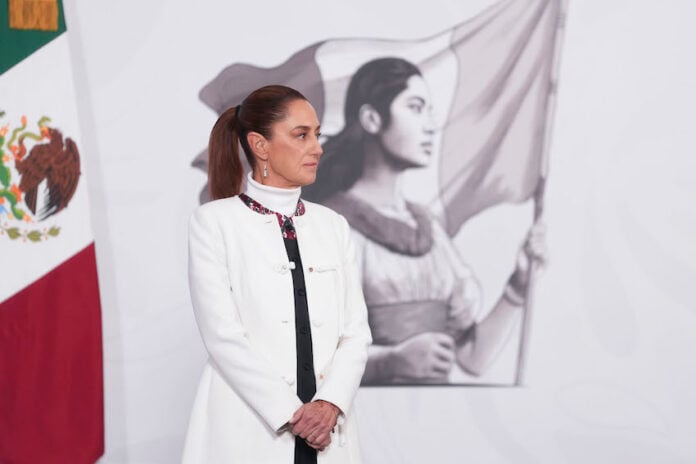
President Sheinbaum said she was hopeful that there would be a further normalization of "activities" throughout Mexico on Tuesday. (Hazel Cárdenas/Presidencia)

At her Tuesday morning press conference, President Claudia Sheinbaum responded to questions about the upcoming FIFA World Cup and the dissemination on Sunday of videos and images created with artificial intelligence that purported to depict scenes of violence that didn’t actually exist.

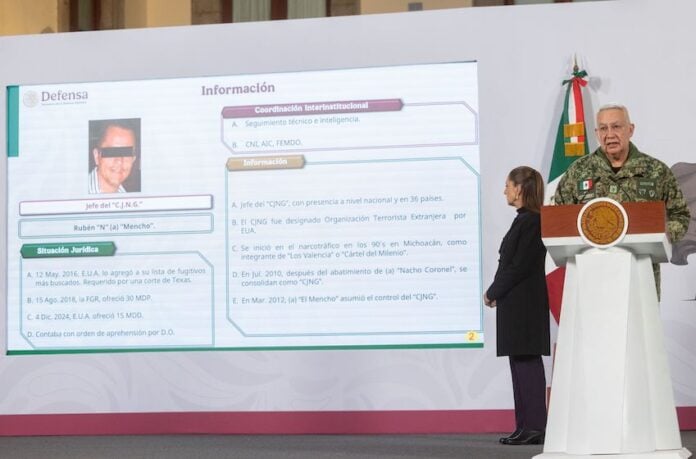
The creation of the phony material came amid a violent cartel response to the death of Jalisco New Generation Cartel (CJNG) leader Nemesio “El Mencho” Oseguera Cervantes, who died after he was shot by military personnel in an operation carried out in Tapalpa, Jalisco, on Sunday morning.

‘No risk’ to World Cup visitors, says Sheinbaum 

In light of the violent response to the killing of “El Mencho,” a reporter asked the president whether there are security guarantees that will allow FIFA World Cup matches to be played in the state capital, Guadalajara, later this year.

“All of them. All guarantees, all guarantees,” Sheinbaum said without offering further detail.

Asked whether there was any risk for World Cup tourists, she responded: “No risk, none.”

A total of 13 World Cup matches will be played in Mexico City, Monterrey and Guadalajara this June and July. Mexico is co-hosting the quadrennial tournament with the United States and Canada.

Government to expose ‘all the lies’ that were disseminated on Sunday 

A reporter said that members of criminal groups disseminated AI videos on Sunday that created panic, added to fear and were economically damaging as they could lead to a loss of tourism revenue. He asked the president whether it was time to put an end to “this freedom they say they have to lie and distort,” shielded by the right to freedom of speech.

“It is very difficult to define the line where you punish and where you don’t, where there is censorship and where there is not,” Sheinbaum said.

She added that on Wednesday, the government, in its regular “lie detector” mañanera segment, will present “all the lies” that were spread on Sunday.

“Planes burning. Where? The operators of the Guadalajara Airport themselves were saying, ‘there’s no problem, everything’s OK,” Sheinbaum said.

“… There was a lot of news with a very bad intent on Sunday, seeking to create terror, and there was a lot of misinformation,” she said.

Instead of seeking to sanction misinformation, Sheinbaum said she was in favor of encouraging people to stay reliably informed via the government’s official channels of communication, including its social media accounts.

She also said that Mexico has “very responsible” people who “know how to distinguish” reality from fantasy.

Sheinbaum highlights that the security situation has improved since the violent chaos on Sunday 

Sheinbaum noted that there were fewer incidents of violence on Monday than on Sunday, when narco-blockades were set up in a majority of Mexico’s states, countless businesses were set on fire and 25 National Guard officers were killed in clashes with CJNG members.

Arson attacks and narco-blockades continue in Jalisco as CJNG responds to El Mencho’s death

She said she was hopeful that there would be a further normalization of “activities” on Tuesday.

Sheinbaum said that her government is “working every day” to improve security in Mexico, and highlighted that additional military personnel and National Guard troops have been deployed to Jalisco and “some areas” of Michoacán.

After the assassination of the mayor of Uruapan on Nov. 1, the government launched a 57-billion-peso (US $3.3 billion) initiative called “Plan Michoacán for Peace and Justice.”

Earlier this month, the government reported that homicides in the state have declined since the plan was implemented.

By Mexico News Daily chief staff writer Peter Davies (peter.davies@mexiconewsdaily.com)

For ‘therians’ in Mexico, acting like animals is the point

0
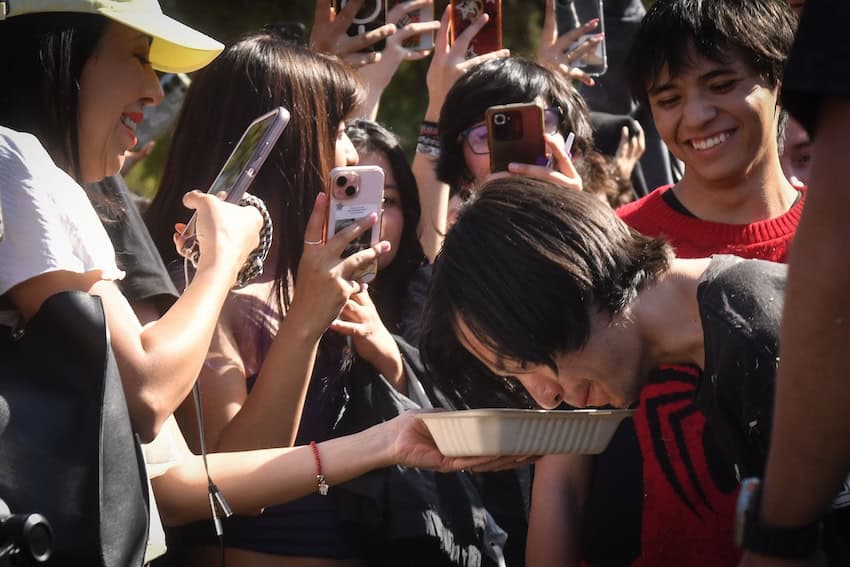
Theirans mugging for the camera
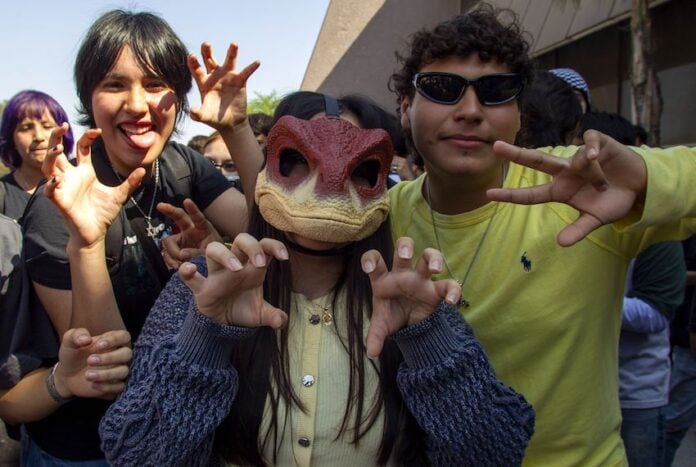
Therians — young people who act out their "spritual identity" as animals — mug it up before the camera in the esplanade of the rectory of the Autonomous University of Nuevo León. (Gabriel Pérez Montiel/Cuartoscuro.com)

Teenagers trotting on all fours and wearing tails have turned “therian” — an online trend in which people identify as animals — into Mexico’s latest flash point, jumping from TikTok feeds into town plazas, campuses and even Congress.

The term “therian” refers to people who identify on a psychological or spiritual level with a non-human animal.

a therian
A student accepts food and eats it doggie-style at a gathering of therians on the Autonomous University of Nuevo León (UANL) campus. (Mario Jasso/Cuartoscuro)

They often express that inner life in public with masks, ears or tails, or moving like an animal, but without believing they literally change bodies. Making animal sounds is optional and not widespread.

The concept grew out of internet forums in the 1990s and is now a niche global subculture, especially visible in parts of Latin America after taking root in Uruguay and Argentina.

In the United States and Canada, the movement is small, scattered and mostly on TikTok, Instagram and YouTube.

But the phenomenon of young people presenting themselves as dogs, cats or wolves is on the rise in Mexico. According to the newspaper El País, there was a 500% spike last week of Google searches in Mexico for “what is a therian.”

Recent “therian gatherings” in Mexico City, Monterrey, Cancún and Mérida have drawn crowds of curious onlookers, cameras and, in some cases, hostility.

At the Mexico City campus of the National Autonomous University of Mexico (UNAM), a much-hyped “therian race” drew hundreds of spectators and dozens of reporters, but only a handful of people who actually identified with the phenomenon.

One shopkeeper who said he spiritually identifies as a dog told El País, “I think it’s easier to find affection as another species than as a human.” Another attendee said, “My love for dogs and the lack of affection at home led me to make this decision.”

Elsewhere, tensions have flared. In Mérida, the first therian meetup at the Monumento a la Patria ended with a young woman dubbed “Lady Therian” being detained after she hurled eggs and insults at people gathered for the event. Later, she declared online that she did not regret her actions.

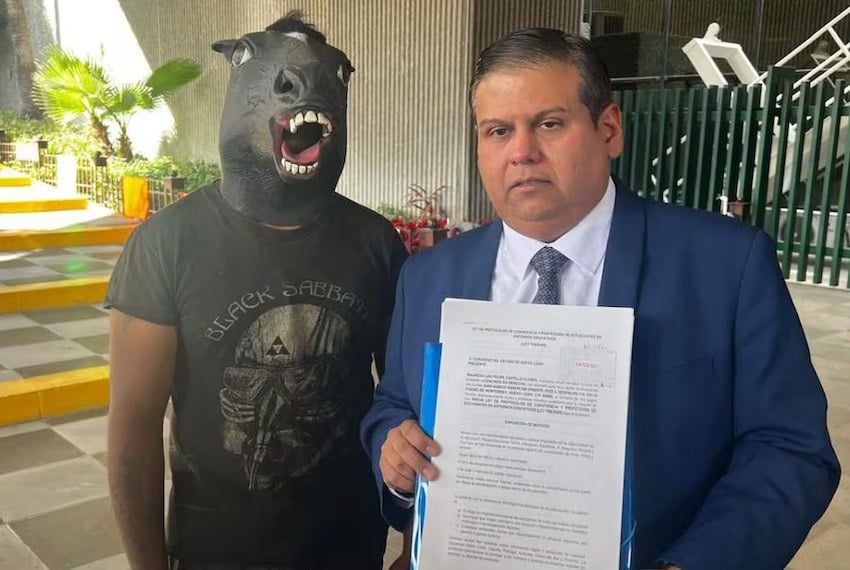
Mauricio Castillo’s (R) “Therian Law” proposal seeks to protect freedom of expression and respect for young people who identify with the community. (Facebook)

In Monterrey, the backlash is shaping policy debates. A lawyer, Mauricio Castillo, appeared at the Nuevo León Congress with a 28-year-old man wearing a horse head costume to file a citizen initiative.

The “Therian Law” proposal seeks to protect freedom of expression and respect for young people who identify with the community. It would introduce school coexistence protocols, citizen oversight programs, and sanctions for teachers or administrators who allow bullying of students, including therians.

“We are trying to feel dignified in the eyes of society, because they always think we’re crazy and don’t take our opinions into account,” the horse-headed man told reporters. “We are trying to avoid that kind of discrimination.”

A parallel bill — described by local media as the Law of Protocols for Coexistence and Protection of Students in Educational Environments — similarly seeks to shield young people who identify with the community from harassment in public and private schools.

Experts caution against pathologizing the trend. Juan Martín Pérez, coordinator of the Network for Children’s Rights in Mexico (REDIM), told El País that therians are “functional people, with everyday lives, who find in this an identity dimension,” arguing that the current uproar reflects a broader “moral panic” fueled by social media and adult anxiety over youth identity.

With reports from El País, El Universal, TV Azteca and Ámbito

Inside El Mencho’s last hideout in Tapalpa, Jalisco

5
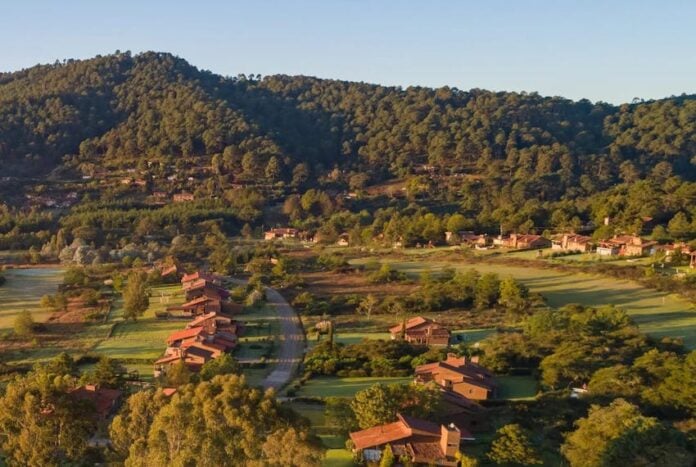
Tapalpa Country Club
According to a resident of the Tapalpa Country Club estate, many homes are rented out to tourists visiting Tapalpa. It is unclear if "El Mencho" owned the home where he was staying. (Tapalpa Country Club)

The final hideout of slain drug lord Nemesio “El Mencho” Oseguera Cervantes was a large, well-appointed and modern home in an exclusive residential estate in southern Jalisco.

A day after the Jalisco New Generation Cartel (CJNG) chief was fatally wounded during a military operation, journalists were allowed into the home where the 59-year-old capo was hiding out.

The house is located within the Tapalpa Country Club residential development, located near the town of Tapalpa in southern Jalisco.

Oseguera fled the home along with members of his security detail when federal forces swarmed it on Sunday morning, according to the Ministry of Defense. Mexico’s most wanted drug lord was fatally wounded during a confrontation with military personnel in a nearby wooded area and subsequently died from his injuries.

The newspapers Milenio and El Universal were among the media outlets that gained access to the Tapalpa Country Club home on Monday.

“Luxury, melatonin, wine and psalms, in the mountain hideout of El Mencho,” read the headline on the front page of the Tuesday edition of Milenio.

“Altar and kidney treatment, in El Mencho’s refuge,” stated El Universal’s front page headline.

Both newspapers also published videos that take viewers inside the home where Oseguera spent his final hours, and where he had a final rendezvous with an unidentified “romantic partner.”

The home and its contents 

Made out of bricks, stone, wood and other materials, the two-story home where Oseguera was located has high ceilings with pendant lights, “fine wood finishes” and wide windows, according to Milenio.

“From the air, the property appears secluded, integrated into the wooded landscape, far from urban noise,” the newspaper reported.

The contents of the home include luxury furniture, neatly folded clothes, plenty of food (including fruit, vegetables and meat), face creams and other personal grooming products, and an altar on a small table featuring statues of Jude the Apostle — patron saint of desperate cases and lost causes — the Virgin of Guadalupe and Charbel Makhlouf, a Lebanese Maronite monk and priest.

Imágenes inéditas de la casa donde se escondía 'El Mencho' en Tapalpa

Also in the home on Monday were candles and other religious items, as well as a handwritten version of Psalm 91, dated Jan. 25, or just under a month before “El Mencho” met his fate.

He will cover you with his feathers, and under his wings you will find refuge,” reads a section of Psalm 91

El Universal reported that a medication called Tationil Plus was also found in the home. That medication contains an antioxidant called glutathione, which can be used to treat kidney disease, an ailment from which Oseguera suffered. Melatonin tablets, which can be used to treat insomnia, wine glasses filled with pine cones and an antique table soccer game are also seen in photos and video footage taken inside the house.

The kitchen bench in the home is covered with numerous items, including a bottle of sriracha chili sauce, cartons of milk, pots, a water bottle and a plastic jug. Some of the beds in the home were unmade, an indication that “El Mencho” and his bodyguards may have been sleeping when the federal raid occurred on Sunday morning.

The home has a large back garden that leads to a hilly, forested area, to which Oseguera and his bodyguards fled. Milenio reported that two stones engraved with the figures of Jude the Apostle and the Virgin of Guadalupe mark the limit between the property and the forest.

A neighbor recounts the operation targeting ‘El Mencho’

A resident of the Tapalpa Country Club estate told El Universal that she started hearing gunshots at 7:20 a.m. Sunday. She said that gunfire continued for 45 minutes and noted that a helicopter also fired shots.

National Defense Minister Ricardo Trevilla Trejo said Monday that CJNG members managed to shoot a military helicopter during the operation in Tapalpa. Consequently, the helicopter was forced to make an emergency landing at a nearby military facility in the municipality of Sayula, he told reporters.

Trevilla also provided an overview of the operation targeting Oseguera, including details on the cartel leader’s wounding and death while he was being airlifted to a hospital. He described the location as a “complex of cabins” on the outskirts of Tapalpa, a somewhat unflattering description that is incongruent with the apparent luxury of the residential estate, and which would be unlikely to appear in a Tapalpa Country Club brochure.

The resident who spoke to El Universal said that a lot of homes in Tapalpa Country Club estate are rented out, mainly to tourists visiting Tapalpa. She said she didn’t know whether Oseguera lived there, but acknowledged that he had spent some time there. It was unclear who owns the home where “El Mencho” and his entourage were staying.

Tapalpa is popular with tourists, and some stay in the Tapalpa Country estate while visiting the municipality, according to the local mayor.

The town of Tapalpa 

The town of Tapalpa is one of Mexico’s many pueblos mágicos, or magical towns.

“The perfect combination of natural beauty, architecture, tranquility, and adrenaline could be a good way to describe Tapalpa, a unique place that offers something for everyone,” states the official guide to Mexico’s 177 pueblos mágicos.

El Universal reported on Tuesday that “amid the tension and the presence of the Army and the National Guard, Tapalpa residents are trying to return to normality, but the panorama in the pueblo mágico continues to be one of empty streets and closed businesses.”

“This Monday, some people went to the center of the municipality, but they still fear that violence will erupt again,” the newspaper wrote.

Reporters from the Associated Press also visited Tapalpa on Monday.

“A day after the Mexican army killed the country’s most powerful drug lord, the picturesque town where it happened was a study in contrasts,” begins an AP report.

“Children whose classes had been suspended by the outbreak of violence played in cobblestone streets and tourist shops were open on Tapalpa’s main plaza Monday. But gunshots also rang out, and just outside the town a dead man lay on the road next to a Jeep sprayed with bullets,” the report continues.

A Televisa reporter said Monday that it was difficult to get to Tapalpa, explaining that he encountered at least 100 burnt-out vehicles on his way to the municipality, some of which were still forming active narco-blockades.

Located around 130 kilometers southwest of Guadalajara, the municipality of Tapalpa had a population of just over 21,000 when the 2020 census was conducted.

While it has been a pueblo mágico since 2002, unfortunately the town will now likely become better known as the place where the lengthy hunt for “El Mencho” finally came to an end.

With reports from Milenio, El Universal and AP 

President Sheinbaum ponders a lawsuit against Elon Musk

7
Sheinbaum and Musk
Elon Musk posted on X, the communication platform he owns, that Claudia Sheinbaum says "what her cartel bosses tell her to say,” an accusation the president labeled "absurd" and possibly legally defamatory. (Cuartoscuro/Shutterstock)

Mexican President Claudia Sheinbaum is considering legal action against Elon Musk over accusations on his X platform that link her to drug trafficking and cartel leaders.

The world’s wealthiest man posted on X that Sheinbaum is “just saying what her cartel bosses tell her to say,” while sharing a video clip of Sheinbaum’s morning press conference at the National Palace, in which she says that “returning to the war on drugs is not an option.”

Sheinbaum
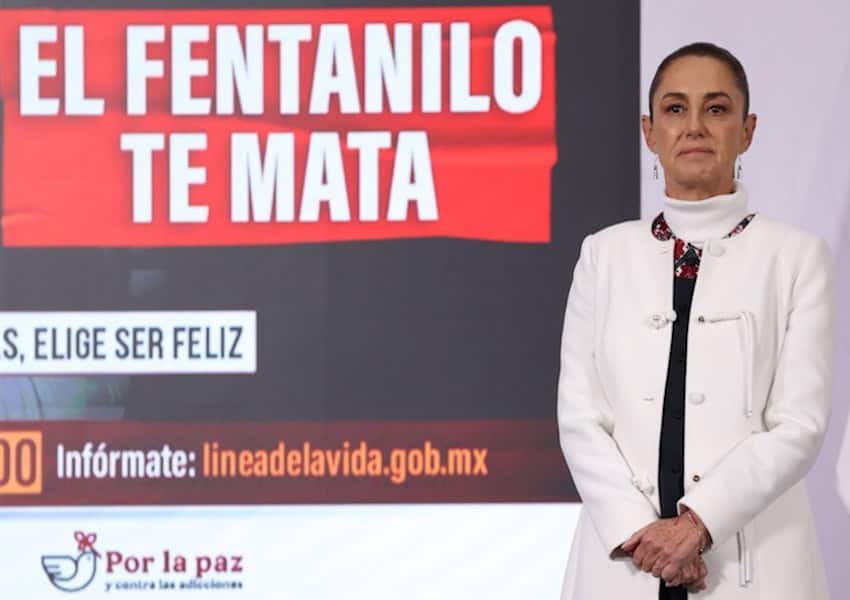
President Sheinbaum stands next to a sign reading “Fentanyl kills you” as she announced Tuesday a new program titled “Young People Transforming Mexico,” part of her policy of bringing culture, education, job opportunities and sports to Mexican youth to discourage them from turning to crime. (Galo Cañas/Cuartoscuro)

Musk’s X post followed the violent events that took place in several parts of western Mexico after the killing on Sunday of cartel leader Nemesio Rubén “El Mencho” Oseguera Cervantes, one of the world’s most wanted criminals. So in effect, Musk was accusing the president of Mexico of taking orders from a drug lord her army had just taken down.

Sheinbaum reacted to Musk’s post by saying that accusing her of leading a narco-government is “absurd.” 

“If it was absurd to say it before, it’s even more so now,” the president said in her morning press conference. “It falls apart on its own. They don’t even know what to invent, honestly. It’s laughable to read them.” 

She added that her legal team is studying the possibility of taking legal action and that nothing is certain yet. 

Musks’ post echoes accusations made by U.S. President Donald Trump last year claiming that Sheinbaum had no control over the country, even though he regarded her as a “brave woman.”

“The problem is that she’s petrified by the cartels. They could remove the president in two minutes,” Trump said at the time, adding that “the cartels run Mexico.”

Musk’s X post dovetailed with accusations of complicity with the cartels often hurled by opposition figures against incumbents, usually— though not always — without evidence. 

Several legislators from the ruling Morena party immediately came to Sheinbaum’s defense, including Morena party president Luisa Alcalde.

“Wealth does not give moral authority,” she wrote on her official social media channels, adding that Musk should use his platform and X social media network to fight drug consumption, addiction and disinformation.

Meanwhile, Senator Alejandro Murat defended Sheinbaum’s policy, adding that the military operation conducted Sunday “demonstrates that the Mexican armed forces and security forces should not be underestimated: they have acted with resilience and dedication, protecting both Mexican and American citizens,” he said. 

With reports from Reuters and El Universal

Analysis: Mexico may pay a steep price for the killing of Jalisco cartel leader El Mencho

27
Nemesio "El Mencho" Oseguera Cervantes, the leader of the Jalisco New Generation Cartel (CJNG), died in custody on Feb. 22, shortly after he was captured by Mexican authorities. (Moisés Pablo/Cuartoscuro)

The leader of the Jalisco New Generation Cartel (CJNG), Nemesio Oseguera Cervantes, died in custody on Feb. 22, shortly after he was captured by Mexican authorities. The operation, which came amid renewed US demands for “tangible results” against fentanyl trafficking, appears to have relied on American intelligence support.

This is the most significant intervention against the cartels since the capture of former drug lord Joaquín “El Chapo” Guzmán in 2016. The CJNG is one of the strongest criminal organisations in Mexico and, alongside the Sinaloa Cartel, sits at the center of US claims about fentanyl production and trafficking.

The killing of Oseguera Cervantes, who is better known as “El Mencho,” may have enabled Mexico’s authorities to secure a political win with Washington. But the operation should not be seen as a victory. What often comes next when the Mexican state removes a high-profile cartel figure like El Mencho is an extended period of violence and instability inside the country.

In my own research on criminal conflict in the Tierra Caliente region of western Mexico, I trace how earlier rounds of arrests and state killings have reshaped local criminal groups, broken alliances and created openings for new players and leaders. It was through this very cycle of state enforcement and cartel reorganisation that El Mencho rose to prominence.

El Mencho began as an operational figure linked to the Valencia Cartel, an organisation based in the state of Michoacán. The group lost ground in the late 2000s following sustained pressure from the authorities. After key parts of the Valencia network were dismantled around 2010, El Mencho and other remnants of the group moved to Jalisco further north and founded the CJNG.

The conditions that allowed the CJNG to rise came from the same enforcement repertoire that the authorities have now deployed against it. This pattern matters because it undercuts a common assumption among policymakers, including in U.S. agencies such as the Drug Enforcement Administration, that removing a “boss” equals dismantling a criminal market.

The removal of Mexican criminal leaders does not cause the market for drugs to vanish, nor does it cause trafficking routes to disappear. What changes is the balance of power among groups that already compete for territory, labour and access to ports, roads and local authorities.

After an unprecedented day of unrest following the death of cartel boss El Mencho, the security situation in Jalisco and Puerto Vallarta has stabilized. (Héctor Colin/Cuartoscuro)

Studies that track the so-called “kingpin” strategy, the deliberate targeting of cartel leaders by law enforcement, have found that detentions and killings often trigger short-term spikes in homicides and instability in Mexico. Some work suggests that violence rises for months after a leader’s removal, while other research shows that the killing of a kingpin can provoke a sharper increase than an arrest.

This happens because an affected cartel faces a sudden succession struggle and employs violence to prevent — or respond to — rivals testing the new leadership and trying to renegotiate areas of control. As criminal groups cannot use the formal court system to resolve disputes, they tend to do so through open violence or bargains enforced by coercion.

This logic of violence has already been seen following El Mencho’s death. Reports of cartel gunmen blocking roads, launching arson attacks and carrying out disruptions across multiple states fit a familiar script: an affected organisation signalling its capacity, punishing the state and warning local rivals not to seize the moment.

Even if the state contains this wave of violence, the deeper risk sits in what follows. A leadership vacuum invites internal fracture and external opportunism from rivals who have waited for an opening to test boundaries and settle scores.

The 2024 detention of Sinaloa Cartel leader Ismael “El Mayo” Zambada, for instance, has provoked a wave of violence in Sinaloa state as different factions in the organisation battle for leadership.

US drug politics

Another cycle that keeps repeating across Latin America is that U.S. drug politics shapes security agendas throughout the region. A surge in overdose deaths, for example, can lead to political panic in the U.S. and the application of pressure on Latin American governments to take action, usually through militarized enforcement.

These governments respond with crackdowns, raids and high-profile captures. This is followed by rising violence as criminal organisations fragment and then, after a period of time, governments try to deescalate. The cycle starts again when concern over drug trafficking next arises in the U.S.

Drug prohibition keeps this cycle alive by ruling out any response other than force or criminal law, while failing to produce meaningful results. Most countries have criminalised drugs. But despite governments reporting rising drug seizures each year, deaths linked to drug use globally continue to climb.

Mexico’s security forces cannot end a transnational market that is financed largely by U.S. demand, no matter how many high-profile arrests they make. Operations that result in the killing or detention of cartel figures instead redirect and reorganise the drug trade, while often intensifying violence.

If Mexico and the U.S. want fewer cartel-related deaths, they need to stop treating kingpin killings as the main metric of success. While a high-profile strike temporarily satisfies U.S. pressure, it is Mexican citizens who all too often have to live with the blowback of this approach.
The Conversation

Raúl Zepeda Gil is a research fellow in the War Studies Department of King’s College London.

This article is republished from The Conversation under a Creative Commons license. Read the original article here.

Arson attacks and narco-blockades continue in Jalisco as CJNG responds to El Mencho’s death

2
Blockades and arson attacks have been reported everywhere from the Jalisco highlands to Guadalajara and the state's southwestern border with Colima.
Blockades and arson attacks have been reported everywhere from the Jalisco highlands to Guadalajara and the state's southwestern border with Colima. (Héctor Colín/Cuartoscuro)

Various acts of violence and vandalism were committed in Guadalajara and other parts of the state of Jalisco on Monday night in an apparent continuation of the hostile reaction to the death on Sunday of Jalisco New Generation Cartel (CJNG) leader Nemesio “El Mencho” Oseguera Cervantes.

Guadalajara-based newspaper El Informador and other media outlets reported on arson attacks and highway blockades in Jalisco, the main stronghold of the powerful CJNG.

CJNG members promptly launched a widespread and extremely violent response to the death of their longtime leader, who died after he was shot by Mexican military forces during an operation in the municipality of Tapalpa, Jalisco, on Sunday morning.

Below is a summary of the incidents that occurred on Monday night in Jalisco. It has not been confirmed that cartel members were responsible for these apparent arson attacks.

  • A recent model car was set on fire at an intersection in the neighborhood of Oblatos, located a few kilometers southeast of the historic center of Guadalajara.
  • Vehicles were also set on fire in various other parts of the metropolitan area of Guadalajara, according to a report by El Heraldo de México.
  • A fire broke out at a “Punto Limpio” recycling/garbage collection point in the Guadalajara neighborhood of Mezquitán Country
  • An OXXO store in the Mariano Otero neighborhood of Zapopan was targeted in an arson attack. El Informador reported that individuals threw a flammable object at the counter, sparking a blaze that firefighters subsequently extinguished.
  • A fire occurred in the Altea shopping center in Tonalá, a municipality in the Guadalajara metropolitan area.
  • Another fire occurred in a home in the neighborhood of Toluquilla, located in the Tlaquepaque municipality in the Guadalajara metropolitan area.
  • A vehicle was set on fire on the Lagos de Moreno-Zapotlanejo highway near the Jalostotitlán toll booth, according to motorists.

Narco-blockades 

Alleged criminals set up multiple blockades on highways in the municipality of Autlán de Navarro, located in southern Jalisco, not far from the border with Colima.

El Informador reported that fires occurred on the El Grullo-Autlán state highway near the El Mezquite bridge. Federal Highway 80 was also cut off in Autlán due to blockades set up by criminals.

Another fiery narco-blockade was reported in the town of El Aguacate, located in the municipality of Cihuatlán on the border with Colima.

Citing local reports, the newspaper Reforma reported that there were “multiple” confrontations, narco-blockades and vehicles set on fire early Tuesday in the municipalities of Tonaya, Cihuatlán, Tecolotlán, Autlán and San Juan de los Lagos.

A brother of “El Mencho,” Abraham Oseguera Cervantes, was arrested in Autlán in April 2024. He was subsequently released from prison after a judge ruled that there was insufficient evidence to put him on trial. However, the older brother of “El Mencho” was arrested again in early 2025.

Reforma reported that Autlán is considered a “strategic point” for the CJNG, and noted that authorities had searched for “El Mencho” in the municipality.

Federal security cabinet acknowledges blockades in Jalisco 

On Monday morning, both President Claudia Sheinbaum and Security Minister Omar García Harfuch said that all the narco-blockades that affected highways and roads in 20 states on Sunday had been removed.

However, in a social media post on Monday night, the federal government’s security cabinet acknowledged that “several blockades” were set up in Jalisco during the course of the day.

The security cabinet, made up officials from various federal security forces as well as the Security Ministry and the Interior Ministry, said shortly before 10 p.m. Monday that 83% of the new blockades had been cleared but seven remained active.

It also said that “isolated blockades” had occurred in the states of Michoacán and Nayarit. The security cabinet said that authorities have responded “immediately” to those blockades.

Jalisco governor updates citizens 

In a social media post on Tuesday morning, Jalisco Governor Pablo Lemus reported that public transport services were operating normally across the state.

He also said that Guadalajara’s main wholesale market, el Mercado de Abastos, was functioning normally on Tuesday morning and highlighted that businesses were open.

“My recognition to the transport workers, service providers, workers, businesspeople, and society in general. Together we will recover our state and our city,” Lemus wrote.

On Monday night, the governor said that classes of “all education levels” would resume on Wednesday.

He also said that in Puerto Vallarta, “we have deployed sufficient personnel to ensure the resumption of public transport service, and the supply of food and services for the hotel zone and the population in general.”

MND Local: How is Puerto Vallarta today?

On Sunday, Lemus issued a Code Red security alert, advising residents of Jalisco to stay inside due to ongoing security incidents. On Monday night, he indicated that the Code Red alert could be lifted on Tuesday, as long as the security situation doesn’t deteriorate.

García Harfuch reported on Monday that 25 National Guard officers, a state police officer, a prison guard and a woman — reportedly pregnant — were killed in attacks in Jalisco following the operation targeting “El Mencho.”

He also said that 34 criminals were killed in incidents following the Sunday morning military operation.

With reports from Informador, López-Dóriga Digital, Reforma and El Heraldo de México

CDMX ‘at peace’ as authorities take measures to prevent cartel violence

0
There have been no incidents of cartel violence against the population of Mexico City this week. (Camila Ayala Benabib/Cuartoscuro)

Mexico City officials sprang into action even as events were still unfolding nationwide Sunday following the death of drug cartel boss Nemesio Oseguero Cervantes in the western state of Jalisco.

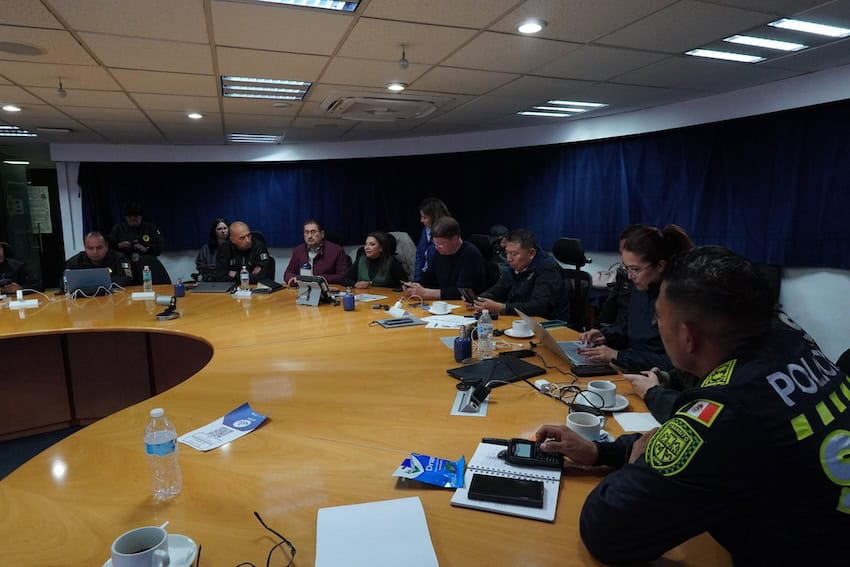
Mayor Clara Brugada convened a “permanent” Security Cabinet session to establish protocols and guarantee that all necessary preventative steps were taken.

CDMX Security Cabinete in permanent session. (Clara Brugada/on X)
Once the trouble started Sunday, Mexico City Mayor Clara Brugada convened her Security Cabinet in permanent session. (Clara Brugada/X)

Shortly thereafter, she issued a statement confirming that her government’s top priority was the safety of all inhabitants of the nation’s capital. 

In a social media post that day, Brugada urged the public to remain calm, adding that strategies were being coordinated with federal security forces. 

She also called on the public to seek information only from official channels and to avoid spreading rumors. “Serenity and trust are built with verified information and coordinated efforts,” she said.

Talking to reporters, the mayor insisted that “the nation’s capital remains at peace.”

On Monday, the mayor said all services were operating normally, “and the capital’s Security Cabinet remains in permanent session, in direct coordination with [the federal government] to protect families and ensure tranquility in every borough.”

Additionally, all public offices and institutions were open, and all public transportation systems — the Metro, the Metrobús, cable cars, light rail and Cablebús — continued to operate normally.

At her Monday morning press briefing, President Claudia Sheinbaum said all highways leading in and out of Mexico City were open, adding that the Transportation Ministry’s command center was monitoring the situation. Soldiers and National Guardsmen had established checkpoints at all major entry points.

CDMX newspaper stand
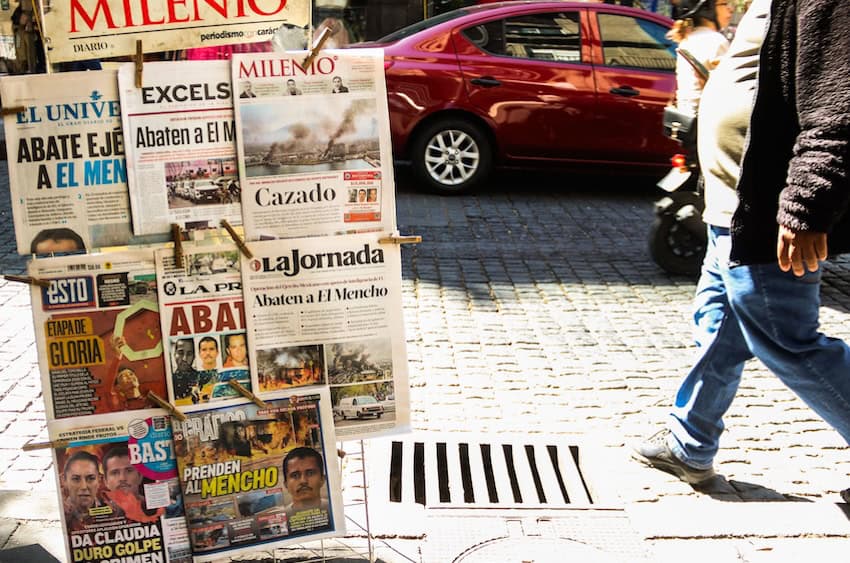
While Sunday’s takedown of El Mencho was on most people’s minds and most papers’ front pages, Mexico City has experienced relative calm, well into Tuesday. (Victoria Valtierra/Cuartoscuro)

In the city, soldiers were reportedly patrolling the Segundo Piso (upper deck) of the Periférico beltway.

One exception was at the Northern Bus Terminal, where routes to the state of Jalisco and points northwest had been canceled. Suspended departures included those to the destinations of Guadalajara, Guanajuato, Michoacán, Tepic, Mazatlán, Sonora, Zacatecas and Tijuana.

The Mexico City International Airport was also operating normally, though some airlines had canceled flights to Puerto Vallarta, scene of some of Sunday’s worst violence. 

Security at the airport featured a force of approximately 5,000 agents, comprising personnel from the Naval Airport Protection Unit, the Federal Protection Service, the Mexico City Police Department and private security corporations.

Public schools in the capital opened as usual and the National Autonomous University (UNAM) said activities at its main campus in southern Mexico City would proceed as scheduled. 

University officials did urge professors to be flexible with out-of-town students who might have difficulty reaching the city, cautioning students to avoid travel and prioritize safety.

At the same time, UNAM campuses in Morelia, Michoacán; León, Guanajuato; and Juriquilla, Querétaro, were urged to consider holding classes remotely and online.

With reports from Chilango and La Jornada