From bread culture to sandals to Shakira and Sheinbaum, 2025 was a year when Mexico couldn’t help but make headlines — sometimes for all the right reasons, sometimes for all the wrong ones, and sometimes just because the internet decided chaos was the vibe.
Here are the ten cultural moments that had foreigners and locals alike saying, “wait, what?”
1. Emilia Pérez: The musical that broke the internet (and many hearts)
Nothing says “international incident” quite like a French musical comedy about a Mexican drug lord’s gender transition that then swept the Golden Globes. Director Jacques Audiard’s Emilia Pérez won Best Picture (Musical or Comedy) and Best Non-English Language Film in January, but the celebration was muted in Mexico, to put it mildly.
‘Emilia Pérez’ is the most insensitive film I’ve seen in years
The film tells the story of a cartel boss who transitions and then creates a nonprofit to search for bodies of the disappeared — a premise that felt, to many Mexicans, like turning their country’s most painful crisis into entertainment. With over 121,000 people officially missing due to forced disappearance, the subject matter hits close to home. Critics argued that making the perpetrator of violence the hero was tone-deaf at best, insulting at worst.
Audiard issued an apology at the film’s Mexican premiere, admitting he may have approached the topic too lightly. Meanwhile, Mexicans online weren’t having it, and some even requested a refund after watching it in theaters.
2. Gulf of what now?
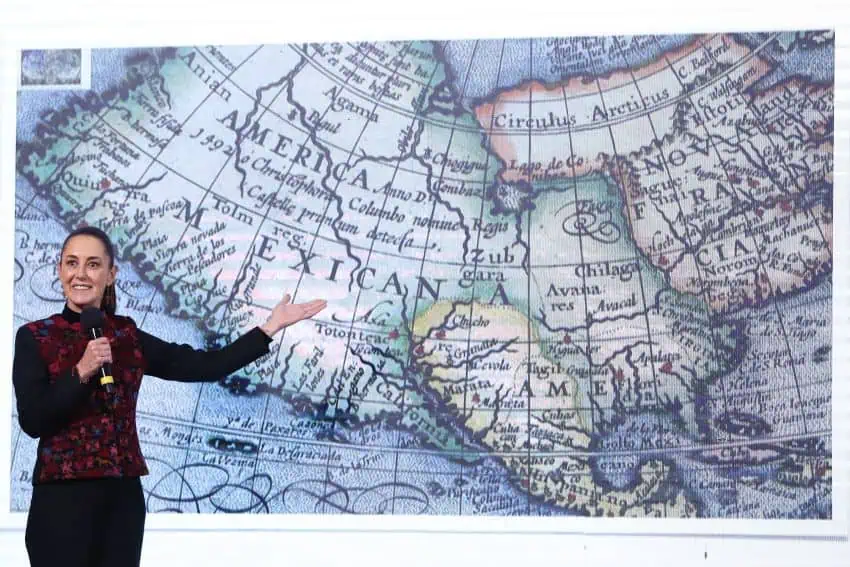
When Donald Trump announced his intention to rename the Gulf of Mexico “the Gulf of America” in January, President Claudia Sheinbaum had the perfect response: a history lesson with receipts.
Standing before an 1814 map at her morning press conference, Sheinbaum suggested that if Trump wanted to get into renaming games, perhaps the United States should be called “Mexican America” — a reference to how the Constitution of Apatzingán once referred to what’s now the U.S. Southwest. “It sounds nice, right?” she said with a smile that launched a thousand memes.
3. Oaxaca’s designs get appropriated (again)
For Oaxacan artisans, 2025 was another exhausting year of playing whack-a-mole with international brands that think Indigenous designs are free real estate. Multiple U.S. companies found themselves in hot water for appropriating traditional Oaxacan patterns without credit or compensation.
The backlash intensified when Adidas launched its Oaxaca Slip-On sandal in August, which takes inspiration from the huarache craftsmanship of the community of Villa Hidalgo Yalalág.
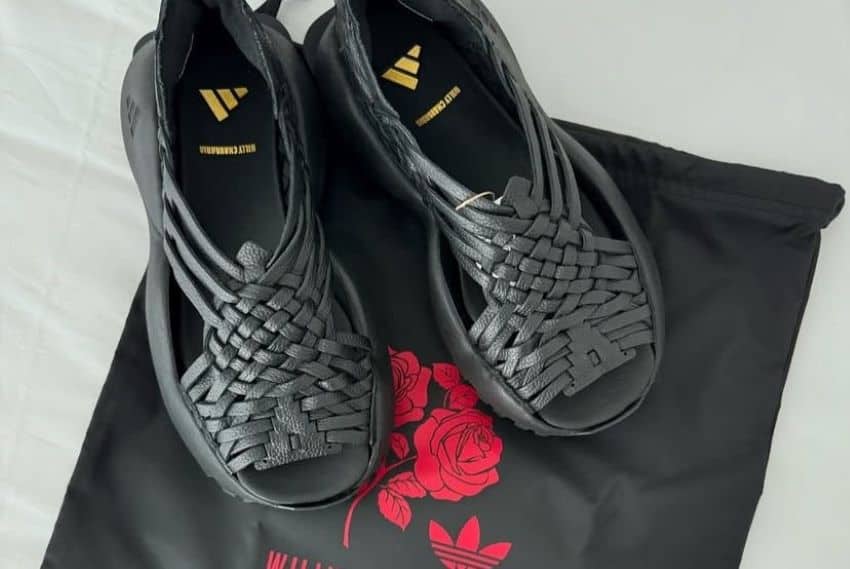
State authorities in Oaxaca and federal officials in Mexico City condemned Adidas for what they call cultural appropriation of the traditional Mexican sandals, calling for an immediate halt to sales.
In a statement, Adidas responded by saying it “recognizes and values the cultural richness of Mexico’s Indigenous communities and the meaning of their artisanal heritage,” and expressed willingness to work with local authorities on “restitution to the people who were plagiarized.”
4. Narcocorridos get the boot
The year saw an unprecedented crackdown on narcocorridos — the ballads that romanticize cartel life — with multiple Mexican states banning the genre at public events and some radio stations.
The move sparked fierce debate about censorship versus public safety, with authorities arguing the songs glorify violence while defenders claimed they’re just documenting reality.
The controversy reached peak absurdity when Los Alegres del Barranco, a popular narcocorrido group, had their U.S. visas revoked mid-tour over their lyrical content.
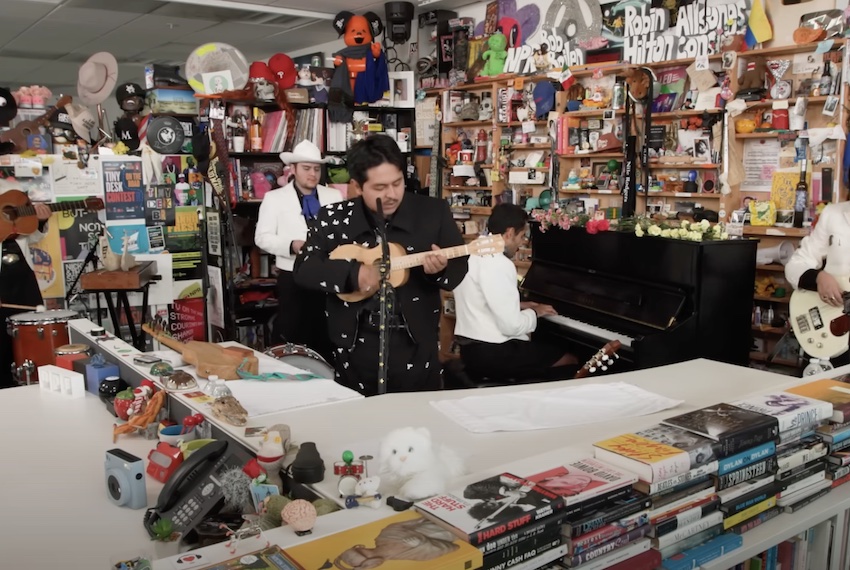
5. From street sweeper to NPR star: The artistic arc of Macario Martínez
Sometimes the internet gets it right. In February, Mexico City street sweeper Macario Martínez posted a TikTok in his work uniform with his song “Sueña Lindo, Corazón” playing in the background. Within 48 hours, the video had millions of views. By October, he was performing on NPR’s legendary Tiny Desk Concert series.
The 23-year-old’s story is the kind of feel-good narrative that reminds you why we’re all addicted to our phones. His indie-folk sound — complete with traditional instruments like the jarana jarocha and quijada de burro (yes, an actual donkey jawbone) — captured something genuine about longing and dreams that resonated across borders.
He’s since quit his sanitation job to focus on music full-time.
6. Shakira sings for 2 weeks straight in Mexico City
The Colombian superstar sold over 1 million tickets for her Las Mujeres Ya No Lloran World Tour stops in the capital, setting a record for concert attendance in Mexico.
Her 12-date residency at GNP Seguros Stadium (formerly Foro Sol) also highlighted Mexico City’s growing status as a must-play venue for international superstars — a city where artists know they’ll get the kind of reception that makes the logistics of mounting massive stadium shows worth the effort.
7. Fyre Festival 2 fizzles out
You’d think after the spectacular 2017 disaster, the words “Fyre Festival” would be permanently retired. You’d be wrong.
When Billy McFarland announced in February that Fyre Festival 2 would take place on Isla Mujeres, Mexican officials responded with a collective “¿qué?” — because apparently nobody had bothered to inform them.
Later, in March, the organizers said the festival would move to Playa del Carmen. By mid-April, the festival — which was scheduled to take place from May 30 to June 2 — was inevitably postponed.
8. Gentrification goes from simmer to boil
The simmering tensions over gentrification in Mexico City neighborhoods like Condesa and Roma finally exploded in July when hundreds of protesters marched through the streets with signs reading “You’re not an expat, you’re an invader” and chanting “Gringos go home!”
The protest highlighted issues that had been building for years: skyrocketing rents, the conversion of residential buildings into Airbnbs, the displacement of long-time residents and the transformation of neighborhood shops into businesses catering exclusively to foreigners.
While most protesters demonstrated peacefully, a small group vandalized businesses, an optic that permeated the international newsfeed and led many to wonder if CDMX was still welcoming to tourists. Multiple MND articles explored whether rent control could help and presented alternative perspectives on the complex issue.
9. Sheinbaum, the trending topic
Mexico’s first woman president wasn’t just making headlines at home. Claudia Sheinbaum earned a spot on Time’s 100 Most Influential People list, was named by Forbes as one of the world’s most powerful women and even made the New York Times’ most stylish list for 2025.
The international recognition marked a shift in how Mexico’s leadership is perceived globally. Sheinbaum’s combination of scientific credentials (she has a PhD in energy engineering), progressive policies and diplomatic savvy made her a figure of international interest beyond typical political coverage.
10. When a baker got roasted
In December, British baker Richard Hart learned a valuable lesson about talking trash in your adopted country. The co-founder of Green Rhino bakery in Roma Norte called Mexican bread “ugly” on a Danish podcast, dismissed the country’s bread culture and criticized the quality of Mexican flour.
The backlash was swift and brutal. Mexicans — proud of their bolillos, pan dulce and the 600+ varieties of bread in their culinary tradition — were not here for some British guy with a James Beard Award dunking on their carbs. Social media erupted, with people pointing out that Hart’s bakery charges 165 pesos ($9.15) for a fancy sourdough loaf while traditional panaderías serve their communities at a fraction of the price.
Hart issued multiple apologies, promising to “listen more and speak less,” but the damage was done. The incident became a microcosm of larger gentrification frustrations, with Hart representing the foreign entrepreneurs who move to trendy neighborhoods, cater primarily to other foreigners, and then have the audacity to criticize local culture. The lesson? Don’t bite the bolillo that feeds you.
Mexico News Daily
This story was written by a Mexico News Daily staff editor with the assistance of Claude, then revised and fact-checked before publication.