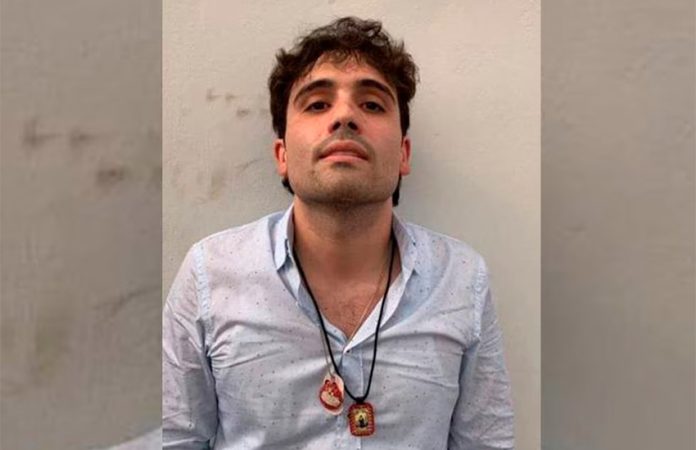
In a rather Kafkaesque move at the extradition hearing of accused cartel leader Ovidio Guzmán, the 32-year-old told the court that while his name is Ovidio Guzmán, he is not the Ovidio Guzmán that the U.S. seeks to extradite. (Social Media)
Ovidio Guzmán – an alleged Sinaloa Cartel leader arrested in January — claimed on Tuesday that he is not the son of imprisoned drug lord Joaquín “El Chapo” Guzmán Loera.
The presumed leader of the “Los Chapitos” faction of the cartel made the surprising claim at a court hearing at which he was formally notified of the United States request for his extradition.
Guzmán is wanted in the U.S. on a total of 11 drug trafficking, firearm possession and money laundering charges and could be imprisoned for life if convicted.
Appearing at the hearing via video link from the Altiplano maximum-security prison in México state, the 32-year-old suspect asserted that his arrest was a case of mistaken identity.
“I’m not the person they believe I am, that the United States is asking for,” he said.
Despite that assertion, the suspect identified himself as Ovidio Guzmán López and, in an offhanded remark, acknowledged that “El Chapo” was his father.
Prosecutors countered that he matched the physical description included in the United States’ extradition request.
Díaz also claimed that the extradition request submitted by the United States to Mexico’s Ministry of Foreign Affairs didn’t comply with conditions set out in the extradition treaty between the two countries. He said he would file a request for an injunction against his client’s extradition.
Judge Rogelio Díaz Villarreal ruled that Guzmán must remain in prison while the extradition request remains unresolved.
The accused was first arrested in Culiacán in 2019 but released a short time later due to the violent response of Sinaloa Cartel members and fears that a bloodbath could ensue.
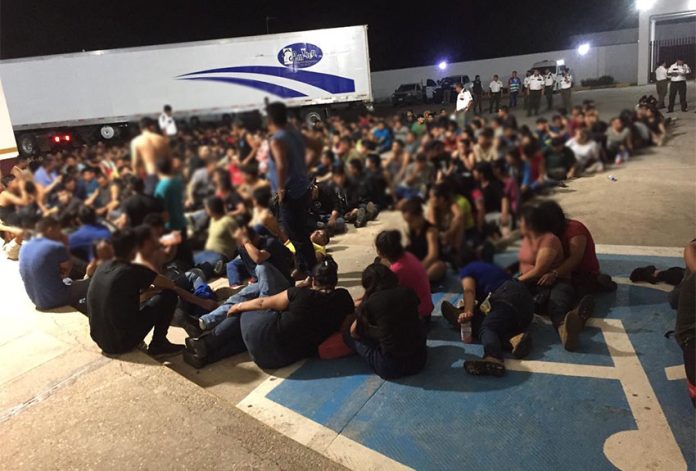
103 unaccompanied minors were among the migrants found in a trailer left beside the Cosamaloapan-La Tinaja highway in Veracruz. (INM)
Over 100 unaccompanied children were among more than 300 migrants found Sunday night in an abandoned tractor-trailer in Veracruz.
The National Immigration Institute (INM) said that its agents located 343 migrants in a trailer left beside the Cosamaloapan-La Tinaja highway in the Gulf coast state.
There were 103 unaccompanied minors among the migrants, most of whom are Guatemalan, the INM said.
The remainder were adults and a small number of children traveling with their families. They are from Guatemala, Honduras, El Salvador and Ecuador, the INM said.
The institute said that the trailer in which they were found had fans and vents in its roof, features that likely prevented illness or even deaths among the migrants.
The INM also said that the migrants — who presumably paid people smugglers to be transported through Mexico — were wearing “colored bracelets as a means of identification.”
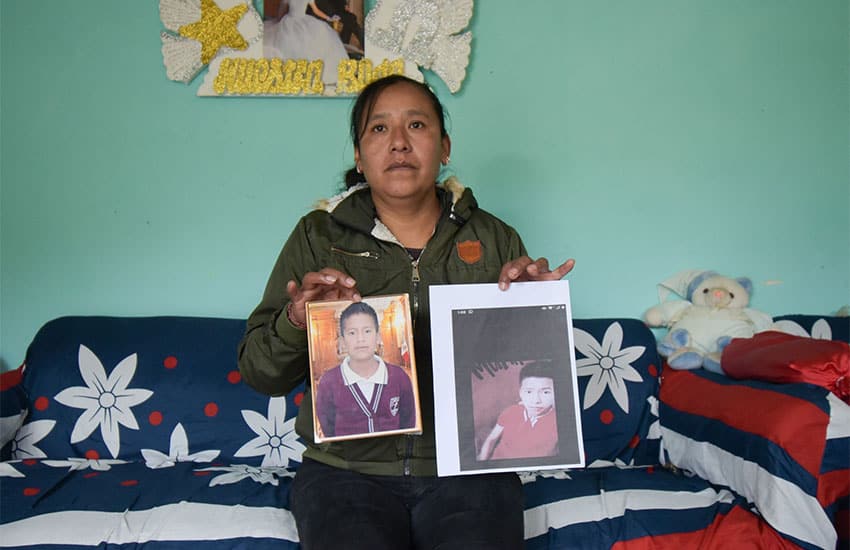
Tractor-trailers are often used by smugglers of migrants, often with fatal consequences. This Veracruz woman’s two children (who were 16 and 19 at the time) died in June in a group of 50 migrants suffocated inside a tractor-trailer found in San Antonio, Texas. (Yerania Rolón Rolón/Cuartoscuro)
The minors — as well as “several families” consisting of a total of 28 people — were placed in the care of the DIF family services agency while 212 adults traveling without children “will begin the administrative process to define their legal situation” in Mexico,” the INM said.
They are likely being held in an INM detention center.
Among the measures Mexico has taken to stem the flow of migrants through the country is the deployment of the National Guard and National Immigration Institute agents.
The federal government has also extended its “Youth Building the Future” apprenticeship scheme and the the “Sowing Life” reforestation/employment program to Central American countries as part of efforts to deter northward migration.
But with ongoing problems such as poverty and crime in Central America as well as push factors in some South American and Caribbean countries, migrants have continued to illegally cross the Mexico-United States border in large numbers.
U.S. border officials apprehended migrants a record 2.2 million times in U.S. fiscal year 2022, which ended in September, while over 700,000 encounters were recorded in the first three months of FY 2023.
Chicken barbecued to perfection at La Obrera Grill, just south of the historic center. (La Obrera Grill)
You can certainly find ethnic (non-Mexican) restaurants in Mexico City, but it is not accurate to compare them with the food scenes of places like New York, Sydney or London.
Mexico’s relationship with immigration and new foods is different. Perhaps the story of U.S.-style barbecue can shed some light on this.
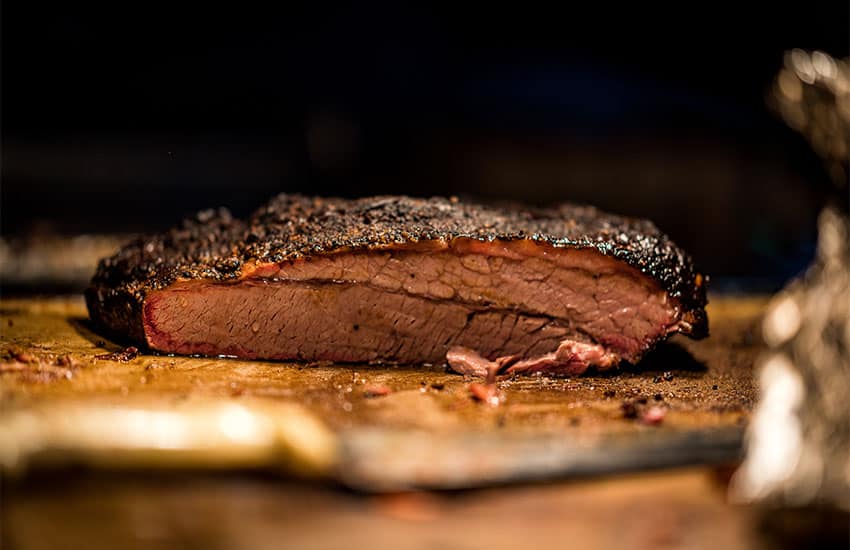
Smoked brisket time at Pinche Gringo BBQ in Mexico City. (PGBBQ)
Its adoption should be a no-brainer. Robb Walsh, author on various books about Texas cuisine, notes that “Barbecue has always rambled back and forth across the Rio Grande with little regard for borders.”
Even the English word “barbecue” is related to the Spanish barbacoa.
Interestingly, the most active scene right now for barbecue is not in northern Mexico but rather Mexico City.
Although there were earlier introductions, Mexico City’s barbecue story really begins in 2013, with the opening of Pinche Gringo BBQ (PGBBQ), started by Dan Defossey and Roberto Luna as a couple of food trucks parked in the remains of a building in Colonia Navarte.
Neither of them had experience in barbecue, nor did they do any serious marketing studies.
“For the first month that we started, I was literally standing on the corner, offering brisket samples to people that were walking down the street,” Defossey says.
However, the name was controversial, and the ensuing fight with city authorities gained the new business promotion, drawing crowds.
Since then, the business has grown into a more upscale dining experience in two locations.
PGBBQ’s success quickly led to competitors, the largest of which is Porco Rosso, founded in 2015 by chef Bobby Graig and the Rigoletti Group.
Porco Rosso’s barbecue style is based on that of Kansas City. Today, it has six locations in Mexico City, with also one each in Puebla and in Pachuca.
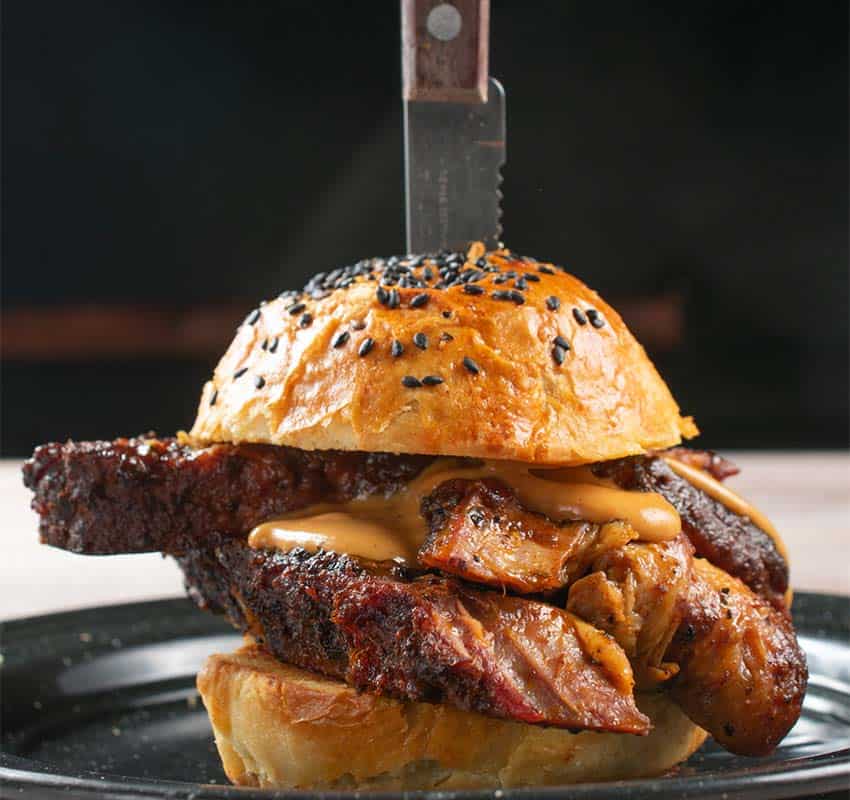
Despite its humble origins, barbecue is not poor man’s food in Mexico City. Heavy on expensive pork and beef, sandwiches start at 200 pesos and full meals at 300. But most important is the recreation of a U.S. dining experience.
Defossy describes going to PGBBQ “… like you’re stepping into Texas or Tennessee…” with rustic brick walls and wood furniture — absolute musts in all Mexico City barbecue joints.
Pinche Gringo’s Polanco location in a former warehouse in Mexico City’s affluent Anzures neighborhood — just north of the also affluent Polanco neighborhood. (PGBBQ)
Ribs are the main (and most expensive) attraction, followed by brisket. Traditional sides are usually available, including sweet corn, mac and cheese and pinto beans with U.S. beers and even root beer and cream soda (still rare in Mexico City).
Most barbecue restaurants host specials for U.S. holidays such as Thanksgiving, Fourth of July and the biggest, Super Bowl Sunday. Defossey is particularly proud of his Thanksgiving menu, noting that he can offer “…Mexicans who would never be able in their life … to experience a real Thanksgiving…”
Interestingly, most barbecue restaurant customers are not Americans or even foreigners but upper-class Mexicans who have either experienced it north of the border or have seen it in the media.
Defossy estimates that 60%–70% of his customers are Mexican, and the restaurant Smokes BBQ House in Mexico City’s Del Valle neighborhood — a strip of Insurgentes Avenue that’s known for its upscale and chain restaurants — estimates that Mexicans make up a whopping 95% of their clientele. This is true even for Super Bowl Sunday.
Pinche Gringo and Porco Rosso remain the favorites. Smaller joints have opened since then, but not all have made it. Almost all are located in upper-class neighborhoods.
Smokes owner Jorge Carlos’ connection to barbecue comes through his work with American football, and he uses this sport’s popularity with the same Mexican demographic to attract customers through specials related to U.S. football games (like playoffs) and football-themed decorations.
Barbecue’s popularity has led other restaurants like Galo Cervecero — a sports bar in the Condesa neighborhood — to put sandwiches and ribs on their menus. Some have opened restaurants outside of the upper-class neighborhoods but have a tougher time, both because of cost and because most ethnic food/new tastes find more acceptance among Mexicans with international experience.
Also, the foreigners who might appreciate the cuisine don’t know how to find them.
For example, foreign resident Peter Boone Schwethelm calls Tini’s BBQ restaurant “f*cking legit” south Texas style, but since they are located in Naucalpan, Mexico state, foreigners do not go there.
A little more central is La Obrera Grill, located just south of Mexico City’s historic center. It is run by a local Mexican family with long grilling experience who actually learned about U.S. barbecue from other restaurants in the city.
Some restaurants make it by offering a wide menu only tangentially related to barbecue. Ahumados Pelican is located in the gentrifying Santa María la Ribera neighborhood, but it offers Korean barbecue and more.
Even those who have success as a U.S. barbecue joint need to walk a fine line between authenticity and innovation because of the market they serve. U.S. smokers are proudly on display. Pinche Gringo’s location in Polanco features large windows onto the area where the cooking is done.
One thing the restaurant Smokes BBQ House in Mexico City’s Del Valle neighborhood certainly gets right is the U.S’s tendency toward ridiculously large portion sizes. (Smokes through FB)
But there is pressure to make changes.
“While there are places in Texas that have been making their barbecue exactly the same way for 80 years … the market here is different,” Carlos says. “[We] don’t understand barbecue the same way. I get requests to add things to the menu or to make new versions of our staples, often adding condiments like sauces, although they are not used widely in authentic Texas barbecue.”
Porco Rosso has played extensively with its menu, even introducing a vegan burger in 2021.
This may not be absolutely inauthentic.
“… Texas barbecue may be catching on in [Mexico City], the hot new trend in Houston is Tex-Mex barbecue with fusion dishes like brisket tacos…”
However, those looking for exactly what they could get in the States may be disappointed. Ethnic restaurants here in Mexico City mostly cater to a certain socioeconomic demographic rather than to recent immigrants and a culture accustomed to new flavors. This is true even for U.S. cuisine, despite the fact that plenty of Americans live here.
Leigh Thelmadatter arrived in Mexico over 20 years ago and fell in love with the land and the culture in particular its handcrafts and art. She is the author of Mexican Cartonería: Paper, Paste and Fiesta (Schiffer 2019). Her culture column appears regularly on Mexico News Daily.
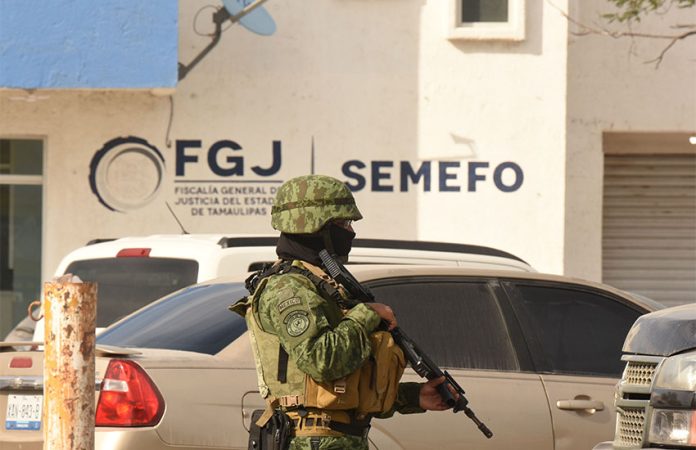
A member of the Mexican military keeps watch on the Tamaulipas Attorney General's facilities where the bodies of Shaeed Woodward and Zindell Brown were being kept. (Juan Alberto Cedilla/Cuartoscuro)
The United States government has vowed to be “relentless” in its pursuit of justice for two U.S. citizens who were killed in Matamoros, Tamaulipas, and two others who came under attack and were abducted in the northern border city.
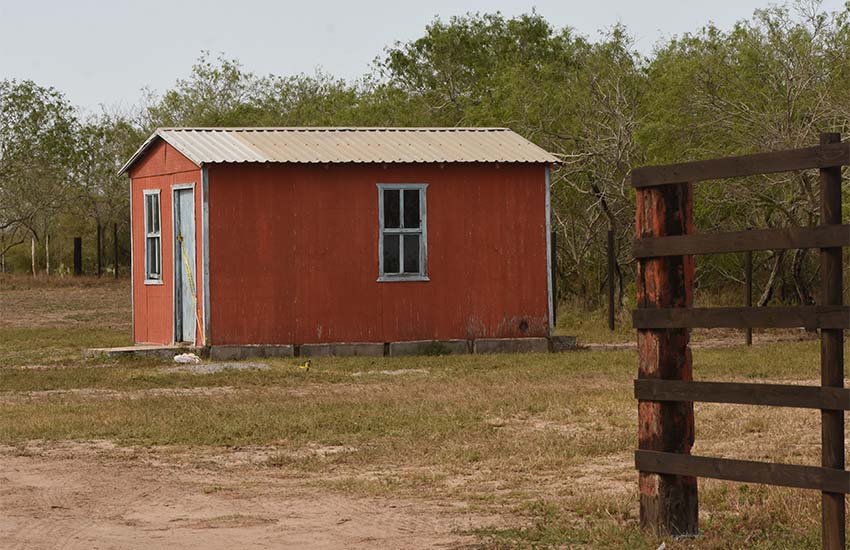
Security forces found the bodies of Shaeed Woodard and Zindell Brown in a wood cabin southeast of Matamoros on Tuesday morning, according to Tamaulipas Governor Américo Villarreal Anaya.
From left to right: Latavia McGee, Eric James Williams, Shaeed Woodward and Zindell Brown. McGee and Williams survived the attack and were returned to the U.S. on Tuesday. Woodward and Brown were killed.
Eric James Williams, who had a gunshot wound to his leg, and Latavia McGee, who was unharmed, were also located in the cabin. They were transported to the Mexico-United States border on Tuesday morning and handed over to U.S. officials.
A 24-year-old man guarding the victims at the cabin was arrested.
Williams was taken to a hospital for treatment in Brownsville — a Texas border city located opposite Matamoros — according to a Tamaulipas official cited by the Reuters news agency.
The four Americans had traveled from South Carolina to Matamoros, where McGee had an appointment to undergo an abdominoplasty, a cosmetic surgery procedure commonly known as a tummy tuck.
The wooden cabin in which the four Americans were kept by their kidnappers. (Juan Alberto Cedilla/Cuartoscuro)
Almost 1 million U.S. citizens per year travel to Mexico for medical care, according to the Mexican Council for the Medical Tourism Industry. Northern border cities are among the most popular destinations for such tourists, who are attracted to Mexico due to lower costs and generally high standards of care.
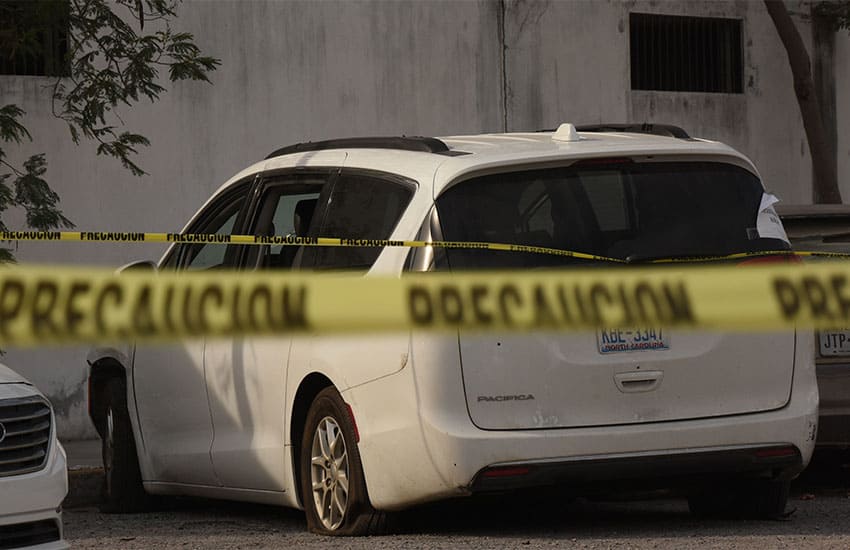
McGee, however, didn’t make it to her appointment since she and her three companions came under fire and were kidnapped shortly after crossing into Matamoros in a minivan last Friday.
A Mexican woman was killed in the incident, apparently by a stray bullet, according to Governor Villarreal.
One theory regarding the criminals’ motive is that cartel henchmen — likely from the Gulf Cartel — mistook the U.S. citizens for Haitian drug smugglers.
The FBI had offered a reward of US $50,000 for the return of the victims and the arrest of those involved.
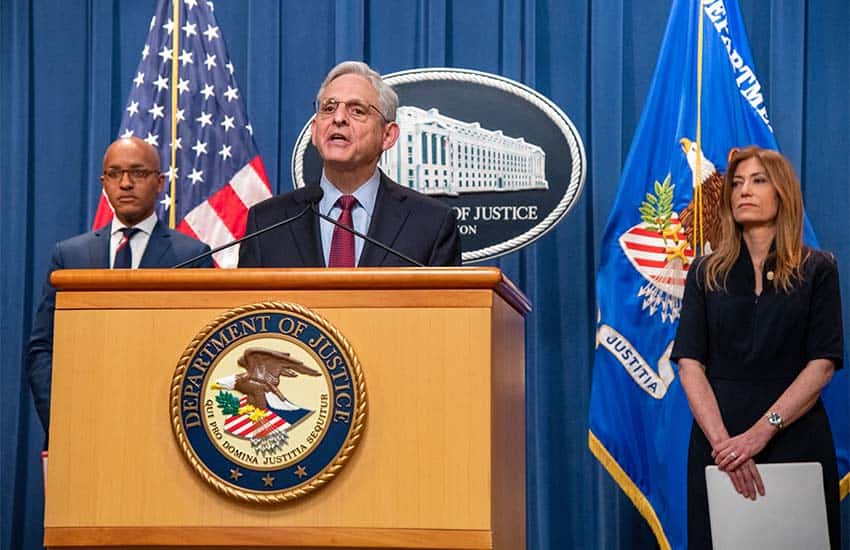
United States Attorney General Merrick B. Garland said Tuesday that “in the wake of the attack, the FBI immediately contacted our Mexican law enforcement and security partners in an effort to locate the victims.”
“… I want to offer my deepest condolences to the families and loved ones of the victims of this heinous attack. The Justice Department will be relentless in pursuing justice on their behalf,” he said.
US Attorney General Merrick Garland said Tuesday that the the Justice Department will be relentless in pursuing justice on their behalf.”
“We will do everything in our power to identify, find and hold accountable the individuals responsible for this attack on American citizens.”
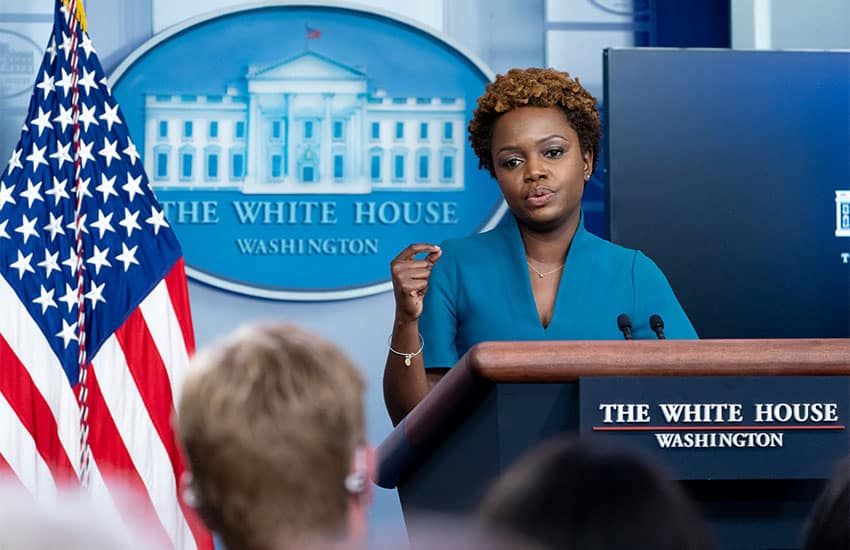
White House Press Secretary Karine Jean-Pierre and U.S. State Department Spokesperson Ned Price were among the other U.S. officials who commented on the case on Tuesday.
“We appreciate the hard work of the Justice Department and the FBI, [Department of Homeland Security] and DEA for their swift response to this awful incident, and for their continued collaboration with Mexican authorities,” Jean-Pierre told a press briefing.
“These U.S. agencies remain in close touch with their counterparts, and we expect that they will share more as they can. Attacks on U.S. citizens are unacceptable, no matter where or under what circumstances they happen.”
Jean-Pierre noted that the president recently “signed an executive order giving the Department of Treasury expanded authorities to penalize cartel organizations and those who control or enable them.”
White House Press Secretary Karine Jean-Pierre told reporters that US law enforcement agencies were continuing to work with Mexican authorities on the case. (File photo/Wikimedia Commons)
Price said that the “challenge” posed by Mexican drug cartels “has the full attention of this administration.”
“It is a long-running challenge, but we are going to work cooperatively, collaboratively with our Mexican partners in any way we can to help address these pockets of insecurity, the drug trafficking, the other security threats that … sometimes cross over … our border,” he said.
Some Republican Party lawmakers believe the U.S. government should be doing more to combat Mexican cartels, which ship large quantities of narcotics — including the deadly synthetic opioid fentanyl — across the northern border.
Senator Lindsey Graham said Monday that he would introduce legislation to “make certain Mexican drug cartels foreign terrorist organizations under U.S. law and set the stage to use military force if necessary to protect America from being poisoned by things coming out of Mexico.”
Speaking on Fox News, he said he would “tell [the] Mexican government, ‘If you don’t clean up your act, we’re going to clean it up for you.'”
The South Carolina senator also said that he would follow the lead of former U.S. president Donald Trump and “put Mexico on notice.”
The group of four American friends were driving in this van with U.S. plates when, according to Latavia McGee’s family, criminals struck the vehicle from behind and kidnapped them. (Juan Alberto Cedillo/Cuartoscuro)
“If you continue to give safe haven to drug dealers, then you are an enemy of the United States,” he said.
It was unclear what kind of legislation Graham was proposing, but U.S. military action in Mexico, the U.S. newspaper The Hill reported, “would require an Authorization for Use of Military Force, which would need to pass a divided Congress and then be signed into law by the president.”
Marjorie Taylor Greene, a U.S. representative from Georgia, tweeted Monday that the U.S. military “should strategically strike and take out the Mexican cartels.”
“…They are international terrorists and criminals murdering Americans everyday with drugs and crime!” she wrote.
Two other Republican Party representatives, Dan Crenshaw and Michael Waltz, submitted a resolution to Congress in January that proposed the use of the U.S. military against cartels in Mexico.
“Two of the four Americans kidnapped by the cartels in Mexico were murdered, and we still haven’t declared the cartels a military target,” Crenshaw said Tuesday in a Twitter post directed at President López Obrador. “It’s time we authorize military force against them. Are you listening, @lopezobrador_? We would love for you to be a partner. Help us help you.”
The incident has caused many U.S. politicians to call for the United States to take more visible action on Mexico’s cartels, ranging from declaring them terrorists to using U.S. military force to curb criminal groups. President Lopez Obrador pledged to bring the culprits to justice. (Galo Cañas Rodríguez/Cuartoscuro)
Trump said in late 2019 that the U.S. would designate Mexican cartels as terrorist organizations, but later decided to “hold off” the designation “at the request of a man who I like and respect and has worked so well with us, President Andrés Manuel López Obrador.”
Texas Governor Greg Abbott last year designated the Sinaloa Cartel, the Jalisco New Generation Cartel and “any similarly situated Mexican drug cartels who may be identified in subsequent proclamations” as “foreign terrorist organizations,” while the attorney generals of 21 U.S. states last month sent a letter to President Biden and Secretary of State Antony Blinken to request that they do the same.
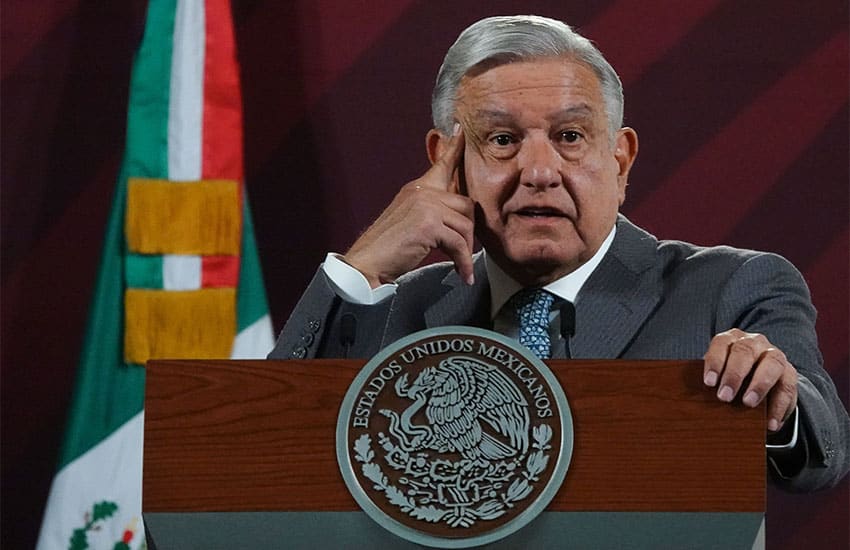
López Obrador on Tuesday described the attack on the Americans as “very regrettable” and pledged to bring the perpetrators to justice. He stressed that his government is “working every day to guarantee peace and tranquility” in Mexico, although homicide numbers last year — almost 31,000 — remained close to record levels.
López Obrador also sent a message to Crenshaw, saying that the congressman “should be attending to the causes in the United States that provoke the excessive consumption of drugs” rather than advocating the use of the U.S. military against cartels in Mexico.
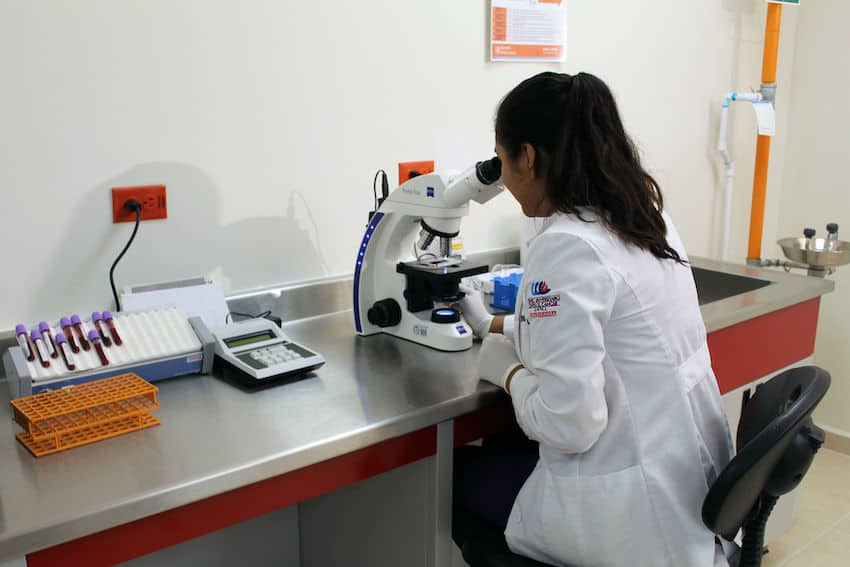
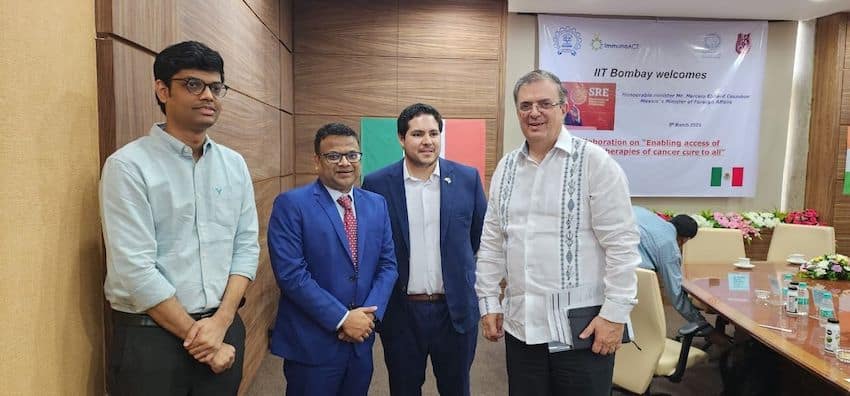
As part of the visit to ImmunoACT, the Mexican delegation, including Foreign Minister Marcelo Ebrard, inspected laboratory installations.(Presidencia)
An innovative cancer treatment known as CAR-T cell therapy will be trialed in Mexico this year, Foreign Minister Marcelo Ebrard confirmed on Monday.
Mexico will acquire the technology from Indian laboratory ImmunoACT as part of an agreement between the company, the National Polytechnic Institute and the Salvador Zubirán National Institute of Medical Sciences and Nutrition, signed last November.
A medical researcher at UANL, where clinical trials will be conducted in Mexico (UANL)
CAR-T cell therapy – which refers to “weaponized” T-cells with chimeric antigen receptors – uses genetically modified immune cells from cancer patients to target and destroy malignant cancer cells. The therapy is used to treat blood cancers such as leukemia and lymphoma and is often a “last resort” therapy in children and adults who have not responded to other treatments.
“We will be able to save thousands of lives of people with leukemia, whose lives we cannot save now,” explained Ebrard.
Ebrard made the comments while leading a visit of Mexican scientists and diplomats to ImmunoACT’s laboratories in Mumbai.
“We are extremely excited to work with the Mexican team and the Mexican delegation,” saidImmunoACT director Shirish Arya. “The socioeconomic structures and the technological challenges both in India and in Mexico are very similar in many ways, so I’m sure that whatever learnings we have in India, some of it we can transport to Mexico.”
Foreign Minister Marcelo Ebrard visits the ImmunoACT facility in Mumbai (LinkedIn/ImmunoACT)
The Foreign Ministry (SRE) saidin a statement that clinical trials of CAR-T cell therapies would start in Mexico this year, with funding from the Mexican Agency for International Development Cooperation.
The trials will take place at the Dr José Eleuterio González Hospital, at the Autonomous University of Nuevo León (UANL). These will test the safety of the therapy in Mexican patients with lymphoblastic leukemia.
The process involves drawing blood from the patient, from which immune cells known as T-cells are extracted. The “Gen CAR” vector is then injected into the cells, which are allowed to reproduce in the laboratory before being transfused back into the patient to attack the cancer.
“If the clinical phases are successful, UANL will be the first public institution in the country to have this advanced therapeutic alternative,” Mexico’s health regulatory agency (Cofepris) saidin a statement in February, on approving the CAR-T vector import permit.
Clinical trials in other countries suggest that CAR-T cell therapies are safe and effective. In a November 2020 trial, 60% of 146 participants with Indolent Non-Hodgkin Lymphoma achieved complete remission after the CAR-T cell treatment.
The therapies have been approved by regulatory agencies in the United States, Canada, and several countries in Europe, as far back as 2017. They have also recently come into use in Australia, New Zealand, China, Singapore and Japan.
However, their high cost has been a barrier to their adoption in middle and lower-income countries. The treatment can cost around US $500,000 per patient, according to Ebrard.
“We are going to make it accessible to the people, that is, we can have it in the public system and Mexicans can access that technology,” he said.
One of Mexico's most famous actresses from the 1940s and 50s, María Félix, was known for her jewelry collection. (Cartier)
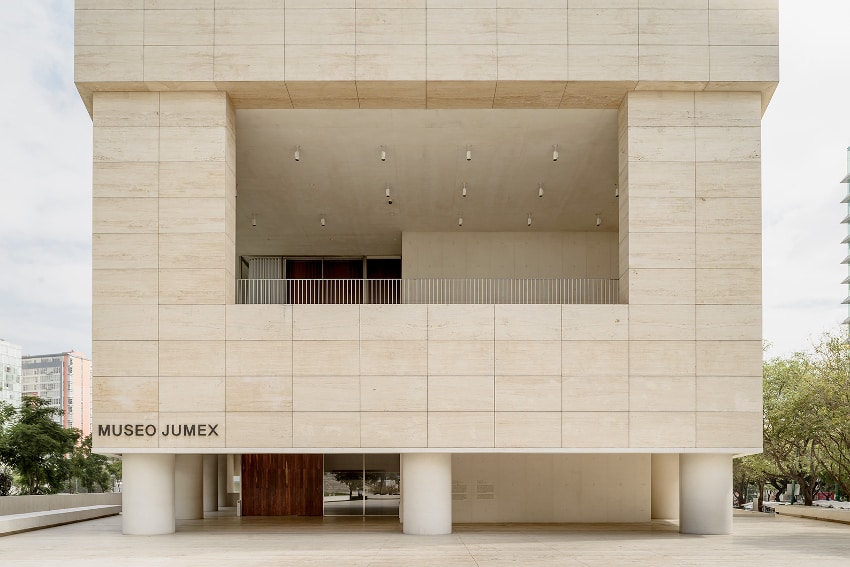
On Mar. 15, the exhibit “Cartier Design: A Living Legacy” opens at the Museo Jumex in Mexico City and will show some of the most iconic jewels worn by beloved Mexican actress María Félix, also known as “La Doña” (1914-2002).
The Cartier jewels came back into the spotlight after Mexican actress Mabel Cadena (from “Black Panther: Wakanda Forever“) made the cover of the March edition of Vogue Mexico. Cadena is photographed wearing some of Cartier’s pieces, including the famed crocodile necklace – a classic piece made in 1975 for María Félix.
María Félix’s famous crocodile necklace. (Cartier)
María Félix commissioned the design, bringing a baby crocodile to Cartier’s boutique in Paris for their artisans to replicate.
After much study, a jewel made of gold and encrusted with 1,023 diamonds, 1,060 emeralds, two emerald cabochons —a type of gem— and two rubies, was crafted. Consisting of two articulated crocodiles that hug the neck, the piece could be worn as a necklace or as separate brooches.
It is said that María Félix loved the jewel and she wore it for years. Today, the original necklace is part of the brand’s “Cartier Collection” of exquisite historic jewels and will be displayed at the exhibit.
To share the maison’s jewelry legacy, emblematic pieces from the design house’s collection, private collections and documentary archives are included in the exhibit, divided into five themes. One of the themes is called “María Félix and the icons of elegance” and will be devoted to the Mexican actress and other fashion figures.
Museo Jumex art museum in Mexico City (@FundacionJumex Twitter)
The exhibition includes more than 160 pieces and was designed by architect Frida Escobedo – the first woman to lead an expansion project of the Metropolitan Museum of Art in New York – and curated by the Mexican art critic Ana Elena Mallet.
The United States is exercising its rights under the USMCA to engage in "technical consultations" with Mexico over its biotechnology policies regard genetically modified corn. In the worst-case scenario, a breakdown in talks could lead to punitive US tariffs on Mexican imports. (depositphotos.com)
The United States government announced Monday that it was requesting “technical consultations” with its Mexican counterpart over Mexico’s plan to phase out imports of genetically modified corn by 2024.
The Office of the United States Trade Representative (USTR) said it made the request under the Sanitary and Phytosanitary Measures (SPS) Chapter of the United States-Mexico-Canada Agreement (USMCA), the free trade pact that took effect in 2020.
“These consultations regard certain Mexican measures concerning products of agricultural biotechnology,” it said in a statement.
If the two countries fail to reach a resolution through the consultations, the United States could request the establishment of a dispute settlement panel under the USMCA.
The U.S. could place punitive tariffs on Mexican imports if no resolution is reached via a panel.
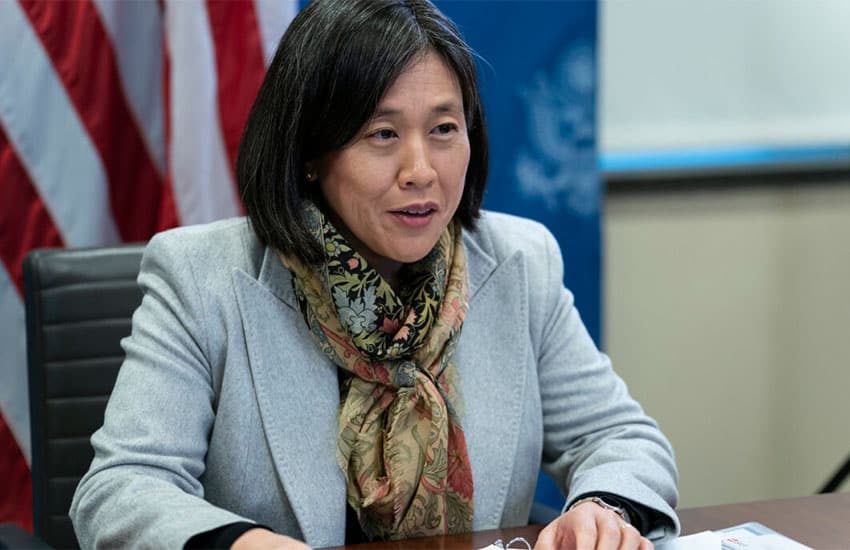
“The United States has repeatedly conveyed our serious concerns with Mexico’s biotechnology policies and the importance of adopting a science-based approach that complies with its USMCA commitments,” said U.S. Trade Representative Katherine Tai.
U.S. Trade Representative Katherine Tai says that Mexico’s biotechnology policies are not based on science. (U.S. Department of State)
“Mexico’s policies threaten to disrupt billions of dollars in agricultural trade and they will stifle the innovation that is necessary to tackle the climate crisis and food security challenges if left unaddressed. We hope these consultations will be productive as we continue to work with Mexico to address these issues.”
The USTR said that Mexico is a “valued trading partner and the United States is committed to working with it to resolve these biotech issues and avoid any disruption in trade in corn or other agricultural products.”
However, “if these issues are not resolved, we will consider all options, including taking formal steps to enforce U.S. rights under the USMCA,” it said.
Mexico’s Economy Ministry (SE) said in a statement that the USTR request for consultations was aimed at addressing the government’s Feb. 13 decree on genetically modified corn.
The SE noted last month that the decree – which supersedes one issued in December 2020 – clarifies that only imports of GM corn for human consumption in the form of masa (dough) and tortillas will be phased out by 2024.
It said that Mexico is self-sufficient in the production of GM-free white corn and therefore the move to phase out GM corn for human consumption doesn’t have any impact on “trade or imports.”
Mexico’s latest policy is that only the imports of GM corn for human consumption in tortillas will be phased out in 2024. (Graciela López Herrera/Cuartoscuro)
However, according to a Reuters report, a representative from the U.S. National Corn Growers Association (NCGA) said that corn for food use, including both yellow and white corn, makes up about 21% of Mexico’s corn imports from the United States. Over 90% of United States-grown is genetically modified, according to the U.S. government.
The SE also said in February that the new decree scraps a deadline for ending the use of GM corn for animal feed and industrial purposes, replacing it with a gradual phase-out depending on supply. In addition, the decree extended slightly – until March 2024 – the deadline for ending Mexico’s use and import of glyphosate, a controversial herbicide.
The SE said Monday that the USTR’s consultations request wasn’t “contentious” but rather aimed at “finding a solution in a cooperative way.”
“For that reason, [Economy] Minister Raquel Buenrostro Sánchez, the head of the USTR, Ambassador Katherine Tai, and their teams have been holding constructive dialogue with a view to finding solutions that provide certainty to the interested parties,” it said.
“As this ministry has pointed out on repeated occasions, the objective of the decree is to maintain the production of tortillas with native corn, ensuring the conservation of the biodiversity of more than 64 types of corn in the country, of which 59 are endemic,” the SE said.
Mexico, the SE added, will use the consultations with the United States “to prove with data and evidence that there hasn’t been a commercial impact [from the phasing out of GM corn imports] and that … the decree is consistent with [the USMCA].”
According to the Economy Ministry, Mexico is self-sufficient in the production of GM-free white corn and there are 59 endemic varieties in the country. (Denisse Hernández Rubio/Cuartoscuro)
The ministry also said that Mexican authorities will seek “a mutually satisfactory solution” in their talks with their U.S. counterparts.
Mexican and U.S. officials must meet within 30 days to engage in the requested consultations.
The NCGA said last month that the proposed ban on GM corn exports to Mexico “would be catastrophic for American corn growers as well as the Mexican people, who depend on corn as a major staple of their food supply.”
The president of that association, Tom Haag, said Monday that “we are pleased USTR is taking the next step to hold Mexican officials accountable for the commitments they made under USMCA, which include accepting both biotech and non-biotech commodities.”
“Mexico’s position on biotech corn is already creating uncertainty, so we need U.S officials to move swiftly and do everything it takes to eliminate this trade barrier in the very near future,” he said.
United States Agriculture Secretary Tom Vilsack said in a statement that his department remained “unequivocal in our stance that the science around agricultural biotechnology has been settled for decades.”
Mexico’s position on biotech corn is already creating uncertainty among U.S. farmers, says Tom Haag, president of the National Corn Growers Association, which said a ban on GM corn would be “catastrophic” for both Mexico and the U.S. (NCGA)
The technical consultations “represent the next step in addressing the United States’ concerns with Mexico’s biotechnology policies,” he said.
“While we appreciate the sustained, active engagement with our Mexican counterparts at all levels of government, we remain firm in our view that Mexico’s current biotechnology trajectory is not grounded in science, which is the foundation of USMCA,” Vilsack said.
“… We remain hopeful that our concerns can be fully addressed but, absent that, we will continue to pursue all necessary steps to enforce our rights under the USMCA to ensure that U.S. producers and exporters have full and fair access to the Mexican market.”
The Mexican and United States governments are already engaged in talks over the former’s nationalistic energy policies.
In July, both the U.S. and Canada requested dispute settlement consultations with Mexico, arguing that the Mexican government is violating the USMCA with policies that favor state-owned energy companies over private and foreign ones, including many that generate renewable energy.
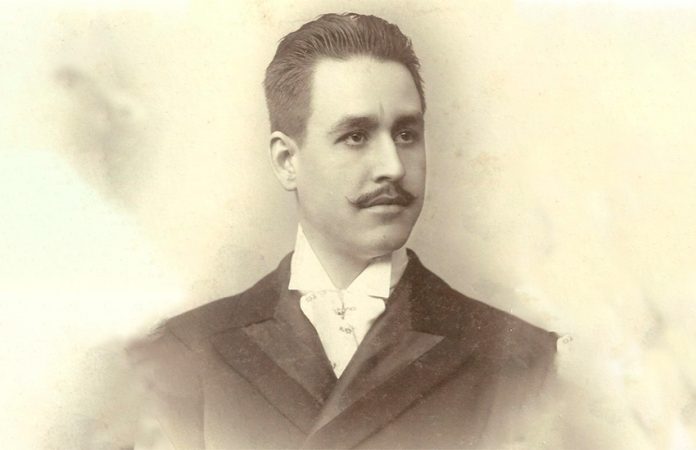
Manuel Uruchurtu Ramírez was from Sonora and was an influential lawyer and politician during the regime of Mexico's President Porfirio Díaz.
Although the sinking of the Titanic in 1912 was a global tragedy, it wasn’t until 2012 — 100 years later — that there was a Mexican “vision” of the most famous shipwreck of the 20th century.
The new awareness that the ill-fated vessel had carried a Mexican politician, who was said to have saved a woman’s life, suddenly made this a Mexican story. And Mexicans love tall tales and legends.
But is this story a tall tale?
What has been verified without doubt is that Manuel Uruchurtu Ramírez did indeed die on the Titanic. However, whether or not the heroic story of him saving a woman’s life was true quickly became the focus of controversy after his story was revealed in a book published in 2012.
Uruchurtu was born in June 1872 in Hermosillo, Sonora, to a well-to-do family. As a young man, he traveled to Mexico City to study law at what is now the National Autonomous University of Mexico (UNAM).
He married fellow student Gertrudis Caraza y Landero, a young Mexican woman of high social standing, and settled in Mexico City, where he started a law practice and he and his wife had seven children.
Uruchurtu was survived by his widow Gertrudis Caraza y Landero and several children in Mexico City.
By the time of the Porfiriato — the dictatorship of President Porfirio Díaz (1876–80; 1884–1911) — Uruchurtu was well-established in national, cultural and political circles in Mexico. He was elected to the Mexican federal congress four times and was especially close to Díaz’s vice president, Ramón Corral, whom Uruchurtu considered his best friend and political godfather.
At the time of the 1910 Revolution, Uruchurtu’s financial and political status labeled him as one of the “catrines” — wealthy individuals who had well-defined ties to Díaz. In 1911, following Díaz’s overthrow, Díaz and his inner circle were exiled to France.
In February of 1912, Uruchurtu decided to travel to France aboard the Lusitania to visit with Ramón Corral and Díaz. Afterward, Uruchurtu next planned to go to Spain to learn more about the Spanish court system, which would help him with his international law practice.
But as Uruchurtu was in the Grand Hotel in Paris, packing for his side trip to Spain before returning to Mexico, Corral’s son-in-law, Guillermo Obregón — who was returning to Mexico himself — paid him a visit.
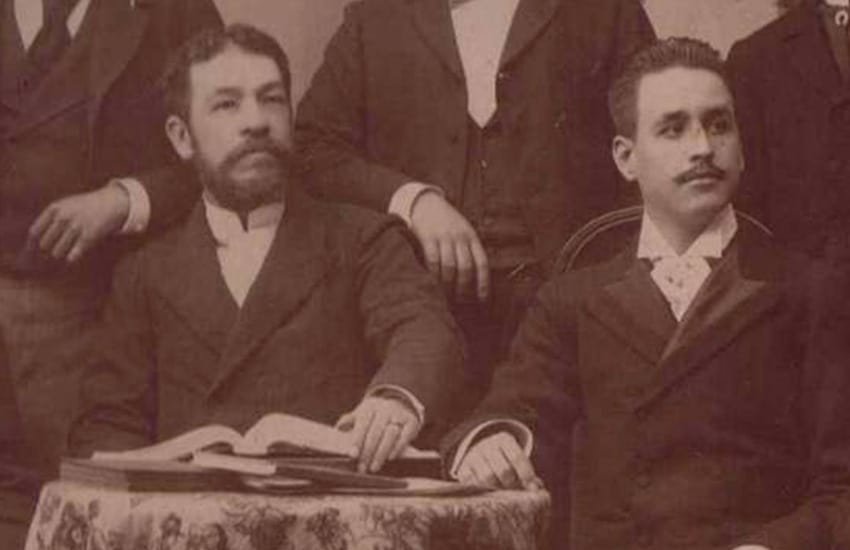
Manuel Uruchurtu, right, with his friend and colleague, renowned lawyer Jacinto Pallas, left. (National Archives)
Uruchurtu had purchased a ticket on the SS France, but Obregón persuaded him to exchange tickets — saying he really shouldn’t miss out on an opportunity to be on the maiden voyage of the luxury ocean liner Titanic — which would leave a few days earlier.
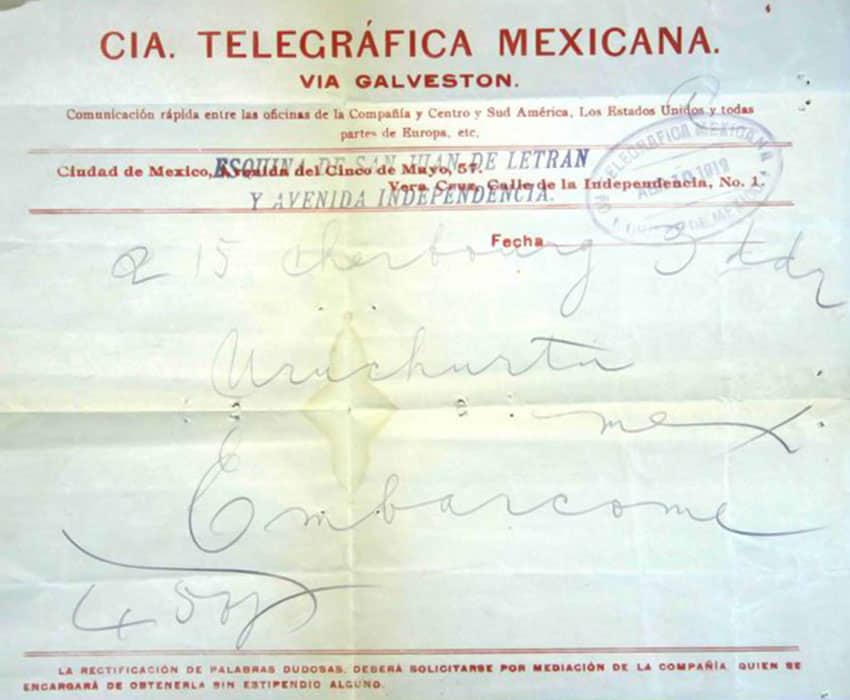
His final correspondence with his family consisted of a letter written to his wife from Paris, telling her that he was eager to return to Mexico but had to go to Spain first. He also sent his mother a picture postcard of the Titanic, telling her he would be sailing on that ship. And he sent a telegram to his brother right before he left with one word: Embarcome (I’m boarding).
Uruchurtu’s family never heard from him again.
At 2:20 a.m. on April 15, the “unsinkable” RMS Titanic — the largest and most luxurious ocean liner at that time — hit an iceberg 400 miles southeast of Newfoundland, Canada, and sank. The ship’s orchestra is said to have been playing the waltz from the operetta “The Merry Widow” as the Titanic took more than 1,500 passengers to a cold, watery grave.
Only around 700 survived.
Two weeks later, Uruchurtu’s wife Gertrudis received a telegram from the Mexican Telegraphic Company that her husband’s body had not been recovered.
For more than 30 years, Uruchurtu’s great-grandnephew Antonio Uruchurtu told the story of El Héroe Mexicano del Titanic (The Mexican Hero of the Titanic) — his ancestor, Manuel Uruchurtu — who sealed his fate with a noble act of chivalry. But what was Manuel’s supposed act of chivalry?
The telegram Uruchurtu sent to his brother just before boarding the Titanic. (Mexican National Archives)
According to the story, Uruchurtu was offered a seat with the women and children on Lifeboat #11 due to his position as a member of the Mexican Congress and his role as a diplomat. Second-class passenger Elizabeth Nye, on her way to New York City, did not get a seat.
As the story goes, Nye pleaded with Uruchurtu to give her his spot on the lifeboat because her husband and child were waiting for her in New York. He complied, asking only that she tell his family how he died.
Antonio says Nye survived and came to Hermosillo in 1924 and told them the story of their ancestor’s chivalry, a story the family told around the kitchen table for years.
Based on this story, the City of Hermosillo issued an “Official Declaration of Manuel R. Uruchurtu as a Hero of Chivalry” in 2010, a decree that was ratified by the Sonora state congress. In 2011, Uruchurtu was also honored as a “Hero of Chivalry” by the Sonora Historical Society.
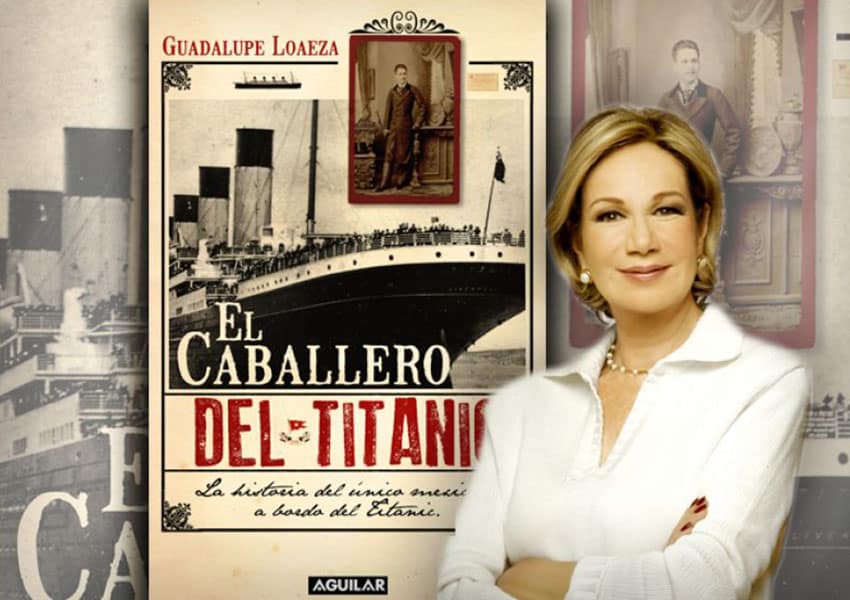
Alejandro Gárate Uruchurtu — another grandnephew — had also convinced author Guadalupe Loazea to write a book on Manuel Uruchurtu, for which Alejandro would receive a portion of the royalties. In 2012, “El Caballero del Titanic” was published sparking a firestorm of controversy.
Author Dave Bryceson, who wrote the biography “Elizabeth Nye: Titanic Survivor”said the story could not be true, citing 20 years of research he said proved that Nye’s husband and child had died before she ever boarded the Titanic and that she had never visited Mexico.
Famed Mexican author Guadalupe Loaeza’s book, published in 2012, revealed Uruchurtu’s story to the world. However, it became controversial for promulgating the story that he saved the life of Titanic survivor Elizabeth Nye, a story disputed by many, including a Nye biographer and Nye’s family.
Furthermore, Uruchurtu’s granddaughter denied that the incident ever happened. The Titanic Historical Society — established in the U.S. in 1963 — said that they could find no evidence of this act of heroism — only that Uruchurtu was a passenger.
Mexican newspapers denounced the book, which they called fiction. Loazea herself finally said that considering the emerging revelations, she would not reprint the book — that it was based almost entirely on Gárate’s story without a single document to verify it as true.
Mexico’s history is full of legends and myths. Much of what we know about the last hours of the Titanic is also fiction. The famous James Cameron film “Titanic” — which was filmed in Baja California — centers on a fictionalized love story between the two main characters — Rose and Jack.
The sinking of the Titanic is a very human story filled with tales of love and loss, bravery and pettiness — of passengers who acted with chivalry and those who did not. That does not detract from our fascination with this 20th-century tragedy or from the credibility of the stories.
I prefer to believe the legend of Uruchurtu’s heroic act is true because it is the embodiment of the values of Mexicans — honor and chivalry — noble values that are highly respected in Mexico.
It also makes the sinking of the Titanic a very Mexican story.
Sheryl Losser is a former public relations executive and professional researcher. She spent 45 years in national politics in the United States. She moved to Mazatlán in 2021 and works part-time doing freelance research and writing.
According to a statement by the Tourism Minister, the international arrivals this year will be 2.7% higher than in 2022. (Elizabeth Ruiz / Cuartoscuro.com)
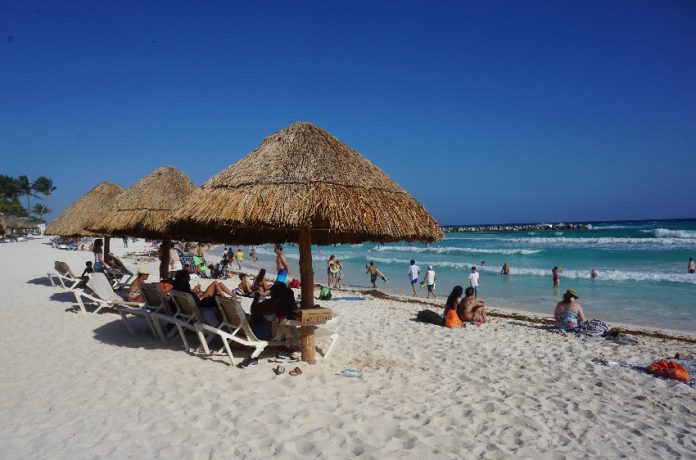
Mexico’s inviting beaches, awe-inspiring archaeological sites and pretty colonial cities look set to be very busy this year, with almost 40 million international tourists expected to flock to the country.
Tourism Minister Miguel Torruco said in a statement Sunday that 39.4 million foreign tourists are predicted to come to Mexico in 2023.
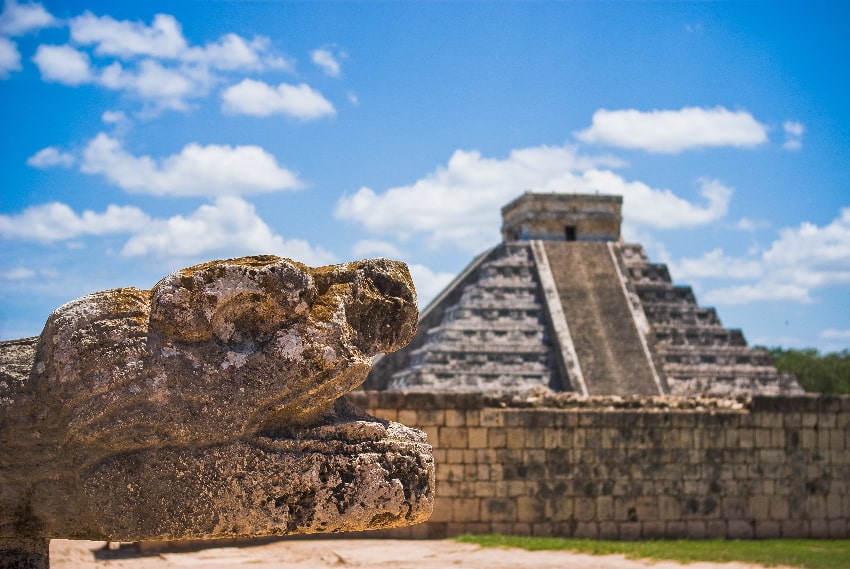
Chichén Itzá is Mexico’s most visited archaeological site. (Foto de Marv Watson en Unsplash)
That figure is 2.7% higher than the number of international tourists Mexico received last year and just 12.6% short of the record set in 2019.
Torruco said that the predicted 39.4 million foreign tourists are forecast to contribute just under US $31.17 billion to the Mexican economy.
That figure – which equates to about $790 per international tourist – is 11.3% higher than last year’s revenue and 26.8% above spending by international tourists in 2019, the tourism minister said.
Torucco also said that the tourism industry is expected to contribute about 8.6% of Mexico’s overall GDP in 2023.
He reported Monday that 4.99 million passengers were transported to and from Mexico on international flights in January, a 32.4% increase compared to the same month of 2022.
Torruco noted that the number of passengers on domestic flights also increased, rising 31.3% to 4.98 million.
Aeroméxico and Volaris were the top two Mexican airlines for the number of international passengers they transported, while Volaris and Viva Aerobus ranked No. 1 and 2, respectively, for domestic passengers.
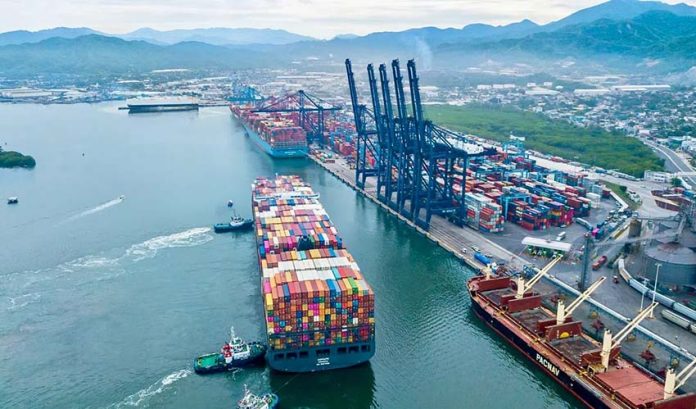
Manzanillo is a key shipping destination for imports from China and the Pacific.
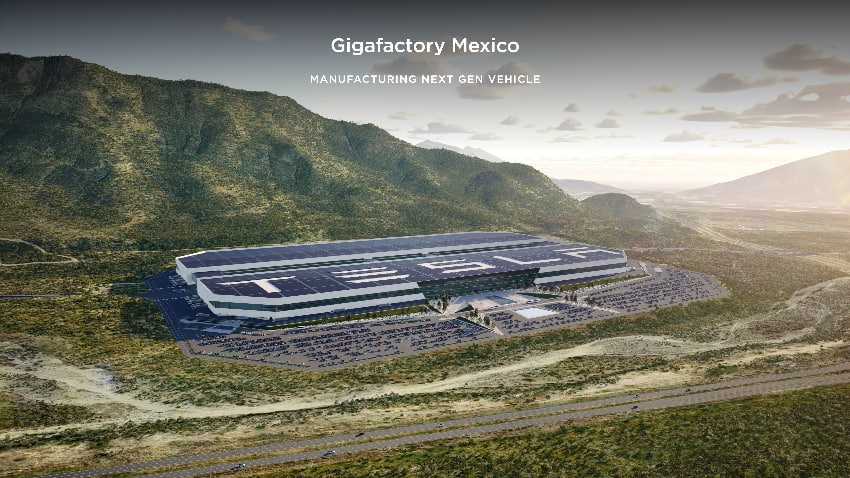
With the announcement that Tesla will build a new Gigafactory near Monterrey, Nuevo León, Mexico looks set to become the largest manufacturer of EVs in Latin America. This investment is thanks to the boom in ‘nearshoring’ — when companies relocate to strategic foreign markets to take advantage of favorable investment conditions.
But some experts are saying that a lack of infrastructure in Mexico could make it more difficult to attract foreign investment and create jobs in the manufacturing and logistics fields. However, despite challenges such as inflation, interest rates and lack of infrastructure, “industrial developers are taking advantage of [nearshoring],” Jonathan Pomerantz, commercial and investment director at the real estate development company Meor told El Economista.
A rendering of the potential new Tesla gigafactory to be built in Nuevo León. (@Tesla Twitter)
Mexico invests less than 1% of its GDP in infrastructure development when it should allocate at least 5%, according to the president of the Mexican Chamber of the Construction Industry (CMIC) Francisco Solares. “Industrial construction is a great opportunity for the country, […] but the public sectors are not considering this branch as a strategic economic activity,” he added.
In a recent article, the New York Times claimed that “the biggest impediment to Mexico’s reaching its potential as an alternative to China may be Mexico itself,” since President López Obrador “has neglected the nation’s infrastructure, including its ports.”
These concerns are echoed by the president of the SoyLogístico Association, Ignacio Szymanski. Szymanski told T21 that while the average Chinese port is able to accommodate 30 million TEUs of cargo per year (a measure of volume in units of twenty-foot-long containers), Mexico’s largest port in Manzanillo, Colima, had a throughput of a mere 3 million TEUs.
The Ministry of the Navy (SEMAR) put national figures at around 8 million TEUs for 2022.
Szymanski stressed that the country’s goal should be to have a greater port capacity in the next 10 years.
“There are many opportunities in Mexico, but we have to go fast, we must increase the infrastructure in ports, land transport, help cargo carriers to modernize their fleets and update programs so that young men and women become interested in being operators,” he said.
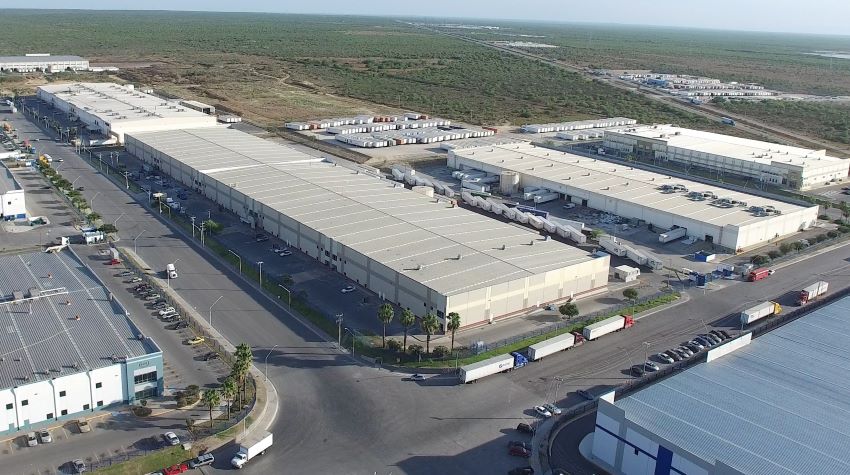
Industrial space is another issue. According to Foreign Affairs Minister Marcelo Ebrard, the Mexican government needs to build 25 industrial parks to respond to the increased demand for industrial buildings driven by nearshoring, before López Obrador’s administration ends in 2024.
Northern Mexico has recently become a hub for businesses looking to nearshore their US operations.
Sergio Arguelles, president of the Mexican Association of Private Industrial Parks (AMPIP), said in a Banorte bank podcast that industrial parks have reached a record occupancy figure of 97% nationwide. Industrial real estate company Fibra Upsite closed Q4 of 2022 with a 100% occupancy rate, a result of nearshoring, according to the company.
On the other hand, the manufacture of electric vehicles requires the consumption of large amounts of electricity, and companies do not currently have any guarantee that they will receive an appropriate supply, due to power shortages in the region.
While the government has expressed interest in encouraging the use of renewable energy to fill the gap, the private sector has its reservations and fears that the promises will not be fulfilled, reported BBC Mundo.
Moreover, some regions of country are experiencing a brutal water shortage that has worsened with droughts in states like Nuevo León, the planned location for Tesla’s megaplant. In mid-2022, people took to the streets to protest because there was not enough water for domestic consumption.
And while industrial water consumption is only 4% of the total, academic researcher José Antonio Ordóñez told BBC Mundo that if the government doesn’t act upon the water shortage problem, water levels in Nuevo León may only last for three more years, in the worst-case scenario.
The situation can be reversed however, if the necessary investments are made to mitigate the effects of water scarcity, he said, something that could actually be sparked by the presence of foreign companies.
In that sense, he said the arrival of Tesla could be an opportunity for the region, saying “Investment could detonate change.”