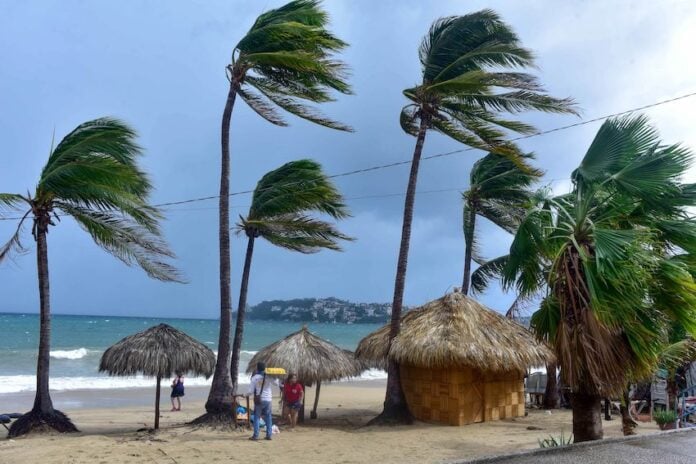
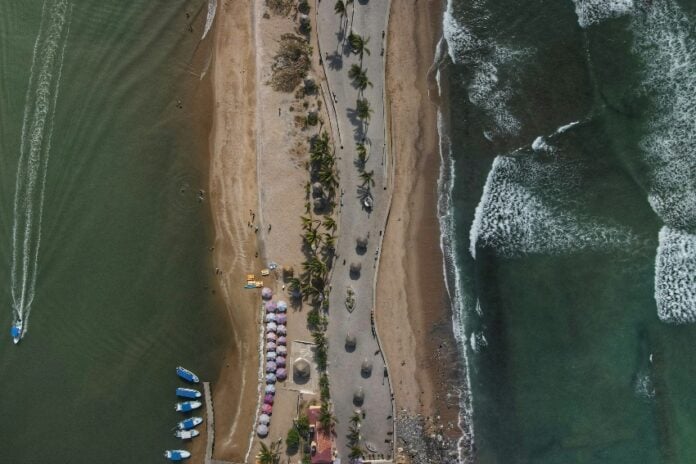
While tropical storms, as well as major hurricanes, are a threat to both of Mexico's coasts, cyclonic activity has been above average in the Pacific and is expected to remain so during the upcomng season. (Carlos Carbajal/Cuartoscuro.com)
State, federal and local governments began coordinating civil protection strategies last week following Wednesday’s presentation of the 2026 hurricane forecast by Mexico’s National Meteorological Service (SMN).
The SMN is predicting from 18 to 21 storm systems in the Pacific Ocean (including 4 or 5 major hurricanes) and between 11 and 15 storms in the Atlantic Ocean (up to 2 major hurricanes).
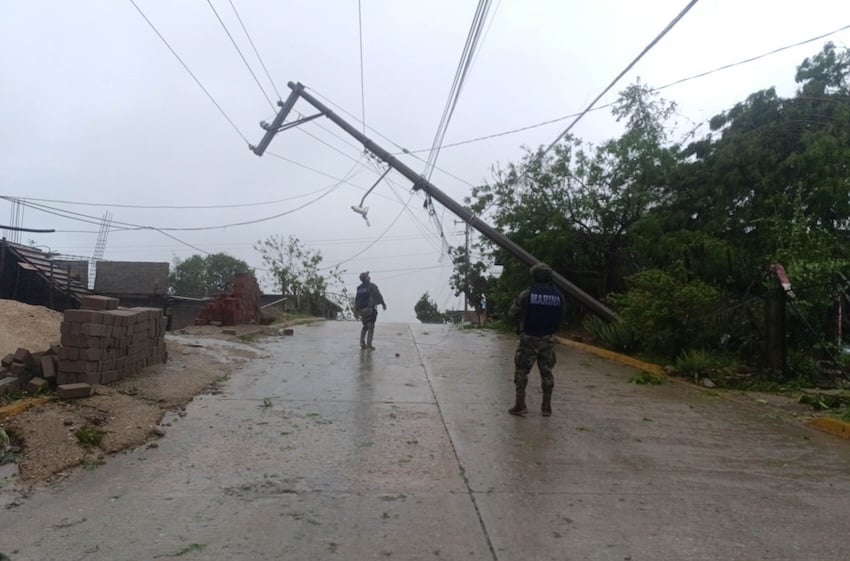
Erick, a Category 3 hurricane, caused extensive damage along the Oaxaca and Guerrero coasts last June. Mexico’s Pacific coast can expect four or five more such major hurricanes during the upcoming hurricane season, according to an official forecast. (Semar/Cuartoscuro)
The forecast for the Pacific Ocean, which reflects above-average cyclonic activity, was broken down as nine to 10 tropical storms, five to six Category 1 or 2 hurricanes and four to five Category 3-5 (major) hurricanes.
The forecast for the Atlantic Ocean, which affects Mexico’s Gulf and Caribbean coasts, sees seven to eight tropical storms, three to five Category 1 or 2 hurricanes and one or two Category 3-5 (high intensity) hurricanes.
Climatology studies from 1991 through 2020 reveal an average of 15 storm systems in the Pacific each year and about 14 in the Atlantic.
Hurricane season in the Atlantic officially begins on June 1, and starts on May 15 in the Pacific.
The SMN also said it is monitoring the El Niño-Southern Oscillation (ENSO) phenomenon, which has the potential to transition into El Niño during the May-July period.
The ENSO is expected to persist and strengthen during the peak of the tropical cyclone season (August to October), with a 25% probability of developing into a very strong El Niño event.
More than 1,200 members of the CNPC participated, including representatives of the 32 state Civil Protection agencies, as well as members of the Defense Ministry, the Navy Ministry and the National Water Commission (Conagua).
At the meeting, CNPC director Laura Velázquez outlined the fundamental pillars of the emergency response plan, the most important of which, she said, is to strengthen storm monitoring capabilities and early warning systems. This will be achieved by continuous surveillance in conjunction with the SMN and Conagua, as well as international organizations such as NOAA (the U.S. National Oceanic and Atmospheric Administration).
Another key strategy is direct mitigation, which will include river cleanup and slope stabilization.
Presently, an early start to hurricane season is not expected, but officials warned that storm activity outside the official period cannot be ruled out. They urge the public to follow civil protection recommendations and pay attention to warnings issued by the relevant agencies.
Perceptions of insecurity have reached their lowest point since Sheinbaum assumed the presidency in October 2024. (Chris Noyola/Cuartoscuro)
Perceptions of insecurity in Mexico have fallen to their lowest level since President Claudia Sheinbaum took office, but around six in ten Mexicans still consider their city an unsafe place to live, according to the results of the latest National Survey of Urban Public Security (ENSU).
Conducted by the national statistics agency INEGI between Feb. 23 and March 13 with adult residents of 27,300 households in 91 urban areas across Mexico, the first quarter ENSU found that 61.5% of respondents consider their city an unsafe place to live.
That figure declined 2.3 percentage points compared to the fourth quarter of 2025 and 0.4 points compared to a year earlier. It is the lowest ENSU result since Sheinbaum took office in October 2024. The incidence of various crimes, including homicides, have declined over the past 18 months.
The first quarter ENSU found that 67.2% of women and 54.6% of men consider their city an unsafe place to live. The figure for women declined 2.2 points compared to the previous quarter and 0.3 points annually. The figure for men fell 2.5 points compared to the fourth quarter of last year and 0.4 points compared to a year earlier.
Perceptions of insecurity surge in Puerto Vallarta
The city in which perceptions of insecurity increased most markedly between the final quarter of 2025 and the first quarter of 2026 was Puerto Vallarta, located on the Pacific coast of Jalisco. The percentage of respondents who consider Puerto Vallarta an unsafe place to live increased to 59.9% in the first quarter of the year from 32% at the end of 2025.
The latest ENSU began the day after Jalisco New Generation Cartel leader Nemesio “El Mencho” Oseguera Cervantes died after being shot in a military operation in Tapalpa, Jalisco. The operation triggered a violent cartel response, including in Puerto Vallarta. The violence in Puerto Vallarta on Feb. 22 appears to be the main reason why the percentage of residents who consider the city unsafe increased almost 28 points from one quarter to the next.
Tepic, the capital of Nayarit, and Zapopan, a municipality in the metropolitan area of Guadalajara, also saw sharp increases in the number of residents who consider the cities unsafe. In Tepic, the figure increased to 53.9% from 37.9% in the final quarter of 2025, while in Zapopan it rose to 70.8% from 54.7%.
Which cities have the highest percentages of residents with personal security concerns?
INEGI reported that 92.1% of residents of Irapuato, Guanajuato, consider their city an unsafe place to live. Known as “the strawberry capital of the world,” Irapuato was the city with the highest percentage of residents with personal security concerns, up from fifth in the final quarter of 2025.
The only other city that more than 90% of residents consider unsafe is Guadalajara, which was also affected by violence after “El Mencho” was killed. According to the results of the latest ENSU, 90.2% of residents of the Jalisco capital consider the city unsafe.
After Irapuato and Guadalajara, the cities with the next highest percentages of residents with personal security concerns in the first quarter of 2026 were:
Ecatepec, México state: considered unsafe by 87.6% of surveyed residents of the densely populated municipality that adjoins Mexico City.
Uruapan, Michoacán: considered unsafe by 86.7% of surveyed residents. Uruapan had the highest percentage of residents with security concerns in the final quarter of 2025, a period in which the city’s mayor was murdered.
Reynosa, Tamaulipas: considered unsafe by 86.1% of survey respondents who live in the northern border city.
The other cities considered unsafe by more than 80% of surveyed residents were Culiacán, Sinaloa; Ciudad Obregón, Sonora; Chilpancingo, Guerrero; Cuernavaca, Morelos; Villahermosa, Tabasco; Cuatitlán Izcalli, México state; Puebla city; Chimalhuacán, México state; and Naucalpan, México state.
Which cities have the lowest percentages of residents with personal security concerns?
The cities with the lowest percentages of residents with personal security concerns in the first quarter of 2026 were:
San Pedro Garza García, an affluent municipality in the metropolitan area of Monterrey, Nuevo León: 4.4%
Piedras Negras, a border city in the northern state of Coahuila: 12.9%
Benito Juárez, one of the 16 boroughs of Mexico City: 16.4%
Saltillo, the capital and largest city in Coahuila: 16.7%
San Nicolás de los Garza, another municipality in the metropolitan area of Monterrey: 19.4%
The places where Mexicans most commonly feel unsafe
Almost 71% of ENSU respondents reported feeling unsafe while using ATMs on the street, while 65% expressed security concerns about walking on the streets they regularly use.
Just over 64% of those surveyed said they felt unsafe traveling on public transport, while 60% expressed concerns about traveling on highways.
More than 54% of respondents said they felt unsafe at the bank.
The percentages were higher among women than among men in all those places — and several others, including the home and the workplace.
Among the respondents who reported having seen or heard criminal activity or anti-social behavior near their homes in the first quarter of 2026, almost six in 10 said they had observed people drinking in the street.
More than 45% of respondents reported having witnessed a robbery or mugging, and around four in 10 told INEGI they had seen people buying or using drugs.
More than 38% of those surveyed said they had witnessed homes or businesses being vandalized, and 36.5% reported having heard frequent gunshots.
Just under one-quarter of respondents said they had witnessed some kind of gang activity near their home.
Opinions on Mexico’s security forces
The Mexican Navy is the country’s most effective security force, according to the results of the latest ENSU. Just over 87% of respondents said they believe the Navy is very or somewhat effective in preventing and combating crime.
More than 85% of those polled said the same about the Mexican Army, while the figures for the Air Force and the National Guard were 84.9% and 77%, respectively.
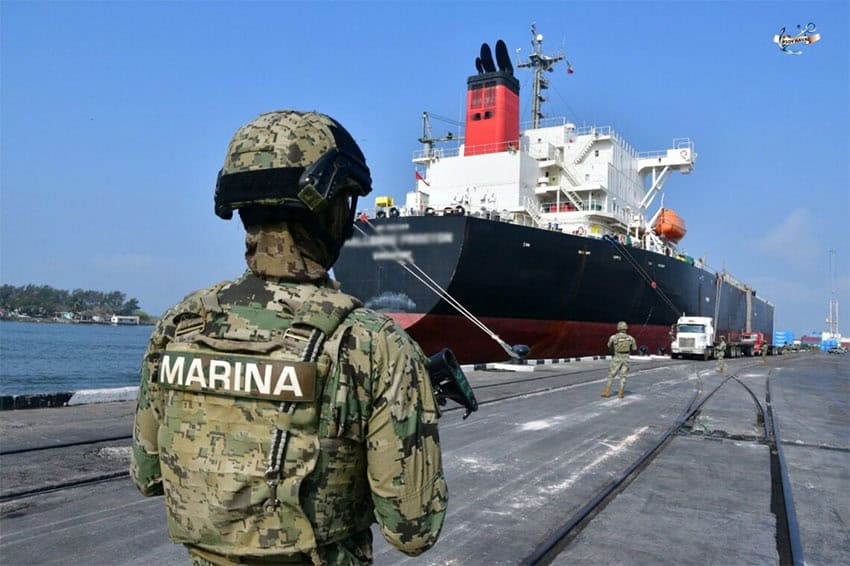
A Navy seaman stands guard after a recent fuel smuggling bust in Tamaulipas. (Semar)
Just over 56% of respondents said that state police forces are very or somewhat effective in preventing and combating crime, while 50.8% said the same about municipal police.
Citizens’ security expectations
Around one in three survey respondents (30.1%) said they expected the security situation in their city to remain “just as bad” during the next 12 months, while 27.1% predicted a deterioration.
Almost a quarter of respondents (24.7%) said they expected security to improve in their place of residence during the next 12 months, while 17% anticipated that the situation would remain “just as good” as it currently is.
Mexican communities in destinations like Tulum must deal with high prices exacerbated by tourists and foreign residents moving in. (Spencer Watson/Unsplash)
Over the last decade, many Mexican households have seen a steady squeeze. Wages haven’t kept pace with the rising cost of essentials, and the result is a stealthy theft of time as well as income. From 2016 to 2026, official data from INEGI, Mexico’s National Institute of Statistics and Geography, show sustained price increases in housing, food and transport that in many places exceeded income growth.
The presence of foreigners has long been a boon to Mexico’s economy, no question. There are many places in Mexico that depend on international tourism and suffer when foreigners choose not to visit. But just as undoubtedly, there has been another, trickier, dynamic at play in Mexico for a while now, one that has existed at the same time that Mexicans have been experiencing this economic squeeze: the presence of foreigners arriving in greater and greater numbers into their neighborhoods — frequently with access to much more powerful currencies that can drive up the cost of living.
Virtually any resident of Mexico City will attest that the cost of living has increased significantly in recent years. (Cuartoscuro)
How Mexican households are coping with less buying power
For households working in the informal sector, for lower-paid formal employees and for families with little or no savings, that squeeze has translated into familiar coping strategies, including taking on extra paid work, moving to cheaper neighborhoods farther from jobs and services and accepting longer, costlier commutes.
Each strategy buys only limited breathing room and carries the cumulative costs of worse nutrition, less time for childcare and study, more stress and illness and fewer opportunities for training or entrepreneurship.
The squeeze is as much about time as it is about money.
A household that retains a similar standard of living by adding work hours or commuting an extra two hours daily loses time for family, rest and civic participation. That time poverty compounds economic hardship, as exhausted students and workers perform worse in school and employment, are less likely to save and have reduced capacity to engage in the local civic life that sustains neighborhoods.
The good and bad influences of foreigner money in Mexican communities
Foreign spending isn’t the sole driver of these trends, but it does bring with it a mix of clear benefits and challenges.
Pensions, remote salaries and tourist spending bolster local restaurants, markets, tour operators, construction crews and craftspeople. For many small businesses, customers with higher discretionary incomes are a lifeline that preserves jobs and supports services in the community. New investment can also spur infrastructure upgrades and improved amenities that benefit residents and visitors alike.
A higher cost of living in places like Aguascalientes, a city of around 860,000 inhabitants in central Mexico, is one way Mexican households get squeezed. Diminishing rental options is another. (Shutterstock)
At the same time, external demand reshapes incentives in real estate markets.
Furnished short-term rentals and second-home sales generally yield higher returns than long-term leases, so property owners and developers often pivot toward the most profitable uses. Where long-term units are scarce and demand by short-term clients is high, landlords prefer to turn their properties into vacation rentals or short, high-return stays.
Furthermore, investors in new properties who see steady external demand may design their new developments for buyers seeking second homes or rental income rather than for locals’ rental needs, especially if that external demand is coming from wealthier clients.
The measurable outcome is a shrinking long-term rental supply and faster price growth in neighborhoods attractive to newcomers.
Similar development patterns
Three local patterns here in Mexican cities illustrate how these development dynamics play out.
Tulum has rapidly transformed from a quiet beach town populated by locals to a new-construction hotspot, driven by international tourism and buyers seeking vacation properties. Numerous units have been marketed as second homes or converted to short-term rentals, tightening the long-term-resident supply and pushing the many locals who are hospitality and service workers to commute to their jobs from neighboring towns.
Those longer commutes translate into higher transportation costs and lost time, both of which act like a silent, persistent tax on household budgets.
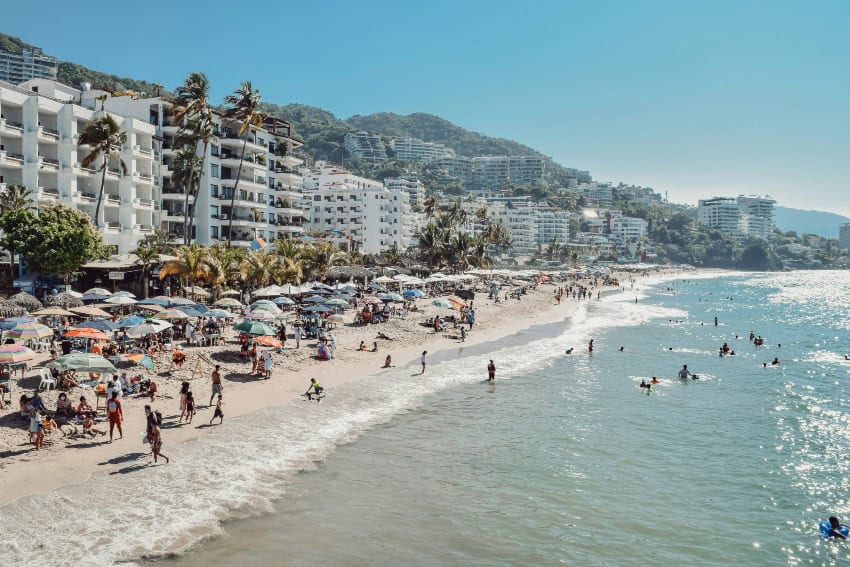
Decades of foreign residents and seasonal vacationers have raised demand for housing in Puerto Vallarta. (Nicole Herrero/Unsplash)
Decades of retirees and seasonal residents have raised demand for higher-end housing and services here, and property owners increasingly find that providing furnished short-term leases is more profitable than offering traditional long-term rentals.
The local economy benefits from tourism revenue, absolutely, but service workers and small-business employees find their living costs rising faster than wages. City debates over short-term rental regulation reflect a core tension between how to preserve tourism income while maintaining housing access for residents.
Historic central neighborhoods in Mexico City, such as La Roma and Condesa, offer a microcosm of displacement at urban scale.
Measuring the human costs
Demand for walkable, culturally vibrant areas has attracted boutique accommodations, cafes and tourist-oriented retail. Landlords raise rents or convert apartments to tourist uses, and long-time residents and lower-paid workers are often pushed to peripheral districts.
The result is both material loss in affordable housing and communal loss in weaker neighborhood ties and fewer everyday services.
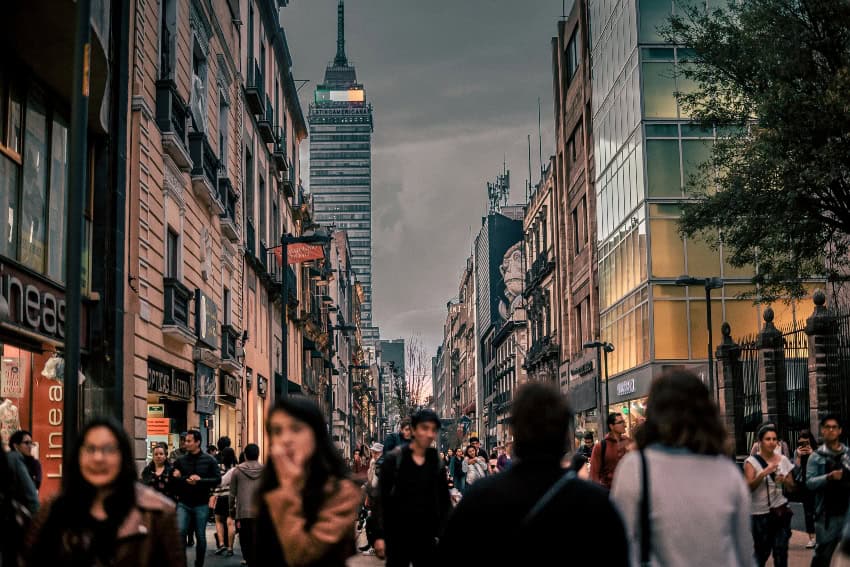
Due to external demand for housing in Mexico City’s more fashionable neighborhoods, longtime residents often find themselves pushed to the city’s periphery. (Jezael Melgoza/Unsplash)
The human costs are tangible.
When families stretch budgets by cutting nutritious food or by adding paid hours, children’s school performance and long-term health can suffer. Long commutes eat into time for childcare, leisure and informal support networks. They also raise transport costs, particularly where public transit is limited and owning a car becomes effectively necessary for accessing better jobs.
These cumulative burdens reduce the ability of households near the margin to save or invest in the future.
What to be aware of when moving to Mexico
Foreign newcomers to Mexico who want to minimize harm can make choices that preserve housing stock and local social fabric.
Renting long-term rather than purchasing units to convert into short-term listings helps maintain the supply of homes for residents. Shopping at local markets and hiring neighborhood services directs spending into the local economy. Engaging with neighborhood associations, rather than acting solely as consumers of local amenities, can support balanced development. Choosing less touristy neighborhoods when possible reduces concentrated pressure on hot spots.
Public policy also matters.
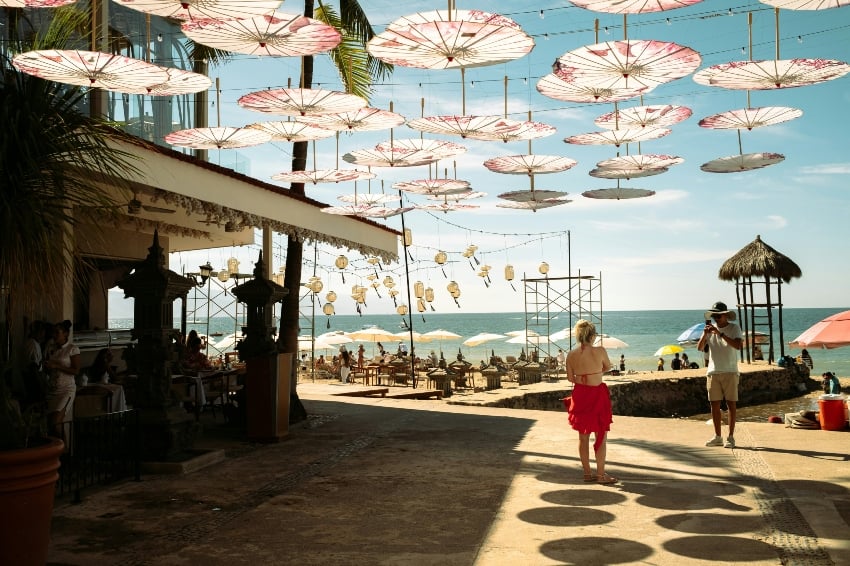
Understandably, foreign residents want to live in beautiful places like Puerto Vallarta. Striving to be good neighbors, however, can help keep these places beautiful — and accessible — for everyone. (Doug Golden/Unsplash)
Cities can regulate and register short-term rentals to ensure tourism income doesn’t hollow out long-term housing supply.
How government can minimize effects on vulnerable households
Incentives for building affordable rental housing, streamlined permitting for resident-oriented projects, targeted rental assistance and food-price stabilizers can protect vulnerable households. Improving public transit and active-transport infrastructure reduces the need for private vehicles and shrinks commuting time, while wage policies that lift real incomes help households cope without resorting to precarious strategies.
The inflow of foreigners isn’t going to stop. Mexico’s climate, culture and relative purchasing power will continue to attract people from abroad, so informed optimism is the best strategy.
Enjoy what Mexico offers, of course, but remain mindful of how housing markets, services and neighborhood life can change.
Charlotte Smith is a writer and journalist based in Mexico. Her work focuses on travel, politics, and community. You can follow along with her travel stories at www.salsaandserendipity.com.
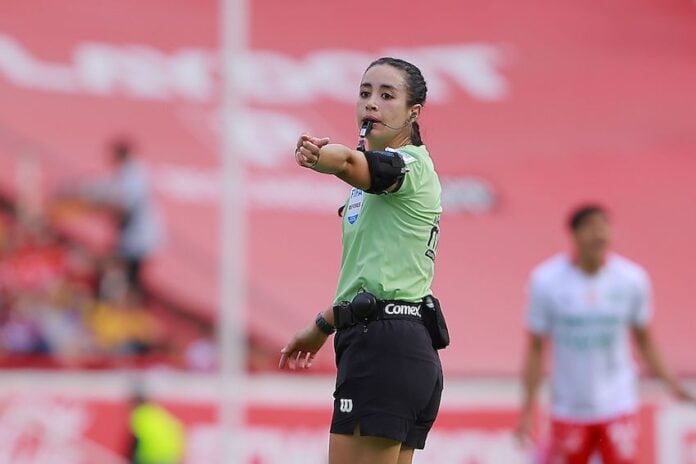
García, 32, will be working her first men’s World Cup, but the Mexico City native has had major women’s soccer assignments, notably the 2023 World Cup in Australia and New Zealand and the 2024 Summer Olympics in Paris. (César Gómez/Cuartoscuro)
Katia Itzel García will make World Cup history this summer as the only woman appointed as a main referee from Mexico — and one of just two women among 52 main referees selected worldwide.
Last week, FIFA published the names of 52 referees, 88 assistant referees and 30 video officials for the expanded World Cup, which will be played in Mexico, the United States and Canada through July 19. (Previously known as a linesman or lineswoman, an assistant referee works the sidelines and mainly calls offsides violations.)
The 170-member officiating crew (including seven Mexicans) is the largest in tournament history. That’s because there will be 48 teams participating in 104 matches this year, up from the 32 teams playing 64 matches in the previous seven men’s World Cups.
This year, Mexico will have two of the 52 main (or center) referees, matching the totals for the United States, England and France, and trailing only Argentina and Brazil, which each have three.
In addition to García, the other main referee from Mexico is César Ramos, 42. The native of Culiacán, Sinaloa, has been a referee in Mexico’s top men’s pro league, Liga MX, since 2011 and has worked World Cups in Russia (2018) and Qatar.
García, 32, will be working her first men’s World Cup, but the Mexico City native has had major women’s soccer assignments, notably the 2023 World Cup in Australia and New Zealand and the 2024 Summer Olympics in Paris.
Also in 2024, she became the first woman to referee a U.S. men’s national team match, wearing the whistle for a USA-Panama friendly in Austin, Texas.
Joining García in the milestone department this year will be Tori Penso, 39, of Florida, who will become the first American woman to work as a head referee in a men’s World Cup.
In all, there will be six female officials in this summer’s World Cup: two main referees, three assistant referees and one who will be doing video reviews.
“We are going to go and kill it. There is no other way,” said one of the assistant refs, Sandra Ramirez, 37, of Guadalajara.
The full list of officiating assignments can be viewed here.
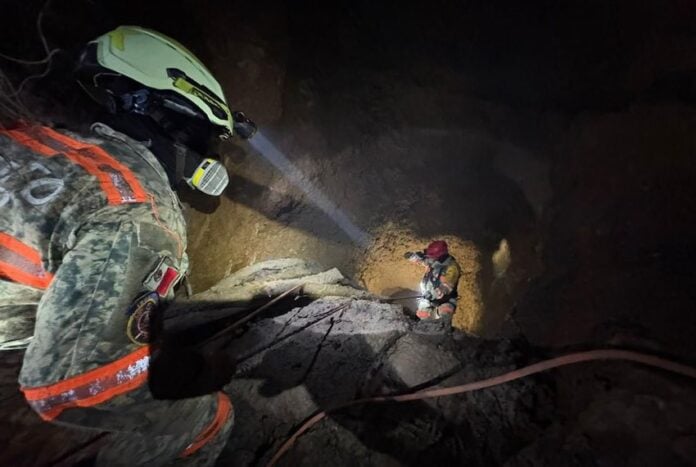
Twenty-four other miners were working inside the mine at the time, but four — Beltrán among them — were too deep inside to escape. Two of the trapped miners were rescued alive. (CNPC)
The body of the fourth and final miner trapped in a mine in the northern state of Sinaloa was located early Monday morning.
The victim, mine supervisor Leandro Isidro Beltrán, 54, was approximately 350 meters below the surface inside the Santa Fe mine when a tailings dam collapsed on March 25, flooding the mine with water and debris.
Twenty-four other miners were working inside the mine at the time, but four — Beltrán among them — were too deep inside to escape.
A massive rescue effort, eventually involving state and federal authorities and emergency personnel — more than 300 people in all — began the following day.
The discovery of Beltrán’s body comes 33 days — or 783 hours — after the accident at the mine operated by Industrial Minera Sinaloa.
A statement from the rescue team’s Unified Command said the body was found around 2:15 a.m. local time and it was “awaiting instructions from state agents to carry out the recovery process, in accordance with the required technical and legal requirements.”
The statement said the entire operation involved 389 members of various federal and state institutions, including the Defense Ministry, the Navy Ministry, the National Coordination of Civil Protection (CNPC), the Federal Electricity Commission (CFE) and Sinaloa state agencies, as well as personnel from the mine itself.
Rescuers worked around the clock to clear the entrances and tunnels of mud and tailings (mining waste), while searchers and divers descended into the mine.
The CFE installed an extraction system that pumped out 34,000 liters of water per hour, and workers reinforced the walls with plywood sheets and cement mixtures. In addition, divers, search dogs and a team using probes and cameras were working in the area to establish the minimal visibility within the brown mass and make contact with the trapped miners.
Following the announcement of the discovery of the body, the federal government and local authorities reaffirmed their commitment to providing support and assistance to the Beltrán family, under the supervision of CNPC director Laura Velázquez.
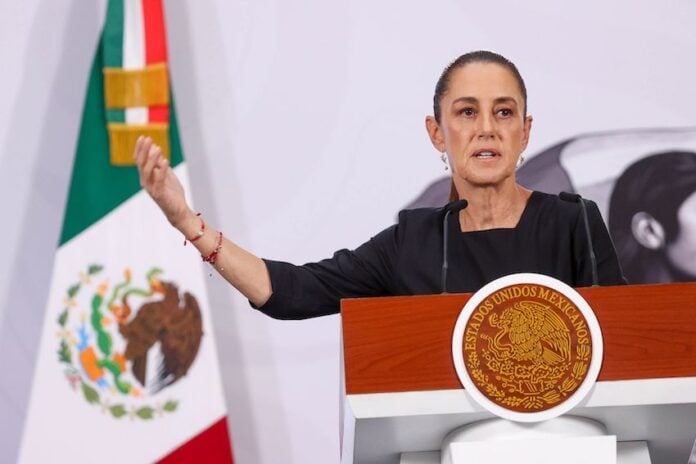
Sheinbaum said on Monday that the Ministry of Foreign Affairs sent a letter to U.S. Ambassador to Mexico Ron Johnson demanding that the United States comply with the rules of Mexico's constitution and National Security Law. (Moisés Pablo/Cuartoscuro)
Sheinbaum’s mañanera in 60 seconds
🔫 Correspondents’ Dinner shooting: Sheinbaum condemned political violence and said Mexico was the first country to send Trump a solidarity message after Saturday’s shooting at the Washington Hilton.
🇺🇸 CIA raid fallout: After CIA officers allegedly joined a drug lab raid in Chihuahua without federal knowledge, the government of Mexico sent a protest note to U.S. Ambassador Ron Johnson in which it said it expects the participation to be a one-time exception.
⚖️ Anti-corruption pushback: Responding to a report of a U.S. anti-corruption campaign targeting Mexican officials, Sheinbaum pushed back: fighting corruption in Mexico is Mexico’s job, and Washington should focus on cleaning up its own house.
Today’s mañanera was also significant as Sheinbaum addressed issues related to the Mexico-U.S. relationship. As usual, the president presented a staunch defense of Mexican sovereignty. However, that sovereignty appears to have been violated this year by alleged U.S. involvement in security operations in northern Mexico without the knowledge of the Mexican government.
Sheinbaum responds to Correspondents’ Dinner shooting
Asked about the shooting on Saturday at the Washington Hilton Hotel while Trump was attending the White House Correspondents’ Dinner, Sheinbaum spoke out against politically-motivated violence.
“We must always oppose violence, especially political violence,” the president said.
“… Democracy is the way to resolve differences,” Sheinbaum added.
“So we can never support a violent act and that’s why we were the first country to put out a message of solidarity [with Trump],” she said.
Qué bueno que el presidente Trump y su esposa se encuentren bien, tras los recientes acontecimientos. Le enviamos nuestro respeto. La violencia no debe ser nunca el camino.
— Claudia Sheinbaum Pardo (@Claudiashein) April 26, 2026
“Essentially what we said [in the letter] is that we’re working with very good coordination [with the United States] based on the [security] understanding we reached,” she said.
Sheinbaum noted that the bilateral security understanding is premised on “respect for the sovereignty of both countries.”
“They agree with that. … So what we set out is that the federal government wasn’t aware of the participation of these people [in the operation in Chihuahua] and we hope it’s an exception,” she said.
“That from this time on … the rules of our constitution and the National Security Law are complied with,” Sheinbaum said.
She said that the U.S. government “agrees” that they need to comply with the Mexican Constitution and Mexican laws. Sheinbaum subsequently expressed confidence that U.S. participation in a security operation on Mexican soil won’t be repeated.
According to a report published by The Los Angeles Times last week, CIA operatives have joined authorities in Chihuahua in operations against drug targets on at least three occasions this year.
Sheinbaum has assigned most of the blame for the apparently secret, allegedly illegal security collaboration between Chihuahua and the United States to the Chihuahua government, although she also stressed that U.S. authorities have questions to answer.
Sheinbaum: Mexican authorities are responsible for the fight against corruption in Mexico
A reporter asked the president about a Los Angeles Times report published on Sunday under the headline “U.S. may soon target Mexican politicians in anti-corruption campaign.”
Citing “sources familiar with the bilateral relationship,” the L.A. Times reported that anti-corruption remarks made by Ambassador Johnson in Sinaloa last week “mark the launching … of a wide-ranging anti-corruption campaign by the Trump administration targeting Mexican officials suspected of having links to organized crime.”
Sheinbaum stressed that “the fight against corruption” in Mexico is the responsibility of the Mexican government, the Federal Attorney General’s Office and state Attorney General’s Offices.
She suggested that the U.S. government should concern itself with combating corruption in the United States.
“[Corruption] is not just a matter for Mexico,” Sheinbaum said.
By Mexico News Daily chief staff writer Peter Davies (peter.davies@mexiconewsdaily.com)
April has been an eventful month in Guadalajara, as water, politics and voter discontent collide. (Fernando Carranza García/Cuartoscuro)
Major news this week in La Perla Tapatia includes continuing water challenges on the city’s east and south sides, a citizen petition to recall Guadalajara’s mayor, and a flurry of new rules for local drivers.
Water scarcity fraying daily life in eastern Guadalajara
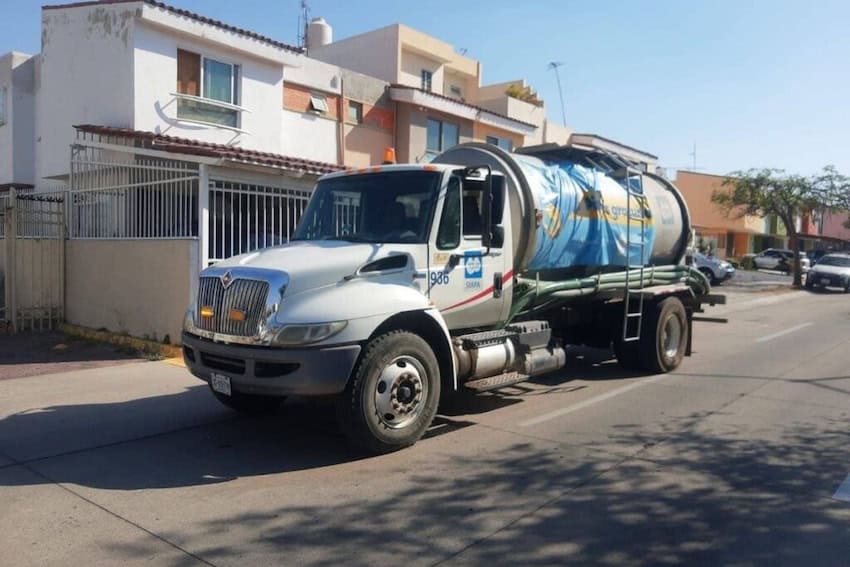
SIAPA, Guadalajara’s municipal water authority, is struggling with several challenges that are affecting residents water supplies. (gob.mx)
Following the Semana Santa break, at least six schools located in eastern Guadalajara were forced to make attendance at in-person classes optional due to a lack of water in the school buildings and surrounding homes.
Residents of Oblatos, Santa Rosa, Santa Cecilia, San Onofre, Guadalajara Oriente, and San Vicente complained to local news outlets Canal 44 and Radio UdG that they had been living without water in their homes for days.
At the José Clemente Orozco elementary school, a lack of water prevented students and staff from attending to basic hygiene, such as flushing toilets and washing hands in bathrooms. While delivery service from water trucks had been requested, nearly a week had elapsed with no deliveries. Parents with children attending the affected schools were given the option of keeping their children at home until water service was restored.
Guadalajara’s public water utility (SIAPA) acknowledged the service cut was due to unplanned maintenance on a storage tank in the Oblatos neighborhood, which distributes water to various communities on the city’s east side. A deep cleaning of the tank is expected to improve water quality and pressure for area residents once completed.
Meanwhile, south of the city in El Salto, immediately east of Guadalajara’s international airport, residents blocked the El Verde–El Castillo highway for almost 12 hours last week to protest the lack of running water.
Residents there complained that for the past three years, they have received water service for just half an hour a day. They accused SIAPA of prioritizing supply to new housing developments over existing neighborhoods, with capacity insufficient to supply all areas simultaneously.
A push to recall Guadalajara’s mayor
Mayor Veronica Delgadillo García. (Veronica Delgadillo/Instagram)
In an effort to hold the ruling Citizens’ Movement (Movimiento Ciudadano) party responsible for the city’s mounting unsolved challenges, Guadalajara resident Hugo Lupercio filed a petition last week to recall Mayor Veronica Delgadillo García.
For now, the gesture is largely symbolic, as the state of Jalisco does not have the legal framework to proceed with recalling sitting elected officials via a citizen-led campaign. But that could change.
In conjunction with Lupercio’s petition, two state deputies affiliated with the opposition Morena party launched an initiative seeking to change state election rules. In addition, Erika Pérez García, the president of the Morena State Committee of Jalisco, came out in strong support of the petition.
“The course of Jalisco is not defined by a government, but by … a united, informed, and participatory populace. It is the only force capable of transforming what is not working and building the state it deserves,” Pérez García told local newspaper El Occidental.
It’s not difficult to understand how this campaign emerged at such a crucial time for Guadalajara. Pressure has been building for months as the city readies itself to welcome a multitude of international visitors for the four games it’s hosting as part of the 2026 FIFA World Cup.
Public discontent is running high over unfinished construction projects, worsening air quality, a widening measles outbreak, and numerous examples of government waste on impractical beautification projects tied to World Cup preparations.
These newer headaches have compounded longstanding frustrations over pothole-plagued streets, perpetual traffic jams on most major roads, rapidly rising living costs and the lack of progress in finding thousands of disappeared Jalisco residents.
But the straw that undoubtedly broke the camel’s back is the city’s ongoing and worsening water crisis, which defies easy or quick solutions and has triggered a wave of local protests in recent months.
Mayor Delgadillo, for her part, dismissed the recall effort as a little more than a political stunt.
New fines, requirements for Jalisco drivers with out-of-state plates
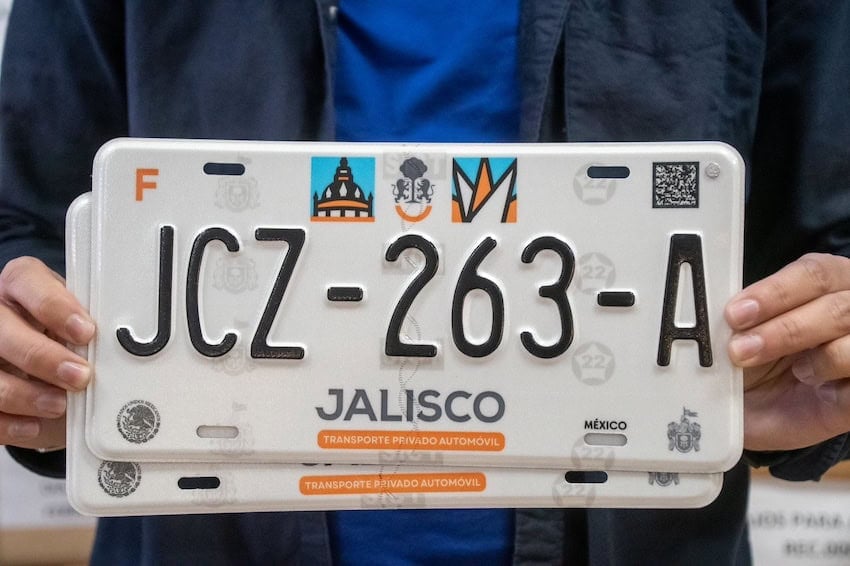
The new Jalisco license plates will be mandatory for all residents of the state. Visitors from outside of Jalisco will need to apply for a permit. (Government of Jalisco)
Jalisco’s state government is cracking down on vehicles with out-of-state license plates with a slew of new fines. The move, intended to crack down on local drivers circulating with illegal plates and visitors who fail to pay fines incurred in Jalisco, also has the potential to ensnare unsuspecting tourists from neighboring states.
The first change involves a new tax cooperation agreement with neighboring Guanajuato to ensure the collection of fines and outstanding debts.
This new agreement, which takes effect in May 2026, will initiate data sharing between the two states so that driving violations and fines incurred in Guadalajara by out-of-state drivers can be collected in Guanajuato, where drivers are registered. A similar arrangement is reportedly coming soon between Jalisco and Michoacán.
What else is changing for drivers with out-of-state plates:
Temporary Stay Permits are now mandatory. Vehicles with out-of-state license plates circulating in the Guadalajara Metropolitan Area must carry a “Temporary Stay Permit.”
The permit is free but has a maximum validity of 20 to 30 calendar days every six months. Exceeding the stay window or failing to comply with environmental verification rules carries fines ranging from 1,131 to 2,375 pesos. Vehicles with out-of-state license plates without a valid temporary permit could also be subject to impoundment.
License plate frames are prohibited. If vehicles use a license plate frame that obstructs the visibility of any element of the license plate, which are widely sold at area retailers, they are subject to hefty fines of up to 20,000 pesos.
Old license plate designs must be replaced. License plates with designs prior to 2019 (“Maguey”, “Gota”, “Minerva”) are no longer permitted. As of press time, it is unclear what type of fines will be applied in these cases.
MND Writer Dawn Stoner is reporting from Guadalajara.
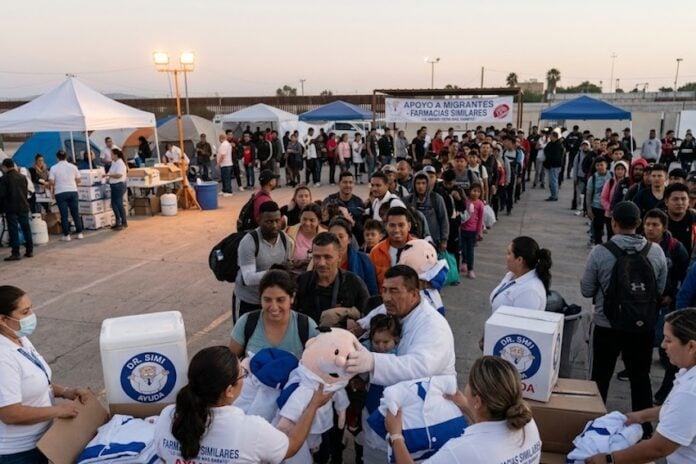
MEXICO CITY — Following Heineken’s widely praised “Welcome Back, Paisano” campaign, Farmacias Similares announced Monday that it too will offer employment to Mexicans repatriated from the United States, through an expanded Dr. Simi costume performer programme it described as “a great opportunity for people who have proved their positive outlook, extreme endurance and willingness to do whatever it takes to succeed.”
The program, dubbed “Bienvenido a Casa, Paisano — Ahora Baila,” will place returning Mexicans in Dr. Simi foam costumes outside Farmacias Similares locations across the northern border region, where they will dance continuously for four-hour shifts to attract customers.
A potential victim of the scheme surveys a Dr. Simi suit. (Farmacías Similares/Instagram)
“These are people who crossed deserts, built cities, and survived the American immigration system,” said a Farmacias Similares spokesperson. “They are more than qualified to wear the costume.”
The costume, which weighs approximately 8 kilograms and maintains an internal temperature that employees describe as “challenging,” will be provided at no cost to the worker. The dancing style is unspecified but must, per company guidelines, be “joyful, continuous, and visible from the road.” Workers are permitted to stop dancing during earthquakes and during official government emergencies. They are not permitted to stop during rain.
The campaign’s creative brief describes deportation as “not an ending but a new choreography,” a line that the copywriter has since asked to have removed from their portfolio.
Farmacias Similares confirmed that Dr. Simi’s own extensive international experience — having been thrown at concert stages in at least fourteen countries — gives the mascot a unique credibility as a symbol of cross-border resilience. “Dr. Simi knows what it is to travel far from home and land somewhere unexpected,” the spokesperson said. “He relates to these people on a personal level.”
Phase One of the program will create 34 positions. There are approximately 160,000 repatriated Mexicans currently in the border region. Farmacias Similares said Phase Two was under development and would be announced “when the costumes are ready.”
A resident shares the rhythms of small town life in a Jalisco beach town. (Normando Mariscal/Unsplash)
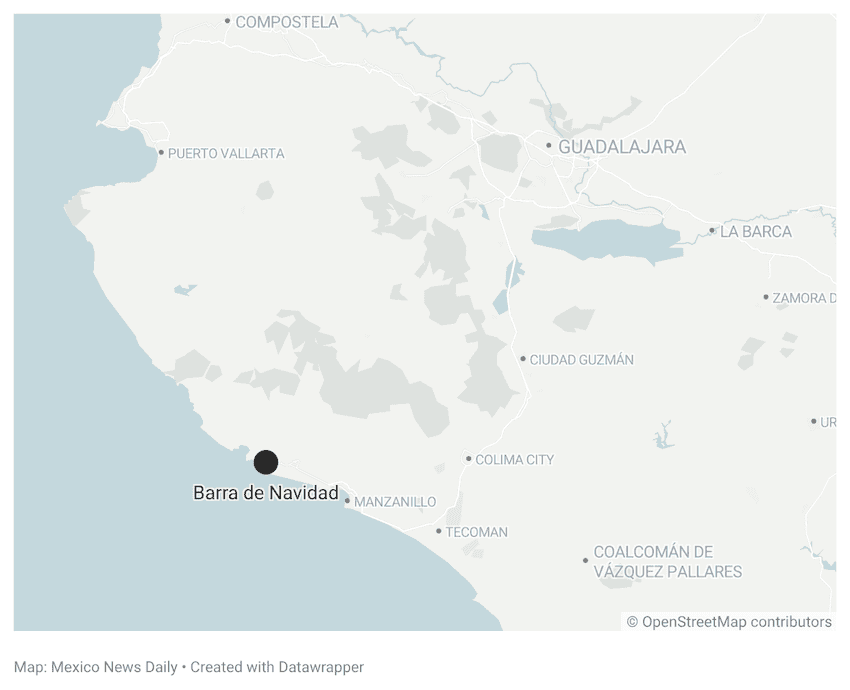
Over the last 10 years, my wife Victoria and I have been residentes permanentes in Barra de Navidad, and we have had the quiet privilege of watching this small Jalisco town change in the way a shoreline changes. Not abruptly, not with drama, but grain by grain. One day, you notice a new building where a coconut tree once leaned, or a parking spot that used to exist only in theory but is now occupied by three vehicles and a golf cart that seems to believe it is also a vehicle.
The most obvious shifts are the construction projects. They rise slowly, like determined mushrooms after a rainstorm: new houses, renovations, clever attempts at turning yesterday’s fishing house into tomorrow’s boutique lodging. Along with the buildings arrive the seasonal migrations of our northern friends, the snowbirds who have wisely decided that ice on a windshield is a design flaw in the universe.
High season in Barra
Barra de Navidad, like other small Mexican towns, has become a preferred sanctuary, and to be fair, it is not difficult to understand why. A person who has spent several months staring at snowbanks the size of small livestock would naturally feel a kind of spiritual awakening upon encountering warm sand, fresh fish and a margarita that arrives without requiring a shovel. Thus arrives the high season.
High season in a small town is an interesting phenomenon. For roughly four to six months, Barra undergoes a seasonal costume change. The town that normally strolls becomes one that hustles. Streets that were once leisurely pathways become lightly competitive traffic corridors where pedestrians, cars, bicycles, dogs and the occasional rooster all negotiate their rights of passage with admirable diplomacy. The sidewalks, where they exist, become a philosophical exercise, as one must consider angles, timing and sometimes mild acrobatics. Navigating them can feel less like walking and more like participating in a slow-moving chess match with parked scooters.
Of course, the positive side is undeniable. The arrival of seasonal visitors brings a healthy infusion of capital into the town. Restaurants fill, tiendas sell more goods, fishing charters depart with cheerful regularity and many local families find their most productive months of the year unfolding before them.
This economic rhythm is important because during the summer months, the pace of commerce softens considerably. When the heat deepens and the rains arrive, the town exhales, and the cash registers do as well. High season helps balance that equation. One could say the town works hard for a few months so that it may relax for the rest of the year. Yet with prosperity comes a certain … density.
Those of us who have grown fond of the slower texture of life here notice the difference immediately: A simple walk down the street, which in the low season allows ample time for daydreaming, greeting neighbors and examining the philosophical posture of sleeping dogs, becomes a more structured activity. One must pay attention to traffic, music, conversations in three languages and the occasional enthusiastic golf cart that appears to be piloted by optimism rather than braking power.
Then there is the matter of sound.
The sound of the slow season
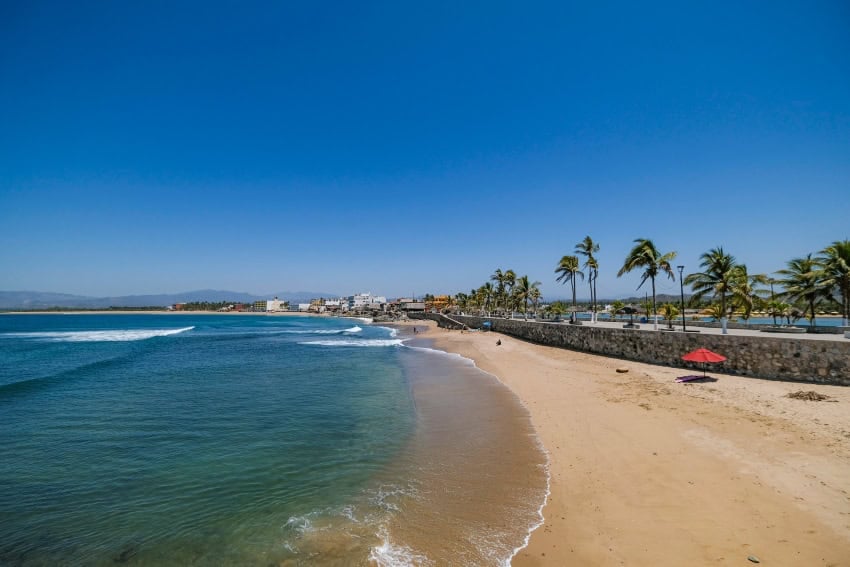
It looks quiet now, but wait until the high season. (Alfonso Hernández M./Mexico Ruta Mágica)
In the quieter months, Barra produces a gentle soundtrack. The ocean murmurs, a fishing boat motor coughs awake in the early morning, someone sweeps the street in front of the house and a distant radio hums politely in the background. High season, however, introduces what might best be described as a cultural symphony.
Music flows from restaurants, bars, passing cars and beach speakers. Rock competes with ranchera, salsa dances with country music and, somewhere, a Jimmy Buffett song bravely attempts to hold its ground. The result is a cheerful cacophony — not unpleasant exactly, but certainly ambitious.
In fairness, the seasonal visitors cannot be held solely responsible for the increased decibel levels. Our local residents are capable of producing impressive musical enthusiasm. The difference seems to be that during high season, restaurants and bars become a little more relaxed about the volume knobs when their northern guests are enjoying dinner or a round of drinks. It is as if the music itself senses an international audience and rises to the occasion.
Still, despite the bustle and the sonic enthusiasm, the town never completely loses its character. Barra remains at heart a fishing village with a deeply relaxed soul. Fishermen still head out before sunrise, neighbors still greet each other in the street and the lagoon still reflects the same evening light it always has.
A well-developed daydream
For my part, I confess to having a particular affection for the low season. When the snowbirds gradually migrate north again and the last Canadian charter disappears into the clear skies, the town then settles back into its natural rhythm. The streets breathe, the restaurants return to a conversational volume, and the sidewalks regain their spacious discovery. Walking becomes walking again rather than a small urban expedition.
In those quieter months, one can hear the subtle things that make a place like Barra special. The slap of water against the boats in the lagoon. The distant laughter of children somewhere down the street. The soft hum of a ceiling fan in an open doorway. Life slows to a tempo that encourages reflection, observation and the occasional well-developed daydream. And for those of us who enjoy such things, a peaceful fishing village returning to its normal rhythm is a rather wonderful place to be.
There is another small ritual that becomes more common during the high season: the simple pleasure of inviting a couple of friends over for food. Nothing elaborate, a pot of something simmering on the stove, a few chairs gathered around a table that has seen better days but still performs admirably and the quiet expectation that the evening will unfold at its own pace.
The circle widens
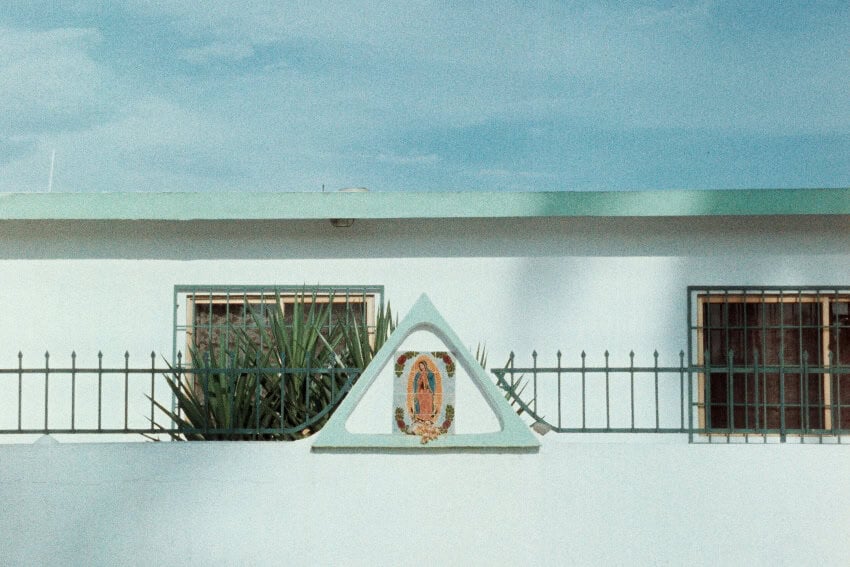
Life in Barra has its signature tempos, recognizable to residents, and also its iconic hues.
Often, after some lively exchange of stories, opinions and the occasional declaration that sounds much wiser after the second glass of wine, a leisurely activity appears. Sometimes it is a modest game of cards; on other afternoons, someone suggests Mexican Train, that great democratic equalizer where strategy, luck and mild stubbornness all play their roles.
These gatherings happen more frequently during the high season, because many of our friends return to town, and suddenly the circle widens again. Familiar faces reappear, greetings take longer and conversations pick up where they left off months earlier, as though they had only paused briefly while everyone went north to shovel snow or attend grandchildren’s recitals. Yet there is an interesting contrast within these visits.
For those of us who live here full-time, an evening together often carries a different tempo. We are not passing through the season; we are inhabiting it, and our days do not contain the same sense of urgency. There is no schedule of excursions to complete before spring arrives, no checklist of restaurants that must be visited before departure, no carefully arranged calendar where every afternoon seems to promise another gathering, another happy hour, another invitation.
Our friends who return each winter often arrive with social calendars that would impress a visiting diplomat: breakfast here, beach walk there, lunch with new friends, cocktails at sunset, dinner somewhere else entirely. One could become exhausted just reading the itinerary.
It is understandable, of course. When a person has only a few months in paradise, there is a natural desire to enjoy every moment. The town offers music, events, markets, dinners, dancing, charitable gatherings and enough invitations to keep even the most enthusiastic social butterfly airborne for weeks.
A gentle, unhurried rhythm
Still, I sometimes sense a subtle tension beneath all that activity. Not unpleasant exactly, but present. A kind of cheerful urgency that hovers in the air like the faint hum of a ceiling fan. Conversations can become slightly hurried, as if the next engagement is already waiting politely at the door, when that energy arrives at a dinner table. The atmosphere becomes slightly thinner, and one senses stories move along a bit more quickly. Creative wandering of the mind — the sort that leads to unexpected ideas or long, thoughtful silences — has a harder time finding a comfortable chair.
Perhaps some of this is simply my own perception, and may very well exist more in my head than in the room itself. After all, we tend to notice the rhythms that match our own temperament, and gently resist those that do not. Nevertheless, I do feel the difference.
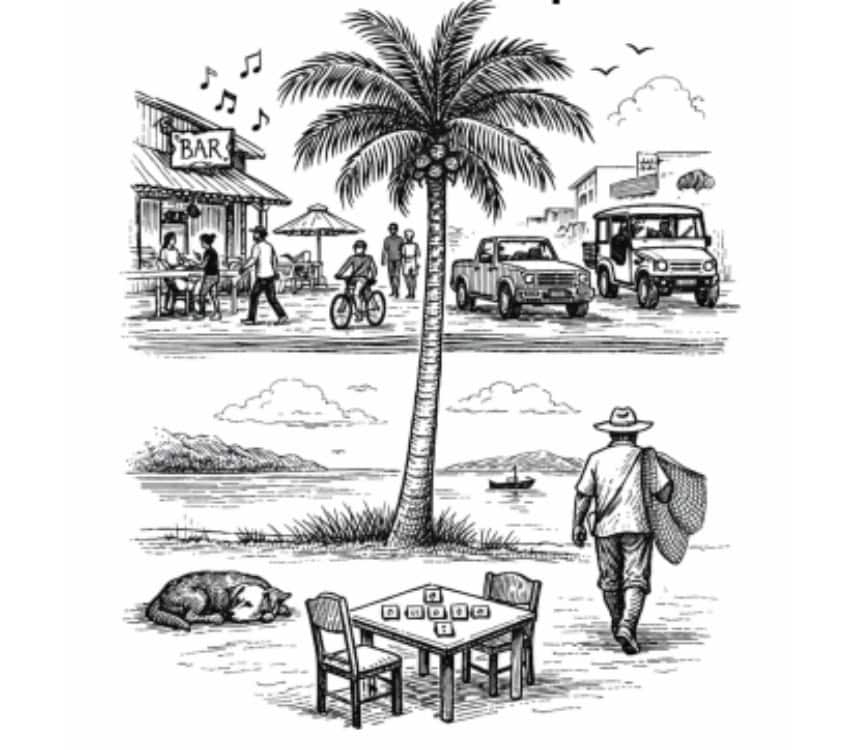
Life proceeds at a stately, sedate pace in Barra during the slow season but picks up intensity during the high season. (Robert Santacroce)
For those of us who remain here throughout the year, the low-season gatherings possess a certain unhurried depth, allowing time to listen completely. A conversation may wander like a fisherman along the beach, pausing here and there without any need to arrive anywhere in particular. A game of Mexican Train can stretch comfortably into the evening without anyone glancing at a watch or remembering they must be across town in 20 minutes. The night simply unfolds.
In those moments, the small pleasures of community feel especially rich. A shared meal, a few good stories, the clack of dominoes on the table and the slow drift of conversation that occasionally leads somewhere surprising. It may not be a grand event, but in a quiet village, it is more than enough. And for my temperament at least, it suits the rhythm of life here perfectly.
Robert Santacroce is a contributor to Mexico News Daily.
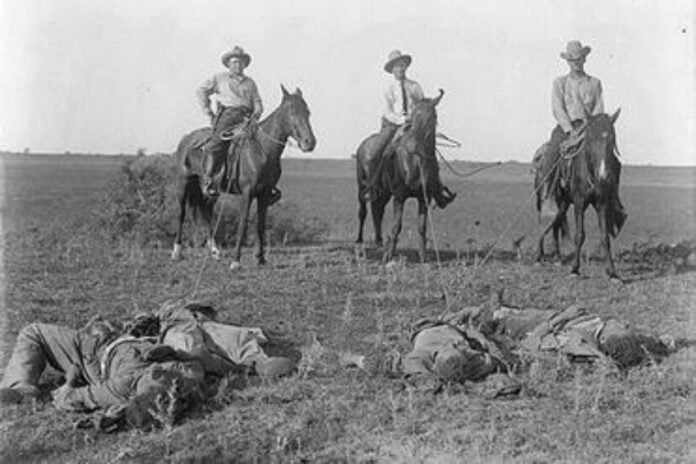
In 1914, journalist Carlos M. Wood was shot and killed in Marfa, Texas, by Texas Rangers serving him a warrant. From the beginning, accounts accused the Rangers of murdering him. The Rangers at this time in history had a reputation among Mexicans in Texas for brutality and impunity. (Public Domain)
You almost certainly have never heard of the early-20th-century crusading newspaperman Carlos M. Wood, whose star-crossed, peripatetic life met an early end in 1914 at the hands of the Texas Rangers. But his story — which began in his birthplace of Matamoros, Tamaulipas, and ended in Marfa, Texas — was filled with controversy, conflict and even a historical mystery.
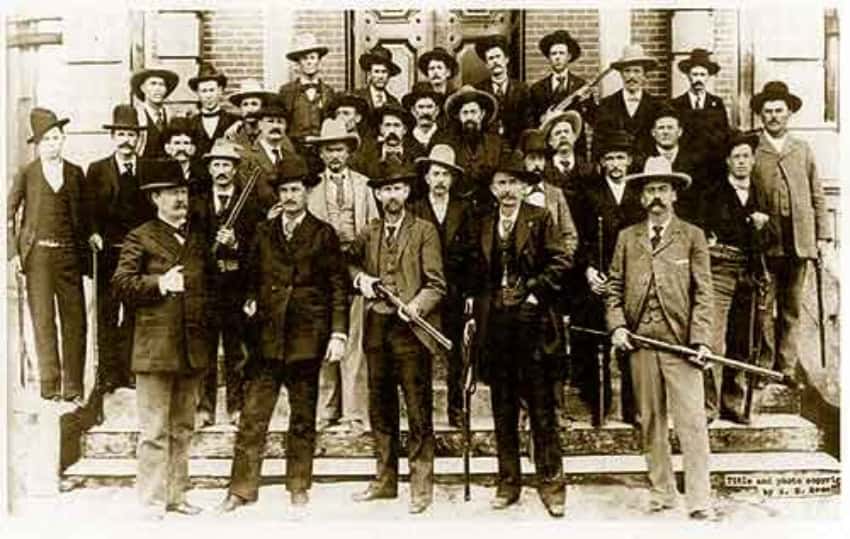
Wood’s story is that of a young man who, in the space of a decade, went from attending rallies for the Mexican conservative dictator Porfirio Díaz to using his border newspaper in Marfa, Texas, to call out local politicians, as well as the Texas Rangers, for bad behavior — particularly the Rangers, who had a local reputation among Mexicans in Texas at the time for brutality and impunity.
Texas Rangers like those in this 1896 photo, had a reputation for brutality and impunity among Mexicans living in Texas during this time. (Public Domain)
And, as a newly discovered report found in Mexico’s archives reveals, Wood may have paid the ultimate price for his words: He died in 1914 after being shot multiple times by Rangers who had been serving him with an arrest warrant — most likely for criminal libel. According to a report made at the time by one of the arresting officers, they shot Wood because he resisted arrest.
Testimony in the newly discovered Mexican report, however, suggests that Wood did not resist arrest but was rather stalked and assassinated by the Rangers sent to serve him the warrant.
Killed with ‘malicious premeditation’?
Last fall, a new and unexpected chapter unfolded in the mystery of Wood’s killing, thanks to the discovery of a 1914 report sitting unnoticed for over 100 years in Mexico’s Diplomatic History Collection in Mexico City.
Fernando Serrano, the Mexican consul in Marfa at the time, investigated Wood’s death. What he learned, according to his report to his superiors in Mexico, was that Wood had been stalked and assassinated by the Texas Rangers sent to serve the warrant, H.L. Roberson and Ira W. Cline.
According to Serrano’s report, Wood was “gravely wounded” by four bullets on June 22 and died hours later on June 23 at 4 a.m. More importantly, Serrano’s report included a damning, never previously published statement by Presidio County sheriff Milton B. Chastain against one of the Rangers involved in the shooting.
In his statement for Serrano’s report, Chastain, himself an ex-Ranger, told Serrano that the Rangers who had served the warrant — H.L. Roberson and Ira W. Cline — had killed Wood “with malicious premeditation.”
Who was Carlos M. Wood?
Virtually nothing is known of Carlos’ early life. He was born to a Mexican father and an American mother in Tamaulipas, thanks in part to a decision made many years before by his grandfather, David L. Wood — himself a Texas newspaperman of some note.
David emigrated in 1856 from Texas to Reynosa, Tamaulipas, out of concern for his family’s safety: His wife, Sophronia Primm, was biracial, and while miscegenation laws were not consistently enforced in Texas, the family felt vulnerable enough that it decamped to more egalitarian climes over the border in Mexico.
Carlos first appears in the historical record in Mexico City periodicals in September 1901, at age 26, identified as a member of the Guild of Lithographers, Printers and Book Binders, at a rally in Monterrey, Nuevo León. The rally Carlos attended supported then Mexican president Porfirio Díaz, suggesting that at this point, Wood’s politics were establishmentarian.
Wood launches El Relámpago
By May 1904, Carlos Morales Wood was in the United States, publishing a heartfelt ode to his mother, Laura, in the Santa Fe, New Mexico, publication La Voz del Pueblo (The Voice of the People). Two months later, now 175 miles north in Ratón, New Mexico, he launched a Spanish-language weekly, El Relámpago (The Lightning), now as Carlos M. Wood.
Surviving issues from the newspaper’s several-month run show Wood as a stalwart of the Progressive wing of the Republican party at the time, backing Theodore Roosevelt and still supporting Porfirio Díaz — Roosevelt and Díaz were cordial allies.
The news sections of El Relámpago paid sparse attention to local issues, such as New Mexico statehood, but inexplicably devoted much space to the Russo-Japanese War.A small story about defense funds being organized for a young Mexican facing a murder prosecution in Texas was a singular hint of social justice concerns.
The ‘jailbird’ journalist
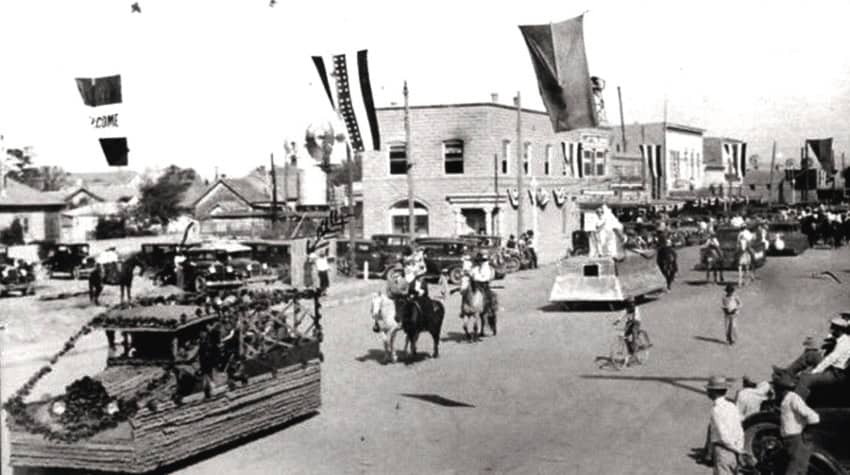
A parade in Marfa, Texas, the town where Carlos M. Wood was shot by two Texas Rangers, in the 1920s. (Facebook)
Wood abandoned El Relámpagothat fall, and for the next decade led a star-crossed life full of movement. He was affiliated in one capacity or another with at least seven southwestern newspapers, including several in New Mexico: La Voz del Pueblo(1904) and La Unión Social (1914?) in Santa Fe;El Relámpago in Raton (1904); and El Independiente(1904-1906) in Las Vegas, New Mexico. He also had connections to three other publications in Colorado and Texas, and perhaps a few more.
Wood’s life was star-crossed in that he was jailed for adultery in Colorado and New Mexico, as well as for sneaking into the home of a married woman he was wooing and for assaulting an angry reader.
His transgressions drew occasional brickbats from his Spanish-language press rivals. One called him a “jailbird,” and another referred to him in a headline as “the junior hack writer in disgrace.”
A new newspaper — and an arrest warrant — in Texas
By 1914, Wood had gone to Valentine in Jeff Davis County, Texas, far from his New Mexico and Colorado haunts. In 1910, Jeff Davis County hosted 1,678 people and 74,961 cattle, a 1-to-44 ratio. Wood installed himself as the publisher-editor of La Pátria Mexicana, a Valentine newspaper run off on a borrowed press in nearby Marfa.
By this time, the Mexican Revolution was in full steam, bringing border raids, cattle rustling, banditry, Texas Ranger retaliations and refugee diasporas along the Rio Grande, a few scant miles from Marfa.At this point, it seems that Wood’s social justice sentiments had been aroused.
Soon after founding La Pátria Mexicana, Wood found himself the subject of an arrest warrant, possibly for criminal libel — a vague but handy cudgel used by thin-skinned local authorities before First Amendment guarantees were extended to the southern states. The Texas Rangers, the state’s law enforcement arm, was given the job of serving the warrant and arresting Wood.
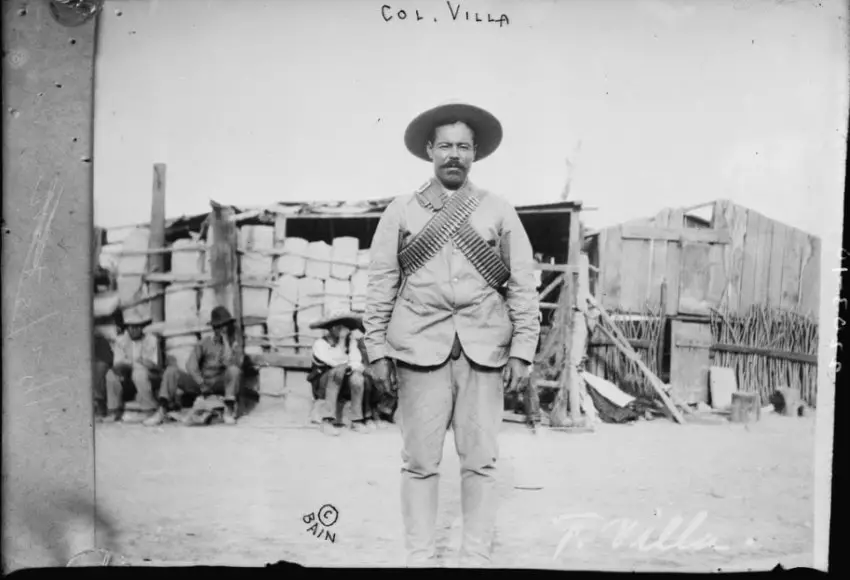
The legendary Mexican Revolutionary Pancho Villa. The Mexican Revolution and widespread banditry were the excuse for many killings of Mexicans. (Public Domain)
It would lead to his death.
The official account of the shooting
Arresting officer H.L. Roberson’s report of Wood’s shooting for the Rangers was matter-of-fact.
“June 22 (1914): Scouted from Marfa to Valentine with warrant for the arrest of Carlos Morales Wood. Trailed him back to Marfa. While resisting arrest, he was killed by Cline and myself.”
It should be noted that “resisting arrest” was a widely used euphemism of the day, excusing a range of behavior by authorities, including murder. It’s also worth noting that by the time Roberson and Cline served the warrant, Roberson already had a notoriously violent reputation: He was said to have killed 38 men, a number certainly exaggerated, but one to which we might assume Wood would offer no demur.
A smear campaign and forgotten accounts
The newspapers, including reactionary elements of the Spanish-language press, blamed Wood’s death on Wood himself — for having incited “prejudice among the Mexicans against the American people in general and the Rangers in particular.”
These newspapers also said that Wood’s La Pátria Mexicana newspaper had accused the Rangers, as well as soldiers and Americans in Texas, of being “cutthroats and thieves.” They also said Wood had “attacked roughshod” a politician in an editorial article. The press also haphazardly located the death scene, claiming that Carlos was shot either while entering his house, in front of the Palace Drugstore, or at the door of the local post office.
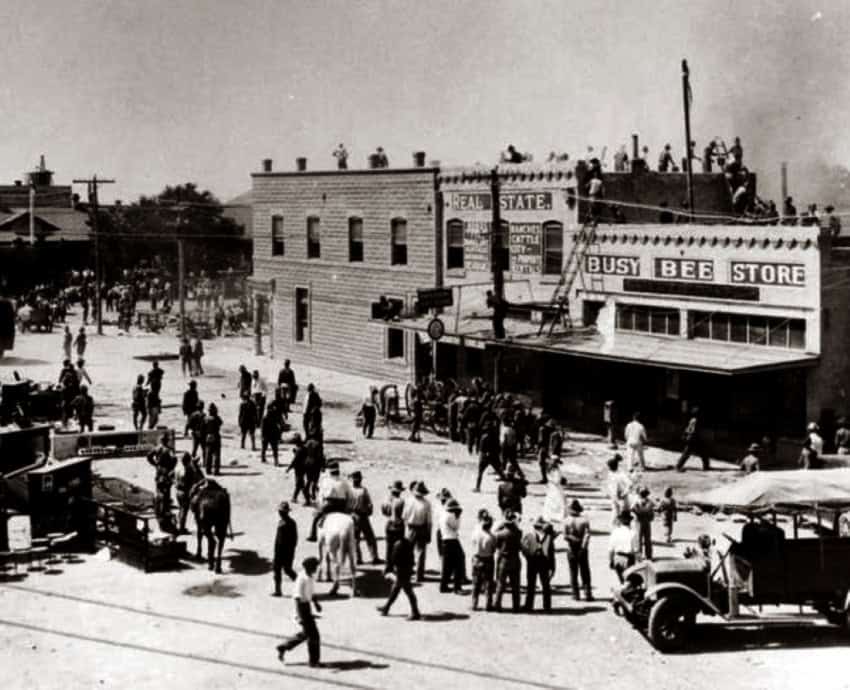
Marfa, Texas, following a fire in 1920. Wood was shot near the Busy Bee Store, pictured here, in 1914. (Public Domain)
The judicial inquiry was brief, uneventful and unclear to history; possibly it was no more than a grand jury no-bill.
For a century, the story of Wood’s death was a largely forgotten bit of local Texas history. Years later, borderland folklorist Joyce E. Means did, however, collect two accounts of Wood’s shooting.
Resident Mance Bomar told Means, “They (the Rangers) saw (Wood) go by Winn’s Busy Bee Confection and past Mack’s drugstore … He was shot nine times and didn’t have time to shoot back. I just wondered what his name was.”
Bomar also said that Wood had been printing things Roberson and Cline didn’t like.
“They told him to stop or they’d kill him. He didn’t stop,” he said.
Another account that Means recorded said Wood “came to the post office to get his mail. They may have told him to surrender in English. The man didn’t even have a pocketknife.”
Ambushed on the street?
However, Serrano’s recently rediscovered report now provides much more context for Wood’s arrest and more details about the incident.
Wood was shot by two Texas Rangers, who, despite their badges, reportedly fired from behind the cover of a car, according to one witness. (eBay)
“With some of his friends,” said one statement Serrano took from an unnamed eyewitness, “Morales was walking along the sidewalk opposite the Post Office and told them to wait for him there, as he was going to pick up his mail. After he left and headed to where his friends were halfway down the street, he was called by the Rangers, and then Morales backed up and headed to the place where the voice had come from.
“Immediately, the Rangers, from behind a car, fired shots at him, and as Morales fell, he dropped his pistol.”
An irresponsible rabble rouser or warrior for justice?
Local rancher Riley Robert Smith told Serrano that Wood had been distributing literature “calculated to excite the Mexican people of Pilares to rise up against officials, that is, the State Rangers, and [to] produce an illegal tumult.”
Serrano also reported that Wood’s newspaper had “severely attacked the Texas Rangers for the murder of Lino Baeze, a young Mexican outlaw accused — some say wrongly — of the 1913 ambush and killing of customs Inspector Jack Howard while Howard had been part of a posse escorting Chico Cano, a much-wanted rustler and brigand of fortune alternately in the service of Mexican insurrectionist Pancho Villa and Mexican presidents Francisco Madero and Venustiano Carranza, but mostly allied with himself.
Baeze was fatally shot on an island in the Rio Grande in early April 1914 while being pursued by Texas Cattle Raisers’ Association Chief Inspector John R. Banister, Presidio County Sheriff Milton Chastain and others.
‘An individual with a bad record who should be feared’
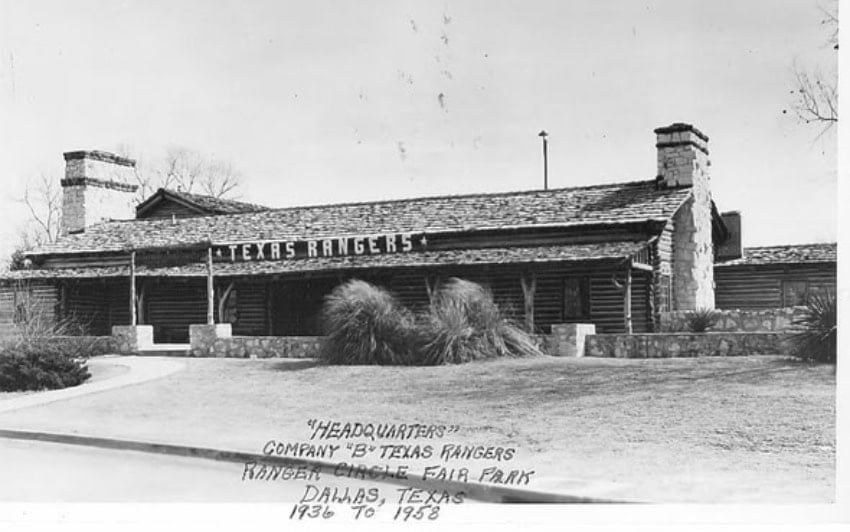
It’s worth noting that the Texas Rangers, officially founded in 1835, were for decades more irregular paramilitary than law enforcement, often serving at the whim of politicians, and did not become a professional police force until the 1930s.
A Texas Rangers headquarters in the 1950s. The Rangers only became a professionalized police force in the 1930s, despite having existed since the 19th century. (Public Domain)
Ranger violence against Hispanics is thought to have peaked in the 1910s, the decade of the Mexican Revolution and the Bandit Wars, known as “La Matanza.” During that bloody period, the number of Hispanics killed by vigilantes, local law enforcement and the Rangers is estimated at between 300 and several thousand.
“If a Mexican were to testify against the Rangers,” Serrano lamented in his report, “his statement would have no weight, and he would undoubtedly expose himself to death at the hands of the Rangers.”
Serrano also singled out Cline as an especially problematic figure.
“I also wish to inform you,” Serrano’s report said, ”that the Ranger, Ira Cline, according to confidential information provided, is an individual with a bad record and should be feared.”
The fate of the men who shot Wood
As Serrano alluded, Cline was not a known choirboy. Apparently, neither was Roberson: In January 1915, a year after Wood’s death, Roberson — then working as foreman of the T. O. Ranch in Chihuahua — fatally shot a popular rancher during a stockyard squabble in Sierra Blanca, Texas. In the fray, an errant bullet also killed Walter Sitter, a 19-year-old cowboy in Roberson’s employ.
Roberson weathered several trials, with progressively more agreeable verdicts: murder, manslaughter and acquittal. He was never tried for the teenager’s death.
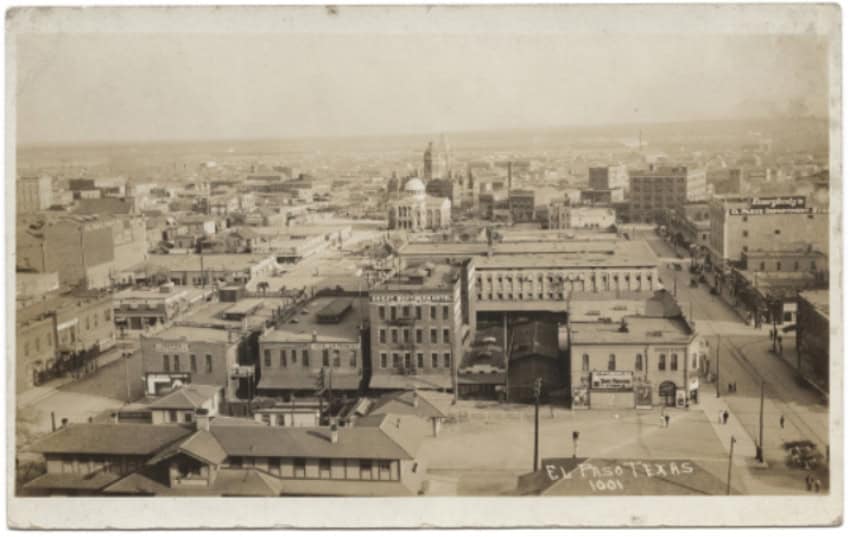
Ira W. Cline, one of the Rangers who shot Wood, lived out much of the remainder of his life in El Paso, shown here in 1910. (Public Domain)
Roberson himself died of gunshot wounds in 1923, after he was shot and killed in the lobby of a hotel in Seminole, Texas, by two ranchers facing a grand jury investigation for cattle poaching. Roberson was scheduled to testify in the court case the next day.
Both men pleaded self-defense, claiming that Roberson had been threatening them, a not-implausible notion. During their trial, Roberson’s killing of Wood and others, along with a perhaps apocryphal anecdote of him having shot a Black railroad conductor and tossing his body off a train, were offered by the defense as evidence of Roberson’s homicidal inclinations. Nevertheless, both men were convicted and imprisoned for Roberson’s murder.
Cline lived longer than Roberson — he would eventually become Presidio County sheriff after the man who had accused Cline of murdering Wood, Milton B. Chastain, died in a fall off a windmill on his ranch in 1917 — but Cline’s police career had its bumps.
While serving as deputy constable in El Paso, Texas, in 1927, he and two colleagues were accused of plotting to kidnap “Mexican revolutionaries and shanghai them into Mexico,” where presumably they would be shot.He was not prosecuted. The following year, Cline was prosecuted on multiple charges of extorting money from El Paso sex workers, but he was acquitted.
Cline died in El Paso in 1965, at 82, the last link in a several-decade cycle of mayhem, murder and tragedy.
This article was adapted from the previously published article: “David L. Wood and Carlos Morales Wood: History Repeats Itself, First as Tragedy and Again as Tragedy,” Daniel Buck, Wild West History Association (WWHA) Saddlebag Newsletter, April 2026.
Daniel Buck is a member of the WWHA Journal editorial board.